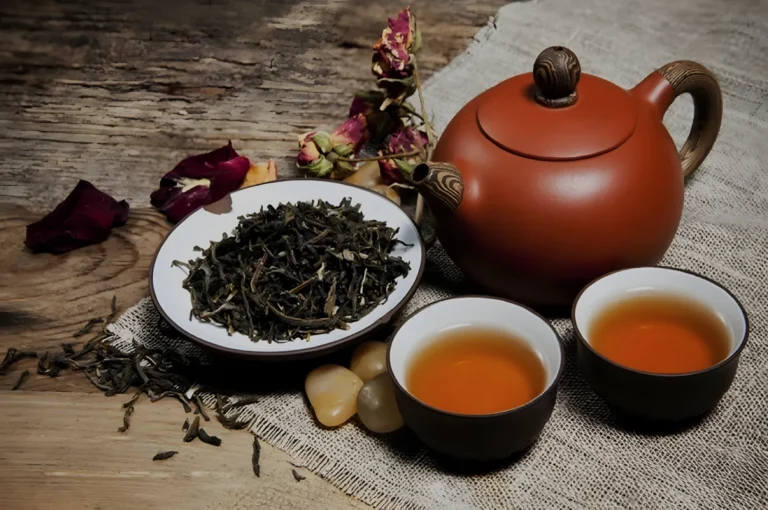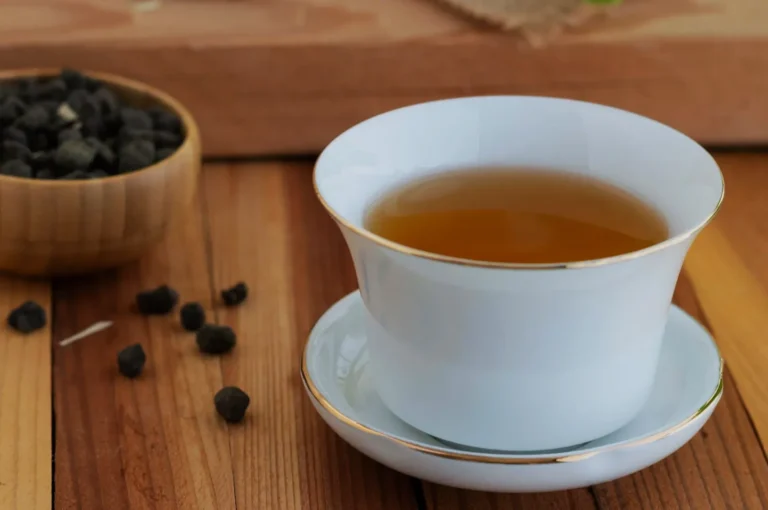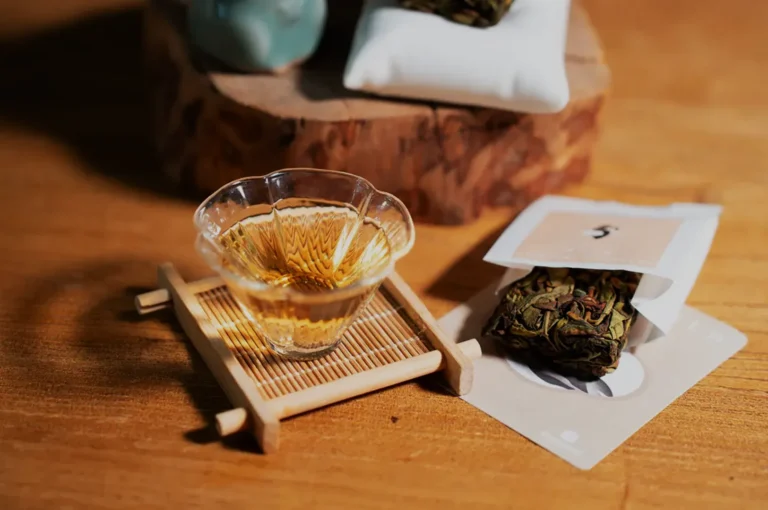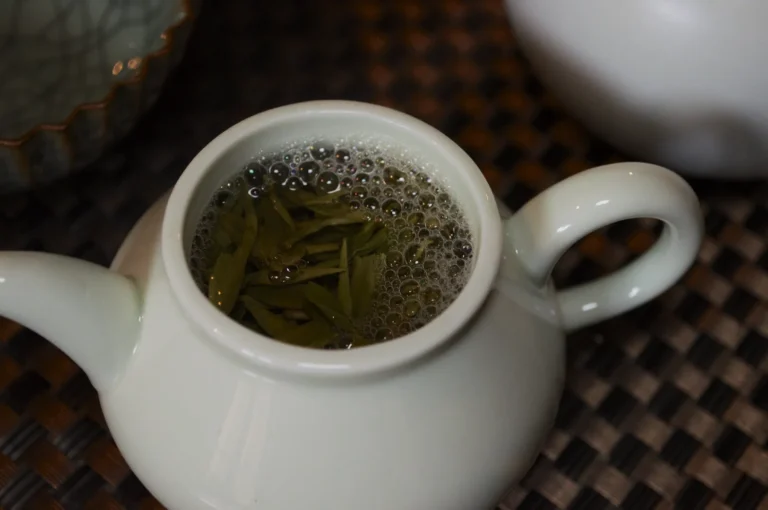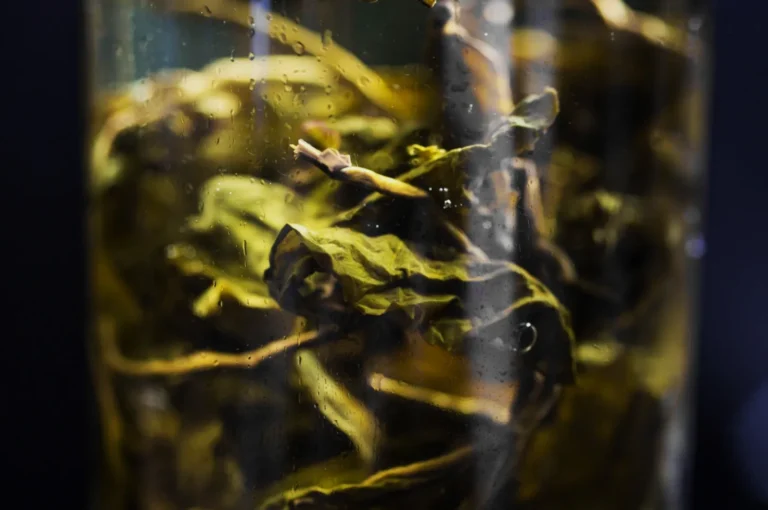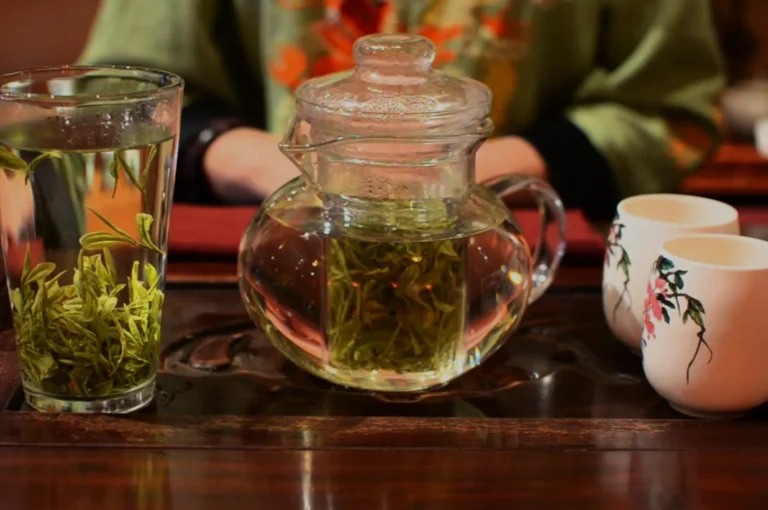
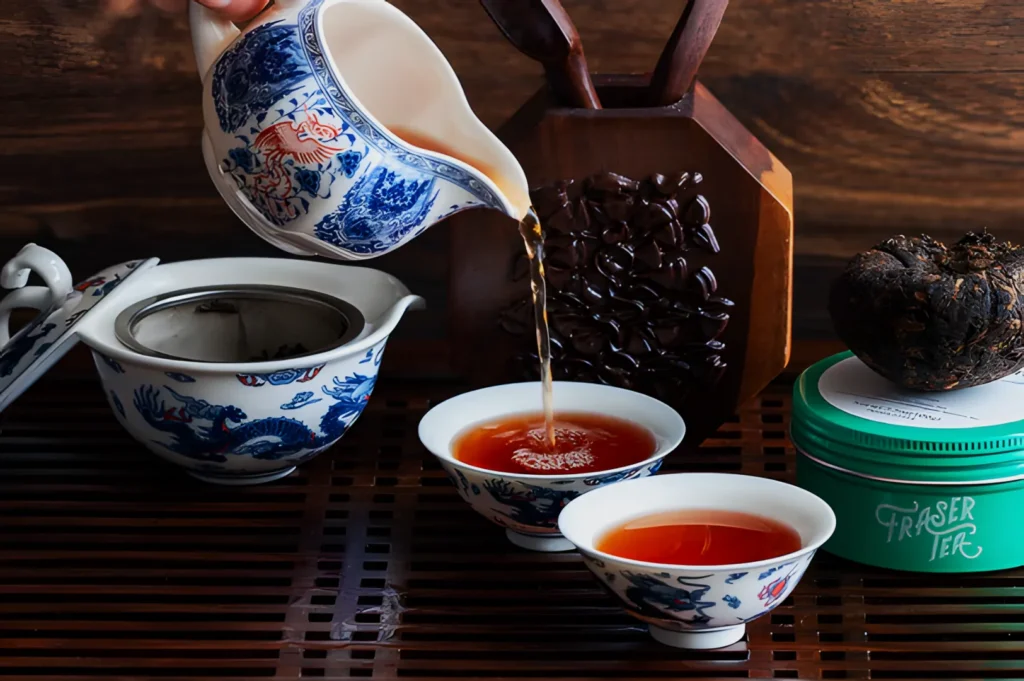
Picture a quiet afternoon in a serene tasting room. The kettle murmurs softly in the background. A dark, deeply fragrant liquor pours into a waiting porcelain cup, releasing notes of warm earth and autumn woods. It is a moment of pure calm. Yet, as the cup is offered, a very common and completely understandable question arises from our guests. They often ask about the true nature of the dark liquid resting before them.
Understanding pu-erh tea vs black tea is a beautiful step in any tea journey. When you are deciding what to try next, navigating the various names and categories can feel confusing. In this guide, we will gently clarify the naming conventions, the processing methods, and the distinct flavours you can expect from each. By the time you finish reading, you will possess a practical, quiet confidence to choose the perfect cup for your own daily ritual.
Quick Answer: Is Pu-Erh A Black Tea?
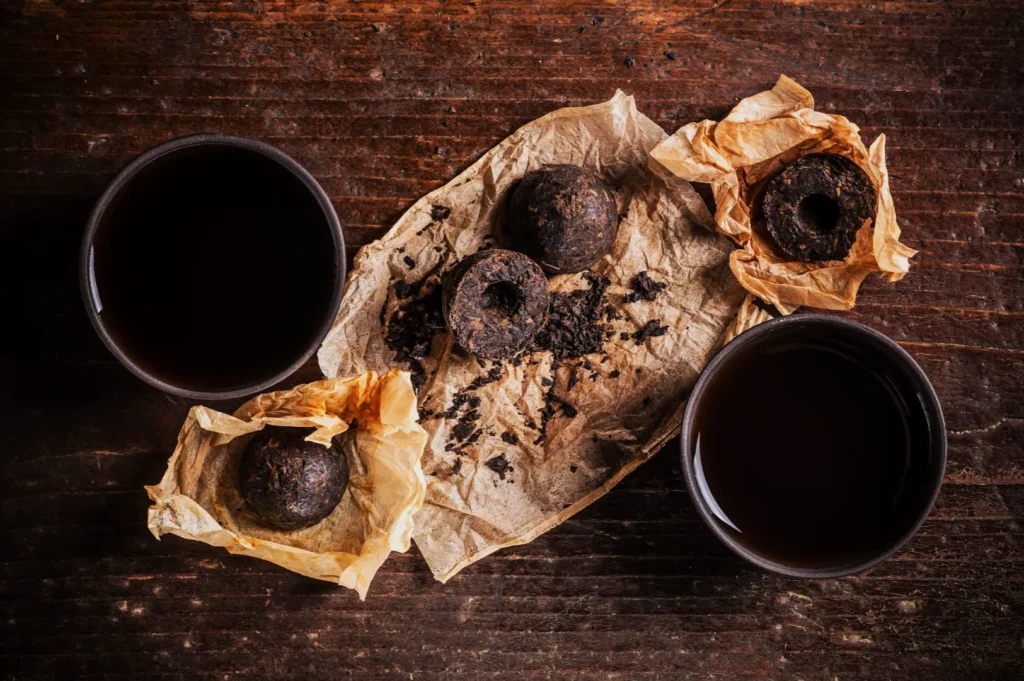
To provide a direct answer, pu-erh is not a black tea. However, the confusion is entirely natural and stems from a fascinating historical translation difference between Eastern and Western cultures.
If you are wondering is pu-erh a black tea, the short answer lies in the colour of the brewed liquid. In English, we use the term black tea to describe fully oxidised leaves. In traditional Chinese tea culture, this exact same category is known as red tea (红茶) because of the crimson hue of the liquor. Meanwhile, the term dark tea (黑茶) in Chinese refers to a completely different category of teas that undergo microbial fermentation. Pu-erh belongs to this latter group. Understanding this simple translation bridge instantly clears the confusion.
What Pu-Erh Tea Is, In Plain Terms
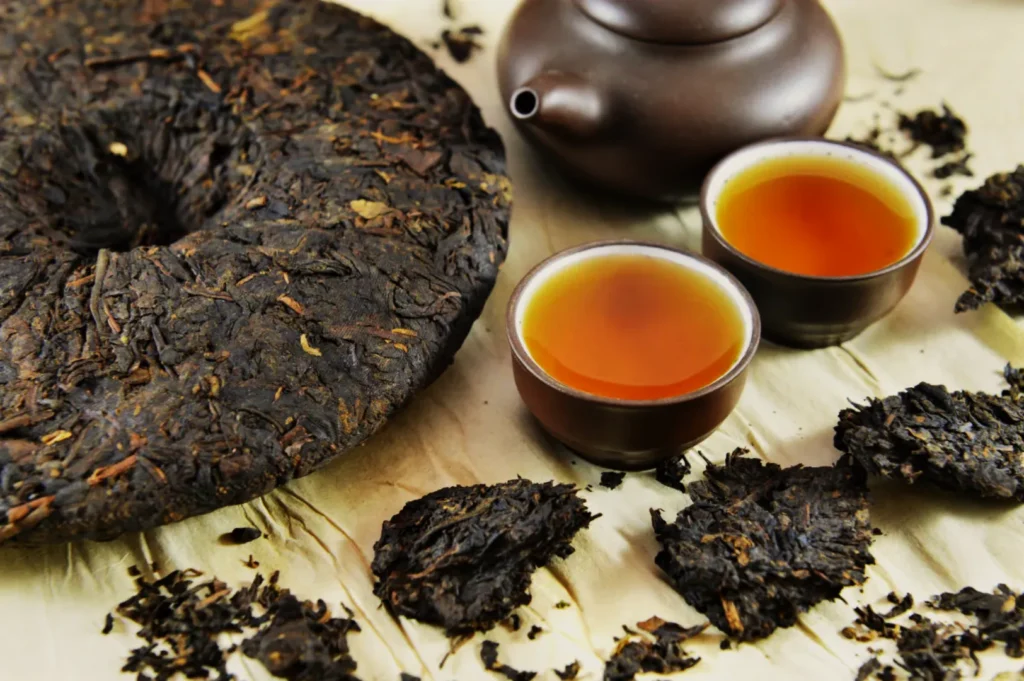
At its heart, pu-erh is a geographically protected tea that originates exclusively from the lush, biodiverse mountains of Yunnan province in China. It is defined by its unique relationship with time and post-fermentation. Unlike most botanical infusions that are best consumed fresh, pu-erh is celebrated for its remarkable ability to age gracefully, much like a fine wine.
The category is beautifully divided into two main styles. Raw pu-erh, known as Sheng, is the traditional method. It begins life bright and vibrant, slowly transforming over decades into a complex, mellow brew. Ripe pu-erh, known as Shou, is a modern innovation developed to accelerate this natural ageing process. Through careful, controlled fermentation, the leaves quickly develop a thick, profoundly comforting character. Both styles offer an incredible depth of flavour, but they present two entirely different journeys for the palate to explore.
What Black Tea Is, In Plain Terms
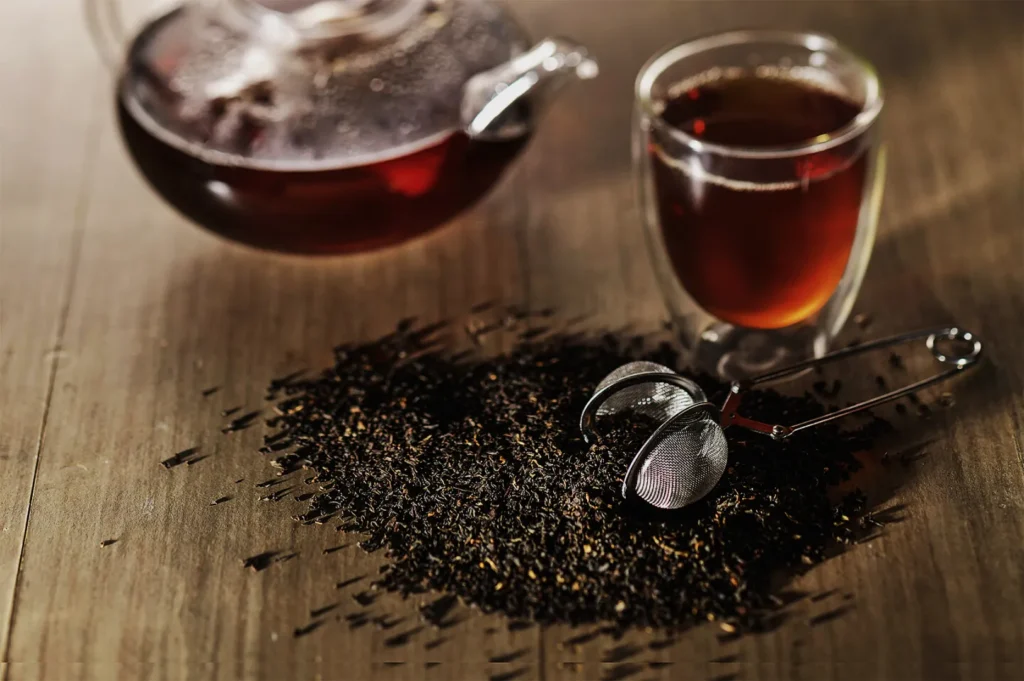
Black tea, as it is commonly understood in English terminology, refers to leaves that have been fully oxidised before they are dried. This careful, intentional oxidation is the precise step that turns the fresh green leaves dark and creates their robust, warming flavour profile.
When you sip a classic black tea, you are generally moving in a flavour direction characterised by rich malt, dark cacao, baked dried fruit, and a honeyed warmth. It is the brisk, familiar taste that many of us grew up with. While origins like the misty hills of Darjeeling or the high mountains of Keemun offer wonderful variations, the core identity remains consistent. Black tea provides an immediate, comforting clarity. It does not require decades of careful storage to reach its peak, making it a wonderfully accessible choice for an unhurried morning cup.
Processing Differences That Create The Difference In The Cup
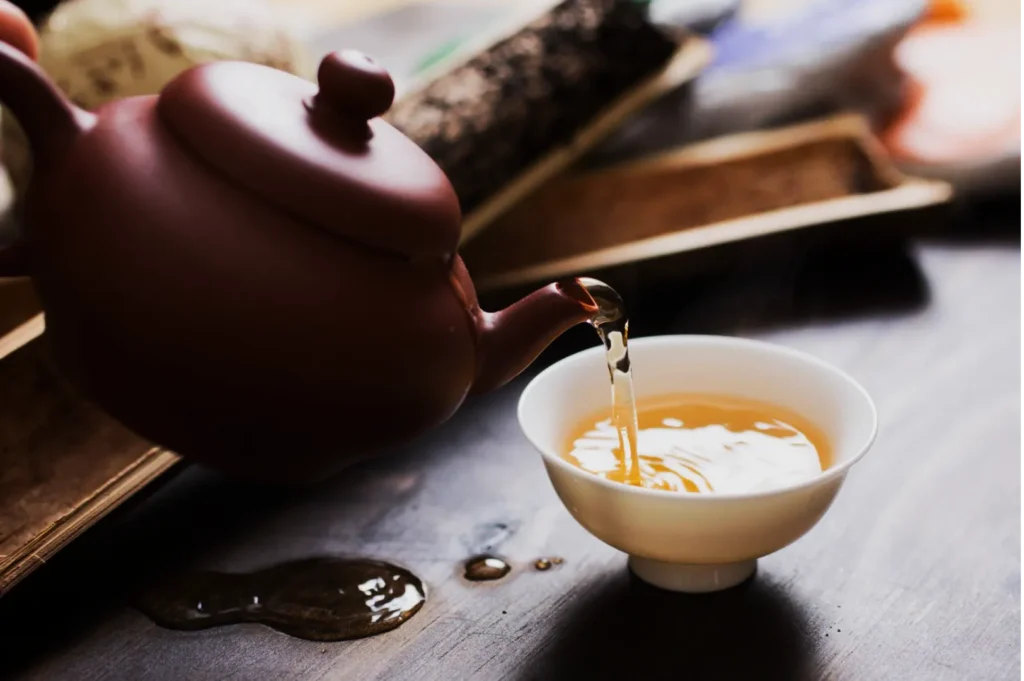
The fundamental difference between these two cherished categories lies entirely in how the artisans handle the leaves after they are plucked. Black tea relies on complete oxidation. The tea maker rolls the withered leaves to expose their juices to the air, allowing oxygen to transform the chemical structure. Once the desired rich colour and malty aroma are achieved, heat is applied to halt the process permanently.
Conversely, the crafting of pu-erh relies on microbial transformation and a delicate relationship with moisture and time. After an initial gentle heating that leaves some natural enzymes intact, the leaves undergo post-fermentation. This means the tea continues to breathe and evolve long after it leaves the mountain. This living nature is exactly what gives a well-aged pu-erh its thick, coating mouthfeel and its famous endurance. While a standard black tea might offer two or three beautiful infusions, a premium pu-erh can easily steep ten times or more. Each subsequent pour slowly reveals a new, hidden layer of the botanical story.
Taste Comparison: Aroma, Texture, And Aftertaste
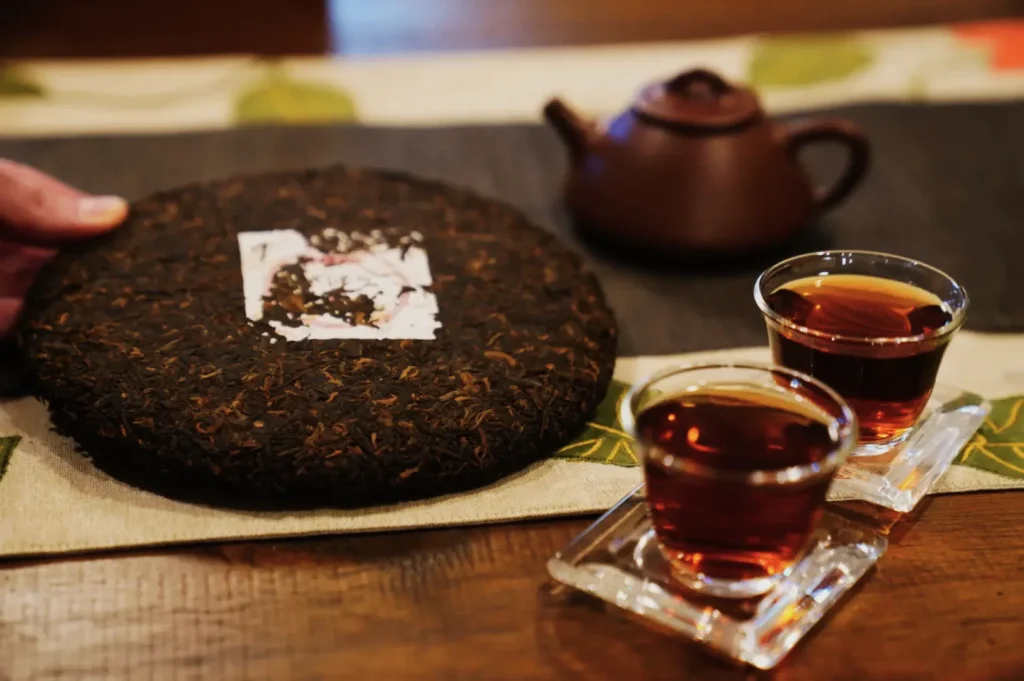
When comparing pu-erh tea vs black tea, the most rewarding differences are discovered quietly on the palate. A mindful tasting reveals how each crafting method shapes the sensory experience.
Aroma And First Impression
The aroma lift provides your very first clue. A quality black tea greets you with a brisk, uplifting fragrance. You might notice bright notes of citrus peel, sweet malt, or subtle florals depending on the specific origin. Pu-erh, on the other hand, grounds you immediately. The aroma of a ripe pu-erh is deeply comforting, often evoking memories of clean forest floors, warm autumn leaves, and ancient wood.
Body And Texture
As the liquid rests on your tongue, pay close attention to the physical weight of the brew. Black tea typically feels structured and lively, dancing lightly across the palate with a refreshing, crisp edge. The texture of pu-erh is entirely different. It is famous for its thick, velvety body. A good ripe pu-erh coats the mouth smoothly, feeling almost like a light syrup or a warm, savoury broth.
Finish And Returning Sweetness (Hui Gan)
The finish is where the true craftsmanship shines. A premium black tea leaves a clean, slightly astringent finish that beautifully cleanses the palate. Pu-erh is highly prized for its returning sweetness, a gentle sensation known as hui gan. Long after you have swallowed the tea, a soft, cooling sweetness rises from the back of the throat. Ultimately, the quality of the leaf matters far more than the category.
Caffeine And How It Feels (Not Just How Much)
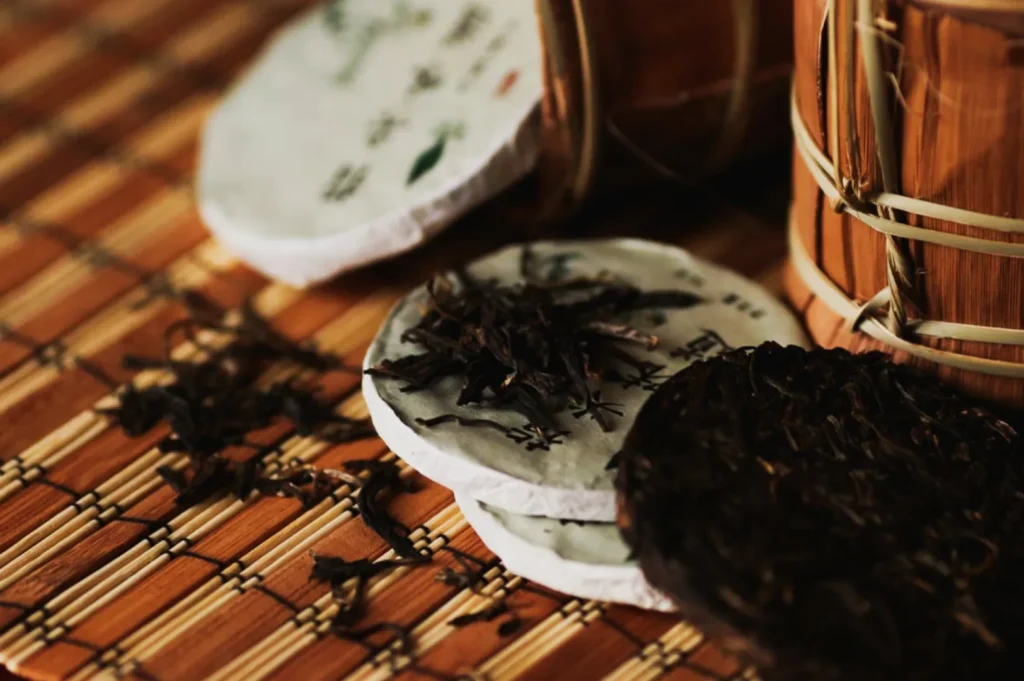
Many guests ask about the stimulating effects of their chosen brew. It is important to know that caffeine levels vary wildly based on the leaf material, the specific cultivar, your brewing parameters, and the portion size.
However, beyond the simple measurement of caffeine, many seasoned drinkers notice a profound difference in how the energy actually feels in the body. Black tea tends to offer a brisk, immediate sense of alertness that sharpens the mind quickly. Pu-erh often provides a much steadier, more grounding sensation. The energy feels warm and sustained, settling deeply in the body without causing sudden nervous jitters. This gentle, pacing rhythm makes an aged pu-erh a wonderful companion for a quiet afternoon of focused, unhurried work.
Which Should You Choose? A Simple Decision Guide
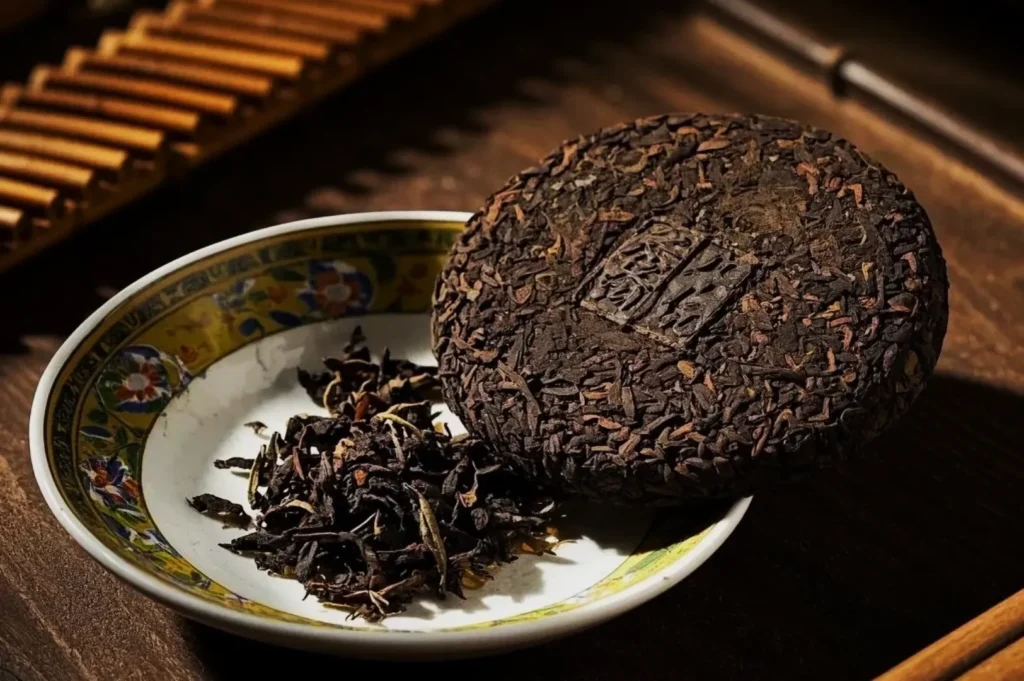
Deciding between these two wonderful traditions does not need to be complicated. When evaluating pu-erh vs dark tea traditions against classic oxidised leaves, your personal rhythm and daily environment should guide your hand.
- Choose a classic black tea if you desire immediacy, structural clarity, and a familiar brisk warmth for your morning routine.
- Choose ripe pu-erh if you want a remarkably smooth, dark, and deeply comforting cup that sits gently on the stomach.
- Choose raw pu-erh if you enjoy a bright, vibrant profile that you can personally age into complex maturity over the years.
- Choose pu-erh generally if you enjoy the meditative depth of long, evolving sessions with many sequential infusions.
Living in Singapore adds a subtle layer to this decision. Our natural humidity demands careful attention to storage, particularly for living teas. While black tea is relatively stable in a sealed tin, ageing raw pu-erh requires an environment free from strong odours and direct sunlight. To explore this fascinating history further, we invite you to read our deeper dive into pu-erh tea.
A Quiet Cup, A Clearer Choice
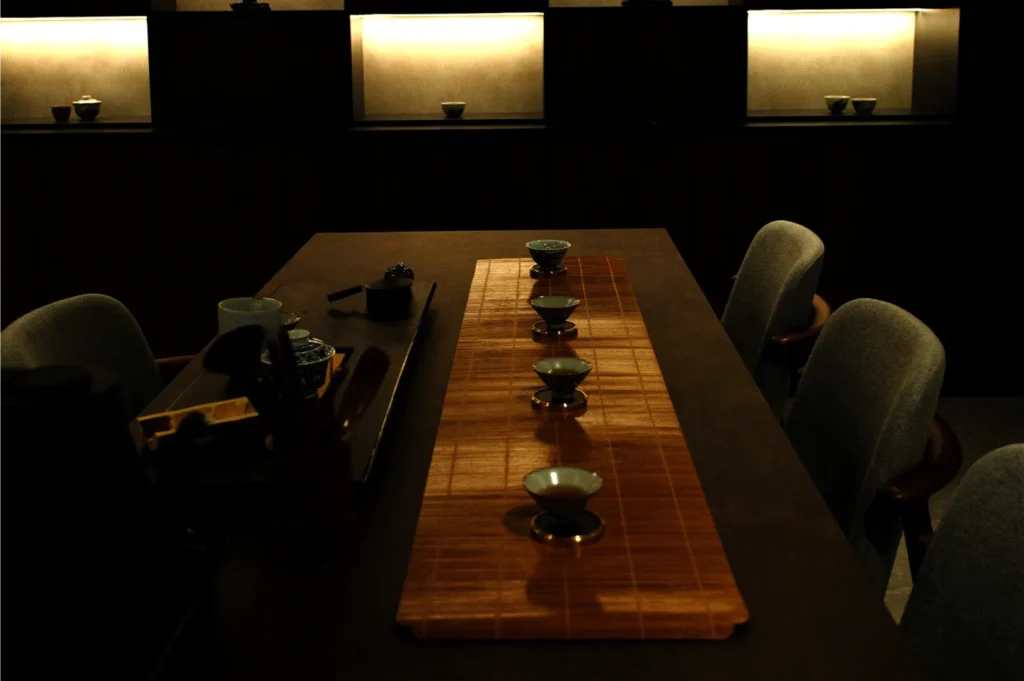
We hope this gentle comparison has brought clarity to your teacup. The choice between a brisk, malty infusion and a deeply grounded, fermented leaf is entirely a matter of personal resonance. Both traditions offer profound comfort when crafted with integrity and brewed with patient care.
Taking the time to appreciate these quiet differences transforms a simple beverage into a mindful daily practice. If you wish to explore these remarkable profiles in a serene, private environment, we warmly welcome you to join us. Allow us to pour a warm cup for you at Tea Room by Ki-setsu, where every session is an invitation to slow down and truly taste the moment.