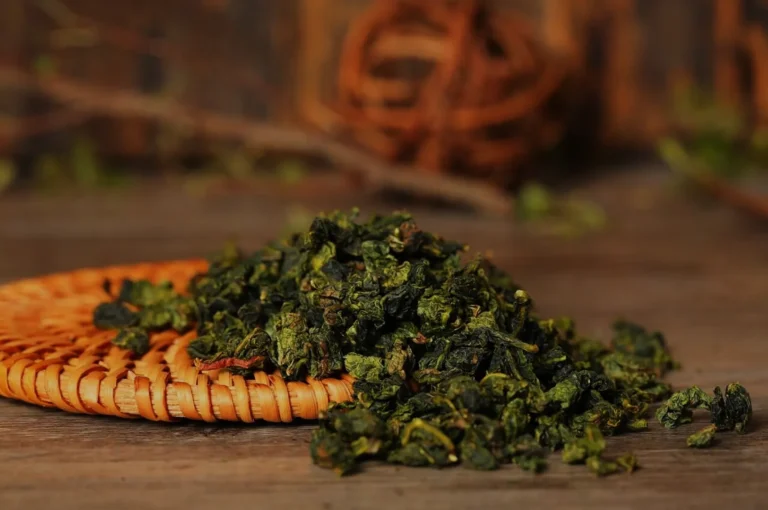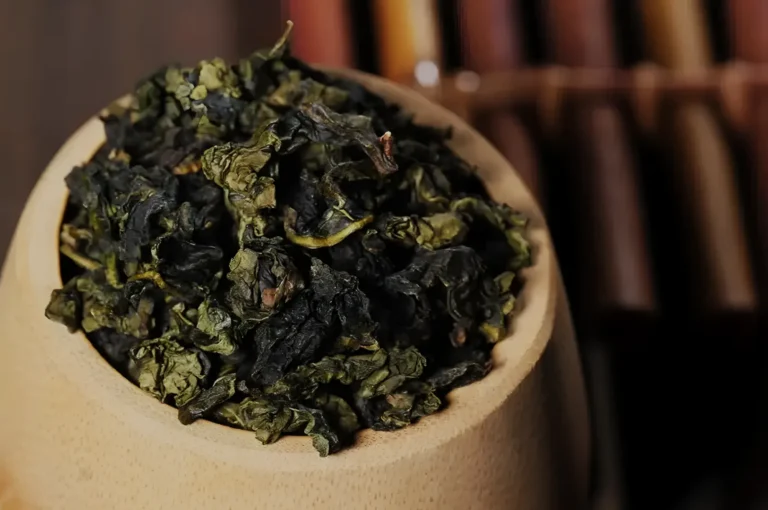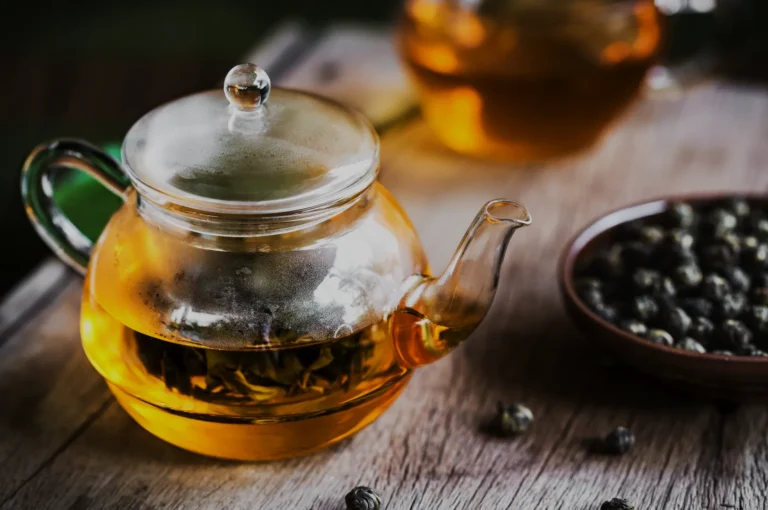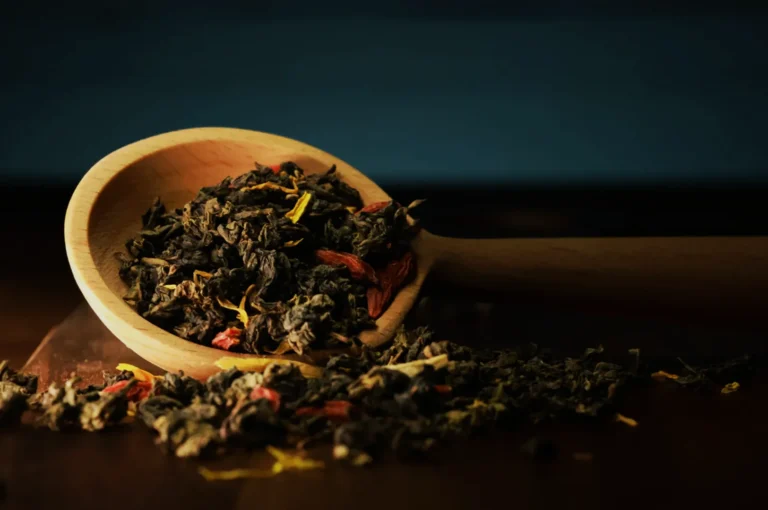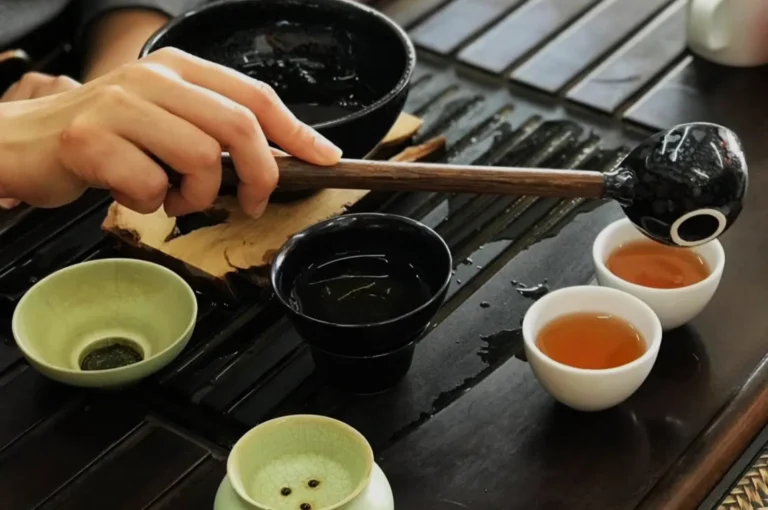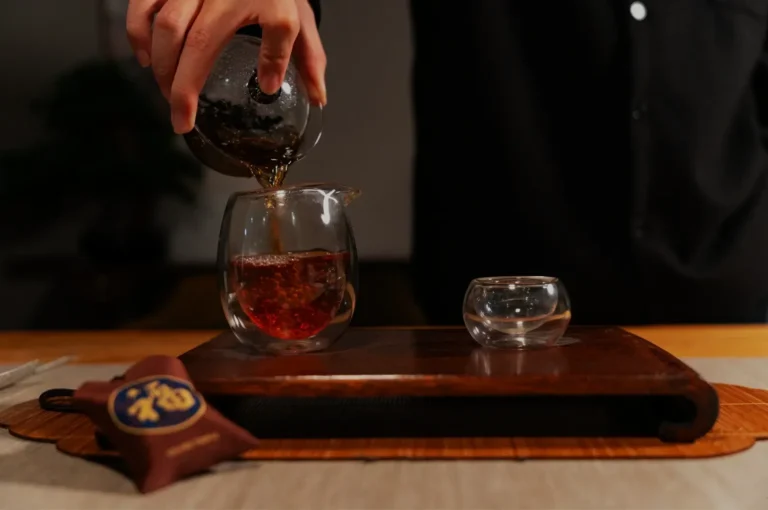
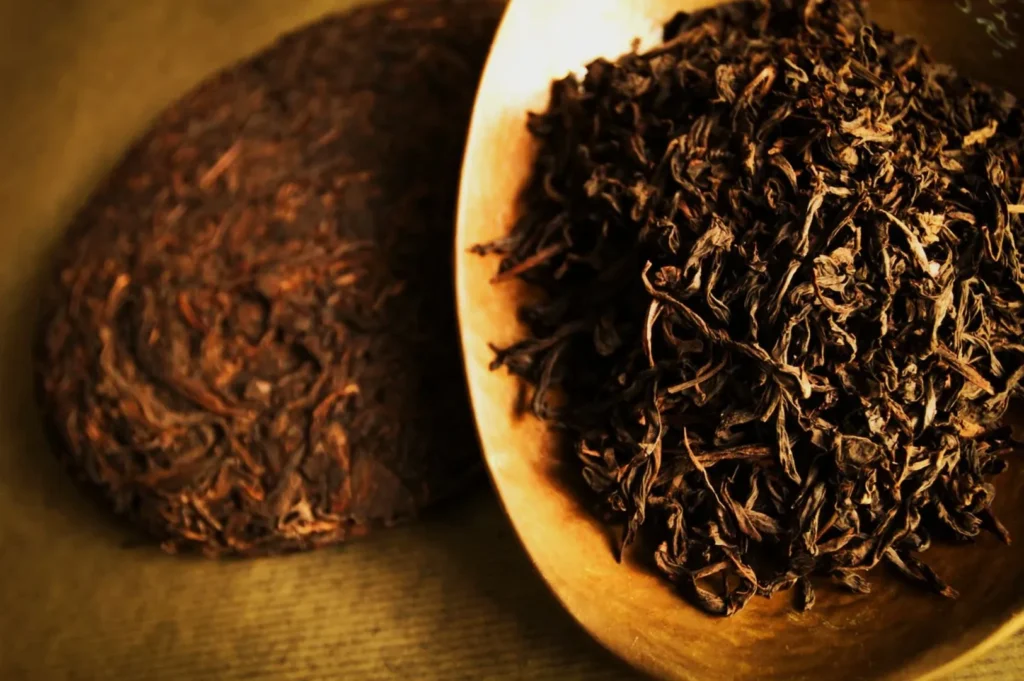
We often welcome guests into our quiet tasting space who are curious about the dark, fragrant liquor resting in their cups. The gentle hum of the kettle sets a serene rhythm as questions naturally arise. One of the most common inquiries we hear is about the fundamental differences within this celebrated tea category. People want to know the true distinction when comparing raw vs ripe pu-erh. It is a beautiful question that opens the door to a lifetime of sensory exploration.
Understanding these two distinct styles requires only a willingness to slow down and taste with intention. In this guide, we promise to bring absolute clarity to your teacup. We will explore how their processing differs, how they age over time, and precisely who each style suits best.
Pu-erh In Plain Terms
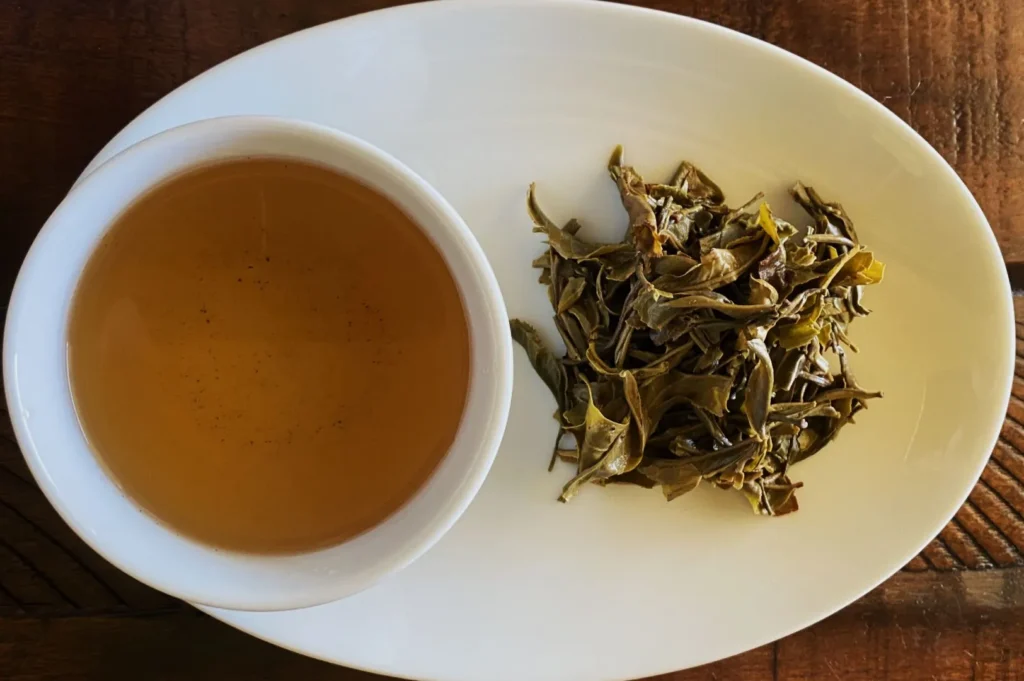
At its core, pu-erh is a geographically protected botanical treasure that originates exclusively from the ancient, mist covered mountains of Yunnan province in China. Unlike most teas that are meant to be consumed while perfectly fresh, pu-erh is famous for its unique relationship with time.
This tea is defined by post-fermentation, meaning the leaves continue to breathe, evolve, and transform long after they leave the artisan’s hands. It is a living tea that actively invites your patience and quiet attention. As the years pass, the sharp edges soften, and profound new flavour layers emerge gently into the forefront. If you wish to understand the deep cultural roots of this remarkable tradition, we warmly invite you to Learn more through our foundational guide. It will enrich every single sip you take.
Raw Pu-erh (Sheng): Fresh Energy And Long Ageing Potential
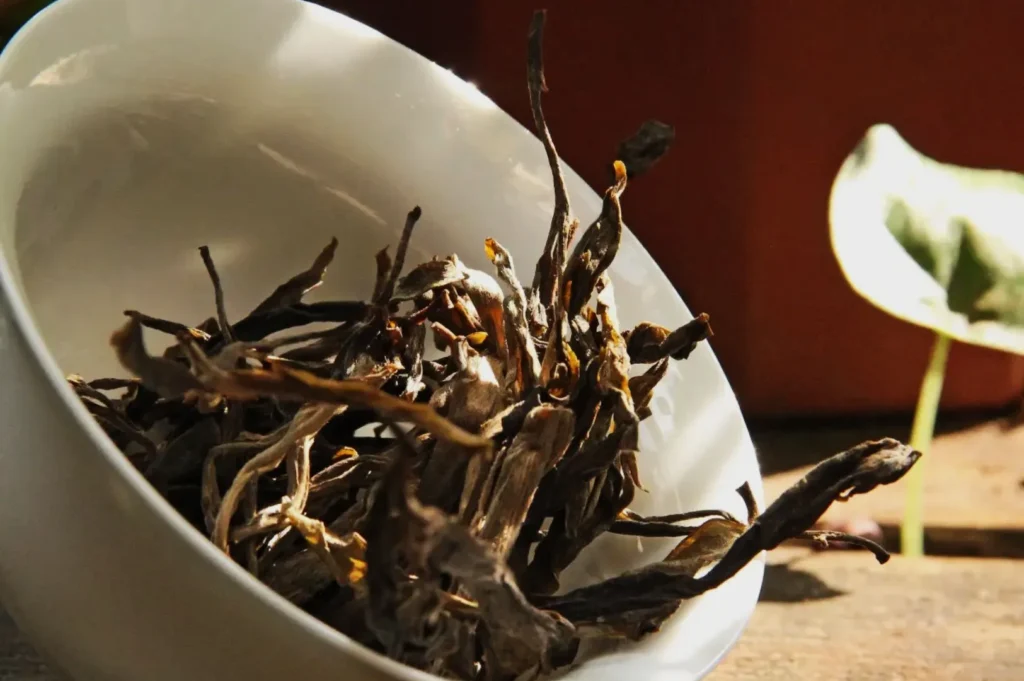
Raw pu-erh represents the traditional, ancient way of crafting this celebrated leaf. When young, the brew is often incredibly bright, structurally crisp, and full of vibrant floral or stone fruit notes. Many people find that young sheng carries a pleasant, intentional bitterness that quickly melts into a cooling sweetness.
The true magic of sheng lies in its remarkable ability to transform. The difference between young sheng vs aged sheng is profound. Over a period of decades, the crisp, green energy slowly transitions into a deep, amber coloured liquor with notes of camphor, dried plum, and ancient wood. Because the leaves evolve continuously, brewing a raw pu-erh requires a patient hand. A single session can last for hours, with the flavour profile shifting beautifully across ten or more infusions.
Ripe Pu-erh (Shou): Crafted Depth And Immediate Comfort
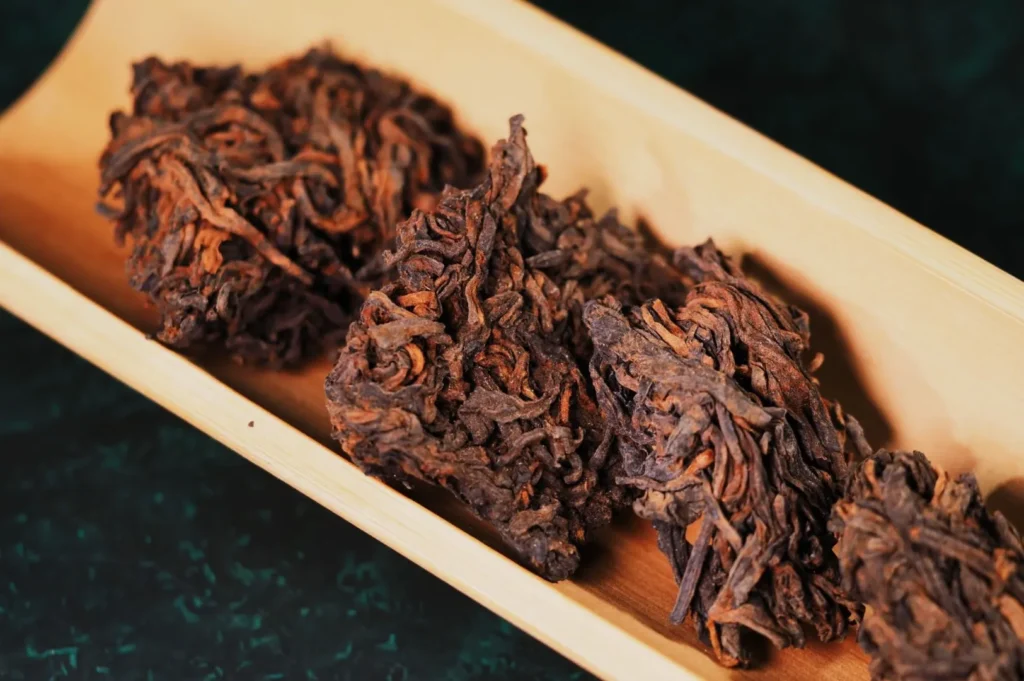
In the 1970s, tea artisans sought a way to replicate the deeply comforting taste of an aged raw pu-erh without waiting decades. The result was ripe pu-erh (shou). To achieve this, makers use a careful process called wet piling (wo dui). The leaves are gathered in large piles, dampened with pure water, and covered to encourage a warm, rapid fermentation.
This brilliant innovation creates a completely different sensory experience. A well crafted shou offers an incredibly thick, dark, and velvety cup that feels instantly grounding. After the wet piling process is complete, the tea requires a period of quiet resting. This resting phase allows any heavy fermentation aromas to dissipate entirely. What remains is a beautifully clean, sweet, and earthy liquor that provides profound comfort on a rainy evening.
Processing Differences That Shape The Cup
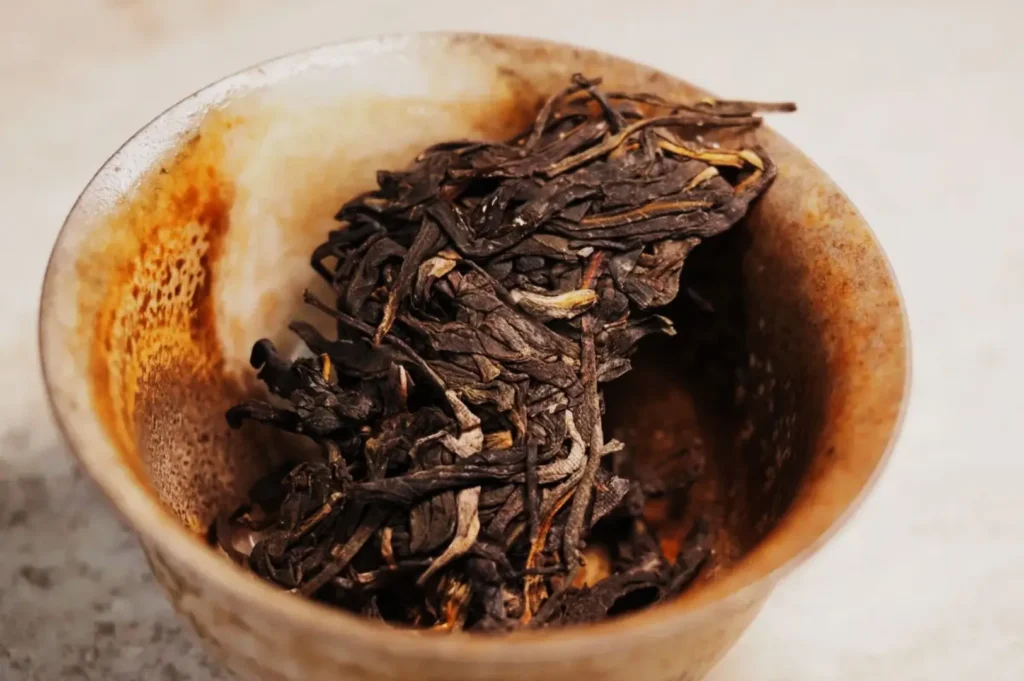
The initial steps for both teas are quite similar. Fresh leaves are pan roasted to halt oxidation, then rolled and sun dried. This creates a base material known as maocha. From here, the paths diverge completely. For sheng, the maocha is simply steamed and compressed into cakes or left loose, relying entirely on the slow passage of time and natural ambient humidity to mature.
For shou, the maocha enters the wet piling phase. The accelerated microbial transformation fundamentally alters the structure of the leaf. This careful processing shapes the final cup immensely. Sheng retains a strong cellular structure, resulting in a lighter body and incredible endurance across many long infusions. Shou becomes softer and more porous, releasing a rich, opaque liquor with a heavy, coating texture that immediately soothes the palate.
Taste Comparison: Aroma, Texture, And Aftertaste
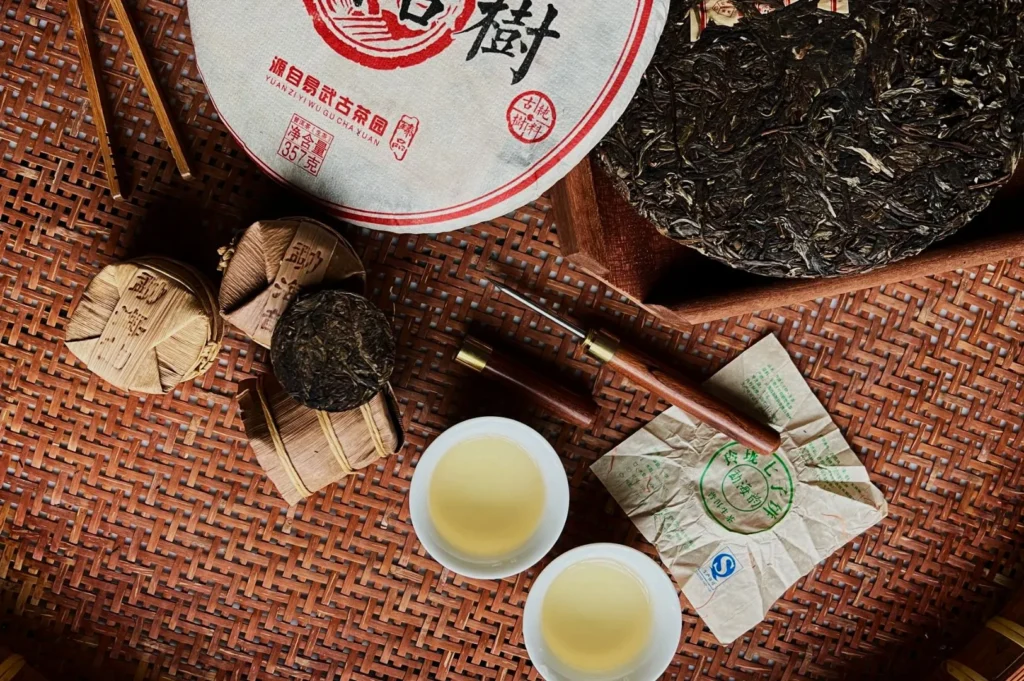
To truly understand these botanicals, you must experience them directly. Exploring raw vs ripe pu-erh side by side is a revelation for the senses. Quality always matters far more than the category itself, but each style offers distinct hallmarks.
Aroma And First Impression
The aroma lift of a young sheng is typically vibrant, carrying high notes of wild orchid, fresh meadow grass, and sweet apricot. As it ages, the aroma deepens into warm leather and subtle incense. Conversely, the fragrance of a ripe shou immediately grounds you. It smells deeply of clean forest floors, dark cocoa, and roasted nuts, offering an incredibly warm and inviting first impression.
Body And Texture
When the liquid rests on your tongue, the physical weight of the brew becomes apparent. Sheng generally possesses a lively, structured texture that dances lightly across the palate. Shou is famous for its profound thickness. A premium ripe pu-erh coats the mouth smoothly, feeling almost like a light, savoury broth or a delicate, melted chocolate.
Finish And Returning Sweetness (Hui Gan)
The finish is where premium leaves truly distinguish themselves. Sheng is highly prized for a crisp finish that transforms into a lingering, returning sweetness known as hui gan. Long after you swallow, a cooling sensation rises gracefully from the throat. Shou provides a different comfort. Its finish is soft, deeply warming, and lingers quietly without any sharp astringency.
Caffeine And How It Feels (Not Just How Much)
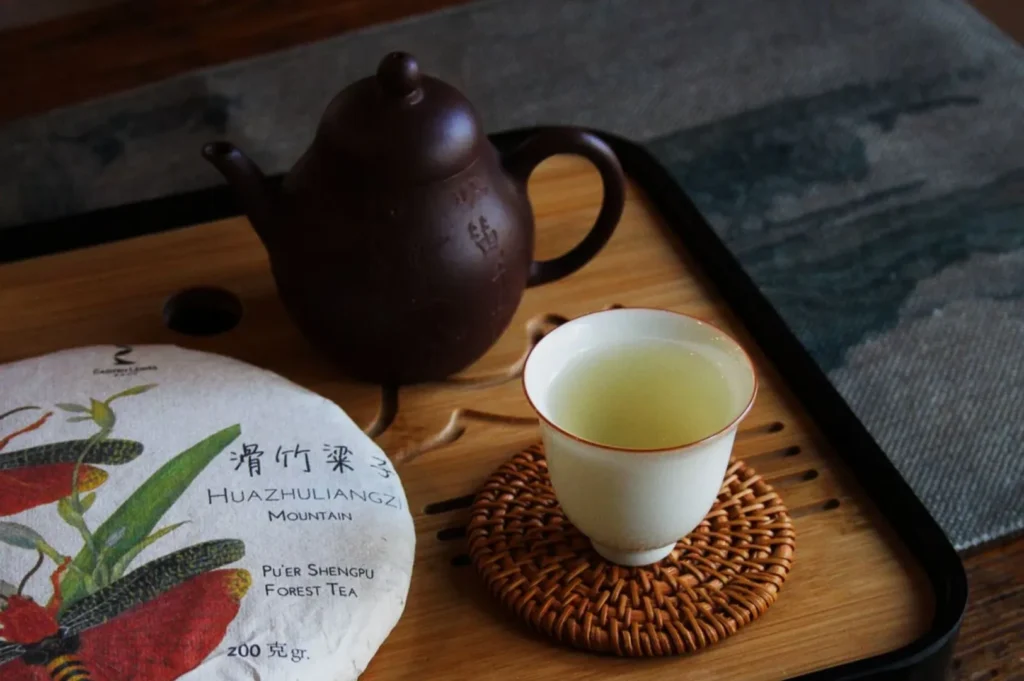
Guests often ask about the stimulating effects of these dark infusions. The exact amount of caffeine varies depending on the specific leaf material, your chosen brewing temperature, and your portion size.
However, the perceived feeling of the energy is what truly matters to a mindful drinker. A vibrant young sheng often provides a bright, lifting clarity that sharpens your focus immediately. In contrast, many people notice that a dark, mature shou offers a much heavier, steadying sensation. The energy from a ripe pu-erh tends to feel exceptionally grounding and warm, making it a soothing companion that rarely causes sudden jitters.
Who It’s For: A Simple Decision Guide
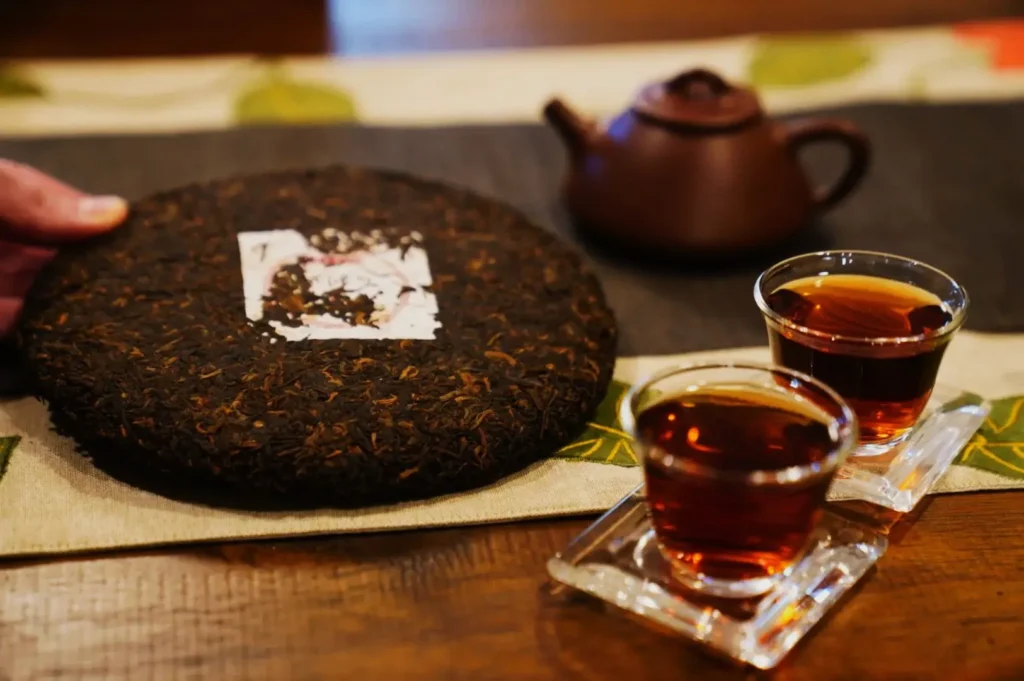
Navigating the world of Chinese tea can feel daunting, but choosing your next cup should bring you peace. Let your current mood and environment guide your hand.
- Choose sheng if you enjoy brightness, clarity, and flavours that evolve gracefully across many sequential infusions.
- Choose shou if you want a smoother, darker, more comforting cup that immediately warms the body.
- Choose aged sheng if you appreciate profound depth paired with a refined, lifted sweetness.
- Choose young sheng if you enjoy vibrant energy, crisp structure, and possess the patience to brew with careful attention.
- Choose shou for quiet evenings, relaxed focus, or when you desire a deeply soothing session with fewer sharp edges.
For those living in Singapore, our high ambient humidity means that aged sheng will transform slightly faster than in a dry climate. It is a beautiful local advantage for patient collectors.
Buying Your First Pu-erh: What To Look For
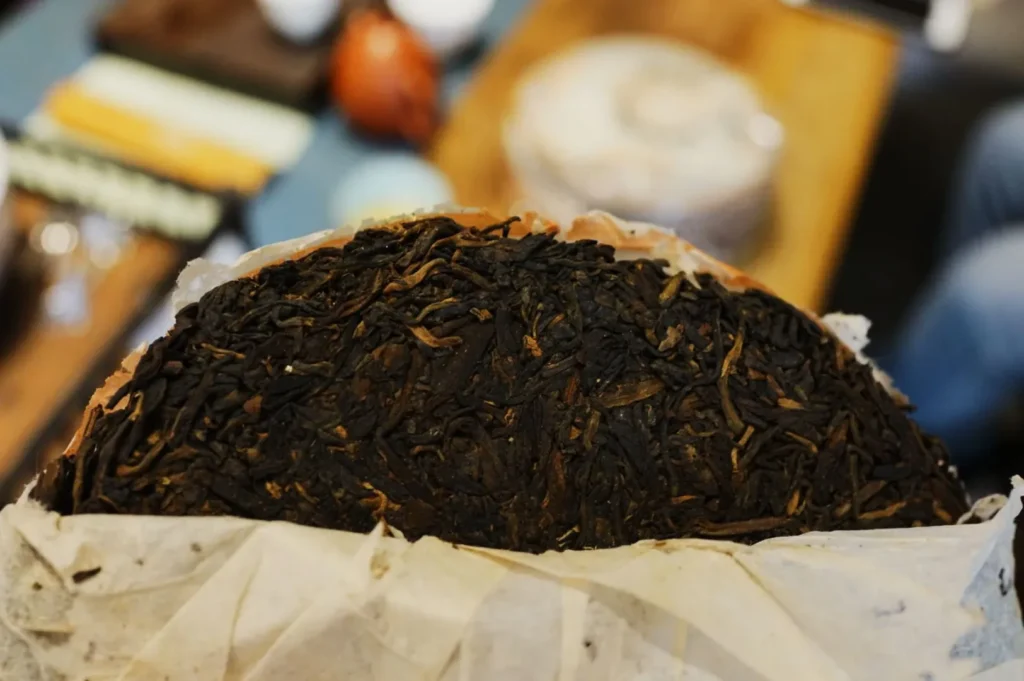
When purchasing your first tea, you will encounter leaves pressed into beautiful flat cakes or sold loosely. A compressed cake is the traditional standard, designed for slow, stable ageing. Loose leaves mature faster and are slightly easier to brew for a complete beginner.
We suggest starting with a small sample size rather than committing to a full, heavy cake immediately. This allows you to calmly explore your personal palate. Avoid teas that smell damp, fishy, or overwhelmingly dusty. Look for clean, distinct aromas and sellers who can answer your questions with quiet, simple transparency.
Let The Leaf Teach You
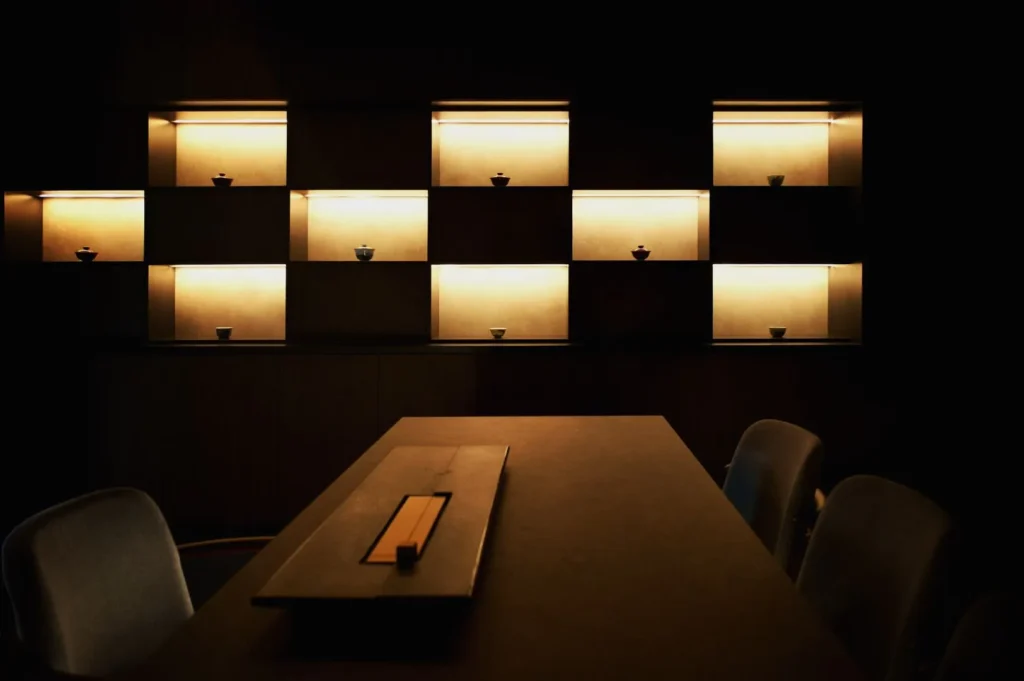
The journey into this ancient tradition is not about mastering complex terminology or acquiring the most expensive collection. It is about creating a reliable, quiet space where you can sit, sip, and let the warm leaf teach you at its own unhurried pace. Both styles offer their own profound, distinct comforts.
We encourage you to brew gently, trust your senses, and discover which profile brings genuine stillness to your day. If you wish to explore these remarkable teas in a serene, perfectly paced environment, we warmly invite you to visit Tea Room by Ki-setsu. We would be deeply honoured to pour a cup for you.