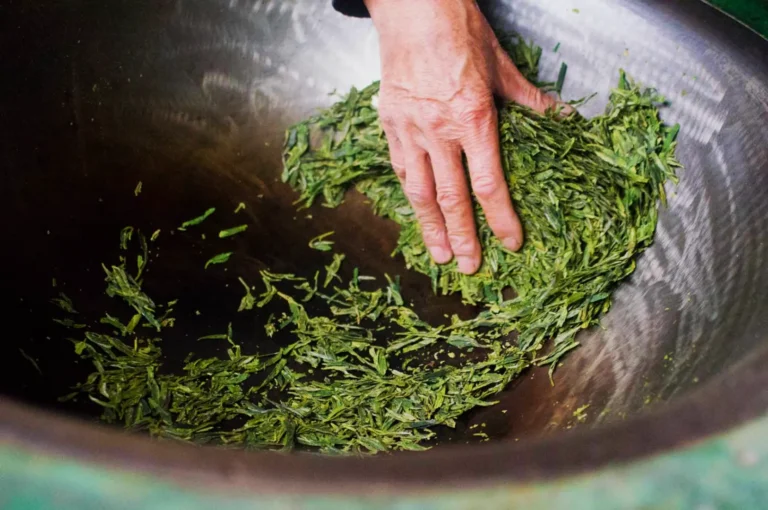
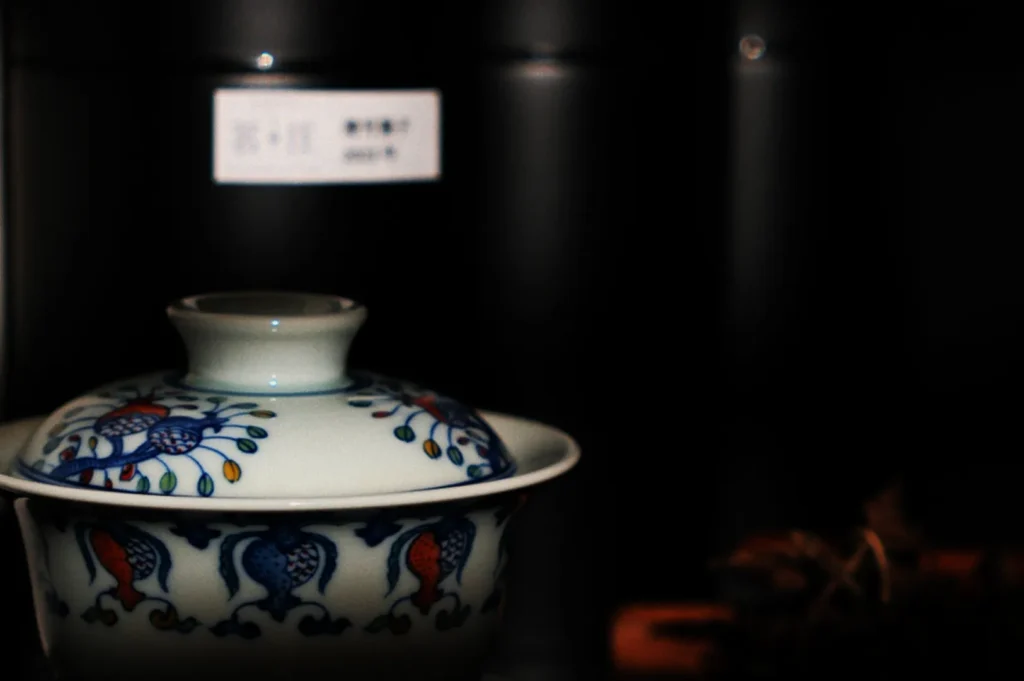
Some gifts arrive loudly and vanish just as quickly.
Others remain in the room long after they are opened, not because they are extravagant, but because they were chosen with unusual care. Tea belongs to the second kind. It does not ask to dominate the moment. It offers warmth, stillness, texture, and the quiet dignity of something that will be returned to more than once.
This is why tea gifting can feel so meaningful when it is done well, and so forgettable when it is not. Too many gifts are chosen by appearance alone. The box is elegant, the ribbon is correct, the presentation is polished, yet the contents feel interchangeable. A thoughtful tea gift Singapore recipients will truly appreciate begins elsewhere. It begins with intention.
At Tea Room by Ki-setsu, we have always believed that the most memorable gifts do not try to say everything at once. They say one thing clearly, and they say it with grace.
A Good Gift Is a Quiet Form of Attention
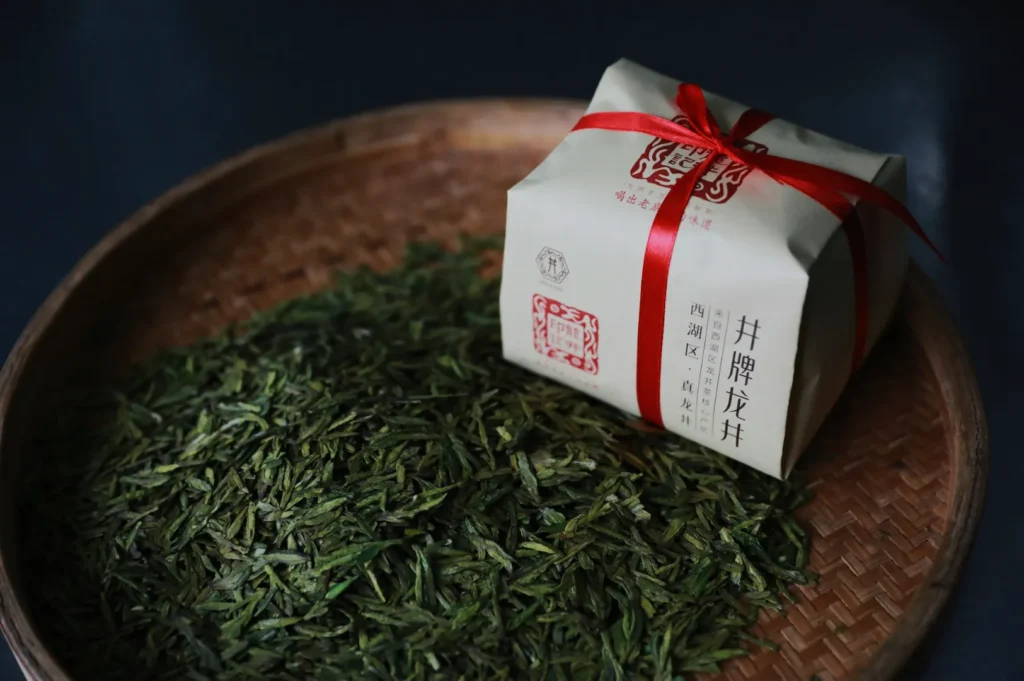
A good gift does not need to prove its value immediately. It only needs to feel right in the hands of the person receiving it.
Tea works beautifully in this way. It is elegant without being excessive. It is shareable without losing intimacy. It carries cultural depth, but does not require specialist knowledge in order to be enjoyed. For modern gifting, that balance matters. A tea gift can be personal without being intrusive, refined without being showy, and generous without becoming difficult to place. At its best, it can even feel like a refined tea experience waiting quietly inside a box.
It also suits many forms of giving.
A single tea chosen for someone’s evenings feels different from a corporate tea gesture meant to honour a long relationship, but both can be handled with the same sensibility: restraint, clarity, and care. This is where corporate tea gifts Singapore professionals choose can feel unexpectedly thoughtful when the selection is properly curated.
Tea, at its best, is not a generic luxury. It is a gesture of attention. That is precisely why it works.
Start With the Recipient (Not the Packaging)
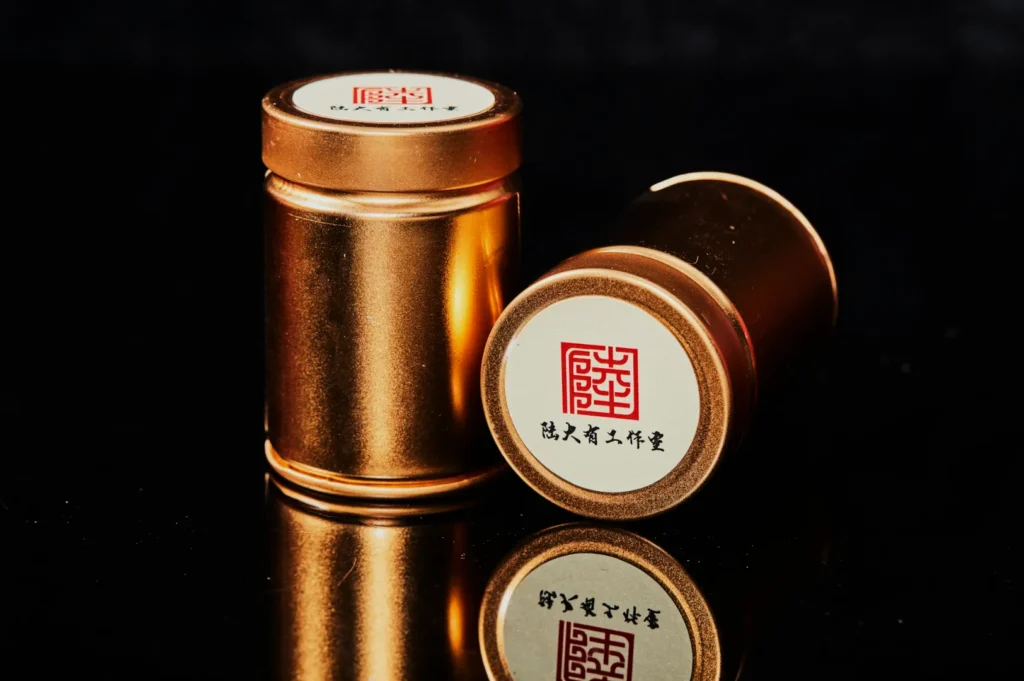
Before choosing the tea, begin with the person.
Most gifts become generic because they start with presentation. A more thoughtful approach begins with taste, mood, and the life the recipient is likely to lead once the gift has left your hands.
A few gentle prompts help:
- Do they enjoy roasted coffee, dark chocolate, or warm grain notes?
- Are they drawn to floral fragrances, lighter perfumes, and fresh air over deeper warmth?
- Do they prefer evenings that feel calm and inward, or bright social energy?
- Do they tend to like sweets, or do they prefer savoury, earthy, or mineral flavours?
- Is their taste minimalist and understated, or are they more expressive?
- Will they likely prepare tea for themselves, or share it with others?
- Are they already tea drinkers, or are you introducing them to something new?
- Do they appreciate rarity, or would they value ease and comfort more?
These are not difficult questions, but they change the gift entirely.
A premium tea gift set Singapore recipients remember is rarely memorable because it looked luxurious on a table. It becomes memorable because the tea inside feels uncannily suited to them.
The 5 Gift Intentions (Choose the Feeling)
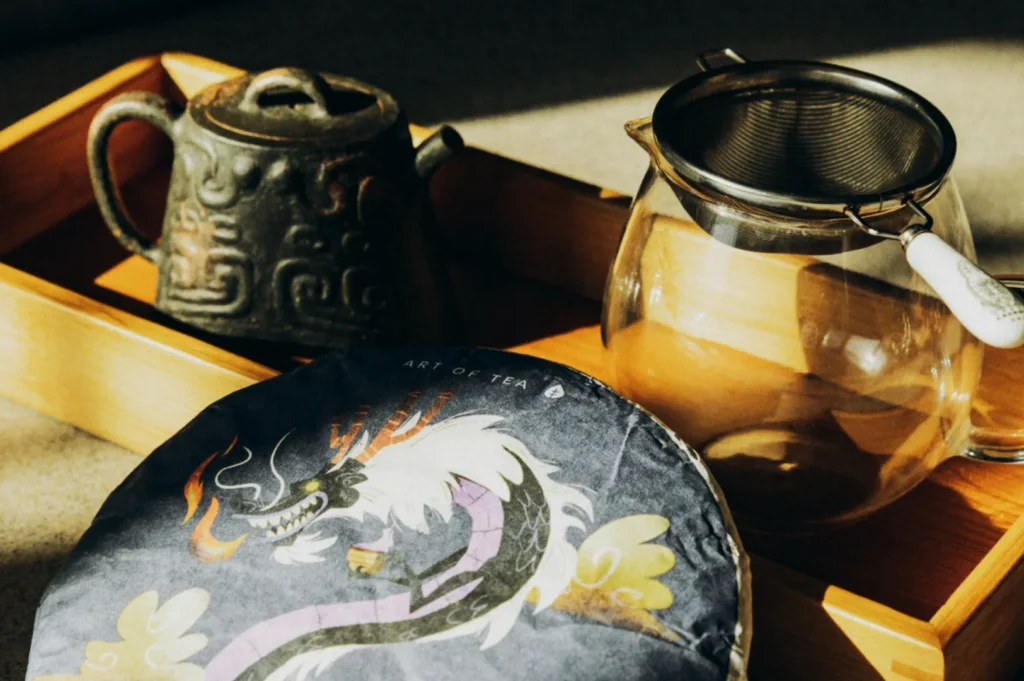
A tea gift becomes more personal when you choose not only the tea, but the feeling you want to send with it.
Gratitude (Warm, Comforting)
Gratitude often asks for warmth rather than complexity. A roasted oolong or a mellow red tea can work beautifully here, especially when the tea feels steady, reassuring, and easy to return to.
This kind of gift says: you are appreciated, and that appreciation does not need embellishment.
A simple note might read: Open this on an evening when you would like the day to soften.
Respect (Refined, Understated)
Respect is best expressed through clarity and restraint. A refined floral oolong or a clean, composed tea with a long finish often feels appropriate. You are not gifting abundance. You are gifting discernment.
This is especially useful when the relationship is formal, intergenerational, or quietly significant.
A note might say: Chosen with care, and offered with appreciation for all that remains unspoken.
Celebration (Bright, Lifted)
Celebration does not always need sparkle. It can also mean brightness, freshness, and a tea that opens the senses. A lively oolong with lifted aromatics can carry this feeling elegantly.
The gesture here is one of joy without excess.
A note might say: For a moment worth marking, slowly.
Milestone (Rare, Memorable)
For a milestone, rarity can matter but only if it feels sincere. A limited-harvest tea or an aged expression can be deeply moving when chosen carefully and presented simply.
This is not about grandness for its own sake. It is about choosing something that carries a sense of occasion without becoming theatrical.
A note might say: For a moment that deserves to be remembered gently.
What Makes a Corporate Tea Gift Feel Premium (Without Being Flashy)
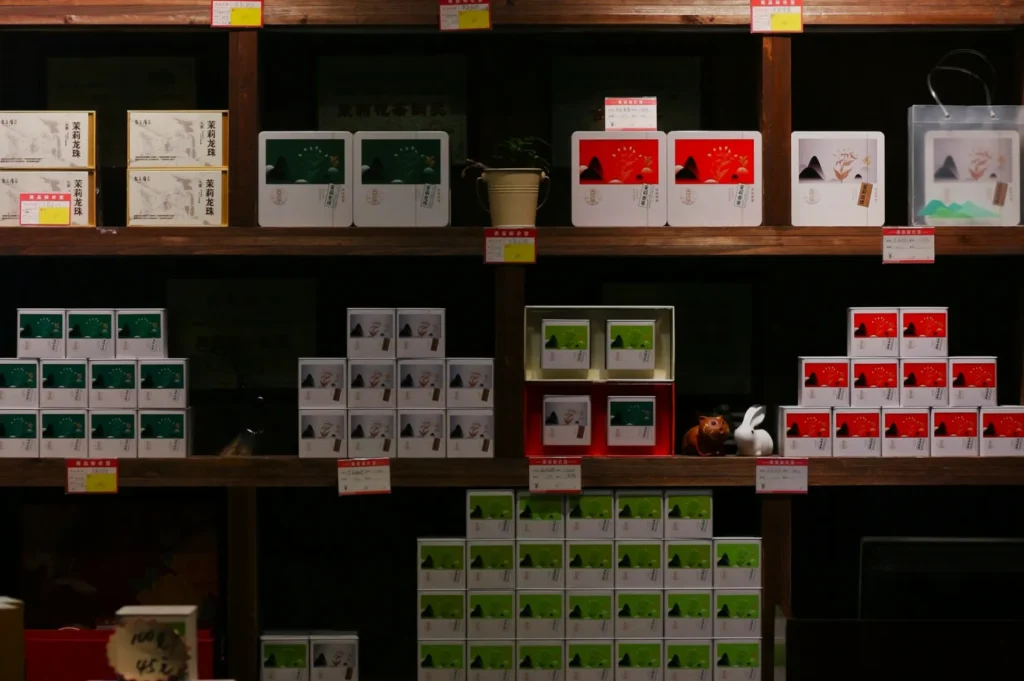
A premium corporate gift is not simply a more expensive one.
In tea, premium often means three things: consistency, discretion and story. The tea should feel coherent. The presentation should feel restrained. The choice should suggest that someone took the time to think, rather than merely ordering a standard object in quantity.
For corporate tea gifts Singapore companies give to clients, partners, or internal teams, this can make all the difference. Loud presentation tends to age quickly. Quiet presentation, when paired with genuinely well-chosen tea, tends to feel more enduring.
What often elevates a tea gift in a corporate setting is:
- a curated rather than excessive selection
- a thoughtful note or naming approach
- a tea with provenance or seasonality that can be described simply
- packaging that feels calm and considered, not ornamental for its own sake
Premium, in this context, is not volume. It is control.
Limited Harvest Teas: Why Rarity Can Feel More Personal
Rarity becomes meaningful when it comes from real limits.
A limited-harvest tea can feel personal because it reflects seasonality, careful sourcing, and the reality that some leaves simply do not exist in endless quantity. That kind of rarity feels different from manufactured exclusivity. It is quieter, more natural, and often more moving because it reflects the conditions of the harvest itself.
When chosen well, limited-harvest teas can make a gift feel considered rather than generic. Not because they are difficult to obtain in a performative way, but because they carry a sense of time and place that mass-market gifts often lose.
This is part of why certain tea gifts feel so resonant. They do not just say “premium.” They say this was chosen in season, with attention, and in small enough quantity that it could still feel individual.
A Gentle Place to Choose: Tea Room by Ki-setsu
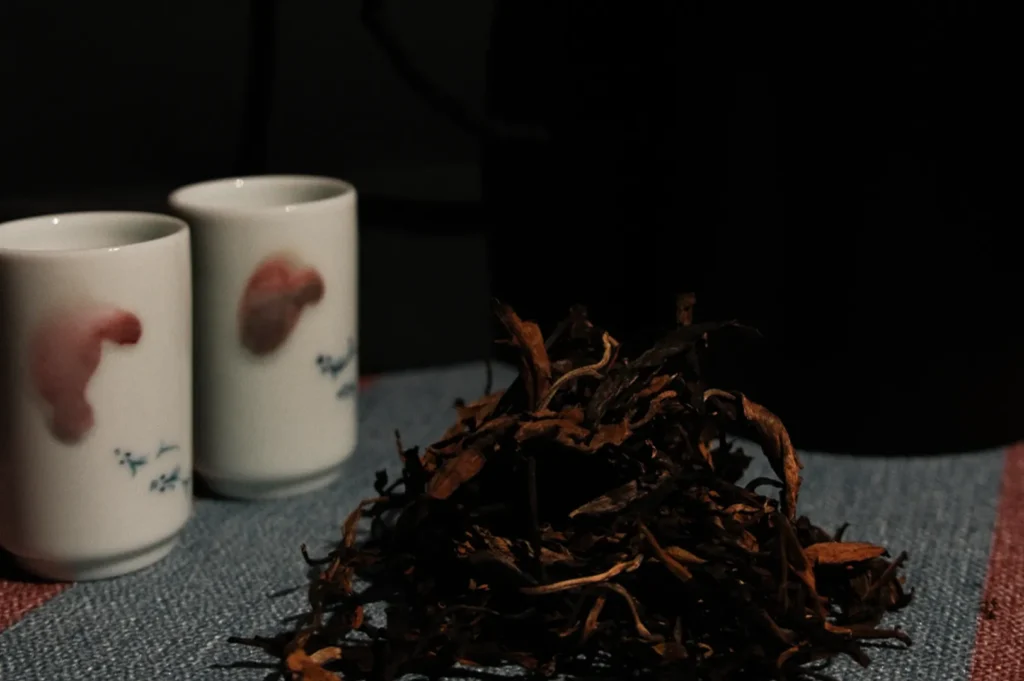
At Tea Room by Ki-setsu, gifting begins where tea itself begins: with the leaf, the season, and the question of what kind of feeling the tea should carry.
We are a private Chinese tea sanctuary in Singapore and our approach to gifting follows the same principles that shape our guided sessions. The teas are curated with restraint. The harvests are considered carefully. Presentation is kept elegant, but never louder than the tea itself. For personal gifts and for more discreet corporate gifting, we value guidance as much as selection.
This matters because many gifts are chosen under time pressure, and tea deserves a little more care than that. A small amount of conversation can often prevent a great deal of generic giving. What is the intention? What kind of person is receiving it? What tone should the gesture leave behind?
For those seeking tea gift Singapore options that feel composed rather than formulaic, or premium tea gift set Singapore presentations that remain understated, this kind of guidance is often the difference between an object and a gift.
Let the Gift Be Simple and True
The most meaningful tea gifts rarely depend on abundance.
They begin with intention, then move toward taste, and only after that toward presentation. Choose the feeling first. Match the tea to the person, not the trend. Let the packaging support the gesture rather than define it. If rarity matters, let it come from season and craft, not from noise.
A good tea gift doesn’t impress loudly. It lingers quietly.
When you’re ready to gift something rare in the most understated way, begin with a tea chosen with care.