Black tea is often described too quickly.
Strong. Malty. Bold. Sometimes floral, sometimes smoky, sometimes sweet. None of these are wrong, but none of them say enough. A fine black tea does not stop at strength. It moves through aroma, body, warmth, brightness, and finish in ways that can be surprisingly subtle once the drinker learns to slow down.
At Tea Room by Ki-setsu, we think one of the quiet pleasures of premium black tea tasting is realising how many shapes black tea can take without ceasing to be itself. One cup may suggest honey and dried fruit. Another may feel like cocoa and malt. Another may carry a floral lift so fine it almost resembles certain oolongs before settling into deeper warmth.
If you are beginning with the wider category first, this guide to black tea varieties and flavour offers the broader map. Here, the purpose is narrower: to answer what does black tea taste like with more precision, and to help you describe it without forcing the cup into clichés.
Start with Aroma, Not Opinion
Before black tea touches the palate, it already tells you a great deal.
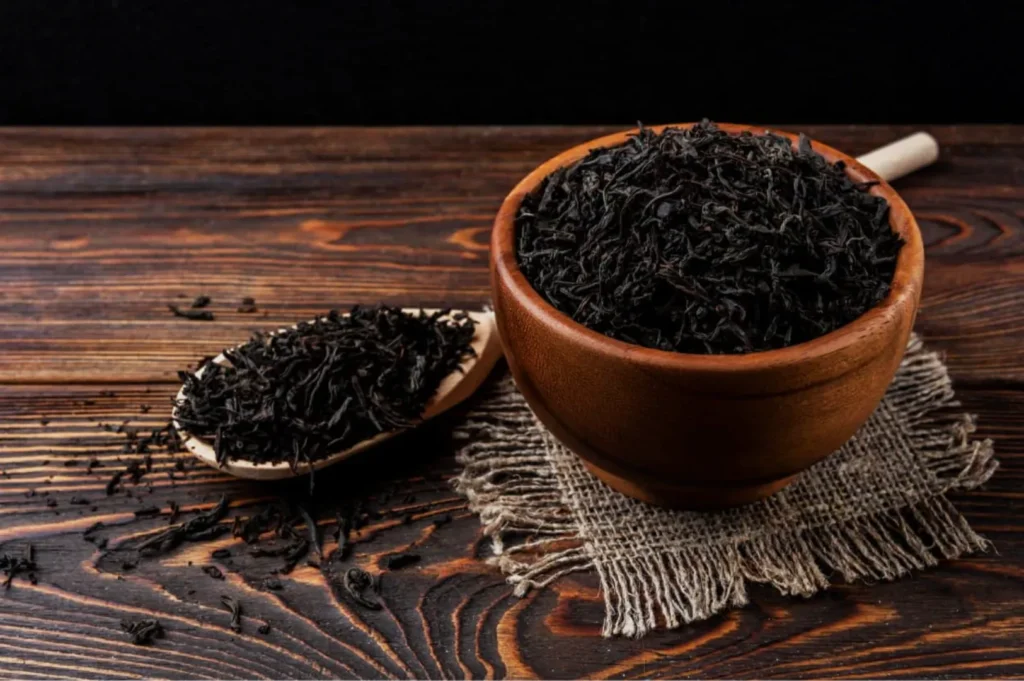
The dry leaf may suggest cocoa, honey, dried date, wood or faint flowers. Once warmed, these impressions often become clearer. This stage matters because aroma prepares the mind to receive the tea more accurately. If the fragrance feels alive, balanced, and coherent, the cup usually has direction. If the aroma is flat, muddy, or oddly loud in one register, that too often carries through.
A useful black tea tasting habit is to pause in three moments:
- dry leaf
- warmed leaf
- wet leaf
Each one gives a slightly different part of the story.
The more carefully you smell black tea, the less likely you are to reduce it to “just strong.”
Malt: The Shape Many People Recognise First
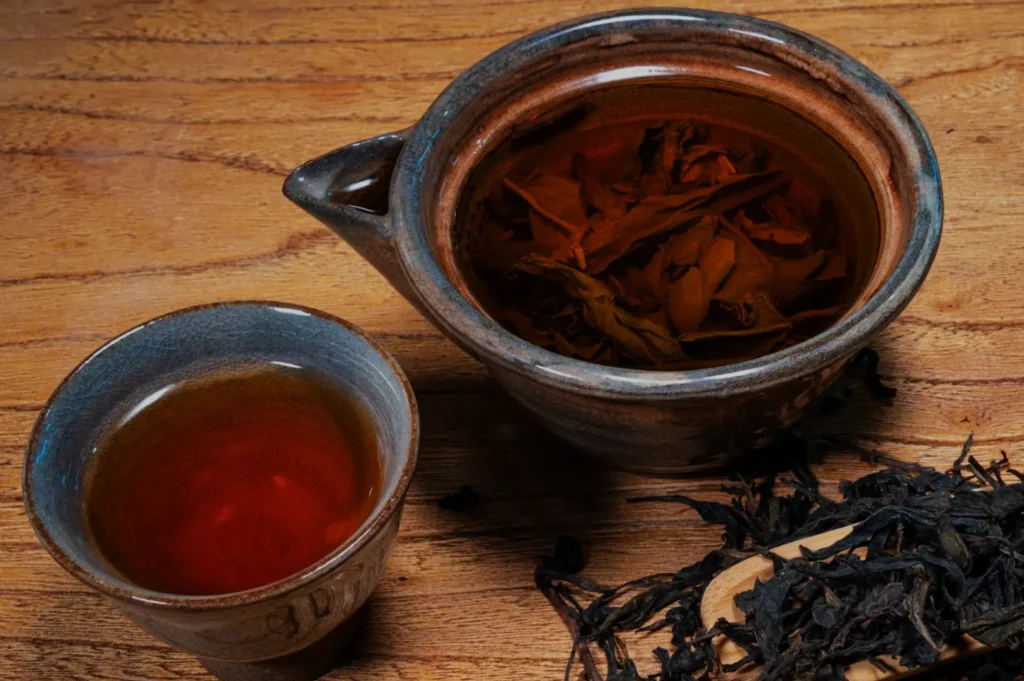
Malt is one of the most common black tea tasting notes but it is often used too broadly.
A malty tea may suggest warm grain, toasted cereal or baked bread rather than sweetness alone. It usually appears in teas with fuller body and deeper structure. When people say a black tea feels “comforting,” malt is often part of what they mean.
Good malt should feel rounded, not dull. It should bring warmth without making the cup feel thick or tired. When poorly handled, a tea may become grainy in a blunt way rather than elegantly malty.
Malt is not always the dominant note but it is one of the key elements that makes black tea feel grounded.
Honey and Sweetness
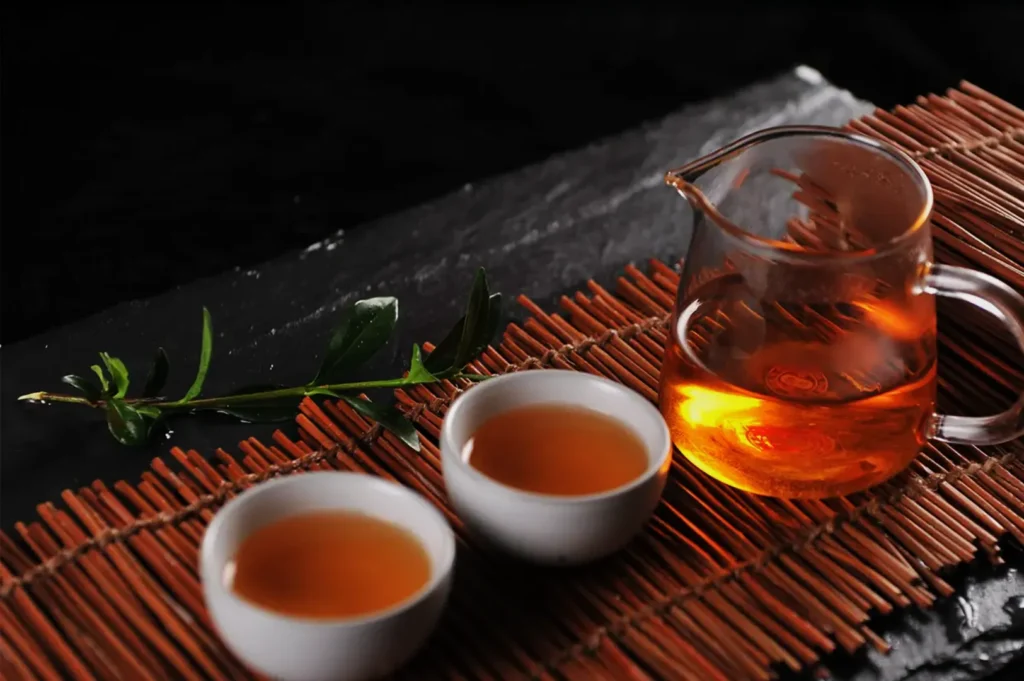
Not all sweetness in black tea is sugary.
Some black teas carry a honeyed quality that sits in the aroma first and then gathers more clearly in the finish. This can feel floral, golden, or slightly fruity depending on the tea. In certain Yunnan black teas, sweetness may lean toward dried date, longan, or golden syrup. In more refined styles, it may be lighter and more lifted.
This is one of the reasons black tea flavor profile discussions need more than one register. A tea can be sweet without being rich. It can be rich without being sweet. It can suggest honey in the nose while remaining dry in the mouth.
When the cup is well made, sweetness often appears as persistence rather than volume. It stays.
Cocoa, Fruit and Warm Depth
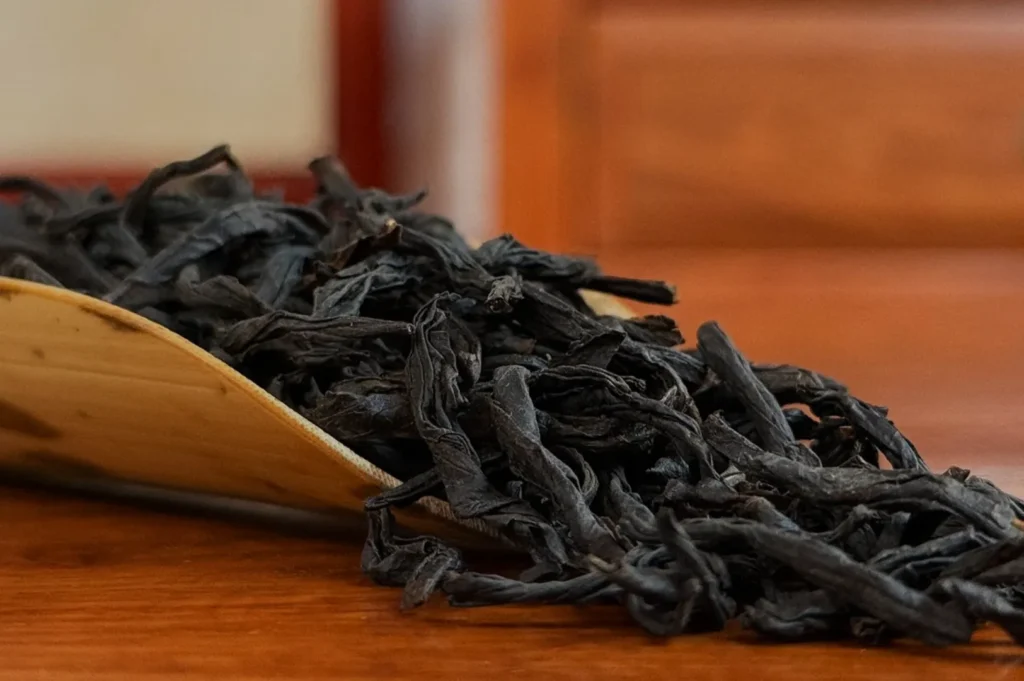
Some premium black tea tasting notes sit in a deeper spectrum.
Cocoa may appear as dark warmth rather than chocolate in the confectionery sense. Dried fruit can suggest raisin, plum, fig, or date. These notes often make the tea feel more generous and layered, especially in the middle of the sip.
What matters is proportion.
A tea with cocoa should not feel dusty. A tea with fruit should not feel sticky or perfumed. The best cups hold these notes lightly enough that the tea remains clear. Black tea’s elegance often lies in how it carries depth without becoming heavy.
Floral Lift
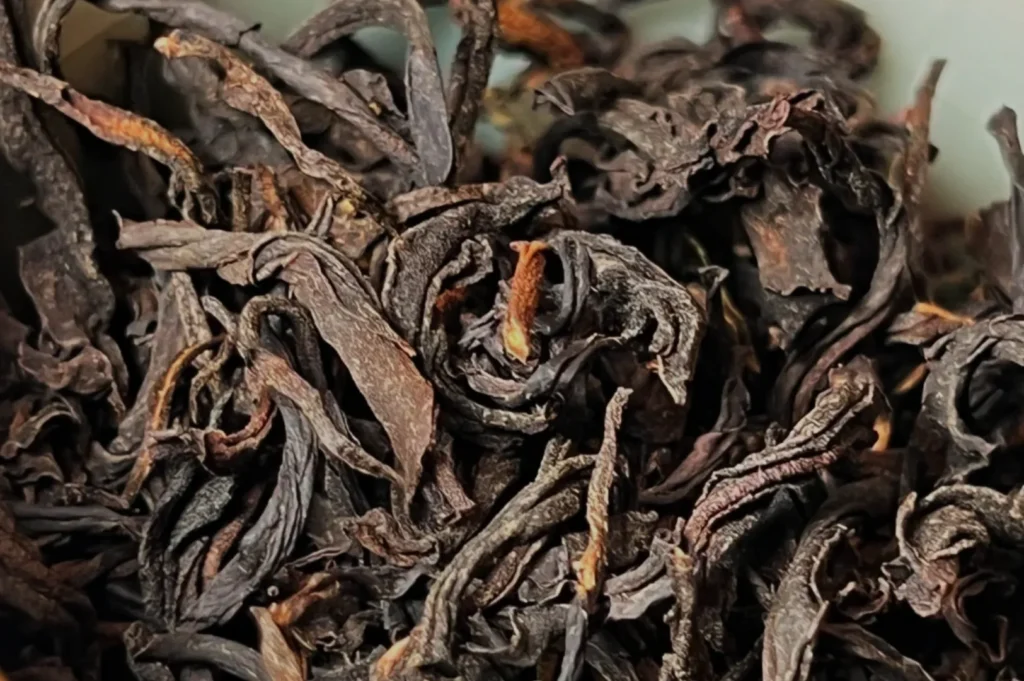
People often forget that black tea can be floral.
This is particularly true in teas such as Keemun, where the aroma may lift toward orchid, dried rose or a wine-like elegance that sits well above the deeper warmth of the cup. Floral notes in black tea are rarely bright in the way they are in greener teas or certain oolongs. They tend to feel more woven in, more interior.
This is why they are easy to miss.
A floral black tea does not usually announce itself loudly. It appears through the upper register of the aroma and through a cleaner, more lifted finish. Once you begin to notice it, many premium black teas become much more nuanced.
Smoke and Resin
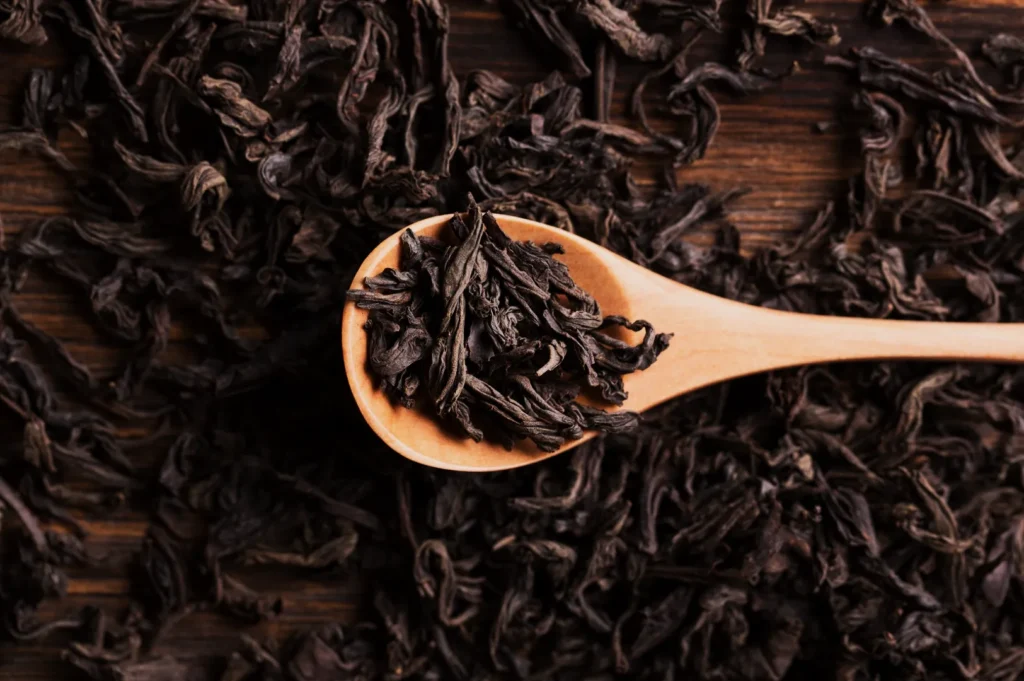
Smoky black tea deserves its own category because it changes the entire tasting frame.
In Lapsang Souchong, smoke can range from elegant pine and resin to something much more assertive. A good smoked tea should still feel like tea beneath the smoke. There should be body, sweetness, and structure, not just a surface impression of fire.
This is where many drinkers divide. Some are drawn immediately to the drama of smoke. Others prefer black tea without it. Neither response is wrong. But learning to describe smoke properly helps. Pine, wood resin, dry campfire, or tar-like heaviness are not the same thing.
Briskness, Body and Texture
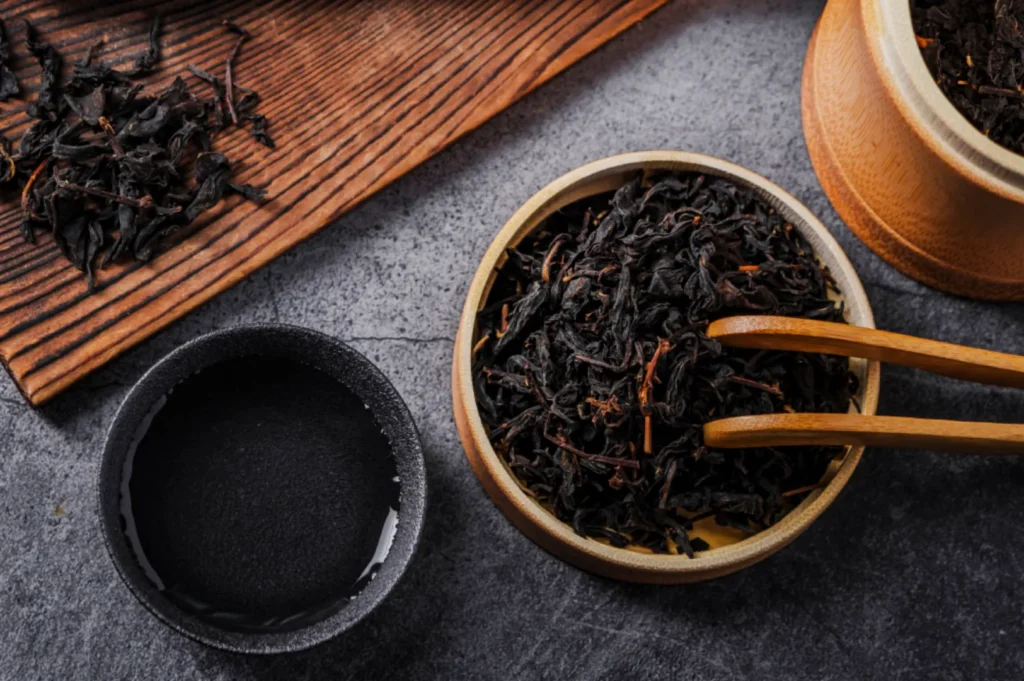
Taste is only half the cup. Texture is the other half.
A black tea may feel brisk, broad, silky, thick, crisp, round, or drying. These are not decorative words. They describe how the tea moves.
Briskness usually means a lively, structured tea with a clear edge. This can be beautiful when balanced by sweetness. Body refers to weight. A tea can feel light but articulate, or broad and coating. Good texture is not about maximum thickness. It is about coherence.
When learning how to taste black tea, texture is often the fastest way to distinguish one tea from another even before you can name all the flavour notes.
A tea with fine aroma but poor texture rarely feels complete.
The Finish Is Where the Tea Tells the Truth
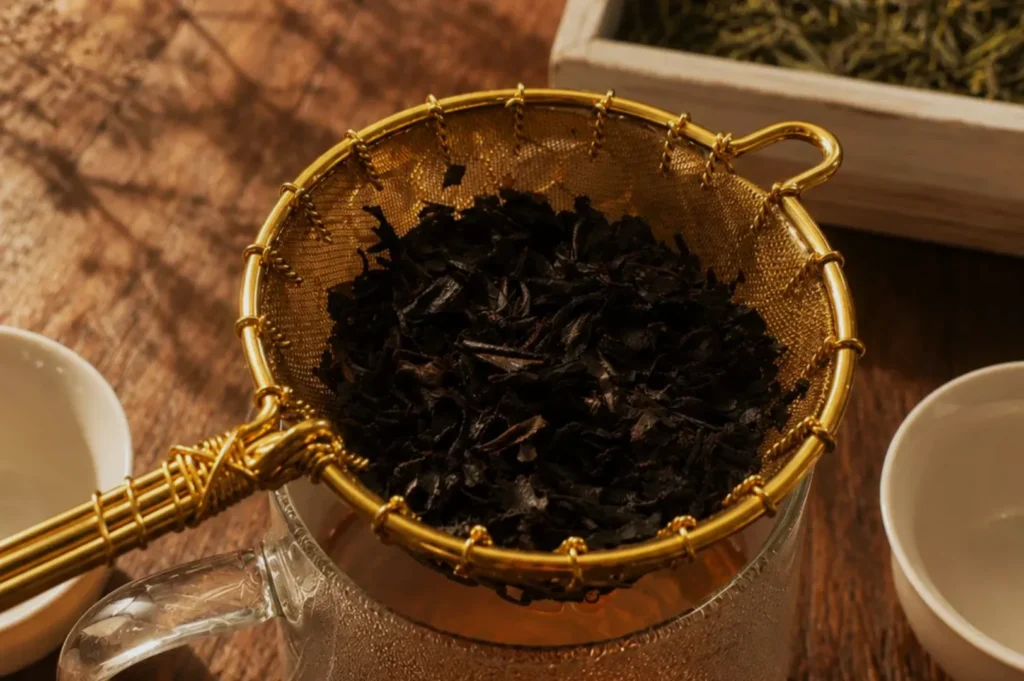
A black tea’s finish often reveals more than its first impression.
Does the flavour vanish quickly, leaving only heat? Does sweetness return softly after the swallow? Does the cup leave a cocoa warmth, a floral trace, or a dry emptiness? Good black tea often resolves into something gentler than its opening. It may begin with warmth and end with clarity. It may begin with malt and finish with honey. It may begin with smoke and leave sweetness behind.
This is why aftertaste matters so much in tea appreciation. A tea that feels obvious at first but has nothing to say afterward is usually less compelling than one whose finish remains elegant and articulate.
A Simple Way to Taste Black Tea Better
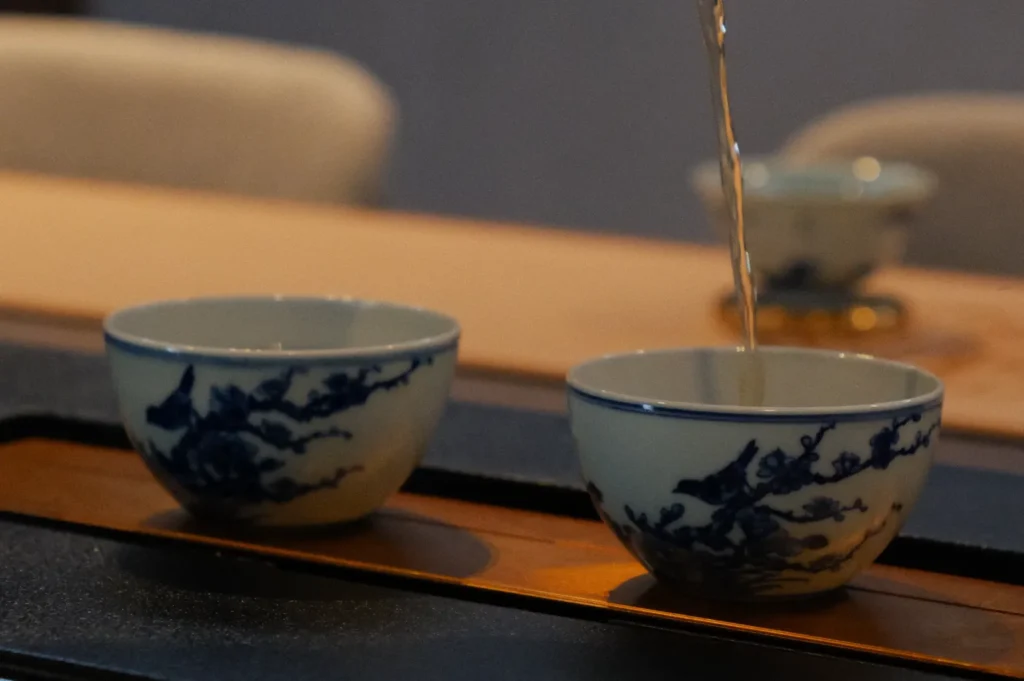
If you want to improve your black tea tasting without becoming overly technical, try this sequence:
- Smell the dry leaf
- Smell the warmed leaf
- Taste the first sip without rushing
- Notice body before naming flavour
- Wait for the finish before forming an opinion
This slows the cup into its actual order. Many people try to judge too early, naming flavour before they have even recognised texture or aftertaste. A calmer pace produces a truer reading.
At Tea Room by Ki-setsu, we think this is one of the most elegant habits tea can teach: to let the cup arrive fully before deciding what it means.