Tie Guan Yin tea is one of those names that can make Chinese tea feel mysterious before the cup even arrives.
Iron Goddess. Iron Guanyin. Tieguanyin. Anxi oolong. The names shift, but they point toward the same famous tea: a Chinese oolong traditionally associated with Anxi County in Fujian province.
For beginners, the important thing is simple.
Tie Guan Yin is an oolong tea, not a green tea, not a black tea, and not an herbal infusion.
For readers who want the wider foundation, we have written a complete Tie Guan Yin tea guide. This article focuses on the meaning behind the tea, why it matters, and how to understand it without feeling lost.
Tie Guan Yin Meaning
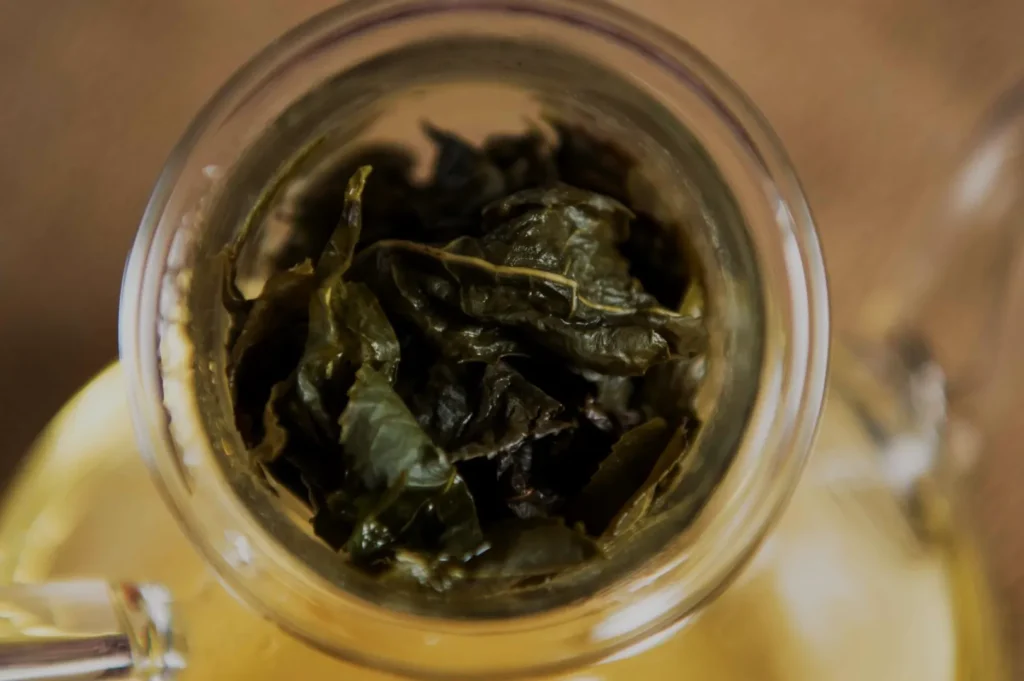
Tie Guan Yin is often translated as Iron Goddess of Mercy.
“Guan Yin” refers to the bodhisattva associated with compassion. “Tie” means iron. The name has inspired many stories, including legends about a tea farmer, a neglected temple, and the discovery of a special tea plant.
We do not need to treat every legend as strict history to appreciate its value. Tea stories often tell us how people understood the leaf, not only where the leaf came from.
The name gives Tie Guan Yin a sense of reverence. But in the cup, the tea is often more graceful than dramatic.
Tie Guan Yin Is an Oolong Tea
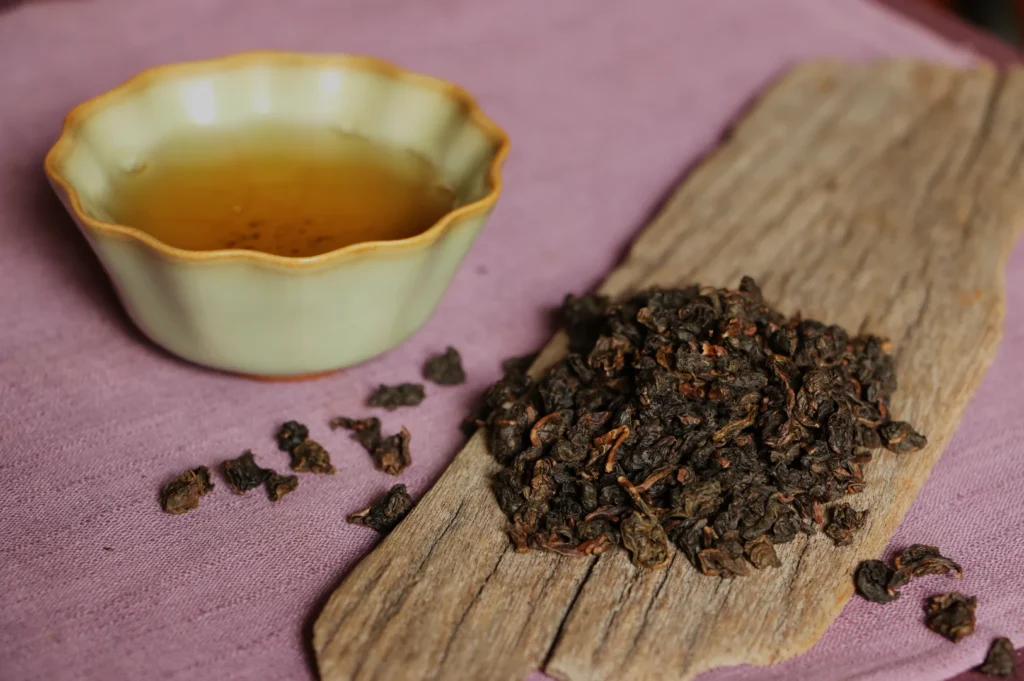
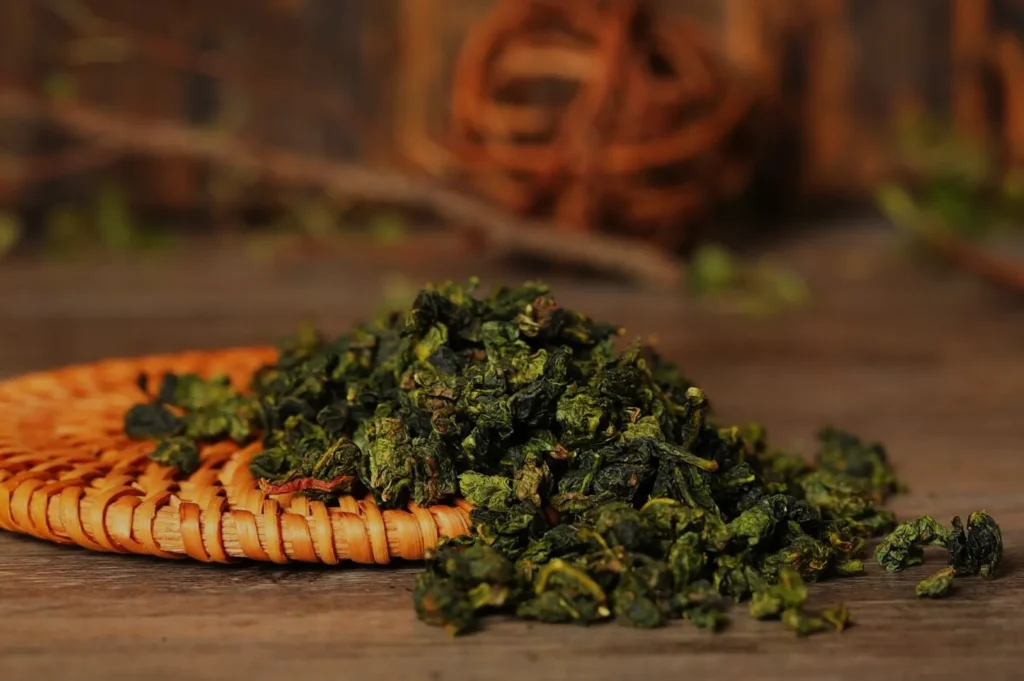
Tie Guan Yin belongs to the oolong family.
The Tea and Herbal Association of Canada explains that oolong teas are partly oxidised and can combine qualities of both green and black tea. This is useful for understanding Tie Guan Yin because it often carries the freshness of a greener tea with the texture and depth of oolong processing.
This is also why Tie Guan Yin can taste so different from one version to another.
A light Tie Guan Yin may feel floral, fresh, and creamy. A roasted Tie Guan Yin may feel warmer, sweeter, and more settled.
The tea is not changing category. It is showing range.
Why Anxi Matters
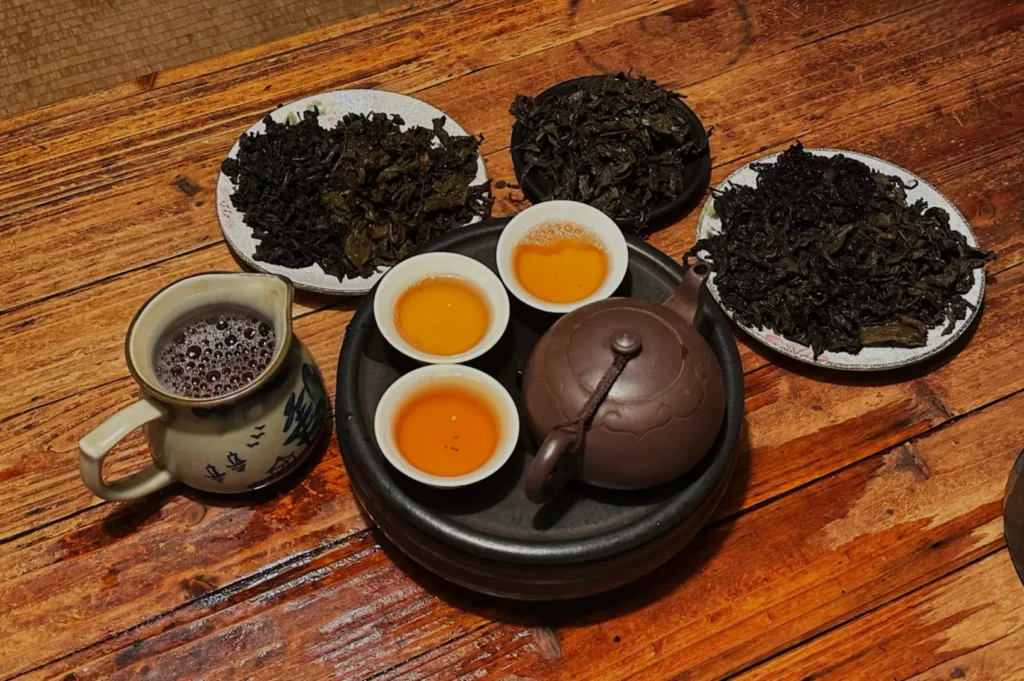
Anxi County in Fujian is strongly tied to Tie Guan Yin.
The Fujian Foreign Affairs Office describes the Anxi Tieguanyin tea culture system as connected to the development of oolong tea and tea-making competitions in Anxi. This tells us something important: Tie Guan Yin is not only a product. It belongs to a community of growers, makers, judges, drinkers, and shared standards.
Origin matters because tea is shaped by land and craft.
When we say Tie Guan Yin, we are not only naming a flavour. We are naming a tradition.
A famous tea becomes meaningful when we understand the people and places behind it.
Why Beginners Often Confuse Tie Guan Yin
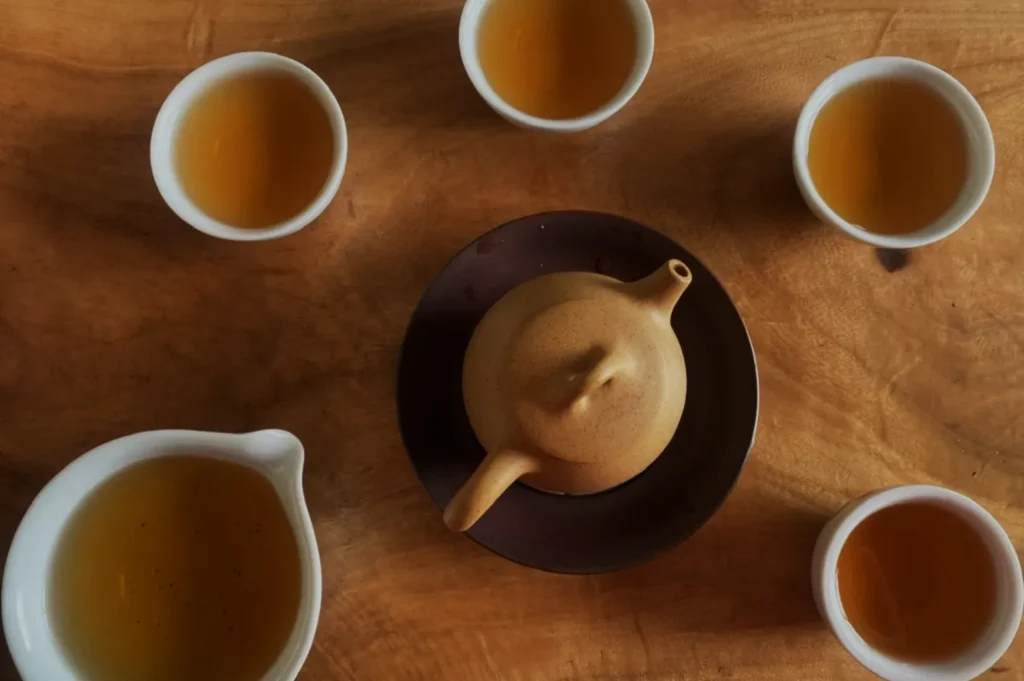
Tie Guan Yin can confuse beginners because modern light styles sometimes look and taste quite green.
The liquor may be pale. The aroma may be floral. The body may feel smooth and clean. Someone new to tea may assume it is green tea.
But Tie Guan Yin is oolong because of how the leaf is processed. It undergoes partial oxidation, with careful handling that gives it structure and aroma.
A Wired explainer on tea oxidation helps clarify how oxidation shapes tea categories, and why oxidation should not be confused too casually with fermentation.
This matters because category shapes expectation. If we approach Tie Guan Yin as green tea, we may miss what makes it oolong.
What Makes Tie Guan Yin Special?
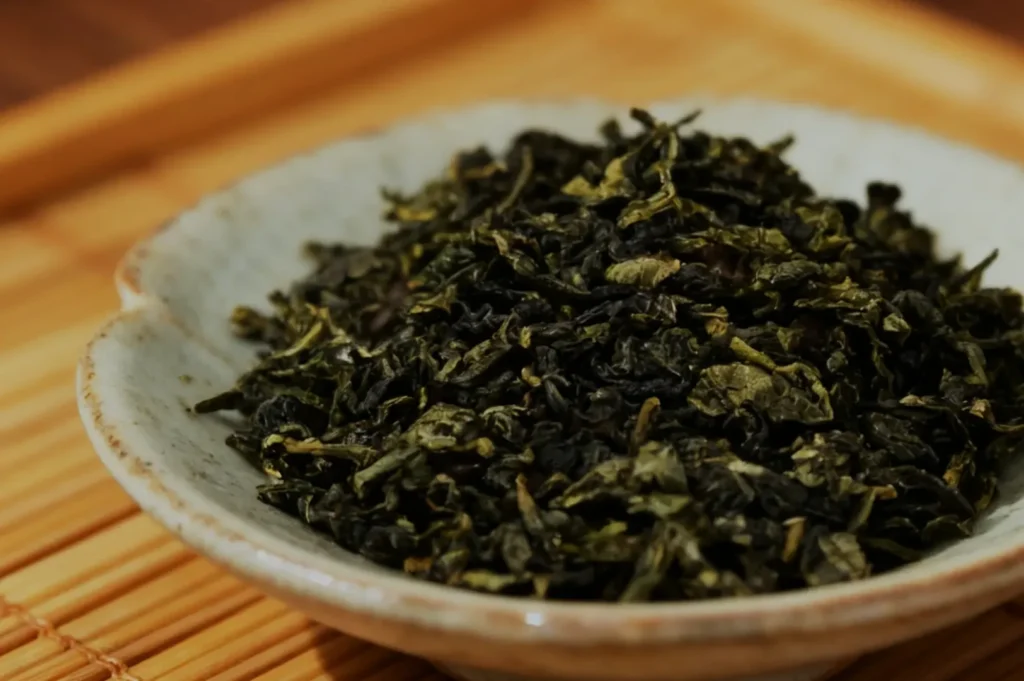
Tie Guan Yin is loved for aroma.
In lighter styles, the fragrance can be orchid-like, fresh, and lifted. In roasted styles, the aroma becomes warmer and more rounded. The best versions do not smell loud or artificial. They feel integrated, as if fragrance and texture belong together.
Tie Guan Yin also performs well across multiple infusions. The first cup may be bright. The second may feel smoother. Later cups may reveal sweetness or a quiet finish.
At Tea Room by Ki-setsu, we often find Tie Guan Yin useful for introducing guests to oolong because it is expressive without being too heavy.
It teaches that tea can be both accessible and layered.
Is Tie Guan Yin Good for Beginners?
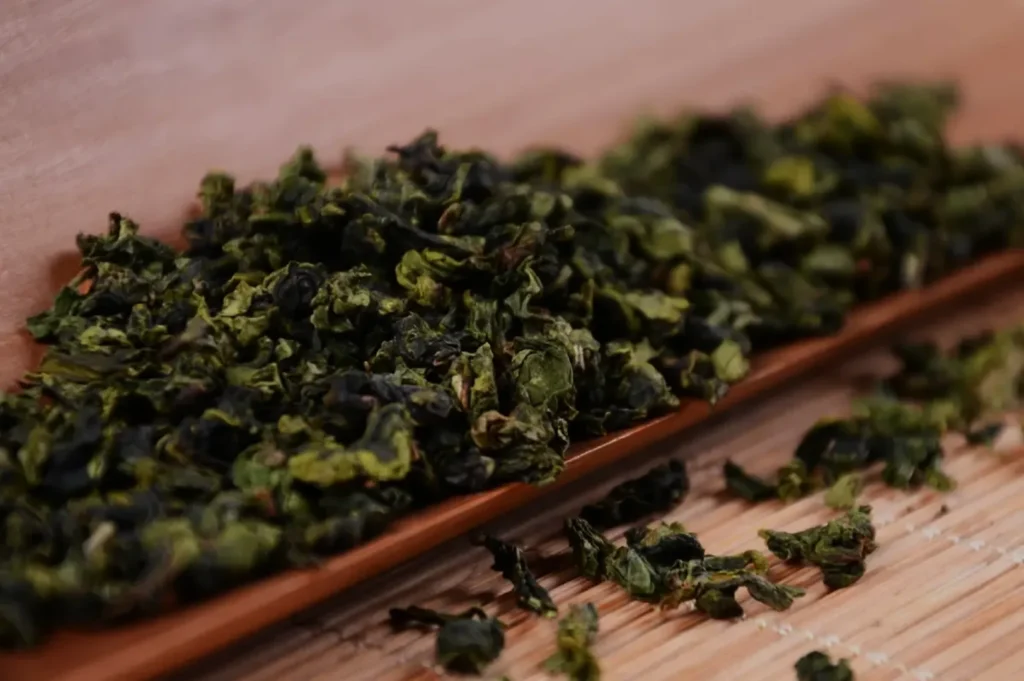
Yes, especially if the drinker enjoys fragrance.
Tie Guan Yin gives beginners something clear to notice. The aroma is usually present. The texture is often smooth. The cup does not need to be aggressively bitter to feel complete.
But beginners should not assume every Tie Guan Yin will taste the same. A light floral version and a roasted traditional version can feel like two different moods.
That is not a flaw. That is part of the tea’s charm.
Final Thought
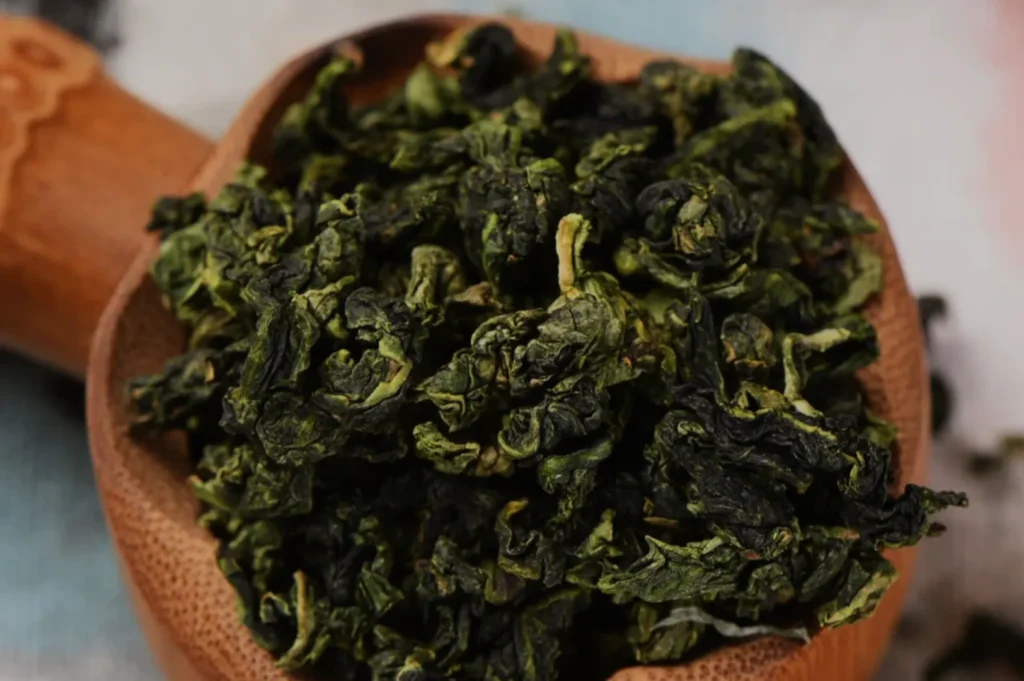
So, what is Tie Guan Yin tea?
It is a Chinese oolong from the Anxi tradition, known for fragrance, elegance, and a wide range of styles. It may be floral and light. It may be roasted and warm. It may feel simple at first, then more layered with each infusion.
Tie Guan Yin becomes less mysterious when we stop treating the name as a barrier and start treating the cup as the guide.
For those beginning with Chinese tea, Iron Goddess oolong offers a graceful first lesson: a famous tea does not have to shout to be remembered.