Longjing is not only a tea of place. It is also a tea of timing.
Some teas seem able to enter any hour and make themselves useful. Longjing is more particular, though not in a difficult way. It carries spring brightness, chestnut warmth, and a quiet finish that can feel almost architectural in the body when the moment is right. In the wrong hour, those same qualities may seem too subtle, too light, or simply out of step with what the day is asking. In the right hour, they feel inevitable.
At Tea Room by Ki-setsu, we often notice that the same Dragon Well can feel completely different depending on when it is poured. A late morning cup brings focus and softness together. An afternoon cup can reset the pace of the day. A poorly timed evening cup may feel less harmonious, not because the tea is poor, but because its clarity asks something different of the body.
This is why the question of when to drink Longjing matters. Not because there are rigid rules, but because tea lives in context. If you are new to Dragon Well, read this guide for a wider introduction to its history and character. Here, we stay with the quieter question of timing, and with how a tea this refined meets different hours of the day.
Longjing Is a Tea of Clarity, Not Force
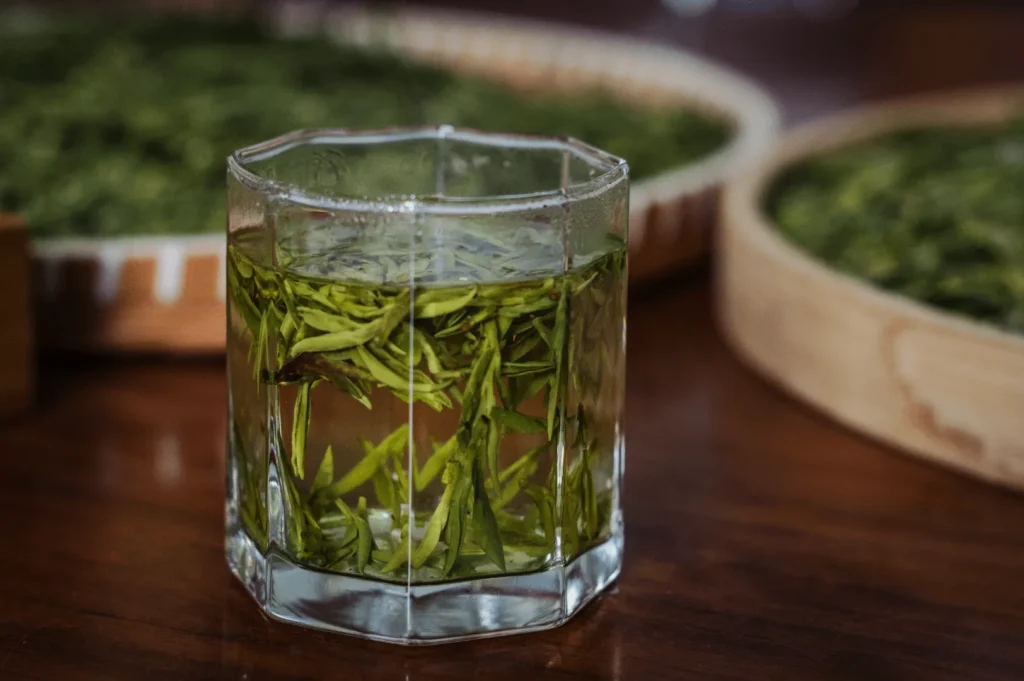
The easiest way to think about Longjing is this: it supports clarity more readily than it supports heaviness.
Its chestnut warmth gives the cup softness, but its green freshness keeps the tea alert. It does not usually feel sleepy, and it rarely behaves like a tea that should be used to push through exhaustion. Instead, it seems to ask for a time when the senses are already available, or at least willing to become so.
This is one reason Longjing often feels more satisfying earlier in the day than later. Its gift is not volume. It is refinement. The tea sharpens gently, steadies quietly, and leaves behind a kind of composed sweetness that can either support the day beautifully or feel misplaced if the hour calls for something darker and slower.
Longjing is a tea that accompanies attention. It does not manufacture it from nothing.
The Best Time: Late Morning
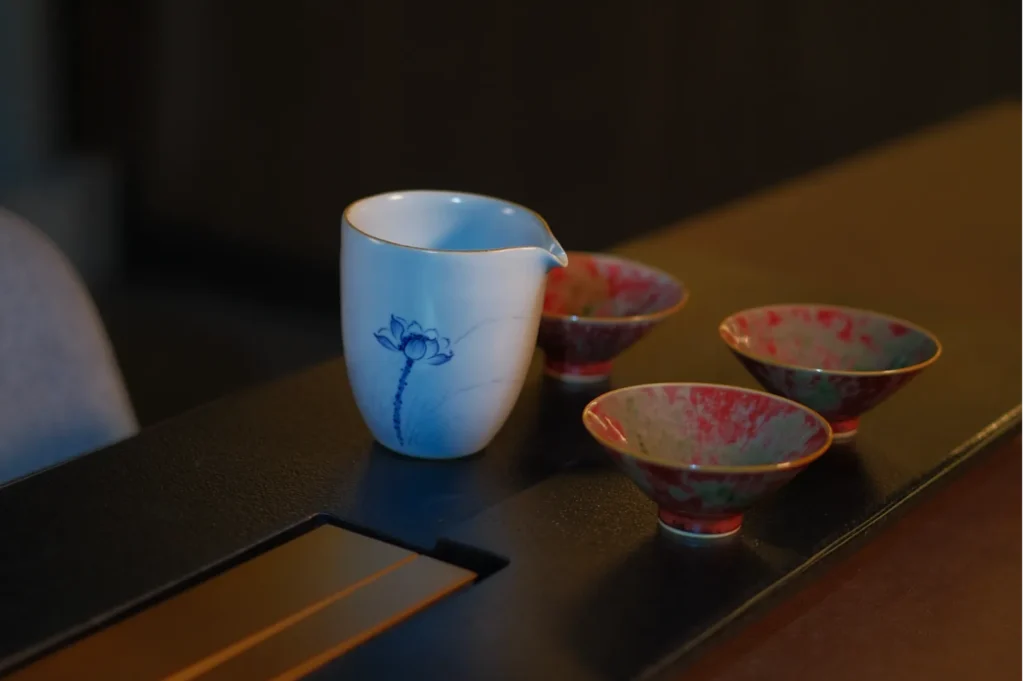
If Longjing has a natural home in the day, it is often late morning.
By then the body is usually awake enough to notice the tea properly, but not yet dulled by a heavy lunch or the fatigue of afternoon. The palate is clearer. The room is often quieter. The tea can meet the day without having to compete with what came before it.
This is where Dragon Well seems especially articulate.
The chestnut note appears as warmth rather than comfort alone. The green lift feels bright rather than sharp. The finish lingers in a way that helps settle the mind into work, reading, or slower conversation. Many drinkers find that Longjing at this hour feels both focused and light which is a difficult balance for many beverages to achieve.
At Tea Room by Ki-setsu, this is one of our favourite times to introduce Longjing to someone for the first time. The tea is easier to hear when the day has not yet grown too loud.
Before Lunch: A Tea That Opens the Appetite Without Dominating It
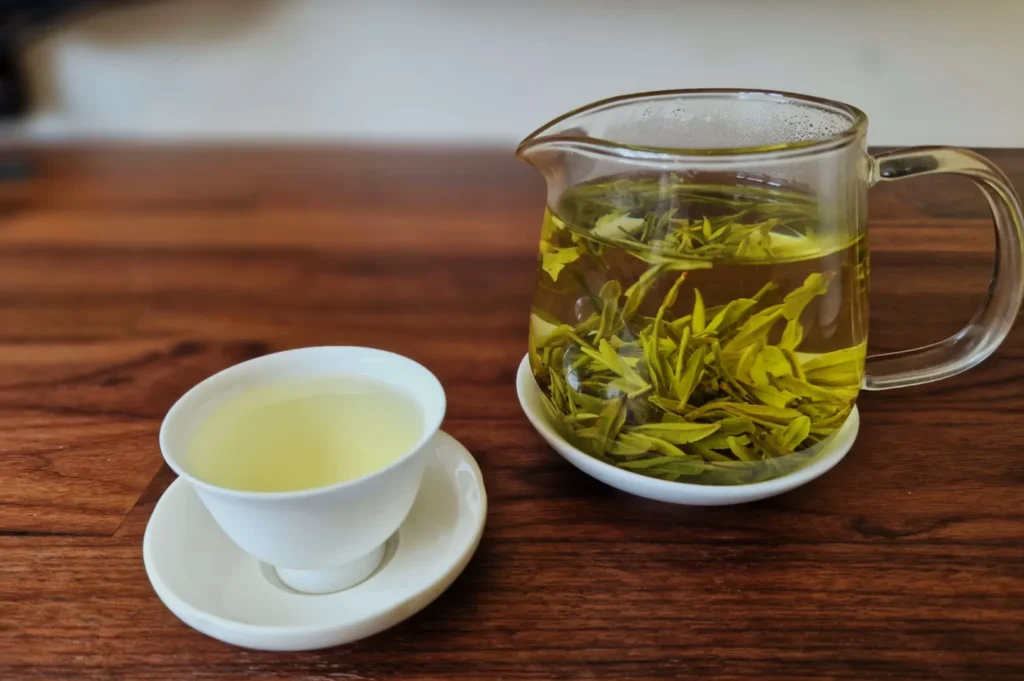
Longjing can also be beautifully suited to the hour just before lunch.
This may sound surprising to those who think of tea only as accompaniment or conclusion, but Dragon Well has a useful quality here. It refreshes the palate without overwhelming it and its chestnut-bean warmth can prepare the senses for food rather than interrupt them.
This makes it especially good on days when appetite feels uncertain or when the morning has been too full of movement. A modest cup gives shape to the hour without making it heavy. Because Longjing is not particularly oily, smoky, or dense, it does not blunt hunger. It sharpens perception instead.
This is one of the quiet luxuries of Chinese green tea when served well. It can become part of the day’s architecture, not merely an add-on.
Early Afternoon: A Better Reset Than Noise
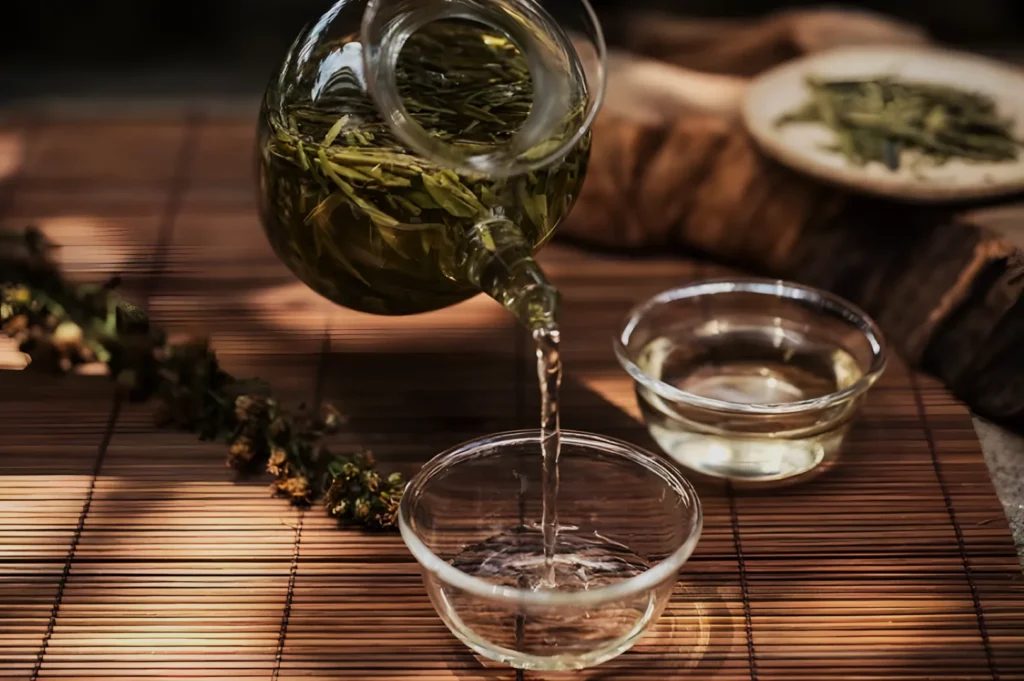
The early afternoon is often where city life begins to lose its precision.
Energy drops. Thought becomes more scattered. Many people reach for stronger stimulation at this point, not because it is what they want, but because it is what is available. Longjing offers another path.
At this hour, Dragon Well can feel like a reset. Not dramatic enough to jolt the system, but clear enough to gather it. Its freshness reopens the palate after lunch, while its warmth prevents the cup from feeling too thin or austere. It is particularly good for a day that needs continuity rather than interruption.
This is where mindful tea drinking and practical daily rhythm begin to meet. Longjing does not create spectacle in the afternoon. It creates proportion.
For many people in Singapore, where afternoons often blur under artificial light, screens, and compressed schedules, this can be more useful than a louder form of stimulation.
When It Works Less Well: Late Evening
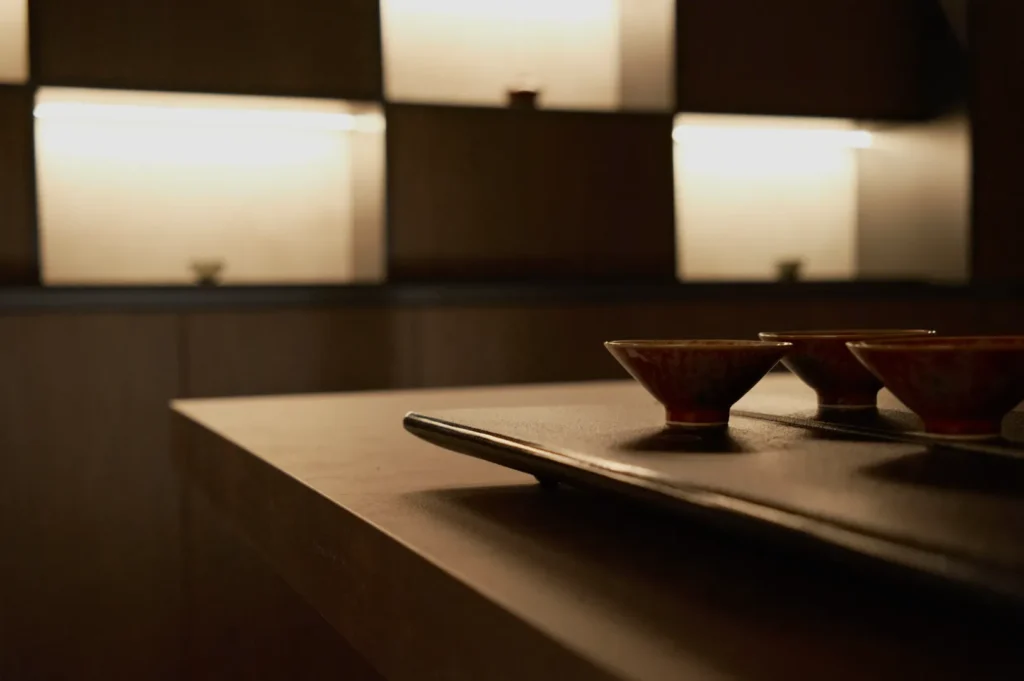
Longjing is not usually the tea we would choose for the deep evening.
This does not mean it cannot be enjoyed then, only that the tea’s character may feel less naturally aligned with the body’s needs at that hour. Dragon Well is lucid. Even in its gentleness, it carries lift. If what you want from the evening is nesting, slowing, or a deeper kind of warmth, other teas may meet that mood more easily.
Later in the day, some drinkers also become more sensitive to the tea’s brightness. The very quality that made Longjing so elegant in the morning can feel slightly too articulate at night. Instead of settling the room, it may keep it just a little too awake.
At Tea Room by Ki-setsu, we think it is useful to say this plainly. Not every excellent tea belongs in every hour. Longjing’s refinement is one of its strengths, but refinement also has its own tempo.
The Hour Depends on the Person Too
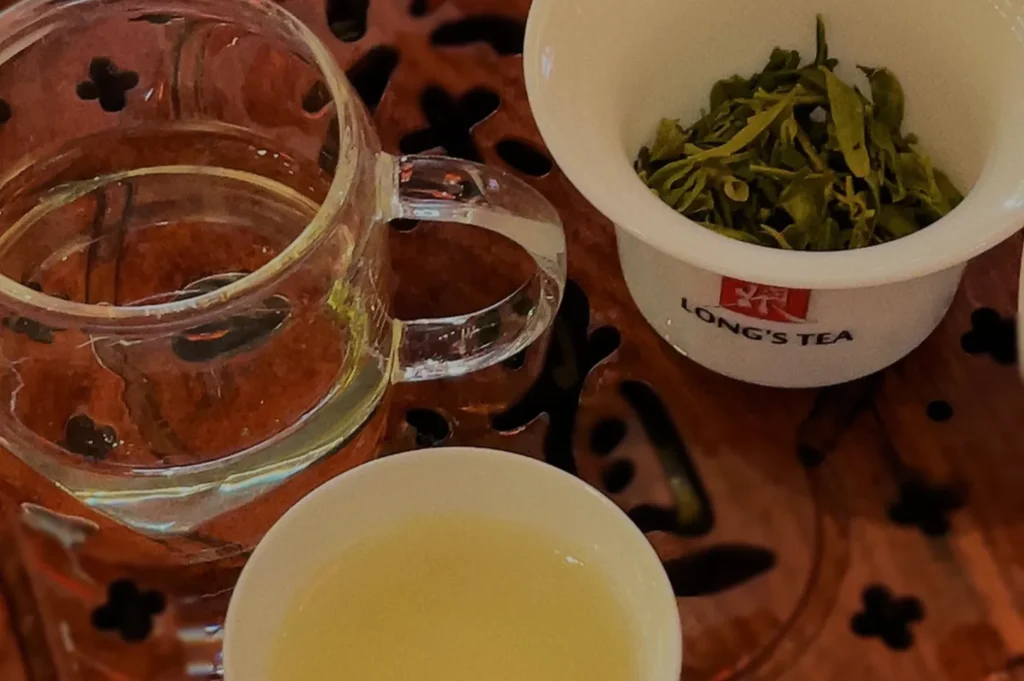
Of course, no tea lives only by the clock.
Some people are naturally drawn to green tea in the evening and find it calming. Others feel Dragon Well most keenly even at mid-morning. Personal rhythm matters. So does food, work, weather, and how much attention the hour can actually give the tea.
This is why timing should be treated as invitation, not doctrine.
A practical guide may look like this:
- if you want clarity, try Longjing in the late morning
- if you want a gentle reset, try it in the early afternoon
- if you want comfort at night, consider whether another tea might suit better
- if the tea feels too quiet, the hour may be wrong rather than the tea itself
Sometimes a tea does not fail. It simply arrives in the wrong part of the day.
Longjing and Weather in Singapore
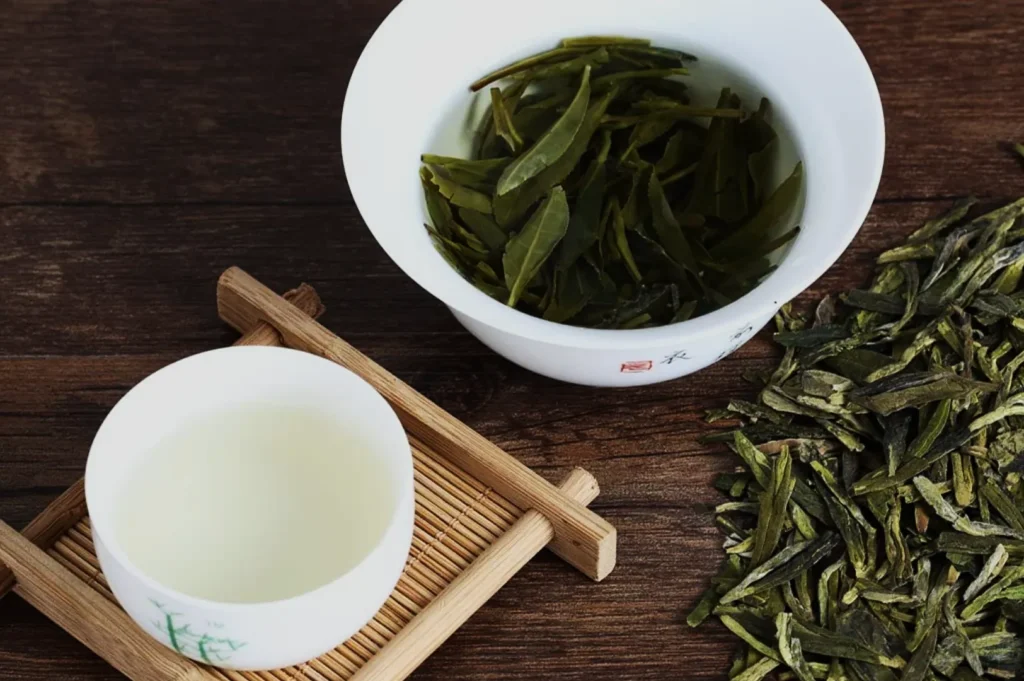
In Singapore, weather changes the feeling of tea more than many people expect.
Longjing can be especially welcome on warm, humid days because its freshness never feels aggressive. A well-brewed cup remains clear and soothing without becoming cooling in a harsh or medicinal sense. This is why it often feels naturally suited to tropical life, especially in the morning or early afternoon when the body is already negotiating heat and pace.
Rain changes things too.
On a grey, wet afternoon, Longjing can feel almost more chestnut-forward, as though the warmer side of the tea becomes easier to notice. In bright heat, the greener lift may come forward first. The tea remains itself, but the room around it changes how it is perceived.
This is one reason we still think of Longjing as a tea of timing, not only of taste.
Longjing for Work, Reading, and Quiet Conversation
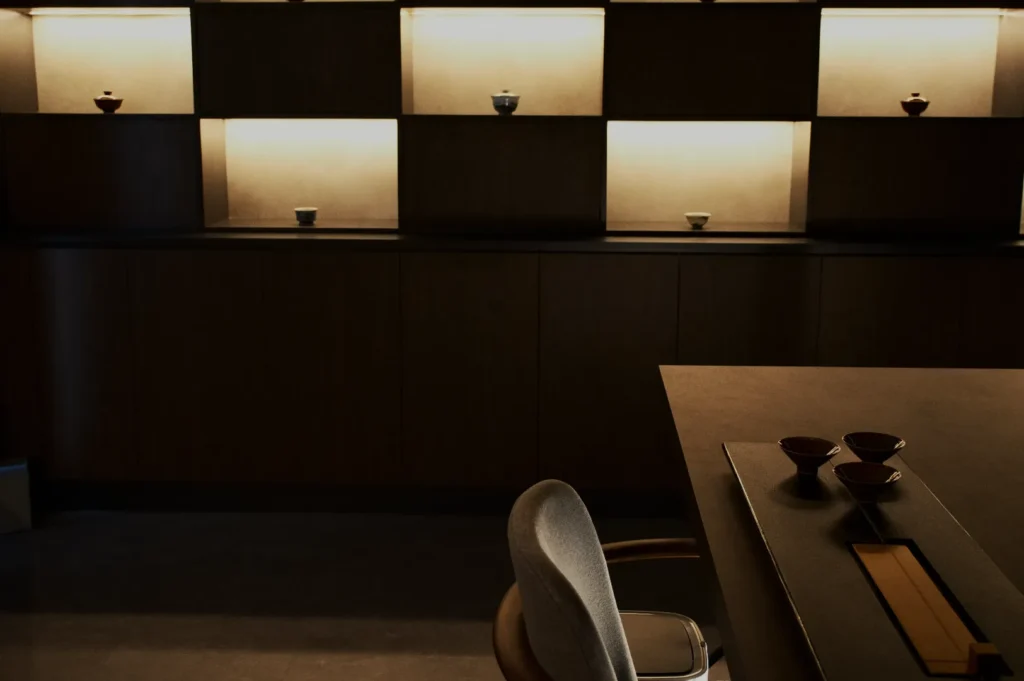
Some teas seem made for sociality. Others seem made for solitude. Longjing can move between the two, but it tends to favour quieter forms of company.
It is especially good for:
- reading
- slow desk work
- private conversation
- reflective pauses between tasks
- mornings that require steadiness rather than intensity
The tea does not demand your full attention every second, but it rewards it whenever you offer it. This makes it a beautiful companion to any activity that is already asking for care.
At Tea Room by Ki-setsu, we often find that Longjing is one of the teas most suited to being shared in a room that does not need to perform. It carries enough elegance for hospitality, but enough modesty to let the conversation remain human.
Why Timing Changes the Taste
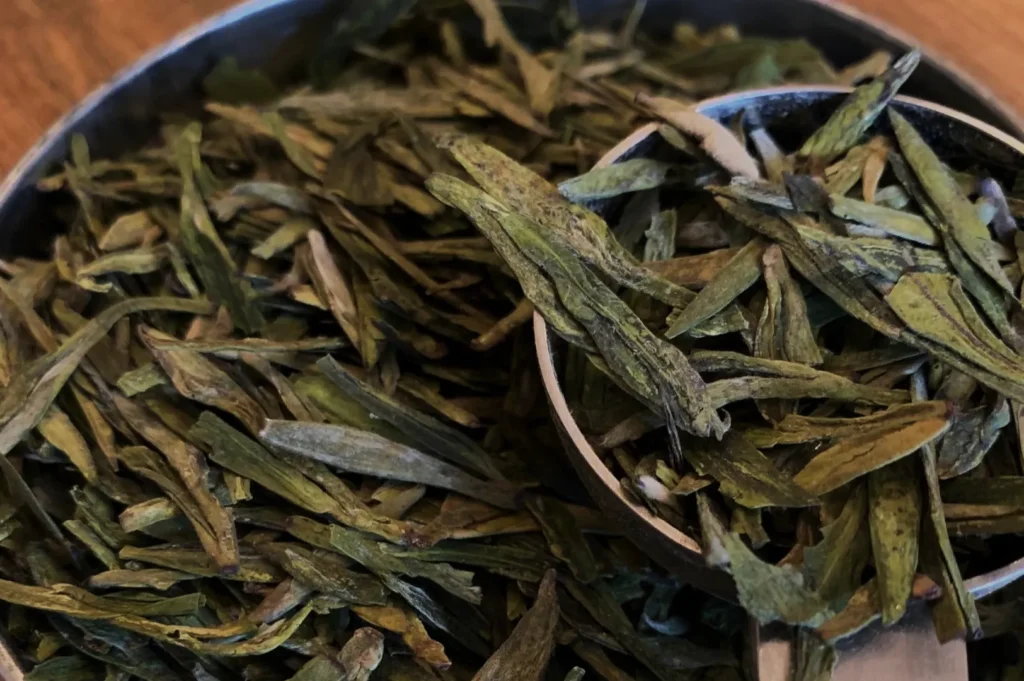
This may sound poetic, but it is practical.
Tea is not only chemistry. It is reception. The body tastes differently at different hours. The palate is more or less sensitive. The mind is more or less quiet. The room is more or less crowded by impressions. Longjing, because it is a tea of subtle architecture rather than overt force, shows these shifts very clearly.
- A cup at 10:30am may feel lucid and composed.
- The same cup at 8:30pm may feel strangely bright.
- A tea at 2pm may rescue the day.
The same tea at dawn may feel almost too gentle to understand.
This is not inconsistency. It is relationship.
A Tea That Teaches the Day to Slow Down
At Tea Room by Ki-setsu, we return to Longjing so often because it teaches something beyond taste.
It teaches that tea can shape time, not just fill it. A well-timed cup does not merely accompany the hour. It improves the hour’s proportions. It gives the day a hinge, a pause, a little more elegance than it might otherwise have had.
This is one of Dragon Well’s quiet gifts in Singapore. In a city that moves with purpose, Longjing offers another form of purpose: one built on refinement, pacing, and a very particular kind of spring clarity.
So when should you drink Longjing?
Not when the label tells you.
When the day is ready to hear it.