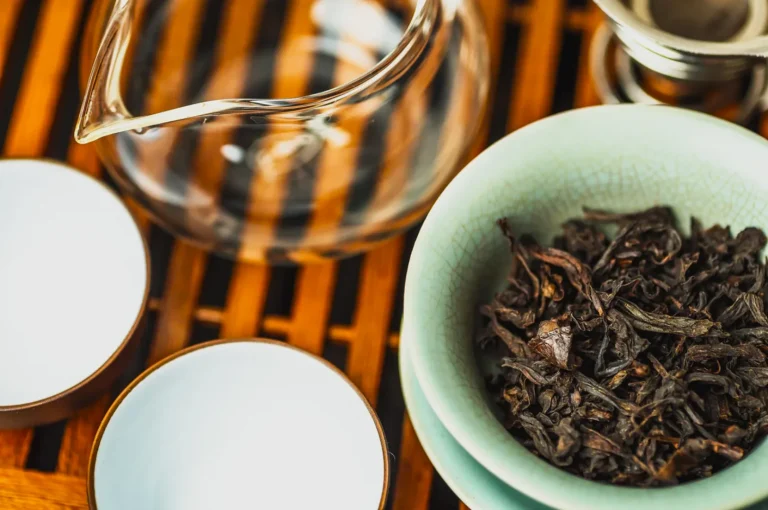
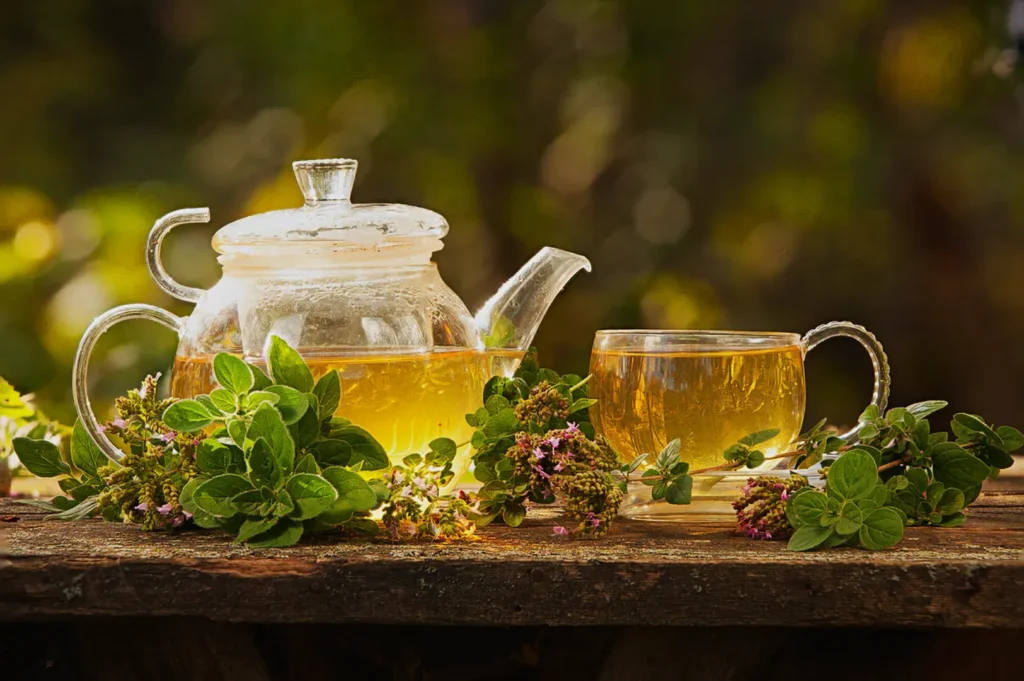
A fine tea does not raise its voice; it waits for you to listen. When we sit down to appreciate a delicate infusion, it is easy to feel intimidated by the poetic descriptions often used by connoisseurs. Yet, we assure you that tasting is a skill learned through quiet repetition, not a rare, innate gift. Aroma perception varies naturally from day to day, and there are simply no “wrong” notes when you are paying sincere attention to your cup.
In this guide, white tea tasting notes refer to practical, sensory descriptions of aroma, flavour, texture, and aftertaste. White tea is the ideal canvas for learning how to taste because of its gentle structure, clear sweetness, and minimal processing, which allow the pure character of the leaf to shine.
This guide will explore the three most common aroma families (honeyed, floral, and melon) and what they tend to signal in your cup. We will share a repeatable method for smelling and tasting, alongside the brewing “dials” you can adjust to either bring forward a specific note or quiet it down. For a broader view of this elegant category, we invite you to read a complete guide to understanding white tea.
Quick Answer: What “Honeyed”, “Floral”, and “Melon” Usually Mean
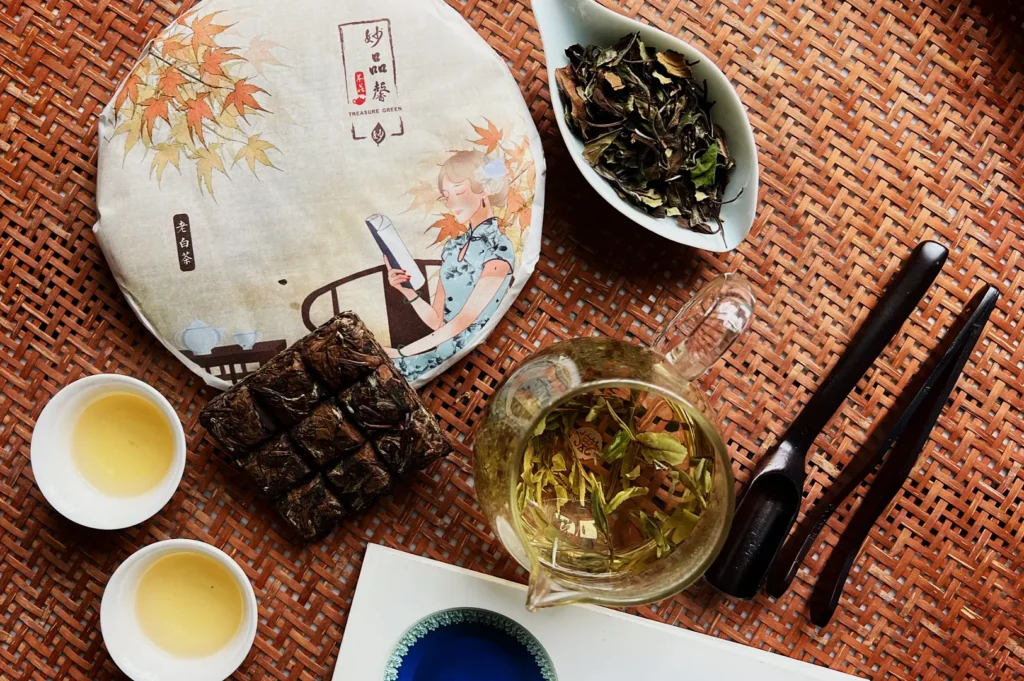
These tasting notes are impressions created by a delicate balance of sweetness, gentle acidity, and volatile aroma compounds. You will often find that these characteristics are clearer in the aroma lifting from the cup than on the tongue itself.
- Honeyed: This describes a warm, nectar-like sweetness that lingers on the palate, sometimes reminiscent of dried summer flowers or a very light, golden syrup.
- Floral: This is a lifted, airy perfume, much like breathing in blossom-scented air or the clean lift of a fresh orchid. It is a sensation more about aromatics than physical sugar.
Melon: This refers to a clean, watery sweetness paired with a fresh, airy brightness, leaving the palate feeling cooled and refreshed.
A Simple Tasting Method (You Can Repeat Every Time)
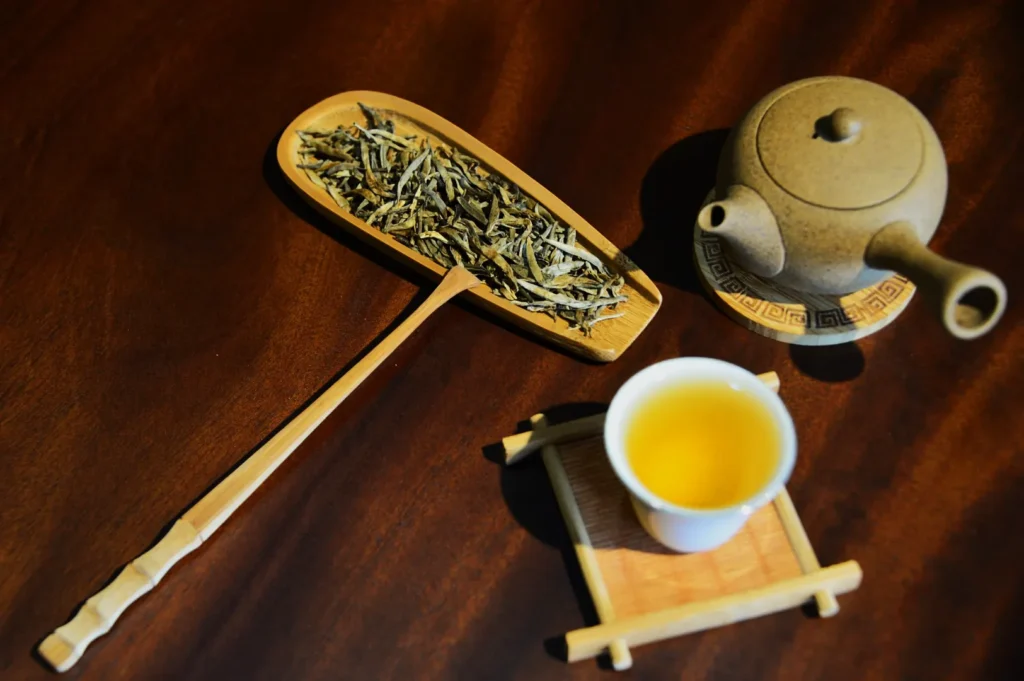
Learning how to taste white tea does not require hours of study. A gentle, ten-minute ritual is enough to train your palate.
Set-up: Cup, Water, and a Calm Baseline
Choose a neutral cup, ideally thin porcelain or clear glass, and ensure it is entirely free of scented soap residue. Use the same filtered water each time if possible, as water chemistry drastically alters flavour. Establish a calm baseline for your palate: avoid wearing strong perfume or eating spicy food immediately beforehand. Take one sip of plain warm water to reset the mouth. Set a modest goal for your session: aim to identify just one dominant note, rather than straining to find every possible complexity.
Smell the Dry Leaf, then the Warm Leaf (optional quick rinse)
First, smell the dry leaf gently twice. Try to name broad categories first: is it sweet, savoury, or earthy? You may choose to do an optional quick rinse of the leaves with hot water; this helps awaken tightly compressed teas, though for very delicate spring buds, a rinse might wash away the most fragile aromatics. Next, smell the warmed leaf and the lid of your brewing vessel. Notice whether the aroma feels “high” and lifted, or “low” and warm.
Taste in Three passes: First Sip, Mid-palate, Finish
Taste your tea in three distinct, mindful passes.
- First sip: What is the immediate impression as the liquor touches your tongue?
- Mid-palate: Hold the tea in your mouth for a second. How does the body and sweetness shape itself?
- Finish: After swallowing, pay attention to the aftertaste and any returning sweetness rising from the throat.
The Building Blocks of White Tea Flavour
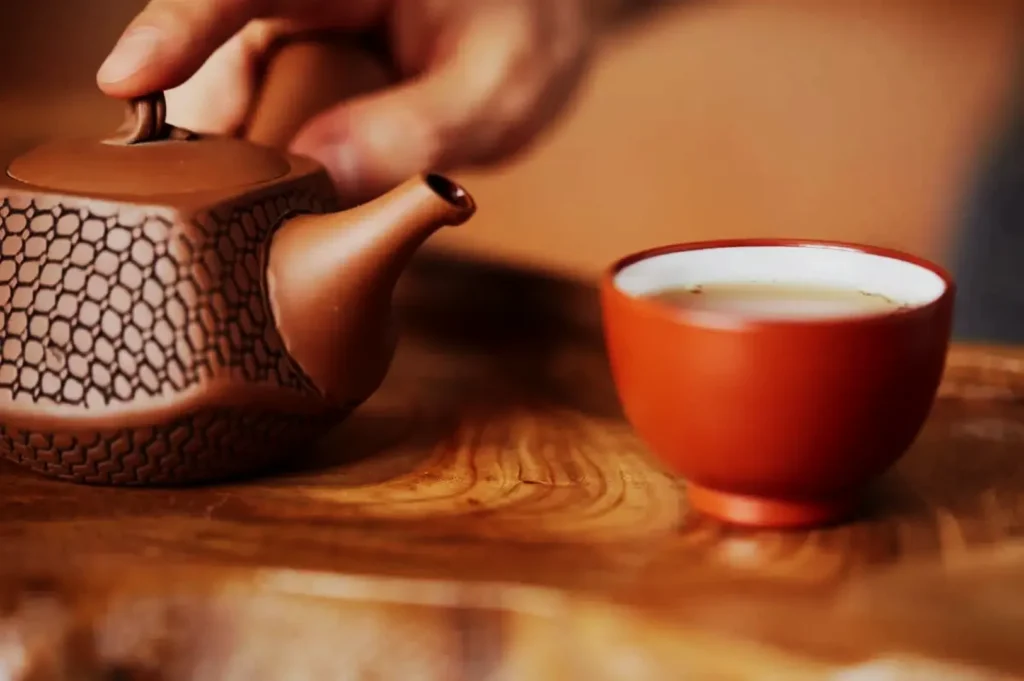
To understand where your white tea tasting notes come from, it helps to understand the leaf itself. White tea relies on the most minimal processing of all tea types, involving only gentle withering and careful drying. This minimal handling preserves the light, volatile aromatics that are easily lost in heavily fired or rolled teas.
White tea is lightly oxidised, but this oxidation happens slowly and naturally as the leaf withers in the air, rather than through intentional bruising. The plucking standard also shapes the profile: pure, silver buds yield high, lifted aromas and a syrupy texture, while the inclusion of larger leaves brings a rounder, darker, and more robust flavour to the cup.
Finally, time changes everything. Fresh white tea is prized for its crisp, floral, and melon-like vibrancy. As white tea ages, those bright notes gradually soften, shifting into profound honeyed depth, dried fruit, and warm autumnal herbs.
Note 1: Honeyed Aromas (From Nectar to Warm Sugar)
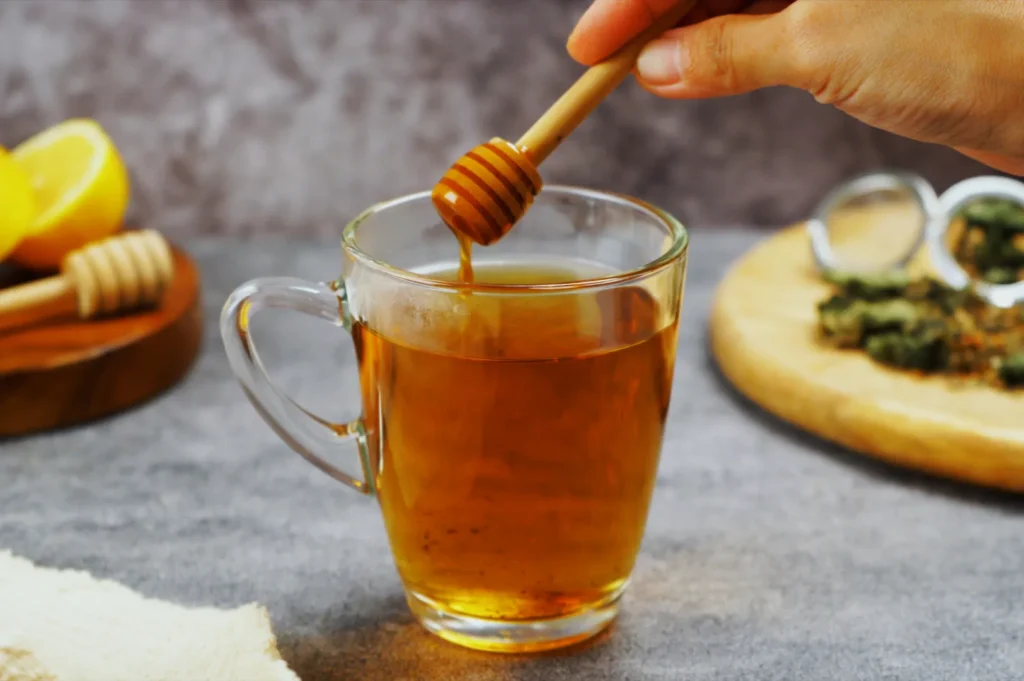
A honeyed aroma is defined by a warm, enveloping sweetness coupled with a lingering, rich fragrance. It is the sensory equivalent of standing in a sun-warmed summer field.
When exploring this family, you might notice specific variations: wild nectar, heavy pollen, light golden syrup, or even the distinct, sticky sweetness of dried longan fruit. This note rarely shouts on the first sip. Instead, it most often appears in the deep aftertaste, in the scent of the empty, cooling tasting cup, or during the later infusions when the more volatile floral top notes have faded away.
Beginners sometimes confuse a honeyed note with vanilla, caramel, or baked fruit. A true honeyed note in white tea retains a slightly botanical or floral edge, whereas caramel or vanilla implies a roasted, heavier oxidation that authentic white tea generally lacks. To highlight a honeyed aroma, try using slightly warmer water and slightly longer steeps in your later infusions. However, be cautious not to over-brew, as pushing the leaf too hard can extract a dry, woody astringency that masks the sugar.
Note 2: Floral Aromas (From White Blossoms to Orchids)
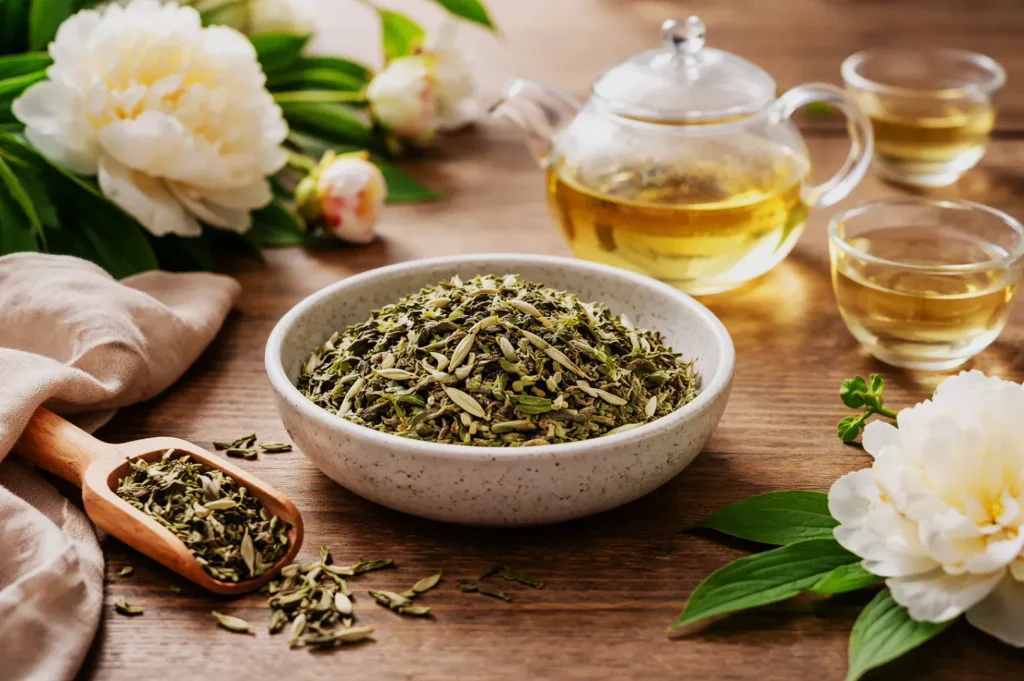
A floral aroma is a sensation of lifted, airy perfume. It is important to note that a tea can smell intensely floral without actually tasting sugary sweet on the tongue.
To build your vocabulary, think of a gentle ladder of florals: the faint, clean scent of blossom-air, the elegant and cooling lift of a fresh orchid, or the dewy freshness of a bruised petal. You will encounter this note most vividly when smelling the warm, wet leaf, breathing in the scent trapped on the lid of your gaiwan, and during the very first early infusions.
It is easy to mislabel other fresh notes as floral. If a note smells sharp or vegetal, it is likely grassy; if it feels medicinal, it is herbal; and if it feels unnaturally perfumed and cloying, it may be soapy (which can indicate poor processing). To keep delicate florals clear and distinct, brew with slightly cooler water and use short, gentle infusions.
Note 3: Melon Aromas (From Honeydew to Cantaloupe)
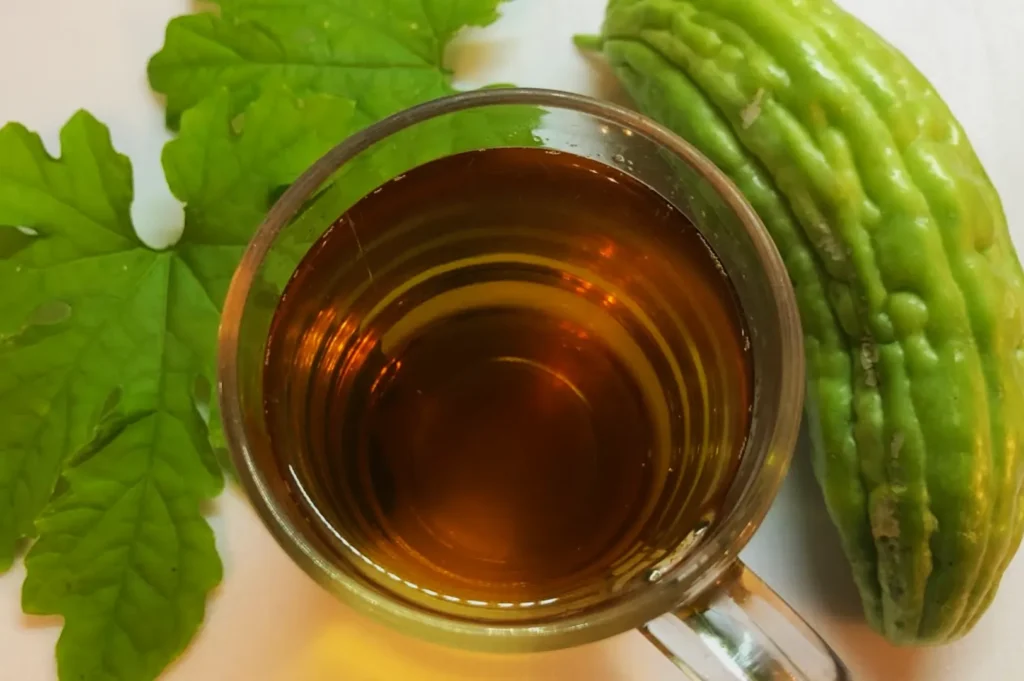
A melon aroma provides a beautiful, clean, watery sweetness that cools and refreshes the palate. It lacks the heavy warmth of honey and the perfumed lift of florals, sitting perfectly in the middle with an airy brightness.
When searching for this note, you might recall the crisp sweetness of honeydew, the slightly richer tone of light cantaloupe, or simply a sensation of cool, green brightness. It typically appears during the early steeps and is most pronounced in lighter-bodied, bud-heavy brews like Silver Needle.
Because it is so subtle, melon is frequently confused with crisp pear, the freshness of cucumber skin, or a very mild, non-acidic citrus. To coax out a melon note, use a moderate water temperature and consider a slightly lower dose of leaf (or more water). Above all, ensure you are using clean, soft water, as heavy minerals will instantly crush this fragile sweetness.
Texture and Finish: The Two Clues Beginners Miss
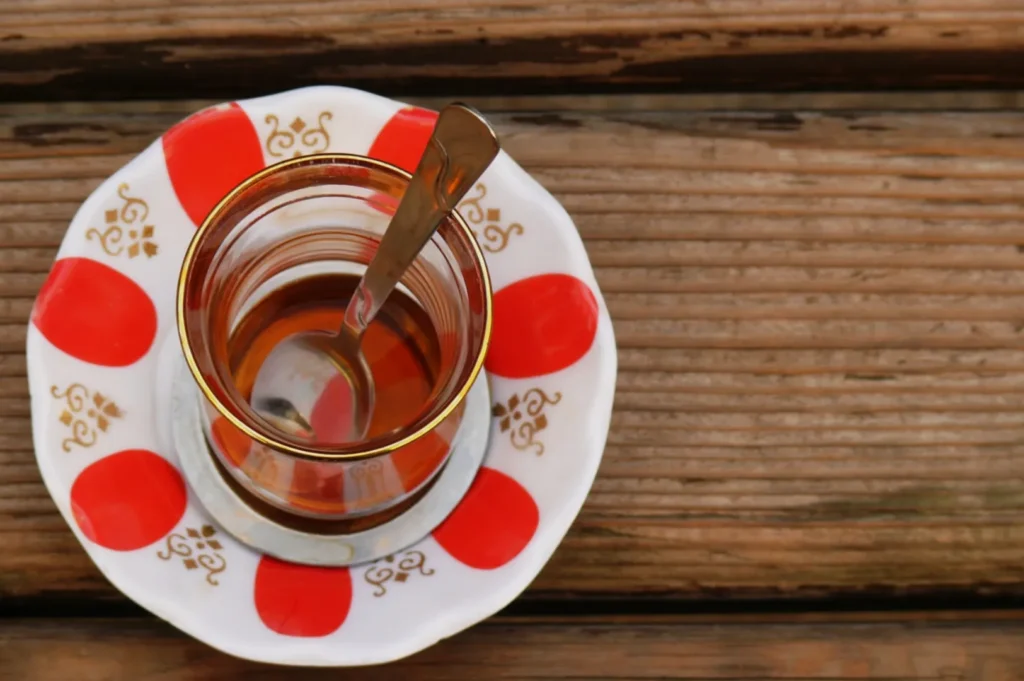
While it is tempting to focus entirely on aroma, texture heavily shapes how an aroma lands on your palate. A tea with a thick texture will hold sweetness in your mouth much longer than a thin tea.
Pay close attention to body cues. Does the tea feel light and watery, silky and coating, full and round, or perhaps slightly drying on the edges of the tongue? The finish is equally vital. After you swallow, look for finish cues: a returning sweetness rising in the throat (hui gan), a cooling sensation on the breath, a lingering floral perfume, or a warm, honeyed afterglow.
As a practical prompt: always make it a habit to note the texture and finish, even on days when the specific aroma feels elusive or unclear.
Brewing “Dials” That Change Tasting Notes (Actionable)
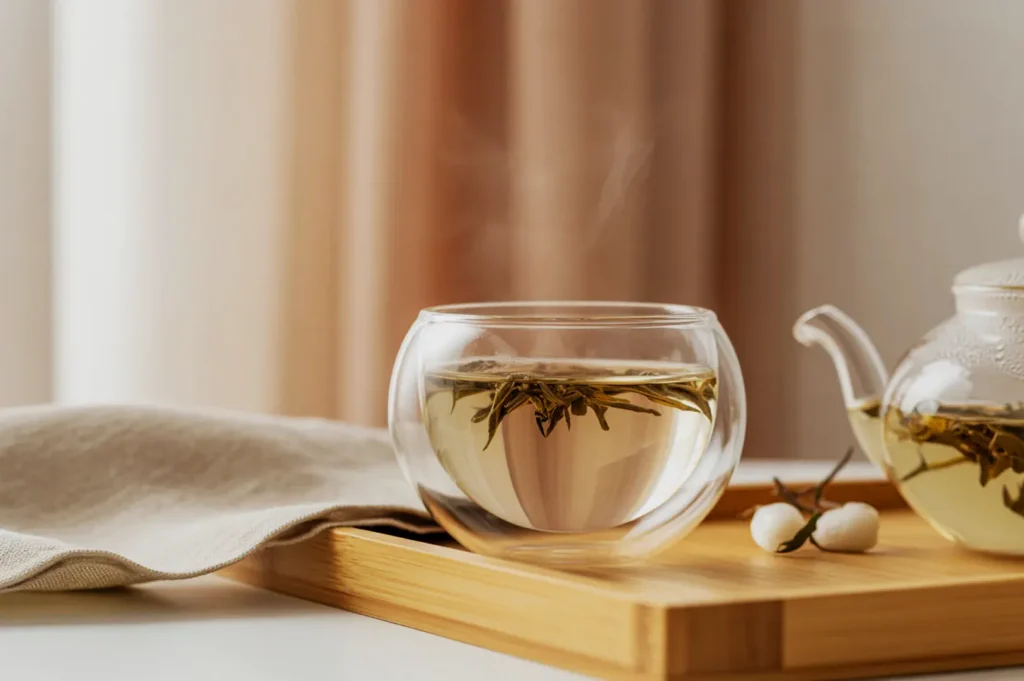
You are never a passive observer when making tea; you hold the dials that shape the final cup.
- Leaf-to-water ratio: A high proportion of leaf creates intensity and thick texture, while a lower proportion creates clarity, allowing delicate floral and melon notes to separate and shine.
- Temperature: Cooler water (80–85°C) preserves high, lifted florals and watery melon sweetness. Warmer water (90–95°C) extracts deeper, honeyed depth and heavier body.
- Steep strategy: Multiple short infusions (gongfu style) allow you to taste the tea evolve from floral to honeyed over time. One long Western-style brew will compress all these notes into a single, unified profile.
- Vessel choice: A porcelain gaiwan is entirely neutral, perfect for accurate tasting. A small clay teapot retains heat for a better body but may mute the highest aromas. Glass allows you to appreciate the visual beauty of the leaves but loses heat quickly.
- Water quality: We strongly suggest using filtered or soft spring water. High chlorine or very hard water will flatten the aroma and completely erase the gentle nuances of white tea.
Reflecting on Your White Tea Journey
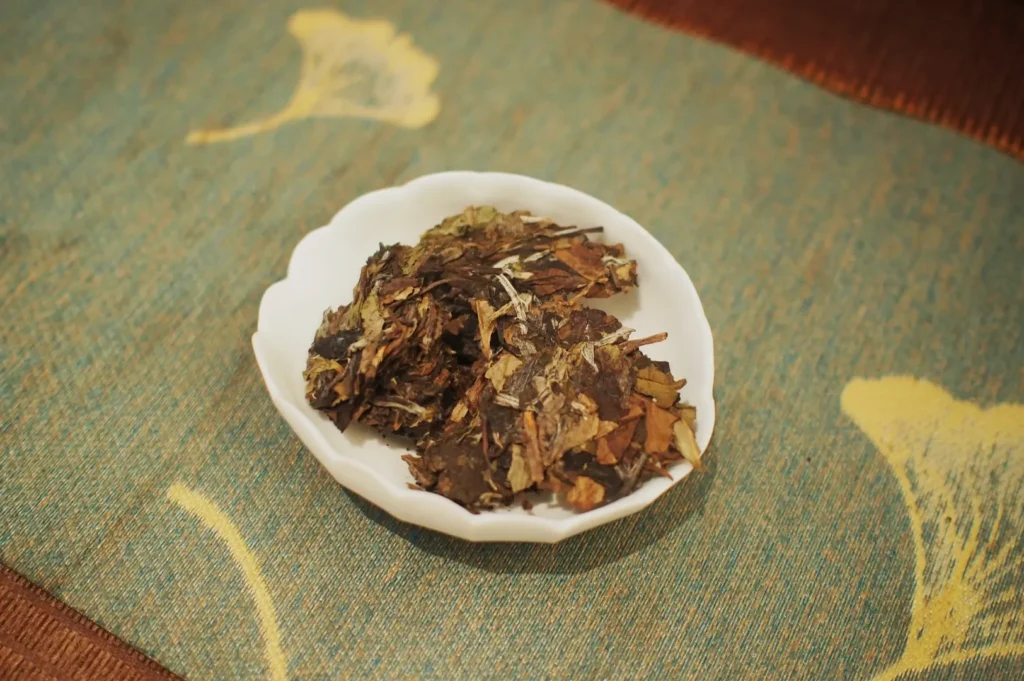
When learning to record white tea tasting notes, remember that consistency is far more valuable than perfection. We encourage you to revisit the same tea across multiple sessions, allowing yourself to notice how your palate, your brewing, and the tea itself subtly shift from day to day.
If you wish to deepen your understanding in a serene environment, we warmly invite you to book a private tea session with us at Tea Room by Ki-setsu. Join us to taste these delicate differences side by side, guided in a calm, unhurried way that honours the true spirit of the leaf.