The first confusion is understandable.
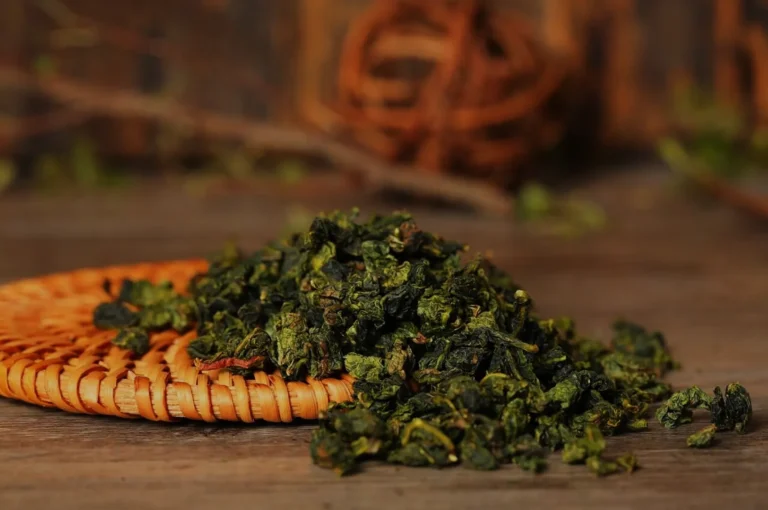
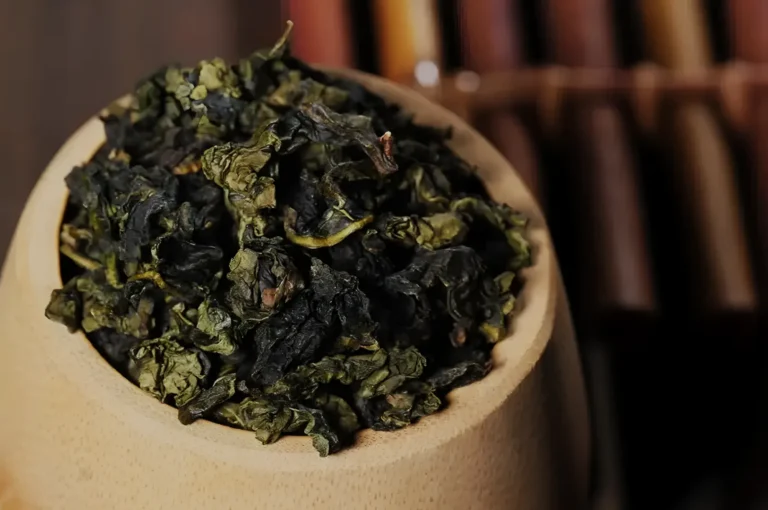
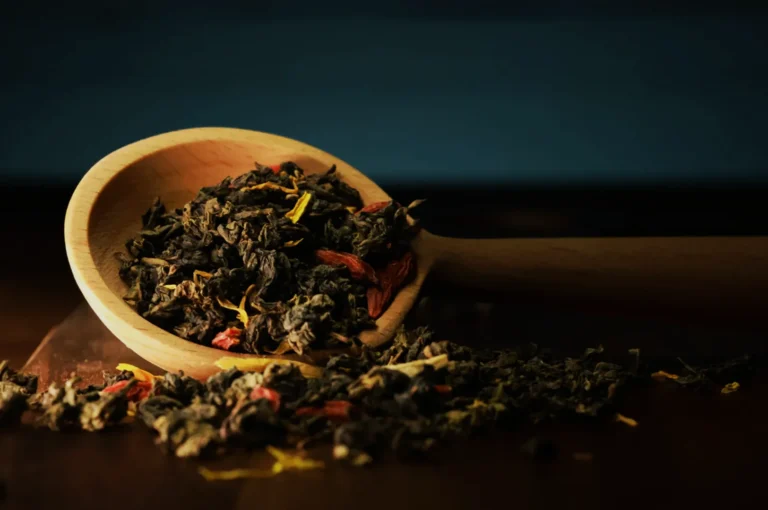
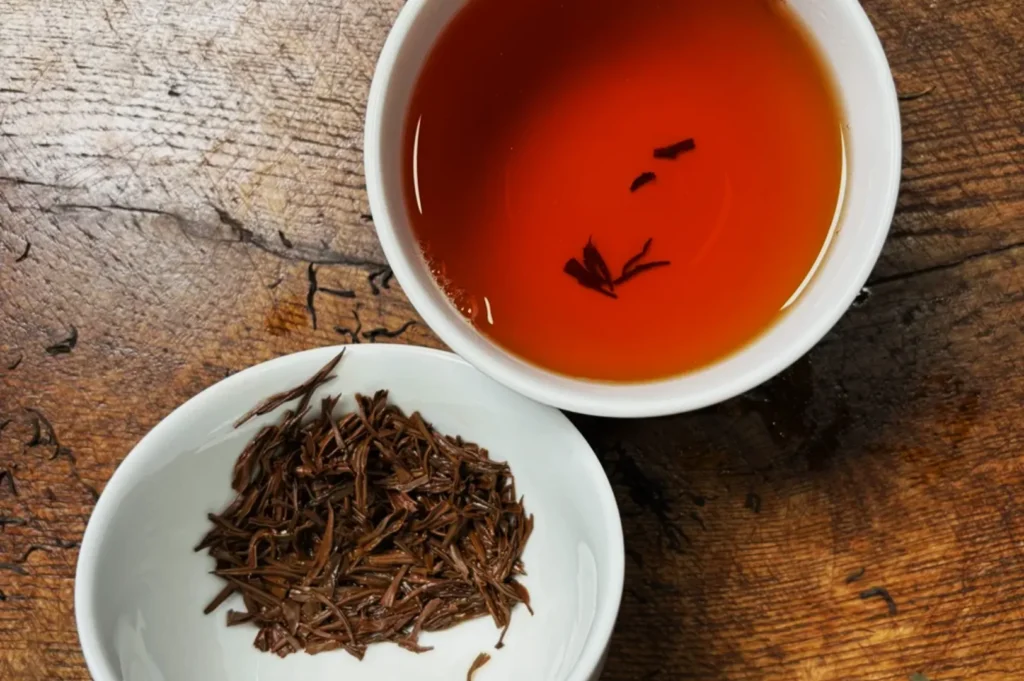
A guest lifts a cup of Chinese black tea, notices the ruby-copper liquor and hears us refer to it as hong cha, or red tea. They look at the dry leaves, which are clearly dark, and ask the obvious question: if the tea is black, why is it called red?
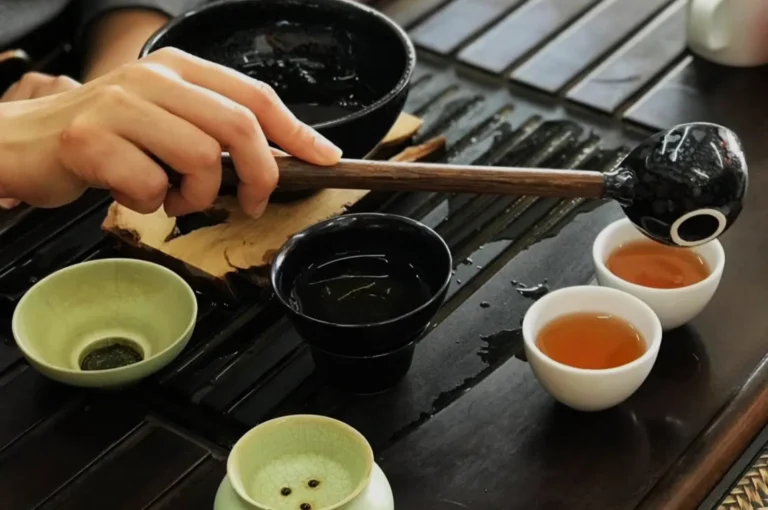
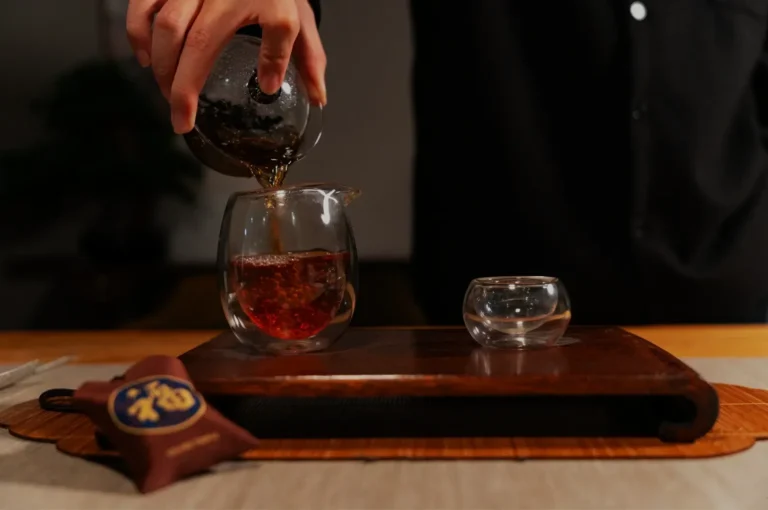
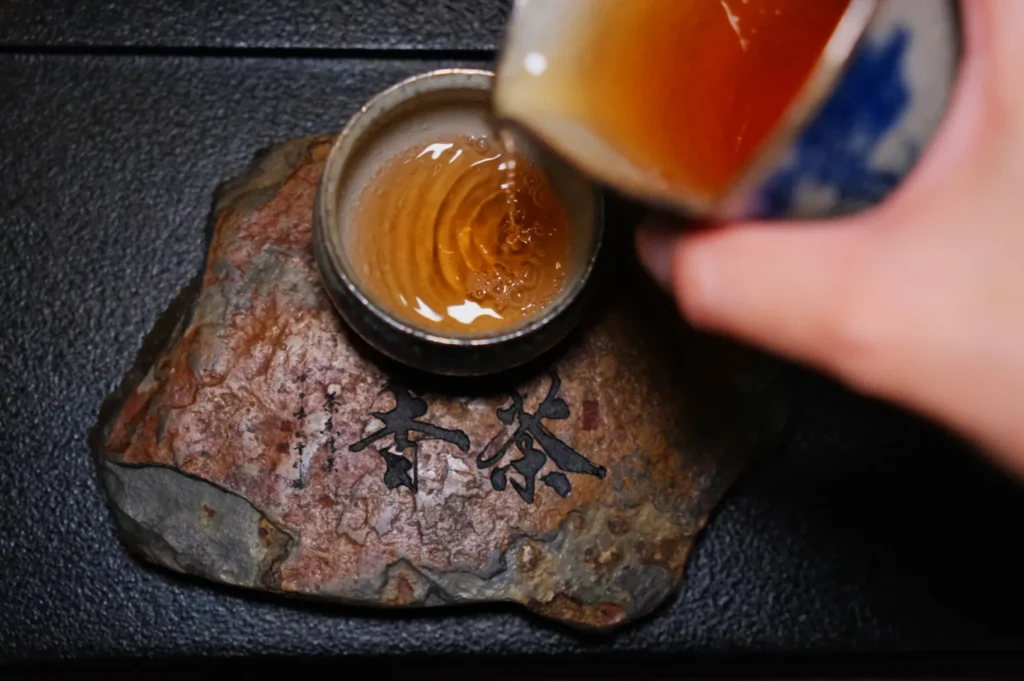
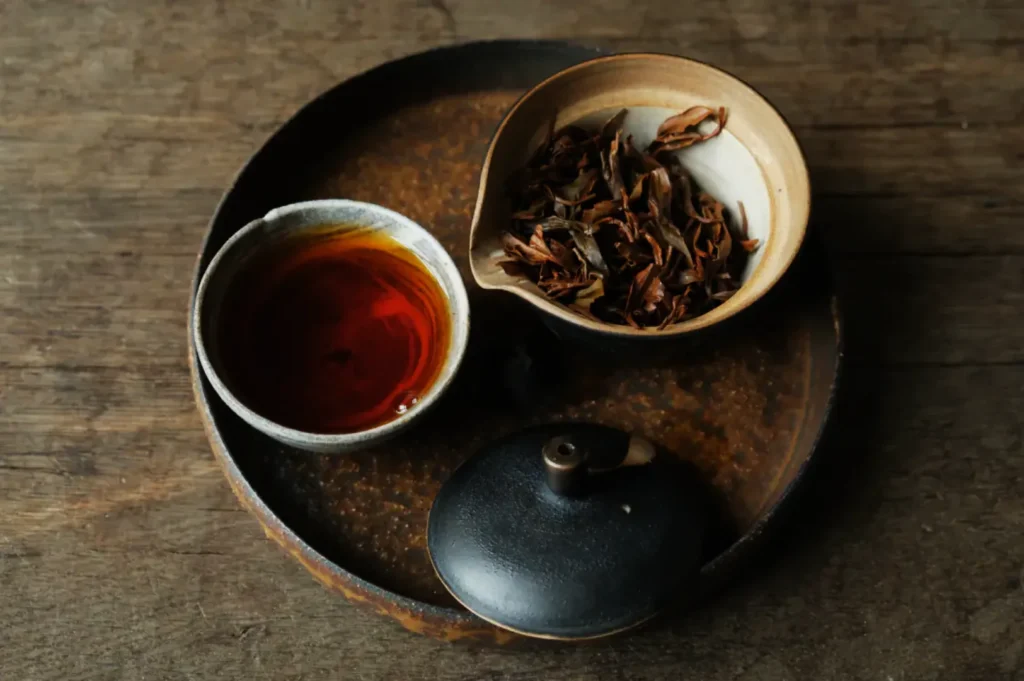
At Tea Room by Ki-setsu, we find this small moment surprisingly revealing. It is not only about language. It is about how tea is seen, how it is understood, and what each tradition chooses to notice first. In English, the category became known as black tea because of the dark appearance of the processed leaf. In Chinese tea culture, the tea is called red tea because the liquor in the cup, the part most intimately experienced, glows in shades of amber, garnet, and deep red.
This difference is worth more than a quick correction. It changes the way the tea is approached. It also opens a more culturally grounded understanding of what black tea really is. For readers who want the wider landscape first, this guide for a fuller introduction to styles, varieties, and tasting directions of black tea. Here, the focus is narrower and more cultural: what hong cha means, and why that meaning still matters.
A Name Reveals What a Culture Values
Tea naming is never only technical.
When a tea tradition chooses a name, it is also choosing an emphasis. The Western term “black tea” prioritises the final state of the leaf. The Chinese term hong cha prioritises the liquor, the living expression of the tea once brewed. Neither name is “wrong.” But they are not neutral either.
This is part of why the difference feels so interesting.
A dry leaf sits in the hand. A red liquor sits in the cup. One is about material. The other is about experience. Chinese tea culture has long paid close attention to what the tea becomes in water: the colour, the fragrance, the texture, the finish. So it makes sense that the category would be named through the cup rather than through the leaf alone.
The term “red tea” reminds us that tea is not completed until it is infused.
What Hong Cha Actually Means
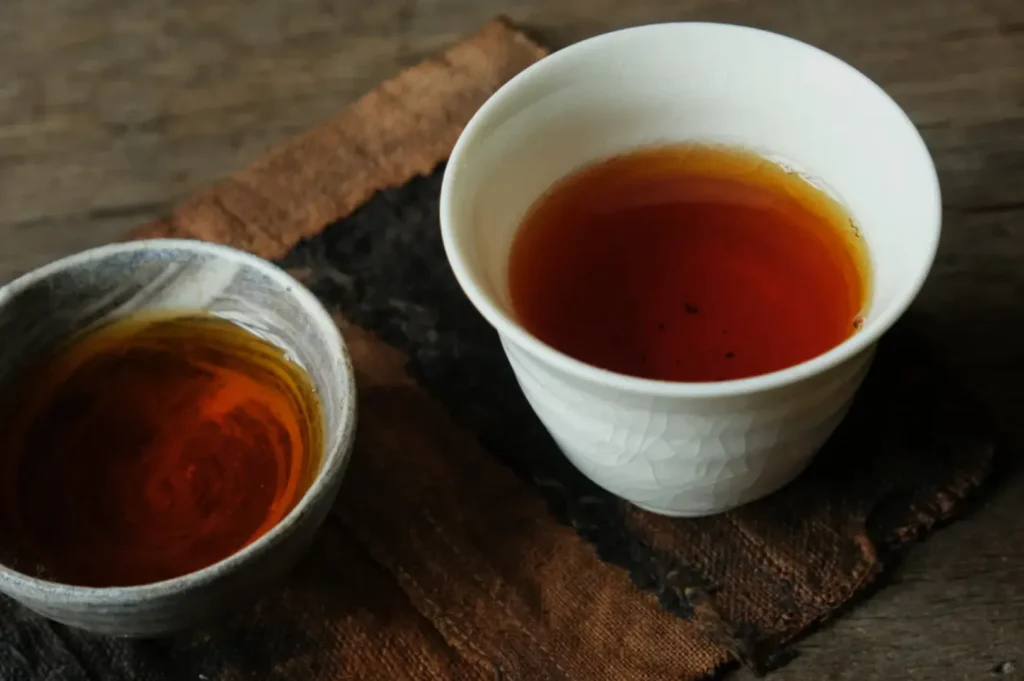
In Chinese, hong cha simply means red tea.
It refers to the category known in English as black tea: fully oxidised tea made from the Camellia sinensis plant, with styles that can range from floral and refined to malty, honeyed, or smoky. Keemun, Dian Hong, and many other Chinese black teas all fall under the category of hong cha.
The name is practical, but it is also sensorial.
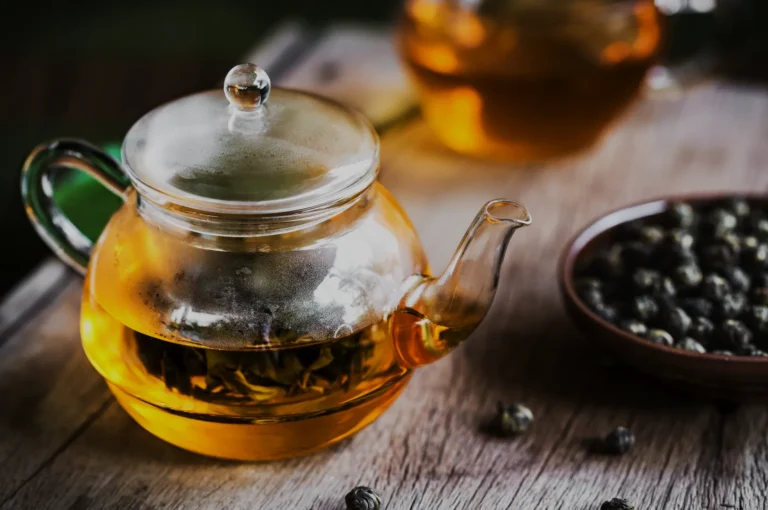
When you brew a fine Chinese black tea, the liquor rarely looks black. It glows. Depending on the tea, it may appear bright amber, copper-red, ruby, or dark garnet. In Chinese tea culture, that colour became the obvious point of reference. The tea announces its redness more clearly in the bowl than its blackness in the leaf.
This naming logic becomes especially clear once you place the cup in good light. The tea is warm, translucent, alive. “Red tea” begins to feel not strange, but exact.
Why English Uses “Black Tea” Instead
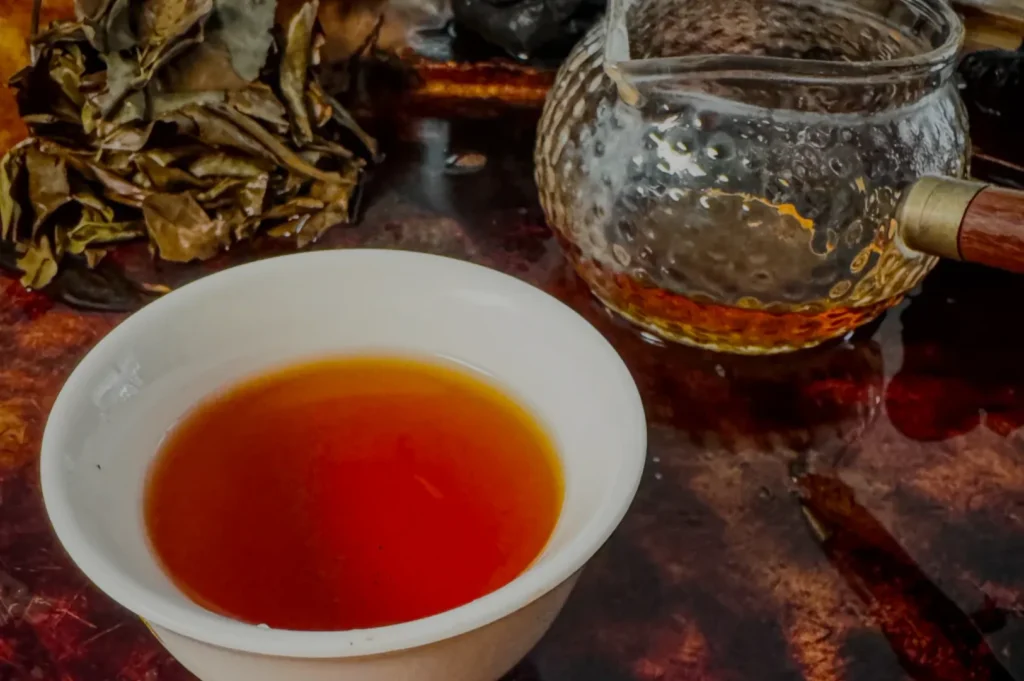
The English-language naming system evolved differently.
As tea moved through trade routes and commercial classification, categories were often defined by what could be handled, sorted, packed, and sold. The dark, oxidised leaf became the visible marker. “Black tea” was therefore a practical description from a merchant’s perspective.
That is not an insult to the tea. It is simply a different way of organising reality.
But the difference does shape expectation. Someone hearing “black tea” for the first time may imagine something heavier, darker, or more forceful than the tea in the cup actually proves to be. Someone hearing “red tea” may expect warmth, glow, and brightness. These are not small differences in imagination. They affect how the tea is first received.
At Tea Room by Ki-setsu, we think this is one reason cultural language still matters. It teaches the palate what to notice.
Red Tea Is Not the Same as Dark Tea
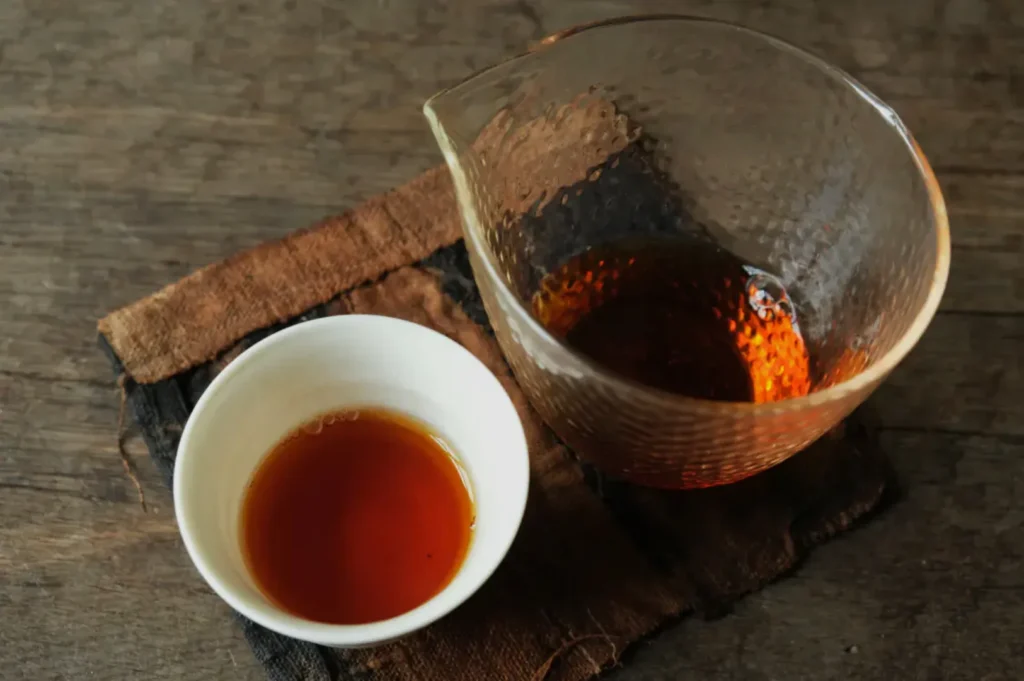
This is where some confusion becomes more technical.
In Chinese tea classification, hong cha or red tea is not the same as hei cha, which is often translated as dark tea. Dark tea includes categories such as certain aged and post-fermented teas, and these belong to a very different processing tradition. They should not be confused with Chinese black tea simply because the English word “black” is being used for hong cha.
This matters because it reminds us how imperfect translation can be.
A single English word can flatten distinctions that Chinese tea culture keeps separate with much more precision. That precision is worth preserving, especially if one wants to understand the logic of the tea world rather than only consume its exported vocabulary.
What the Name Changes in the Cup
When drinkers begin to think of black tea as red tea, something often shifts.
They become more attentive to the liquor itself. The glow of the cup matters more. The finish feels warmer. The tea begins to seem less bluntly “black” and more nuanced, more alive in colour and movement. A Keemun may feel more floral. A Dian Hong may appear more golden and luminous. Even a stronger tea feels more articulate once the eye is taught to look at the cup and not only the leaf.
Sometimes language does not merely describe taste. It prepares us to taste more accurately.
This is one reason we like to explain hong cha gently during sessions. It is not about forcing terminology. It is about making the tea more legible.
Why This Distinction Still Matters in Singapore
In Singapore, many tea drinkers encounter black tea through English first.
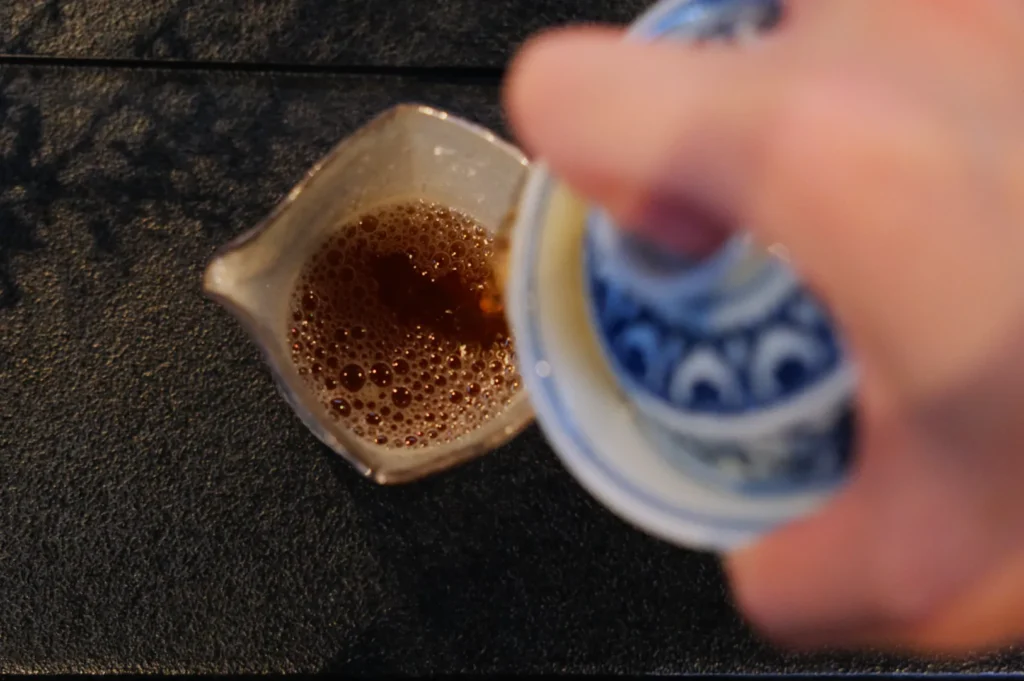
Menus, retail shelves, hotel tea service, and imported packaging usually preserve the English category name. That is practical, but it can also disconnect the drinker from how the tea is understood in Chinese culture. Once hong cha is reintroduced, the cup often feels more rooted, less generic.
This matters especially in a Chinese tea sanctuary, where tea is not merely consumed, but hosted.
At Tea Room by Ki-setsu, we think these distinctions add dignity to the experience. A tea becomes richer when it is allowed to remain close to its own logic rather than being reduced to the broadest available translation.
A Different Way of Seeing Black Tea
The point is not to replace one term with another aggressively.
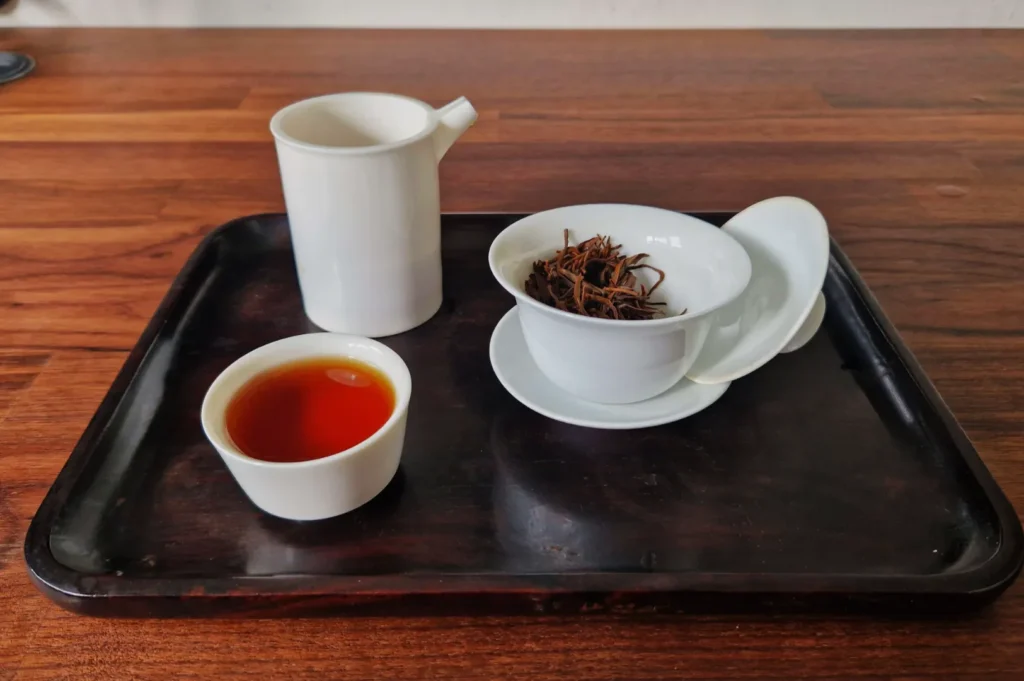
The point is to understand that both names carry a worldview. “Black tea” is serviceable. “Red tea” is revealing. One looks at the leaf in storage. The other looks at the tea as it is lived in the cup.
That difference can deepen appreciation more than people first expect.
A tea is always more than its label. But some labels teach us to look more carefully than others. Hong cha is one of them.