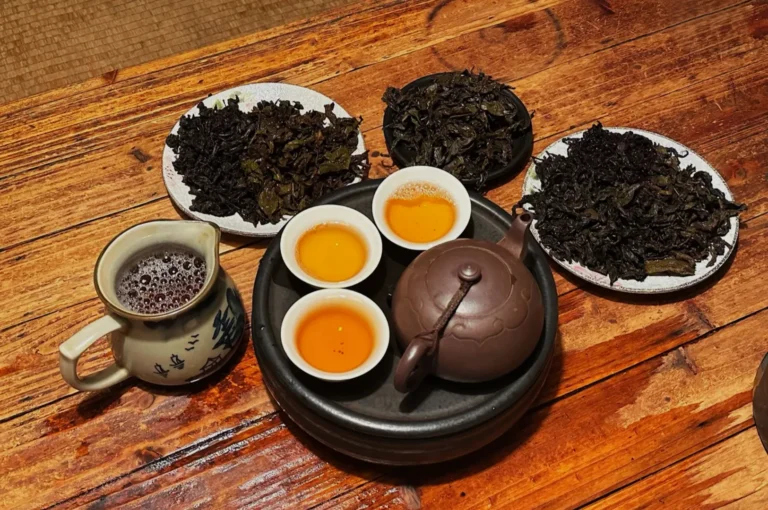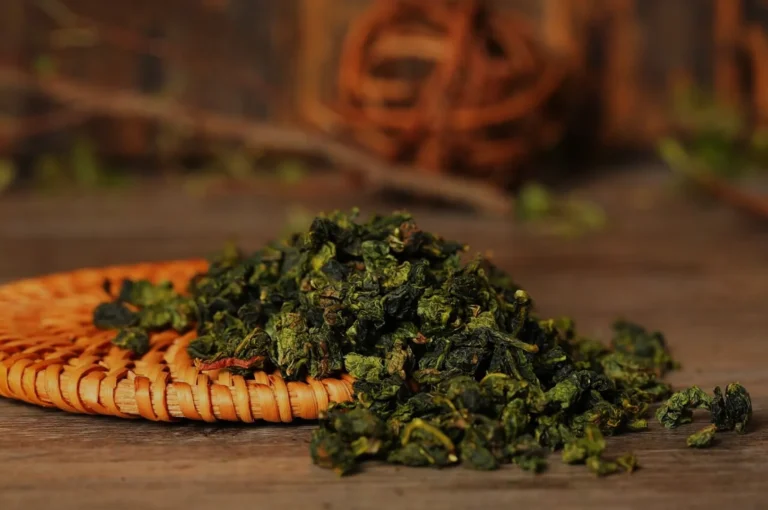
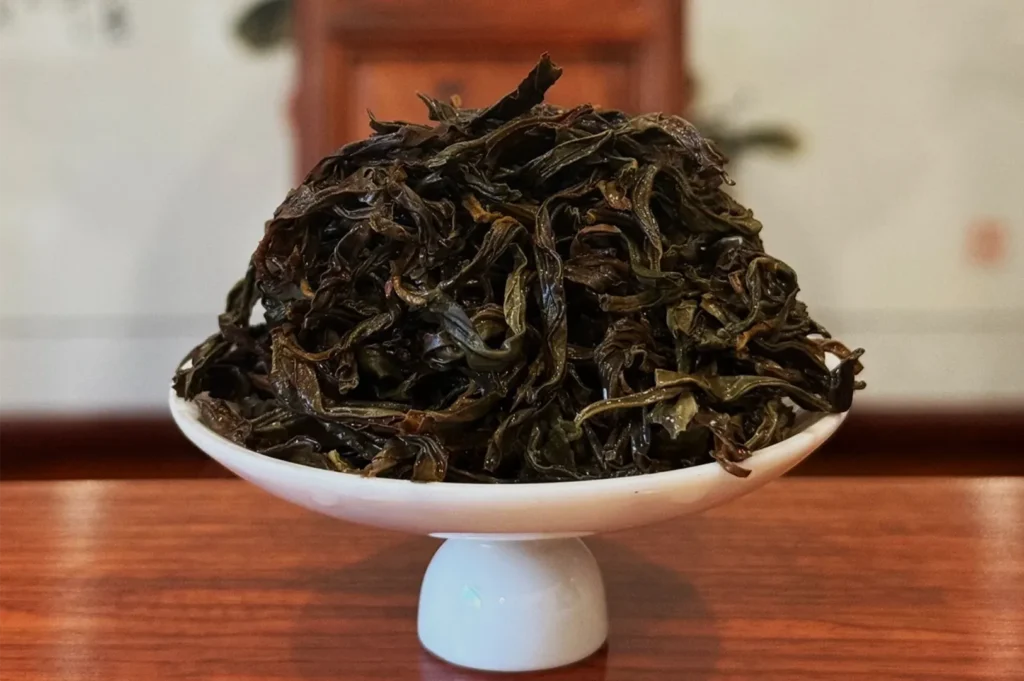
Ya Shi Xiang is one of Chinese tea’s most unforgettable names.
Translated directly, it means Duck Shit aroma. The phrase is blunt, strange, and almost designed to stop a conversation. But the tea itself is not a joke.
A good Ya Shi Xiang Dan Cong can be floral, creamy, bright, and elegant. Its name may be playful, but its place within Phoenix Dan Cong tea is serious.
Ya Shi Xiang became famous because the contrast between name and cup is impossible to ignore.
For readers who want the wider foundation, we have written a Fenghuang Dancong tea guide. This article focuses on the name, the aroma, and why the tea deserves to be understood beyond novelty.
What Is Ya Shi Xiang?
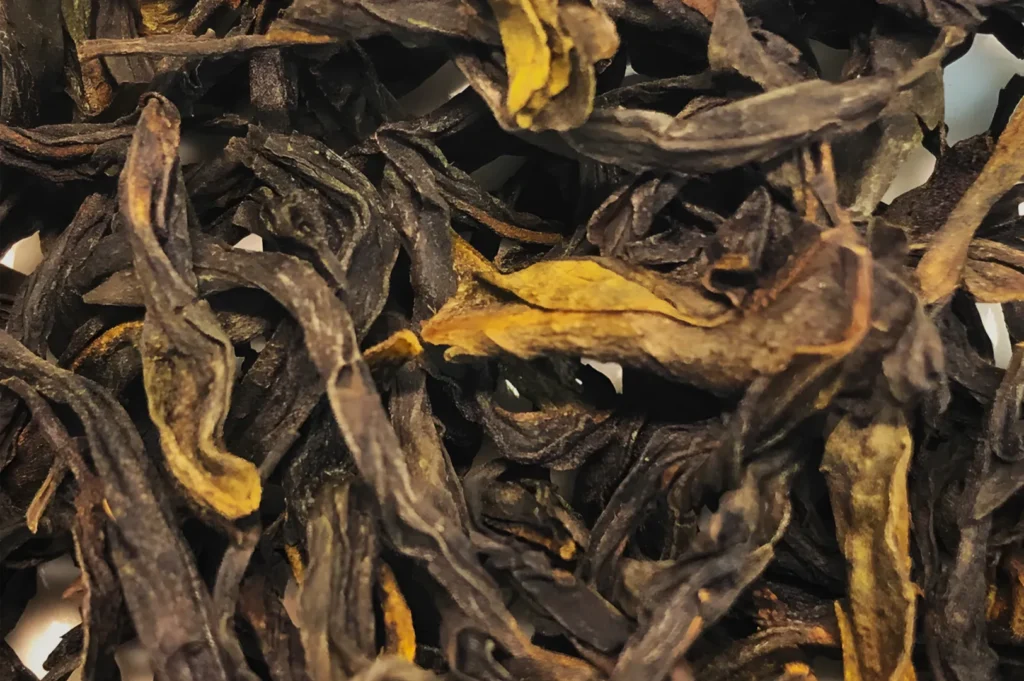
Ya Shi Xiang is a Phoenix Dan Cong aroma type.
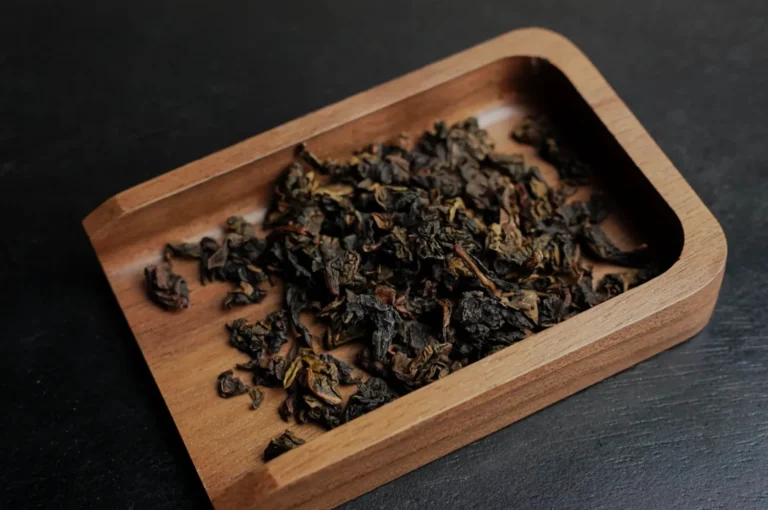
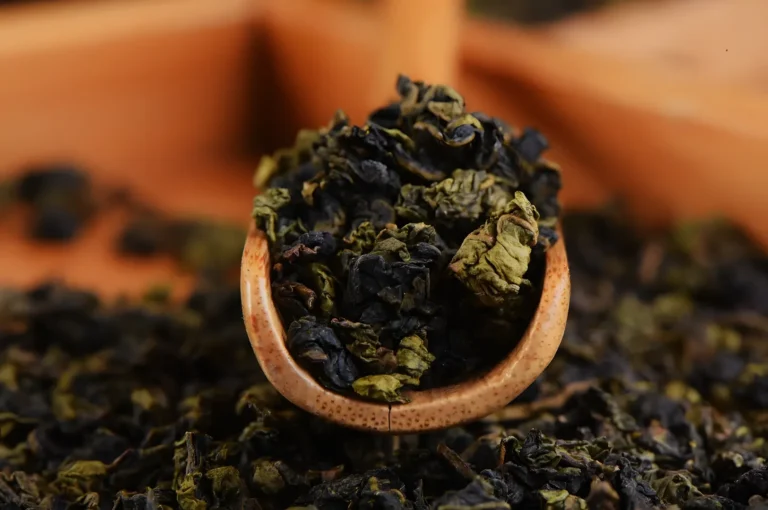
It comes from the Fenghuang Mountain area of Chaozhou in Guangdong, where Dan Cong teas are often classified by natural fragrance. The name does not mean the tea smells unpleasant. It refers to a traditional name attached to a specific aroma type.
China’s geographical indication materials for Fenghuang Dancong help place Dan Cong within its protected regional context. Ya Shi Xiang belongs inside that wider world of Chaozhou oolong culture.
The strange name often becomes the doorway. But the tea should not be left standing at the doorway.
Why Is It Called Duck Shit Aroma?
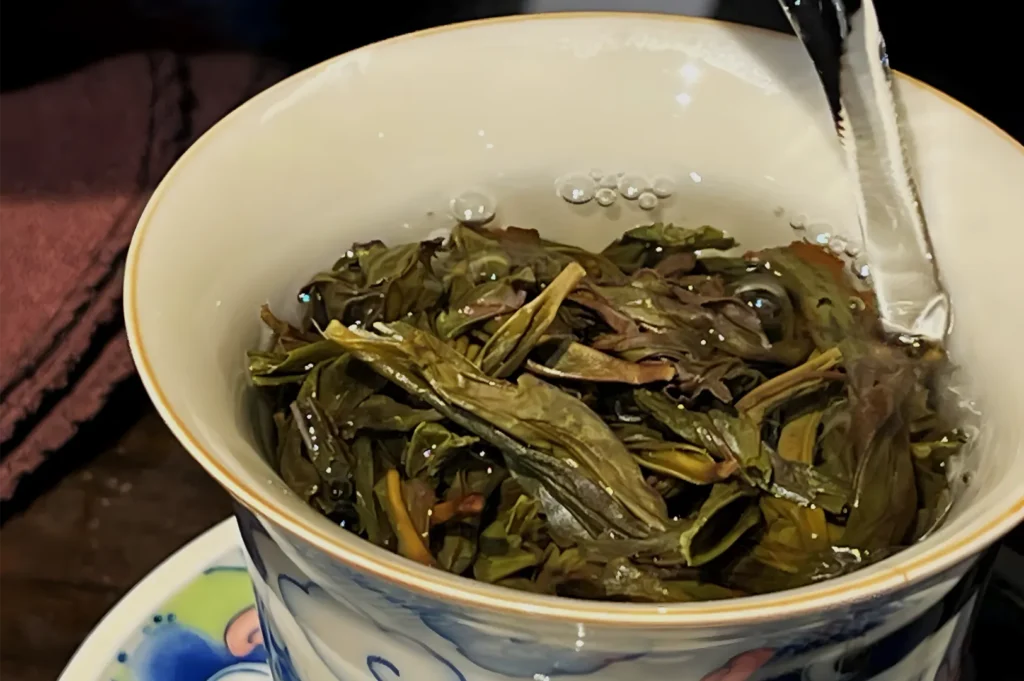
There are several stories about the name.
One common explanation is that the tea’s unusual name was used to protect a prized cultivar from attention. Another links it to the colour or local description of the soil. As with many tea stories, the exact origin can be difficult to separate from folklore.
What matters more is how the name functions.
It makes the tea memorable. It also reminds us that Chinese tea names do not always follow the polished logic of modern branding.
Tea culture is sometimes elegant, sometimes practical, and sometimes wonderfully unpolished.
What Does Ya Shi Xiang Taste Like?
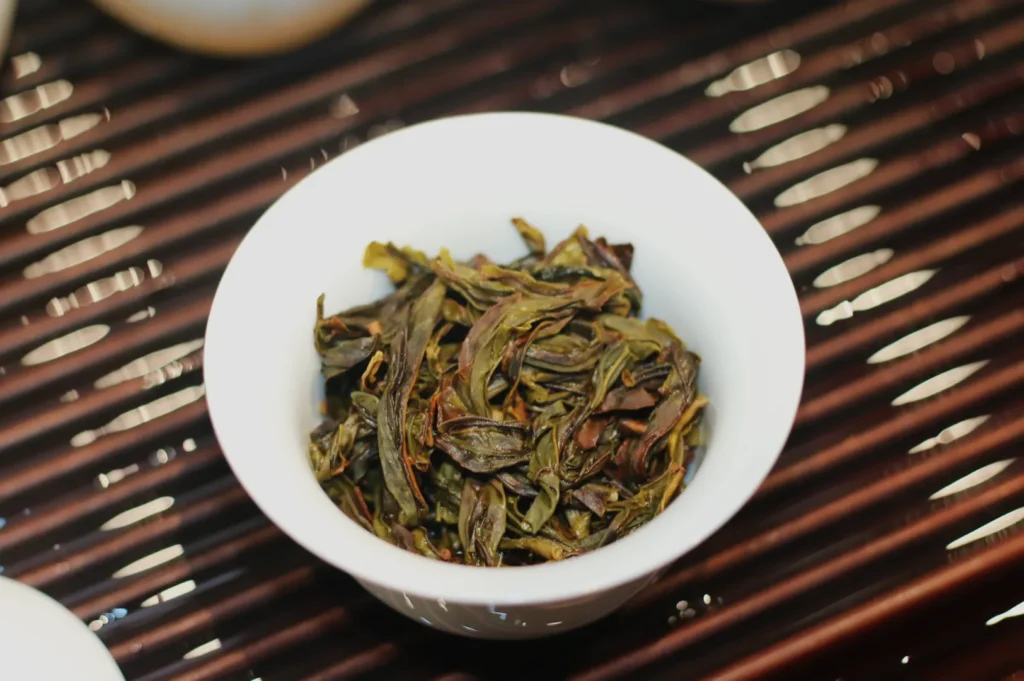
Ya Shi Xiang does not taste like its translated name suggests.
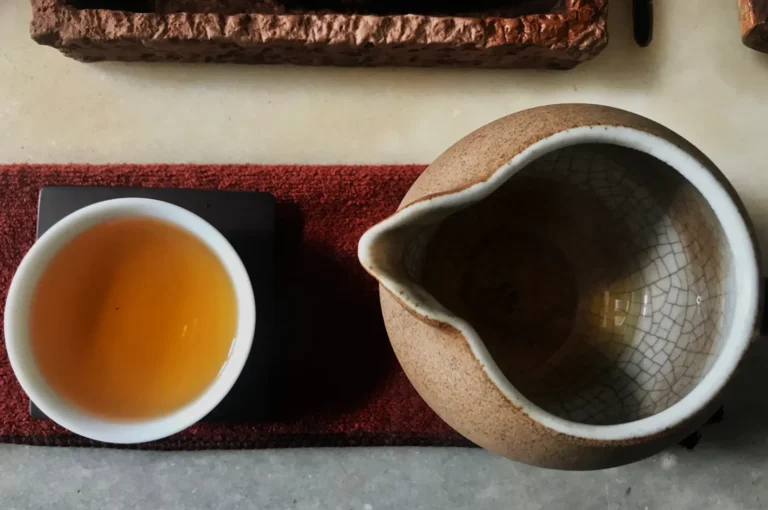
It can be floral, creamy, sweet, and aromatic. Some versions have a bright lift. Others feel more rounded, with a fragrant finish that lingers.
A ScienceDirect study on Yashi, Huangzhi, and Milan Fenghuang Dancong aroma differences found distinct aromatic impressions among these types, including coconut milk-like, flowery/sweet, and fruity/sweet profiles.
This shows how serious aroma analysis can sit behind a name that sounds unserious.
Why the Name Became Popular
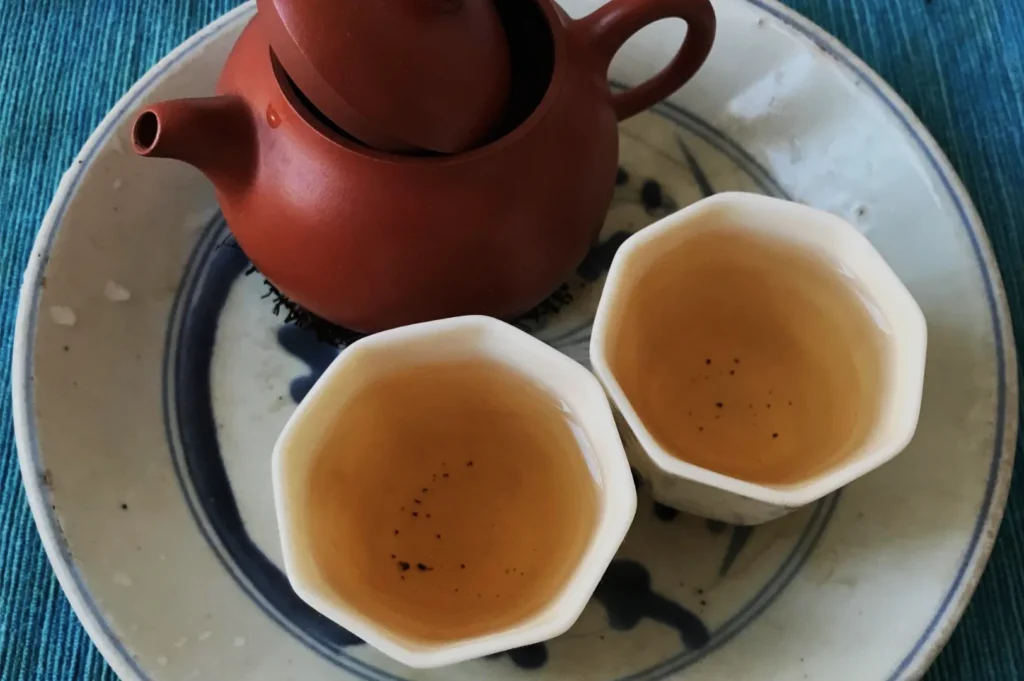
Ya Shi Xiang works well in modern tea culture because it is easy to remember.
But popularity can be dangerous. Once a name becomes viral, people may chase the joke rather than the tea. The risk is that Ya Shi Xiang becomes a novelty drink instead of an aromatic oolong with real craft behind it.
A Go Guangdong article notes that Dan Cong tea is central to Teochew gongfu tea tradition, which reminds us to return the tea to its cultural setting.
At Tea Room by Ki-setsu, we prefer to treat names as starting points, not conclusions. The cup must still be judged by fragrance, texture, balance, and finish.
How to Brew Ya Shi Xiang Carefully
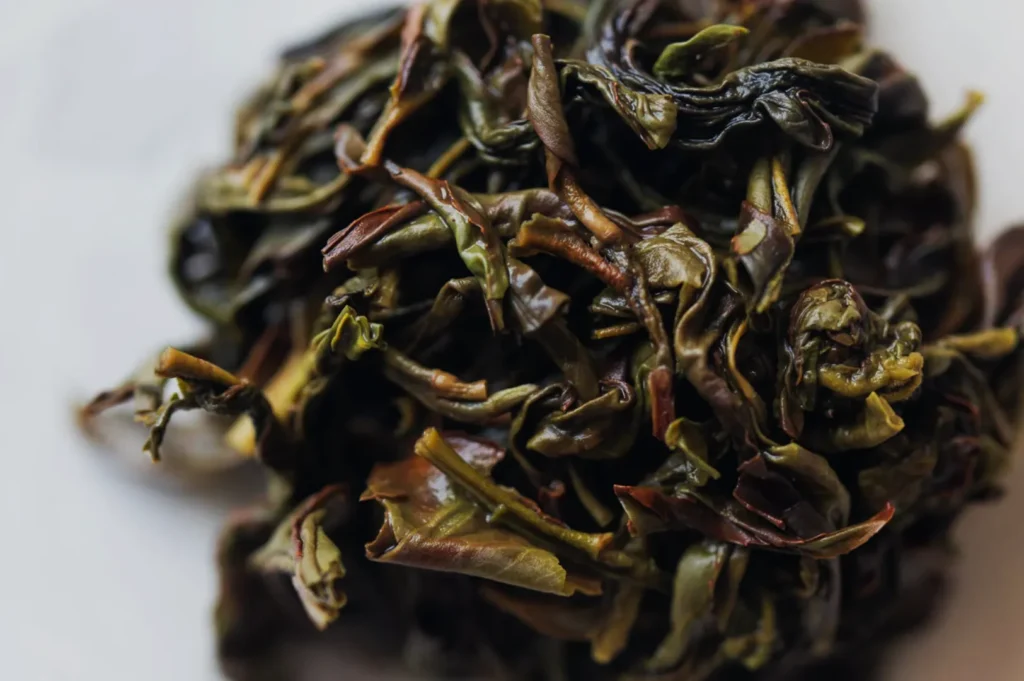
Ya Shi Xiang should be brewed with restraint.
Use short infusions. Avoid long steeping. If the tea becomes harsh, reduce time or leaf. Let the fragrance rise without extracting too much bitterness.
This is especially important because Ya Shi Xiang can be expressive. A vivid tea can become overwhelming if pushed too hard.
Good brewing allows the tea to show elegance rather than aggression.
Final Thought
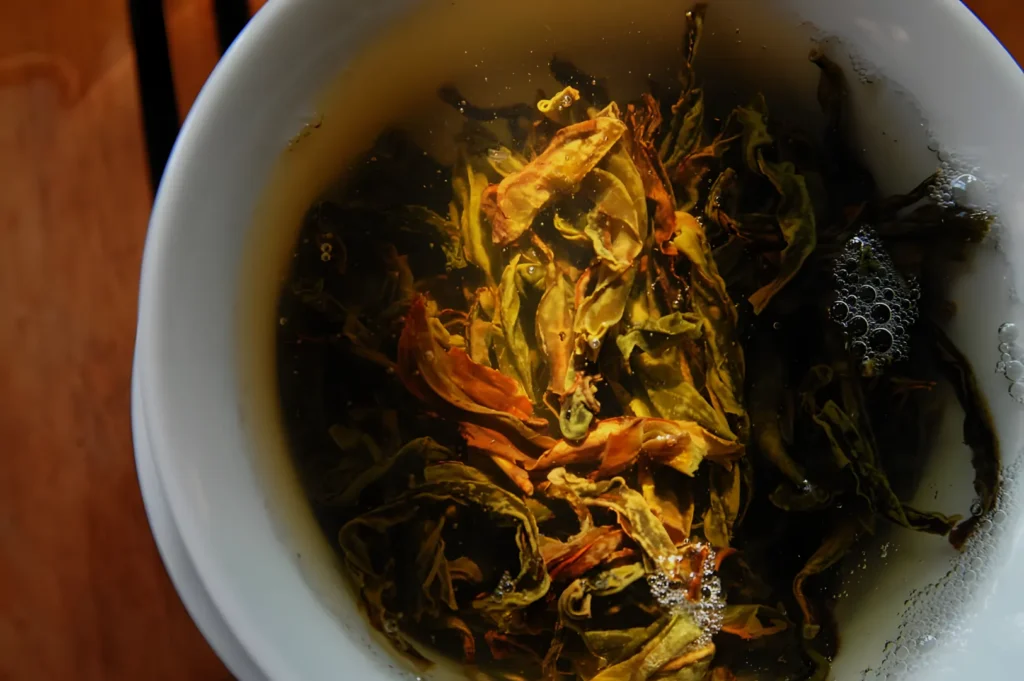
Ya Shi Xiang Dan Cong may have a funny name, but the tea deserves serious attention.
Its translated name draws curiosity. Its aroma holds that curiosity. Its structure decides whether the cup is memorable for the right reason.
The lesson of Ya Shi Xiang is simple: do not let a strange name distract from a careful tea.
For those exploring Phoenix Dan Cong, Duck Shit Aroma is not a gimmick when made and brewed well. It is one of the clearest reminders that Chinese tea can be both culturally grounded and unexpectedly human.