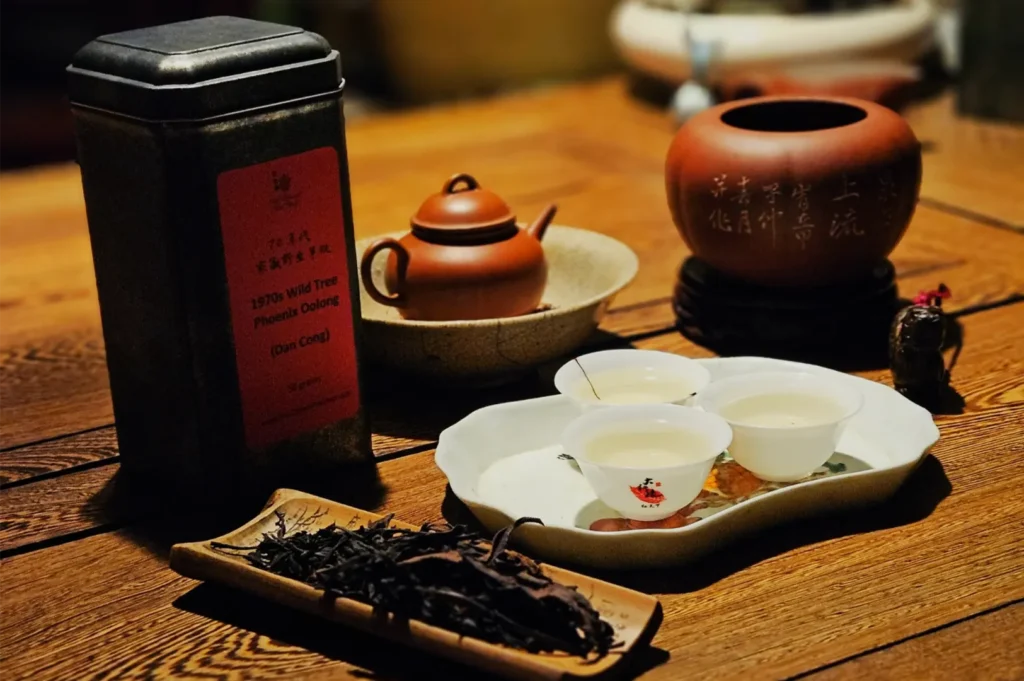
Phoenix Dan Cong tea can be generous, but it is rarely careless.
This is the first thing to remember. Its aroma can be beautiful, but its bitterness can arrive quickly if the tea is pushed too hard. Long steeps, too much leaf, and distracted brewing can turn a fragrant oolong into something sharp before the drinker understands what happened.
To brew Phoenix Dan Cong well, use enough heat to open the leaf, but enough restraint to protect the cup.
For readers who want the wider foundation, we have written a beginner’s guide to brewing Phoenix Dan Cong tea. This article focuses on practical brewing: vessel, leaf ratio, water, timing, and multiple infusions.
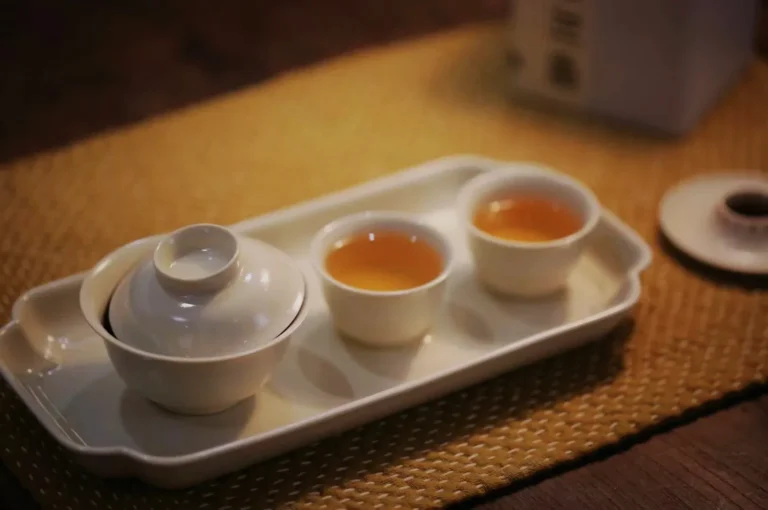
Use a Gaiwan or Small Teapot
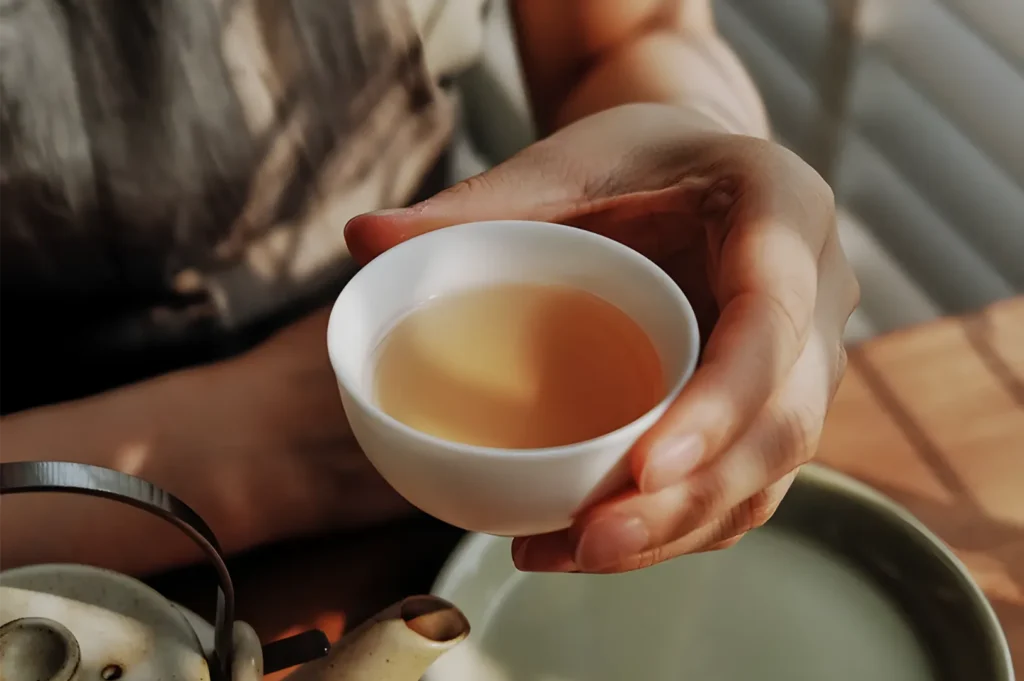
Phoenix Dan Cong is well suited to gongfu-style brewing.
A gaiwan gives control. It lets the drinker pour quickly, smell the wet leaf, and adjust every infusion. This matters because Dan Cong can shift quickly from fragrant to bitter.
A small teapot can also work, especially for drinkers familiar with the tea. But for beginners, porcelain is often useful because it keeps the flavour clear.
The vessel should not dominate the experience. It should let the leaf speak clearly.
Start With Short Infusions
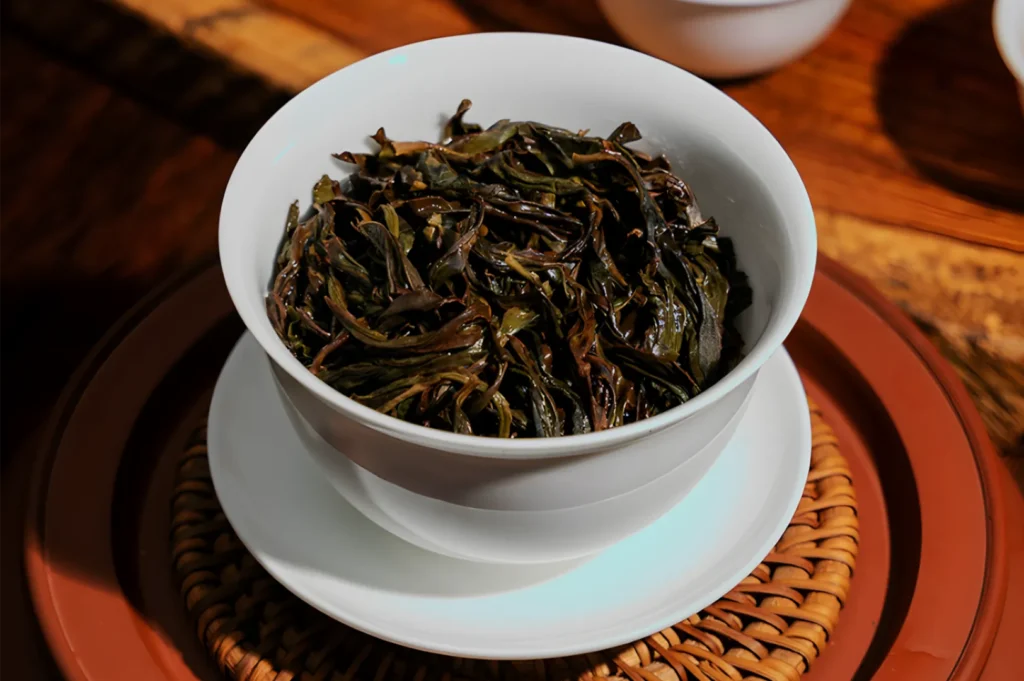
Short infusions are essential.
Begin with a quick rinse if you wish, then keep the early steeps brief. Ten to fifteen seconds can be enough for the first proper infusion, depending on leaf amount and water temperature.
A PubMed Central study on alternative steeping methods notes that hot infusion has rapid extractive power. In simple terms, hot water works quickly. With Phoenix Dan Cong, that speed must be respected.
A long steep does not make Dan Cong deeper. It often only makes it sharper.
Water Temperature
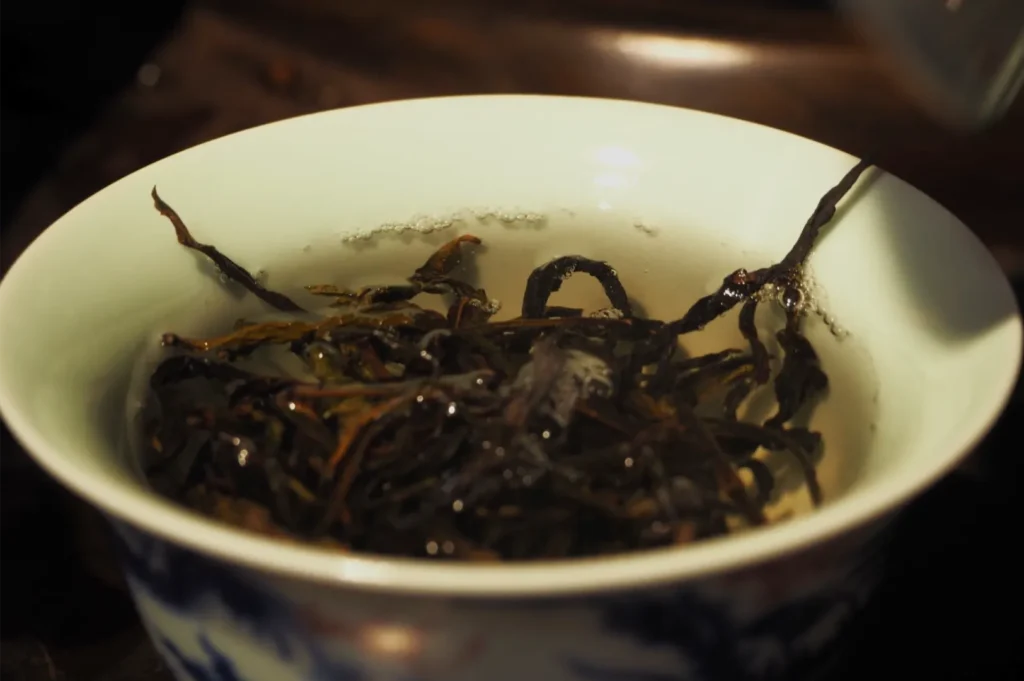
Phoenix Dan Cong often responds well to hot water.
Many drinkers use water close to boiling, especially for traditional gongfu brewing. The point is not to avoid heat entirely. The point is to control time.
Hot water opens aroma and structure. Short timing prevents the cup from becoming harsh.
If the tea feels too bitter, do not immediately lower the temperature. First shorten the infusion. Then adjust leaf amount or water if needed.
Leaf Ratio
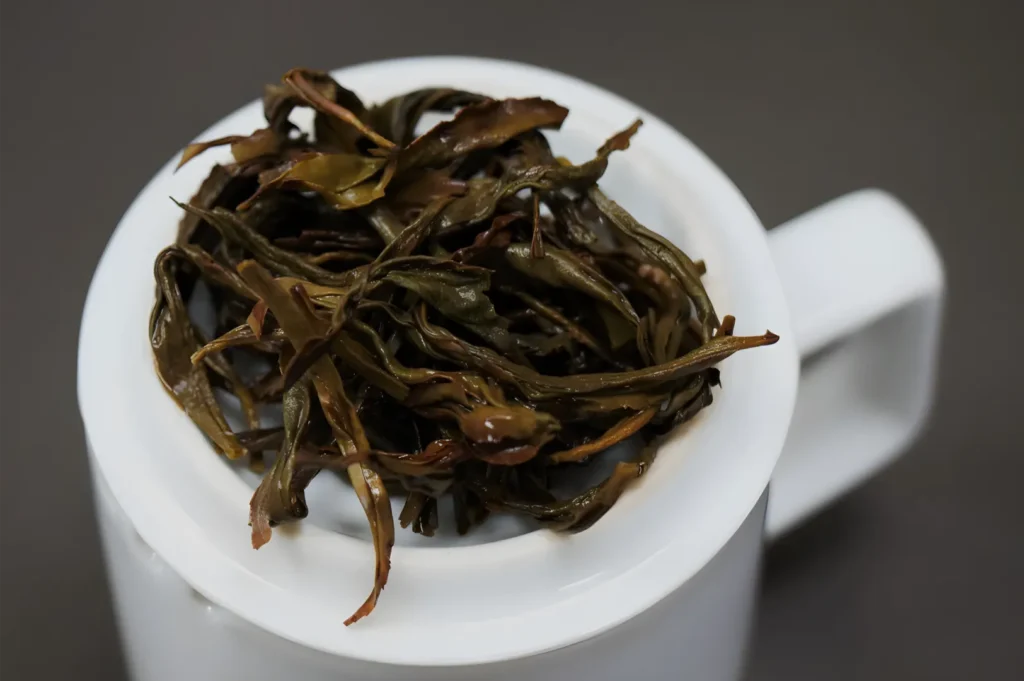
For gongfu brewing, use around 5 grams of Phoenix Dan Cong for a 100 ml to 120 ml gaiwan as a starting point.
If you are new to Dan Cong, use slightly less leaf until you understand the tea. Too much leaf can make the cup intense and unforgiving.
For a larger mug, use less tea and steep more gently. This will not show every layer, but it can still be pleasant.
Tea does not need ceremony every day, but Dan Cong does reward closer attention.
Watch the Bitterness
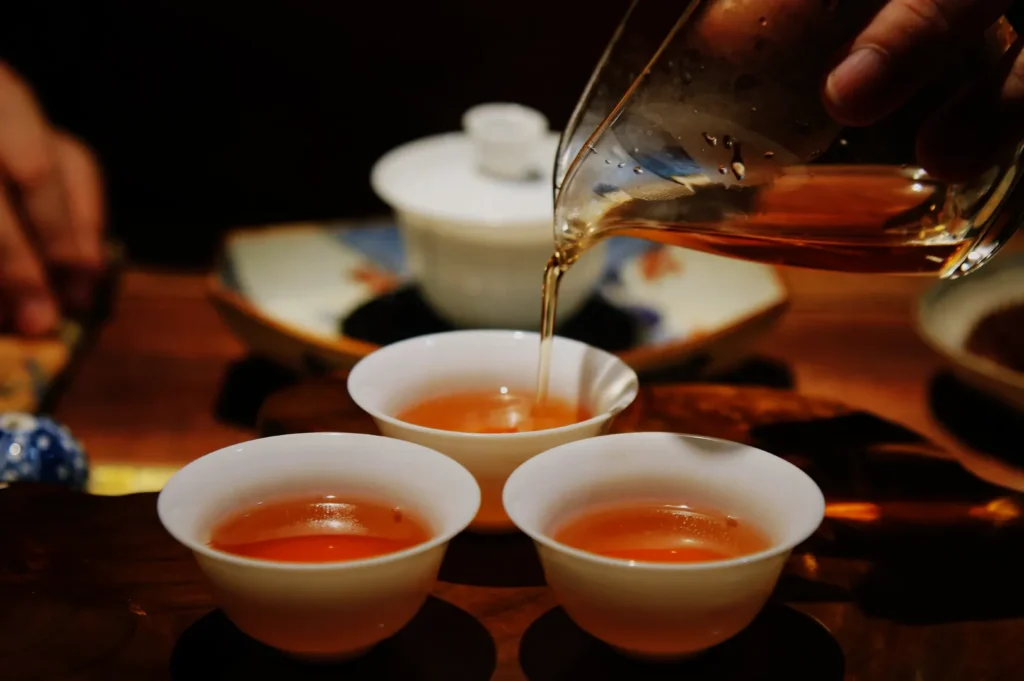
Bitterness is not always bad.
A slight bitterness can give Phoenix Dan Cong structure and make the returning sweetness more satisfying. But harsh bitterness usually means the tea was over-extracted.
A study on caffeine and L-theanine in tea infusions notes that brewing conditions such as temperature and time influence tea infusion composition. This supports what the palate already knows: time and heat change the cup.
At Tea Room by Ki-setsu, we encourage drinkers to treat bitterness as information. It tells you what to adjust.
Multiple Infusions
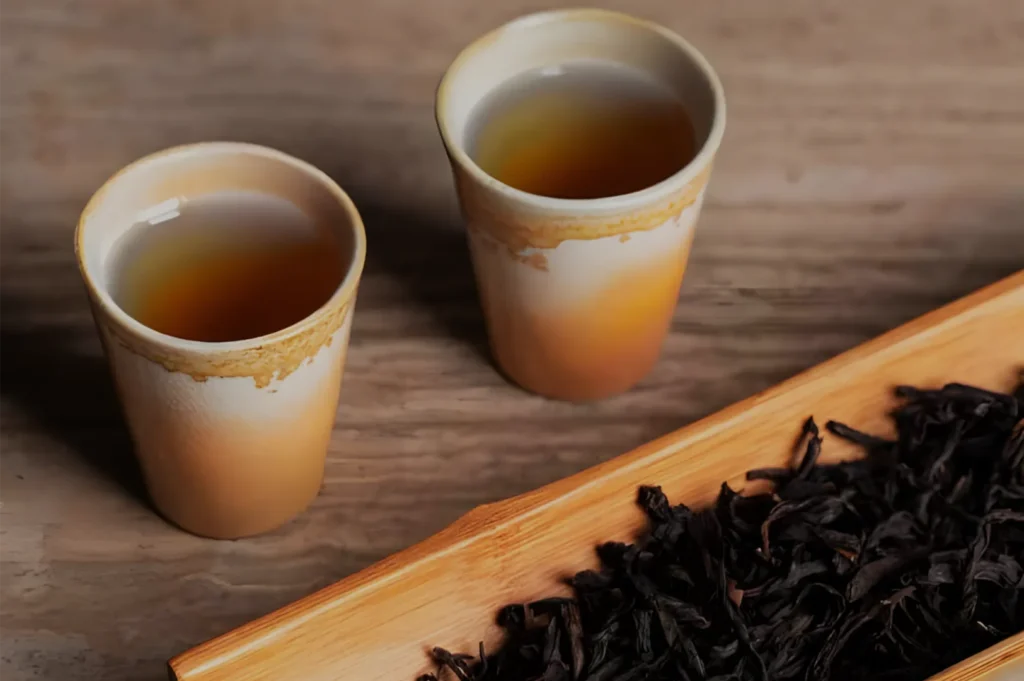
Phoenix Dan Cong is not meant to be finished in one pour.
The first infusion may show fragrance. The second may bring more body. Later infusions may reveal fruit, minerals, sweetness, or a cleaner finish.
Do not expect every cup to taste the same. That change is part of the pleasure.
Phoenix Dan Cong is a sequence, not a single statement.
Final Thought
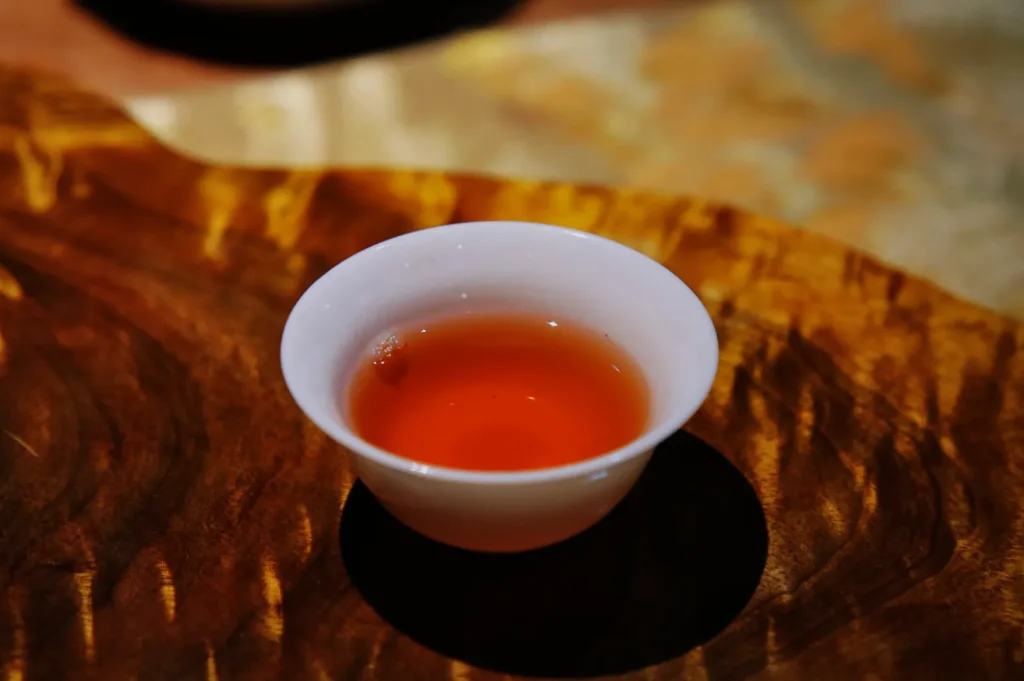
Brewing Phoenix Dan Cong tea well requires care, but not fear.
Use a small vessel. Keep the infusions short. Let hot water open the leaf without letting time make the cup harsh. Taste slowly, adjust honestly, and let each infusion teach the next.
For those seeking authentic Chinese tea appreciation, Phoenix Dan Cong is a precise teacher. It shows how much difference a few seconds can make.