Entering the quiet world of traditional tea brewing often begins with a beautifully simple dilemma. You are seated before a low wooden table, observing the rising steam, the warmth of porcelain, and the earthy texture of unglazed clay. The question arises naturally. Between a yixing teapot vs gaiwan, which one actually makes better tea? Just as importantly, which one truly fits your daily lifestyle?
The answer lies not in absolute superiority, but in how you wish to experience your leaves. One vessel offers brilliant clarity and a transparent view of the brewing process. The other provides rounded warmth and a quiet, long term commitment to a single tea family.
If you are exploring the broader landscape of local tea spaces, read here for deeper context. Otherwise, let us calmly examine these two essential tools.
The Honest Answer: “Better” Depends On What You Mean
When we ask which vessel makes better tea, we must first define what “better” means to our own palate. Better could signify absolute flavour clarity, allowing you to taste every subtle floral note of a spring harvest. It could mean a thicker, more rounded texture that coats the mouth with comforting weight. Alternatively, it might simply mean ease of use, visual beauty, or the quiet pleasure of a daily ritual.
A gaiwan is generally considered the ultimate tool for clarity and learning. It acts as a blank canvas, reflecting exactly what the leaves have to offer without altering their character. Conversely, a Yixing teapot is chosen for its ability to soften rough edges and build a seasoned depth over time. Your choice depends entirely on whether you value transparent honesty or textured warmth in your daily cup.
What A Gaiwan Does Exceptionally Well
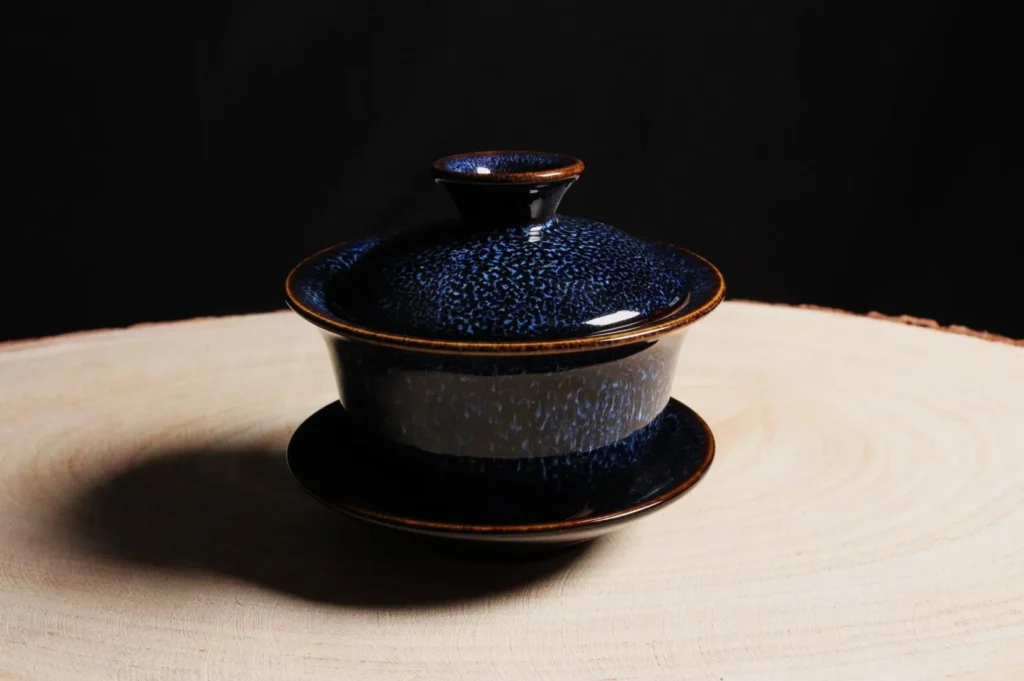
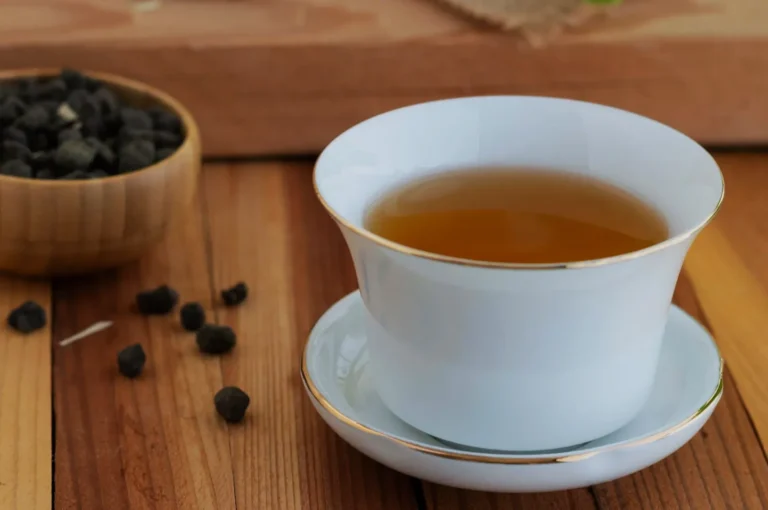
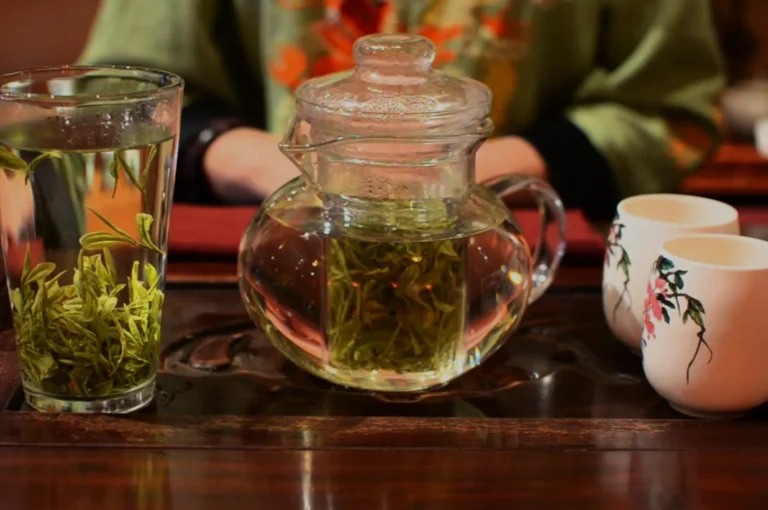
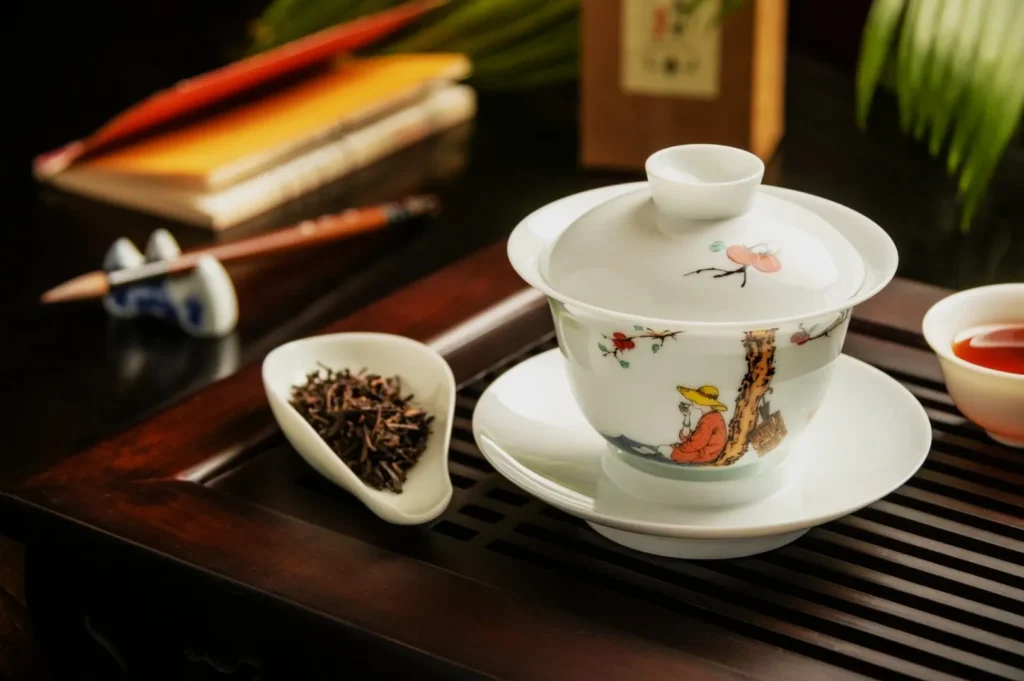
A gaiwan is a simple, three part vessel consisting of a bowl, a lid, and a saucer. Typically crafted from glazed porcelain or smooth glass, it is a brilliantly functional design that has endured for centuries. Because the surface is completely non porous, it absorbs absolutely no flavour or aroma from the tea.
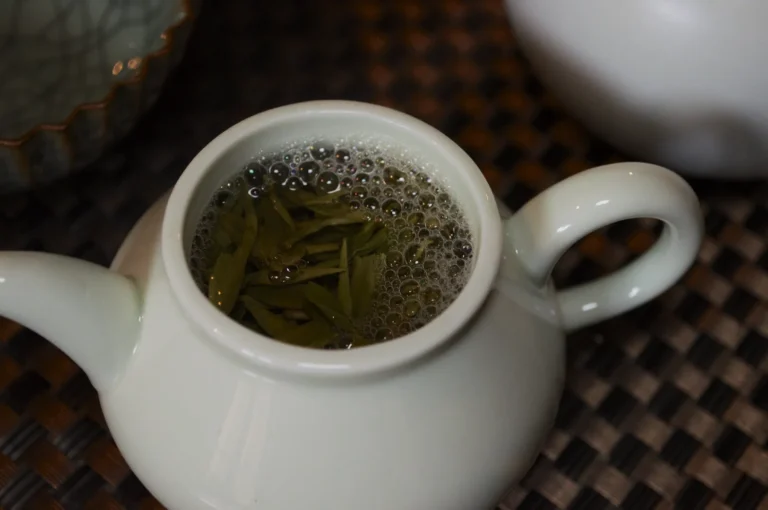
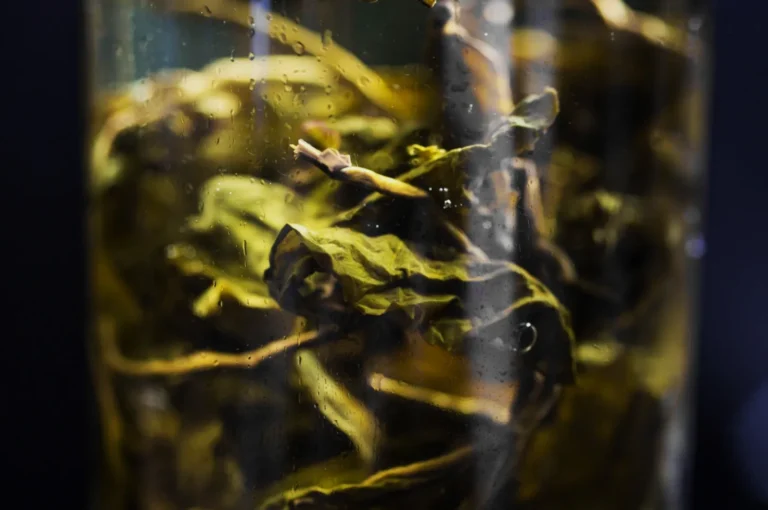
This neutrality makes the gaiwan an exceptional teacher. You have complete visibility of the unfurling leaves, allowing you to adjust your water temperature and steeping time with total precision. The underside of the porcelain lid captures the purest expression of the tea’s aroma, offering sensory clues that disappear quickly in the air.
It is widely considered the best teaware for oolong with high, delicate floral notes, as it protects that fragile brightness. It is also perfect for tasting many different teas in a single afternoon. A gentle warning is required for beginners regarding the heat. Porcelain transfers warmth quickly, and holding a hot gaiwan takes a little practice. However, with a calm grip and steady pacing, it soon becomes entirely intuitive.
What A Yixing Teapot Is And Why People Commit To It
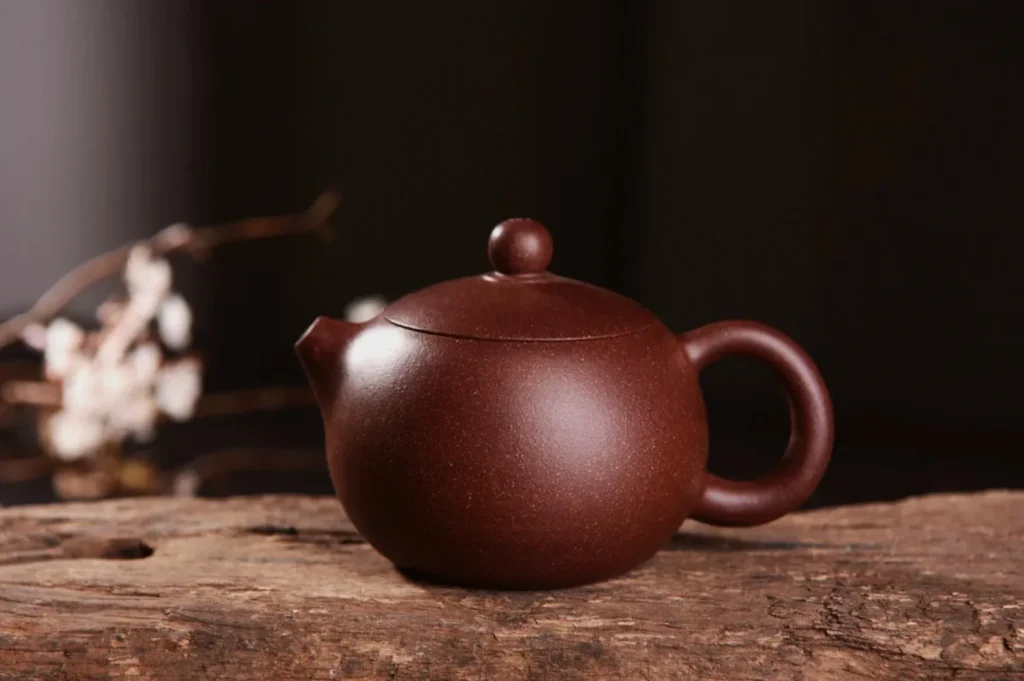
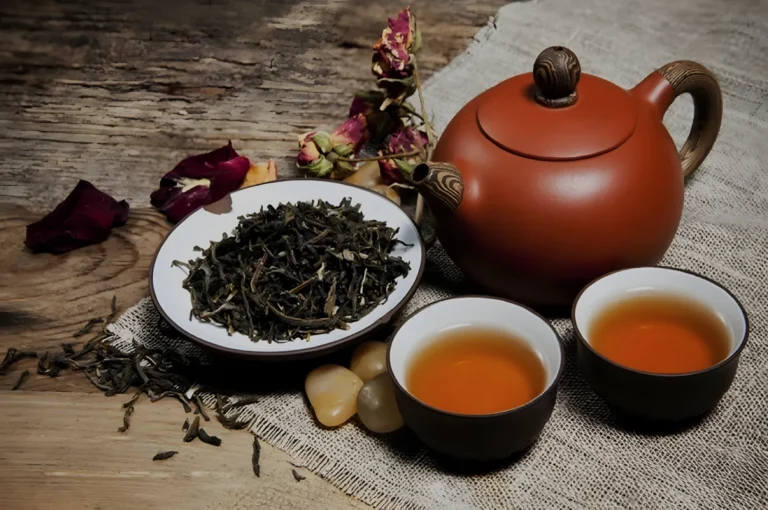
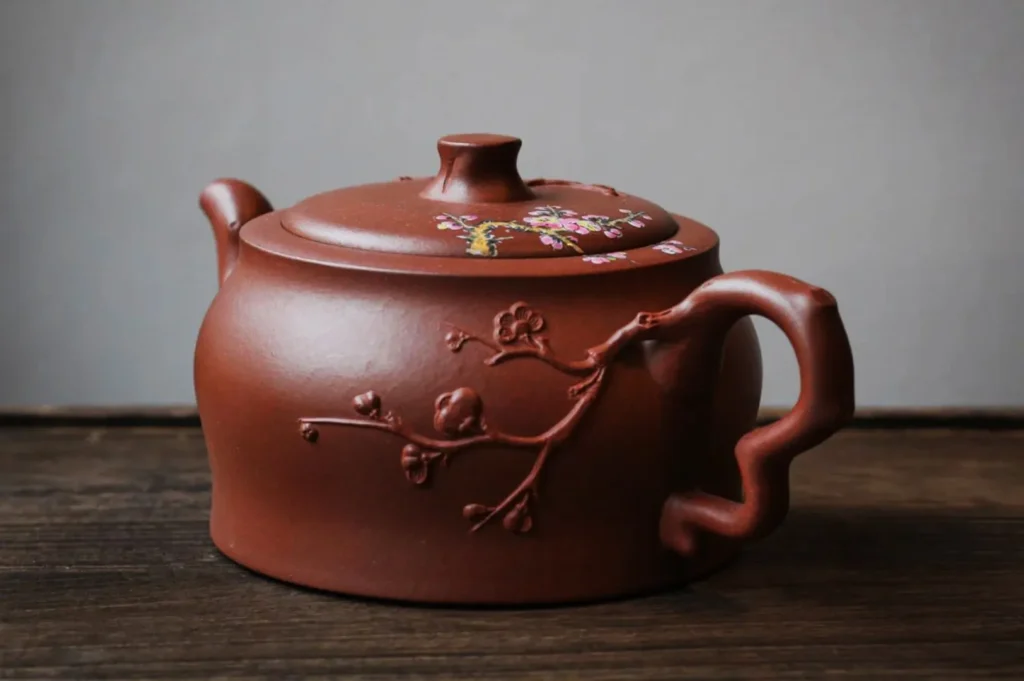
A Yixing teapot is crafted from specific, iron rich clay found in the Yixing region of China. Unlike porcelain, this clay is left completely unglazed after firing. This creates a slightly porous interior structure that interacts intimately with the tea liquor. When used for traditional gongfu brewing, these pots are celebrated for their remarkable heat retention and precise pour control.
People commit to Yixing clay for the profound ritual pleasure it provides. The thick walls hold heat beautifully, making it arguably the best teaware for pu erh and heavily roasted teas that require high, steady temperatures to release their deep sugars.
The most compelling aspect is the practice of “seasoning“. Over years of consistent use, the unglazed clay absorbs trace amounts of tea oils. This traditional practice can gently round out the rough edges of a strong tea, creating a smoother, more cohesive texture in the cup. This requires a genuine commitment to brewing only one specific tea family in each pot. There is no magic involved in this process. It is simply the quiet, rewarding relationship between porous clay, hot water, and dedicated repetition over many years.
Yixing Teapot vs Gaiwan: Side-By-Side Comparison
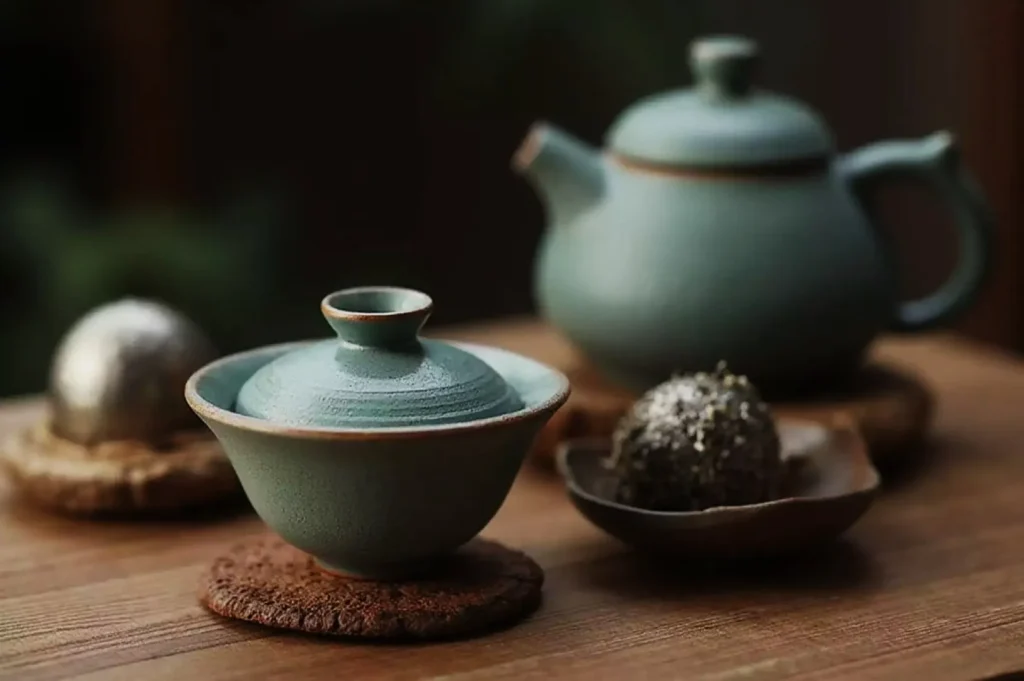
Flavour Clarity vs Rounded Texture
The most noticeable difference lies in the final texture of the liquor. A porcelain gaiwan provides a sharp, highly detailed reflection of the tea, highlighting bright aromatics and crisp upper notes. Yixing clay naturally mutes some of those soaring high notes, trading sheer clarity for a softer, thicker, and more unified mouthfeel.
Choose a gaiwan if you want to taste the crisp, honest truth of a fresh harvest.
Control And Learning Curve
A gaiwan demands your active attention. You must visually gauge the leaves and manually control the pouring gap with the lid. It teaches you how tea behaves in water. A clay teapot requires less manual dexterity during the pour, as the spout dictates the flow. However, you cannot see the leaves expanding inside the dark chamber.
Choose a gaiwan to actively learn the visual cues of tea brewing.
Heat Retention And Brewing Rhythm
Heat management changes the entire rhythm of your session. Porcelain dissipates heat rapidly, making it safe for delicate green teas and young white teas. Yixing clay acts as a thermal vault, maintaining a high, stable brewing environment that coaxes deep flavours from compressed dark teas.
Choose a Yixing teapot if you regularly brew teas that demand sustained, intense heat.
Cleaning, Drying, And Singapore Humidity
Maintenance is a practical consideration in our tropical climate. A glazed gaiwan washes clean in seconds and dries almost instantly, completely immune to lingering moisture. Unglazed clay requires careful rinsing with boiling water and must be left to air dry completely, as trapped moisture in a humid environment can quickly sour the pot.
Choose a gaiwan if you want completely effortless cleanup.
Variety vs Commitment
Because porcelain absorbs nothing, you can brew a delicate white tea in the morning and an aged dark tea in the afternoon using the same vessel. Unglazed clay demands strict loyalty. Brewing highly contrasting teas in the same clay pot will create a confused, muddy flavour profile over time.
Choose a Yixing teapot only if you are ready to dedicate it to a single type of tea.
Choose By Lifestyle: Which One Fits You?
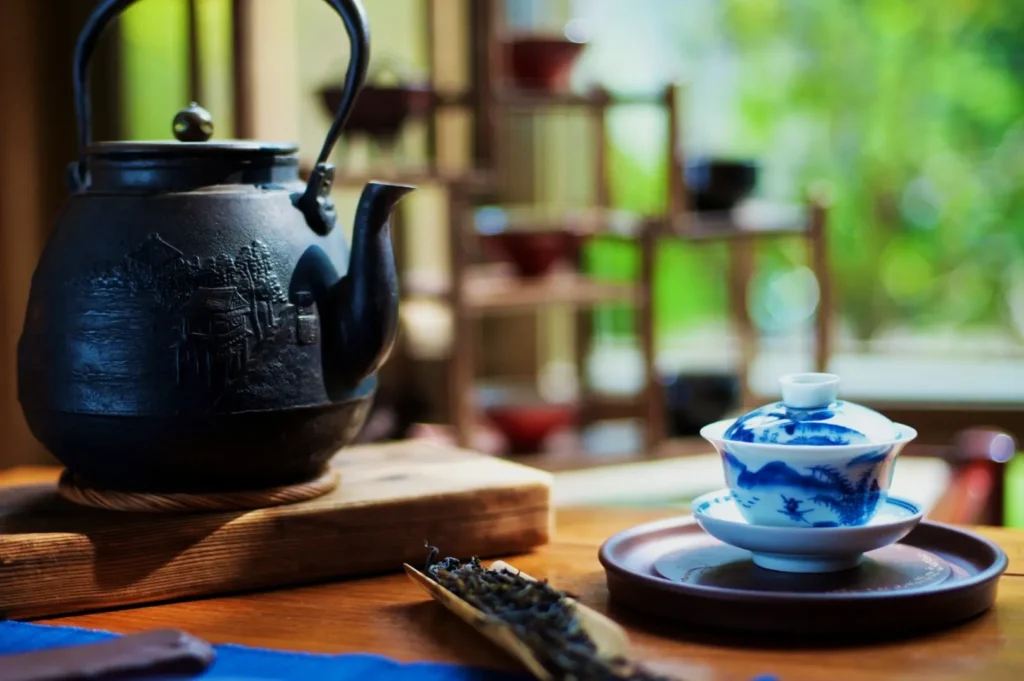
The Curious Beginner
If you are just starting to explore loose leaf teas, you need a vessel that teaches you how different leaves behave. A simple porcelain bowl allows you to smell the pure aroma on the lid, see the leaves expand, and brew any category of tea without cross contamination. A gaiwan is the perfect, unpretentious starting point.
The Minimalist With A Busy Schedule
If you want to enjoy high quality tea but have very little time for maintenance, glazed porcelain is your finest ally. You can brew your morning leaves, rinse the bowl under warm water, and walk away. If you plan to buy gaiwan singapore living makes it highly practical due to the ease of drying in humid conditions.
The Daily Ritual Keeper
For those who drink the same dark, roasted, or aged tea every single day, the ritual of warming a clay pot becomes a grounding anchor. The tactile pleasure of pouring hot water over warm, unglazed clay and watching the steam rise is immensely comforting. A clay pot rewards this daily, focused dedication.
The Host Who Serves Guests
If you frequently host quiet gatherings, pouring from a well crafted teapot feels elegant and contained. It is easier to maintain a steady conversation while pouring from a spout than it is to carefully balance a hot porcelain lid while chatting. A clay pot offers a graceful, fluid presentation for your guests.
Care And Common Mistakes To Avoid
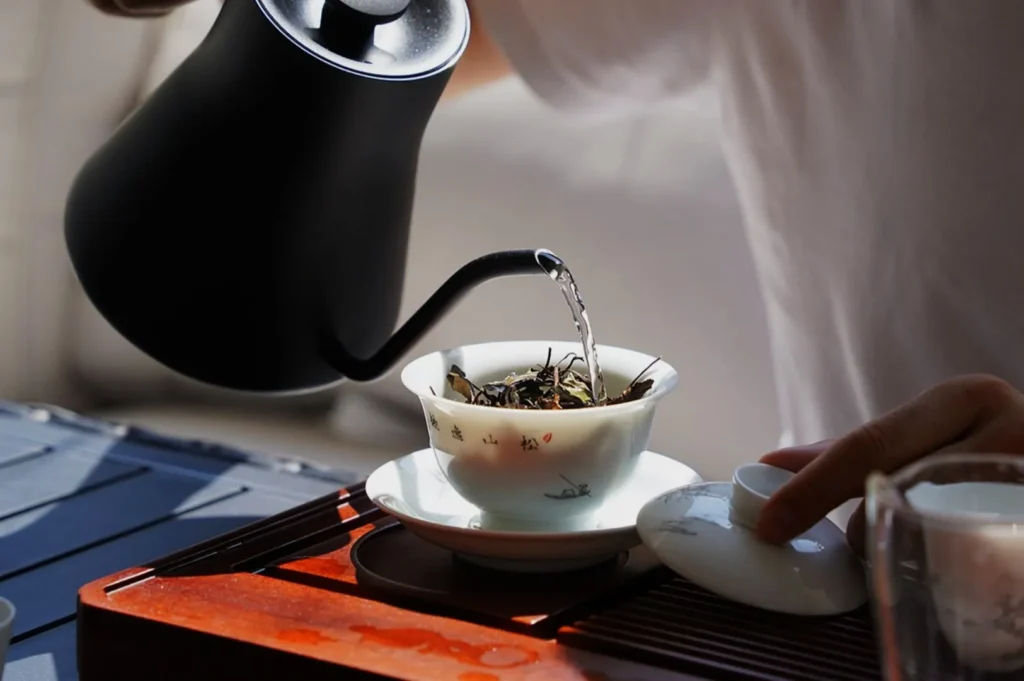
Proper care ensures your teaware lasts a lifetime while keeping your daily brews pure and untainted.
- Never use dish soap on unglazed clay, simply rinse thoroughly with boiling water.
- Always leave clay lids off until the interior is completely bone dry to prevent mustiness.
- Do not leave wet, spent leaves sitting in any vessel overnight.
- Avoid mixing delicate greens and heavy dark teas in the same porous clay pot.
- When using a gaiwan, grip the very edges of the rim where the porcelain remains cool.
- Remember that consistency in your brewing method matters far more than acquiring perfect gear.
A Quiet Choice
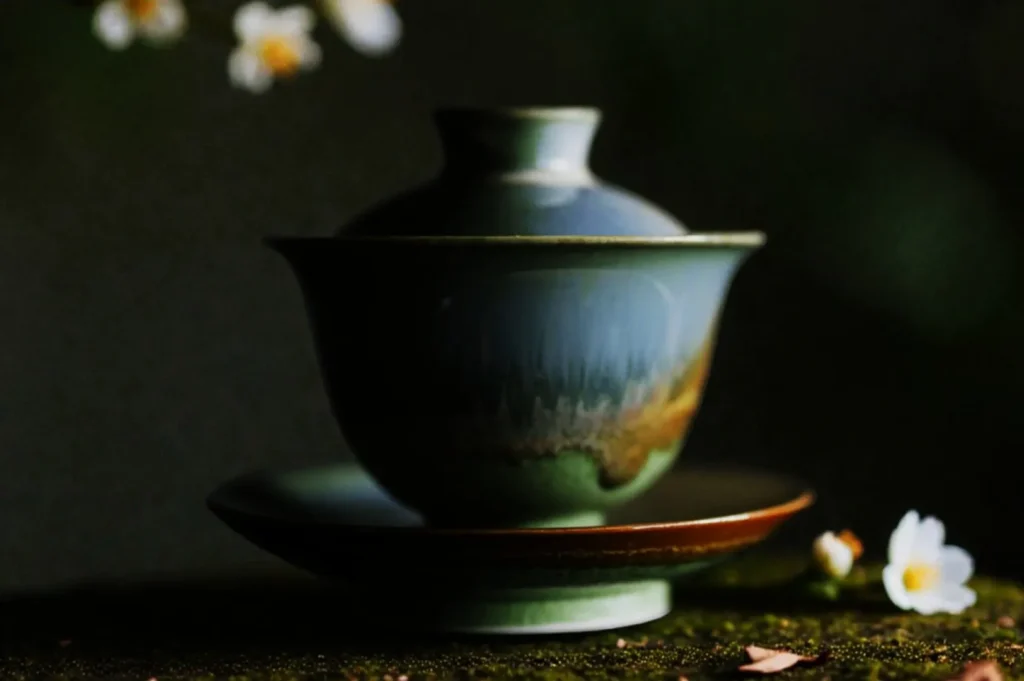
In the end, deciding between a yixing teapot vs gaiwan is a matter of matching the tool to your daily rhythm. One offers a clear, reflective window into the diverse world of tea, while the other provides a grounding, tactile ritual that deepens with dedicated use over many years. Both are beautiful instruments capable of yielding an exceptional cup.
We invite you to slow down, consider your habits, and find the vessels that bring you quiet joy at Tea Room by Ki-setsu.