A truly beautiful tea deserves quiet, clean keeping. When artisans spend days carefully withering and drying delicate spring buds, the way we treat those leaves in our own homes becomes a continuation of their craft. Understanding how to store white tea allows you to honour that effort and protect the nuance in your cup.
There are two primary goals when keeping tea. The first is to preserve the crisp freshness of a recent harvest. The second is to support a clean, steady evolution for those who wish to age their leaves. This guide covers everything you need to know to achieve both, exploring containers, humidity, light, odour control, and simple set-ups for any space. For deeper context, read White Tea: The Ultimate Guide to the Most Delicate Tea With Exceptional Health Benefits.
What White Tea Is (And Why It Stores the Way It Does)
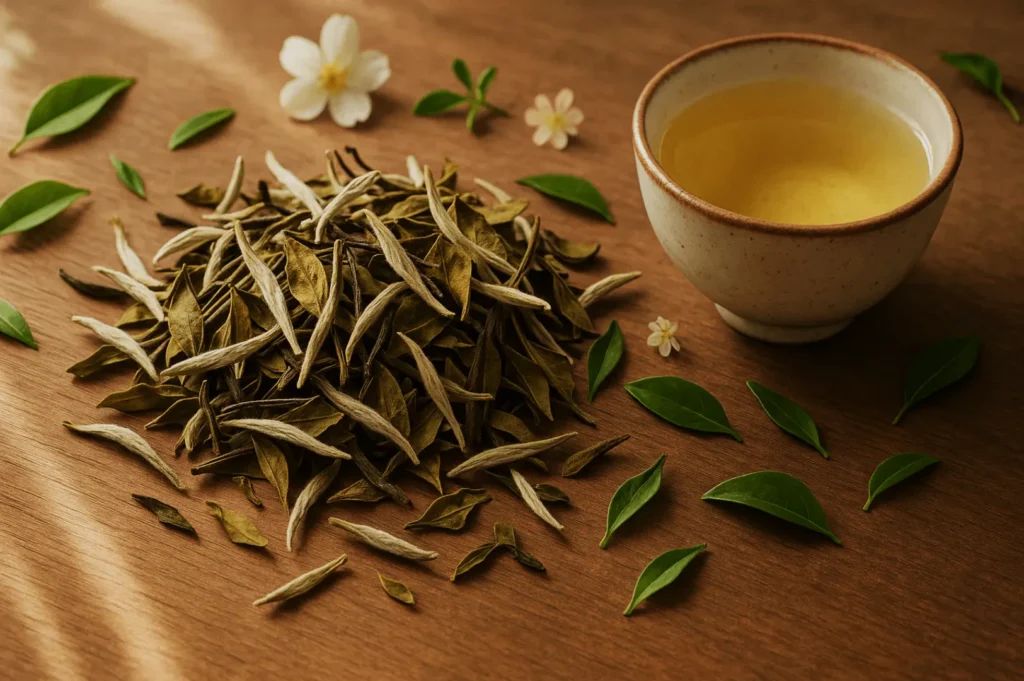
To care for white tea properly, it helps to understand its nature. This category of tea undergoes minimal processing, relying almost entirely on natural withering and gentle drying. Because the leaves are never heavily roasted or tightly rolled, their cellular structure remains remarkably open and porous.
This open structure means the delicate aroma can easily flatten if left exposed to moving air. Furthermore, the leaves act like a botanical sponge. Odour absorption happens quickly, meaning the tea will draw in the scents of spices, perfumes, or damp wood if stored carelessly.
When you compare fresh versus aged white tea, you are witnessing a quiet transformation. Fresh leaves offer bright, lifted florals, while aged leaves develop warm, honeyed depth. Cleanliness is paramount for both, ensuring the tea matures beautifully rather than turning dull.
The Four Enemies of Stored Tea: Moisture, Odours, Light, Heat
Moisture (The Biggest Risk)
Water is the catalyst for brewing, but it is the greatest danger during storage. Excess moisture quickly degrades the leaf, leading to staling, flat flavours, and a significantly raised risk of mould. Keeping the leaf dry is your first priority.
Odours (White Tea Is a Sponge)
Because of its minimal processing, white tea absorbs ambient scents with surprising speed. A beautifully floral White Peony can permanently take on the smell of a nearby coffee bag or a strongly scented candle in just a few days.
Light (Especially Sunlight)
Direct sunlight degrades the delicate compounds within the leaf. Ultraviolet light breaks down the natural pigments and volatile oils, leaving the tea tasting brassy, metallic, and thoroughly exhausted.
Heat (And Temperature Swings)
While gentle, steady warmth can facilitate ageing, sharp temperature swings or excessive heat will damage the tea. Rapid fluctuations often cause condensation inside a container, subtly introducing moisture directly to the dry leaf.
Choosing Containers: What Works (And What Fails)
For Daily Drinking (Freshness Focus)
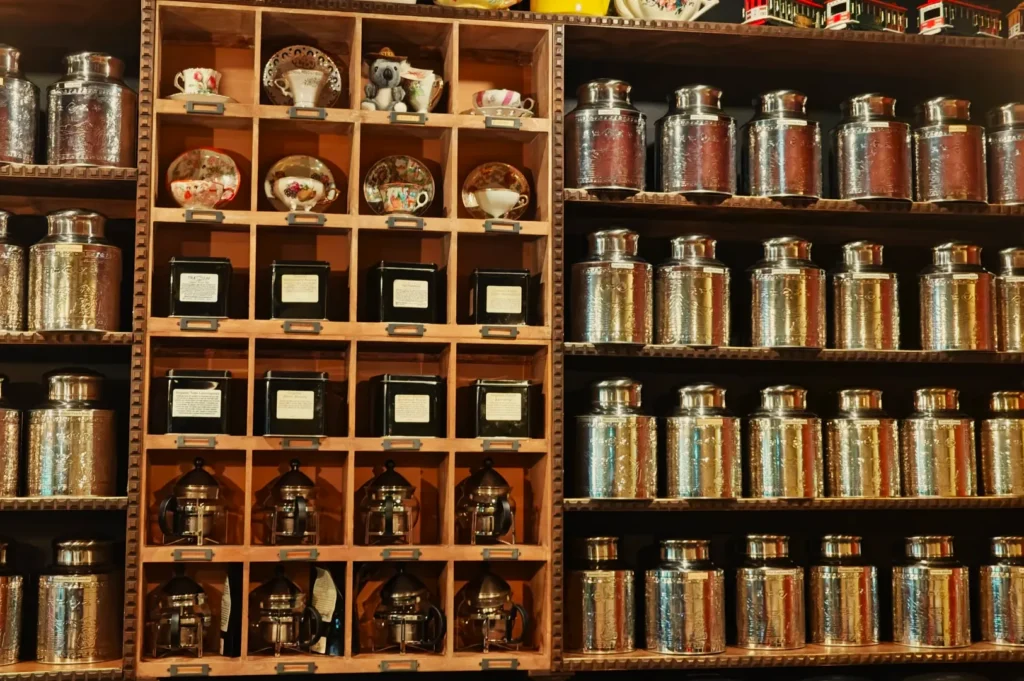
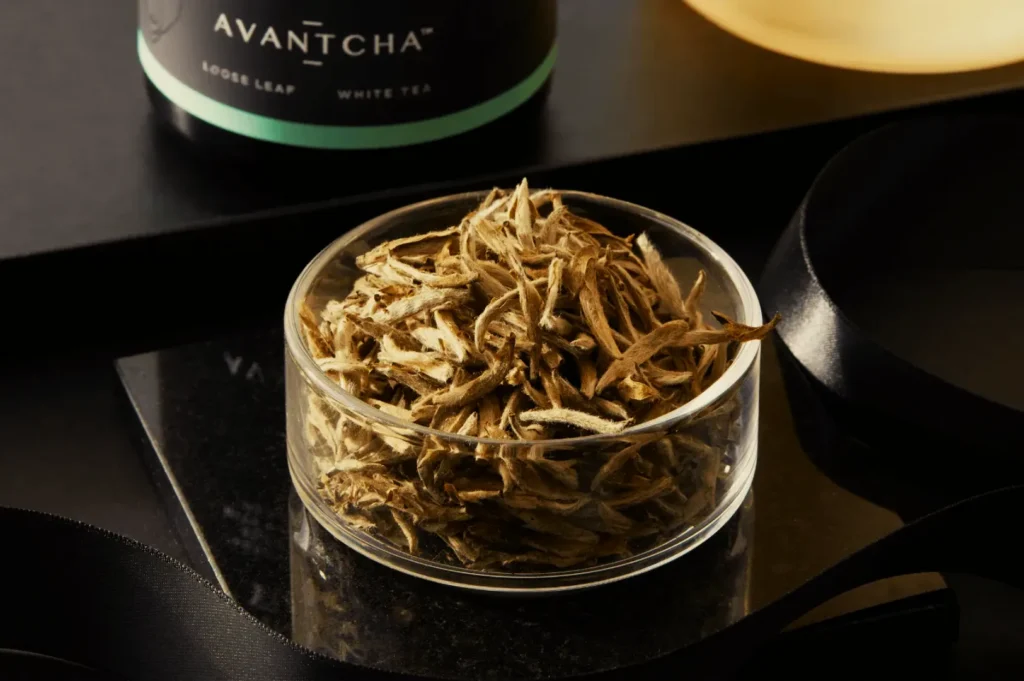
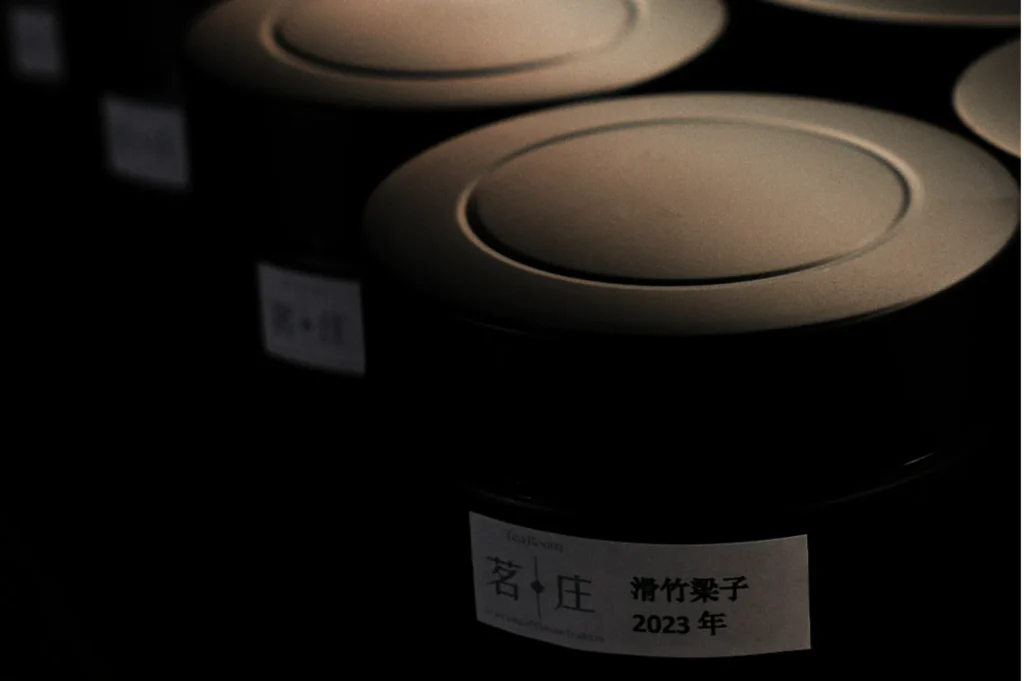
If you are drinking tea regularly, your goal is to limit its exposure to fresh air. A dedicated tea caddy made of opaque tin or porcelain with a snug double lid works perfectly. An airtight container prevents the volatile aromatics from escaping while keeping ambient kitchen moisture safely away.
For Cakes and Larger Quantities
Tea cake storage requires a slightly different approach, especially if you intend to keep them for years. Many collectors find success wrapping the cakes in their original breathable paper and placing them inside a clean, unscented cardboard box. This provides a dark, stable environment that breathes just enough to prevent staleness.
Materials to Be Cautious With
Clear glass jars look lovely, but they fail to protect the tea from light. If you must use glass, keep the jar inside a dark cupboard. Furthermore, avoid wooden boxes that have a strong natural scent, as well as plastic containers that previously held food. The tea will inevitably absorb those lingering odours.
A Simple “Container Test”
Before placing precious tea into a new vessel, perform a simple check. Close the empty container and leave it for a day. Open it and take a deep breath. If you smell anything at all (metallic tin, plastic, or old soap), it is not yet suitable for your tea.
Humidity and Airflow: The Practical Range (Without Overprecision)
You do not need a laboratory to maintain proper white tea storage. The goal is simply a stable, dry environment.
For those who enjoy tracking details, a small digital hygrometer placed near your tea can offer peace of mind. While we avoid dictating perfect numbers, a comfortably dry room is usually ideal. If your home feels uncomfortably damp or sticky, your tea likely feels the same way. In highly humid environments, food-safe silica gel packets can be used carefully inside an airtight container to protect small amounts of loose leaf tea, ensuring the moisture stays away from the fragile buds.
Odour Control: The Quiet Discipline
Odour control is an act of quiet discipline. It begins with basic storage zoning. Keep your tea far away from the kitchen pantry, the spice rack, and any cleaning supplies.
Handling practices matter just as much. Always ensure your hands are free from scented lotions or strong soaps before reaching for your leaves. While “airing out” a tightly compressed tea cake for a few hours before brewing can help awaken its aroma, leaving it exposed to the open air of a busy home for days will only harm its delicate profile.
Fresh vs Aged Storage: Choose Your Intention
Storing for Freshness (Most Drinkers)
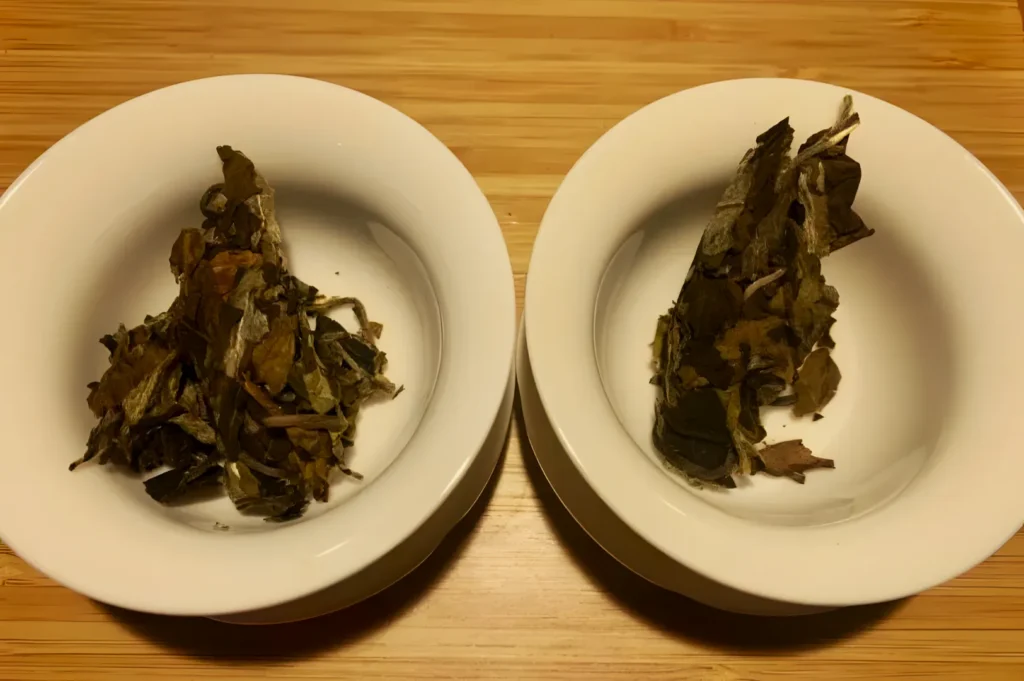
If you love the crisp, meadow-like brightness of a recent harvest, your storage should halt evolution. Focus on absolute darkness, a strictly airtight seal, and a cool, steady temperature. The less the tea interacts with its environment, the longer it will retain its springtime lift.
Storing With Ageing in Mind (For Careful Collectors)
Aged white tea storage requires a slightly more permissive environment. The tea needs a micro-amount of oxygen to slowly transform over the years. Unscented cardboard boxes or large, unglazed ceramic urns kept in a quiet, stable room allow the leaves to breathe gently, coaxing out deep notes of honey and dried fruit over time.
Loose Leaf vs Cakes
Loose leaf tea ages slightly faster due to its larger surface area, but it takes up considerably more space. Pressed cakes are highly efficient for long-term keeping. Their tightly packed structure protects the inner leaves, allowing the tea to mature smoothly and evenly over a decade or more.
Common Mistakes (And Quick Fixes)
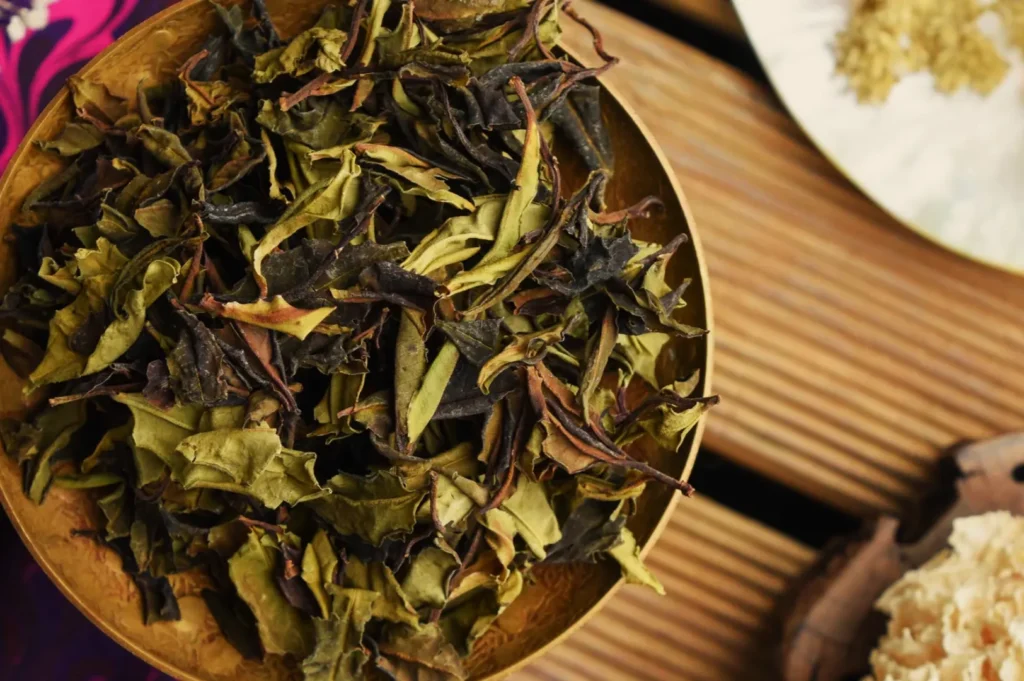
Even careful tea drinkers occasionally encounter storage issues. Here are a few common mistakes and how to remedy them:
- Mistake: Keeping tea in the refrigerator.
Fix: Move it to a room-temperature cupboard. Refrigerators introduce severe odour risks and condensation every time the container is opened. - Mistake: Storing tea in a glass jar on the kitchen counter.
Fix: Transfer the tea to a solid tin, or move the glass jar into a dark drawer to protect it from sunlight. - Mistake: Leaving the bag unsealed.
Fix: Always press the air out of the pouch and seal it tightly immediately after use. Leaving it open invites both moisture and staleness. - Mistake: Storing tea next to coffee beans.
Fix: Separate them entirely. Coffee possesses heavy, volatile oils that will quickly overpower your delicate white tea.
Keep It Clean, Dry, and Steady
Learning how to store white tea is wonderfully uncomplicated once you understand the leaf. By keeping your tea clean, dry, and steady, you ensure that every session remains a beautiful reflection of the artisan’s original work.
If you would like to explore these subtle differences in person, we warmly invite you to join us for an authentic Chinese tea experience at Tea Room by Ki-setsu, where we can share the quiet elegance of tea together.