Black tea is often made ordinary by repetition.
It appears on breakfast tables, in office mugs, in hotel buffets, in paper cups on the move. It is poured quickly, consumed quickly, and rarely asked to explain itself. Because of this familiarity, many people assume they already know black tea. They know its warmth. They know its strength. They know how it behaves as a habit. What they often do not know is what happens when that same tea is given more time, more silence, and more thoughtful hospitality.
At Tea Room by Ki-setsu, this is one of the reasons we return to black tea again and again.
Not because it needs rescuing from everyday life, but because it deserves to be seen more fully than everyday life usually permits. A black tea that has been rushed can feel serviceable. A black tea that has been hosted can feel profound. The leaf has not changed. The conditions have.
For readers who would like the wider map first, our complete guide to premium black tea offers that broader foundation. What follows is quieter. A reflection on why black tea, so often reduced to routine, still belongs to a slower ritual.
Habit Is Useful. Ritual Is Different.
There is nothing wrong with habit.
A daily cup can be comforting, grounding, even beloved. But habit tends to compress experience into familiarity. We stop tasting fully because we already think we know what is coming. This is especially true with black tea, which is frequently encountered in forms that emphasise convenience more than attention.
Ritual changes that.
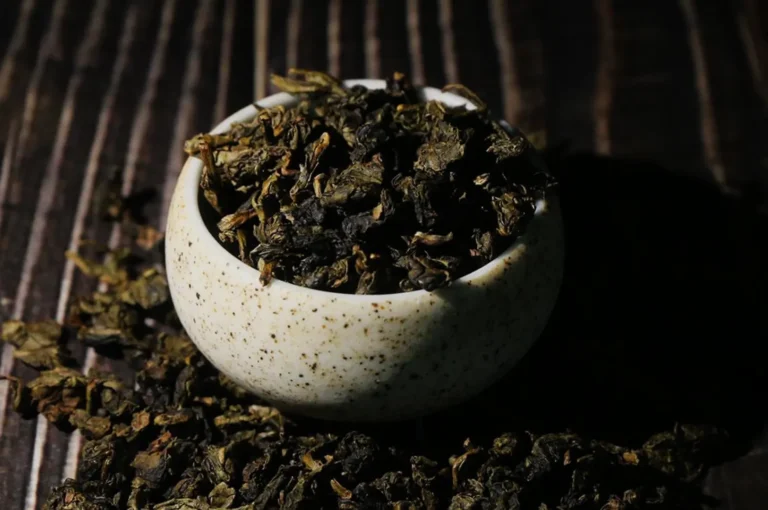
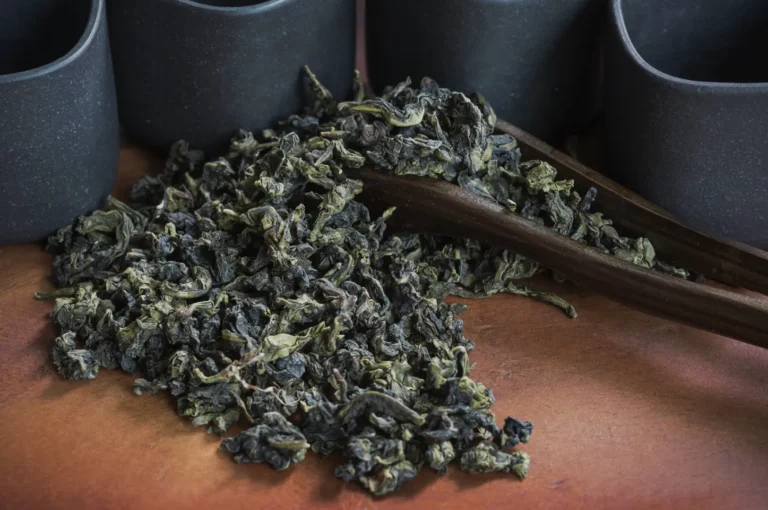
A slower ritual does not make black tea complicated. It simply restores the sequence that habit has flattened. The dry leaf is noticed. The warmth of the cup matters. The aroma arrives before the sip. The body of the tea becomes something more than “strong.” The finish remains in the mouth long enough to become part of the experience.
Black tea becomes extraordinary again when nothing is rushing it toward usefulness alone.
Why Black Tea Suffers from Familiarity
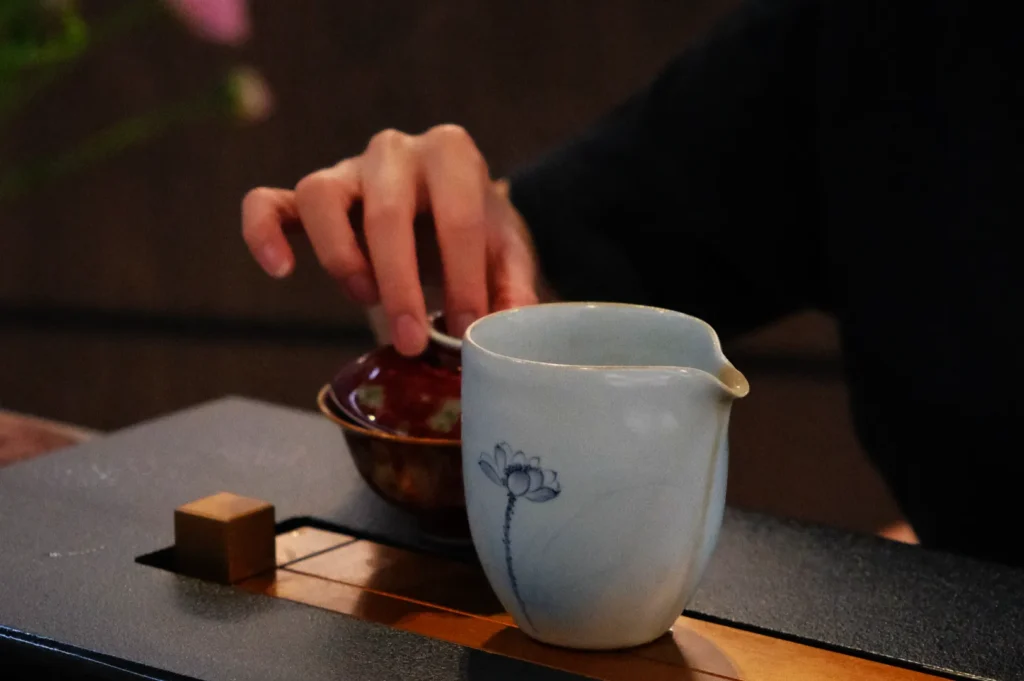
Green tea is often treated as delicate. Oolong is often treated as nuanced. Pu-erh is often treated as mysterious.
Black tea, by contrast, is often treated as obvious.
This is one reason it is so easily underestimated. Familiarity creates a kind of blindness. We assume we have understood the category because we have encountered it so often. But a fine Keemun, a deeply honeyed Dian Hong, or a beautifully balanced black tea served with care can reopen that assumption immediately.
At Tea Room by Ki-setsu, we see this often. A guest who thought of black tea only as breakfast tea or afternoon tea suddenly encounters floral lift, layered sweetness, cocoa depth, or the elegance of a very clean finish. The tea has not become something else. It has simply been allowed to speak in full.
Slowness Changes the Tea
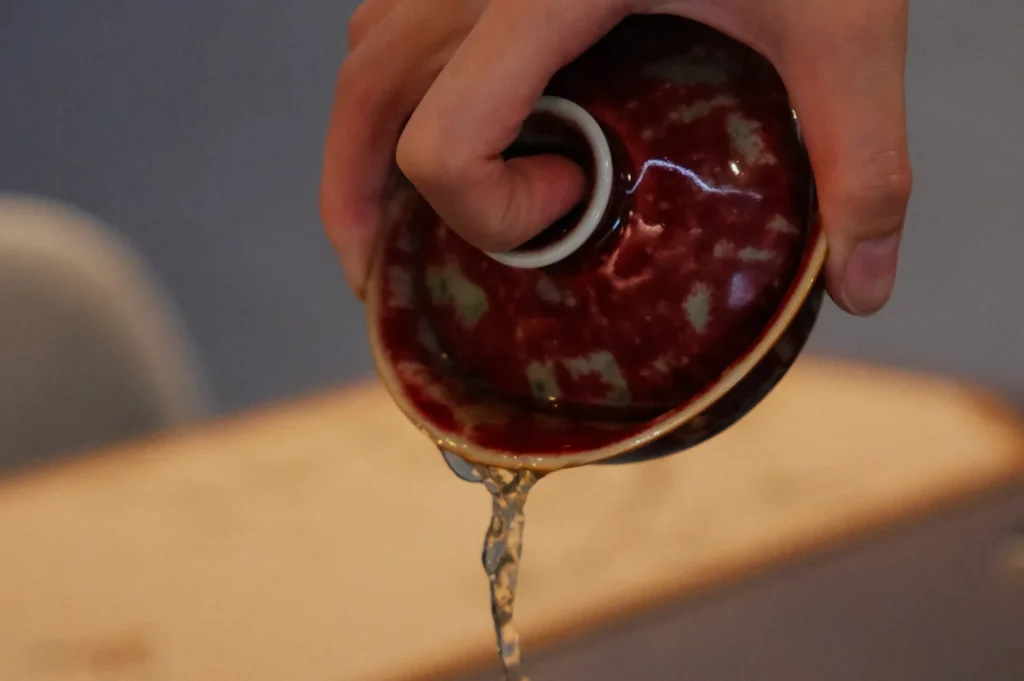
A slower ritual does not just change the mood of the room. It changes the actual perception of the tea.
When black tea is poured into a hurried day, the palate tends to register only the broadest contours: heat, colour, strength. In a slower room, more becomes visible. Aroma separates into layers. Body becomes specific. The finish begins to matter. Even the difference between one infusion and the next becomes part of the tea’s architecture.
This is why we think tea ritual Singapore drinkers seek is not about performance. It is about recovering enough time to let a familiar tea become articulate again.
The city outside may remain fast. The ritual simply refuses to carry that speed into the cup.
Hospitality Is Part of the Leaf
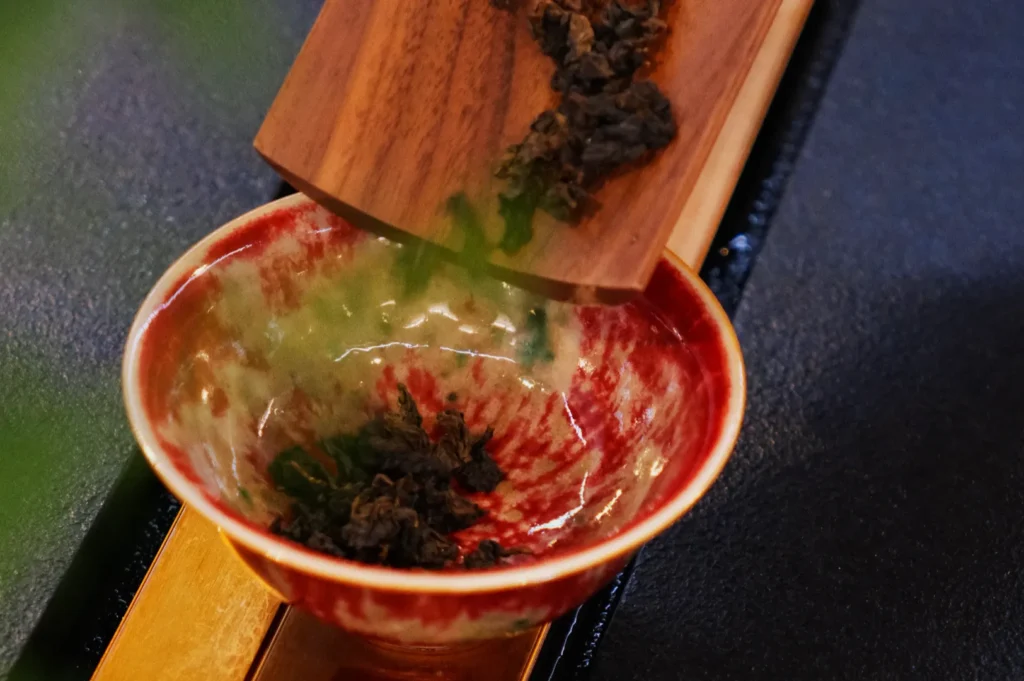
Black tea has long lived comfortably in hospitality.
It is welcoming, adaptable, and rich enough to meet many moods. Yet there is a difference between tea that is offered as service and tea that is hosted as experience. The latter asks more of the room, and gives more back.
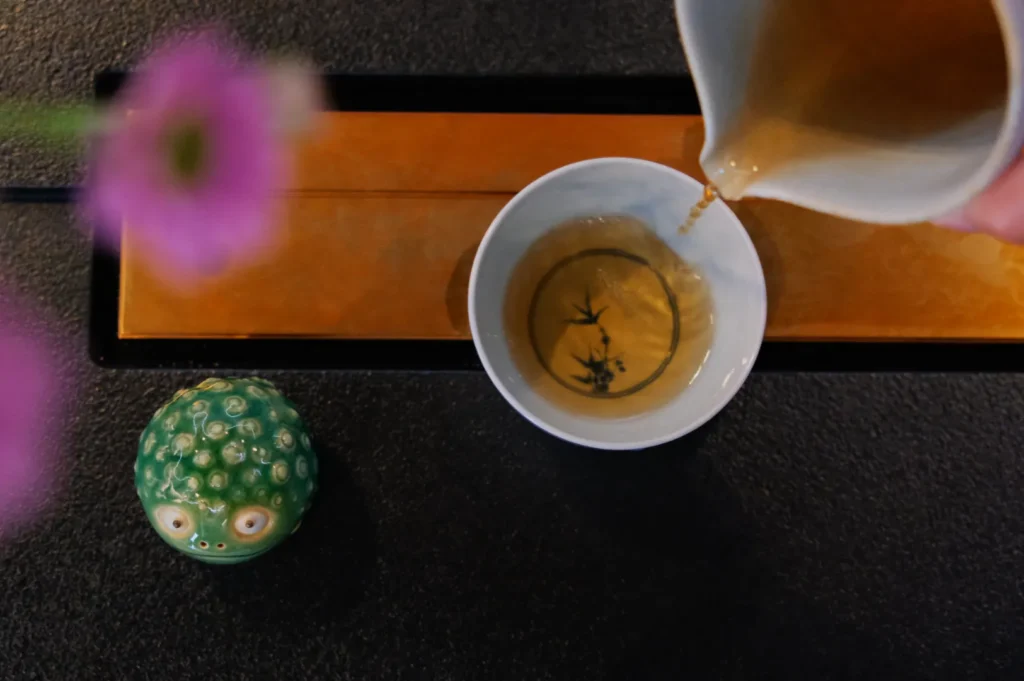
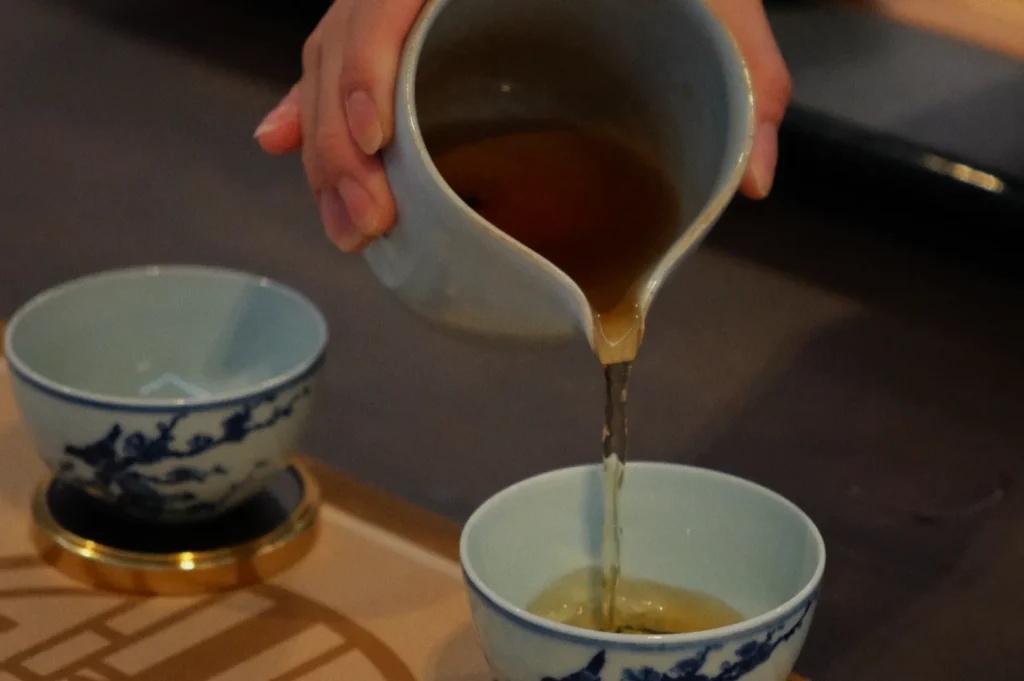
At Tea Room by Ki-setsu, we think hospitality matters to black tea because the leaf itself contains both warmth and complexity. It can be generous immediately, but it can also deepen if the host knows how to pace it. The tea should not feel presented like a statement. It should feel opened, one gesture at a time.
That is where slower ritual becomes more than preference. It becomes a method of respect.
Black Tea in a Fast City
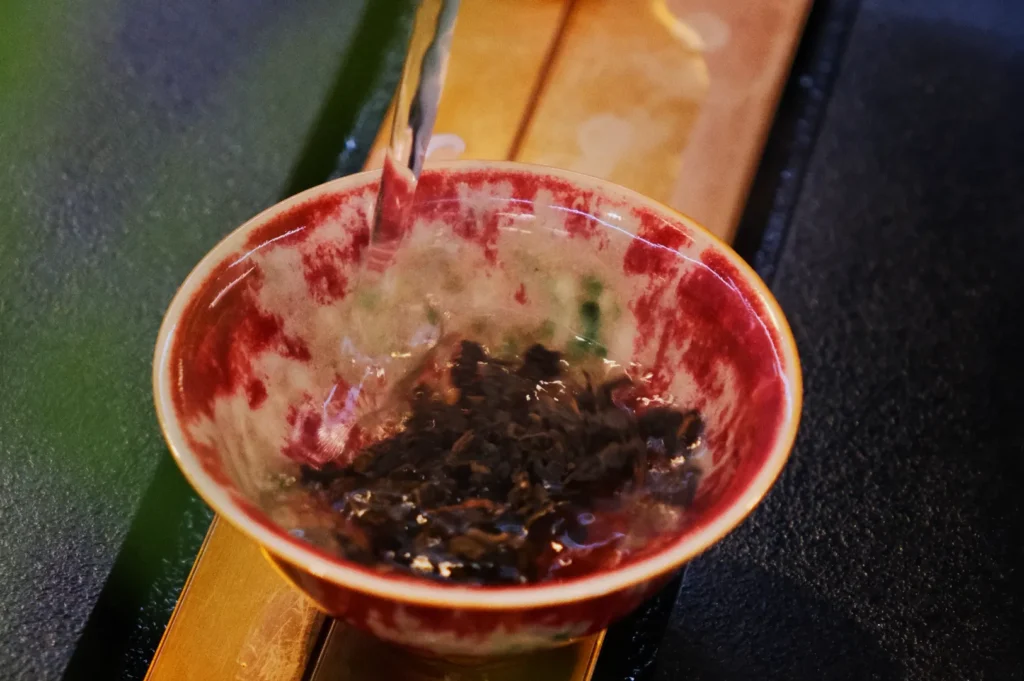
Singapore knows how to value efficiency.
There is beauty in that. There is also fatigue in it. A fast city teaches people to compress the non-essential first, and many forms of attention are treated as non-essential until their absence is finally felt. Tea is one of the places where that loss becomes visible. The cup still exists, but the experience has been thinned.
This is why mindful tea drinking Singapore readers search for often begins as a desire not for novelty, but for proportion. They want a drink that returns them to themselves rather than pulling them further into acceleration.
Black tea can do that beautifully, especially when treated as more than fuel.
Quiet Luxury Is a Matter of Conditions
Luxury, in tea, is often misread as rarity alone.
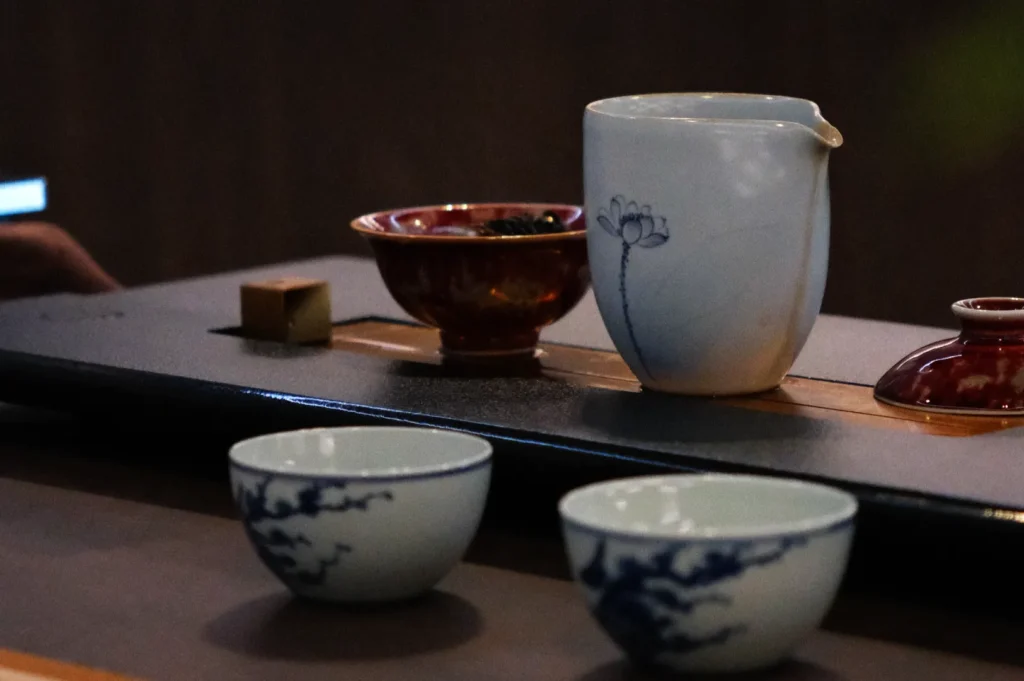
Rarity matters sometimes. But a deeper luxury lies in conditions. A room with enough quiet. A host with enough attentiveness. A pace that lets the tea unfold instead of perform. A cup that is not competing with noise, urgency, or the expectation that everything must announce itself immediately.
This is why quiet luxury tea Singapore does not need to mean ornate surroundings or excessive ceremony. In the context of black tea, it may mean something much simpler: allowing a familiar leaf to become newly legible.
At Tea Room by Ki-setsu, we think this is one of the most generous things a slower ritual can do. It returns dignity to what routine has made invisible.
Why We Keep Returning to Black Tea
Black tea remains close to us because it sits at a rare intersection.
It is accessible, but capable of depth. Familiar, but still easy to overlook. Warming, but not one-dimensional. A tea of daily life, but also of real refinement when given proper conditions.
This is why we believe black tea still deserves a slower ritual.
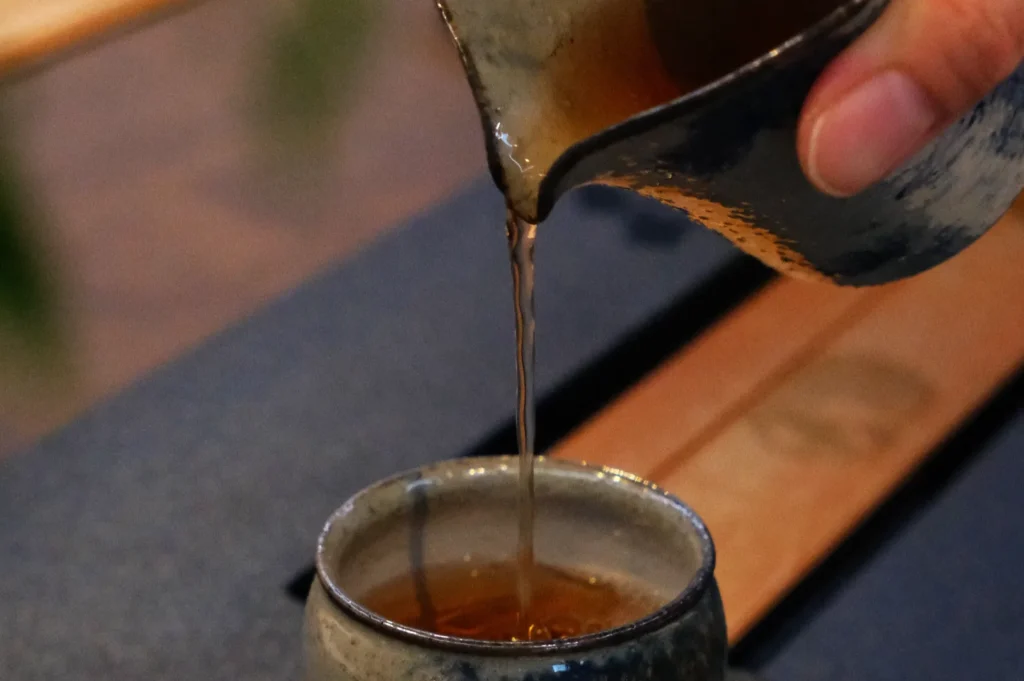
Not because slowness makes the tea more prestigious. Because slowness reveals what was already there. The floral edge of Keemun. The golden sweetness of Dian Hong. The depth of a darker black tea that carries warmth without heaviness. The way a finish can stay in the mouth like a quieter form of memory.
That is not a small thing.
It is one of the reasons we keep pouring.