Not all black tea enters the cup through the same doorway.
Some arrive as full leaves, twisted or whole, carrying visible shape and a certain quiet dignity even before the kettle is lifted. Others arrive in bags, already cut small enough to infuse quickly, built for convenience rather than for unfolding. Both are recognisably black tea. Both may be warming, familiar, and useful. Yet they rarely speak in the same voice.
At Tea Room by Ki-setsu, we think the difference between loose leaf black tea vs tea bags is worth understanding carefully, not to shame convenience, but to clarify what changes when the format changes. Aroma changes. Texture changes. Pace changes. Value changes too, though not always in the way people assume.
If you want the broader overview of premium varieties first, our **black tea guide** offers that wider foundation. Here, the focus is narrower and more practical: what the leaf format actually does to the cup.
Loose Leaf Preserves Shape and Shape Matters
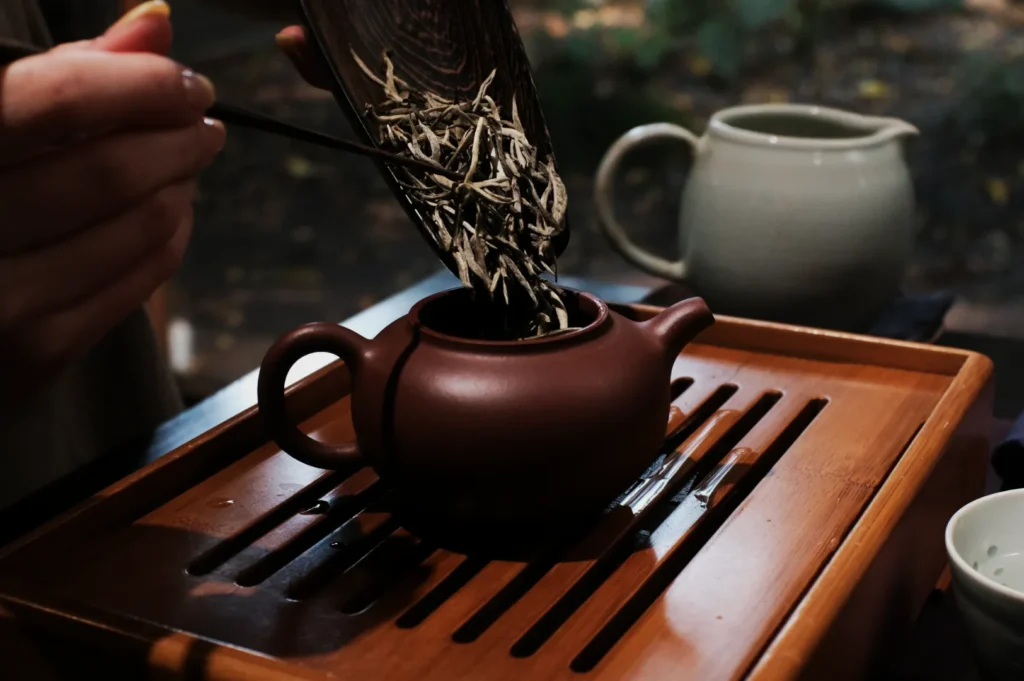
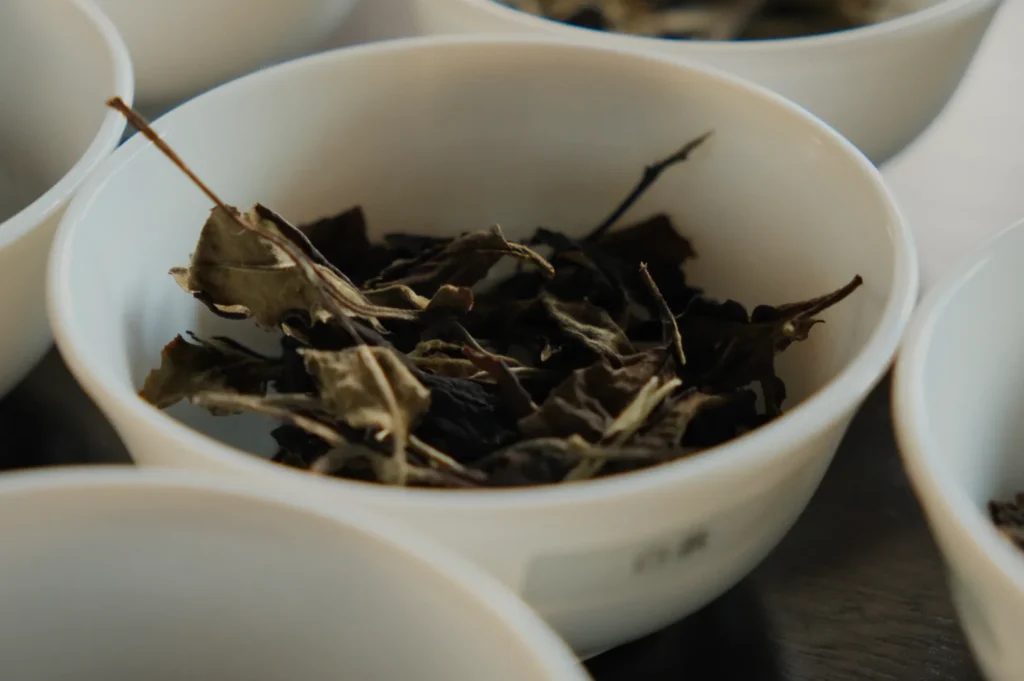
A whole or largely intact leaf behaves differently in water.
It opens gradually. It releases aroma in layers. It often gives more shape to the liquor and more clarity to the finish. This is not only because it looks more beautiful, though it often does. It is because the structure of the leaf still exists. That structure affects how the tea unfurls, how quickly it gives itself away, and whether the cup feels articulate or merely strong.
Tea bags, by contrast, often contain smaller fragments or fannings. These are not automatically bad, but they do infuse faster and more bluntly. The cup can become darker quickly without necessarily becoming more nuanced. The aroma may rise strongly at first, but it often resolves into something flatter.
Loose leaf black tea usually gives the tea more time to become itself.
Aroma: Immediate vs Layered
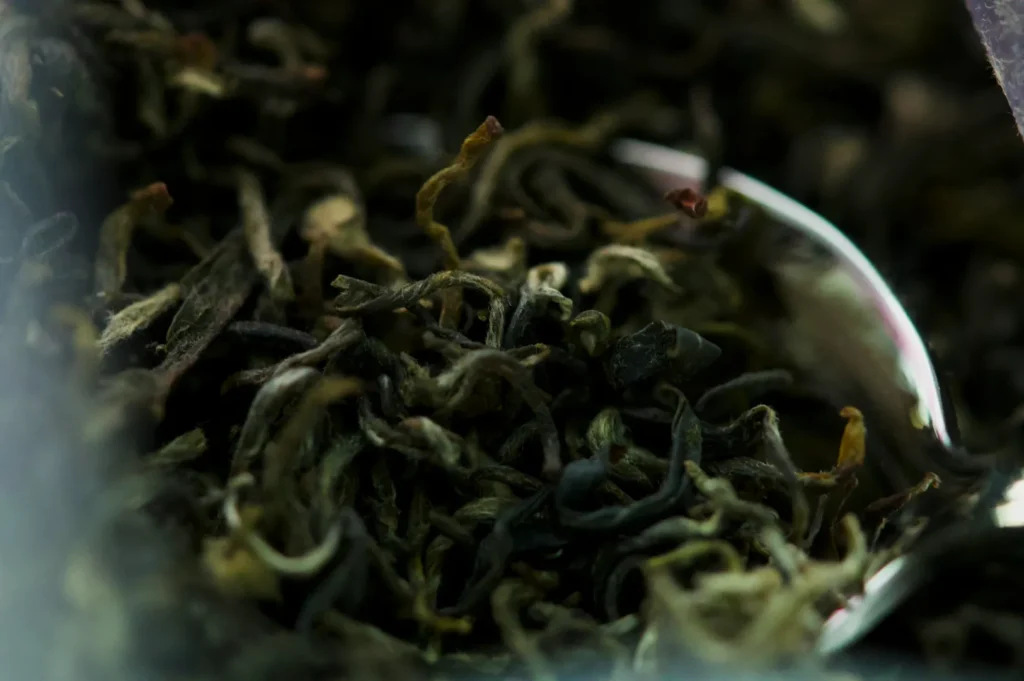
One of the clearest differences appears in the nose.
Tea bags tend to offer quick extraction and with that often comes a faster aromatic impression. For drinkers who want a straightforward, immediate cup, this can be perfectly acceptable. But the fragrance may not remain complex for long. A malty black tea may smell simply “strong.” A floral black tea may lose some of its upper register. A smoked tea may become all smoke and less tea.
Loose leaf black tea often behaves differently.
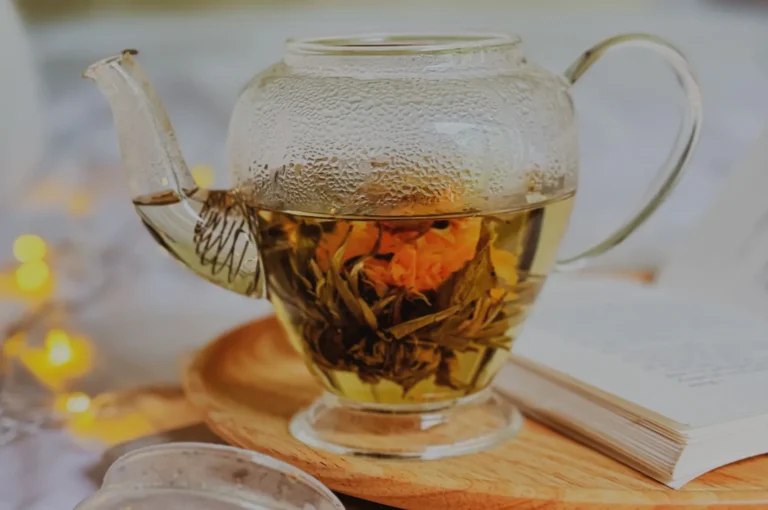
Because the leaves open more slowly, aroma tends to build in stages. Dry leaf, warmed leaf, wet leaf, and liquor each reveal something slightly different. This is part of why a best loose leaf black tea Singapore selection can feel so much richer than a tea bag version of the same broad category. The tea is not only infused. It is unfolding.
Body and Texture in the Cup
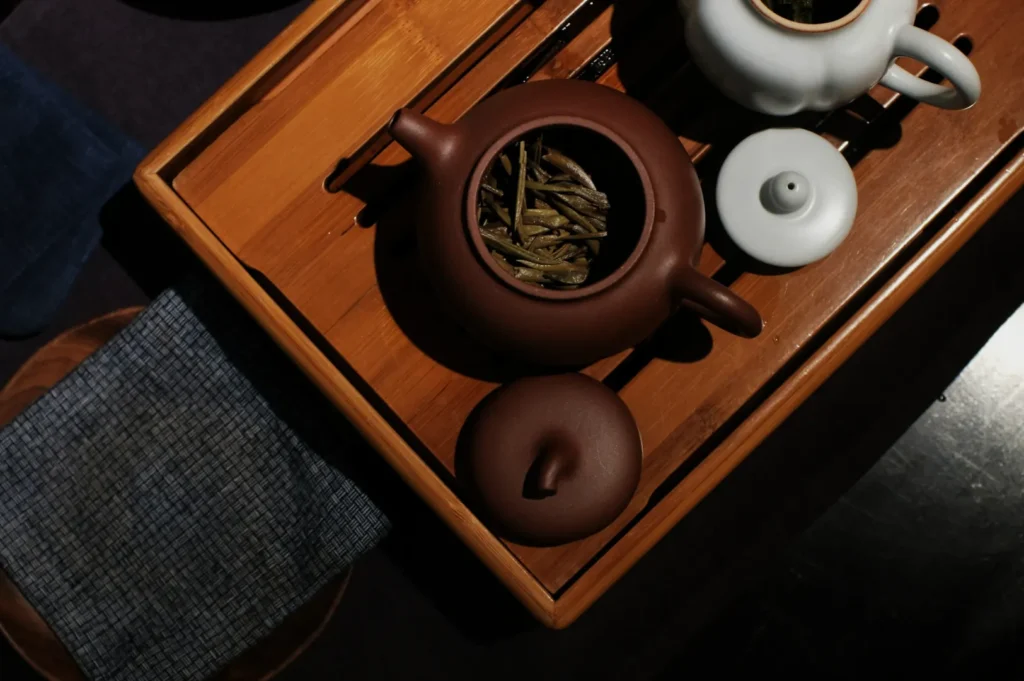
Texture is where many drinkers feel the difference even if they cannot yet name it.
Tea bags often produce a cup that is immediate, dark, and functionally strong. But strength is not the same as body. The liquor may feel flatter, or thinner than the colour suggested, or simply more one-dimensional. This is especially true with black tea, where briskness, cocoa warmth, honeyed sweetness, or floral lift all rely on enough structure in the leaf to emerge properly.
Loose leaf black tea more often gives:
- clearer body
- better balance between strength and elegance
- a more coherent finish
- less abrupt roughness
This does not mean every loose leaf tea is excellent. It means the format allows quality to show itself more fully.
Convenience Is Real and It Has a Place
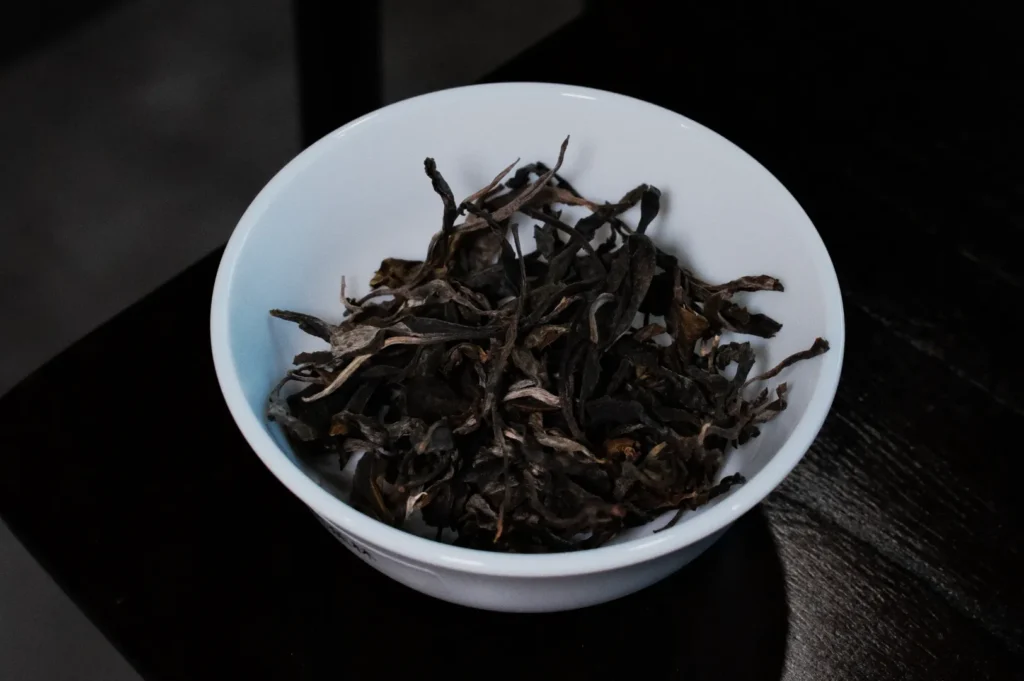
Tea bags remain popular for reasons that are entirely understandable.
They are fast. They are easy to portion. They travel well. They suit offices, hotel rooms, and moments when ritual is simply not possible. A tea bag is not a moral failure. It is a practical format. The problem begins only when convenience is mistaken for equivalence.
At Tea Room by Ki-setsu, we think it is better to speak honestly. If you want speed, tea bags are often suitable. If you want to understand what black tea can actually do in the cup, loose leaf is usually the more revealing path.
This is not elitism. It is just proportion.
Value Is Not Only Price Per Box
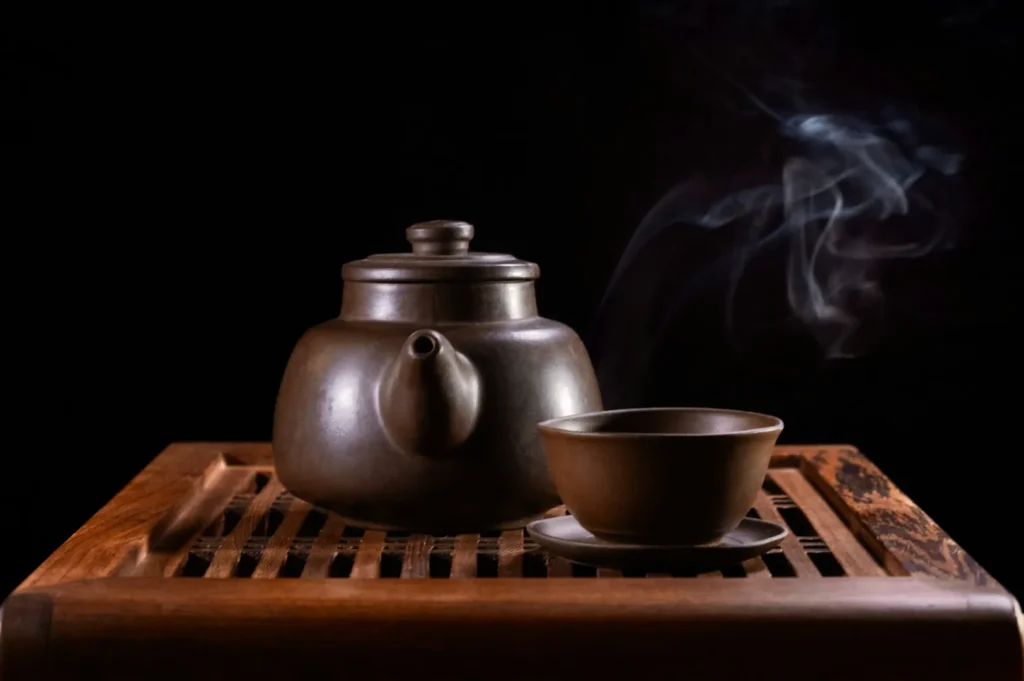
Tea bags can look less expensive at first glance. Loose leaf tea can look more expensive. But black tea bags vs loose leaf is not only a price comparison. It is also a value comparison.
Ask:
- How many meaningful infusions does the tea give?
- How much aroma remains after the first minute?
- Does the tea have a finish, or only colour and heat?
- Is the format hiding lower-grade material behind convenience?
A modest loose leaf tea may offer more real satisfaction than a more heavily marketed bagged tea if the cup feels fuller, cleaner, and more worth returning to.
The better value is the tea that gives more of itself, not merely the one that costs less per serving.
Which Format Suits Which Person?
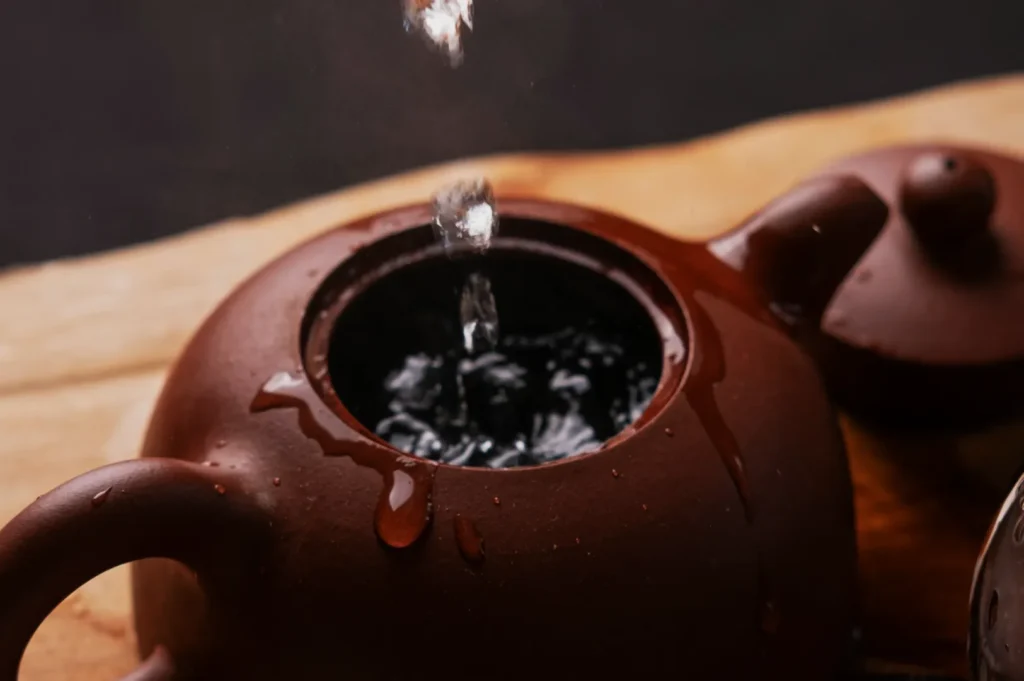
Choose tea bags if:
- you need speed more than nuance
- the setting is temporary or rushed
- convenience is the primary criterion
Choose loose leaf if:
- aroma matters to you
- you want the tea to unfold properly
- you enjoy noticing body and finish
- the ritual of brewing is part of the pleasure
For many drinkers, the answer is not absolute. Tea bags may have a place in transit or necessity. Loose leaf may be what they return to when they want the tea itself, not just the effect of tea.
Why Tea Room by Ki-setsu Leans Toward the Leaf
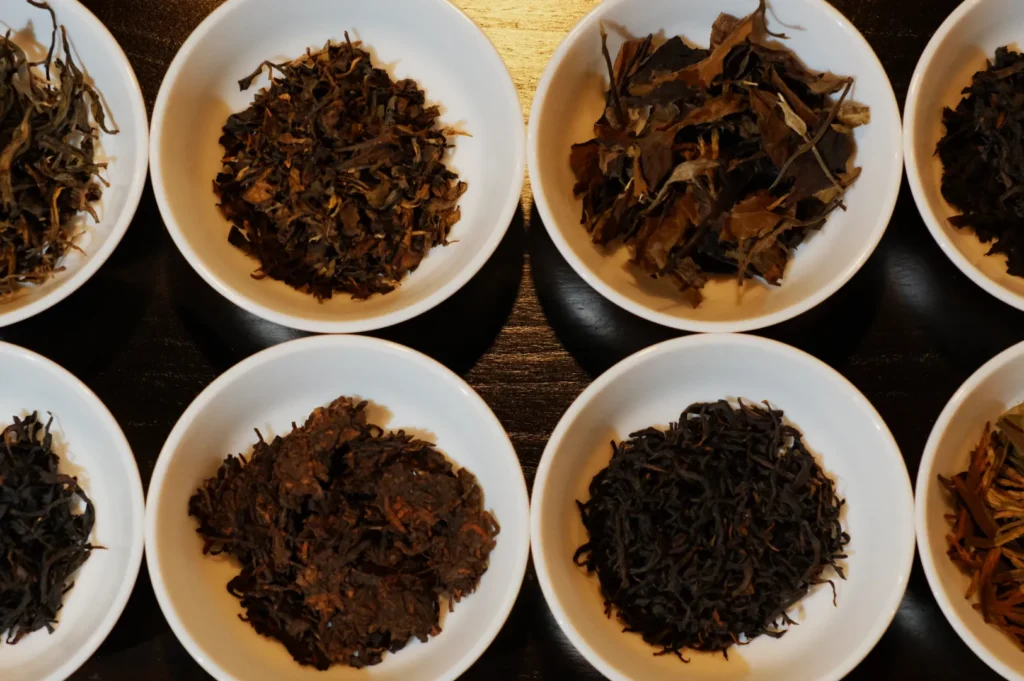
At Tea Room by Ki-setsu, we work with leaves because leaves reveal more.
That is the simplest answer. A whole leaf gives the tea room to breathe, to change, to become more legible in the cup. This matters especially in Chinese tea hospitality, where the tea is not being treated as a background beverage but as the centre of an experience.
A tea bag can provide comfort. Loose leaf can provide understanding.
Both have their place. But the place of tea appreciation begins with the leaf in full.