A tea can feel poised, fragrant, and quietly complete on its own, then seem to lose all shape the moment food arrives.
The aroma shortens. The finish disappears. What felt clear in the cup now tastes muted, rough, or strangely absent. Many people assume the problem is the tea. In reality, the problem is often the table. A thoughtful tea can be flattened very quickly by sugar, grease, spice, salt, or strong savoury aroma, not because the leaf is weak, but because the pairing has left it no room to breathe.
At Tea Room by Ki-setsu, we find that disappointing pairings are rarely mysterious. They usually come from excess. Too much sweetness. Too much savouriness. Too much coating texture. Too much sensory noise. If you want the broader foundation first, begin with our main tea pairing guide. Here, the focus is more diagnostic: the most common tea pairing mistakes, the foods that overpower tea, and how to restore clarity to the cup.
Why Tea Is So Easy to Flatten
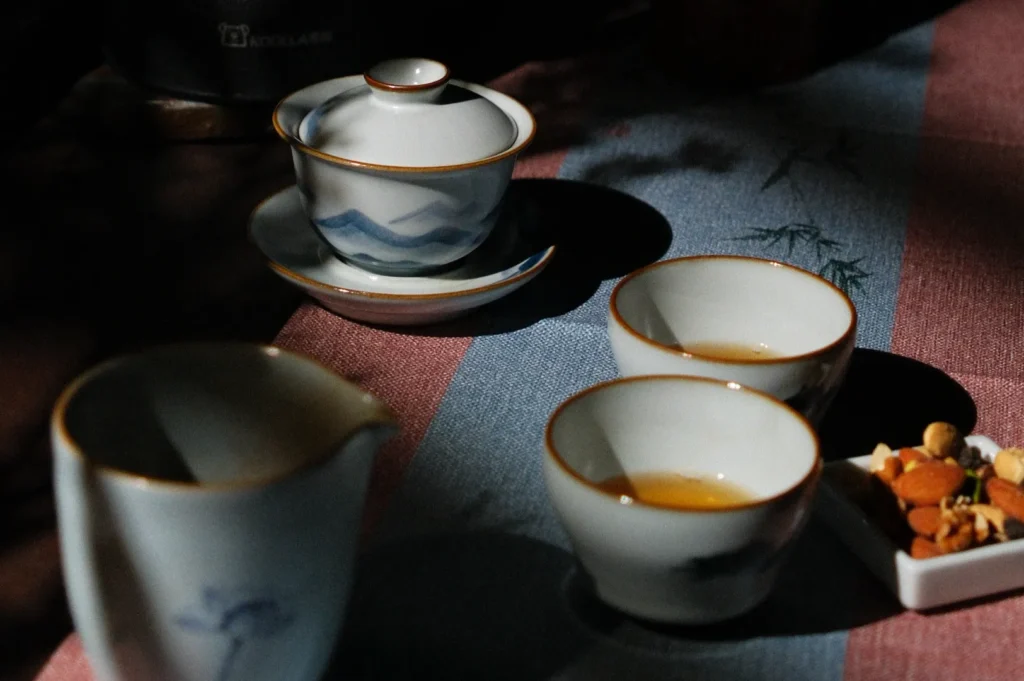
Tea often works in finer registers than people expect.
Even deeper teas rely on structure, aroma, texture, and aftertaste, not simply impact. This means they can be altered quickly by foods that linger too long or speak too loudly. Sugar rises above the tea. Grease coats the palate. Spice heats the mouth past the point of subtle perception. Garlic and onion remain in the breath and air. Strong scent reaches the nose before the tea can.
This is why certain foods overpower tea so easily. The tea is not always disappearing because it lacks character. Sometimes the food is simply occupying every place the tea would normally enter: the tongue, the palate, the breath, the finish.
A good pairing keeps the tea perceptible after the bite. A bad one makes the tea feel like an afterthought.
Six Pairing Mistakes That Make Tea Feel Flat
Too Much Sugar
Sugar is one of the fastest ways to distort a cup.
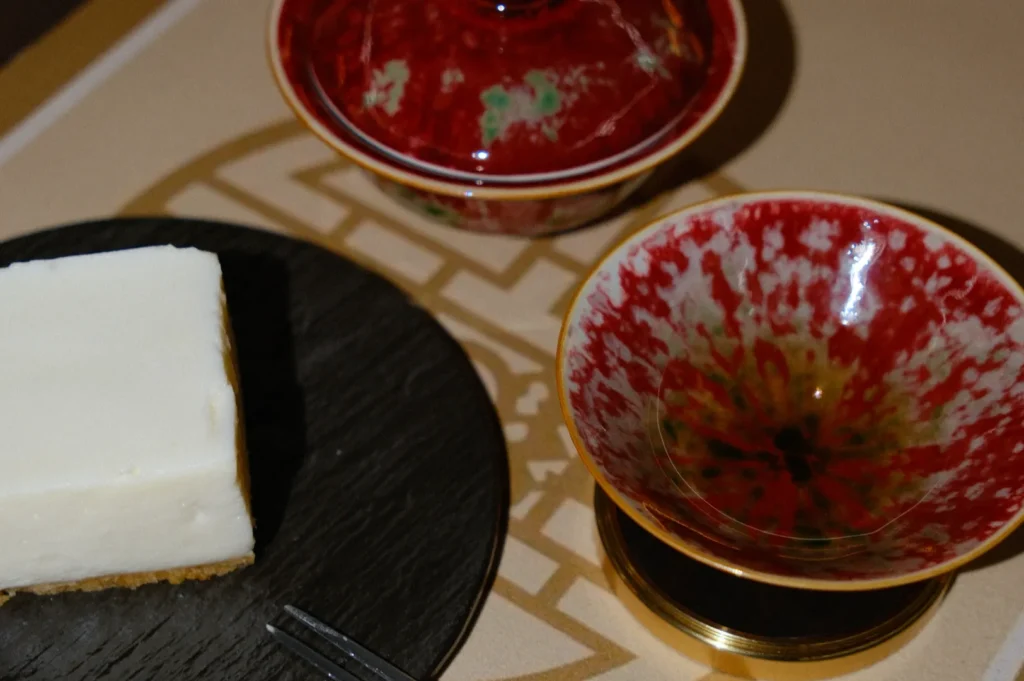
A dessert may feel elegant on the plate and still make the tea seem weak, bitter, or oddly hollow afterward. This happens because sweetness often rises above the tea very quickly. Once the palate adjusts upward, the tea can seem thinner than it really is. Even a beautifully structured tea may lose its outline after a heavily sweet bite.
Delicate teas suffer first, but stronger teas are not immune. A high-sugar pastry or glossy confection can shorten the finish of almost anything. The tea does not need to be sweeter than the food, but the dessert should not sit so far above it that the cup becomes blurred.
A better correction is simple:
- choose lower-sugar desserts
- reduce portion size
- pair slightly fuller teas with richer sweets
- let the tea arrive before the dessert becomes dominant
When the tea feels weaker on the second sip, the sweetness is usually too high.
Too Much Spice
Spice is not impossible with tea, but it is often badly timed.
The problem is not flavour alone. It is the heat that remains in the mouth after the bite. Once that heat settles in, the tea may feel metallic, abrupt, or much shorter than before. Delicate aroma disappears first. Then texture begins to harden. The pairing may seem lively in the first instant and then fall apart.
This is especially true with chilli heat, peppery seasoning, or spice blends that continue to bloom after swallowing. Tea is then forced to enter a palate that is already occupied by intensity.
A better approach is to:
- keep the tea separate from highly spiced food
- choose gentler savouries during the tea itself
- let the tea follow the spicy course later, rather than sit beside it
- use warmth without heat when you want depth
There is a difference between aromatic warmth and actual heat. Tea can live beside one more easily than the other.
Too Much Salt
Salt can sharpen tea beautifully in small amounts.
A lightly salted nut, a plain cracker, or a modest savoury bite may give the cup a clearer line. But once salt becomes dominant, the effect changes. The tea can feel harder, shorter, and drier. Its aroma may still rise, but the finish collapses too quickly.
Heavy soy, overly seasoned snacks, preserved savouries, and aggressively salted pastry are common examples. They make the tea work harder than it should just to remain visible.
To correct this:
- choose lightly salted rather than heavily seasoned foods
- use simple savouries with clean finishes
- avoid salt layered with oil and garlic at the same time
- let the tea reset the mouth, rather than asking the food to do everything
Salt should illuminate the cup, not tighten it.
Garlic, Onion, and Strong Savoury Aromas
Some foods flatten tea before they even touch the tongue.
Garlic, onion, chive, shallot, truffle oils, and strong savoury aromatics occupy the mouth and breath in a way that makes refined tea much harder to perceive. Even if the seasoning is not especially hot or salty, its aromatic persistence can erase floral lift, muddle roast, and compress aftertaste.
This is especially damaging in a tea setting because tea is smelled as much as it is tasted. Once the nose is already occupied by savoury residue, the cup has lost one of its main paths into perception.
A better tea table avoids foods that linger too insistently in the air and in the mouth. If you do want savoury pairings, keep them mild, clean, and low in aromatic residue.
At Tea Room by Ki-setsu, we often find that the most successful savoury pairings are almost understated. Their restraint is precisely what lets the tea remain articulate.
Grease and Heavy Fat
Fat dulls precision quickly.
A fried bite, a greasy pastry, a buttery savoury item, or a rich cream filling may seem comforting, but the coating it leaves behind can make the tea feel cloudy and tired. Some stronger teas can handle moderate richness, particularly if they have enough body or roast to clear the palate. But even then, too much grease makes the tea seem less refined.
This is not only a flavour issue. It is a textural one. Once the palate is coated, the tea’s line is harder to feel. Aroma seems more distant. Brightness disappears.
To fix this:
- serve smaller portions of rich foods
- choose crisper, drier textures over oily ones
- allow pauses between the bite and the next sip
- match fuller teas with richer food, and reserve delicate teas for cleaner bites
Grease does not always ruin a pairing, but it raises the threshold the tea must cross to remain clear.
Perfumed, Smoky, or Overly Loud Aromas
Some foods do not overpower tea through weight. They overpower it through scent.
Strong herbs, smoky sauces, synthetic fragrance, perfume-like desserts, and intensely aromatic ingredients can dominate the sensory field before the tea has even been tasted. The nose is already full. The tea has nowhere to go.
This is one reason certain dramatic dishes or scented sweets seem exciting beside tea and then prove disappointing in practice. The pairing feels crowded. The tea becomes secondary, even if the flavour itself is not especially heavy.
A more successful approach is to choose cleaner, quieter aromatics. Let the food smell like itself, but not so strongly that it drowns the steam rising from the cup.
Tea asks for room in the air as well as on the palate.
A Simple Way to Reset the Palate When a Pairing Goes Wrong
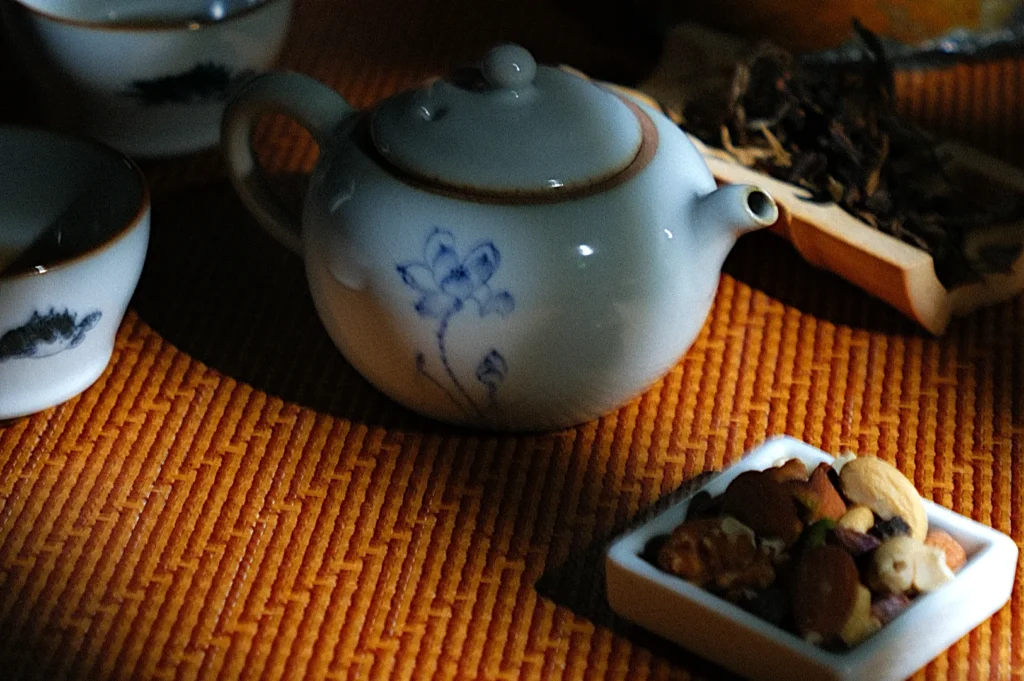
If a pairing has already gone wrong, do less.
First, stop the food. Do not add another bite and hope it will improve. Layering more sweetness, spice, or grease usually makes the cup harder to recover.
Second, pause. A sip of plain water can help, but often the most useful thing is simply to wait a moment and let the residue settle.
Third, return to the tea alone. Taste it without anything beside it. Ask what is still present. Is there aroma? Is the body intact? Has the finish survived? This tells you whether the tea itself is still there or whether the table has overwhelmed it.
From there, reduce the noise:
- smaller portions
- gentler bites
- longer pauses
- simpler textures
- cleaner flavours
A failed pairing is often corrected not by changing the tea, but by removing what is obscuring it.
What a Better Pairing Should Feel Like Instead
A good pairing does not make the tea louder. It makes it easier to hear.
After the bite, the tea should still feel articulate. Aroma should remain readable. The second sip should feel clearer, not weaker. The finish may shift, but it should not collapse. Even when the food is rich or sweet, the tea should still return with shape and presence.
This is the difference between a pairing that is merely edible and one that is genuinely thoughtful. The table should support the tea’s movement through the palate, not interrupt it.
At Tea Room by Ki-setsu, we think the most refined pairings are often the least aggressive. They do not try to impress through contrast or volume. They simply protect the cup.
Protect the Cup, and the Pairing Will Usually Follow
Most tea pairing mistakes come from excess, not from lack.
Too much sugar, too much spice, too much grease, too much aroma, too much food on the table at once. Once those pressures are reduced, tea becomes much easier to pair well. The quieter, cleaner table usually gives the better result.
A refined pairing is not one that forces drama between food and tea. It is one that allows the tea to remain alive, balanced, and worth returning to after every bite.