Oolong tea can feel intimidating at first.
The names alone are enough to make a beginner pause. Tie Guan Yin. Wuyi rock tea. Phoenix Dan Cong. Dong Ding. High mountain oolong. Oriental Beauty. Each one seems to come with its own region, story, aroma, and brewing method.
But choosing your first oolong tea should not feel like an exam.
Oolong is a wide category, but that range is also its kindness. There is likely an oolong for the drinker who enjoys flowers, roast, fruit, creaminess, minerals, warmth, or a quieter daily cup.
The best oolong tea for beginners is not the most famous one. It is the one that meets your palate honestly.
For readers who want the wider foundation, we have written an oolong tea guide for first-time drinkers. This article is more practical: how to choose your first leaf without feeling lost.
Begin With Taste, Not Reputation

Many beginners start by asking which oolong is “best.”
It is an understandable question, but not always a helpful one. Famous names can be useful, but they can also distract. A celebrated Wuyi tea may not suit someone who prefers soft floral notes. A bright Tie Guan Yin may feel too light for someone who wants roasted warmth.
Start with taste preference instead.
Do you like fragrance? Choose a floral oolong.
Do you like warmth? Choose a roasted oolong.
Do you like smooth texture? Choose a creamy oolong.
Do you like depth and structure? Choose a mineral oolong.
A World Tea News article on oolong describes oolong as having a broad spectrum of flavours, from creamy and floral to nutty, caramel, and roasted. That range is exactly why beginners should choose by mood, not by name alone.
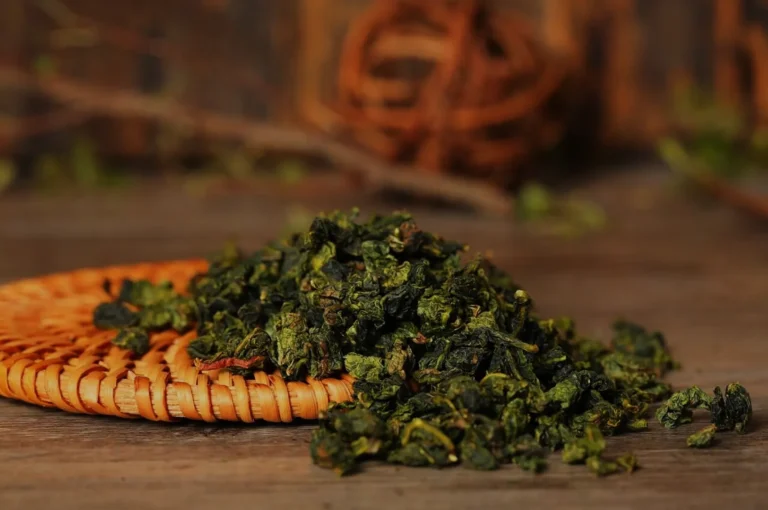
If You Like Floral Tea, Start With Tie Guan Yin
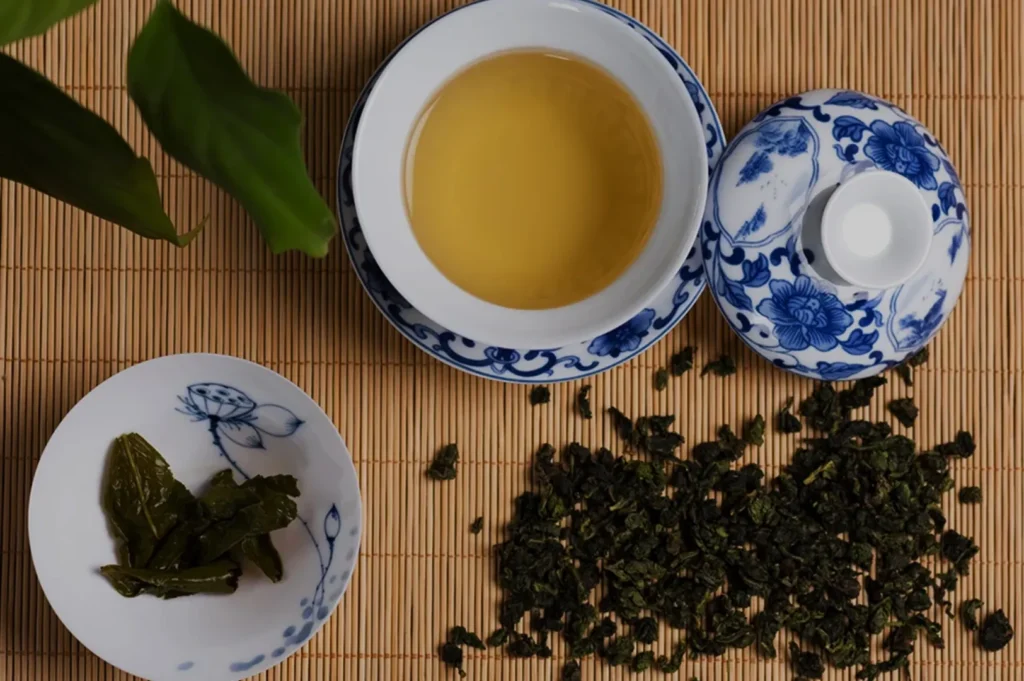
Tie Guan Yin is one of the friendliest entry points into oolong.
Modern lighter styles are often floral, smooth, and fragrant. They can suggest orchid, fresh leaves, cream, or gentle sweetness. The body is usually soft enough for beginners, while the aroma is clear enough to feel memorable.
This is a good first oolong for someone who usually enjoys green tea, jasmine tea, or lighter floral flavours.
It does not ask too much from the drinker. It gives fragrance early, and the cup often feels graceful without becoming heavy.
A good beginner oolong should invite curiosity before it demands expertise.
If You Like Roast, Start With Dong Ding or a Gentle Wuyi Tea
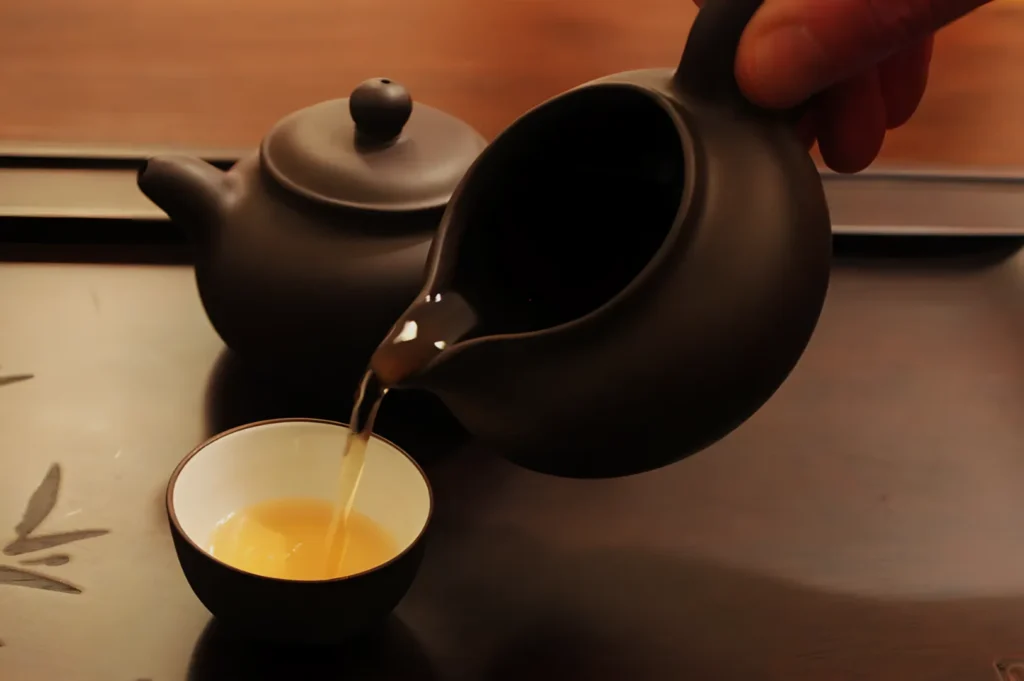
Some drinkers do not want flowers.
They want warmth. They want toast, nuts, dried fruit, minerals, or something that feels steady after a meal.
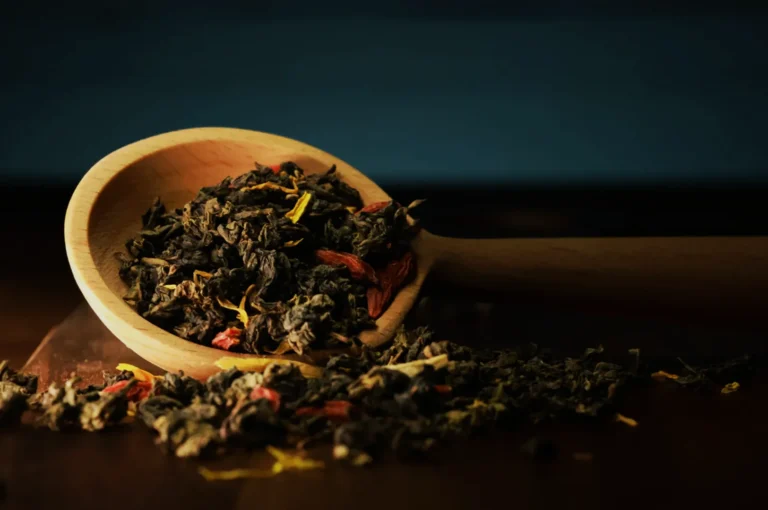
For them, a roasted oolong may be a better beginning. Dong Ding can be a thoughtful first choice because it often gives roast and sweetness without becoming too severe. A gentle Wuyi-style tea may also work, especially if the roast is balanced rather than harsh.
Avoid starting with the most intense version of anything. Heavy roast can be beautiful, but it can also overwhelm a new palate.
A beginner does not need to begin at the deepest end of the tea table.
If You Like Smooth Texture, Try Taiwanese High Mountain Oolong
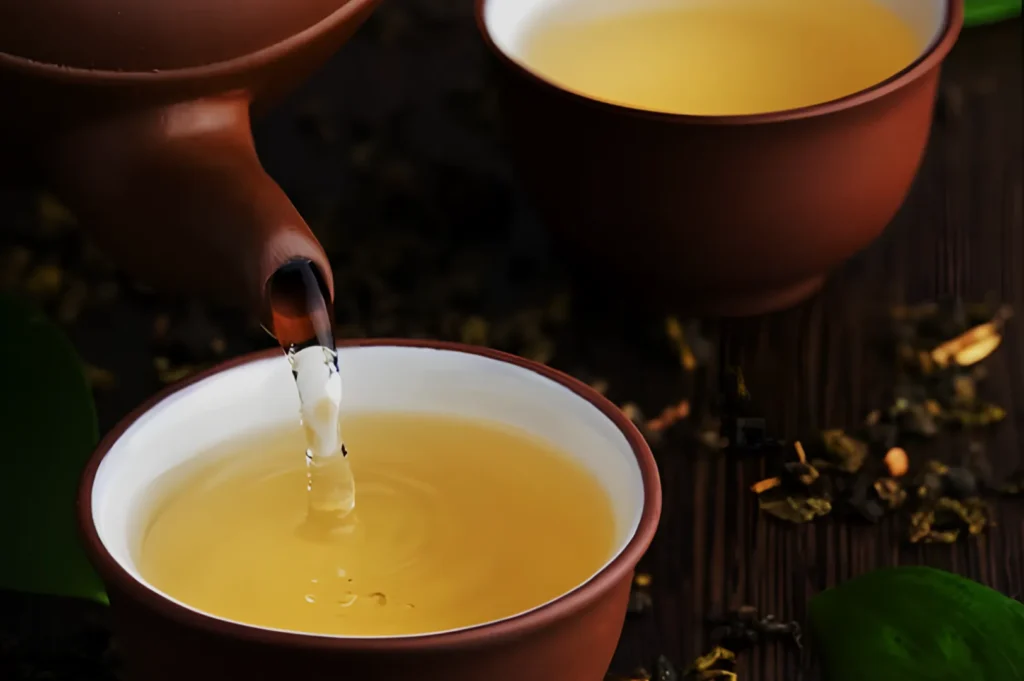
Taiwanese high mountain oolong can be a graceful choice for beginners who notice texture.
These teas are often admired for their clean aroma, smooth body, and lifted finish. Some feel floral. Some feel creamy. Some have a cooling quality that lingers quietly after swallowing.
This style suits readers who want something refined but not too roasted. It also helps beginners understand that tea texture can matter as much as flavour.
At Tea Room by Ki-setsu, we often find that texture is the detail many new drinkers notice before they have the language for it. They may not say “body” or “mouthfeel.” They simply say the tea feels soft.
That is already a good beginning.
If You Want Something Expressive, Try Phoenix Dan Cong Carefully
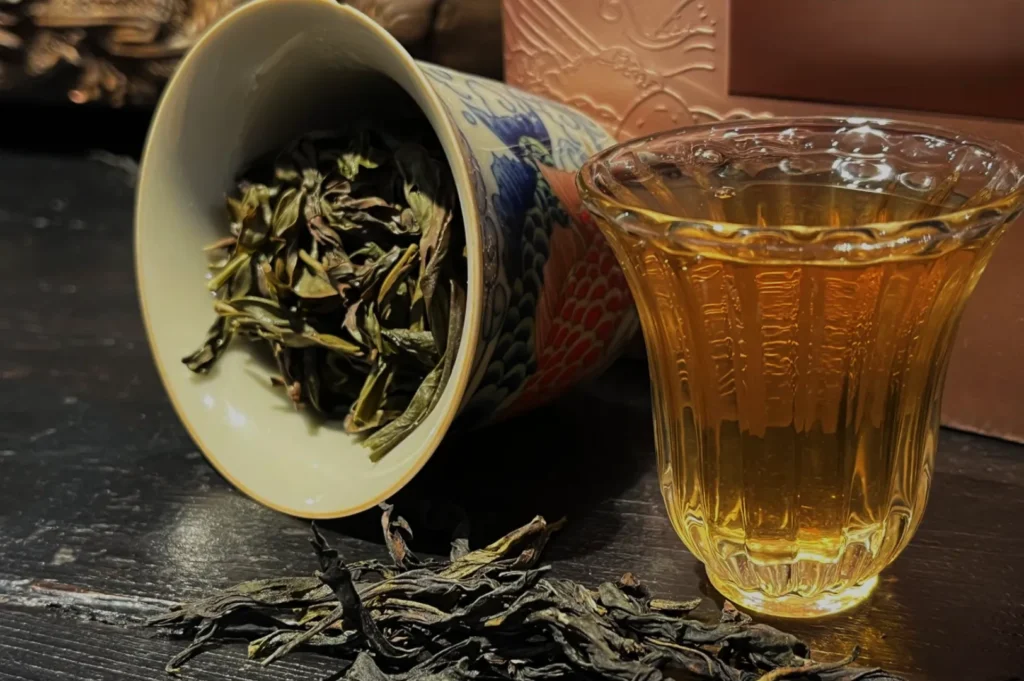
Phoenix Dan Cong can be thrilling.
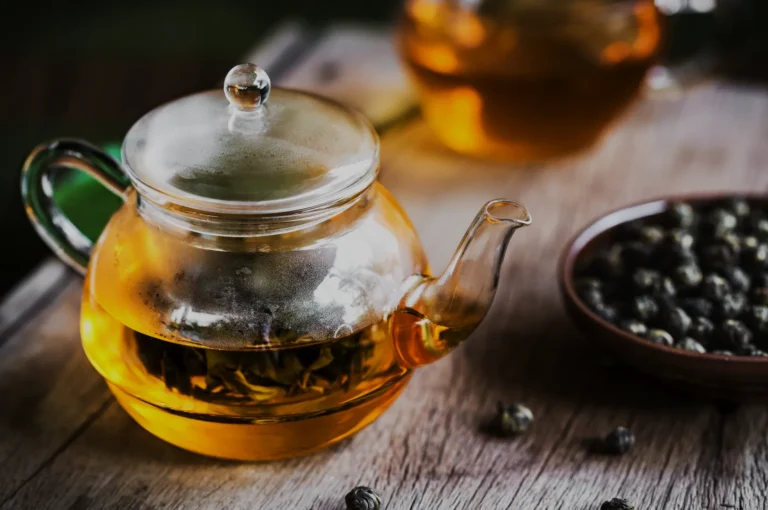
It can smell like honey, fruit, flowers, almond, or gardenia, depending on the style. It is one of the most aromatic oolong families, and it can change the way a beginner understands what tea is capable of.
But it is not always the easiest first oolong.
Dan Cong can become sharp or bitter if brewed carelessly. It rewards short infusions, attentive water, and a little patience.
If you are drawn to strong aroma and do not mind a tea with more personality, begin with a gentler Dan Cong and brew it carefully. If you want something forgiving, start elsewhere and return to Dan Cong later.
Loose Leaf Usually Gives a Better First Lesson
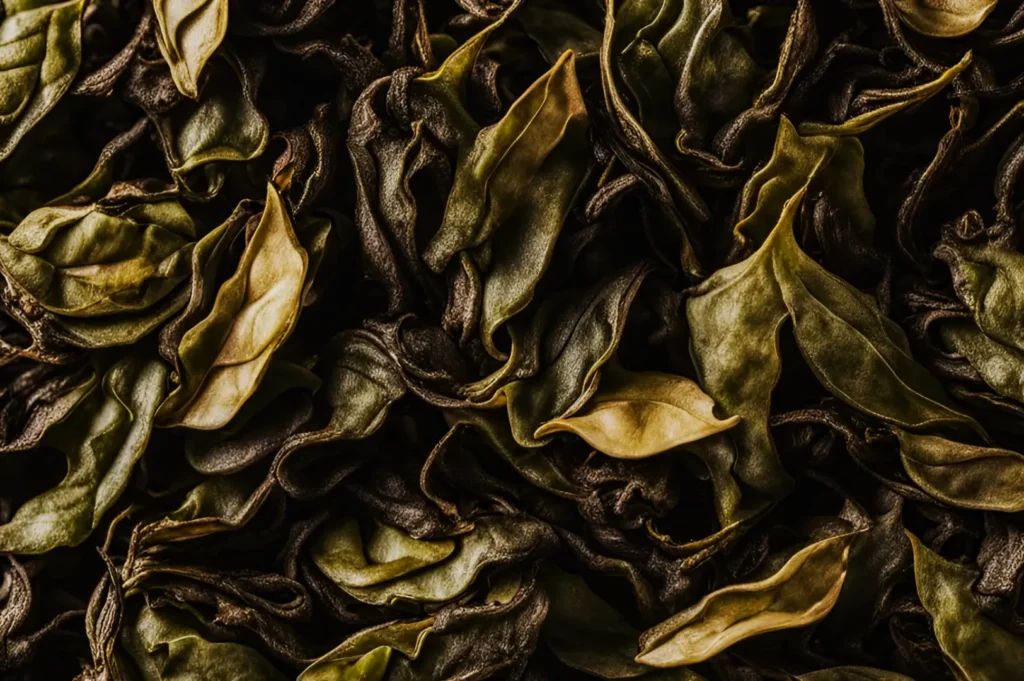
For oolong, loose leaf is usually the better starting point.
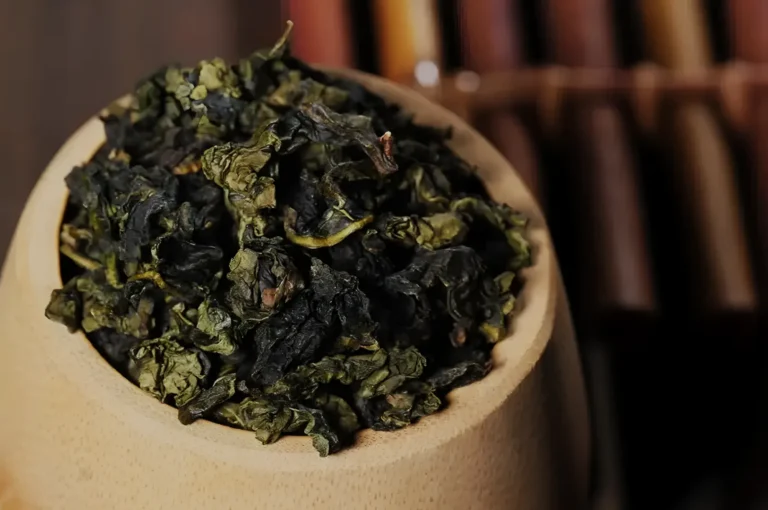
Oolong leaves need space to open. Rolled oolongs unfurl slowly. Twisted leaves stretch and release aroma across several infusions. A cramped tea bag rarely gives the leaf enough room to show its structure.
A guide from Epicurious on finding your perfect cup of tea notes that quality tea is often best found through specialty stores or producers, and that tea bags may contain smaller fragments rather than whole leaves.
This matters for beginners because a poor first cup can give the wrong impression.
You may think you dislike oolong when you have only tasted a tired version of it.
Buy Less, Taste More Carefully
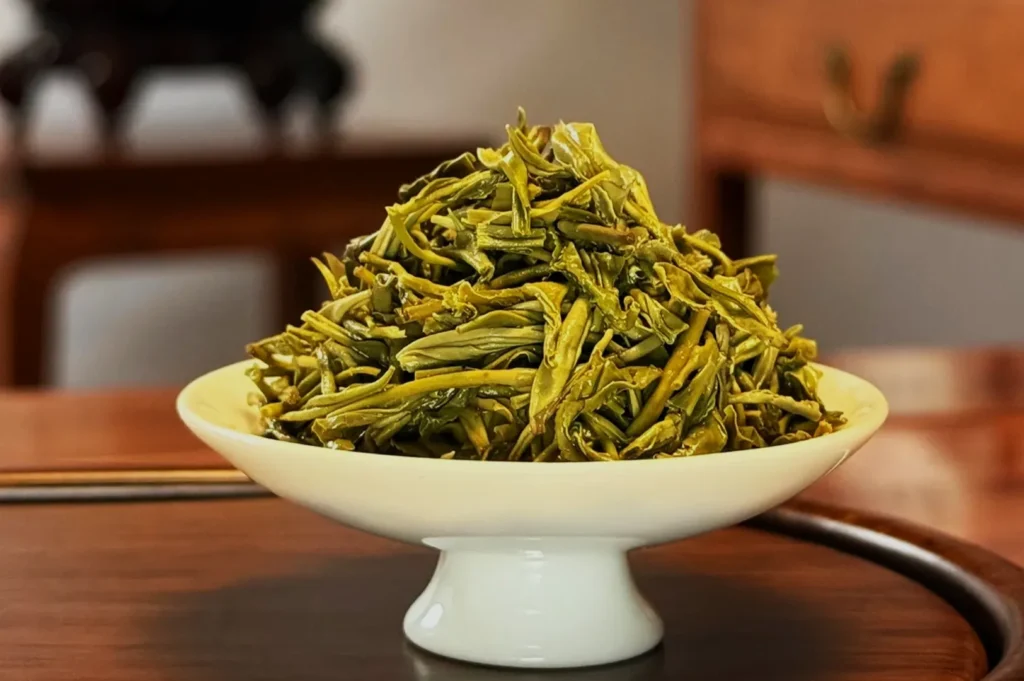
Beginners often buy too much tea too quickly.
A better approach is to buy smaller amounts from a trusted source and taste slowly. Try one floral oolong, one roasted oolong, and one smoother Taiwanese oolong if possible. Do not rush to build a shelf before building a palate.
The Tea Guardian oolong tasting and buying guide encourages experimenting with infusion time and tea quantity when tasting oolong, which is useful advice for beginners. The same leaf can behave differently with small changes.
Your first oolong is not a final decision. It is a reference point.
Once you have that point, the next tea becomes easier to understand.
Let Guided Tasting Shorten the Confusion
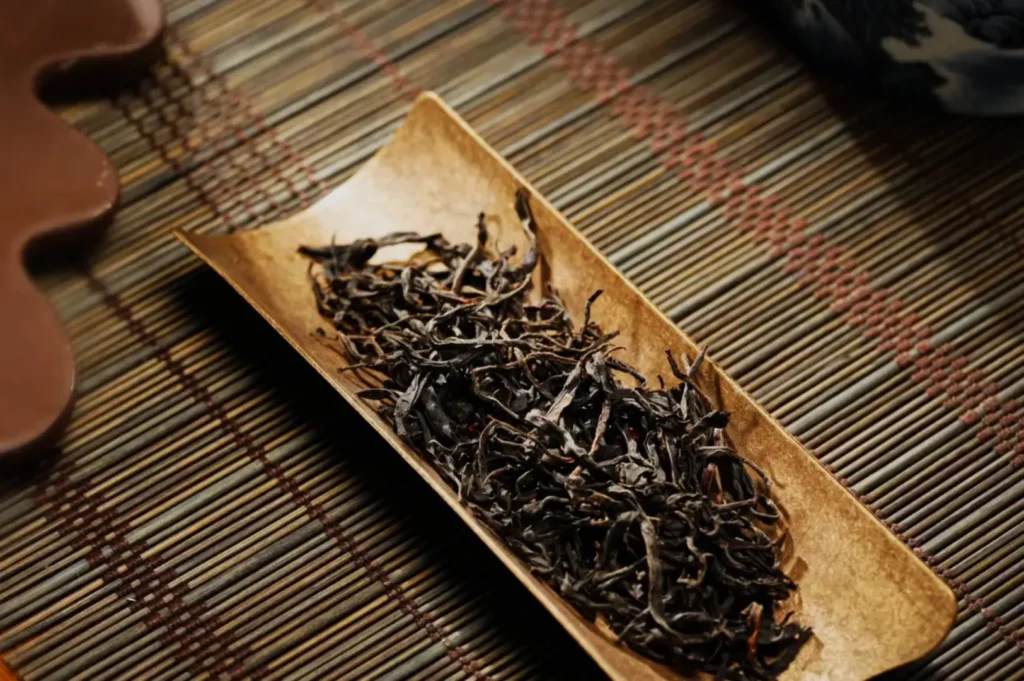
Oolong is easier when tasted side by side.
A floral Tie Guan Yin beside a roasted Dong Ding teaches more than reading descriptions alone. A Wuyi tea beside a Taiwanese high mountain oolong shows how different one category can become.
This is where guided tasting has value. A host can help connect aroma, texture, roast, oxidation, and finish to what the drinker is experiencing in the moment.
At Tea Room by Ki-setsu, we see beginner tea appreciation as a calm process. There is no need to pretend to know. There is only the willingness to notice.
Final Thought
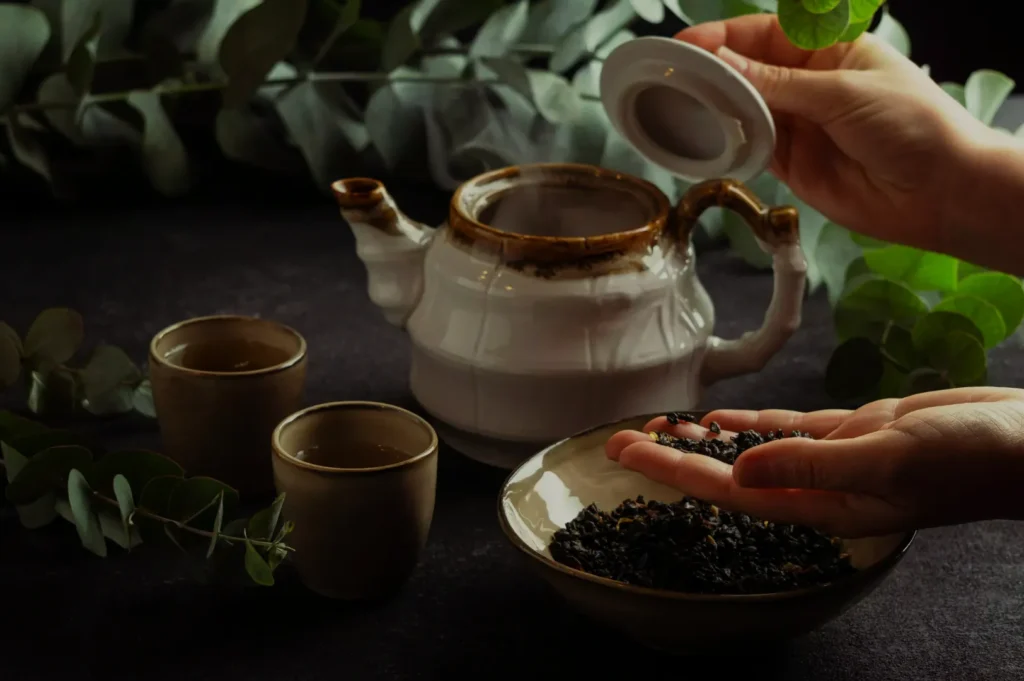
Oolong tea for beginners should not begin with pressure.
Begin with preference. Floral, roasted, creamy, mineral, gentle, deep, or expressive. Begin with one leaf. Brew it simply. Taste it more than once. Notice what changes.
The right first oolong does not need to impress everyone.
It only needs to open one door for you.
Choose the oolong that makes you want to return to the cup. That is where the journey begins.