Oolong tea can feel like two different conversations.
One cup is bright, floral, and lifted. It seems to rise from the vessel before the lips even meet the tea. Another cup is warm, roasted, and rounded. It settles into the mouth with grain, nuts, charcoal, dried fruit, or quiet mineral depth.
Both are oolong.
That is what makes the category so generous, and sometimes so difficult for beginners.
Roasted oolong and floral oolong are not opposites. They are two different ways the leaf can be shaped into presence.
For readers who want the wider foundation, we have written a deeper guide to oolong tea. This article stays with one comparison: why floral oolong feels bright, why roasted oolong feels warm, and how to choose between them.
What Is Floral Oolong?
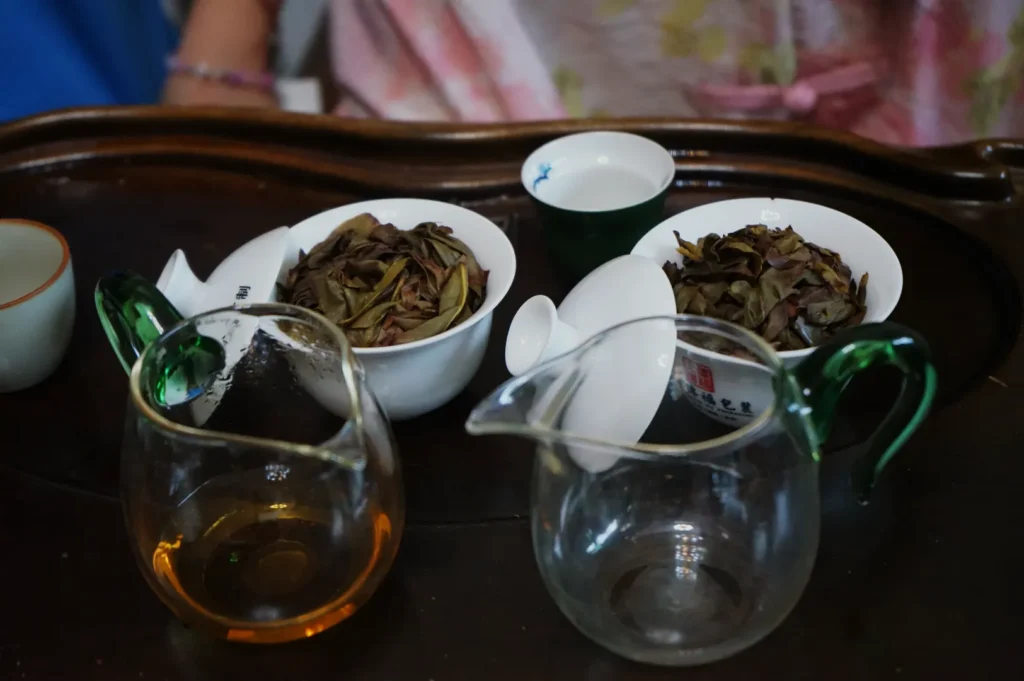
Floral oolong is usually lighter in feeling.
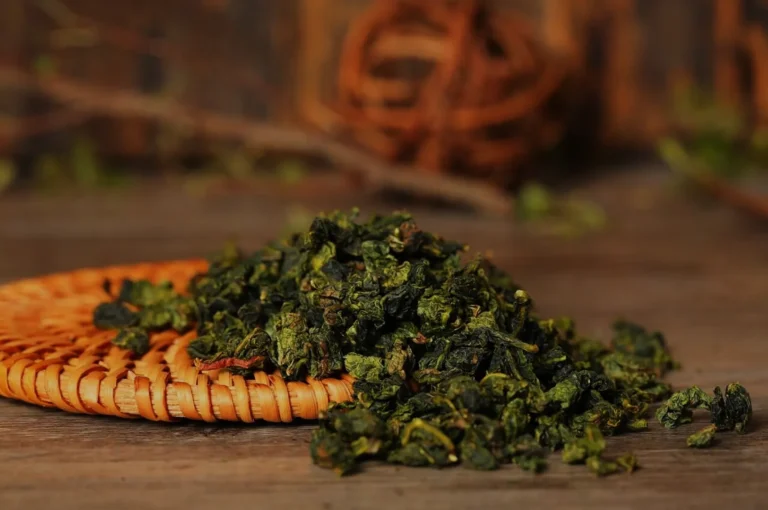
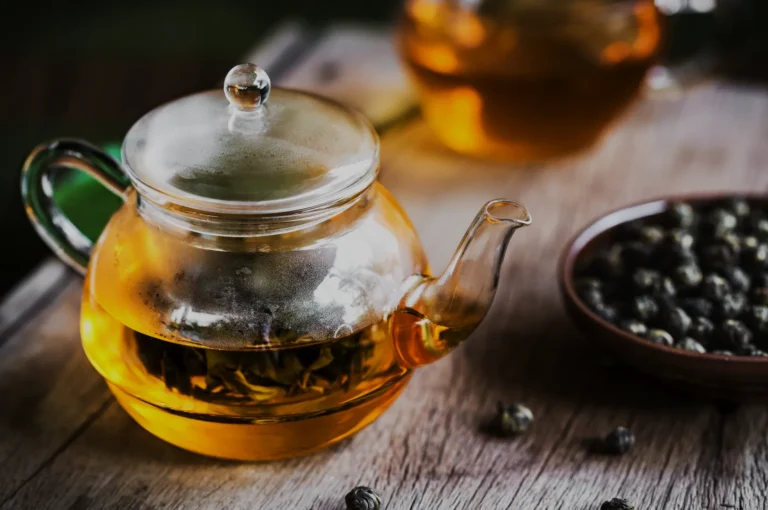
It may remind the drinker of orchid, gardenia, lilac, fresh cream, spring leaves, or soft fruit. The aroma often appears quickly, especially in the first few infusions. The liquor may be pale gold, green-gold, or light amber, depending on the tea.
Tie Guan Yin and Taiwanese high mountain oolongs are often associated with this brighter style, though not every version will taste the same.
A study in the International Journal of Food Science & Technology looked at aroma compound changes during the manufacturing of Jinxuan and Qingxin oolong tea. This is useful because it reminds us that floral aroma is not decoration. It is built through cultivar, handling, and processing.
Good floral oolong should feel fragrant, not perfumed.
There is a difference. Fragrance belongs to the leaf. Perfume feels placed on top of it.
What Is Roasted Oolong?
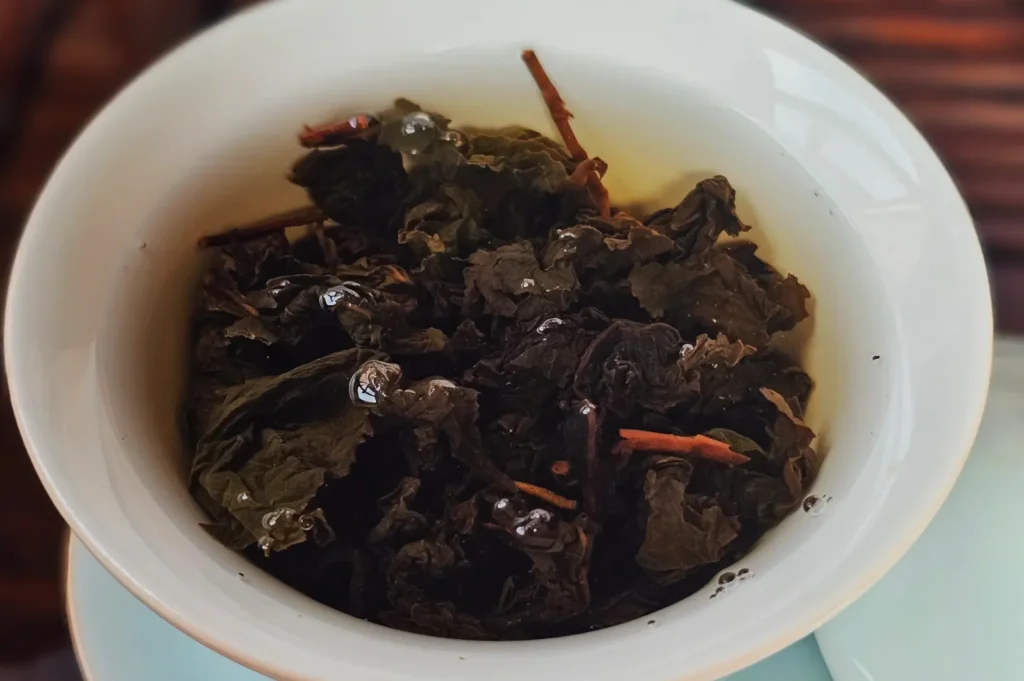
Roasted oolong moves in a warmer direction.
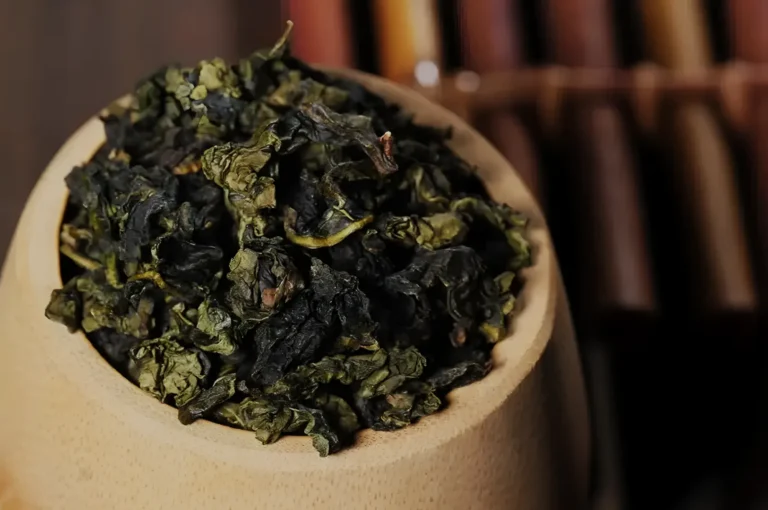
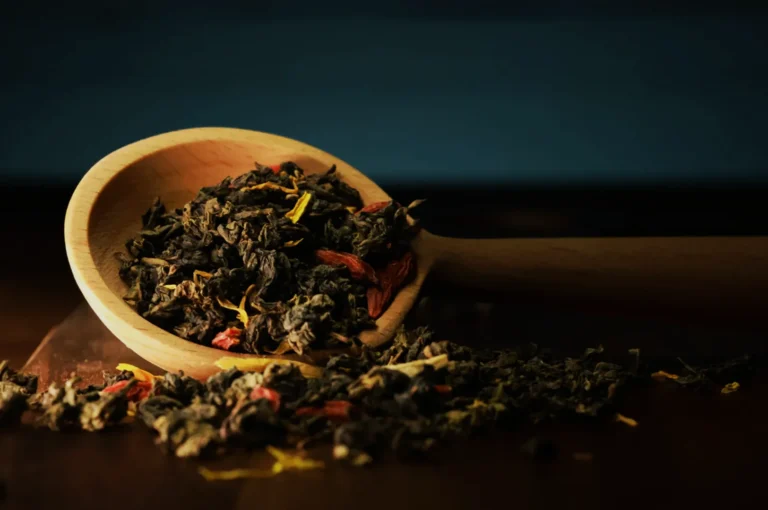
Instead of fresh flowers, it may suggest toasted grain, roasted nuts, honey, caramel, warm wood, charcoal, dried fruit, or baked sweetness. The body may feel deeper. The finish may last longer. The tea may feel more grounded after food.
Dong Ding, Wuyi rock tea, and traditionally roasted Tie Guan Yin are common examples of oolongs that can carry this warmer character.
Roasting changes the tea’s aroma and texture. A Food Chemistry paper on aroma, taste, and colour evolution in spring oolong tea looks at how these sensory qualities form and change across processing. In practical terms, roast is one of the clearest ways a maker can shift the mood of oolong.
A roasted oolong should not simply taste burnt. That is not depth.
Roast should reveal warmth and structure, not hide the leaf.
Brightness vs Warmth
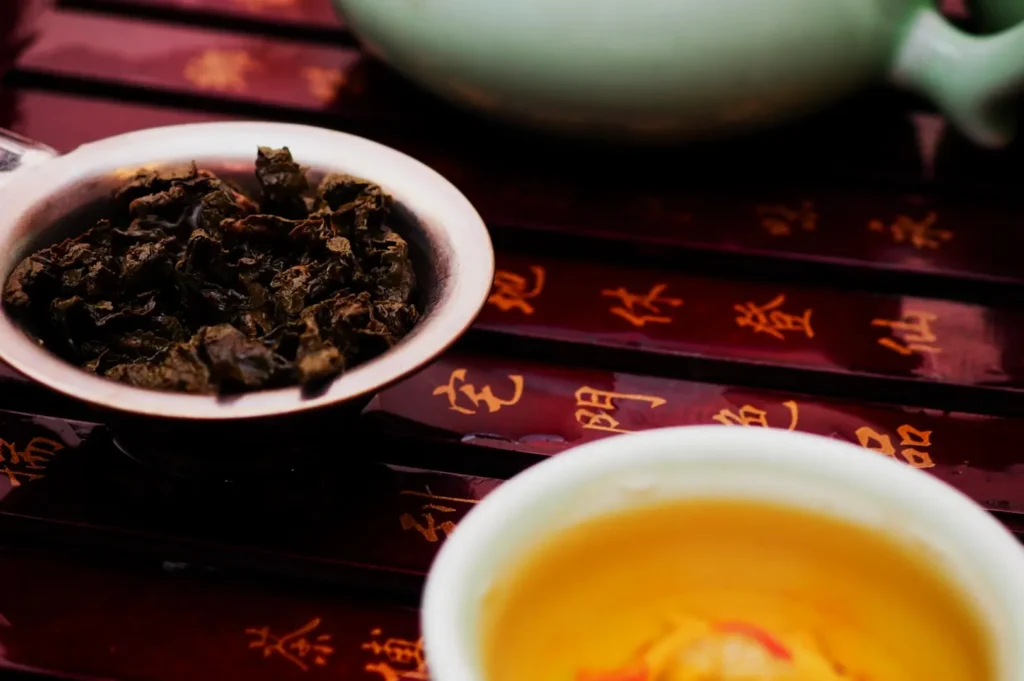
The easiest way to understand the difference is through mood.
Floral oolong feels bright. It lifts. It opens with aroma. It often feels graceful in the nose before the mouth has fully understood it.
Roasted oolong feels warm. It settles. It may begin with grain, toast, or mineral notes, then soften into sweetness after swallowing.
If floral oolong feels like morning air, roasted oolong feels like the room after the rain has stopped.
Neither is more refined. They simply ask for different kinds of attention.
Texture: Lightness vs Body
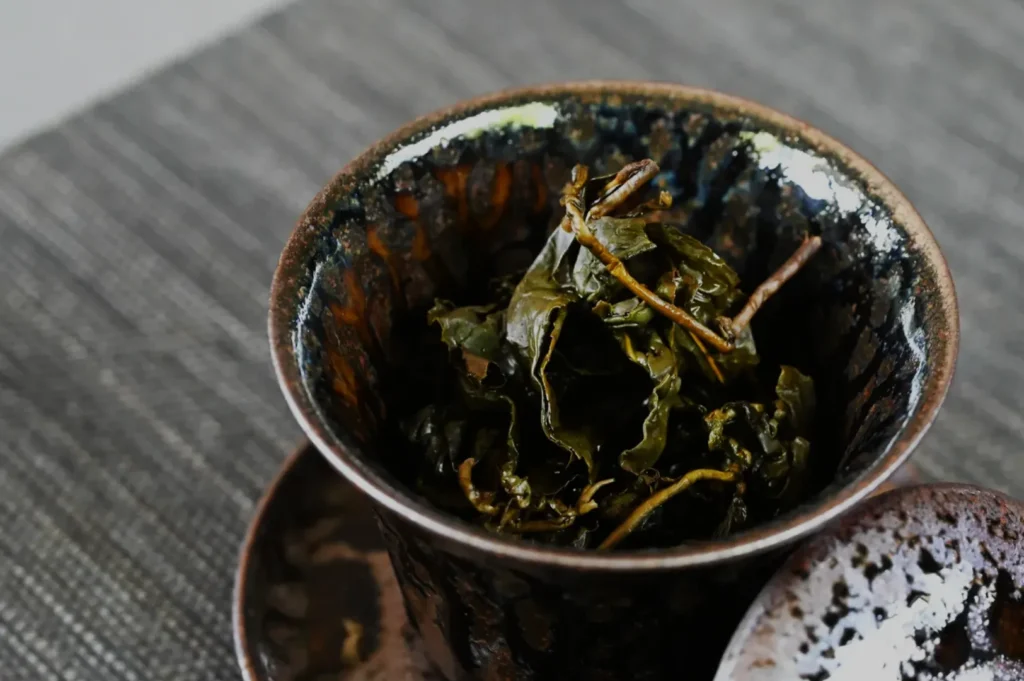
Floral oolongs often feel lighter, though good ones can still have body.
The texture may be smooth, creamy, or airy. The finish may be clean and fragrant. These teas often appeal to drinkers who enjoy elegance, lift, and quiet sweetness.
Roasted oolongs usually carry more weight. The texture may be rounded, dry, warm, or mineral. The finish can feel longer and more structured.
A Serious Eats guide to oolong tea describes oolongs as ranging from buttery florals to deeper roasted notes, with oxidation and roasting shaping the final character. That range is exactly why oolong cannot be understood through one tasting note.
Which One Is Better for Beginners?
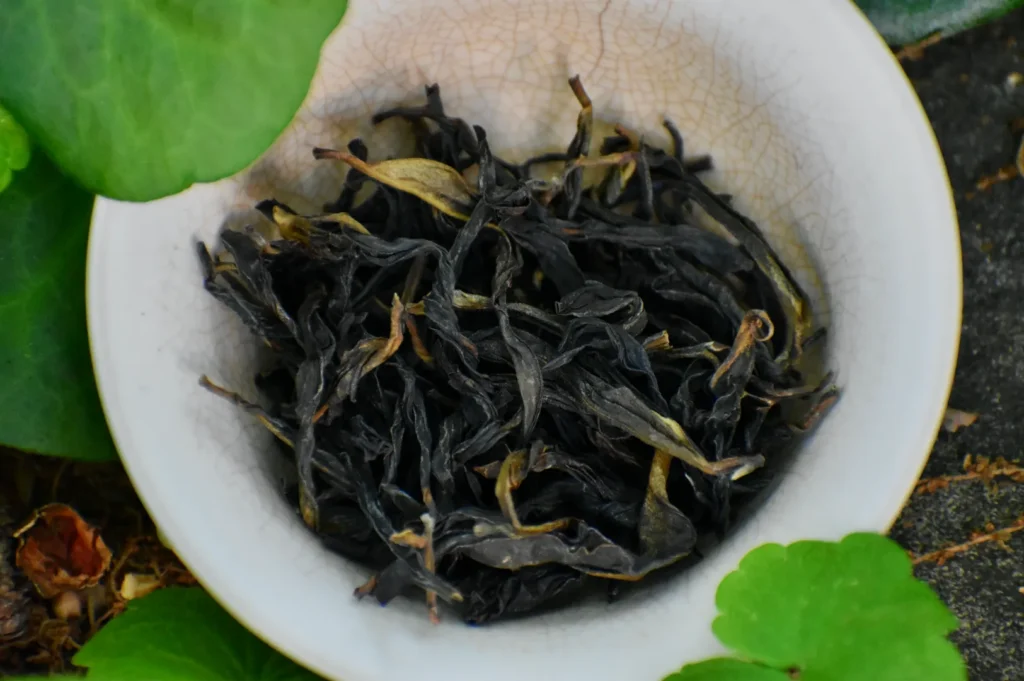
Floral oolong is often easier for beginners who enjoy fragrance.
It is inviting. It gives something clear to notice. A good floral oolong can make the first tea session feel immediate without becoming too heavy.
Roasted oolong may suit beginners who already enjoy coffee, toasted flavours, roasted grains, darker honey, or black tea. It can feel more familiar to those who want warmth rather than perfume.
The better choice depends on the drinker.
Choose floral oolong if you want freshness, lift, and aroma.
Choose roasted oolong if you want warmth, depth, and a more grounded finish.
The best beginner oolong is the one that makes you curious enough to take a second cup.
Which One Works Better After Food?
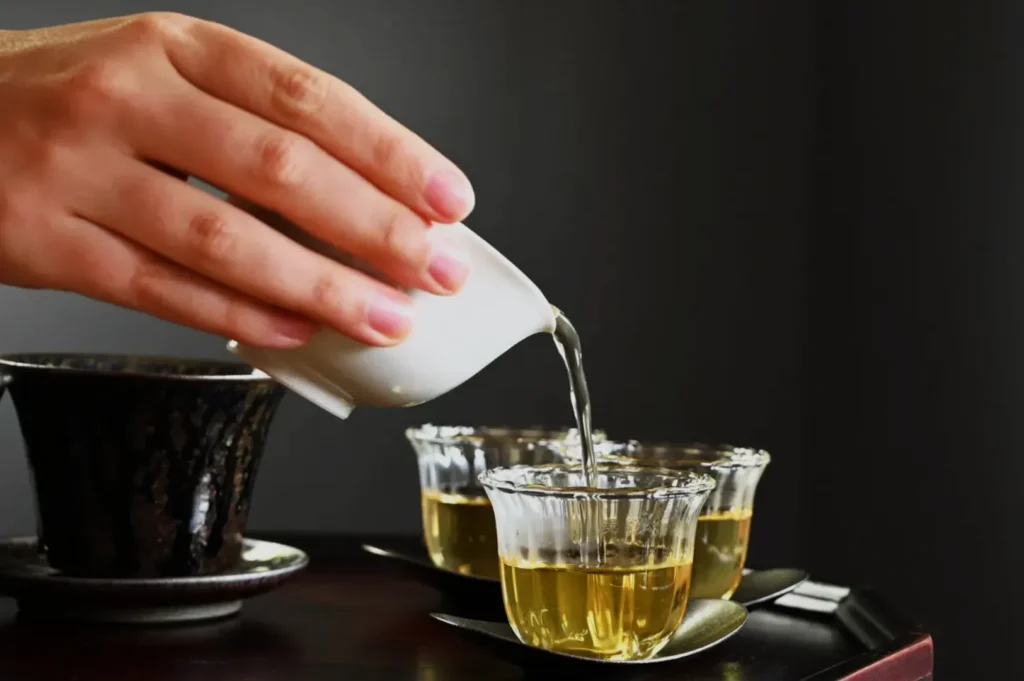
Roasted oolong often works beautifully after food.
Its warmth and structure can feel satisfying after richer dishes. It can clear the palate without feeling thin. The roast gives the tea enough presence to stand beside savoury, fried, smoky, or lightly sweet flavours.
Floral oolong can work better with lighter food, fruit, soft desserts, or moments when you do not want the tea to feel too heavy.
This is not a strict rule. It is a starting point.
At Tea Room by Ki-setsu, we often see guests understand oolong more clearly when tasting styles side by side. Floral tea teaches lift. Roasted tea teaches depth. Together, they show how much choice exists inside one category.
Brewing Differences
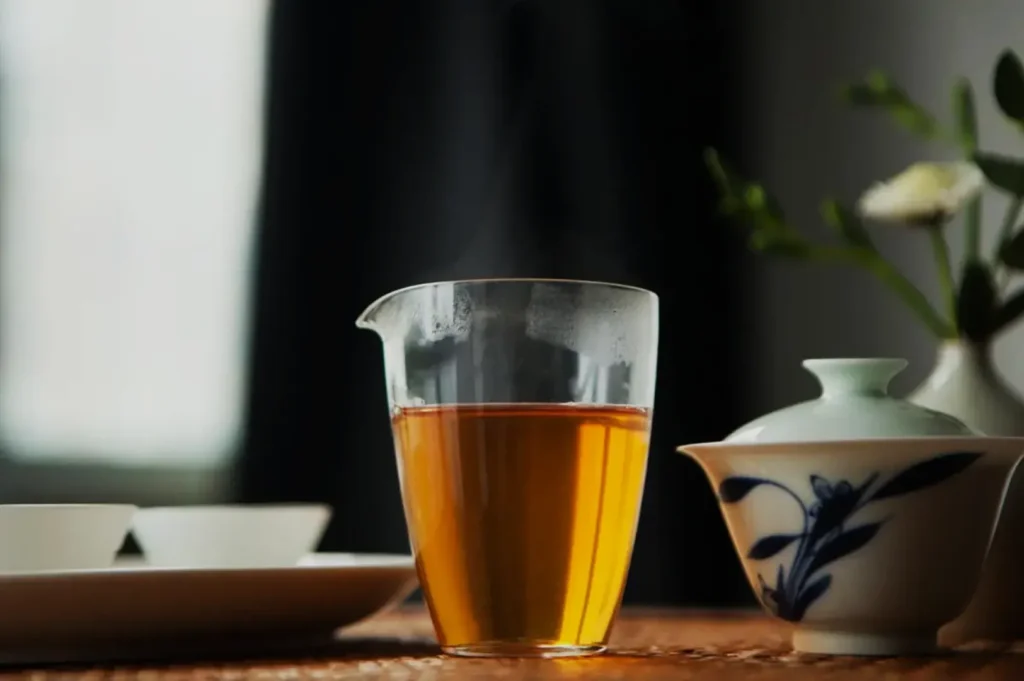
Floral oolong is often more sensitive.
Water that is too hot or steeping that is too long can flatten the fragrance and bring bitterness forward. Short infusions and slightly gentler water help preserve lift.
Roasted oolong can usually handle more heat. It often needs stronger water to open its body, roast, and mineral character. Short infusions still matter, but the tea may feel more forgiving than a delicate floral oolong.
The same brewing method will not always suit both.
A floral oolong asks to be protected. A roasted oolong asks to be opened.
What to Avoid When Choosing
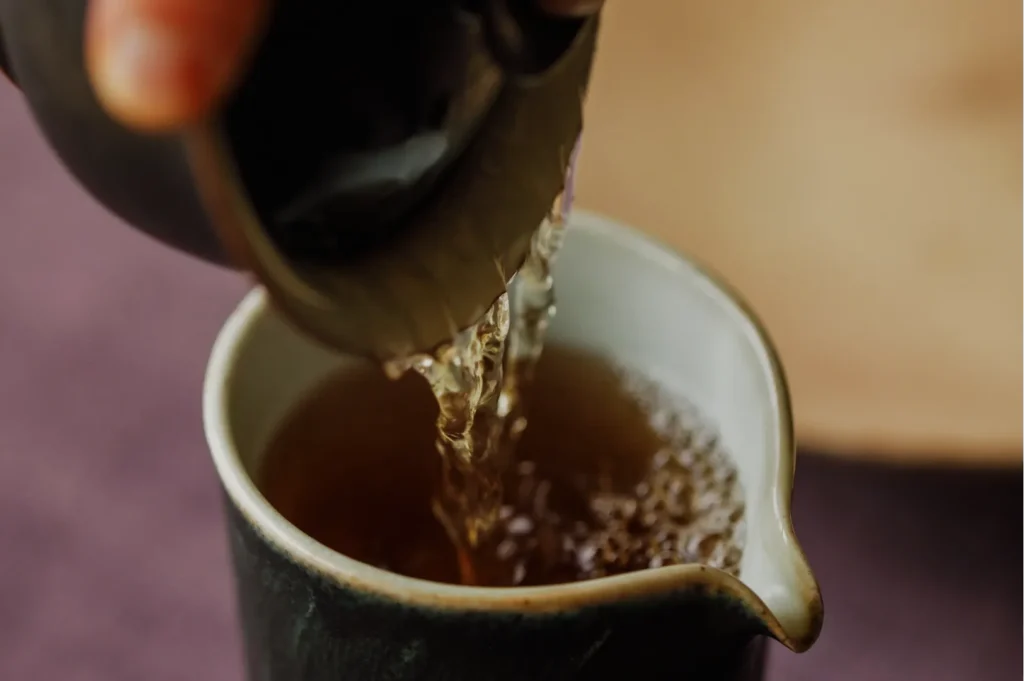
Do not choose floral oolong only because it sounds elegant.
Some floral oolongs are thin, overly green, or artificially scented. The aroma should feel integrated into the tea, not pasted onto it.
Do not choose roasted oolong only because it sounds serious.
Some roasted oolongs are over-roasted, flat, or dry. Heavy roast is not automatically quality. A good roast should still leave room for sweetness, texture, and return.
Tea should not be judged by labels alone.
Final Thought
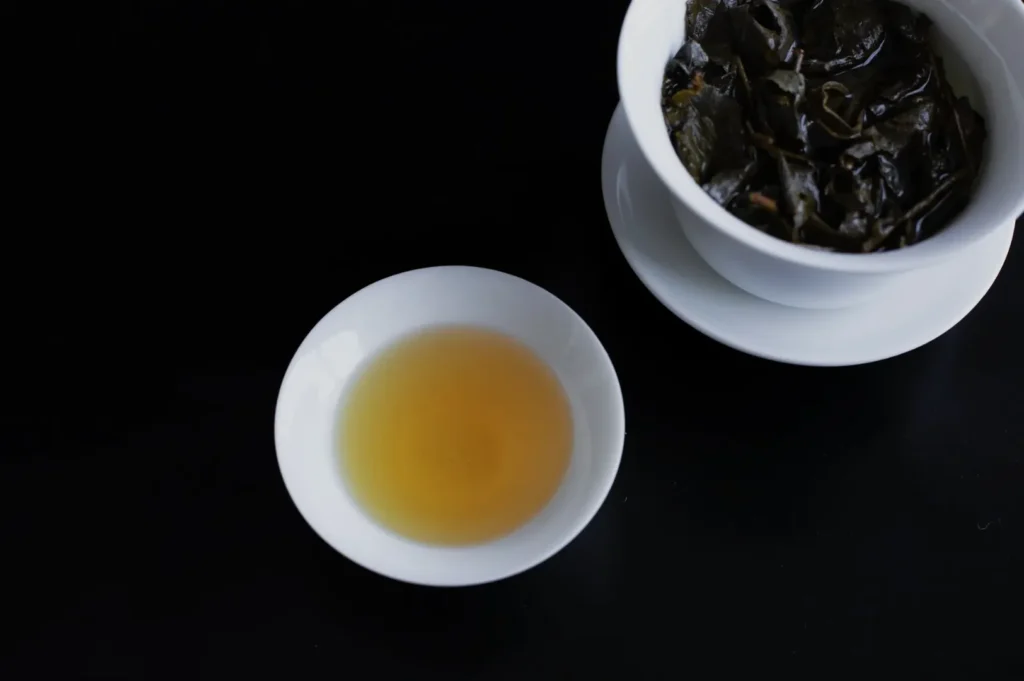
Roasted oolong and floral oolong show two beautiful sides of the same category.
Floral oolong is bright, aromatic, and lifted. Roasted oolong is warm, structured, and grounded. One rises. The other settles.
Neither is better. Both can be graceful when made well.
The difference is not simply flavour. It is the way each tea changes the room around the drinker.
For those beginning with oolong, tasting one floral and one roasted tea side by side is one of the clearest ways to understand the category. The same leaf family can carry light and warmth, fragrance and depth, spring and fire.