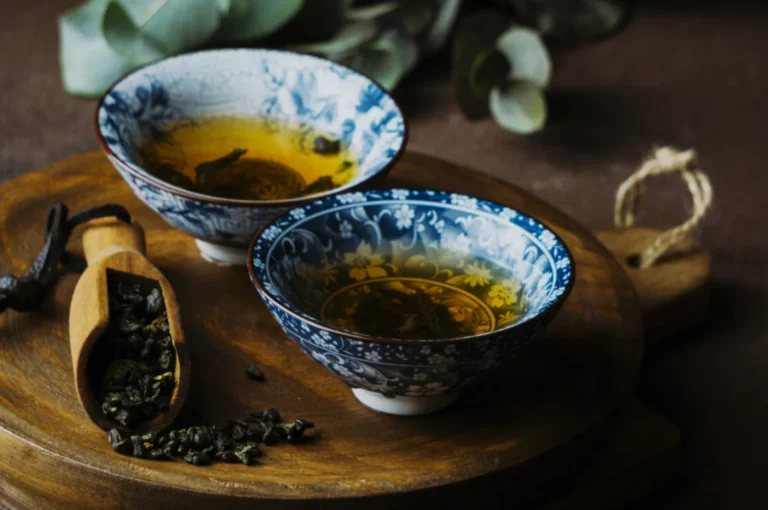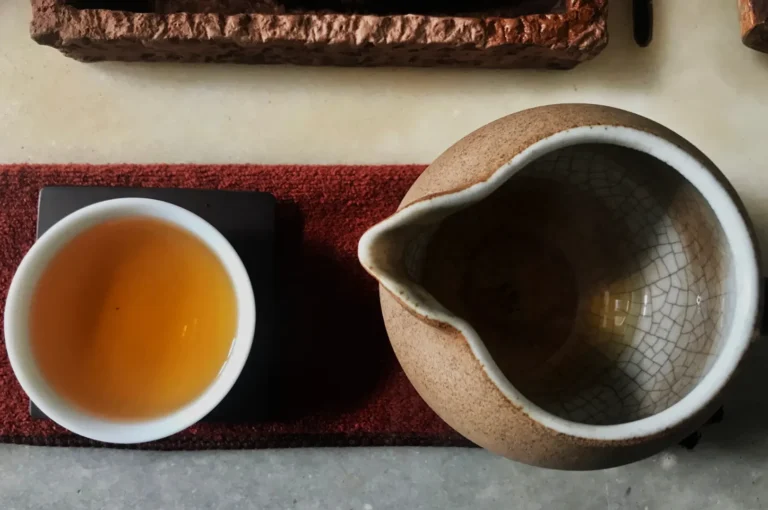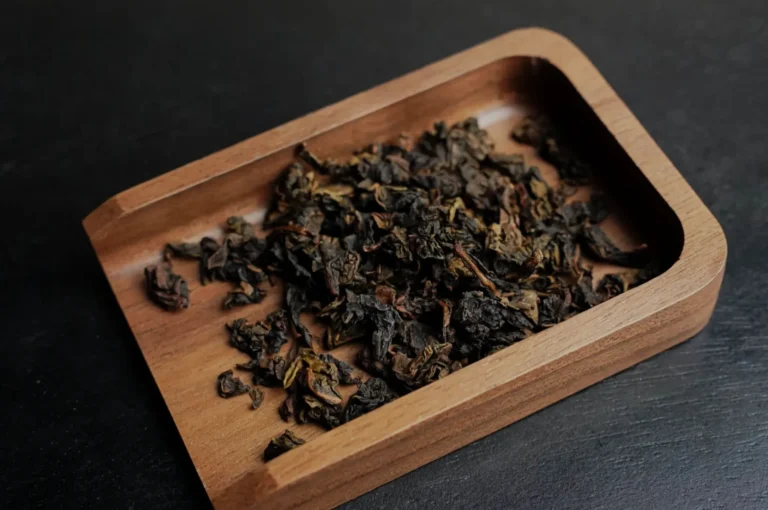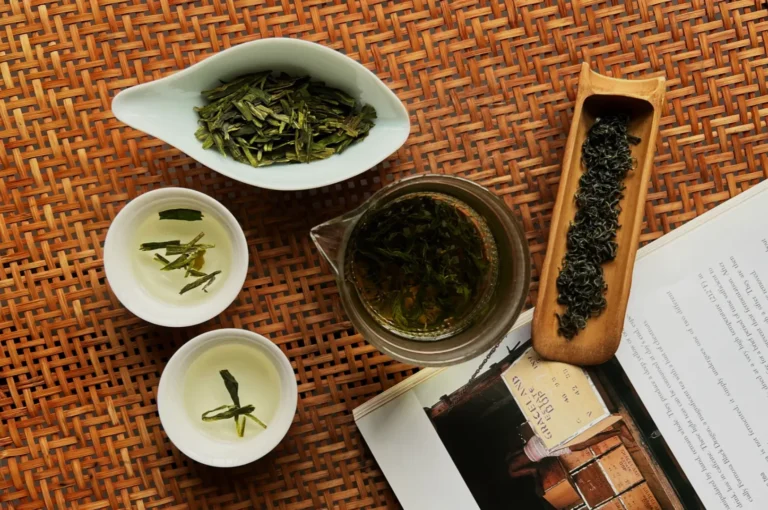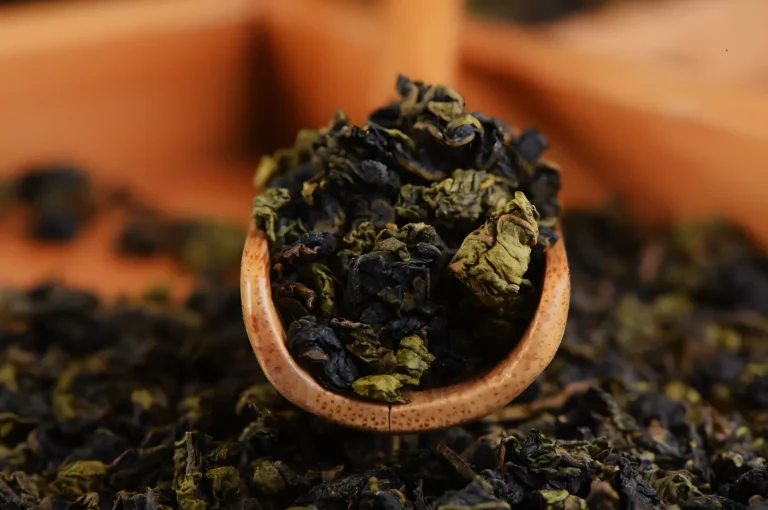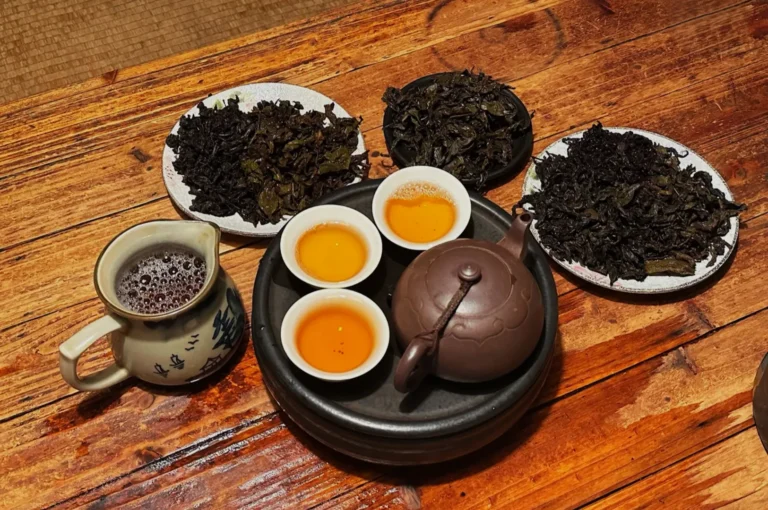
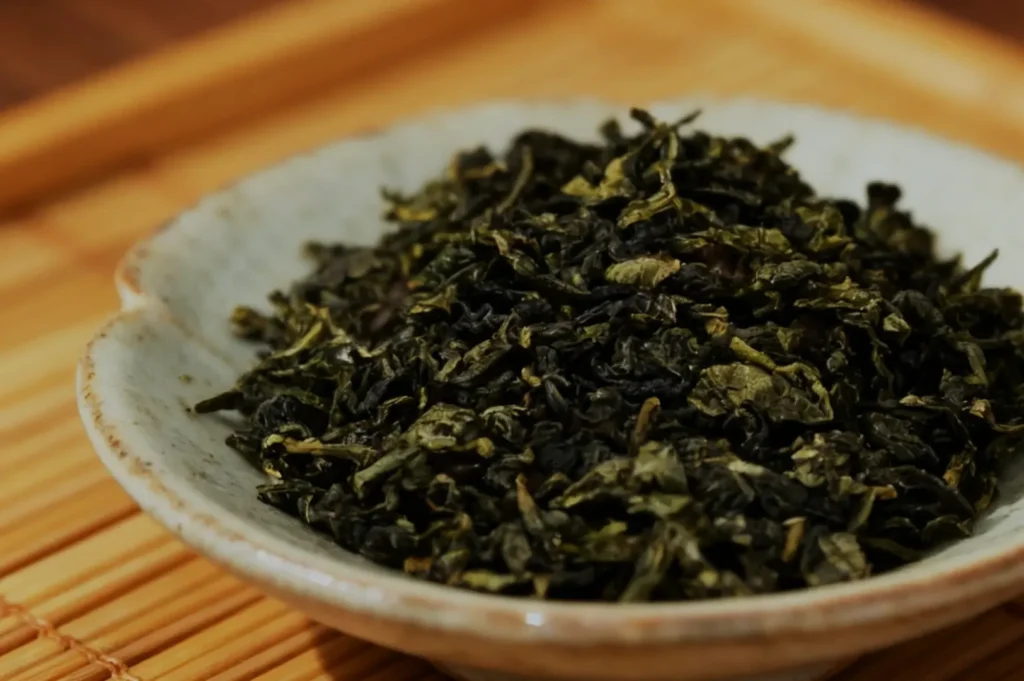
Tie Guan Yin tea is usually introduced warm.
The leaves open in hot water. The aroma rises. The cup moves from fragrance to body, from first brightness to softer finish. This is the traditional way many drinkers first understand Iron Goddess oolong.
But in Singapore, where warmth is never far away, cold brew Tie Guan Yin has its own quiet logic.
Cold water changes the tea. It slows extraction, softens bitterness, and lets fragrance appear more gently.
Cold brew Tie Guan Yin is not a replacement for hot tea. It is another way to hear the leaf.
For readers who want the wider foundation, we have written a Tie Guan Yin tea guide. This article focuses on cold brewing: taste, method, timing, and when it suits the day.
Why Cold Brew Works for Tie Guan Yin
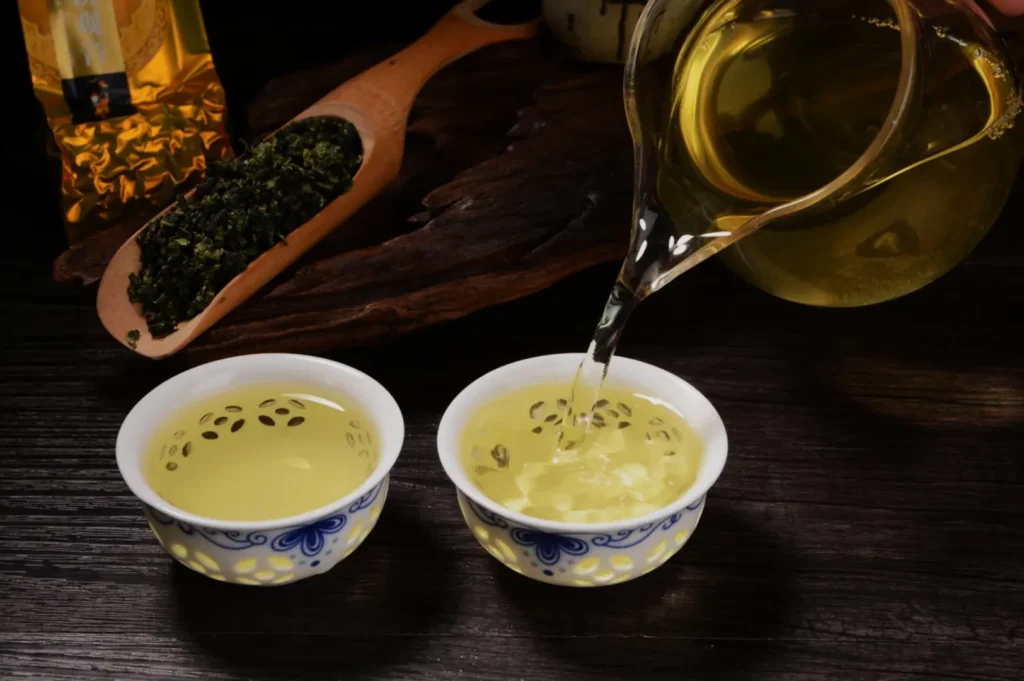
Tie Guan Yin already has a natural fragrance.
Light styles may suggest orchid, cream, fresh leaves, or soft sweetness. Cold brewing can preserve that gentle aroma while reducing harshness. The cup often feels smoother, cooler, and less bitter than a careless hot brew.
A PubMed Central study on alternative steeping methods compared hot, cold, and combined steeping methods across green, black, and oolong teas, noting that hot infusion has rapid extractive power while cold infusion works more slowly.
That slower pace is useful for Tie Guan Yin. It lets the tea open without being pushed.
What Cold Brew Tie Guan Yin Tastes Like
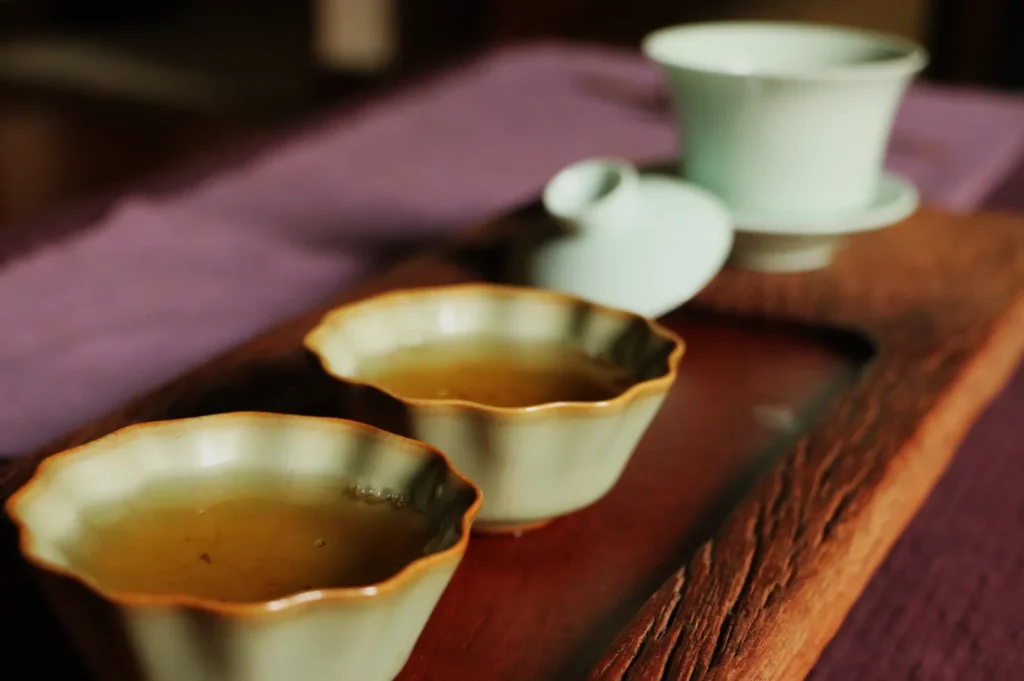
Cold brew light Tie Guan Yin often tastes soft, floral, and clean.
The orchid note may be quieter than in hot brewing, but the texture can feel smoother. The sweetness may appear more clearly because bitterness stays restrained.
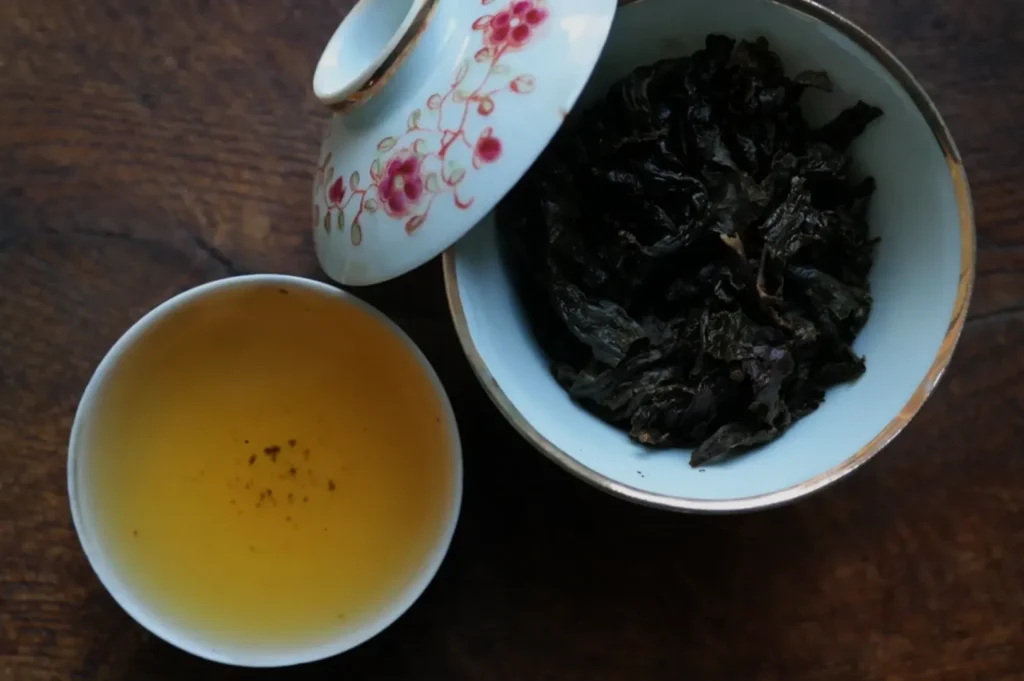
Cold brew roasted Tie Guan Yin feels different. It may carry light toast, honey, grain, or a mellow roasted finish. The warmth of roast becomes cooler and more rounded.
Cold brewing softens the edges of Tie Guan Yin without removing its character.
This makes it especially suitable for warm afternoons, quiet work sessions, or guests who want tea without heaviness.
How to Cold Brew Tie Guan Yin
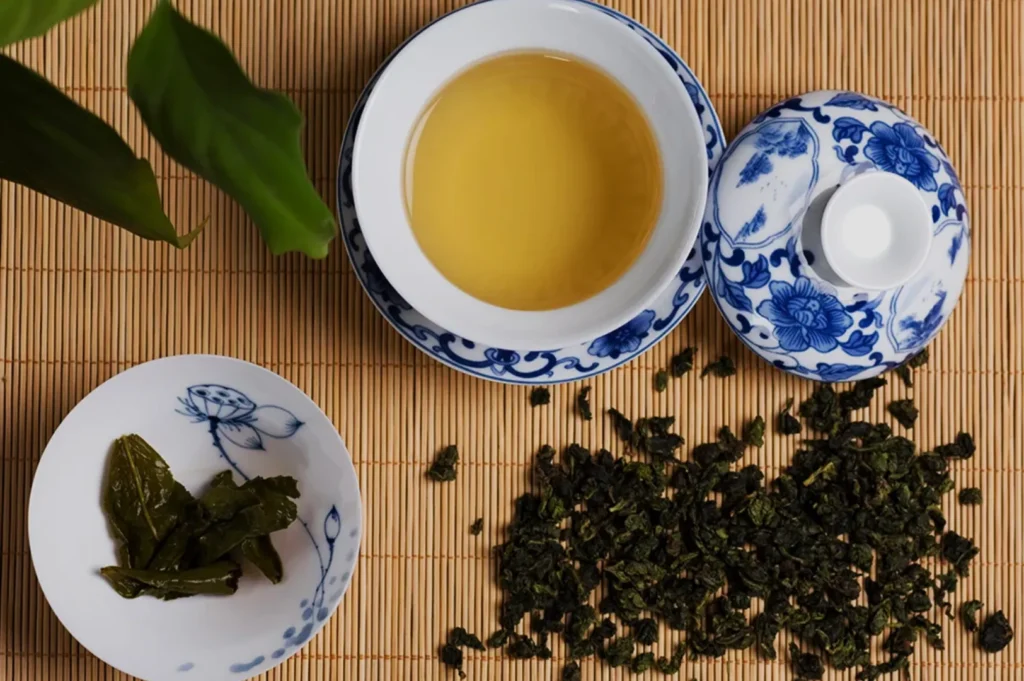
Use clean water and good leaves.
As a starting point, use 4 to 6 grams of Tie Guan Yin for 500 ml of water. Place the leaves in a clean bottle or covered vessel. Refrigerate for 4 to 8 hours. Taste before serving.
If the tea feels too light, use more leaf or steep longer next time. If it feels too strong, shorten the time or reduce the leaf.
Do not add fruit or sweetener at first. Taste the tea plain before deciding whether it needs anything.
Most good Tie Guan Yin does not.
Does Cold Brew Tie Guan Yin Have Caffeine?
Yes.
Cold brew Tie Guan Yin still contains caffeine, though extraction depends on time and temperature. A study on cold-water tea steeping found that caffeine and catechins increased with steeping time in cold water, but extraction rates were lower than hot-water steeping.
This means cold brew may feel softer, but it is not caffeine-free.
If you are sensitive to caffeine, drink it earlier in the day.
What to Avoid
Do not leave cold brew Tie Guan Yin sitting at room temperature for hours.
Use a clean vessel, steep in the refrigerator, and drink it while fresh. Avoid using stale leaves and expecting cold water to rescue them.
Do not overcomplicate the tea with too many additions. Citrus, honey, or fruit can be pleasant, but they can also hide the leaf.
At Tea Room by Ki-setsu, we prefer to begin plainly. Let the tea speak first. Add only if there is a reason.
Final Thought
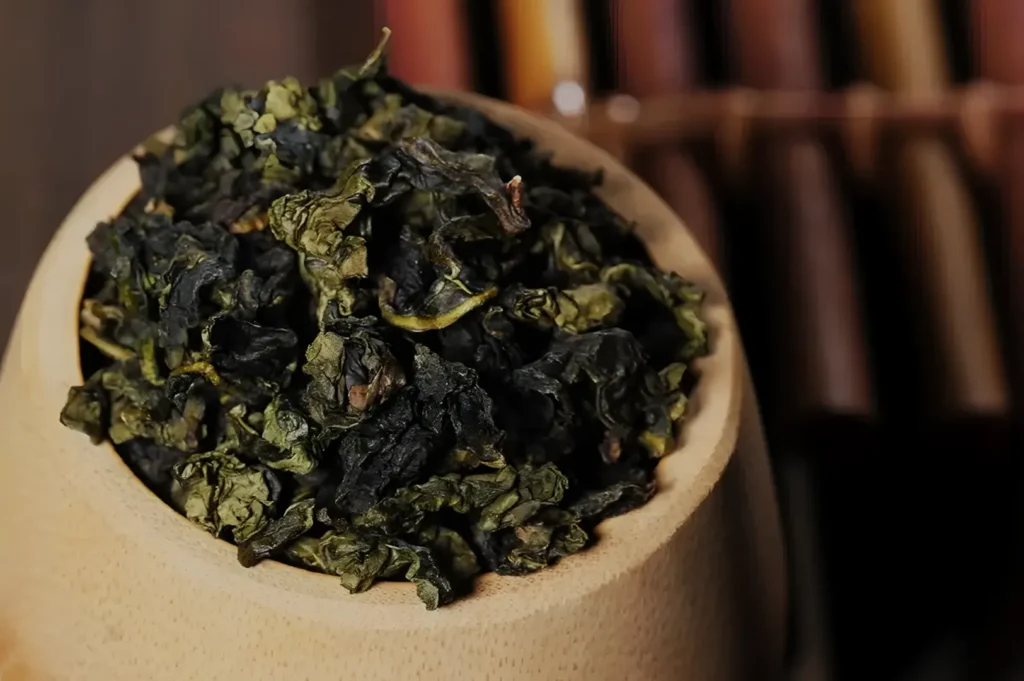
Cold brew Tie Guan Yin offers a softer way to taste Iron Goddess oolong.
It is cooler, smoother, and often gentler in bitterness. Light styles show orchid and cream more quietly. Roasted styles become mellow and rounded.
Hot tea gives Tie Guan Yin warmth and progression. Cold brew gives it clarity and ease.
The best method depends on the moment, not on a fixed rule.
For Singapore drinkers, cold brew Tie Guan Yin can become a graceful daily ritual: calm, refreshing, and still deeply connected to the leaf.