The defining stage of yellow tea sounds simple when translated.
Seal the leaves. Let them yellow.
The reality is more sensitive.
Temperature, moisture, timing and the condition of the leaf all influence what happens next.
Menhuang is not colouring. It is controlled transformation.
Our Chinese yellow tea guide gives the complete category overview. Here, we stay with the craft.
Yellow Tea Begins Close to Green Tea
Fresh leaves are harvested and heated to reduce enzyme activity.
Depending on the style, the tea may then be rolled, shaped or partially dried.
Until this point, the process can resemble green tea.
Then the paths divide.
Menhuang Changes the Direction
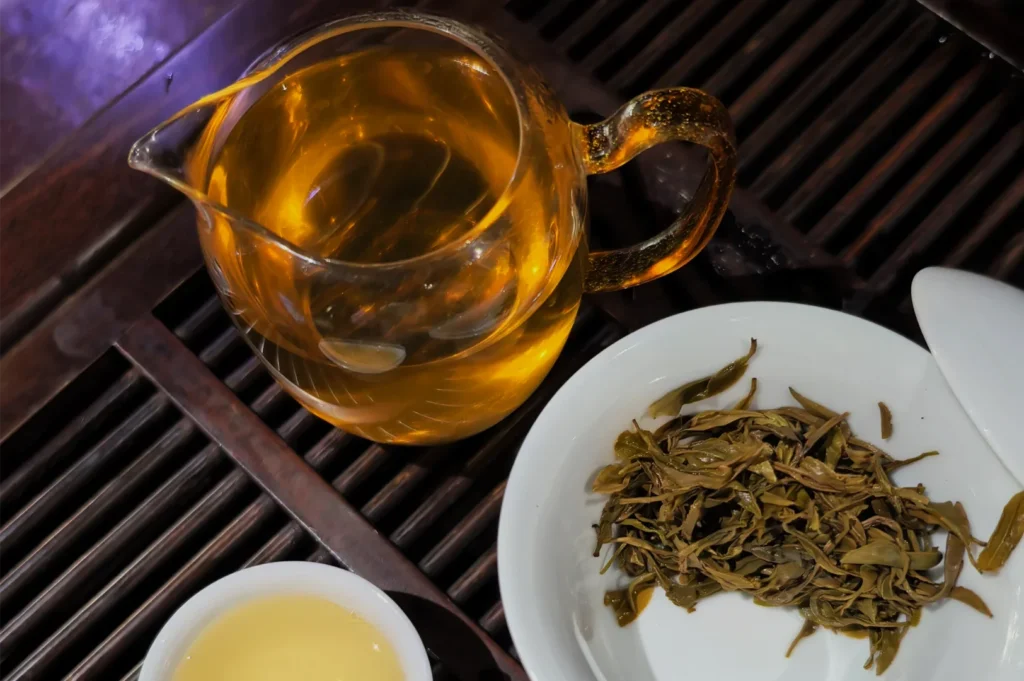
During menhuang, tea leaves are held in a warm, humid environment.
They may be wrapped, piled or covered depending on the regional method.
A study tracking yellow-tea processing found that yellowing significantly changed chemical composition, producing a sweeter, mellower profile than comparable green tea.
Another study found yellowing particularly important in regulating sweetness.
The leaves are doing more than changing colour.
Temperature and Humidity Matter
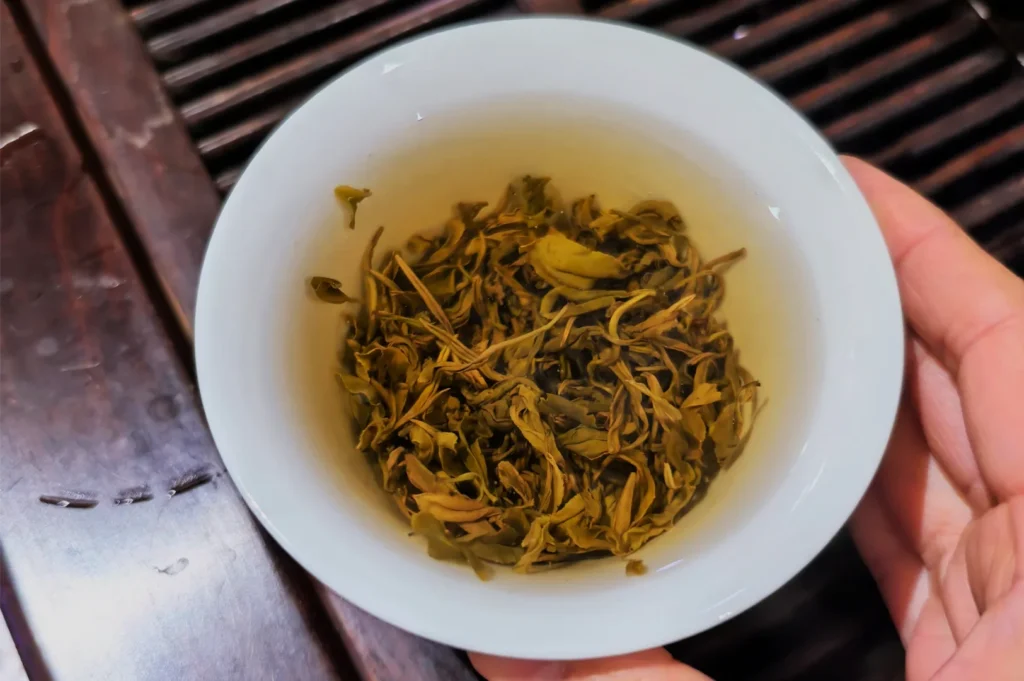
Yellowing cannot simply be extended indefinitely.
A study examining different yellowing environments found meaningful differences in infusion colour, bitterness, mellowness and aroma depending on temperature and humidity.
This is where craft becomes judgement.
The maker is managing a moving target.
Too little transformation leaves sharpness. Too much can flatten the tea.
What Happens to Aroma?
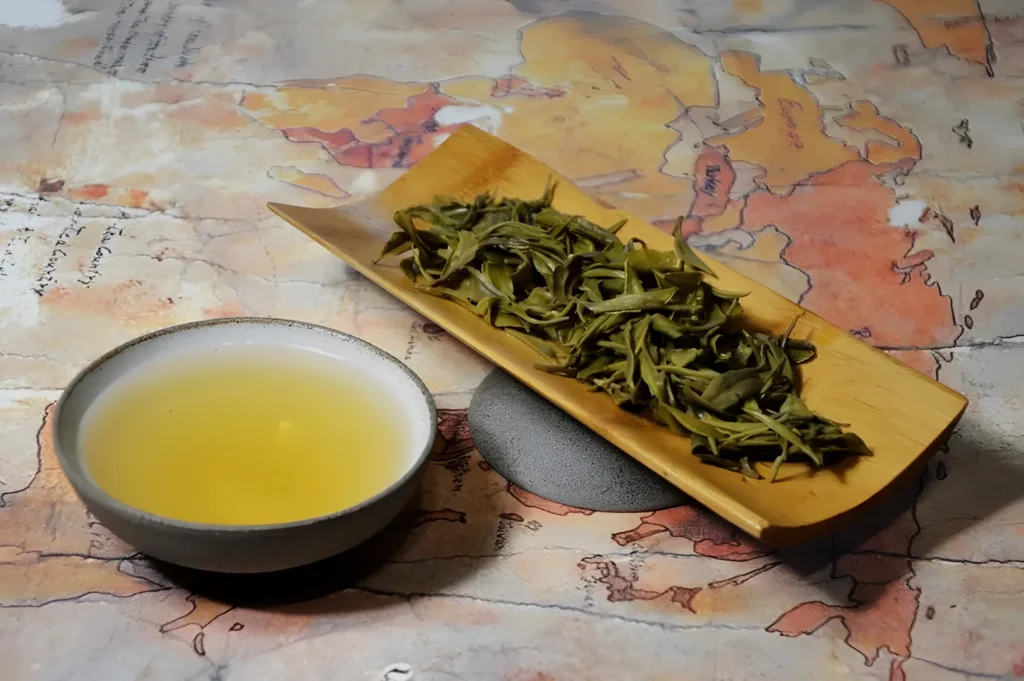
Menhuang also reshapes volatile compounds.
Research on Pingyang yellow tea found that sealed yellowing shifted the aroma away from the cleaner chestnut character associated with green tea and toward sweeter, fruitier and more floral impressions.
Larger-leaf yellow teas may later develop roasted or grain-like notes during firing.
The final aroma therefore comes from several stages working together.
Why This Matters to the Drinker
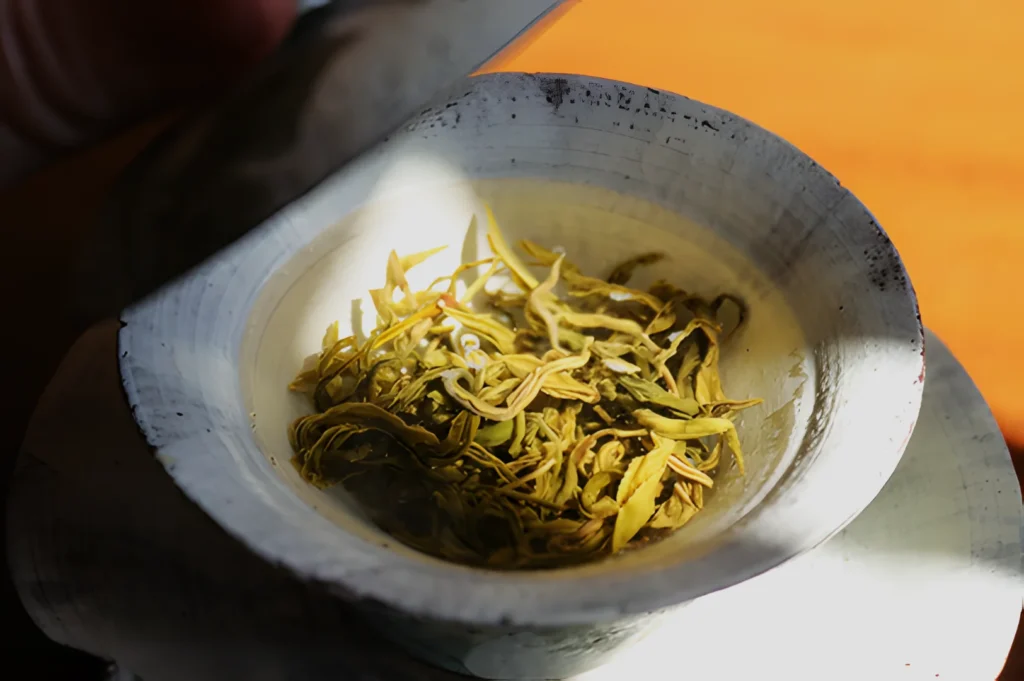
Once you understand menhuang, yellow tea becomes easier to taste.
Mellowness is not simply a lack of bitterness.
It is an intended outcome.
At Tea Room by Ki-setsu, we often return to processing when explaining premium Chinese tea. A leaf’s character is partly agricultural and partly the result of decisions made after harvest.
Yellow tea makes that relationship especially visible.
Final Thought
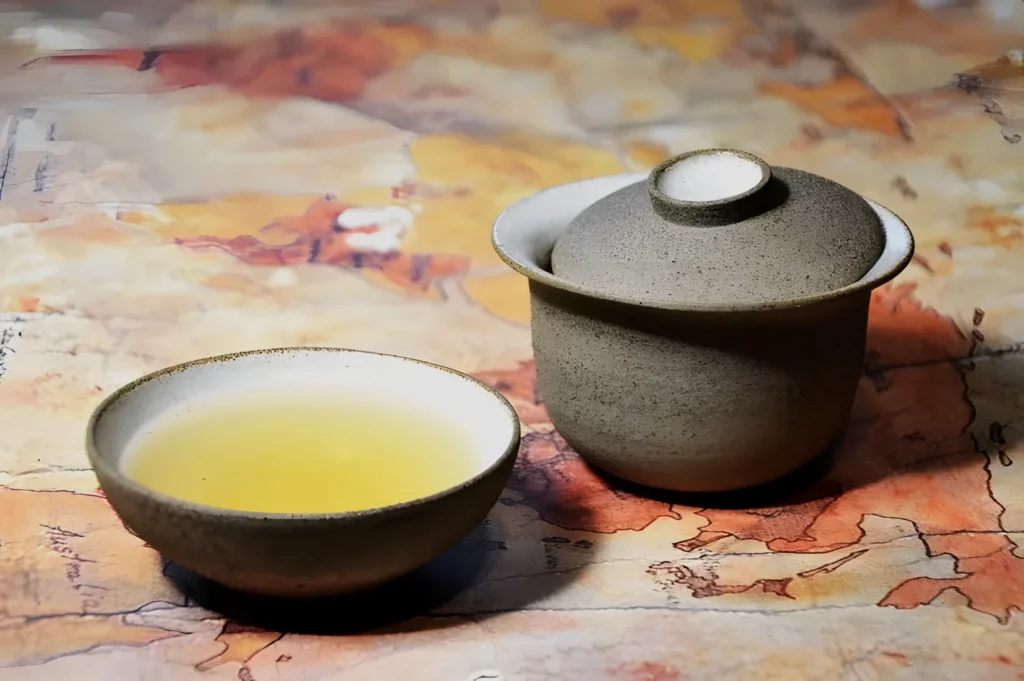
How is yellow tea made?
Through familiar tea-making steps followed by one unusually important pause.
Warmth. Moisture. Time. Judgement.
Menhuang asks the maker to know when transformation has become enough.
That restraint is the heart of yellow tea craftsmanship.