Da Hong Pao is not made by oxidation alone.
Its identity depends on a sequence of decisions: withering, handling, oxidation, shaping, and roast. Remove the roast and you remove much of what makes the tea recognisable. Mishandle oxidation and the tea may lose either lift or depth. Da Hong Pao is one of the clearest examples of craft shaping character, which is why the tea cannot be understood only through legend or mountain origin. It also has to be understood through process.
At Tea Room by Ki-setsu, we think the making of Da Hong Pao is part of why the tea feels so composed in the cup. For readers who want the broader cultural and historical frame first, our guide to Big Red Robe tea history and character offers that larger introduction. This article focuses on the process itself.
Withering Begins the Softening
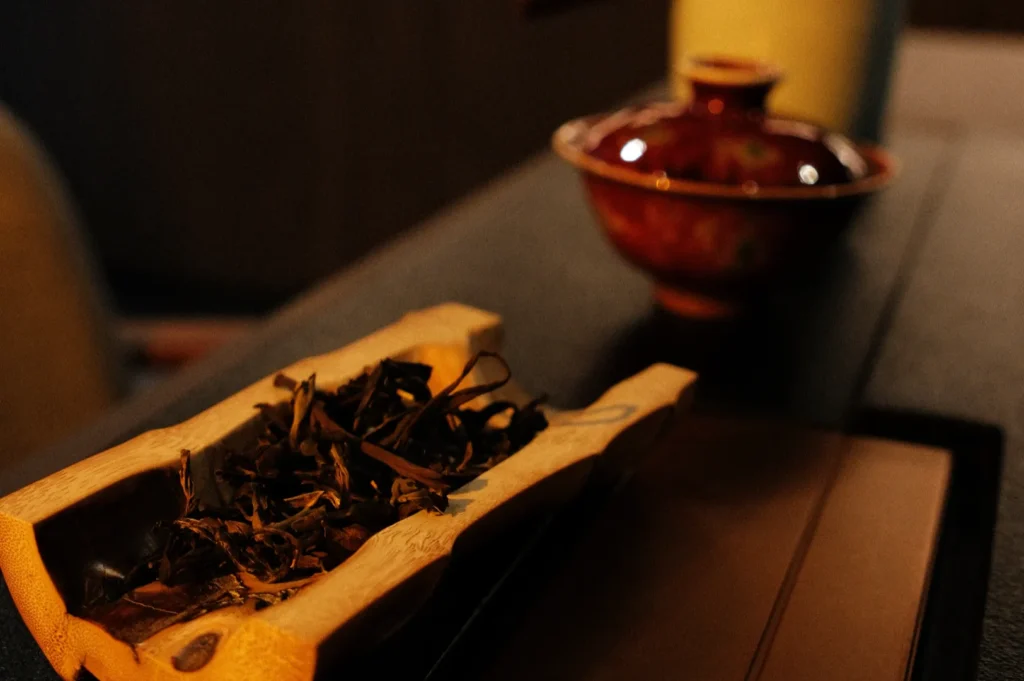
The making of Da Hong Pao begins with controlled change, not force.
Freshly picked leaves do not yet carry the deep roast, mineral calm, or layered finish people associate with the tea. They first need to soften. Withering reduces rigidity in the leaf and prepares it for the next stages of transformation. This stage is quiet, but it matters deeply. If the leaves are not guided well here, everything later becomes harder to control.
Good withering gives the tea flexibility. It allows the leaf to move toward oxidation without becoming bruised in a careless way. At Tea Room by Ki-setsu, we think this early stage is often overlooked because it looks simple from the outside. Yet it is where the leaf first begins to lose raw greenness and develop the conditions for complexity.
A refined Da Hong Pao does not begin with fire. It begins with patience.
Oxidation Gives the Tea Its Middle Register
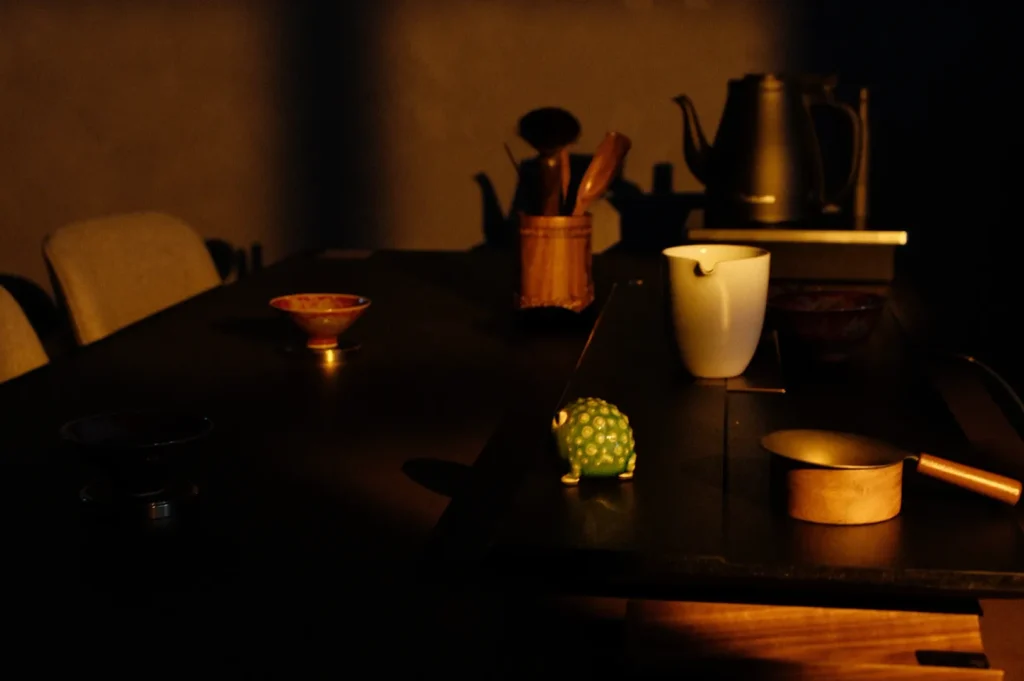
Da Hong Pao is neither a green tea nor a black tea. It belongs to the oolong family, where oxidation sits in a carefully managed middle ground.
This middle ground is one of the reasons the tea can carry both floral lift and deeper roast. Too little oxidation and the tea may remain too green or narrow for the roast to settle properly later. Too much and the tea may lose the restraint and layered tension that makes yancha so compelling. Oxidation is not only a technical step. It is where a great deal of the tea’s future balance is decided.
At Tea Room by Ki-setsu, we often think of oxidation as the stage that prepares the tea’s internal conversation. Roast may later shape the structure, but oxidation gives the leaf the capacity to hold more than one direction at once. This is part of why a convincing Da Hong Pao can feel both grounded and lifted.
Shaking, Resting, and Repeating the Movement
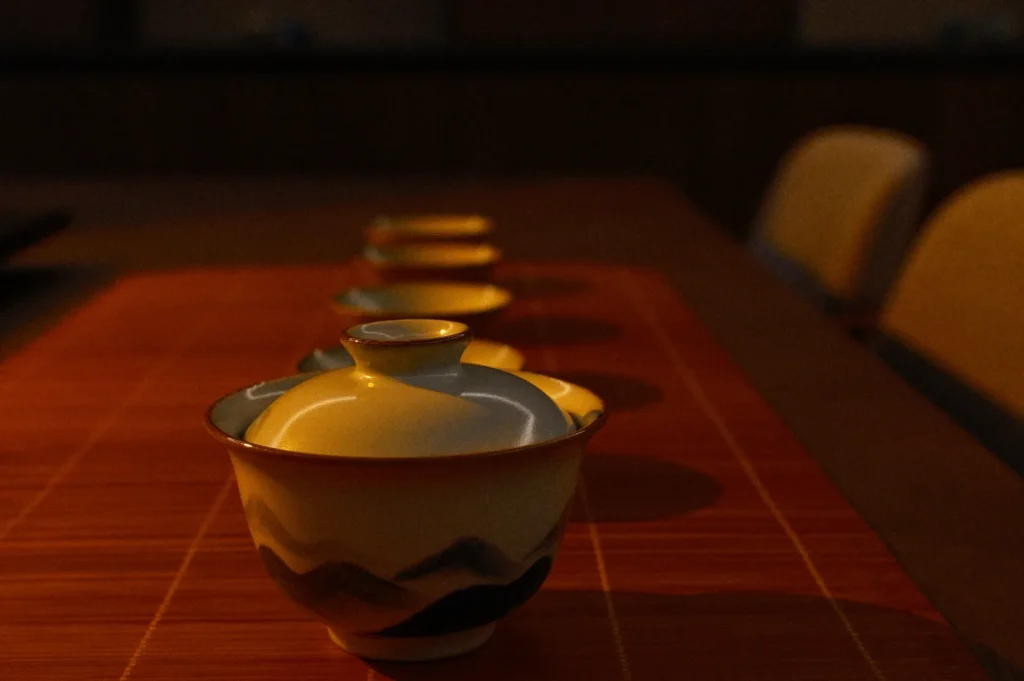
In oolong processing, the leaf is not pushed in a straight line.
It is moved, rested, and observed. Handling is often gradual. The leaves are encouraged toward transformation through cycles rather than brute force. This matters because Da Hong Pao is not meant to become one-dimensional. The making of the tea depends on careful transitions, not abrupt treatment.
These repeated movements allow the leaf to evolve while preserving the possibility of nuance. A coarser process would produce a coarser tea. A more disciplined process keeps open the possibility of floral lift, roast integration, and textural continuity later in the cup.
Da Hong Pao is persuasive because so much of its making depends on control without stiffness.
Shaping the Leaf Matters More Than It First Appears
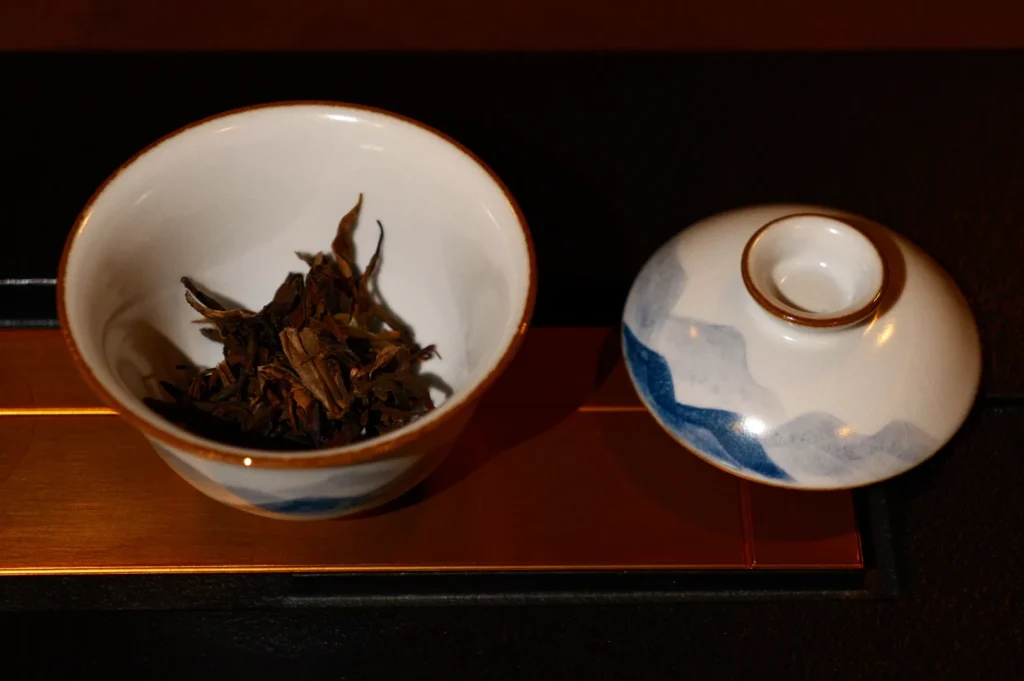
Once the leaves have moved through withering and oxidation, shaping becomes more than a visual matter.
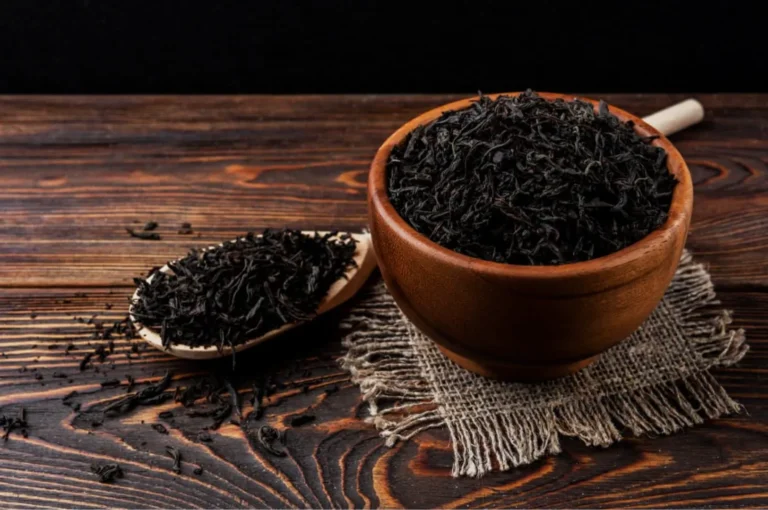
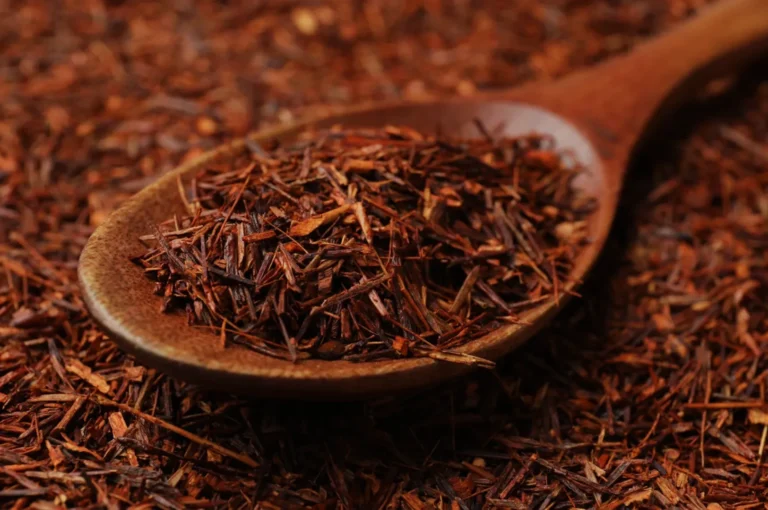
The leaf’s form affects how it dries, how it receives roast, and how it later opens in the vessel. Da Hong Pao is often recognisable by its dark, twisted, rope-like leaves. But this is not merely an aesthetic signature. It reflects how the tea has been handled and how its structure has been prepared for the final stages.
At Tea Room by Ki-setsu, we think this is one of the quieter forms of craftsmanship. Many drinkers notice the shape of the dry leaf but do not always connect it to the cup. Yet the tea’s later composure often begins here. A leaf that is handled well tends to open with more clarity and more internal continuity once brewed.
Charcoal Roasting Is Where Da Hong Pao Becomes Itself
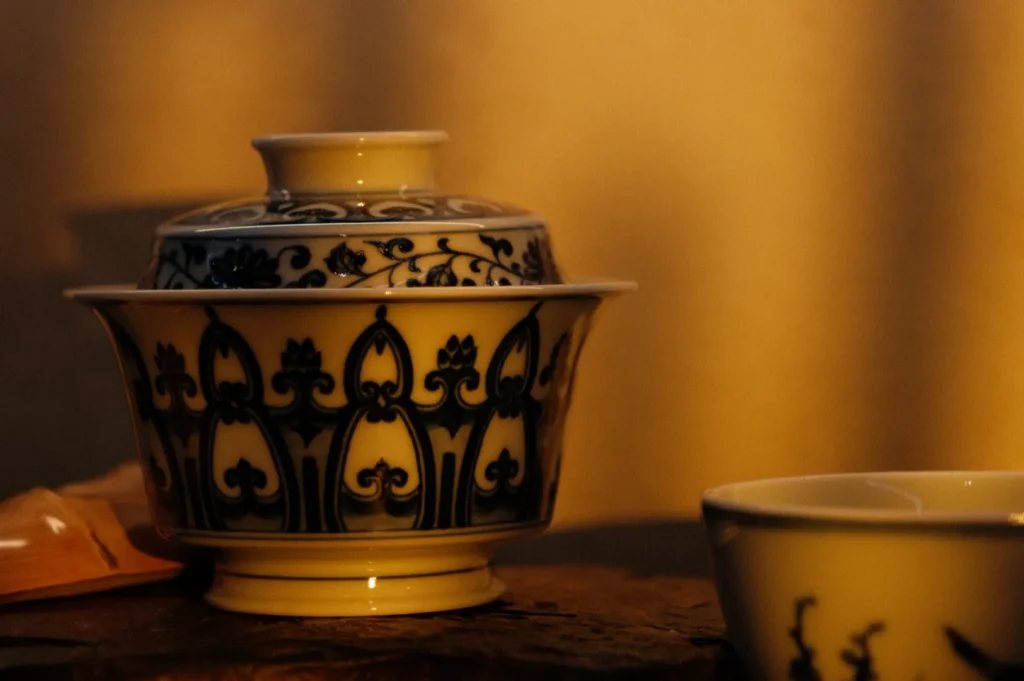
Roast is not decoration in Da Hong Pao. It is part of the tea’s identity.
This is where the tea often becomes recognisable as yancha. A good roast does not merely darken flavour. It integrates structure, aroma, and finish. It gives warmth without suffocating the leaf’s finer qualities. In strong hands, charcoal roasting can deepen the tea while still leaving room for orchid lift, mineral presence, and aftertaste. In weaker hands, roast becomes a mask.
This is one of the great dividing lines in Da Hong Pao. A tea can smell impressive through fire alone, yet feel hollow beneath it. Another tea may seem quieter in the opening and then reveal much greater complexity because the roast has entered the leaf properly rather than covering it.
At Tea Room by Ki-setsu, we return often to this distinction because Da Hong Pao is persuasive when the roast feels like architecture, not decoration. The fire should hold the tea together. It should not become the entire conversation.
Roast Needs Restraint as Much as Skill
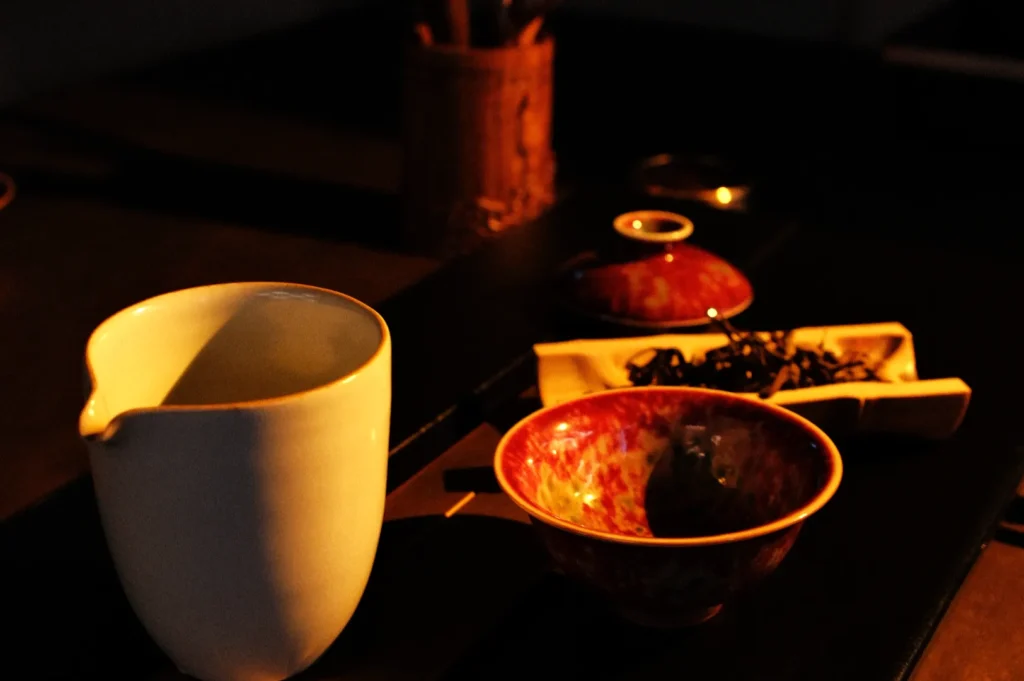
It is easy to imagine that stronger roast means greater seriousness. That is not always true.
An overly aggressive roast may flatten the floral register, reduce the tea’s flexibility, and make the finish feel shorter or rougher. A more accomplished roast does not announce itself only through intensity. It shows itself through integration. The tea remains warm and grounded, but still breathable. Notes beyond roast are still allowed to emerge.
At Tea Room by Ki-setsu, we think this is one of the reasons Da Hong Pao deserves slow tasting. A less refined tea may offer roast and little else. A stronger tea lets the roast settle back enough for the rest of the leaf to become visible.
Drying, Resting, and the Final Composure
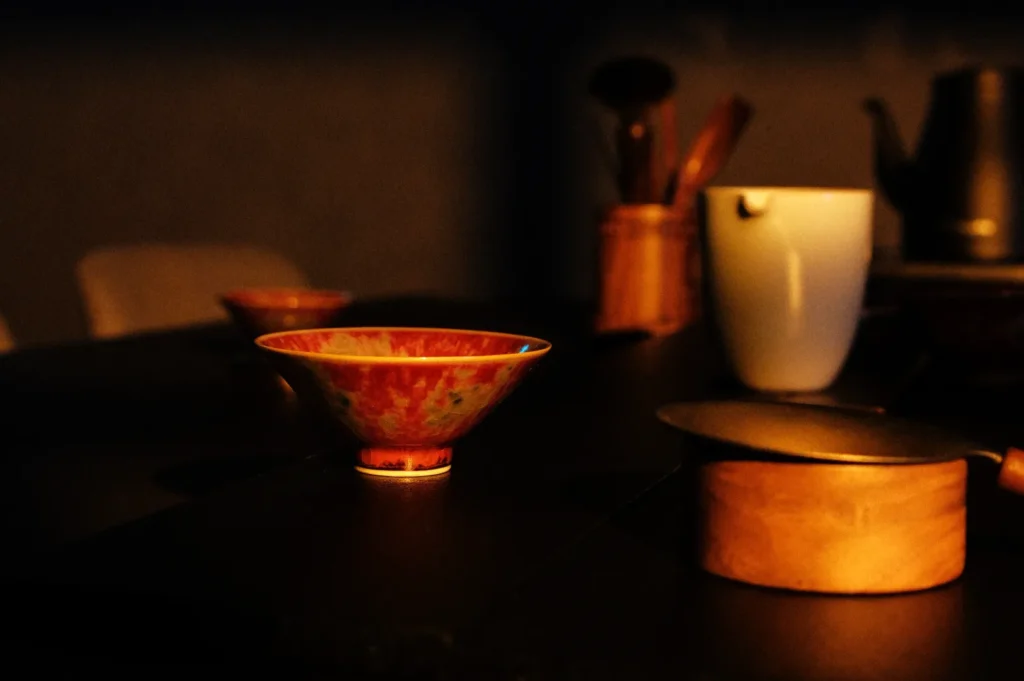
After the major stages of transformation, the tea still needs composure.
Drying stabilises the leaf. Resting allows the tea to settle. A tea that has been rushed toward market may still carry the marks of that haste. A tea that has been allowed to gather itself may feel calmer, more joined, and more convincing in the cup.
This matters because Da Hong Pao is a tea of integration. Its appeal does not come from one note alone. It comes from the way roast, oxidation, leaf quality, and mineral structure hold together across multiple infusions. The process does not create a single effect. It creates a system of effects that must remain in balance.
The finest Da Hong Pao is rarely the tea that feels most dramatic at first. It is usually the tea whose making has allowed the leaf to remain coherent from dry leaf to aftertaste.
Why Craft Still Matters
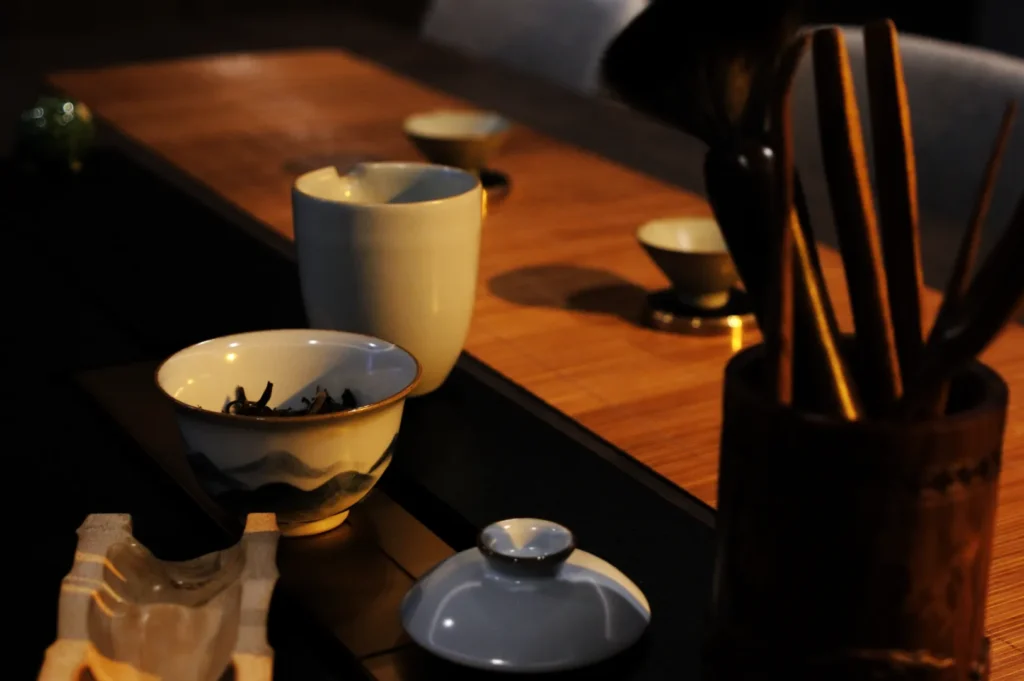
Da Hong Pao has legend behind it, but it survives through craft.
Without good making, the name becomes little more than a borrowed aura. With good making, the tea can justify its reputation through the cup itself. The leaf opens with purpose. The roast feels settled. The liquor has shape. The finish lasts.
At Tea Room by Ki-setsu, we think this is why understanding process matters. It reminds us that famous tea is still tea. It still depends on decisions, discipline, and attention. Da Hong Pao is not memorable because it has a story. It is memorable because careful hands have given the leaf enough structure to carry that story convincingly.
Suggested URL Slug: /how-da-hong-pao-is-made/