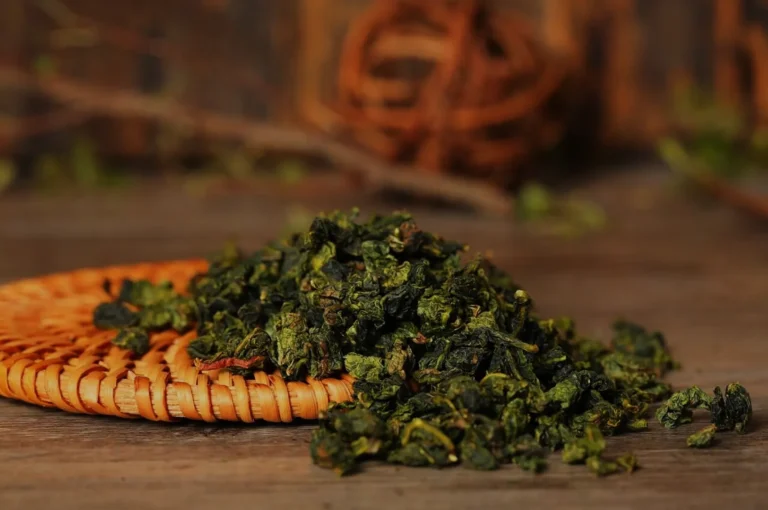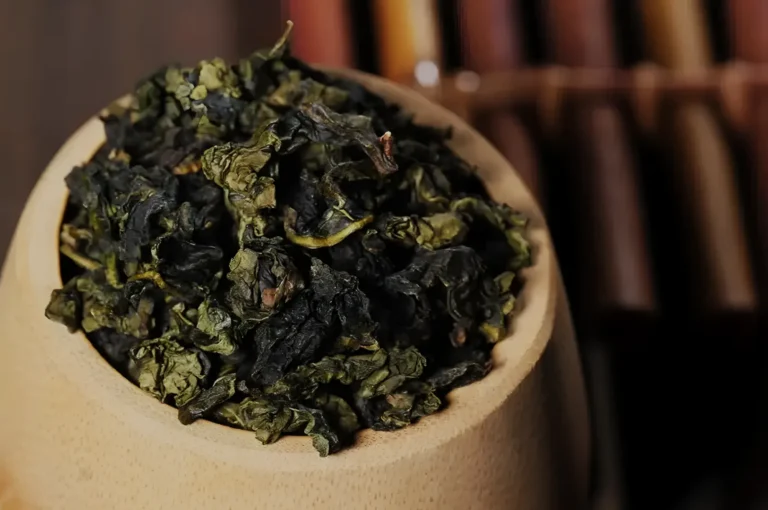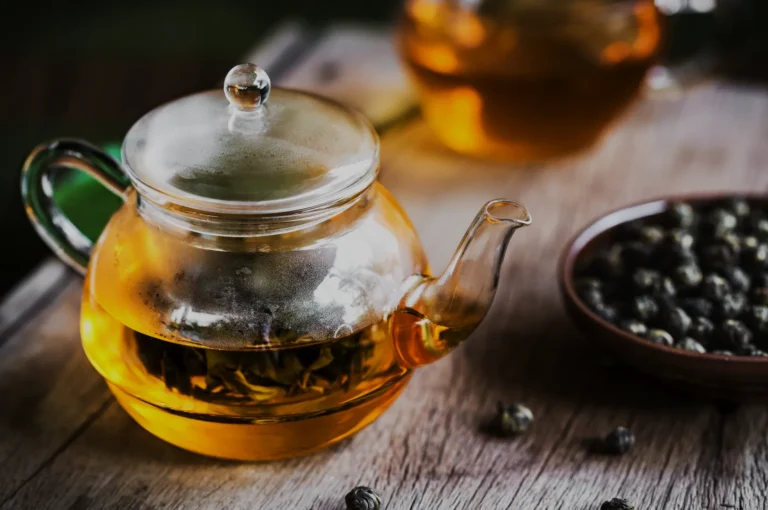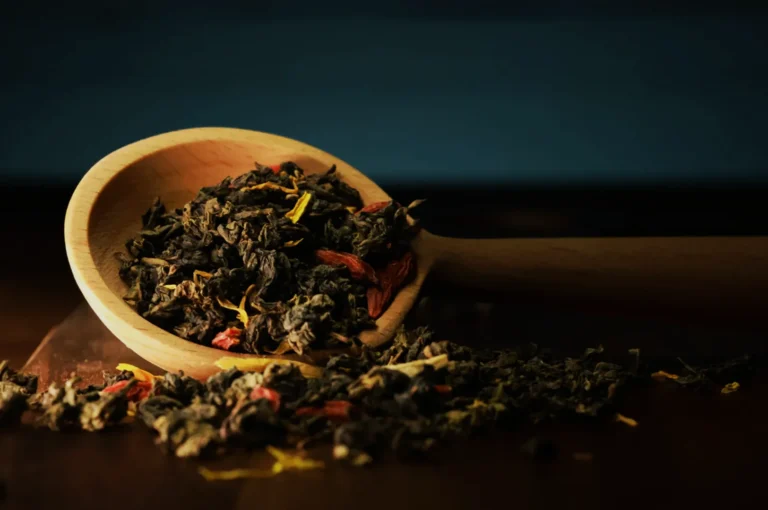
Some black teas impress through depth.
Some through sweetness.
Keemun impresses through line.
It is a tea of fine edges, quiet lift, and a kind of elegance that does not need to become obvious in order to be complete. For many drinkers in Singapore, Keemun can be a revelation precisely because it unsettles the usual expectation of black tea. It is not only warm and full. It can also be floral, almost wine-like, lightly cocoa-toned, and remarkably poised in the finish.
At Tea Room by Ki-setsu, we find that Keemun often becomes the tea that changes how someone thinks about black tea as a category. It is not louder than other famous styles. It is simply more exact in a different direction.
If you are coming to this from the wider category first, our black tea guide covering premium Chinese varieties offers a fuller map. This article stays with one tea: Keemun, or Qimen black tea, and why it came to hold such a distinct place in Chinese tea culture.
What Is Keemun Tea?
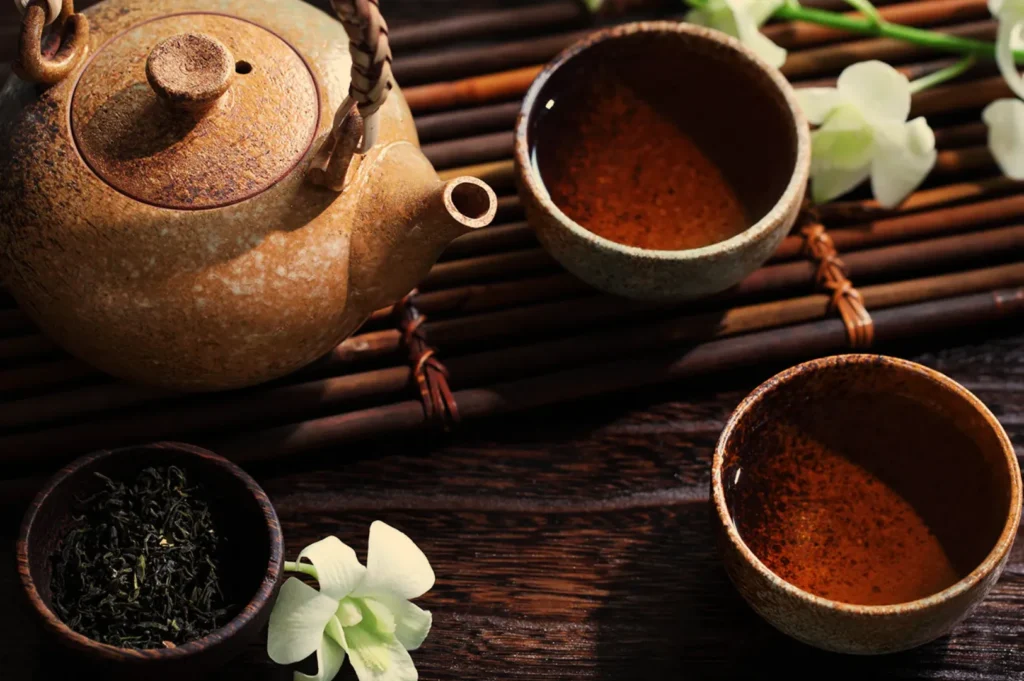
Keemun, also known as Qimen black tea, comes from Qimen County in Anhui Province.
It is one of China’s most celebrated black teas, but unlike more immediately generous styles, its appeal lies in precision. The aroma can suggest orchid, dried rose, cocoa, red fruit or a subtle wine-like quality often described as “Keemun fragrance.” This fragrance is difficult to imitate and even more difficult to describe adequately. It is one of the reasons the tea has remained so admired.
For drinkers asking what is keemun tea, the simplest answer is that it is a Chinese black tea known for elegance over force.
Why Keemun Feels Different
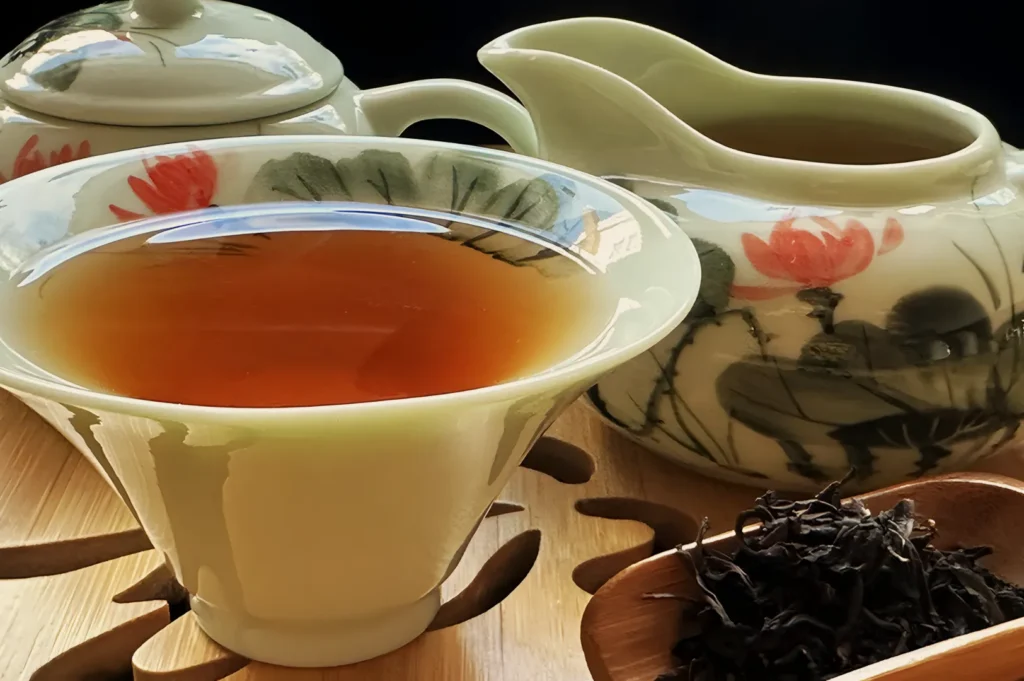
Keemun rarely behaves like the archetypal breakfast black tea.
It is usually lighter in body than something like Dian Hong, but often finer in aromatic line. This is what makes premium keemun tea so compelling. It gives warmth, certainly but it also carries floral nuance in a way many black teas do not.
A good Keemun often offers:
- a lifted aroma
- clean cocoa warmth
- gentle fruit or wine-like notes
- a smooth but not heavy body
- a refined, lingering finish
Keemun is not trying to dominate the palate. It is trying to persuade it.
Why It Matters in Singapore
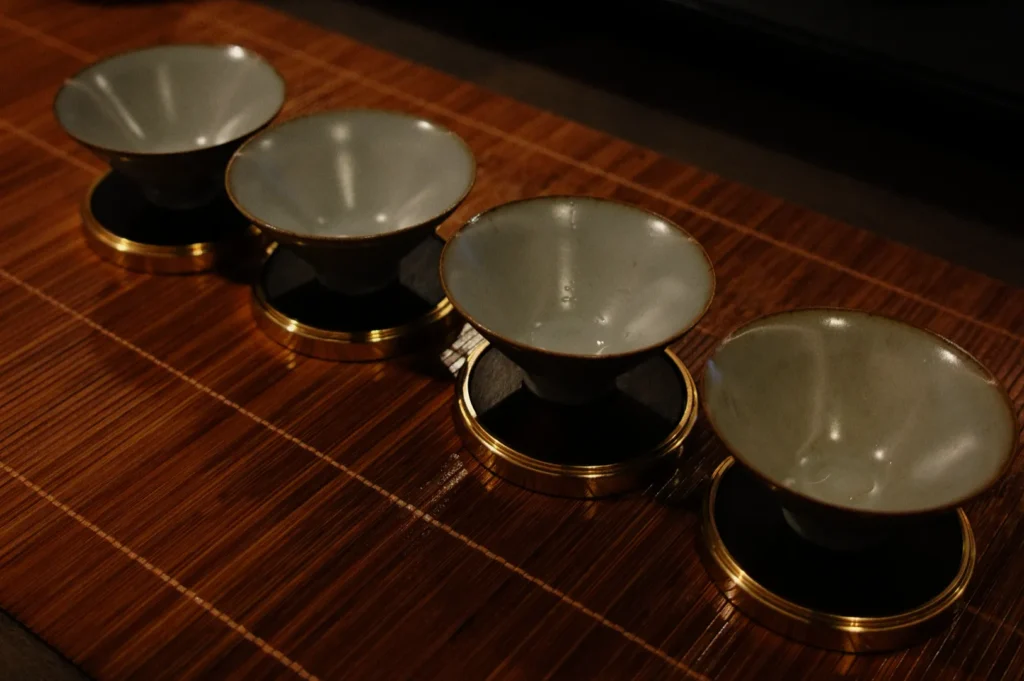
In Singapore, where tea is often encountered in broader commercial forms, Keemun can feel unexpectedly quiet.
That quietness is part of its difficulty and part of its value. It asks the drinker to lean in. It rewards a slower room, a cleaner palate, and a little more attention than routine usually gives. This is one reason keemun tea singapore search interest can be so meaningful. People are often not looking only for another black tea. They are looking for a black tea that feels more refined, less obvious, more articulate.
At Tea Room by Ki-setsu, we think Keemun remains important for exactly this reason. It protects the idea that black tea can still be elegant in a narrow, almost calligraphic way.
A Tea of Precision
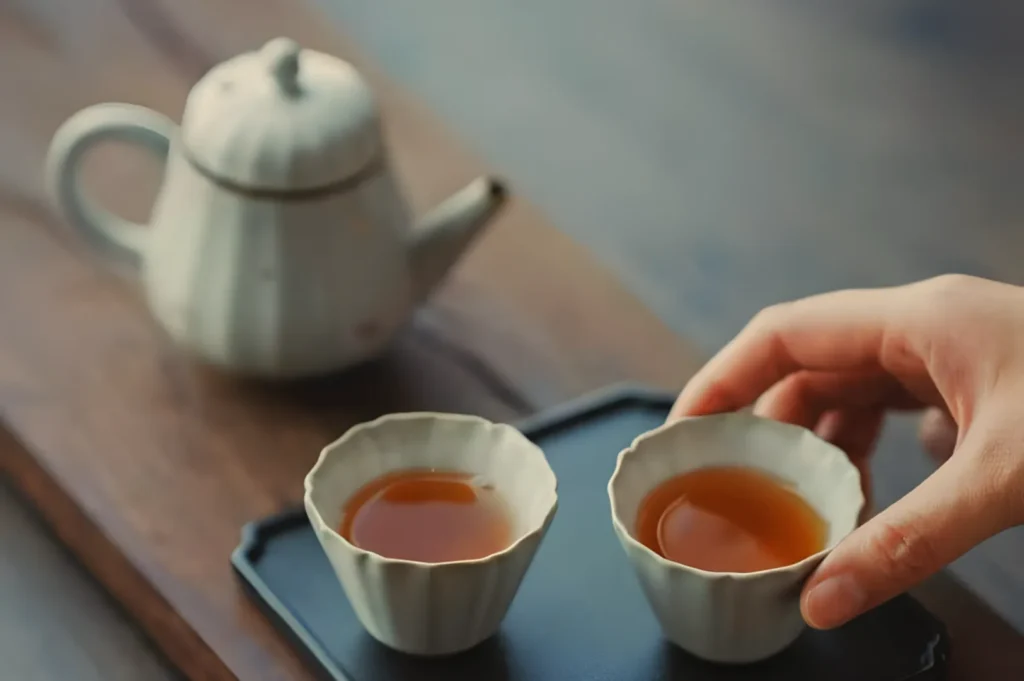
Keemun deserves a slower encounter.
Its beauty is not always immediate, but once recognised, it can be difficult to forget. This is what gives the tea its particular dignity. It is not a black tea of display. It is a black tea of refinement, and refinement often asks for more time.
That is why Qimen still matters.