A good tea gift should not feel generic the moment it is opened.
It should feel chosen. Not necessarily extravagant, and certainly not loud. Chosen in a way that suggests someone thought beyond the box itself and considered what kind of tea would actually suit the person receiving it. This matters especially with Longjing. Dragon Well is one of the most recognisable Chinese green teas, but recognition alone is not what makes it a beautiful gift. What matters is the form it takes: the harvest timing, the freshness, the presentation, and the sensitivity to the recipient’s own taste.
At Tea Room by Ki-setsu, we believe a tea gift is at its most elegant when it feels almost inevitable. Of course this tea belongs to this person. That is what gives a gift its quiet authority.
For readers who want the wider background first, our full Longjing tea Singapore guide offers a broader introduction to Dragon Well’s place, character, and cultural significance. Here, we stay with gifting, and with the question of how to make it personal.
Why Longjing Works So Well as a Gift
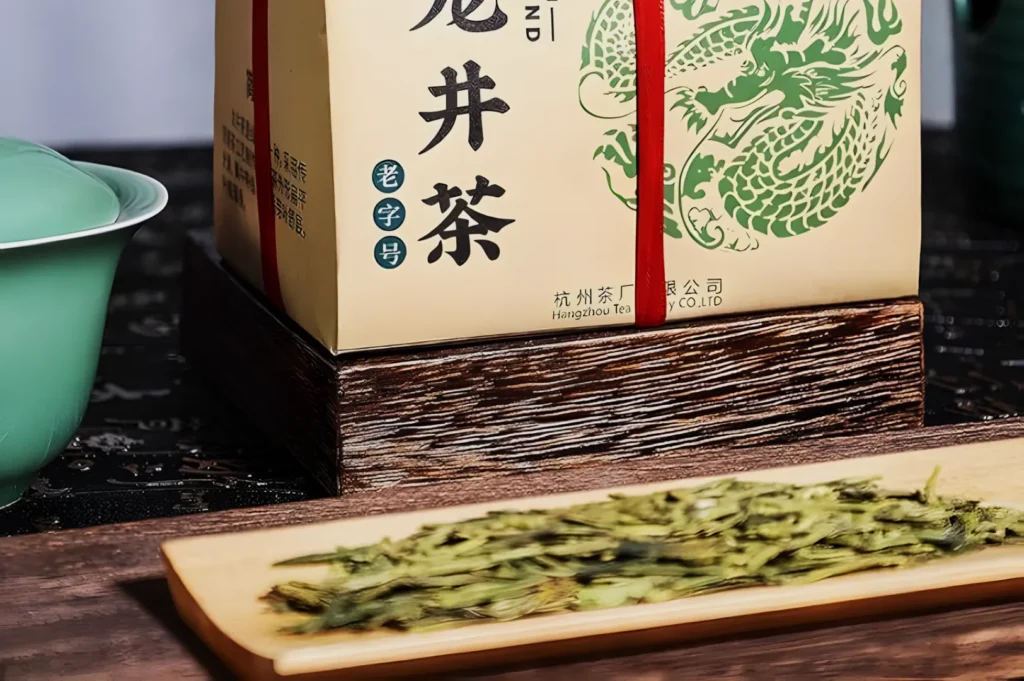
Longjing is refined without being obscure.
It carries history, craftsmanship, and a recognisable identity, yet it remains approachable enough for someone who is not already deeply immersed in Chinese tea. Its flavour profile is gentle but distinctive. The chestnut warmth, fresh spring lift, and clear finish make it easier to appreciate than teas that ask for more acquired taste.
This is one reason a longjing tea gift Singapore hosts, clients, and close friends receive often feels especially well judged. The tea signals discernment, but not intimidation. It feels thoughtful without becoming difficult.
It also has another advantage. Longjing is seasonal in a way that deepens the meaning of the gift. A carefully chosen spring tea carries the feeling of time, harvest, and freshness, which makes it far more resonant than something generic and endlessly available.
Start With the Recipient, Not the Prestige
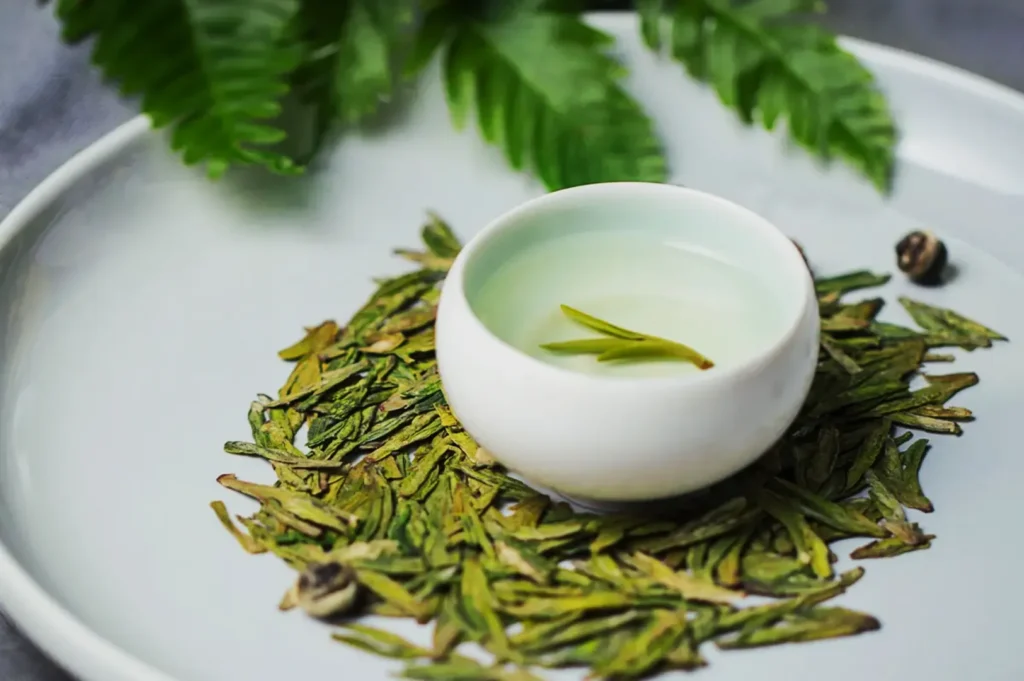
A common mistake in gifting is to choose the tea with the loudest reputation rather than the tea that best suits the recipient.
Longjing has prestige, certainly. But even within Dragon Well, there are choices. An early, delicate lot may suit someone with a very attentive palate and a love for subtlety. A slightly later harvest may offer more warmth and immediate sweetness, making it more generous for a recipient who values comfort over rarity.
Ask a few quiet questions:
- Do they enjoy delicate flavours, or more obvious warmth?
- Are they already familiar with green tea?
- Do they notice aroma quickly, or respond more to texture?
- Is the gift meant to feel intimate, respectful, celebratory, or quietly luxurious?
The answers matter more than choosing the “highest” tea on paper.
Early Harvest or Later Harvest?
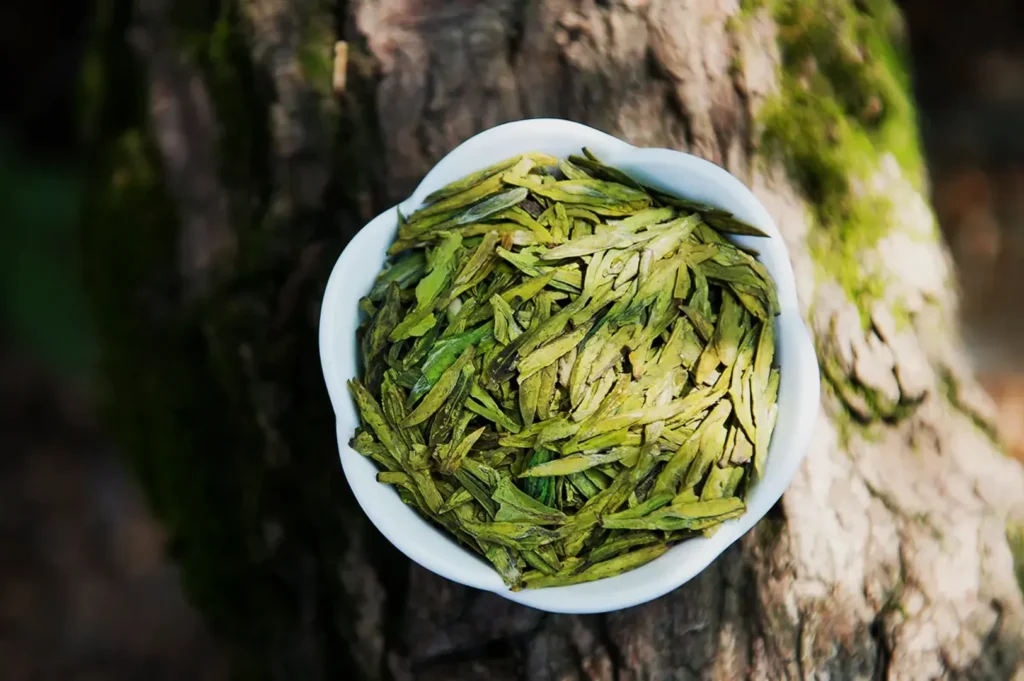
This is one of the most useful distinctions when choosing a dragon well tea gift.
**Pre-Qingming or very early spring Longjing is often prized for tenderness, freshness and refinement**. It can make a deeply elegant gift, especially for someone who appreciates subtlety and the prestige of seasonal rarity.
Later spring Longjing, while less rare, can be easier to enjoy immediately. The cup may feel rounder, warmer, and more chestnut-forward. For many recipients, especially those newer to Dragon Well, this can actually be the more satisfying gift.
A quiet rule helps:
- choose early harvest for refinement and rarity
- choose slightly later harvest for warmth and generosity
Neither is inferior. They simply speak differently.
What Makes the Gift Feel Premium
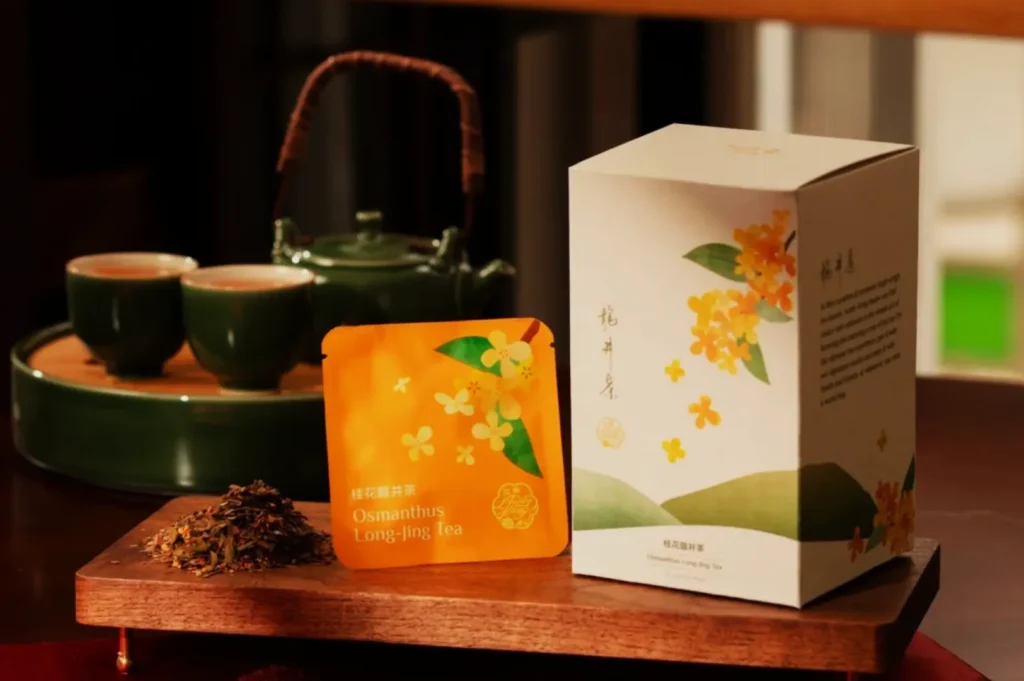
A premium tea gift Singapore recipients actually remember is rarely made memorable by excessive packaging alone.
Premium, in tea gifting, often means:
- a leaf chosen with clear intention
- freshness preserved properly
- presentation that feels restrained and dignified
- enough information to give context, but not so much that it feels forced
- the sense that the tea itself is the point
This is where many generic tea gifts fail. They rely on ornate wrapping, stiff language, or broad “luxury” cues that do not connect meaningfully with the tea inside. Longjing does not need theatrical presentation. It already carries quiet prestige. Packaging should support that, not compete with it.
The finest tea gifts usually feel composed, not extravagant.
What to Include with the Gift
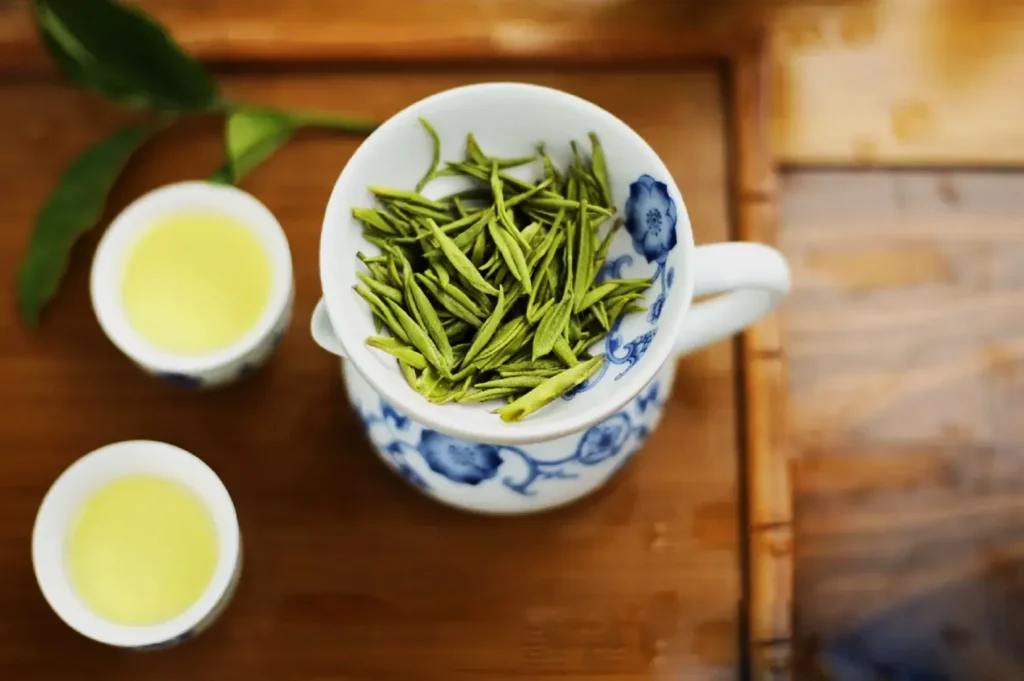
A tea gift can become more personal through the smallest additions.
You might include:
- a short handwritten note about why this tea was chosen
- a quiet brewing suggestion
- a line about the season or harvest
- a simple phrase such as “Open this on a slower morning” or “Best enjoyed when the room is quiet”
These details matter because they bring the gift out of the transactional and into the relational. The tea is no longer just an object. It becomes an invitation.
If the recipient already loves tea, the note can be lighter. If they are newer to Chinese tea, a small amount of guidance helps them feel welcomed rather than tested.
Longjing for Corporate Gifting
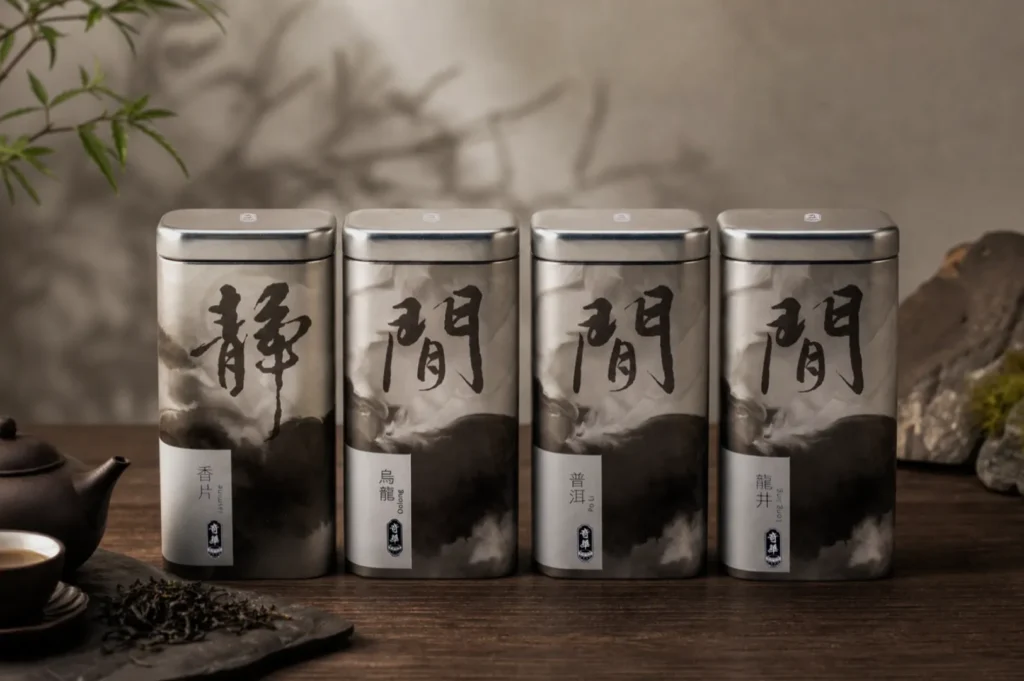
Longjing also works beautifully in a corporate context, provided the gifting is handled with discernment.
For chinese tea gift set Singapore buyers considering tea for clients or partners, Dragon Well offers several strengths:
- it is culturally resonant
- it feels refined without being overbearing
- it is office-friendly
- it does not rely on sweetness or alcohol
- it can be presented elegantly in modest form
For luxury tea gift Singapore corporate gifting, the key is to avoid turning the tea into a mere symbol of price. A well-chosen, well-presented Longjing gift feels more intelligent than a louder luxury object because it suggests taste rather than expenditure alone.
This is especially effective when the gifting is done in smaller, more carefully considered batches. Quantity matters, but so does the ability to preserve freshness and coherence from one recipient to the next.
Why Guidance Matters
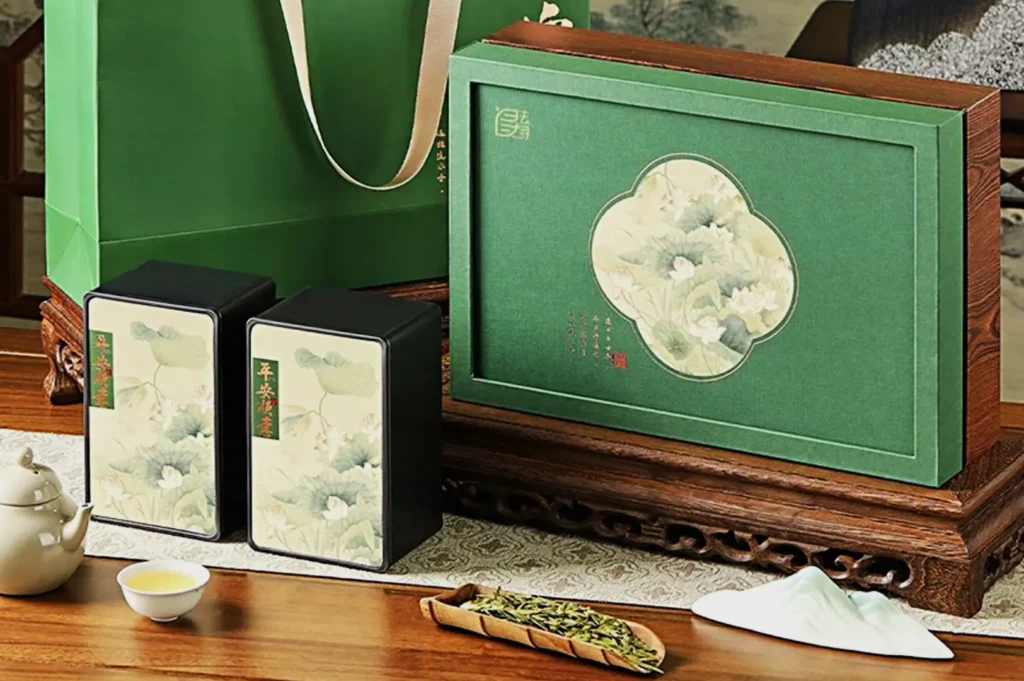
Even a beautiful tea can become generic if it is selected without enough sensitivity.
This is why thoughtful guidance matters. At Tea Room by Ki-setsu, we think the role of curation is not simply to stock good tea. It is to help match the tea to the person, the occasion, and the feeling the gift is meant to carry.
For some, Longjing should feel bright and celebratory. For others, calm and restorative. For others still, distinctly refined, a tea that signals respect without loudness. The same tea cannot do all these things in exactly the same way. Choice matters.
This is also why many gifts become more successful when they are chosen through conversation rather than by quick online filtering alone.
A Gift That Feels Like the Person
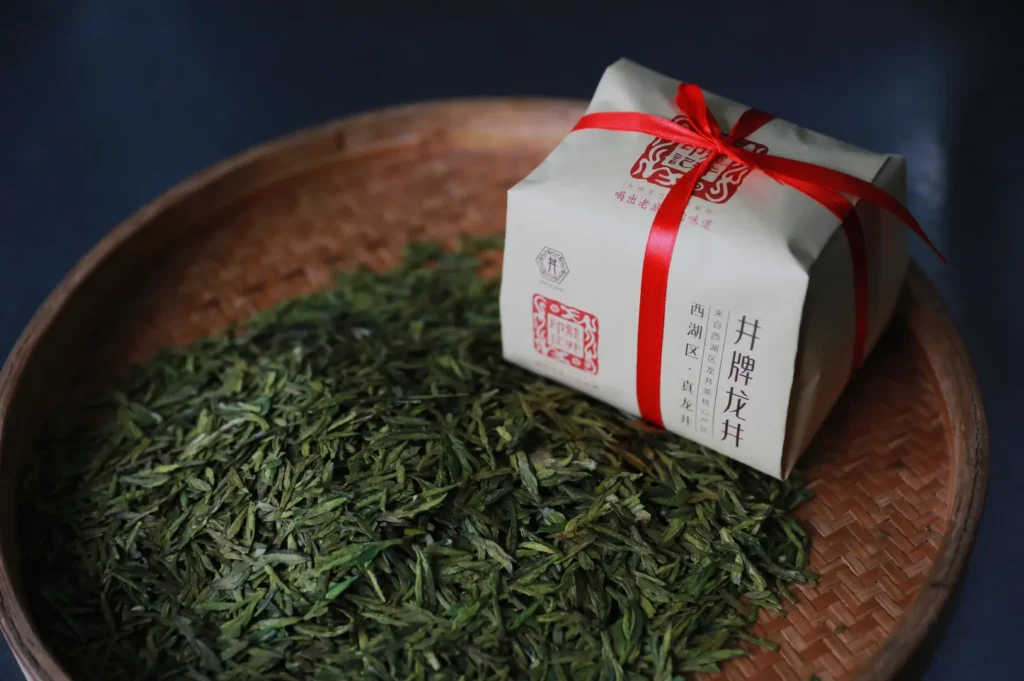
The best tea gifts are not necessarily the rarest.
They are the ones that feel uncannily right.
A Dragon Well chosen for someone who loves spring clarity, soft chestnut warmth, and understated elegance will always feel more personal than a more expensive tea chosen without any sense of their palate. Longjing is especially beautiful when gifted in this way because it already carries an atmosphere of refinement. The task is not to amplify that atmosphere artificially. It is to place it in the right hands.
That is where taste becomes a gift in itself.