Chocolate seems as though it should be easy to pair with tea.
Both can feel refined. Both reward attention. Both carry bitterness, warmth, sweetness, and finish in ways that invite slower tasting. And yet, in practice, chocolate is one of the easiest things to pair badly with tea. A square that seems elegant on its own can make the cup taste flatter, rougher, or strangely mute. A tea that felt poised before the bite may lose its outline entirely once cocoa, sugar, and fat begin to coat the palate.
At Tea Room by Ki-setsu, we find that tea and chocolate pairing works best when approached with more restraint than indulgence. The question is not simply whether the tea “goes with” chocolate. It is whether the tea can still speak clearly after the chocolate has dissolved. That is the real test.
For a wider foundation on sweetness, structure, and balance, see our broader tea pairing guide before pairing sweets. Here, we stay with one very specific pairing challenge: how tea behaves when it meets cocoa.
Chocolate Looks Easy to Pair With Tea. It Rarely Is
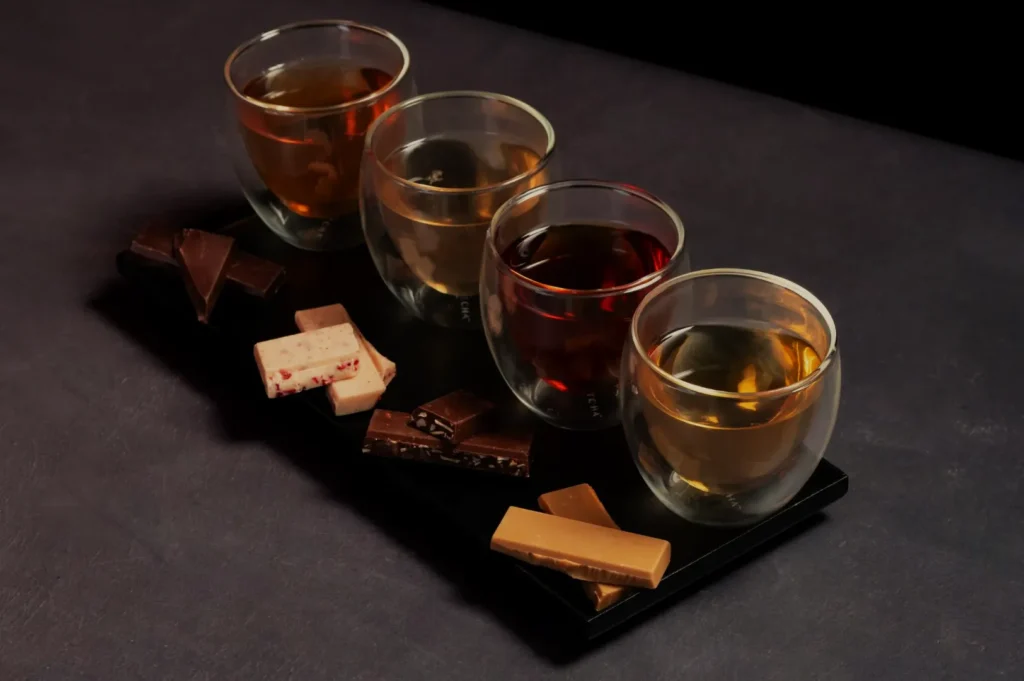
Chocolate brings several forces into the mouth at once.
There is bitterness from cocoa. There is sweetness from sugar. There is fat, which softens some edges while dulling others. There is texture, which may be snappy, creamy, dense, airy, silky, or melting. Tea then has to move through all of this. A delicate tea may vanish. A fuller tea may survive, but lose its elegance. A roasted tea may suddenly seem too severe beside a bitter chocolate. A sweeter tea may feel washed out next to a very sugary one.
This is why Chinese tea with chocolate should never be treated as an automatic luxury pairing. Done well, it can be precise and memorable. Done carelessly, it quickly becomes heavy. Tea and chocolate pairing is not about doubling richness. It is about creating enough contrast and enough coherence that the finish remains alive.
Why Chocolate Is One of the Most Demanding Pairing Partners
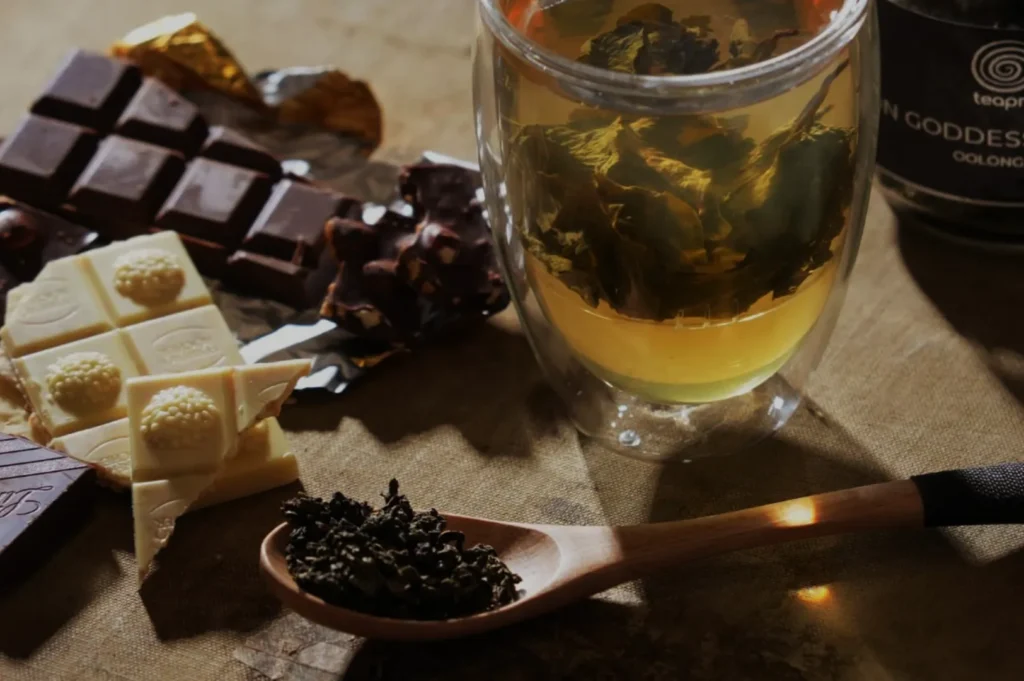
Chocolate asks a great deal from tea because it rarely arrives in a single note.
Even a simple dark chocolate can contain roast, tannin, bitterness, sweetness, and lingering cocoa oils. That combination can drown a refined tea far more quickly than a modest pastry or a light fruit dessert. Chocolate does not merely sit beside the tea. It enters the same sensory space very forcefully.
The higher the cocoa intensity, the more structure the tea must have. The creamier the chocolate, the more the tea needs either enough body to hold its ground or enough freshness to restore balance. Milk chocolate seems softer, but it is not always easier. Extra sugar can make a tea feel thin or unexpectedly sharp after the swallow.
This is why the best tea with chocolate is not always the darkest tea, the most roasted tea, or the sweetest tea. It is the one that remains proportionate once bitterness, sugar, and texture have all had their say.
The Five Principles of Tea and Chocolate Pairing
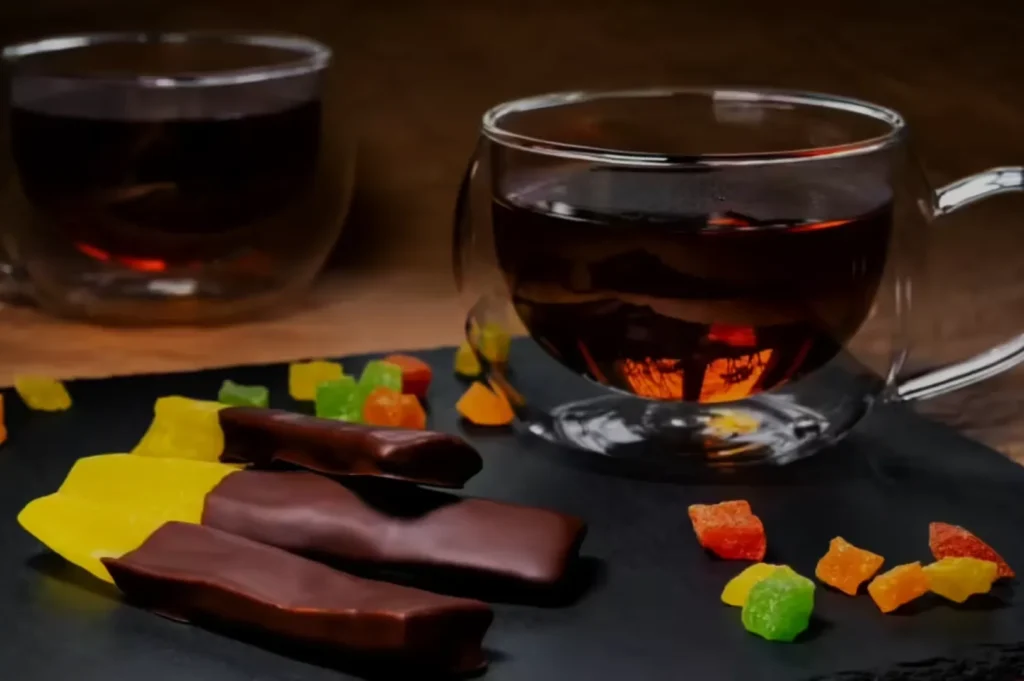
Start With Cocoa Intensity, Not Chocolate Category
The labels dark, milk, and white are only the beginning.
Two dark chocolates can behave completely differently. One may be dry, fruity, and bright. Another may be dense, bitter, and deeply roasted. One milk chocolate may feel light and creamy. Another may be heavily sugared and much harder on the tea than expected. This is why cocoa percentage and flavour profile matter more than category alone.
A darker, more intense chocolate usually needs a tea with greater structure, more warmth, or more roast. A gentler chocolate can often pair with softer teas. The tea should not disappear beneath the cocoa. That is the first question to ask.
Bitterness Must Be Matched with Structure
Chocolate bitterness needs a tea that can meet it without turning harsh.
If both tea and chocolate lean too far into dry bitterness, the result can feel severe. The mouth becomes narrower, and the finish shortens. A better pairing often gives the bitterness somewhere to land. A tea with warmth, body, or rounded sweetness can hold dark chocolate more gracefully than a tea that is only brisk or austere.
This is particularly important in dark chocolate tea pairing. A well-roasted oolong, a fuller black tea, or an aged tea with enough calm depth may work beautifully because the structure is there. The point is not to erase the chocolate’s seriousness, but to keep the overall effect from becoming hard.
Texture Is Half the Pairing
Chocolate changes the tea not only through flavour, but through mouthfeel.
A crisp, thin square melts differently from a dense ganache or a creamy truffle. A tea that seems strong enough on paper may still fail if the chocolate coats the palate too fully. Conversely, a tea with good lift and enough body may suddenly become more articulate when paired with a chocolate that snaps cleanly and leaves less residue.
Texture is why some pairings feel effortless while others feel clogged. The tea has to re-enter the mouth after the chocolate. If it cannot cut through, soften, or reshape what remains, the pairing is not working. Good pairing often begins in the second sip, not the first bite.
Sweetness Changes the Tea Faster Than People Expect
Sugar can do as much damage as bitterness.
A very sweet chocolate may seem gentle, especially if it is creamy and low in cocoa. Yet once swallowed, it can leave the tea feeling flat or strangely bitter by comparison. This is one reason milk chocolate tea pairing is more difficult than it first appears. The challenge is not only the milk. It is the sugar sitting above the tea.
With sweeter chocolate, a tea often needs enough body and warmth to remain visible afterward. But it should not become so forceful that the pairing feels coarse. The best results usually come when the sweetness is moderate and the tea still carries a recognisable finish.
Finish Is the Real Test
The pairing is not decided at the moment of contact.
It is decided by what remains after both tea and chocolate have passed. Does the mouth feel muddled? Dry? Coated? Or does the tea gather the palate again and leave a cleaner, longer impression? A successful pairing often makes the finish feel more intentional. Notes that were quiet in the tea alone may become clearer after the chocolate. A roasted tea may seem rounder. A darker tea may seem more composed.
This is where many pairings fail. They feel impressive in the first second and then collapse. The finish tells the truth more honestly than the first impression ever does.
A Simple Way to Find the Best Tea with Chocolate
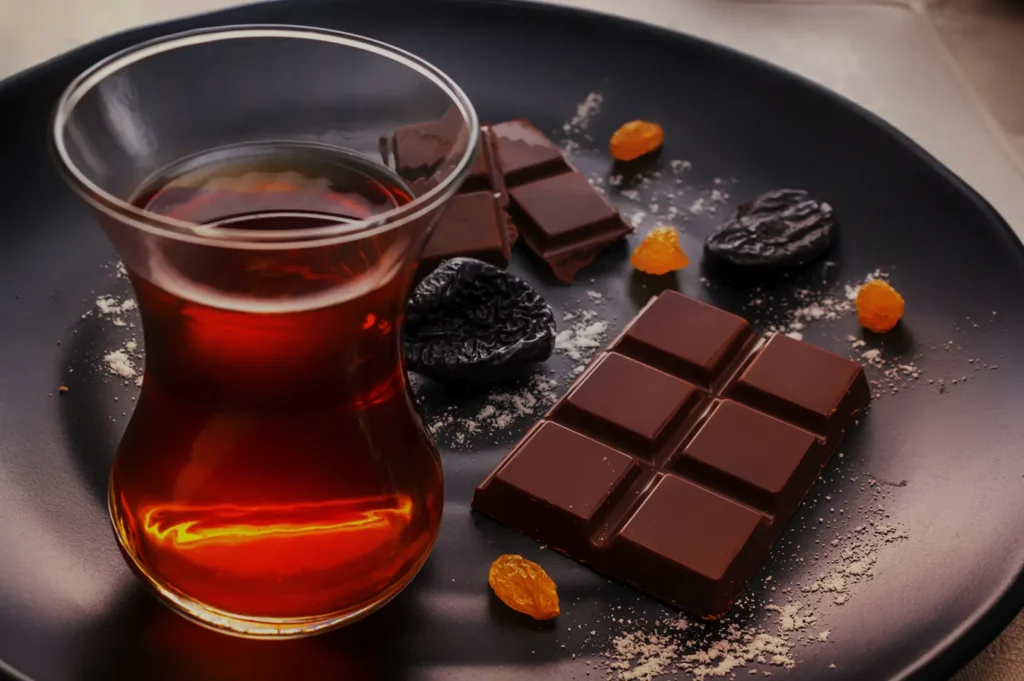
If you want a practical method, begin simply.
Taste the chocolate on its own first. Notice whether it is dry, creamy, bitter, sweet, fruity, or roasted. Let it melt fully. Then ask what the tea needs to do. Should it clear the palate? Deepen the cocoa? Soften bitterness? Bring warmth? Bring lift?
Only then return to the tea.
Wait a moment before the next sip. This matters. A rushed sip tells you very little. A patient second sip tells you whether the tea is surviving, disappearing, or becoming more articulate. The best tea with chocolate is the tea that feels clearer after the bite, not weaker.
At Tea Room by Ki-setsu, we often find that the right pairing does not feel dramatic. It feels calm. The chocolate becomes more precise. The tea becomes more legible. Neither is trying to dominate the other.
Common Tea and Chocolate Pairing Mistakes
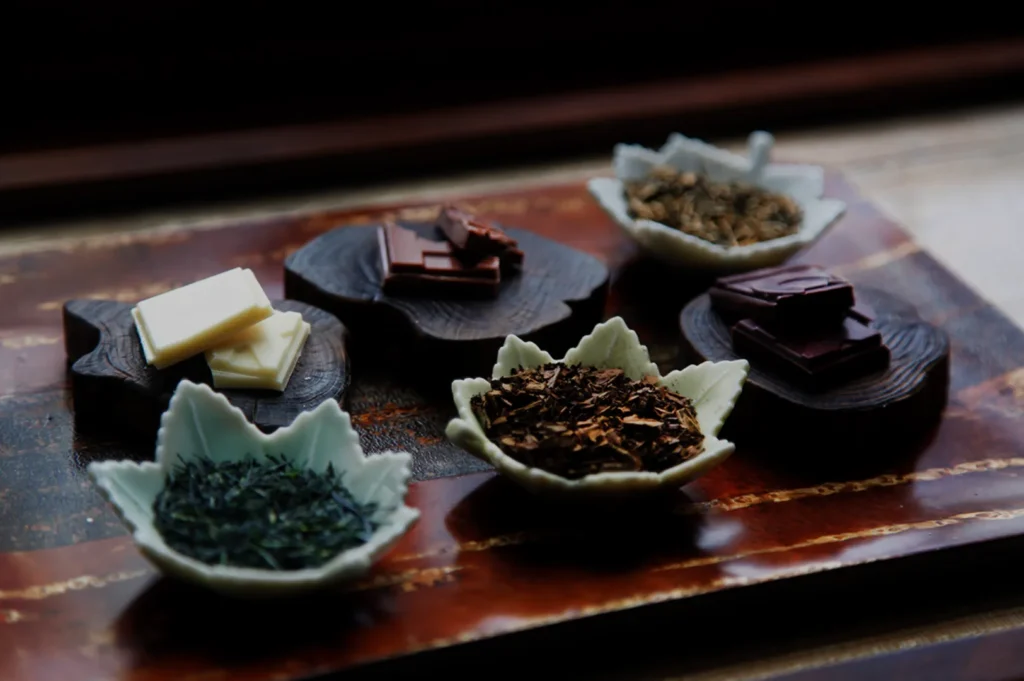
One common mistake is pairing a delicate tea with very dark chocolate. The tea may have beautiful aroma on its own, but beside high cocoa bitterness it can seem thin or metallic.
Another is choosing very sweet milk chocolate with already soft tea. The result is often a blurred cup with little definition. Flavoured chocolate can also cause trouble. Fruit fillings, strong spice, caramel, mint, or perfume-like infusions often push the pairing into confusion before the tea has a chance to settle.
A further mistake is thinking only about flavour and ignoring texture. A tea may sound right on paper, but still fail because the chocolate coats the mouth too heavily. And finally, many people judge too quickly. Chocolate pairings demand patience. The finish matters more than the first sensation.
Pair Chocolate with Tea That Can Still Speak
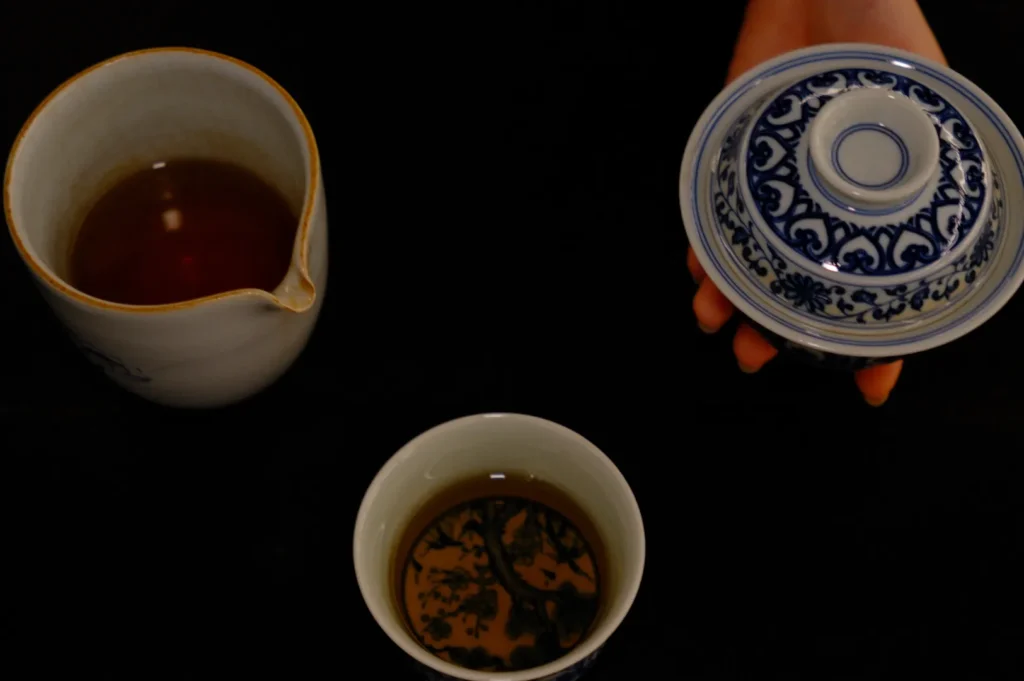
Chocolate does not need to be banished from the tea table. It simply needs more care than people expect.
The finest pairings are not the ones that feel richest. They are the ones that remain clear. At Tea Room by Ki-setsu, we believe tea should still be articulate after cocoa. It should still carry finish, shape, and breath. A refined pairing does not bury the cup in indulgence. It gives the cup enough room to return.