Not every Chinese green tea enters the room the same way.
Some arrive with perfume. Some with sharpness. Some with a grassy brightness that wakes the mouth before the mind catches up. Longjing, also known as Dragon Well tea, is different. It rarely needs to announce itself. Its strength is composure.
That is why comparison helps. When people say “Chinese green tea,” they often treat the category as one flavour. It is not. As this Serious Eats guide to green tea notes, green tea is shaped by how oxidation is stopped, whether through pan-firing, roasting, or steaming. From there, origin, leaf shape, harvest, and processing create very different cups.
At Tea Room by Ki-setsu, we often think of Longjing as one of the clearest introductions to this variety. It is gentle without being thin, sweet without being obvious, and structured without feeling severe.
For readers exploring Longjing beyond taste, we have also written a complete guide to Long Jing tea’s wellness benefits. This article is more specific: how Longjing compares with other Chinese green teas, and why Dragon Well feels so quietly balanced.
Longjing Is Not Just “Chinese Green Tea”
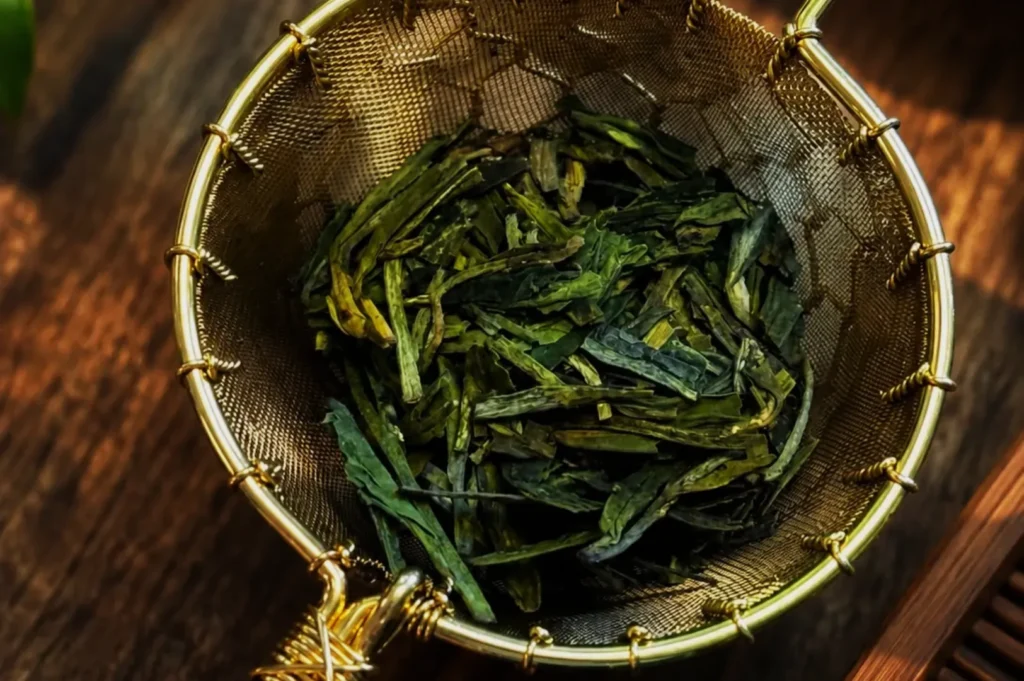
“Chinese green tea” is a wide door. Behind it are teas with different shapes, aromas, textures, and temperaments. Longjing is flat and smooth. Biluochun is tightly curled and fragrant. Maojian is slender, brisk, and often sharper in presence.
This is why buying green tea by category alone can be misleading. A person who dislikes one Chinese green tea may still love another. The difference can be the difference between chestnut warmth, floral sweetness, or a refreshing bite.
Longjing vs Biluochun: Calm Beside Perfume
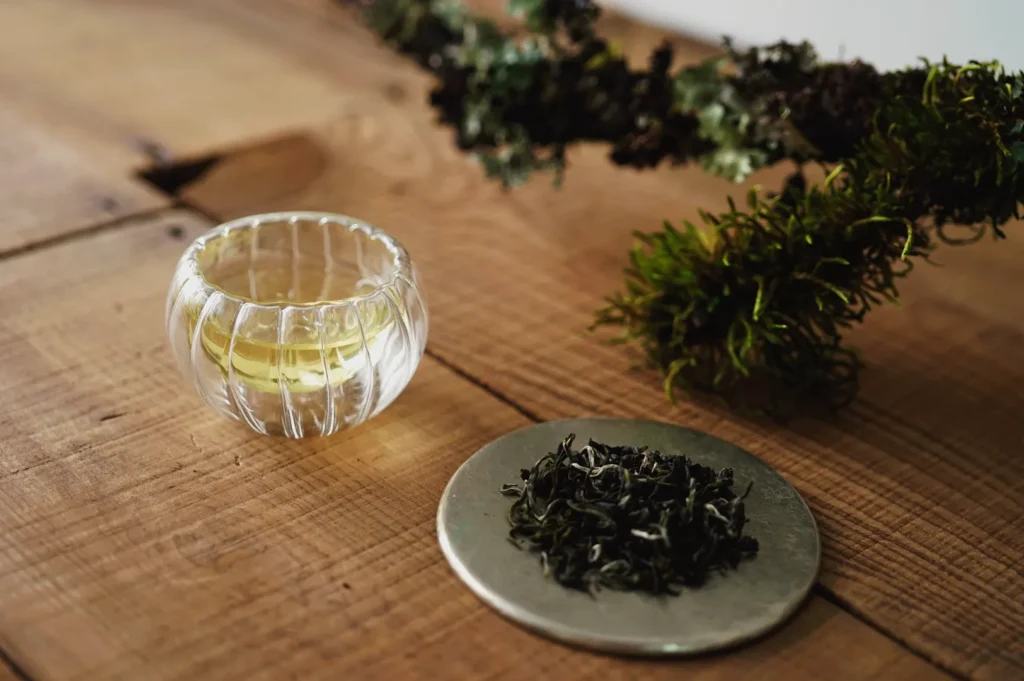
The comparison between Longjing vs Biluochun is useful because both are famous Chinese green teas, but they speak very differently.
Biluochun, especially Dongting Biluochun from Suzhou, is known for its spiral-like appearance, tender shoots, strong aroma, and fresh sweet taste. The Suzhou Municipal People’s Government describes Dongting Biluochun as a tea from the Dongting Mountain area by Taihu Lake, made from extremely tender shoots with a vivid green liquor and fragrant sweetness.
That description already tells us something.
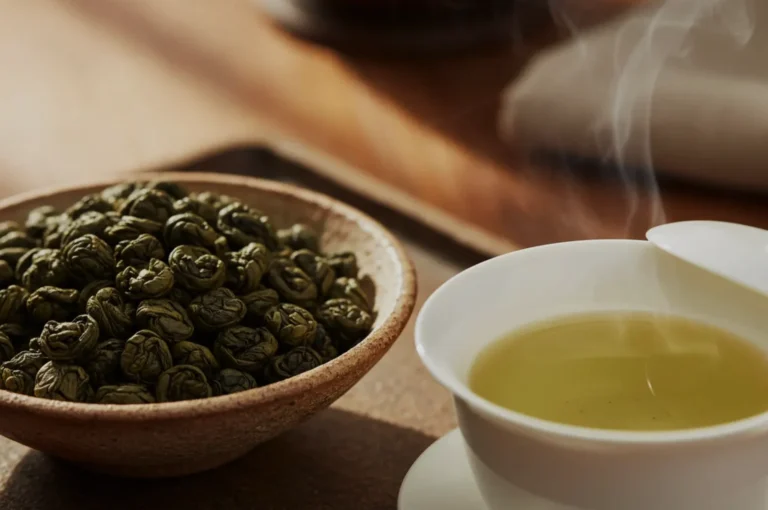
Biluochun tends to be aromatic from the beginning. It can feel lively, floral, fruity, and expressive. The curled leaf looks almost nervous with energy, ready to unfold in water.
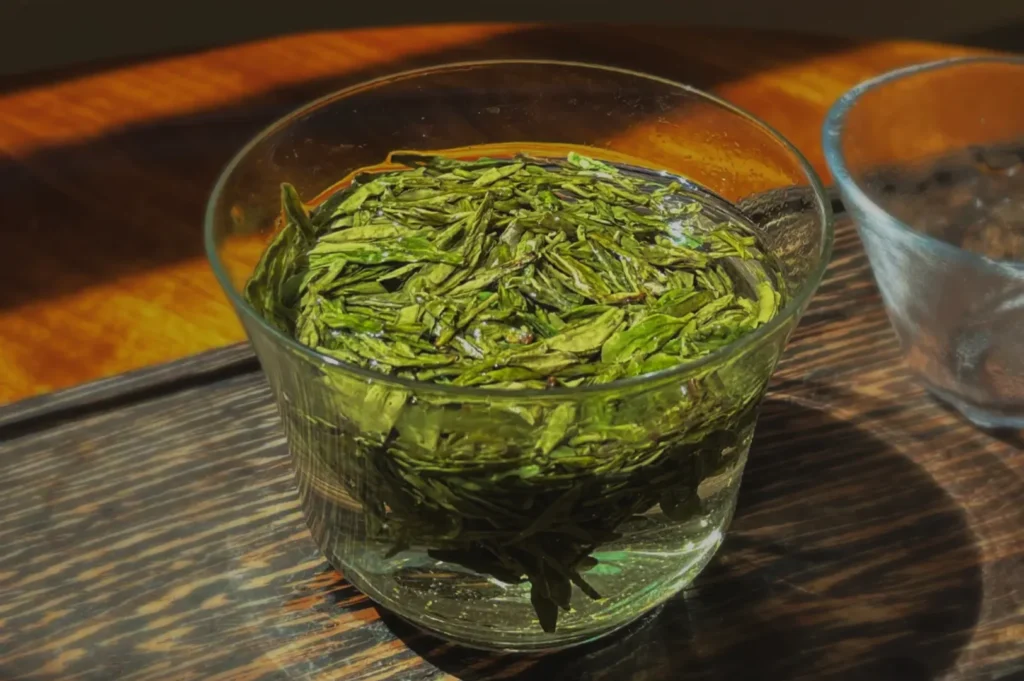
Longjing is quieter. It does not usually chase the same floral intensity. Its pleasure is steadier: a soft roasted fragrance, a clean yellow-green liquor, a gentle sweetness, and a finish that does not rush away.
If Biluochun feels like spring in bloom, Longjing feels like spring after the room has gone quiet.
Neither is better. Choose Biluochun when you want fragrance and lift. Choose Longjing when you want balance and ease.
Longjing vs Maojian: Smoothness Beside Briskness
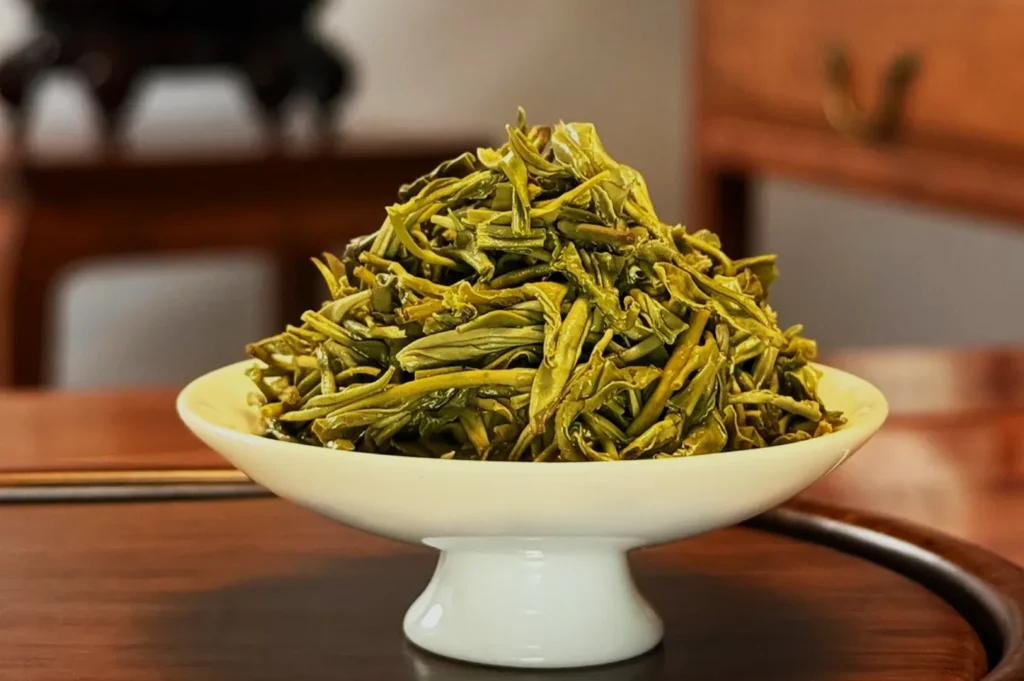
The comparison between Longjing vs Maojian is different.
Maojian, especially Xinyang Maojian from Henan, often carries more briskness. A China Daily feature on Xinyang Mao Jian describes generations of tea makers preserving the growing, picking, and frying techniques behind the tea. In the cup, Maojian can feel fresh, pointed, and lively, with a cleaner edge than Longjing.
The name itself gives a clue. “Mao” refers to fine down or hair, while “jian” points to the sharp tip of the leaf. Visually and sensorially, Maojian often has more direction. It moves forward.
Longjing spreads.
It does not usually strike the palate as sharply. Instead, it settles across the mouth with a rounded body. The bitterness, when present, tends to be gentle. The sweetness may arrive slowly, especially in the finish.
For drinkers who enjoy a bright, refreshing cup, Maojian can be satisfying. For drinkers who want something less pointed, Longjing may feel more comfortable.
At Tea Room by Ki-setsu, we find this distinction helpful for beginners. Some guests think they dislike green tea because their first experience was too sharp or too grassy. Longjing often changes that assumption.
Why Dragon Well Feels So Balanced
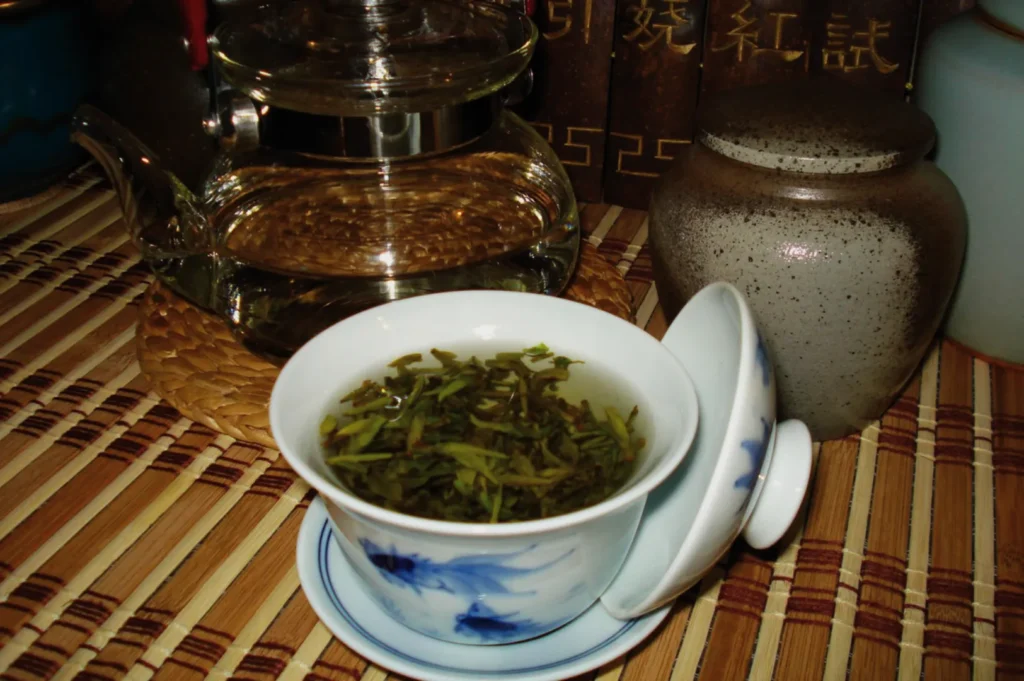
Longjing’s balance comes from several things working together.
The leaf is tender, but not fragile in the cup. The firing gives it warmth, but not heaviness. The aroma is present, but rarely loud. The body is smooth, but still clear.
A good Longjing does not need to overwhelm the nose or dominate the tongue. Its charm is proportion. The roast, sweetness, vegetal note, and finish sit close together. Nothing shouts over the rest.
That is why Longjing can be a thoughtful first Chinese green tea. It gives enough flavour for a beginner to notice, but enough restraint for the palate to keep listening.
Which Chinese Green Tea Should You Choose?
The better question is not which tea is best. The better question is what kind of experience you want.
Choose Longjing if you want a smooth, composed Chinese green tea with soft roasted notes, gentle sweetness, and a calm daily character.
Choose Biluochun if you want a more aromatic green tea with floral or fruity lift and a lively spring presence.
Choose Maojian if you want a brisker green tea with sharper freshness, a more pointed finish, and an energising cup.
These are not strict rules. Tea rarely behaves well when forced into neat categories. But they are useful starting points.
Reading Longjing More Carefully
The quietness of Longjing can be misunderstood.
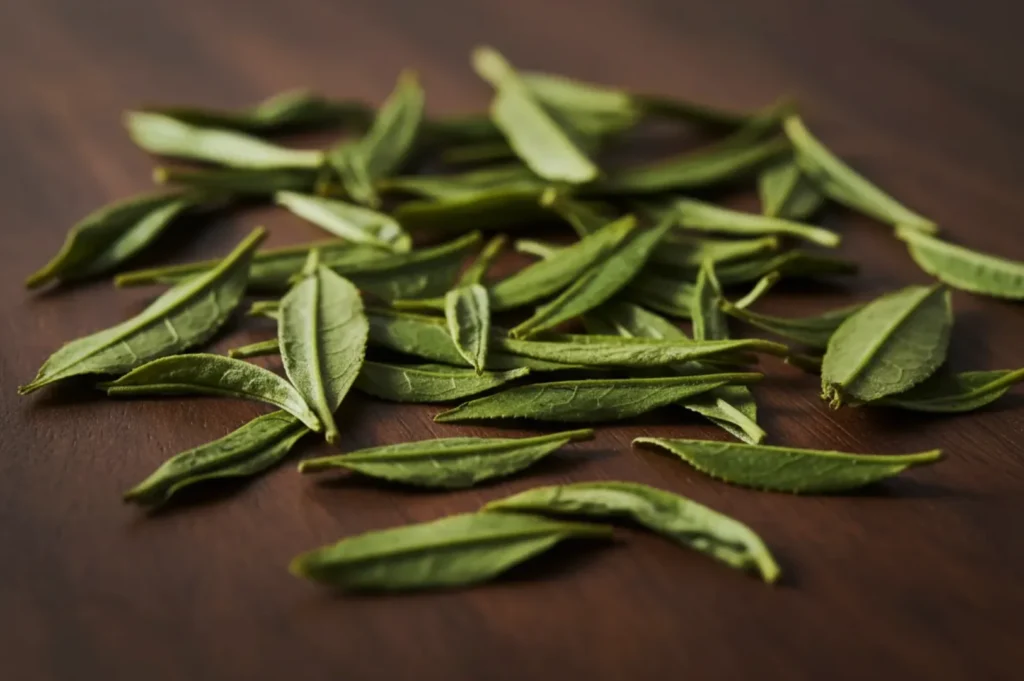
Some drinkers expect green tea to be aggressively grassy, very bitter, or immediately fragrant. Longjing is often none of those things. Its character is more measured. The pleasure is in noticing small shifts: the first warm aroma from the dry leaf, the pale liquor, the soft body, the clean sweetness after swallowing.
Subtle does not mean weak. Quiet does not mean plain.
At Tea Room by Ki-setsu, we see Longjing as a tea that teaches proportion. It allows beginners to understand Chinese green tea without being overwhelmed, while still giving experienced drinkers enough clarity to return to the cup with interest.
Final Thought
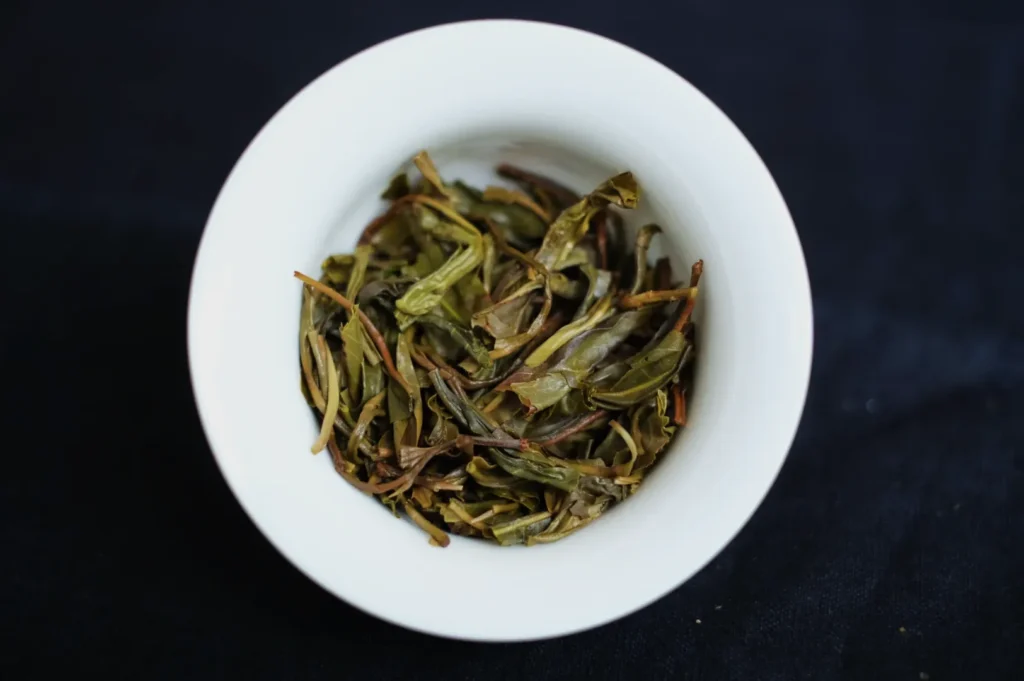
Longjing, Biluochun, and Maojian all belong to the same broad family of Chinese green tea. But in the cup, they are not interchangeable.
Biluochun is fragrant and expressive. Maojian is brisk and pointed. Longjing is calm, rounded, and composed.
That composure is not a lack of character. It is the character.
For those beginning their journey into Chinese green tea, Longjing offers a quiet and generous place to start.