Oolong tea is often placed in the wellness conversation.
This is understandable. It comes from Camellia sinensis, the same plant that gives us green tea, black tea, white tea, and Pu-erh. It contains polyphenols, caffeine, amino acids, and other natural compounds that have made tea a subject of long interest.
But good tea does not need to be exaggerated to matter.
Oolong tea benefits should be discussed with care. A cup of tea is not medicine. It is not a shortcut. It cannot replace sleep, movement, food, or medical advice. Still, oolong can support a calmer daily rhythm, especially when it replaces sweeter drinks or gives the day a small point of attention.
The real benefit of oolong tea begins when we stop treating it like a miracle and start treating it like a practice.
For readers who want a broader introduction, we have written a balanced oolong tea guide for beginners. This article focuses more closely on wellness: what oolong may offer, what it should not promise, and how to drink it responsibly.
Oolong Tea Contains Tea Polyphenols
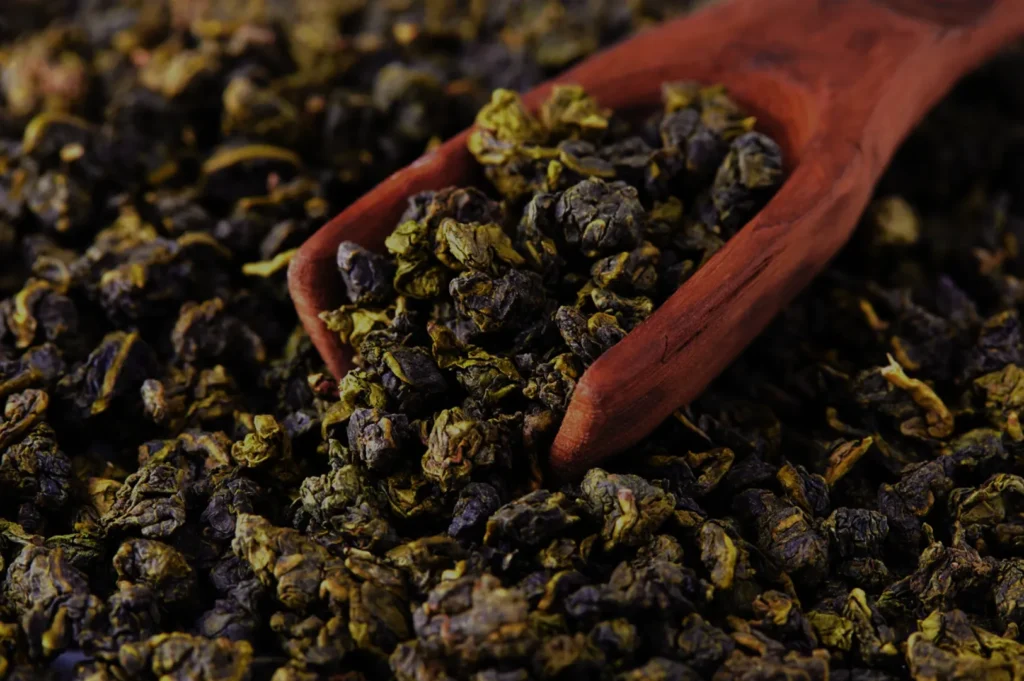
Oolong tea is partially oxidised, which means its chemical profile sits somewhere between less oxidised green tea and fully oxidised black tea.
That middle ground is part of its appeal.
A ScienceDirect review on oolong tea and its products notes that oolong tea’s potential health-promoting effects are closely related to its polyphenols, especially catechins, theasinensins, and polysaccharides. These compounds are one reason oolong continues to interest researchers.
This does not mean every cup has the same effect. Tea chemistry changes with cultivar, processing, oxidation, roast, brewing method, and leaf quality.
Oolong is not one formula. It is a family of teas shaped by craft.
Antioxidants and Everyday Wellness
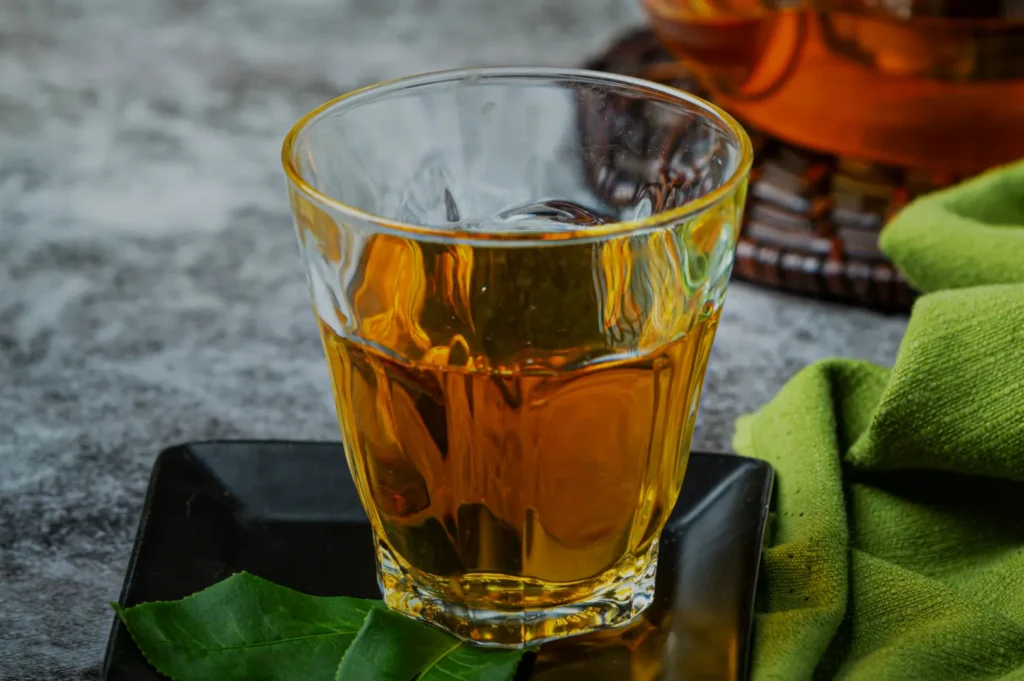
Tea polyphenols are often discussed for their antioxidant activity.
Antioxidants help the body manage oxidative stress, a normal biological process that becomes more concerning when the body is under strain from poor diet, pollution, smoking, stress, or other pressures.
A Nutrients review on tea polyphenols discusses the role of tea polyphenols in human health and notes that tea, including green, black, and oolong tea, is a rich source of bioactive molecules.
This is useful context, but it should not become empty marketing language.
When we say oolong tea contains antioxidants, we should not turn that into a promise that one cup will change everything. The better view is gentler: oolong may be one useful part of a balanced routine.
A Better Alternative to Sugary Drinks
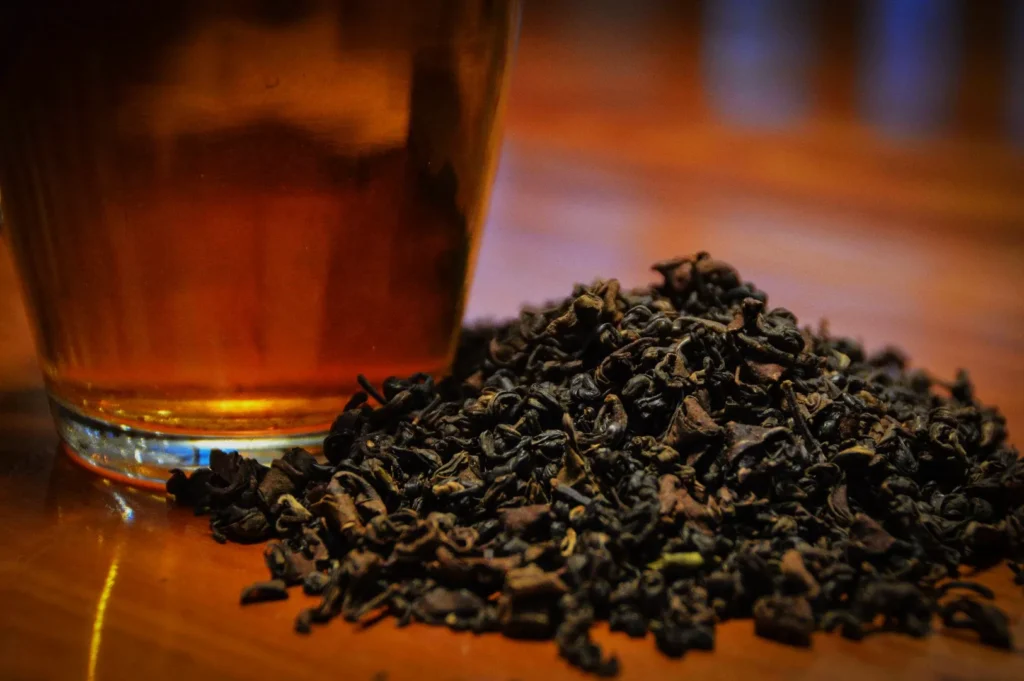
One of oolong tea’s most practical benefits is simple.
It can replace drinks that ask too much from the body.
Many sweetened beverages give quick pleasure but leave heaviness behind. Oolong offers flavour, fragrance, and body without needing sugar. A floral oolong can feel naturally fragrant. A roasted oolong can feel warm and satisfying. A mineral oolong can feel structured and clean.
This is not dramatic wellness. It is everyday wisdom.
Sometimes, the healthiest shift is not adding something complicated, but removing what was unnecessary.
A well-brewed oolong has enough presence to stand on its own.
Gentle Energy and Focus
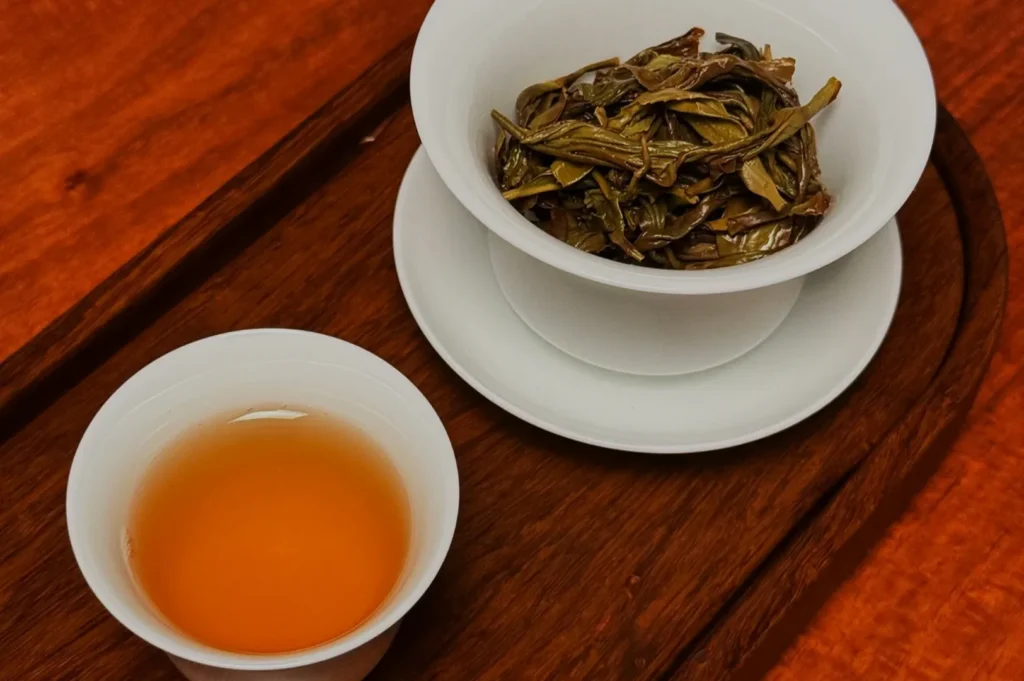
Oolong tea contains caffeine.
For many drinkers, this gives a sense of alertness. Compared with coffee, oolong can feel softer and less forceful, though the effect depends on brewing strength and personal caffeine sensitivity.
Tea also contains other compounds that shape the drinking experience. The result is often described by drinkers as clearer, quieter energy rather than a sudden push.
Still, caffeine should not be ignored. Those who are sensitive to caffeine, pregnant, breastfeeding, managing anxiety, or struggling with sleep should be more careful with timing and quantity.
Oolong is best treated as a daytime tea for most people, especially when brewed stronger.
Traditional Comfort After Meals
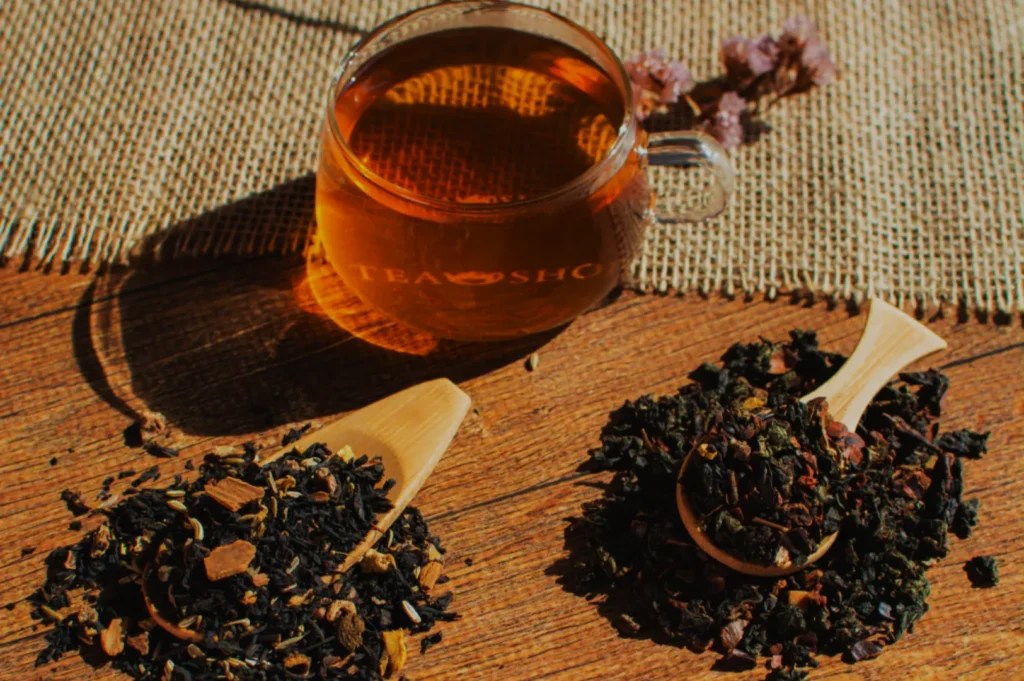
In Chinese tea culture, oolong is often enjoyed after food.
This does not mean it should be treated as a medical digestive aid. But culturally, roasted or more structured oolongs are valued after meals because they feel warming, cleansing, and balanced on the palate.
After a rich meal, a roasted oolong may help the mouth feel clearer. After a heavy dish, a mineral oolong may bring a sense of structure. After a sweet dessert, a floral oolong may reset the palate without needing more sugar.
At Tea Room by Ki-setsu, we often see guests understand oolong more easily when they taste it in relation to food. The tea’s body, aroma, and finish become more obvious when the palate has something to compare.
Metabolic Research, With Caution
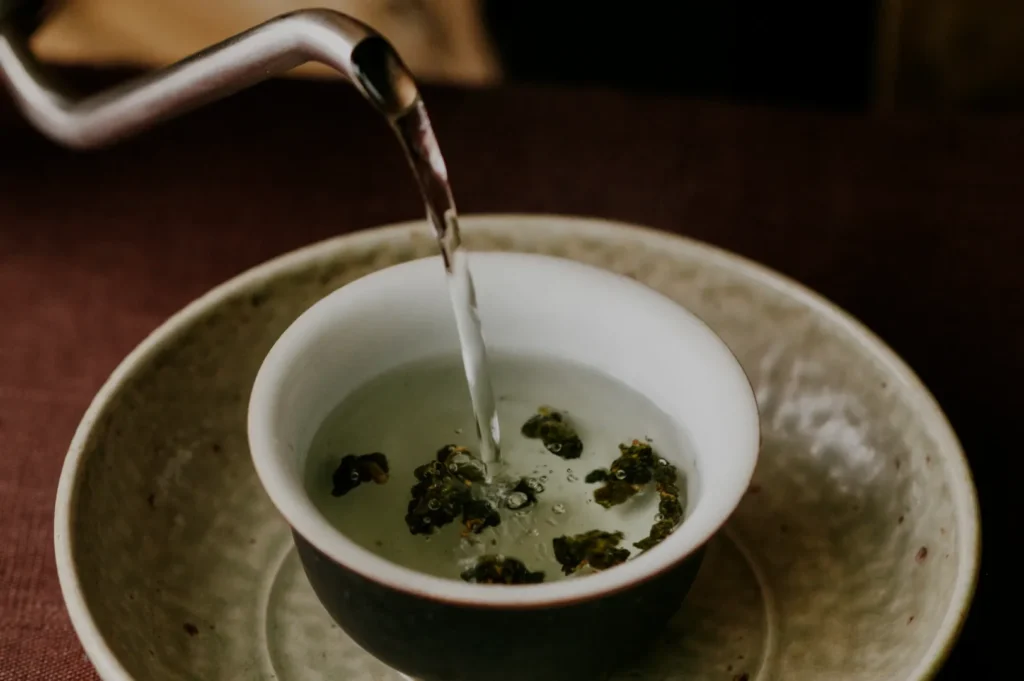
Oolong tea is sometimes discussed in relation to weight management or metabolism.
This is where careful language matters.
A PubMed Central study on oolong tea polysaccharides and polyphenols explored how oolong tea compounds affected obesity development in a mouse model. The study is interesting, but it should not be misread as proof that drinking oolong tea causes weight loss in humans.
Animal research can help scientists understand possible mechanisms. It cannot be turned directly into a promise for daily drinkers.
Oolong tea may support a thoughtful lifestyle, but it should not be sold as a weight-loss solution.
That kind of honesty is part of respecting both the tea and the reader.
Mindful Ritual as a Benefit

Not every benefit has to come from a compound.
There is also the ritual.
Oolong rewards repeated infusions. The same leaves can shift across the session. A floral cup may become creamier. A roasted cup may soften. A mineral cup may become sweeter in the finish.
This teaches attention.
In a busy day, making oolong tea asks for a small pause. Heat the water. Watch the leaf. Notice the aroma. Taste before judging. Return to the cup.
This may sound modest, but it is not meaningless. A daily ritual can help create rhythm, especially when it gives the mind a clean place to settle.
Who May Benefit Most from Oolong Tea?
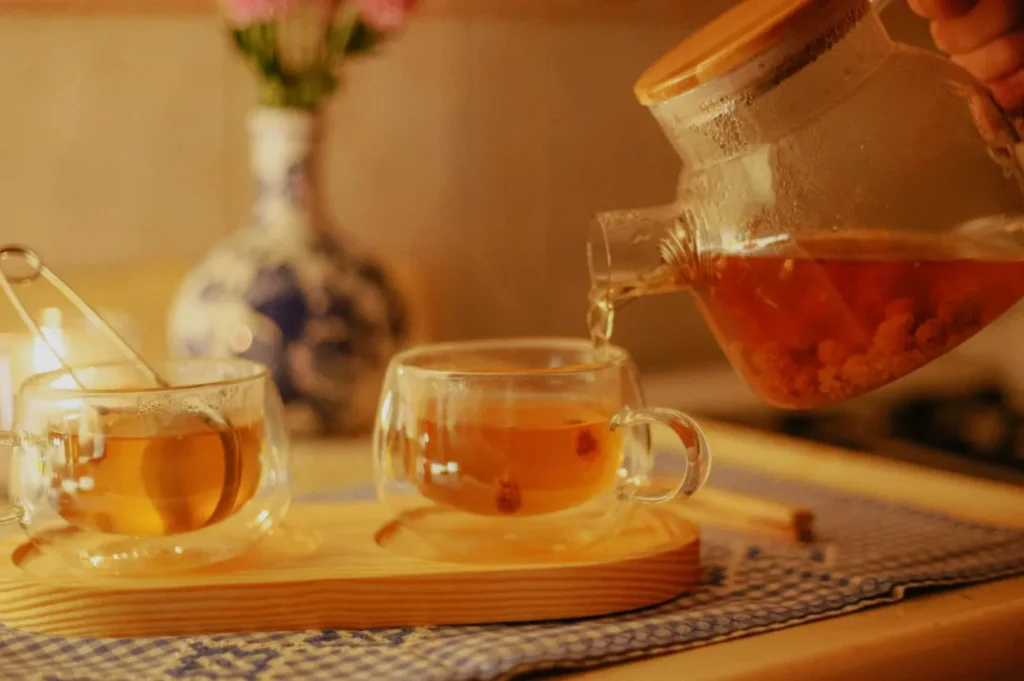
Oolong tea may suit people who want a flavourful alternative to sweet drinks, a gentler source of caffeine, or a tea that feels more layered than basic green or black tea.
It may also suit those who enjoy slow routines, food pairing, or tasting different styles across multiple infusions.
But it may not suit everyone at every time. Caffeine-sensitive drinkers should begin lightly. Those with medical concerns should check with a healthcare professional. Those expecting instant results should adjust their expectations.
Tea works best when it is allowed to be tea.
Final Thought
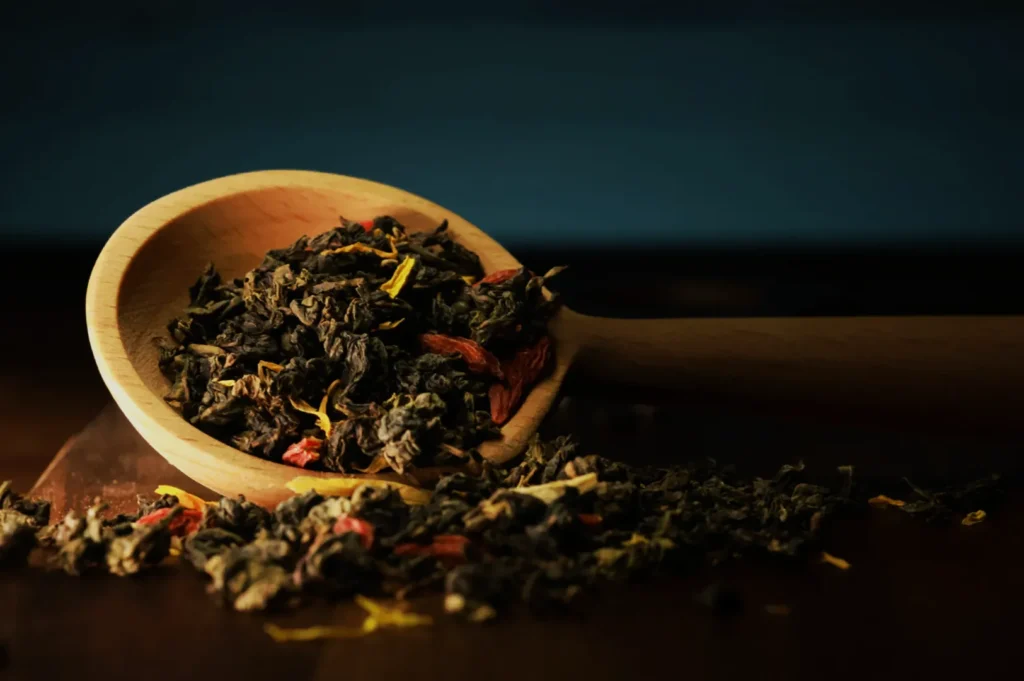
Oolong tea benefits are real enough to discuss, but not so simple that they should be exaggerated.
It contains polyphenols. It can offer gentle energy. It may serve as a thoughtful alternative to sugary drinks. It can support a calmer daily rhythm. It may also bring comfort after meals and a deeper sense of ritual.
But oolong tea is not a cure, a shortcut, or a performance of wellness.
The quiet strength of oolong is that it supports attention without demanding drama.
For those beginning their journey into Chinese tea, oolong offers a generous balance: fragrant enough to invite, structured enough to return to, and calm enough to become part of the day.