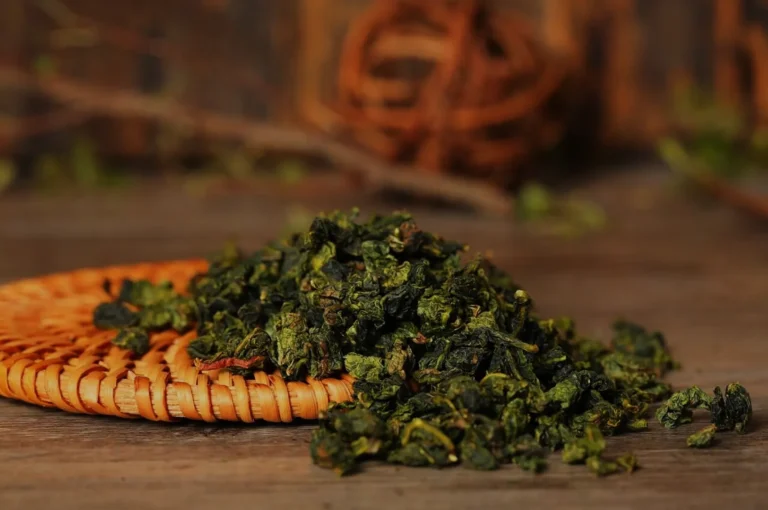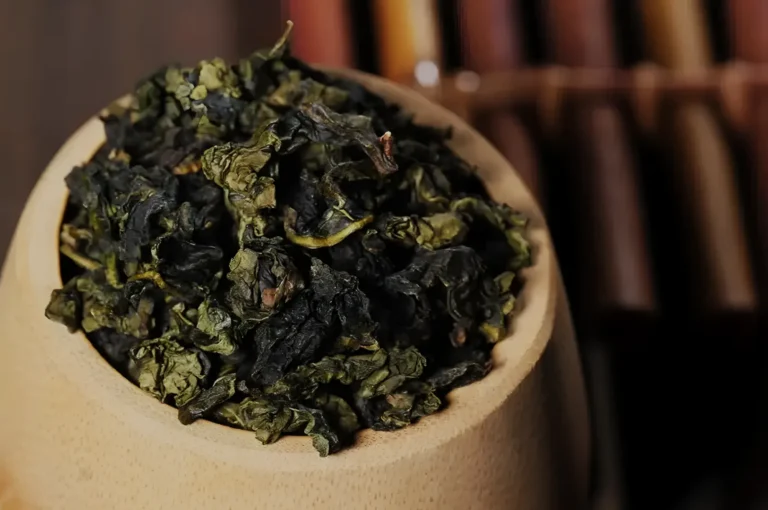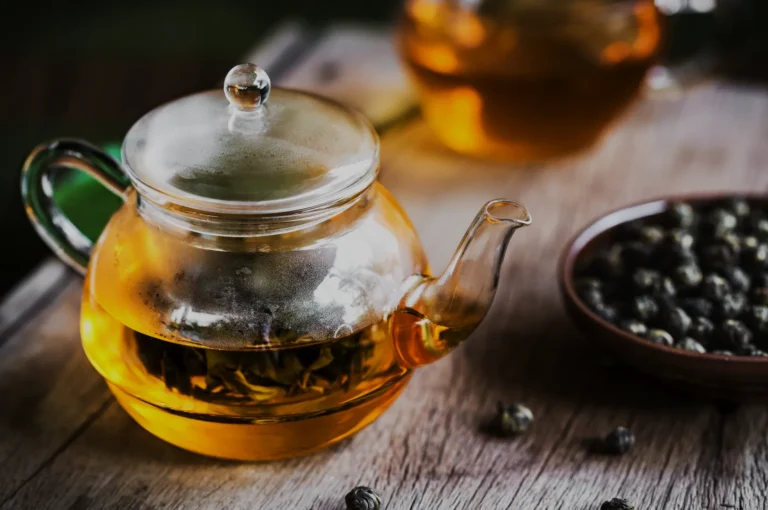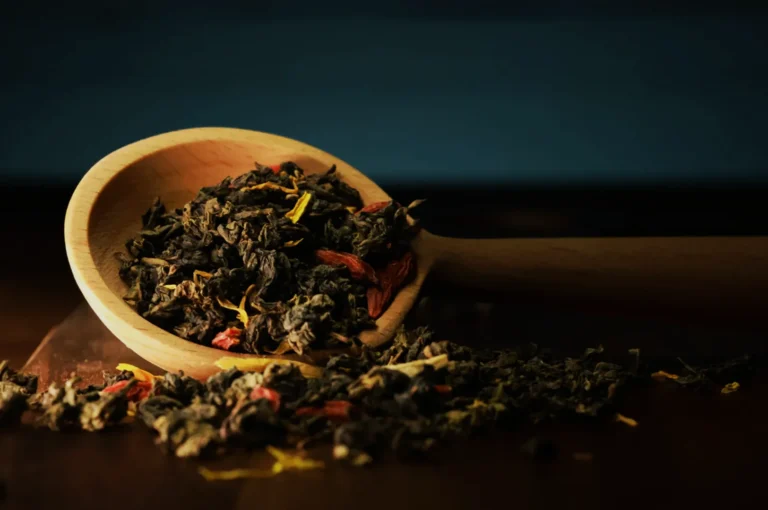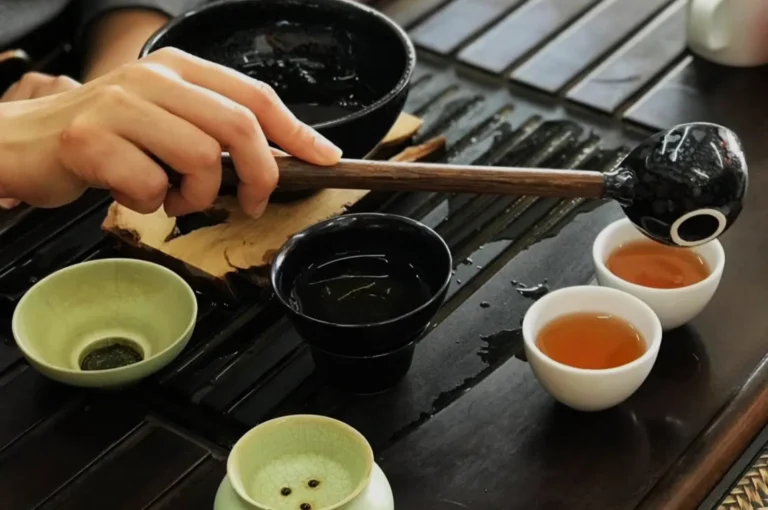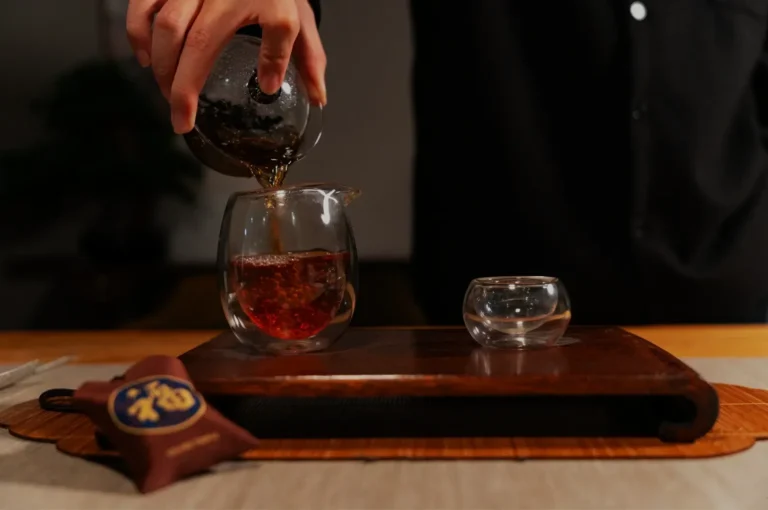
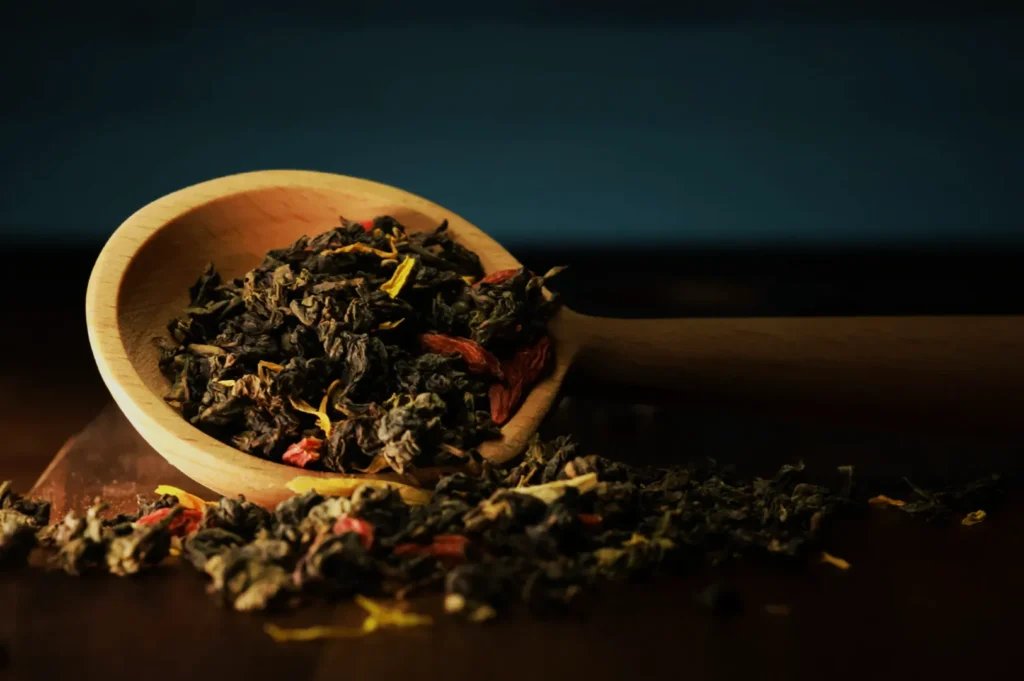
Oolong tea is often offered after a meal.
There is a reason this feels natural. A roasted oolong can bring warmth after rich food. A mineral oolong can clear the palate. A floral oolong can soften the end of a meal without adding sweetness. The cup does not need to be loud to feel useful.
But we should be careful with the question: is oolong tea good for digestion?
The honest answer is measured. Oolong tea may feel comforting after food, and tea polyphenols are studied for their relationship with the gut. But oolong should not be treated as a digestive cure.
Oolong tea is best understood as a digestive companion, not a medical solution.
For readers who want the wider foundation, we have written an oolong tea guide. This article stays with digestion: tradition, comfort, gut research, and how to drink oolong after meals with care.
Why Oolong Is Often Enjoyed After Food
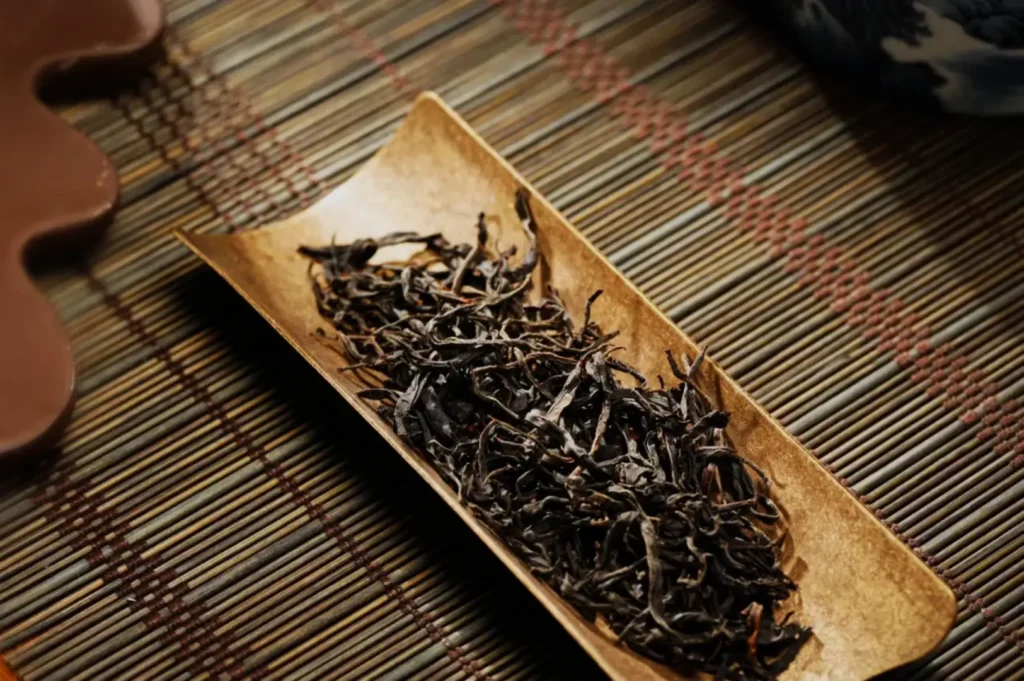
In Chinese tea culture, tea after food is not unusual.
It gives the meal a clean ending. It refreshes the mouth. It slows the body after eating. It creates a pause before returning to work, conversation, or movement.
Oolong is especially suited to this role because it has enough body to stand after food. A very light tea may disappear. A strong black tea may feel too assertive. Oolong often sits between these points.
Roasted oolong can feel warming. Floral oolong can feel bright. Mineral oolong can feel structured and clean.
At Tea Room by Ki-setsu, we often see guests understand oolong more clearly after tasting it beside food. The tea’s texture, finish, and aroma become easier to notice when the palate has something to compare.
Does Oolong Tea Help Digestion?
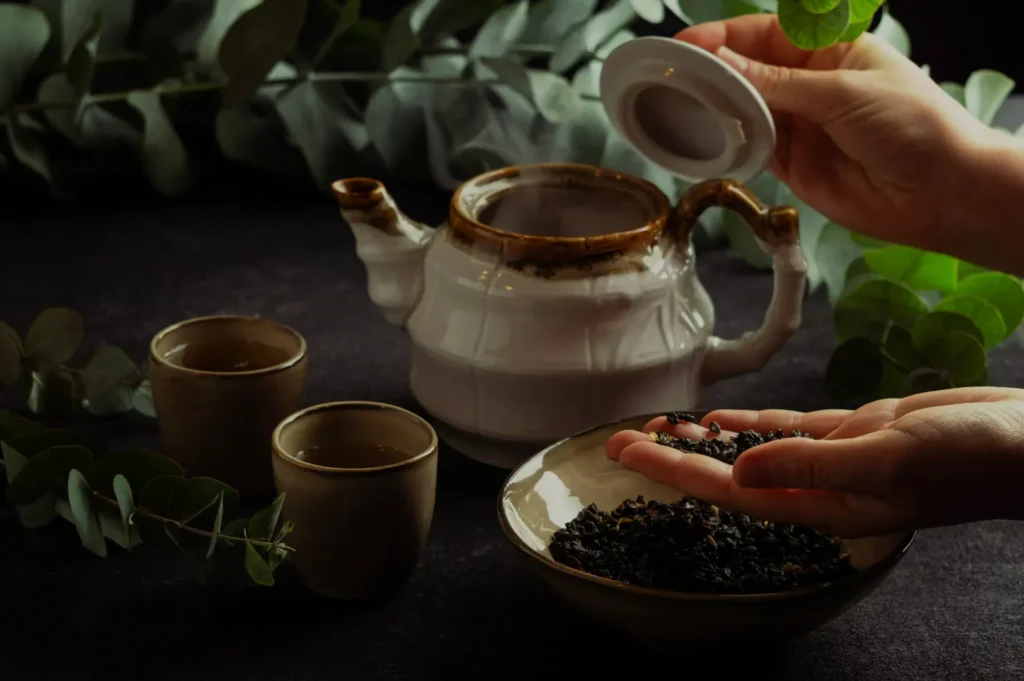
Oolong may support a comfortable after-meal ritual, but we should avoid making too strong a claim.
Tea is not a digestive medicine. It should not be used to treat bloating, reflux, stomach pain, or digestive illness without proper medical guidance.
That said, tea compounds are being studied for their relationship with the gut. A PubMed Central review on tea compounds and the gut microbiome notes that tea contains compounds that may interact with intestinal flora, and that tea polyphenols are considered to have an extended role in modern nutrition.
This does not mean one cup of oolong will change the gut immediately. It means tea belongs to a wider conversation about diet, microbes, and daily habits.
The comfort of oolong after meals may be cultural, sensory, and biological at once.
Oolong Tea and the Gut Microbiome
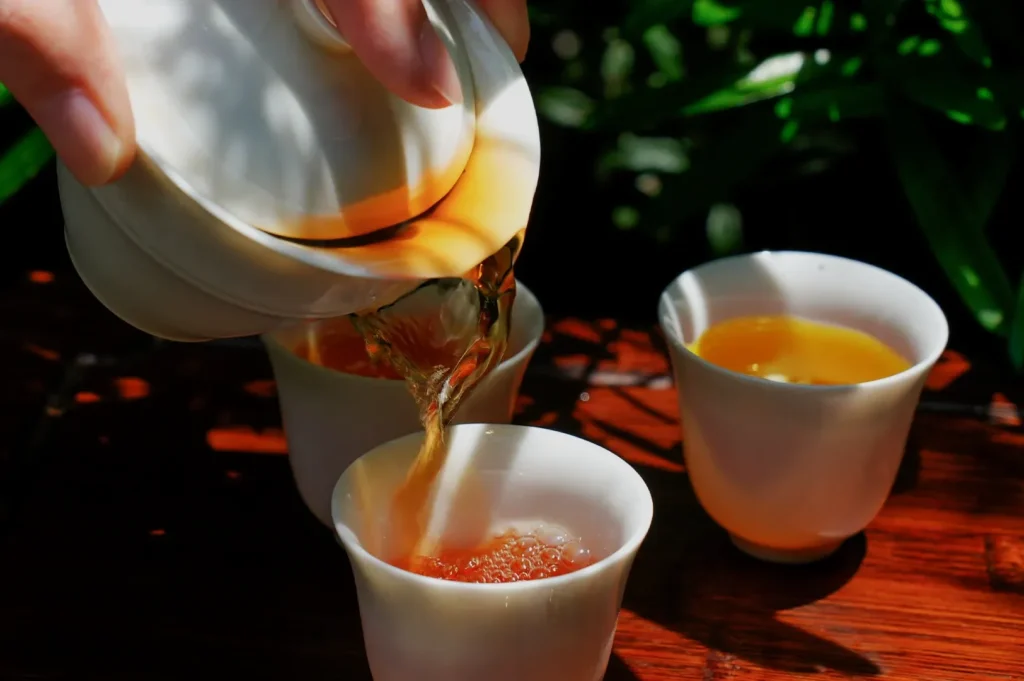
The gut microbiome is complex. It is influenced by diet, sleep, stress, medication, movement, and many other factors.
Tea is only one small part of that world.
A review on differently processed tea and gut microbiota discusses how green, oolong, black, and Pu-erh teas may modulate gut microbiota based on in vitro, animal, and human feeding studies. This is interesting, but it should be read carefully.
Research does not turn tea into a cure. It gives us a more detailed way to understand why traditional habits may continue to matter.
A cup of oolong after food may not be dramatic. But daily habits rarely are. They work quietly, through rhythm.
Why Roasted Oolong Feels Especially Comforting
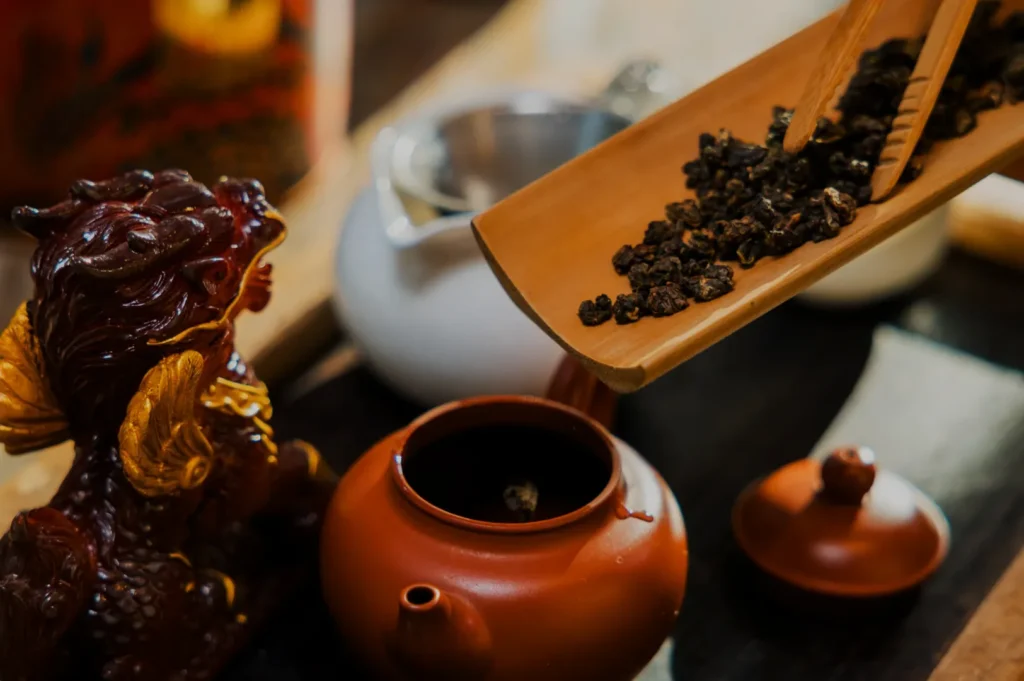
Roasted oolong often feels right after food because of its warmth.
It can carry notes of toasted grain, nuts, charcoal, dried fruit, or warm minerals. These flavours sit comfortably after savoury dishes, roasted foods, fried snacks, or richer meals.
The warmth is not only temperature. It is mood.
A roasted oolong can make the mouth feel cleaner without becoming sharp. It gives structure without heaviness. It can end a meal with steadiness rather than sweetness.
This is why many drinkers return to roasted oolong after lunch or dinner. It does not compete with food. It settles the table.
What About Oolong Tea Polyphenols?
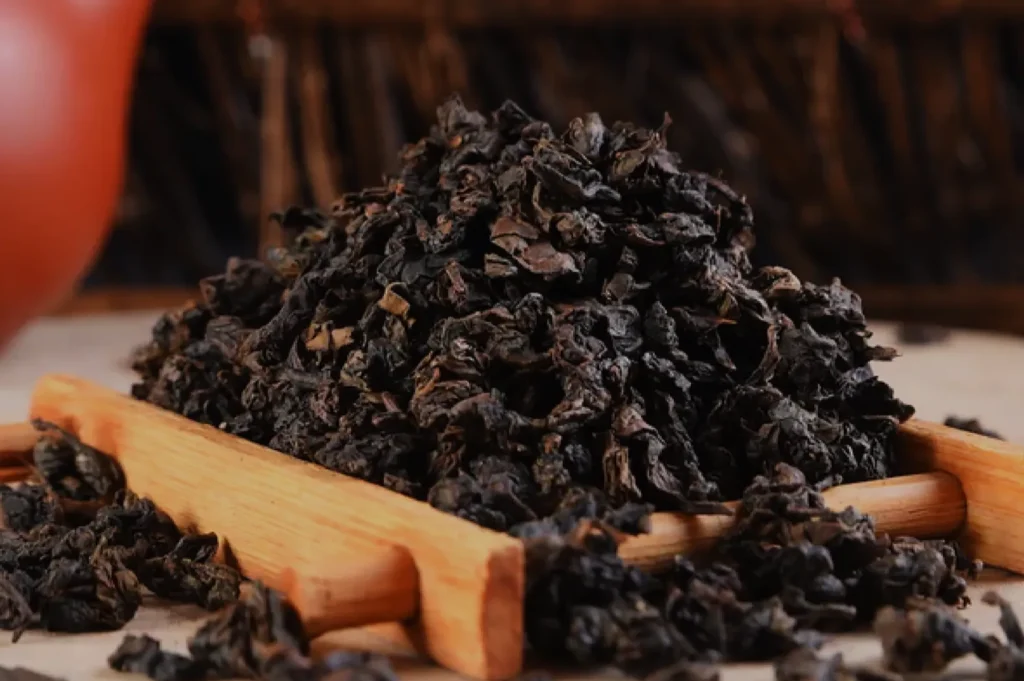
Oolong tea contains polyphenols, and these compounds are often part of wellness discussions.
A ScienceDirect study on oolong tea polyphenols and gut microbiota explored how oolong tea polyphenols affected inflammatory response and cognitive function by regulating gut microbiota in a research model.
This is useful as scientific context, but not as a promise.
Many studies involve extracts, specific doses, or controlled models that are different from everyday tea drinking. A normal cup of oolong is gentler and more complex. It contains water, leaf, aroma, heat, caffeine, polyphenols, and ritual.
Tea research can inform appreciation, but it should not replace common sense.
Can Oolong Tea Upset the Stomach?
Yes, for some people.
Oolong tea contains caffeine and polyphenols. If brewed very strong or taken on an empty stomach, it may cause discomfort in sensitive drinkers. Some may feel acidity, nausea, tightness, or restlessness.
If this happens, drink oolong after food rather than before. Use less leaf. Brew it lighter. Avoid very strong sessions late in the day.
The body is part of tea appreciation. If a tea feels uncomfortable, the answer is not to force discipline. The answer is to adjust.
How to Drink Oolong After Meals
Begin simply.
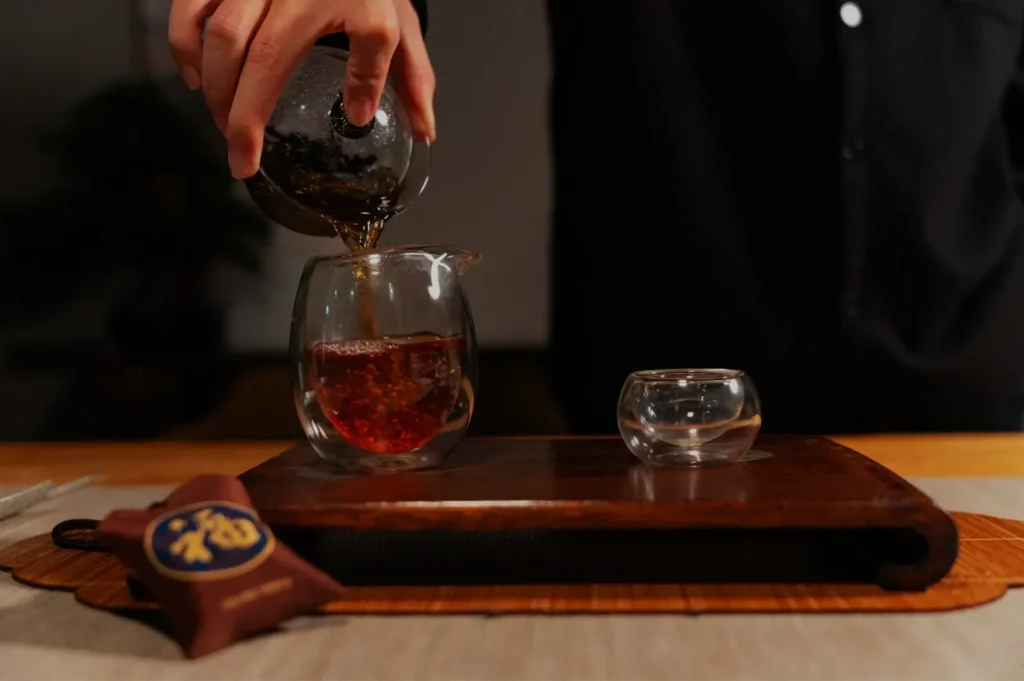
Choose a roasted or medium-bodied oolong after heavier food. Choose a lighter floral oolong after fruit, soft desserts, or a gentler meal.
Do not brew it too harshly. A bitter cup is not more “digestive.” It is simply over-extracted.
Let the tea sit after the meal, not during every bite. This gives the palate space to notice what the tea is doing. Does it clear sweetness? Soften oiliness? Bring warmth? Leave a clean finish?
These details matter more than a slogan.
Final Thought
So, is oolong tea good for digestion?
It may support comfort after meals. It may help refresh the palate. It contains compounds that researchers continue to study in relation to the gut. It can also create a quiet ritual that slows the end of eating.
But it is not a cure, and it should not be treated as one.
Oolong tea works best after meals when it is approached as comfort, not correction.
For those exploring Chinese tea, oolong offers a thoughtful way to end the table: warm, structured, fragrant, and calm enough to let the meal settle.