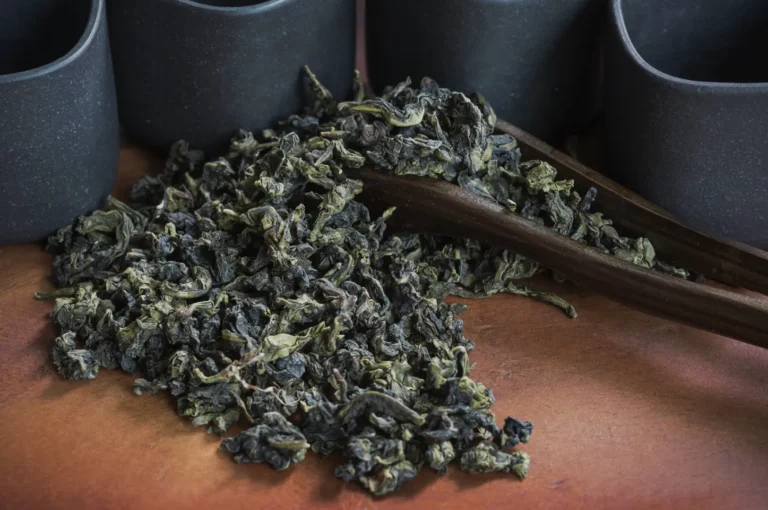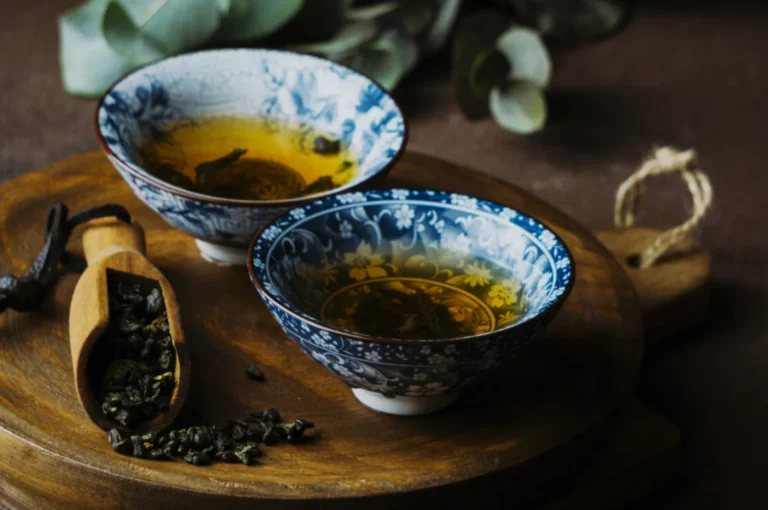
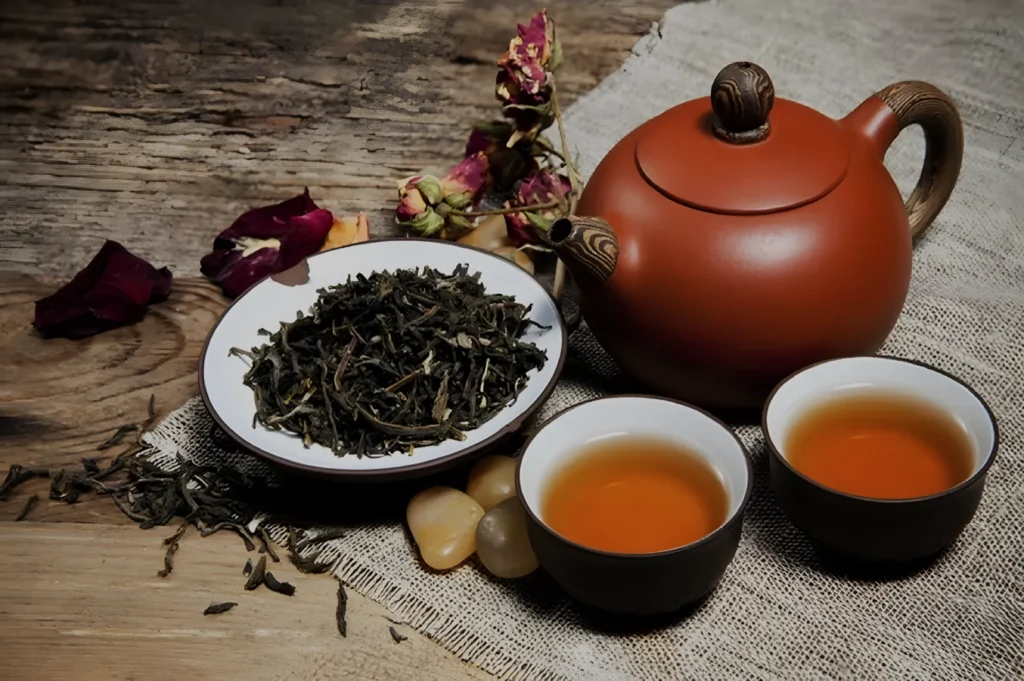
Oolong tea is difficult to describe because it rarely stays in one place.
One cup may smell like orchids. Another may feel roasted and warm. A third may carry a creamy texture, while another leaves behind something clean, stony, and almost mineral.
This is why the question “what does oolong tea taste like?” deserves more than one answer.
Oolong tea taste is shaped by oxidation, roast, cultivar, region, and the way the leaf is brewed.
For readers who want the wider foundation, we have written a guide to understanding oolong tea flavours. This article stays closer to the cup: how to read floral, roasted, creamy, and mineral notes without overthinking them.
Why Oolong Has So Many Flavours
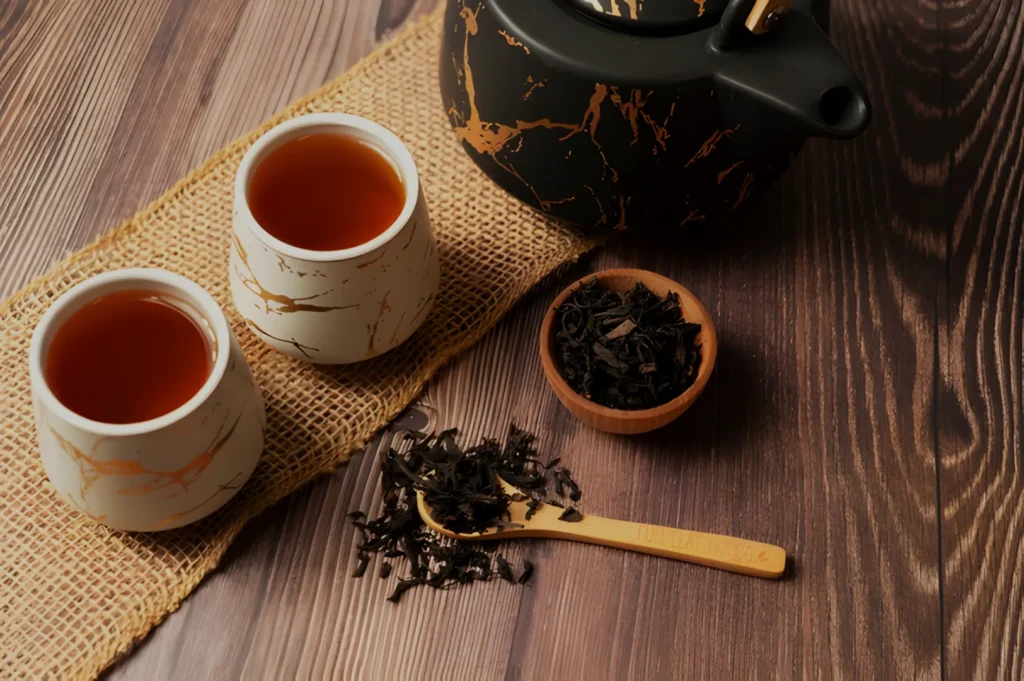
Oolong tea is partially oxidised. That middle ground between green and black tea gives makers a wide space to work with.
Some oolongs are kept light and fragrant. Some are oxidised more deeply. Some are roasted gently. Others are roasted until they feel darker, warmer, and more structured.
A study on roasted and unroasted oolong tea volatile fingerprints compared sensory attributes and volatile compositions across High Mountain oolong, Tie Guan Yin, Dong Ding, and Wuyi rock tea. The study is useful because it reminds us that “oolong” is not one flavour profile. Different styles carry different aromatic signatures.
In simpler terms, the leaf has many ways to speak.
Floral Oolong: Lift, Fragrance and Freshness
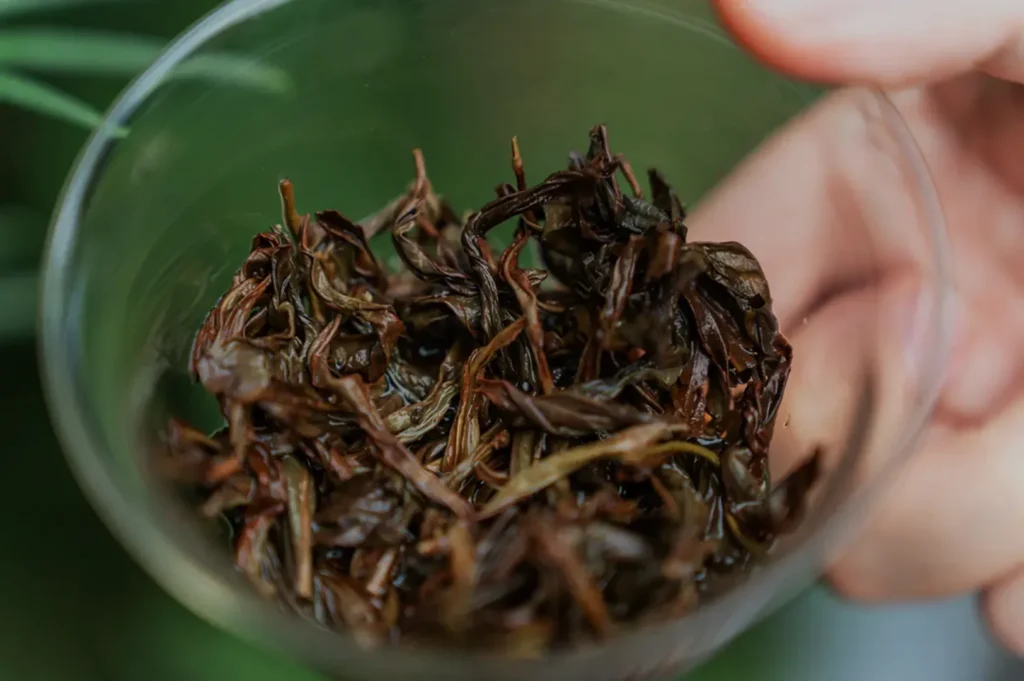
Floral oolong is often the easiest style for beginners to recognise.
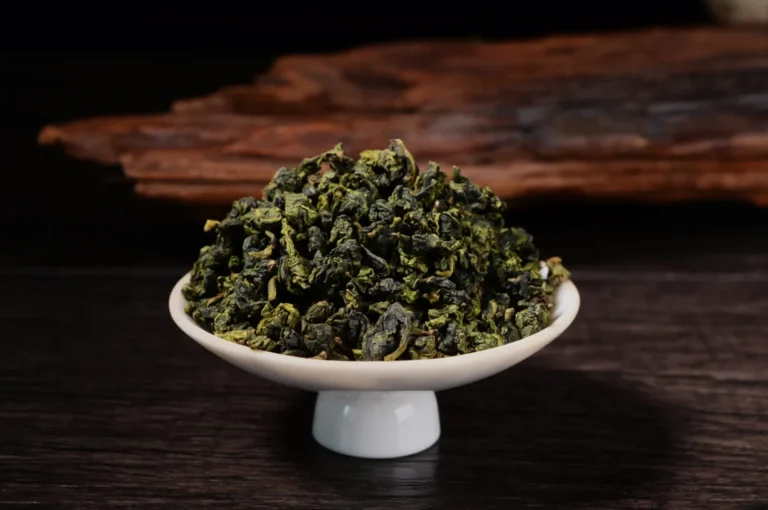
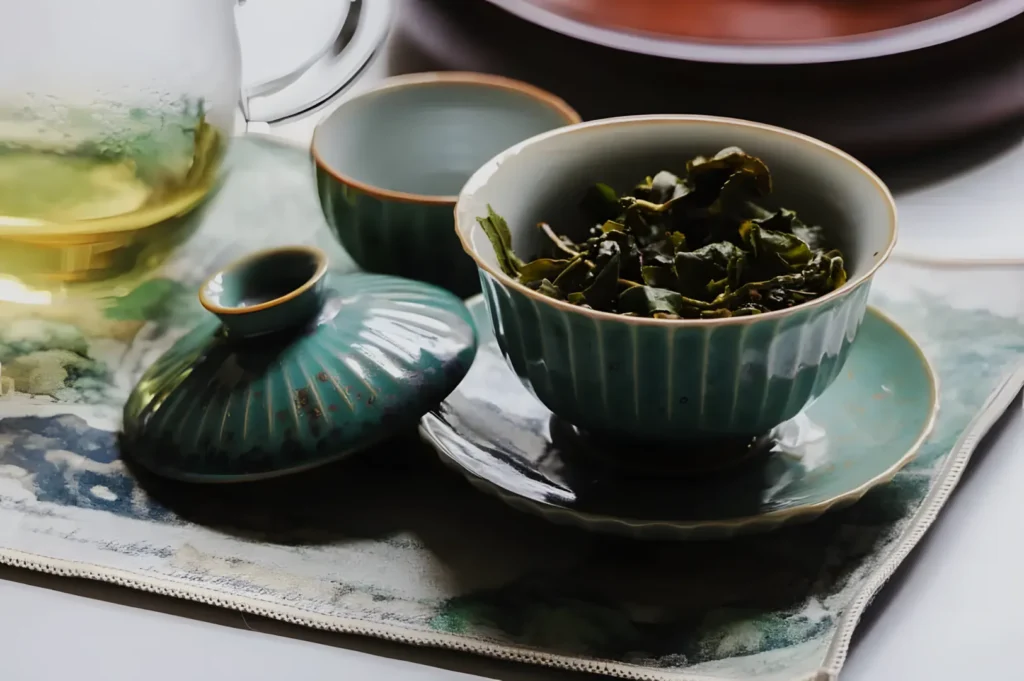
It may remind you of orchid, gardenia, lilac, or fresh spring air. The aroma rises quickly from the cup. The liquor may feel light, smooth, and clean. The finish is usually gentle rather than heavy.
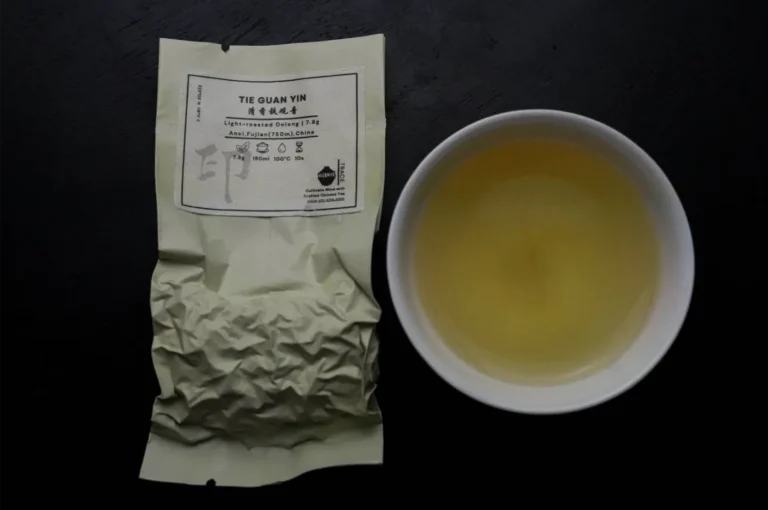
Tie Guan Yin and Taiwanese high mountain oolongs are often associated with this brighter floral character, though not every version will taste the same.
A paper on oolong tea aroma characteristics notes that oolong’s fresh, floral, and fruity aromas are influenced by interactions among aroma components, processing mode, and tea cultivars. This matters because floral notes are not added. They are created through leaf, craft, and timing.
A floral oolong should feel fragrant, not perfumed.
If the cup smells artificial or aggressively sweet, something is wrong. Good floral oolong has lift, but still feels rooted in the leaf.
Roasted Oolong: Warmth, Grain and Depth
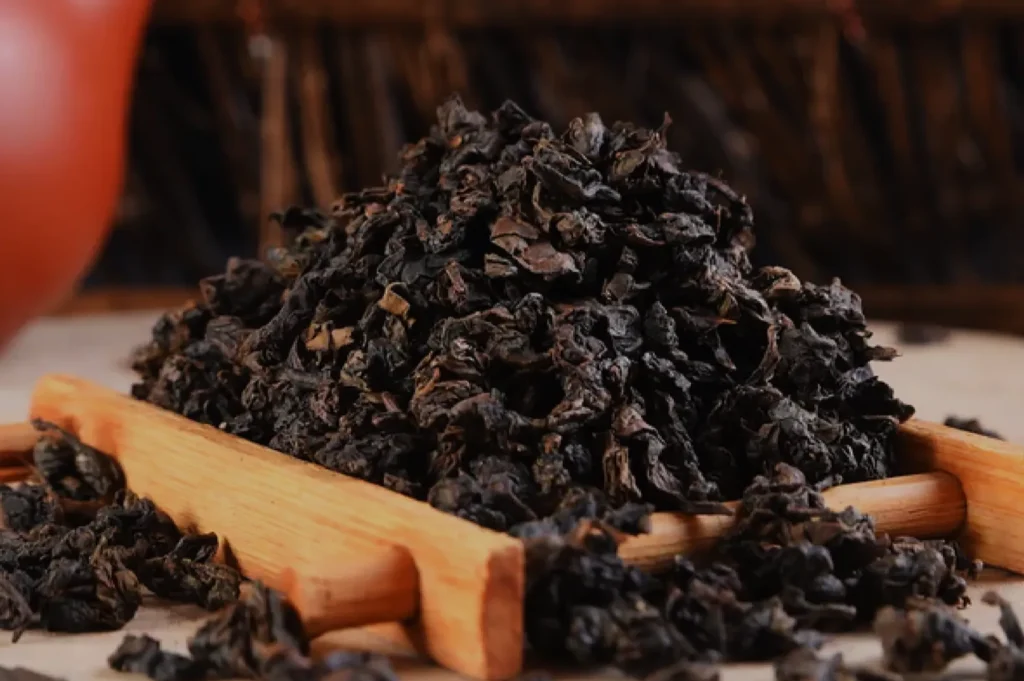
Roasted oolong sits in a different mood.
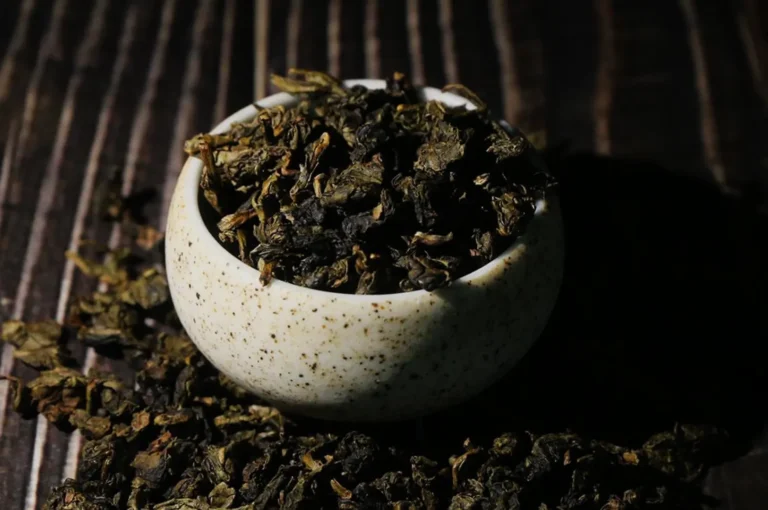
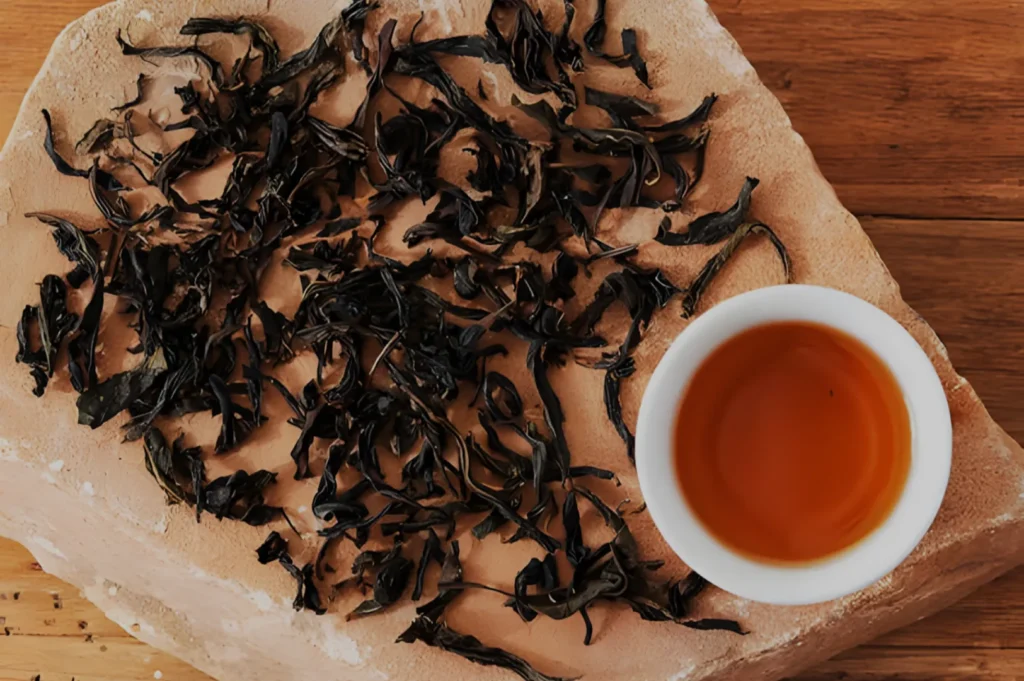
Instead of spring flowers, it may suggest toasted grain, roasted nuts, caramel, warm wood, charcoal, or dried fruit. The body can feel fuller. The finish may last longer. The tea may feel grounding, especially after food.
Wuyi rock tea and Dong Ding oolong often live in this warmer space, though roast levels vary widely.
A study on Dong Ding oolong aroma compounds found that sensory evaluation showed a prominent caramel aroma in Dong Ding oolong tea. That does not mean every roasted oolong tastes like caramel, but it gives us a useful doorway into understanding why some roasted teas feel sweet, warm, and rounded.
At Tea Room by Ki-setsu, we often see roasted oolong appeal to drinkers who want tea with depth but not heaviness.
Roast should give structure. It should not cover the tea.
When roast becomes too dominant, the cup may taste flat, burnt, or dry. A well-roasted oolong still allows the leaf’s sweetness and texture to come through.
Creamy Oolong: Texture Before Flavour
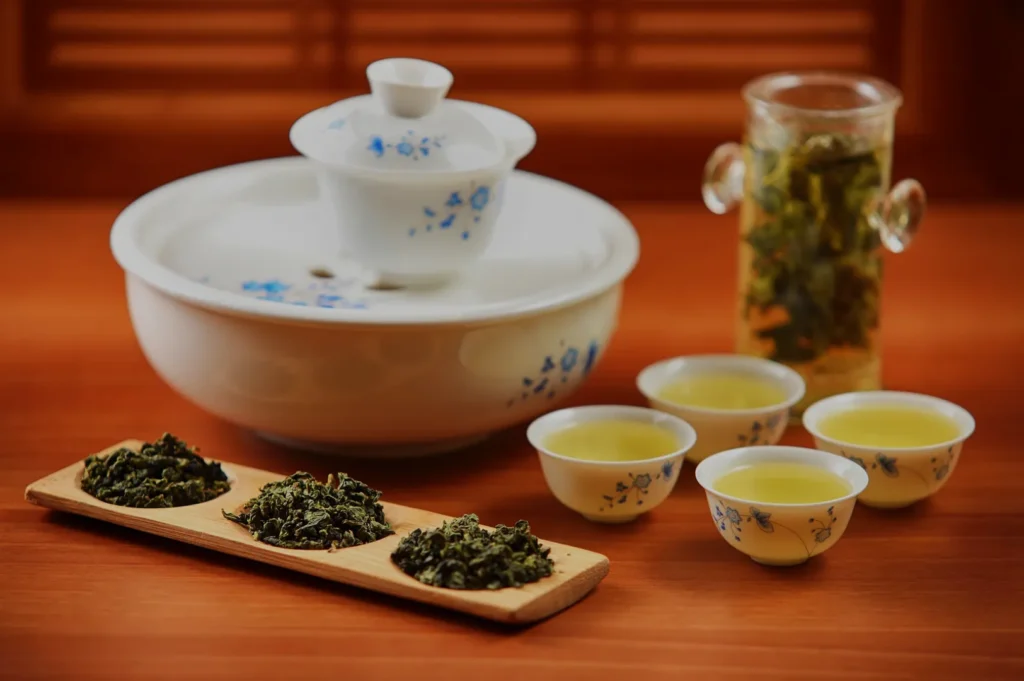
Creaminess in oolong is not always about milk-like taste.
Sometimes it is texture. The tea feels rounded, soft, and coating. It moves smoothly across the mouth instead of feeling sharp or thin. Certain Taiwanese oolongs are admired for this sensation, especially when the tea has good body and balance.
Some teas may also carry buttery or milky impressions, but we should be careful with this language. “Milk oolong” is sometimes used loosely in the market, and not every creamy tea is naturally creamy in the same way.
Instead of asking whether the tea tastes like milk, ask how it moves.
Does it feel smooth? Does it coat the mouth? Does the softness continue after swallowing? Does the sweetness arrive slowly?
Creamy oolong is often read through body more than aroma.
Mineral Oolong: Stone, Structure and Aftertaste
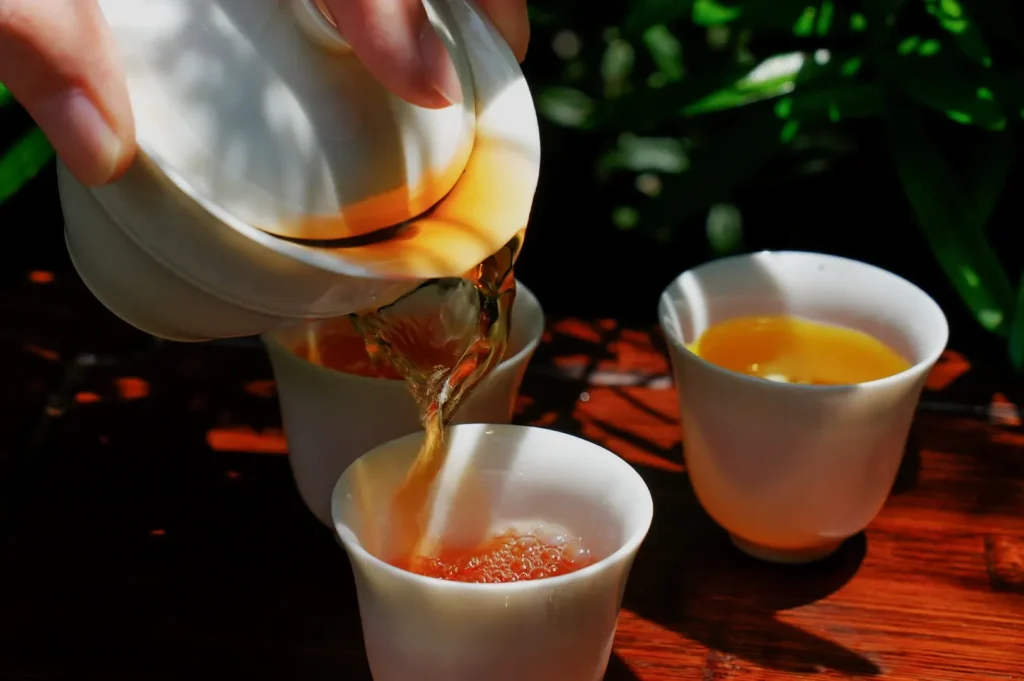
Mineral oolong can be harder for beginners to understand.
The word “mineral” does not mean the tea tastes like rocks in a literal way. It points to a clean, structured sensation that may feel stony, dry, deep, or quietly firm. The finish may linger at the sides of the tongue or back of the throat.
Wuyi rock teas are often associated with this quality.
Minerality is not loud. It is usually felt after the obvious notes pass. First there may be roast. Then warmth. Then, in the finish, something steadier remains.
Mineral character is often less about flavour and more about presence.
This is why mineral oolongs reward slower drinking. If we rush the cup, we may only notice roast. If we return to it carefully, the structure becomes clearer.
How to Read the Cup Without Forcing It
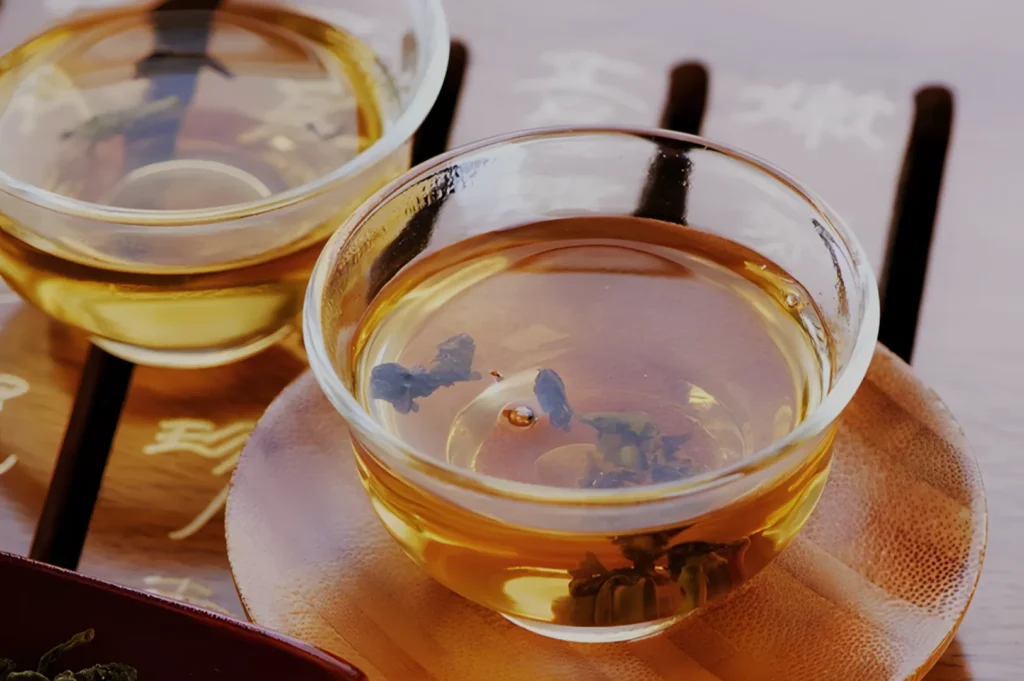
Tasting oolong does not require dramatic vocabulary.
Begin with four simple questions.
First, what do you smell before drinking? Floral, roasted, fruity, woody, sweet, fresh?
Second, what do you feel in the mouth? Light, creamy, brisk, smooth, dry, rounded?
Third, what stays after swallowing? Sweetness, roast, minerality, bitterness, warmth?
Fourth, how does the tea change across infusions?
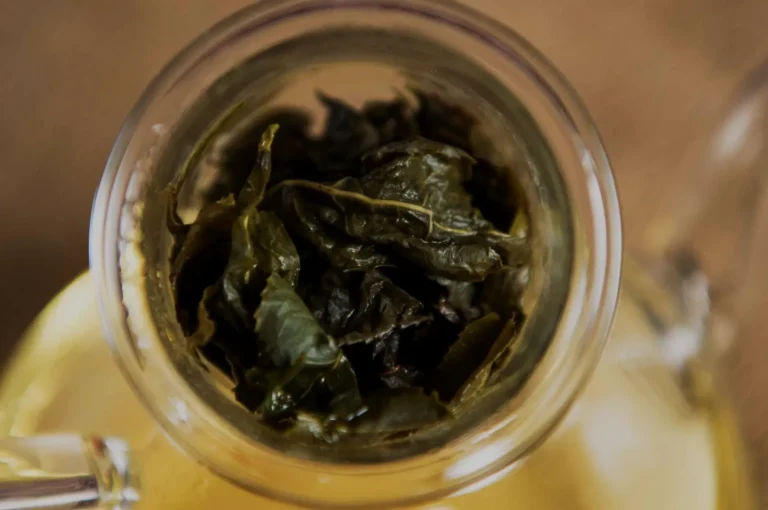
The fourth question is especially important. Oolong often changes beautifully. A floral tea may become creamier. A roasted tea may soften. A mineral tea may reveal sweetness later.
Do not force the tea to match a tasting note. Let the note earn its place.
Which Oolong Taste Should Beginners Choose?
If you are new to oolong, begin with preference rather than reputation.
Choose floral oolong if you enjoy fragrance, lightness, and a graceful cup.
Choose roasted oolong if you prefer warmth, depth, and a comforting finish.
Choose creamy oolong if texture matters to you.
Choose mineral oolong if you enjoy teas that feel structured, layered, and slow to reveal themselves.
There is no correct first oolong. There is only the first cup that teaches you something.
Final Thought
Oolong tea taste can be floral, roasted, creamy, mineral, fruity, sweet, warm, or clean. That range is not confusion. It is the character of the category.
The best way to understand oolong is not to memorise tasting notes, but to sit with the cup long enough to notice what changes.
Oolong teaches the palate to become patient.
At Tea Room by Ki-setsu, we see that patience as part of the pleasure. The tea does not need to explain itself all at once. It only needs enough time, water, and attention to become clear.