There is a point each spring when Longjing begins to divide people quietly.
One drinker seeks the earliest leaves, waiting for that brief moment before Qingming when the buds are most tender and the harvest most prized. Another returns, just as quietly, to later spring lots with more body, more chestnut warmth, and a broader, easier generosity in the cup. Both are drinking Dragon Well. Both are right to do so. The difference lies not in whether one is “real” and the other lesser, but in what each harvest chooses to reveal.
At Tea Room by Ki-setsu, we find that this is where Longjing becomes especially interesting. People often assume that the earliest harvest must automatically be the most satisfying to drink. In reality, prestige and pleasure do not always arrive in the same place. Some of the most coveted leaves are prized for tenderness, rarity, and refinement. Some later lots, while less exalted in status, offer a more immediately expressive and comforting cup. To understand that difference is to understand Longjing more honestly.
Why Harvest Timing Matters So Much
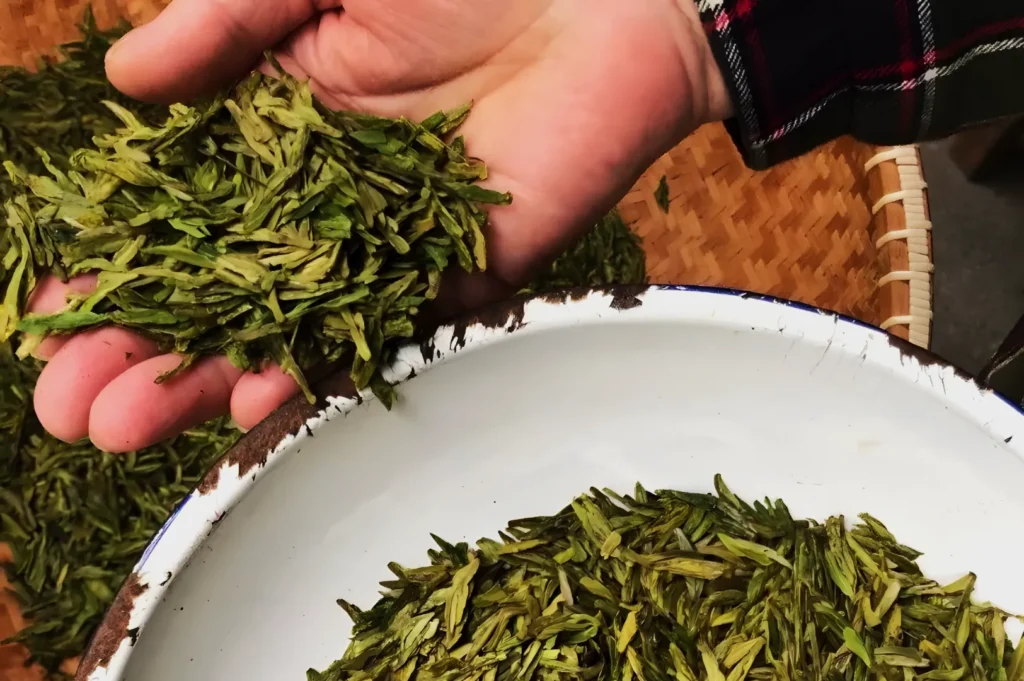
Longjing is unusually sensitive to season.
The tea bushes spend winter in dormancy, storing energy before the first spring growth appears. When the earliest buds emerge, they carry that concentrated energy in a very delicate form. This is why early spring tea is so admired across many Chinese tea traditions, and why pre-Qingming Longjing in particular has long held such prestige. The leaves are smaller, finer, and more difficult to pick in quantity, and the harvest window is brief enough that scarcity becomes part of the tea’s identity.
Yet rarity is only one part of the story.
As spring continues, the leaf changes. The buds begin to open more fully, the leaves broaden, and the tea can develop a different kind of flavour expression. This is not simply “later” in the calendar. It is a shift in the plant’s balance. Many drinkers notice that while the earliest lots can feel exceptionally refined, later harvests often bring more overt flavour, slightly stronger body, and a warmer chestnut profile that is easier to recognise even on a first sip.
What Pre-Qingming Longjing Tends To Taste Like
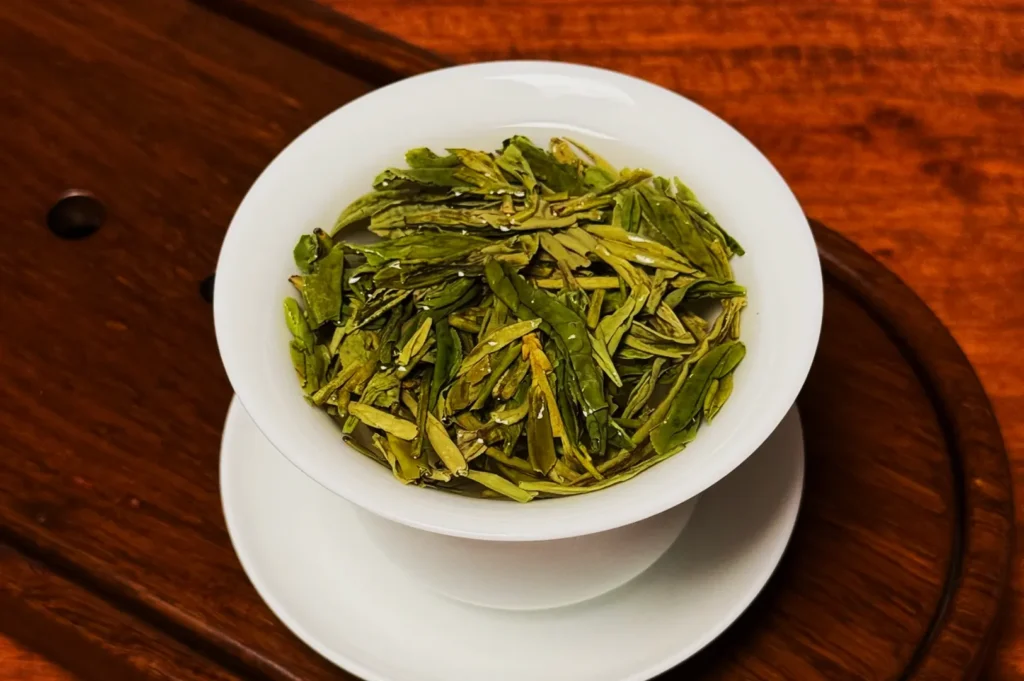
Pre-Qingming Longjing is often described with the language of tenderness, and that is a useful place to begin.
The liquor is usually paler, finer, and more restrained. The aroma tends to rise in a softer way, carrying fresh bean, spring green, and a delicate chestnut note rather than a strongly roasted one. In the mouth, the tea may feel feather-light but not empty, with a kind of poised sweetness that reveals itself more through finesse than through force. It is the kind of tea that rewards a calm room and a patient drinker.
This does not mean pre-Qingming tea is weak. It means the tea asks for a finer kind of attention.
A very early Dragon Well often expresses itself through clarity, lift, and the quality of its finish rather than through immediate impact. The chestnut note is there, but in a quieter register. The vegetal note is fresher and more transparent. The sweetness often feels cooler and more restrained. For some drinkers, this refinement is exactly the point. For others, especially if they are encountering Longjing for the first time, the tea can feel almost too subtle unless it is brewed with care and tasted without hurry.
Why Later Harvest Longjing Can Feel More Generous
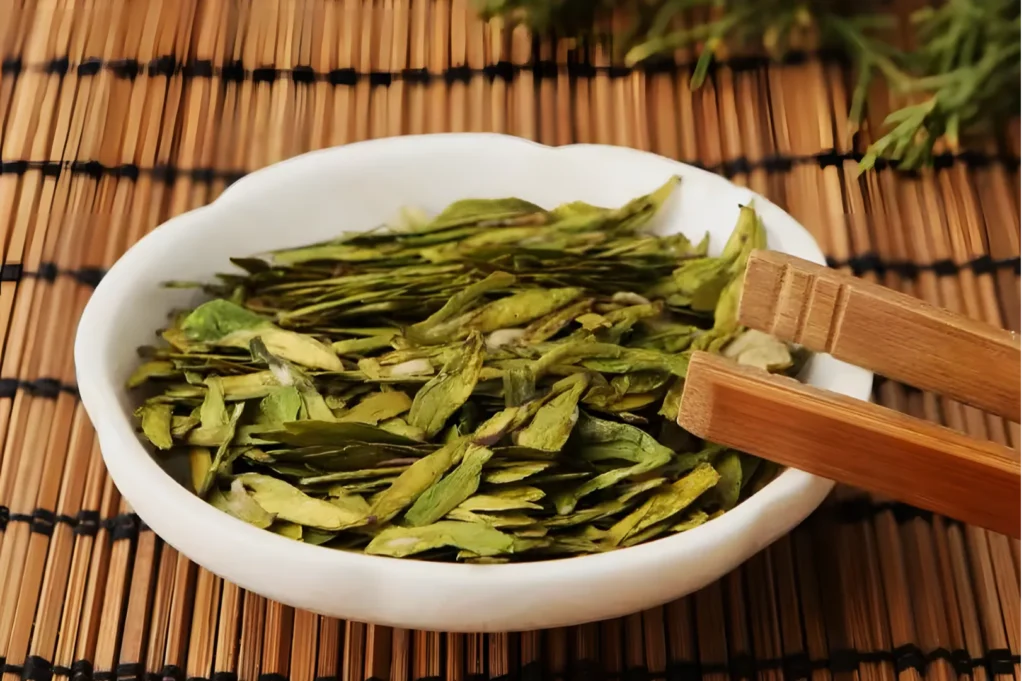
Later harvest Longjing is often less romanticised, but it can be deeply satisfying.
As the spring progresses, the leaves gain a little more breadth and resilience. The resulting tea can move toward a more rounded profile, with chestnut and toasted bean notes becoming more obvious and the liquor carrying a slightly fuller body. The freshness of Dragon Well remains, but it is supported by more warmth. This is one reason some experienced drinkers quietly prefer later spring lots for everyday use, even while still respecting the prestige of pre-Qingming teas.
This also makes later harvest Longjing easier to understand for many people.
If pre-Qingming tea sometimes speaks in a whisper, later harvest tea often speaks in a low, clear voice. The shape of the flavour is easier to recognise. The sweetness arrives more directly. The chestnut note feels more familiar. For those who want Longjing to feel immediately like comfort rather than like a subtle puzzle, this later expression can be more rewarding in the cup, even if it carries less ceremonial prestige in the market.
Prestige And Preference Are Not The Same Thing
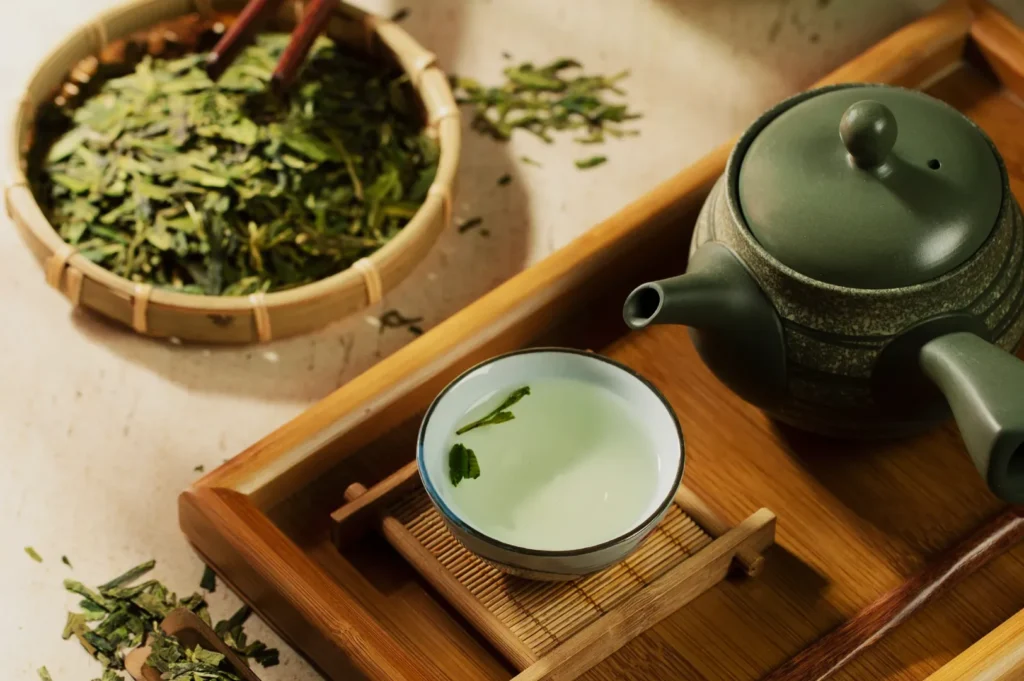
This is where many buyers become quietly confused.
Because pre-Qingming Longjing is the most prized and often the most expensive, people assume it must also be the most delicious in every sense. But tea does not always obey status so neatly. The first harvest can be rarer, finer, and more coveted, while a slightly later harvest may offer more volume of flavour and a cup that feels easier to love immediately. One reflects refinement at its narrowest point. The other may offer a more generous expression of the same tea.
At Tea Room by Ki-setsu, we think this distinction matters because it frees people to choose by taste rather than by hierarchy. If what you love in tea is subtle lift, poised sweetness, and quiet complexity, early spring Longjing may be exactly where your attention wants to rest. If you prefer a warmer, more rounded cup with more obvious chestnut and grain notes, later harvest lots may feel more true to your palate. Neither preference is unsophisticated. They are simply different forms of pleasure.
Texture Changes Across The Season Too
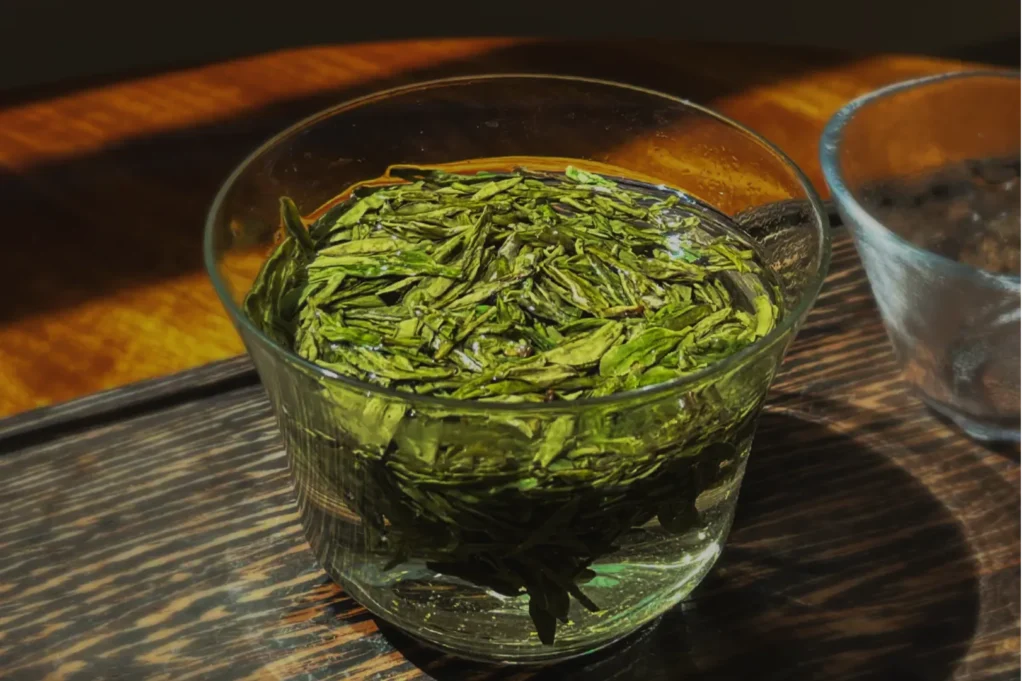
The difference is not only aromatic. It is tactile.
Earlier Longjing often feels more delicate in body, with a lighter, almost silken passage across the palate. It can leave behind a very clean sweetness and a subtle freshness that lingers without weight. Later harvest tea tends to feel slightly broader, with more immediate substance in the mouth and a finish that leans warmer rather than more aerial. These are not dramatic shifts, but in a tea as quietly precise as Longjing, small differences matter.
This is one reason side-by-side tasting can be so useful. A written description can suggest the difference, but texture is something the mouth understands much faster than language does. When the two teas are brewed with equal care, the contrast becomes clear without needing much explanation: one moves like a fine line, the other like a softer curve.
How To Taste The Difference Without Forcing It
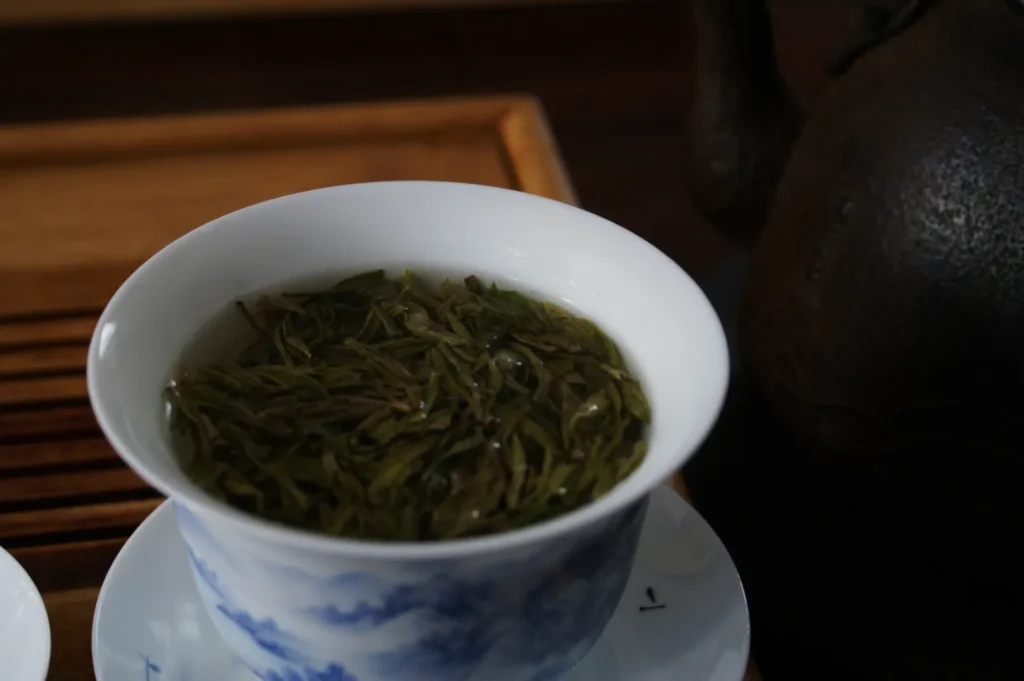
If you want to understand harvest timing through the cup, the simplest approach is also the best: brew both teas gently and keep everything else as stable as possible.
Use similar glassware. Keep the water within the same moderate range. Let the leaf do the speaking rather than trying to “pull out” more through hotter water or longer steeps. Start by smelling the dry leaves, then the warmed leaves, and only then the liquor itself. The earlier harvest will often feel more lifted, more compact, and more precise. The later harvest may feel warmer, rounder, and more open from the beginning.
What matters is not to rush toward a conclusion. Longjing is rarely dramatic. It reveals itself through contrast held quietly enough to be noticed. Sometimes the difference becomes most obvious not in the first sip, but in the finish, where one tea leaves a cooler, finer sweetness and the other leaves a broader, more toasted warmth behind.
Which One Should You Buy?
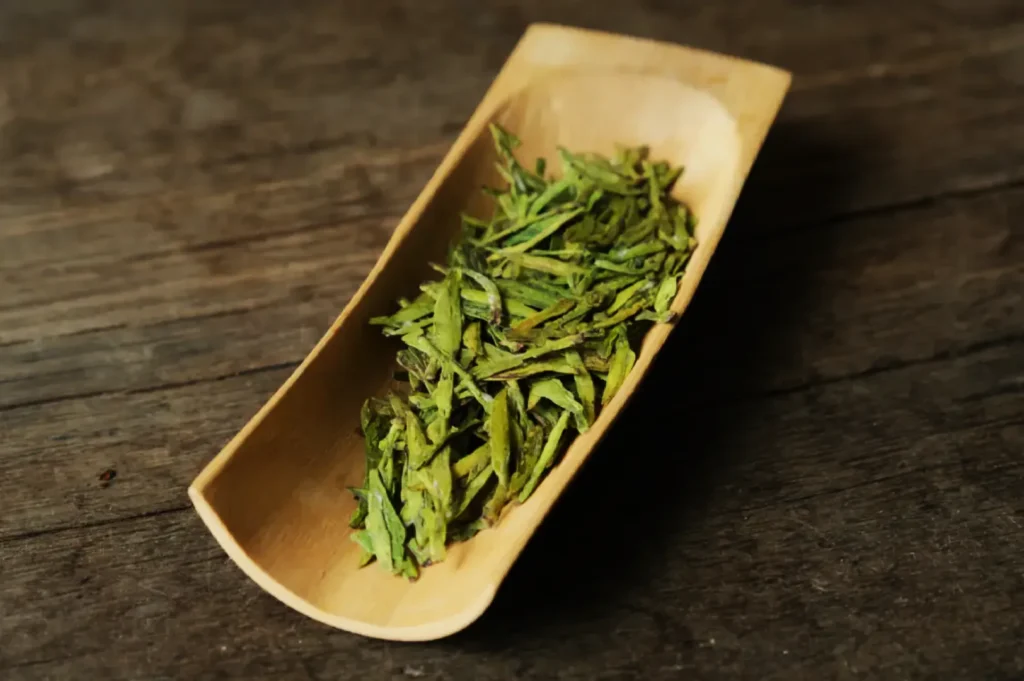
If you are buying for rarity, ceremony, or the pure pleasure of tasting the leaf at its most tender and brief, pre-Qingming Longjing carries a kind of elegance that is difficult to replace. It is the spring season at its narrowest and most concentrated, and many drinkers will always treasure it for that reason.
If you are buying for regular drinking, gifting, or a cup that feels immediately generous and clear, later harvest Longjing may offer stronger value. It can be easier to brew, easier to understand, and in some cases more satisfying for those who respond to warmth and chestnut depth more readily than to sheer delicacy. This is especially true for drinkers who are still learning the language of Dragon Well and want to meet the tea where it is most open.
For readers who want the broader context of sourcing, history, and what makes Dragon Well so enduring, our complete guide to Longjing tea in Singapore remains a useful companion. But the real answer is often simpler than all the terminology: the right Longjing is the one whose season matches the kind of cup you want to return to.
What We Taste At Tea Room by Ki-setsu
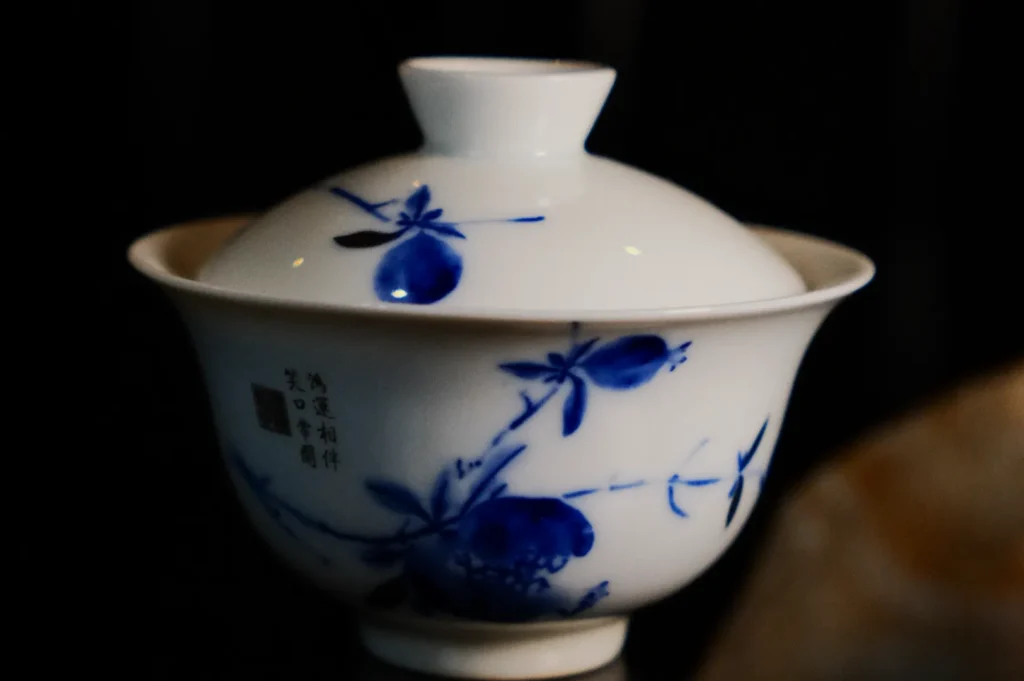
At Tea Room by Ki-setsu, we return to this difference often, because it reveals something important about tea itself.
Not all value sits where prestige sits. Not all rarity translates into intimacy. And not every later harvest should be treated as a lesser version of an early one. The leaf changes with the season, and the drinker changes too. A cup that feels right in one year of life may not be the cup that speaks most clearly in the next.
This is why we think Longjing is best understood not as a fixed icon, but as a seasonal conversation. The leaf carries spring differently depending on when it was picked, and the only real way to understand that is to taste with enough stillness to notice what one harvest says that another does not.
In the end, pre-Qingming and later harvest Longjing are not in competition. They are two expressions of the same tea, shaped by time, weather, and the pace of spring itself. One offers a finer, rarer line. The other offers a broader hand of warmth. To know the difference is not to choose a winner. It is simply to drink with more honesty.