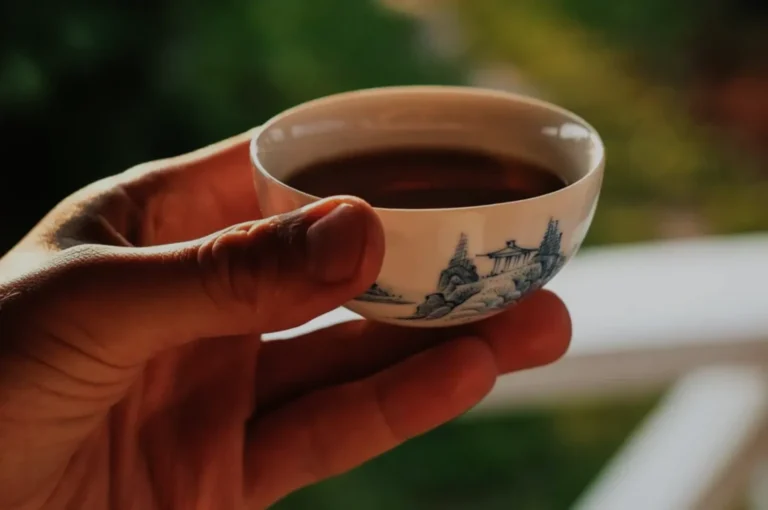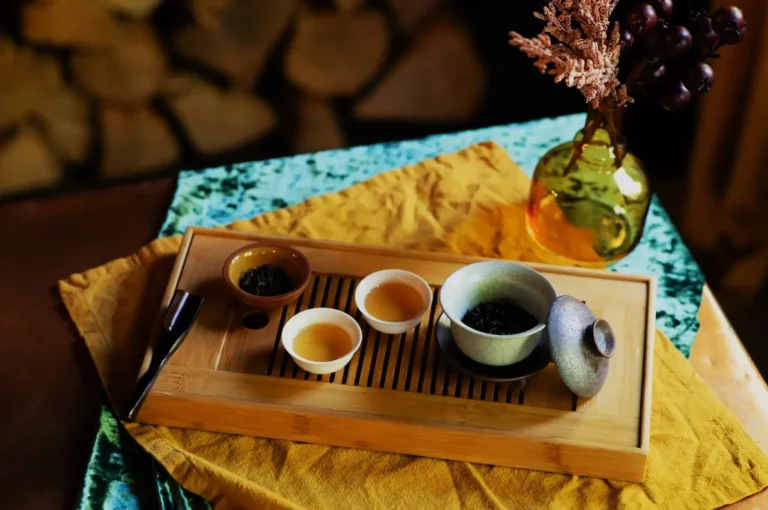
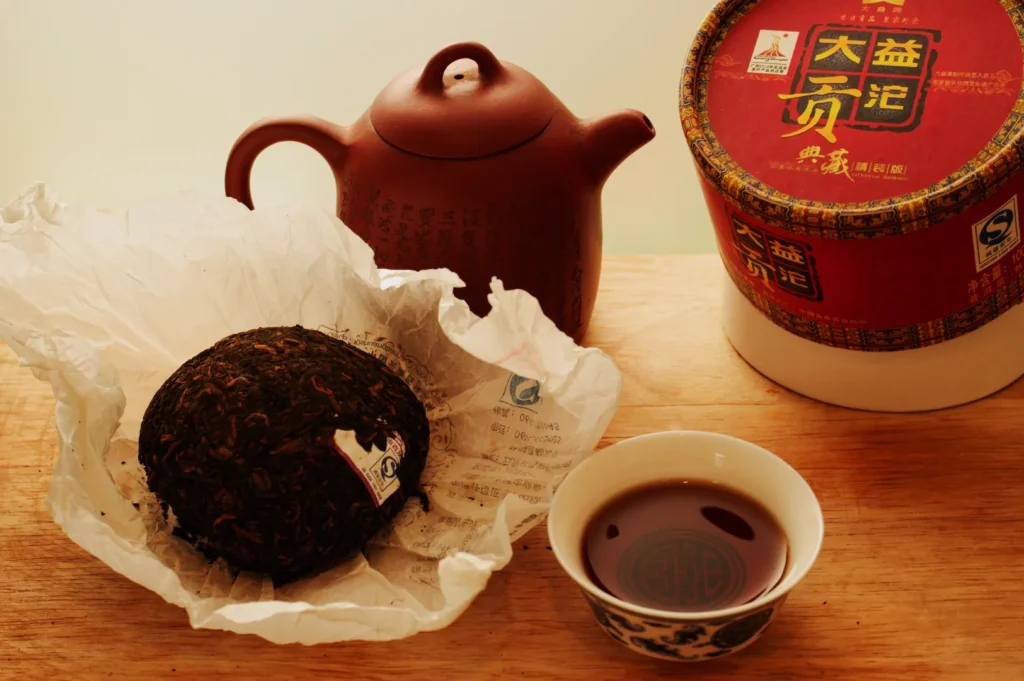
It often begins with a cake in the hand and a pause that lasts a little longer than expected.
A first-time buyer turns over the wrapper, notices the compressed leaves, the Chinese characters, the promise of age, and then hesitates. Is this the right one? Will it taste deep and beautiful, or simply strange? Should you buy a full cake, or begin with something smaller and less certain?
Pu-erh can appear more intimidating than it is. The language around it is often dense, and the advice can feel contradictory, especially if your first encounter is through crowded forums or hurried retail shelves. What most beginners need is not more mythology, but a clear place to begin.
In this guide, we want to offer exactly that: what to buy first, what to skip for now, how to taste with confidence, and how to begin a relationship with pu-erh that feels steady, not performative.
Quick Answer: What Should A Beginner Buy First?
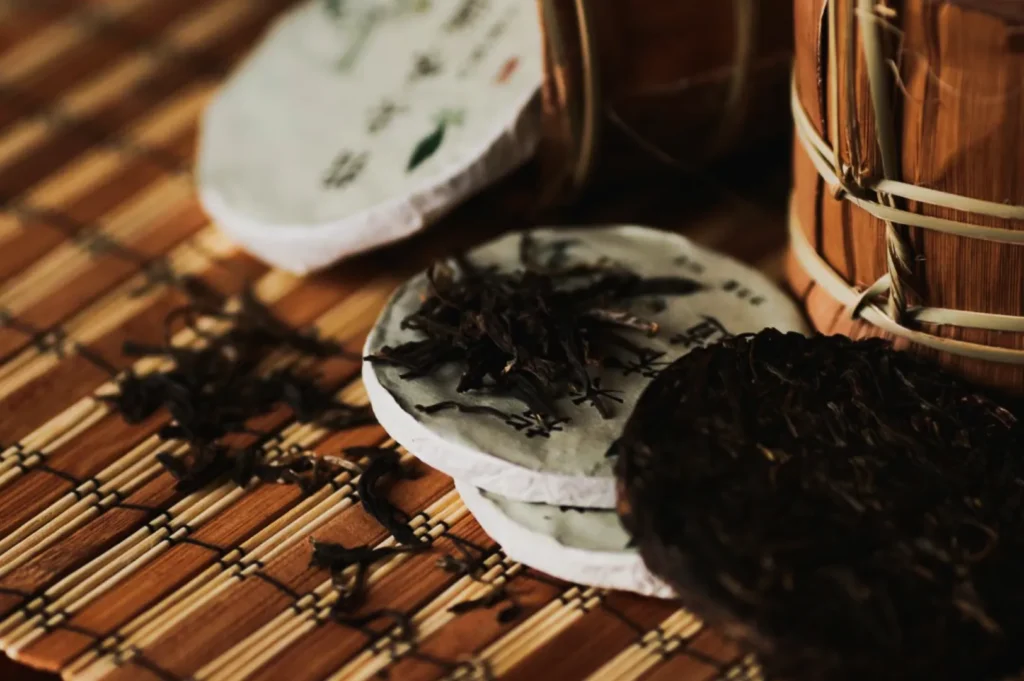
The best pu-erh for beginners is usually not a rare old cake or an aggressively expensive one. It is often a small, well-chosen set: one clean, rested ripe pu-erh, one gentle sheng, and one lightly aged example if you can find it.
This gives you three clear reference points without overwhelming the palate. You begin to recognise the difference between dark warmth, bright lift, and the quieter depth that age can bring.
If you start with samples or small quantities rather than committing immediately to a full cake, the learning becomes calmer, less expensive, and far more useful.
Pu-erh In Plain Terms
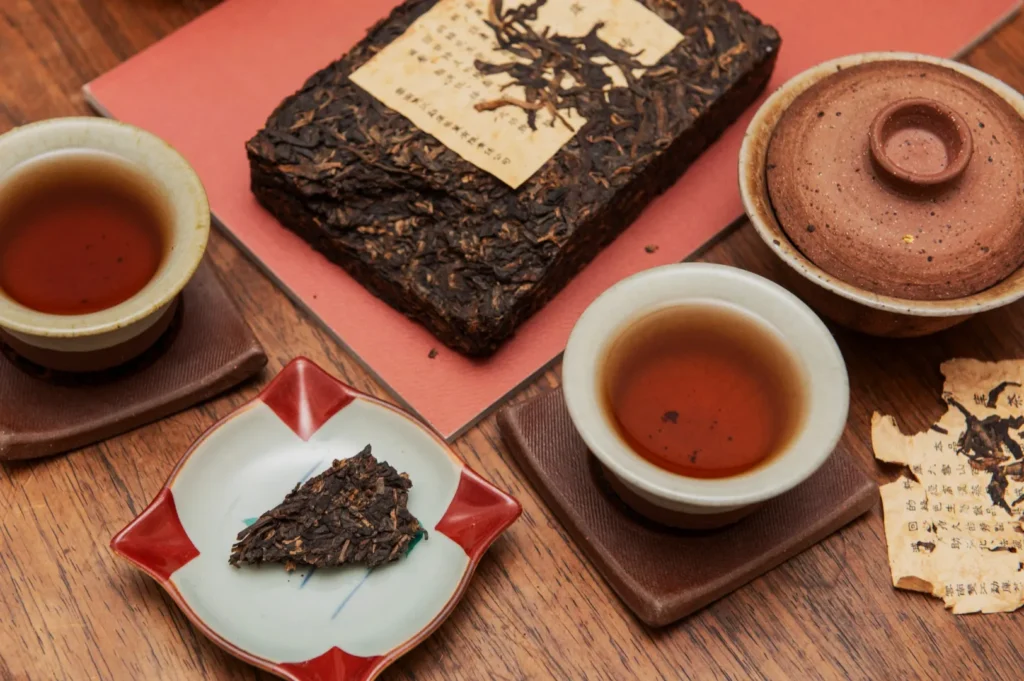
Pu-erh is a tea from Yunnan, in southwestern China, and it is valued not only for flavour in the present, but for how it can transform over time. This association with ageing is part of what makes it distinctive. A pu-erh is not always trying to stay exactly as it was made. In many cases, it is expected to settle, soften, and deepen.
It is often compressed into cakes, bricks, or tuos for practical reasons as well as cultural ones. Compression supports transport, storage, and in some cases more stable ageing. It also means the tea can feel slightly less accessible to beginners, who may be more used to loose leaf.
If you are just entering this world, it helps first to understand the basics of pu-erh tea for beginners, because a little context makes the first cup much less mysterious.
Sheng Vs Shou For Beginners: Two Starting Paths
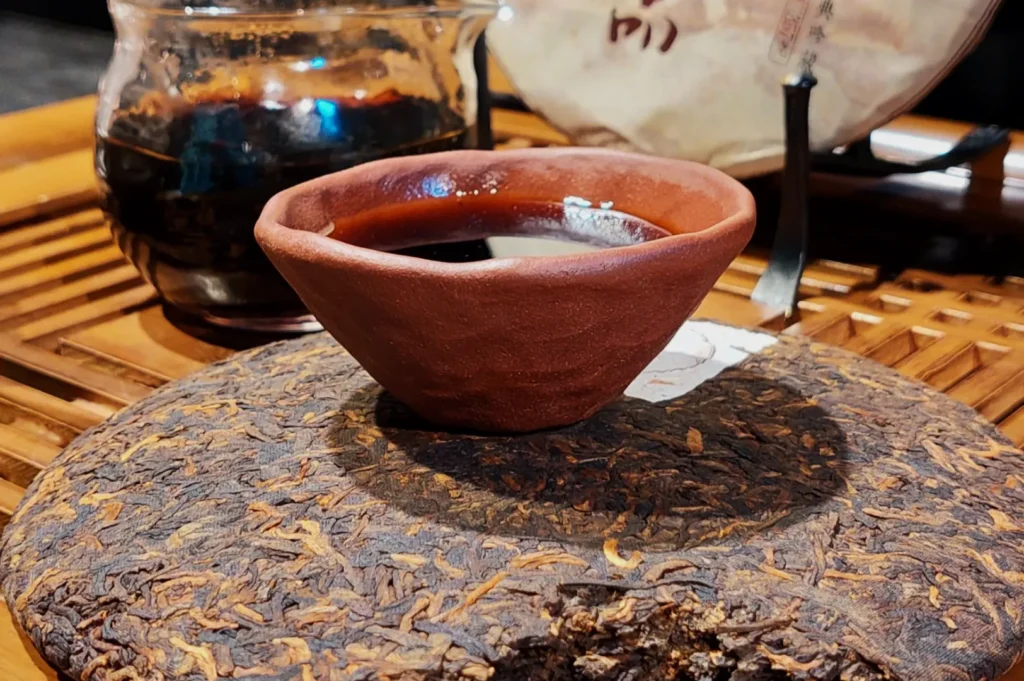
Raw and ripe pu-erh are often presented as a dramatic divide, but for a beginner it is more helpful to think of them as two different starting paths.
Sheng, or raw pu-erh, usually tastes brighter, more lifted, and more transparent to the palate. Depending on age and material, it may show florals, herbs, stone fruit, minerality, light bitterness, or a cool returning sweetness. Young sheng can be lively and articulate. Aged sheng often becomes deeper, calmer, and more layered.
Shou, or ripe pu-erh, tends to move in another register. It is often darker, rounder, and easier for first-time drinkers to settle into. Good shou may taste like clean earth, warm grain, walnut shell, cocoa, date, or damp forest floor in the best sense. When it is rested and cleanly stored, it can feel immediately comforting.
Neither path is better. They simply teach different things. For beginners, quality and storage usually matter more than the label alone. A well-made shou can be far more illuminating than a difficult young sheng, and a gentle sheng can teach more than a harsh, hyped cake.
What To Buy First: A Calm Beginner Line-Up
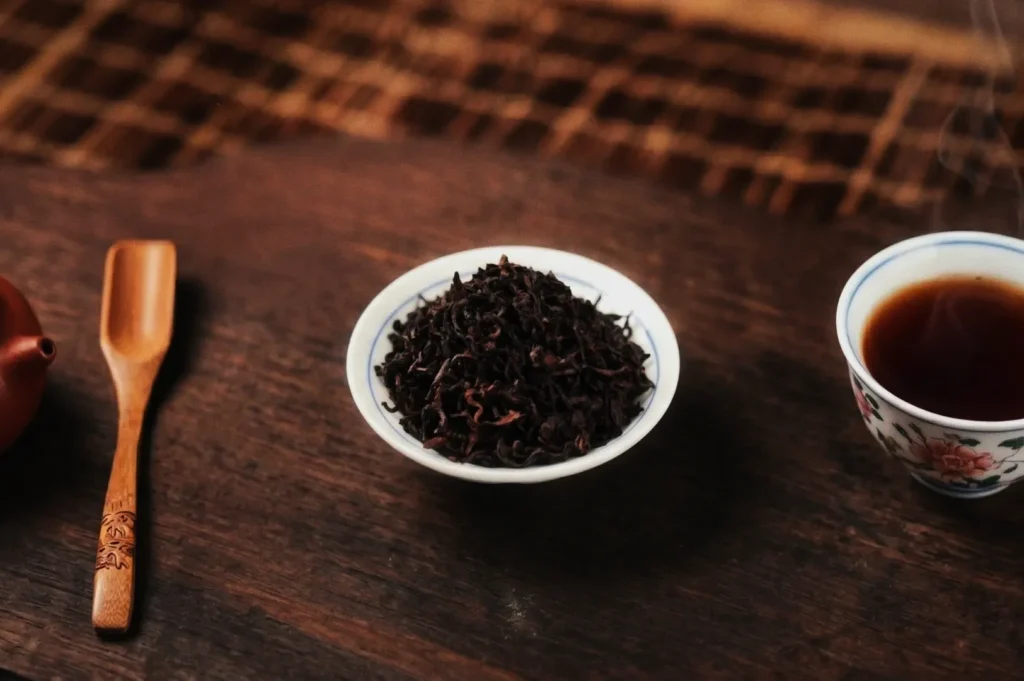
Start With A Rested Ripe Pu-erh (Shou)
For many beginners, ripe pu-erh is the easiest way in. It is often smoother, rounder, and more immediately legible.
Look for:
- A tea that smells clean, not sour or aggressively “wet.”
- A profile described as earthy, woody, cocoa-like, or date-like rather than smoky or perfumed.
- A seller who speaks clearly about storage and rest, not just age.
A good first shou should feel composed, not murky. It should give you warmth and depth without asking you to fight through confusion.
Add One Gentle Sheng For Brightness
Once you have one grounded point of reference, add a gentle raw pu-erh to understand the other side of the spectrum.
Look for:
- Young sheng that is described as soft, floral, fruity, or honeyed rather than fiercely bitter.
- Material that is said to be clean and approachable.
- Samples or small pieces before committing to a full beginner pu-erh cake.
This second tea teaches contrast. It helps you understand why raw vs ripe pu-erh is not a question of better or worse, but of mood, style, and how you want the cup to move.
Try One Lightly Aged Example If Available
If possible, include one lightly aged tea, whether sheng or shou, so you can taste what time does without jumping straight into expensive, heavily marketed “old tea.”
Look for:
- Honest, modest age statements.
- Notes of settled sweetness, wood, dried fruit, or cooling depth.
- Storage that sounds calm and credible rather than dramatic.
This third tea is often where beginners begin to understand what ageing can actually mean in the cup.
Choose Small Quantities First
This matters more than most people expect.
Start with:
- samples
- small broken-off pieces
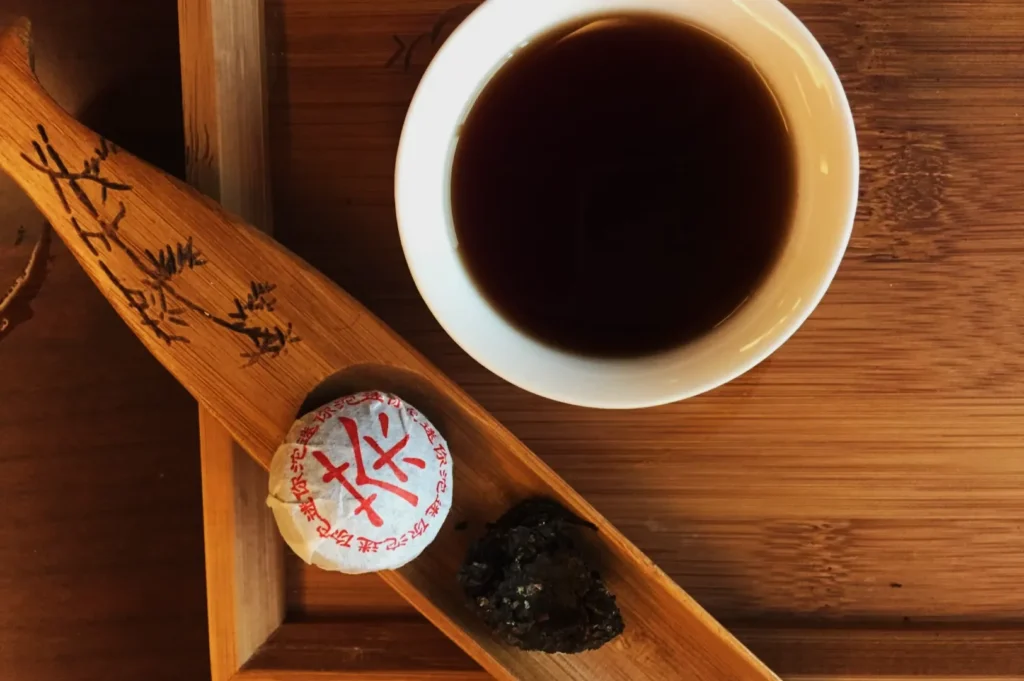
- mini portions
- half cakes only if you already trust the tea
Loose pu-erh for beginners can also be helpful, especially with ripe tea, because it removes the intimidation of compression. A full cake can wait until you have a little more certainty in your own taste.
Beginner Shopping List: The Simple Version
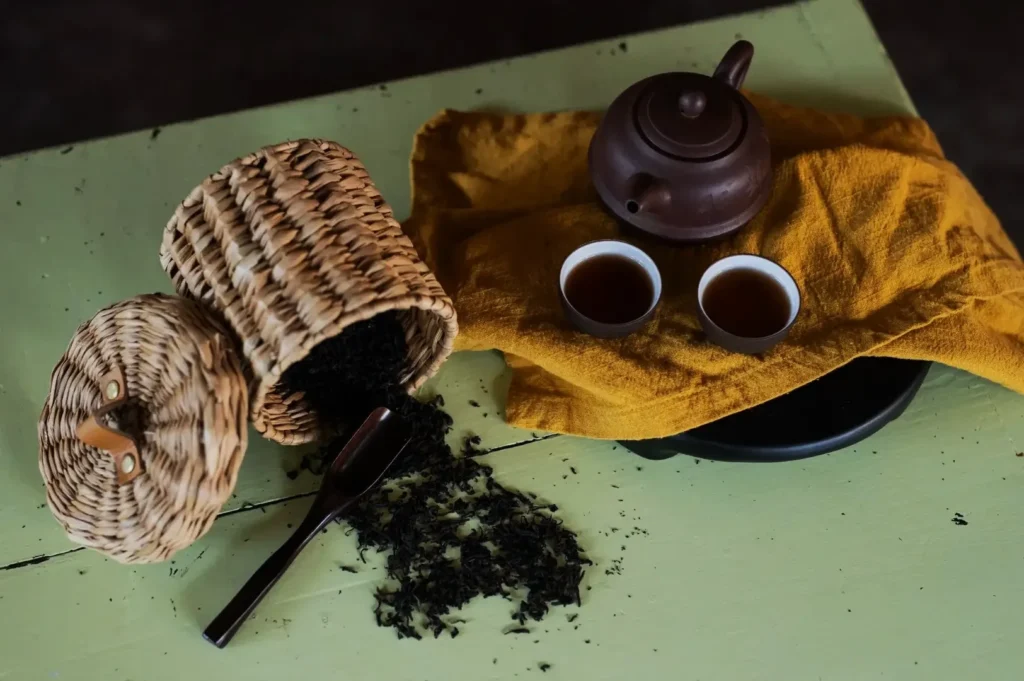
You do not need a ceremonial arsenal to begin well. A calm, practical set-up is enough.
- Buy two or three tea samples before you buy a full cake.
- Choose one ripe pu-erh, one gentle sheng, and one lightly aged tea if available.
- Keep a gaiwan or small pot in mind, but treat it as optional at the beginning.
- Use a basic kettle with fresh water.
- Add a simple scale if you like precision, though it is not essential at first.
- Keep a timer nearby.
- Start a small notebook for aroma, texture, finish, and questions.
The goal is not to own everything. The goal is to notice clearly.
How To Choose Pu-erh Tea: A Practical Label And Quality Guide
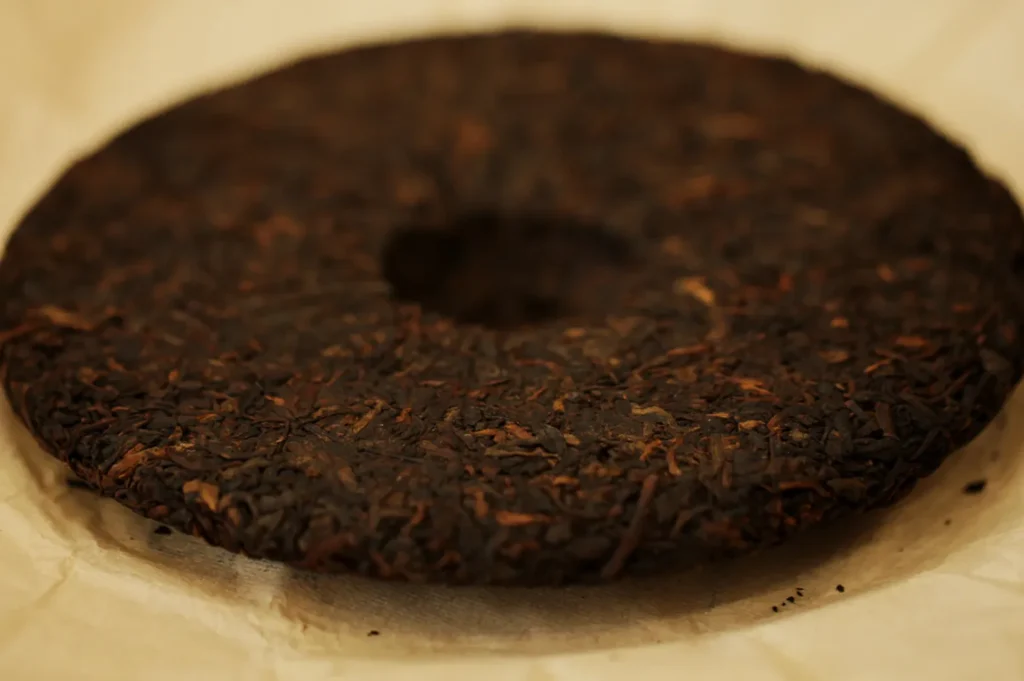
Many labels say too much and too little at once. For beginners, it helps to know what deserves attention.
What matters:
- Whether the tea is sheng or shou.
- Whether the seller can speak plainly about storage.
- Whether the tea has been rested if it is ripe.
- Whether the material seems clean and coherent.
- Whether the seller offers transparent, unforced information.
What to notice on a label or product page:
- harvest year
- style
- broad origin information
- whether it is loose, cake, or sample
- storage notes if offered
What to ignore, at least for now:
- dramatic language about rarity
- extreme age claims without context
- prestige words that tell you nothing about taste
- the idea that older always means better
A beginner does not need the most decorated tea. They need the clearest teacher.
How To Taste Your First Pu-erh Without Overthinking
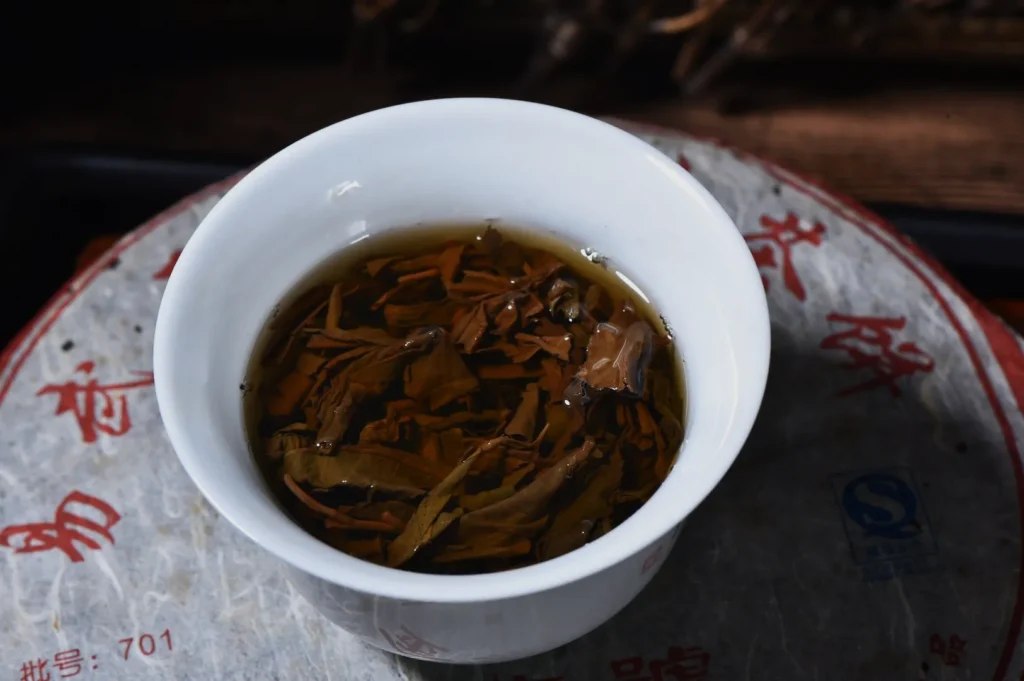
Start simply. Smell the dry leaf first. Then smell the warmed leaf. Then notice the liquor itself.
Pay attention to:
- aroma
- texture
- aftertaste
- endurance across infusions
Ask quiet questions:
- Does the tea smell clean?
- Does it feel broad, silky, thin, oily, or drying?
- What remains after swallowing?
- Does the tea open or collapse after the second infusion?
These small observations are enough. If you want a fuller vocabulary, we have written more on pu-erh tasting notes, which can help you move beyond simply calling everything “earthy.”
What To Skip (For Now): Common Beginner Traps
It is often just as helpful to know what not to buy first.
- Skip teas dominated by harsh smoke, unless you already know you enjoy that style.
- Skip aggressively bitter young sheng sold as a test of seriousness.
- Skip anything with suspiciously perfumed storage or cupboard-like fragrance.
- Skip damp or musty teas that feel murky in aroma.
- Skip very cheap mystery cakes with no clear information at all.
- Skip very expensive “status” buys that you cannot yet evaluate calmly.
A first pu-erh should teach, not intimidate.
Safety also matters. If a tea smells sour, mouldy, or obviously compromised, step away from it.
Learn The Leaf Slowly, Or Taste With Guidance
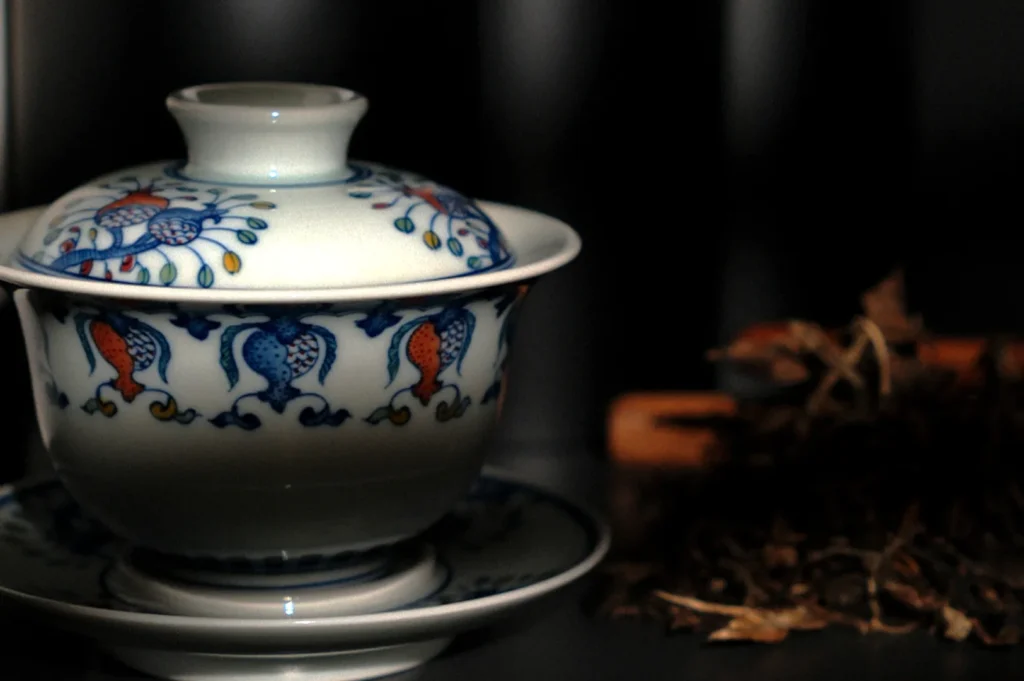
Pu-erh asks for patience, but it does not ask for confusion. A rested shou, a gentle sheng, and one lightly aged tea are often enough to begin well. From there, the path becomes clearer with each session.
For some people, that learning happens quietly at home. For others, it becomes easier when the first cups are shared in a calmer setting, where questions can be asked without hurry and the differences between teas can be felt side by side. At Tea Room by Ki-setsu, we hold space for that kind of learning through private guided tastings shaped by calm, privacy, and craft.