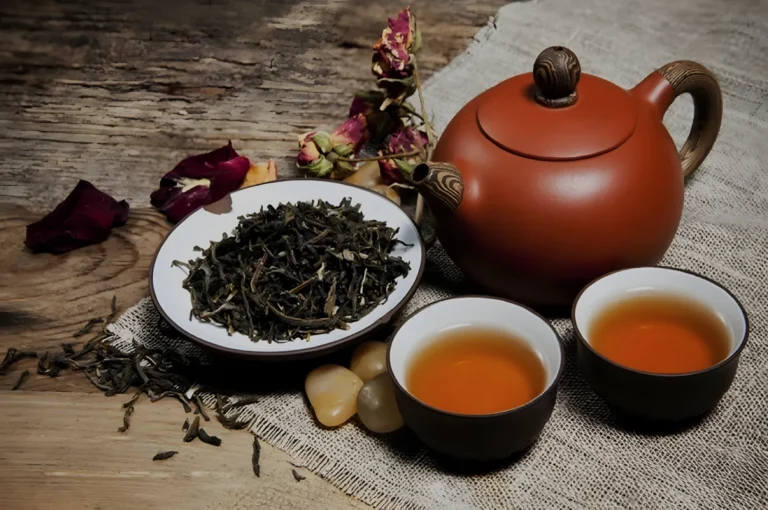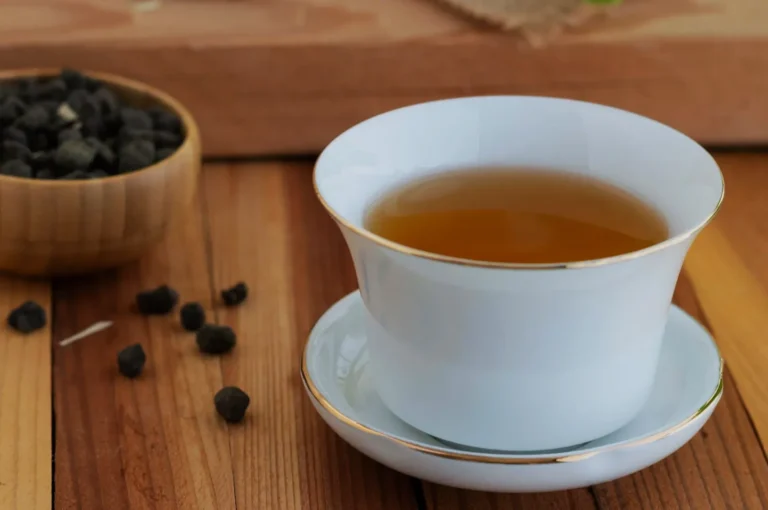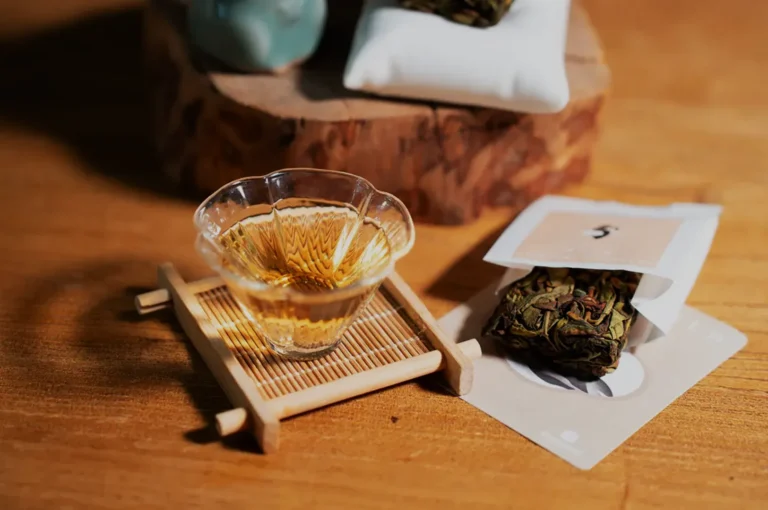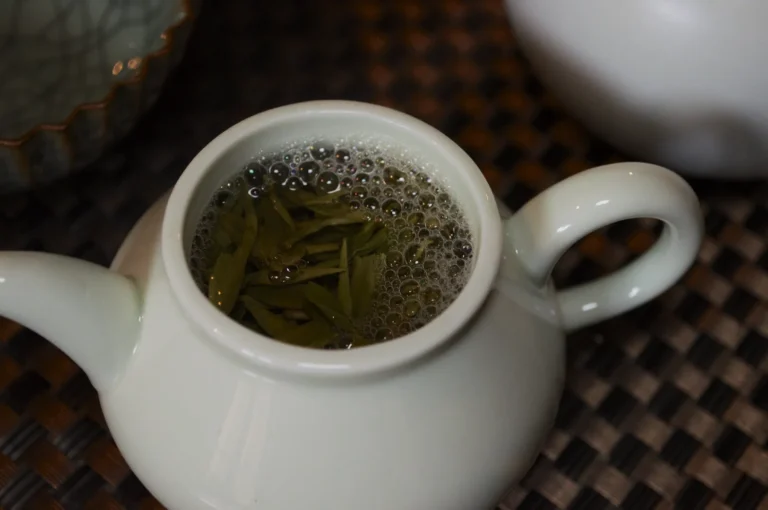
Tie Guan Yin tea is often described through fragrance first.
Orchid, cream, roast, honey, warmth. These are the words that usually arrive before caffeine. But for anyone drinking tea daily, the caffeine question matters.
Does Tie Guan Yin tea have caffeine?
Yes. Tie Guan Yin is an oolong tea made from Camellia sinensis, the same plant that gives us green tea, black tea, white tea, Pu-erh, and other true teas. It is not an herbal infusion, and it is not caffeine-free.
Tie Guan Yin contains caffeine, but the way that caffeine feels depends on how the tea is brewed and how your body receives it.
For readers who want the wider foundation, we have written a Tie Guan Yin tea guide for daily drinking. This article focuses only on caffeine, timing, sensitivity, and how to drink Iron Goddess oolong with care.
Does Tie Guan Yin Have Caffeine?
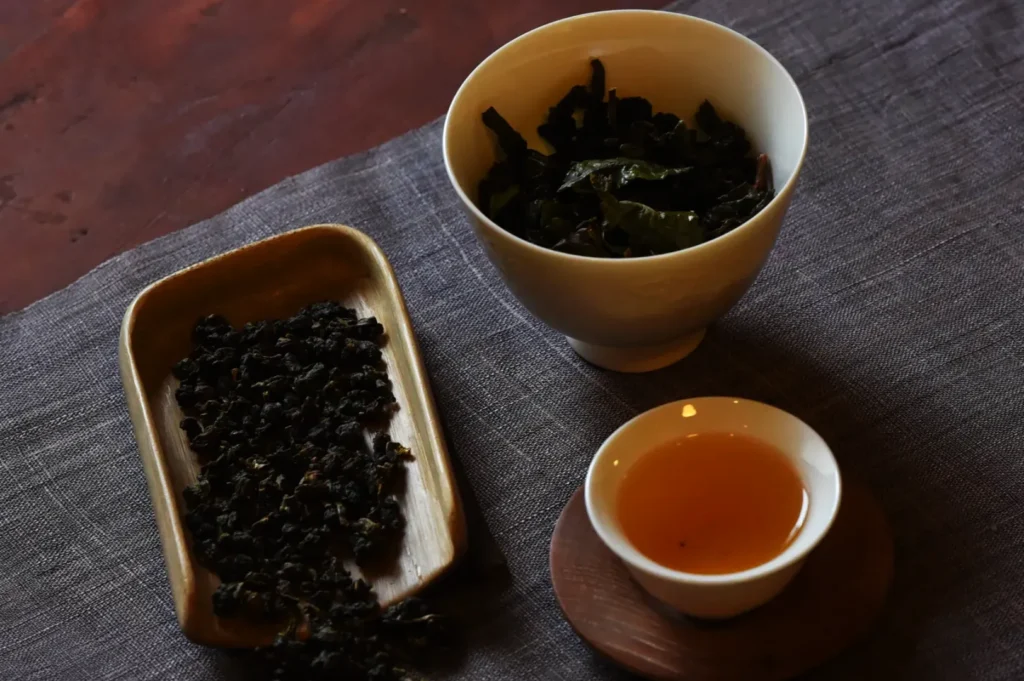
Yes, Tie Guan Yin naturally contains caffeine.
This is because it comes from true tea leaves. The caffeine is not added. It is part of the plant.
MedlinePlus explains that caffeine occurs naturally in tea leaves, coffee beans, kola nuts, and cacao pods. This matters because some people think of caffeine as only a coffee concern. Tea counts too.
A lightly brewed Tie Guan Yin may feel soft and calm. A stronger gongfu-style session may feel more active, especially when more leaf is used across several infusions.
The tea may taste gentle, but the body may still notice it.
Why Tie Guan Yin Feels Softer Than Coffee
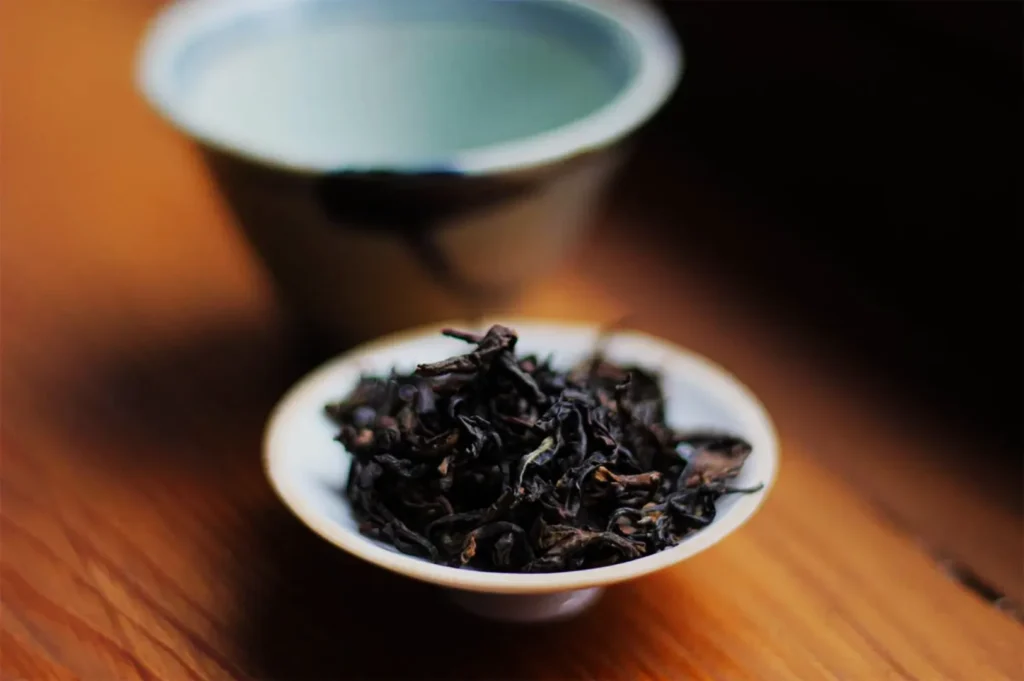
Coffee often arrives quickly.
It can feel direct, sharp, and immediate. Tie Guan Yin usually feels different. Its energy is often carried through fragrance, warmth, and pacing. The caffeine is present, but the ritual slows the experience down.
A light floral Tie Guan Yin may feel clear and bright. A roasted Tie Guan Yin may feel warmer and more grounded. Both contain caffeine, but the mood of the cup changes how we experience it.
A gentle tea is not the same as a weak tea.
At Tea Room by Ki-setsu, we often see guests describe Tie Guan Yin as steady rather than forceful. This is one reason it suits an afternoon tea rhythm, when the mind wants attention without being pushed too hard.
What Affects Caffeine in Tie Guan Yin?
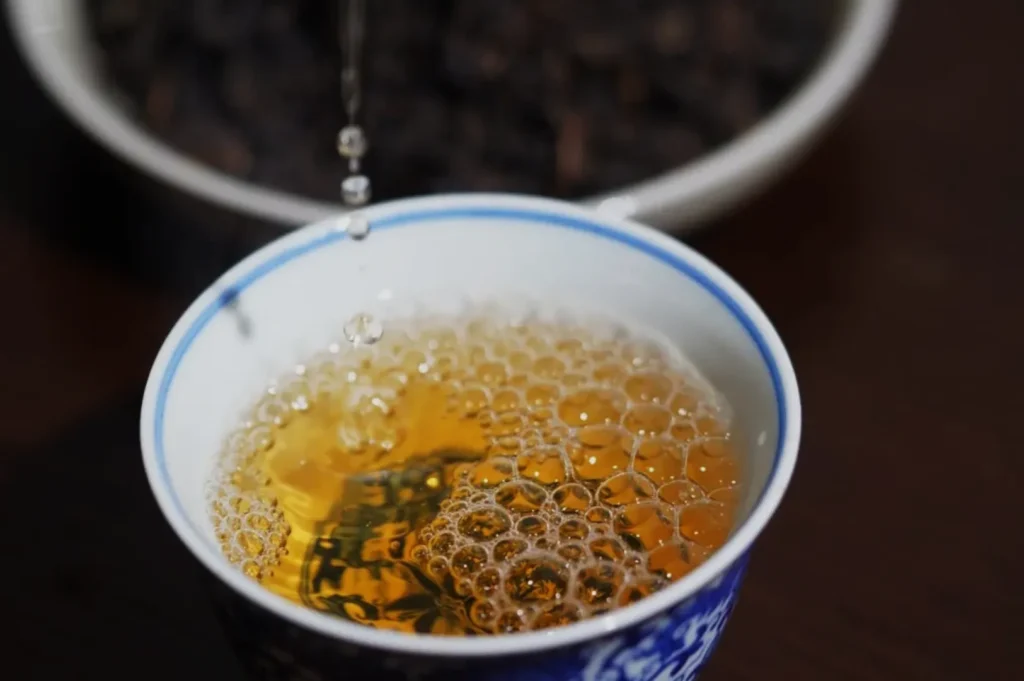
Caffeine in Tie Guan Yin is not fixed.
Several things affect how much ends up in the cup:
- amount of leaf
- water temperature
- steeping time
- number of infusions
- brewing vessel
- leaf style and quality
- personal caffeine sensitivity
Hotter water and longer steeps usually extract more. More leaf also means a stronger session. This is why a small gaiwan with generous leaf can produce a more stimulating experience than a casual mug with fewer leaves.
The tea itself matters, but the hand matters too.
How Much Caffeine Is Too Much?
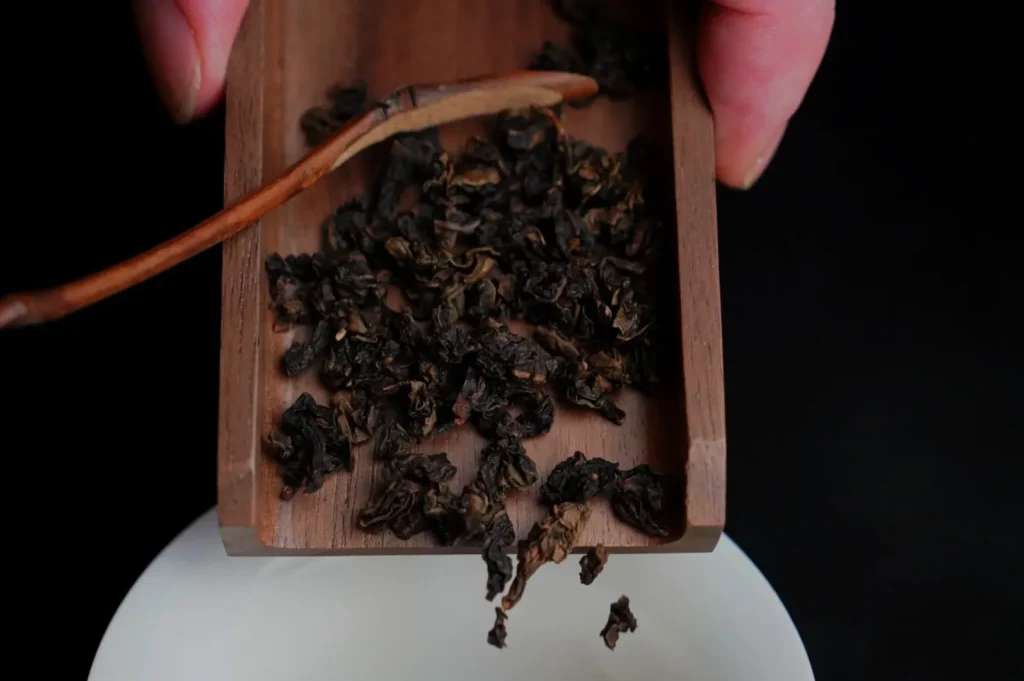
Caffeine tolerance varies widely.
The U.S. Food and Drug Administration notes in its guide on how much caffeine is too much that caffeine can be part of a healthy diet for most people, but too much may cause negative effects. The same guidance says around 400 mg a day is not generally associated with dangerous effects for most adults.
That figure is useful, but it should not become a target.
Some people feel restless after much less. Others tolerate caffeine more easily. Sleep, stress, body size, medication, and personal sensitivity all matter.
Caffeine guidance is a boundary, not an invitation to drink carelessly.
Best Time to Drink Tie Guan Yin
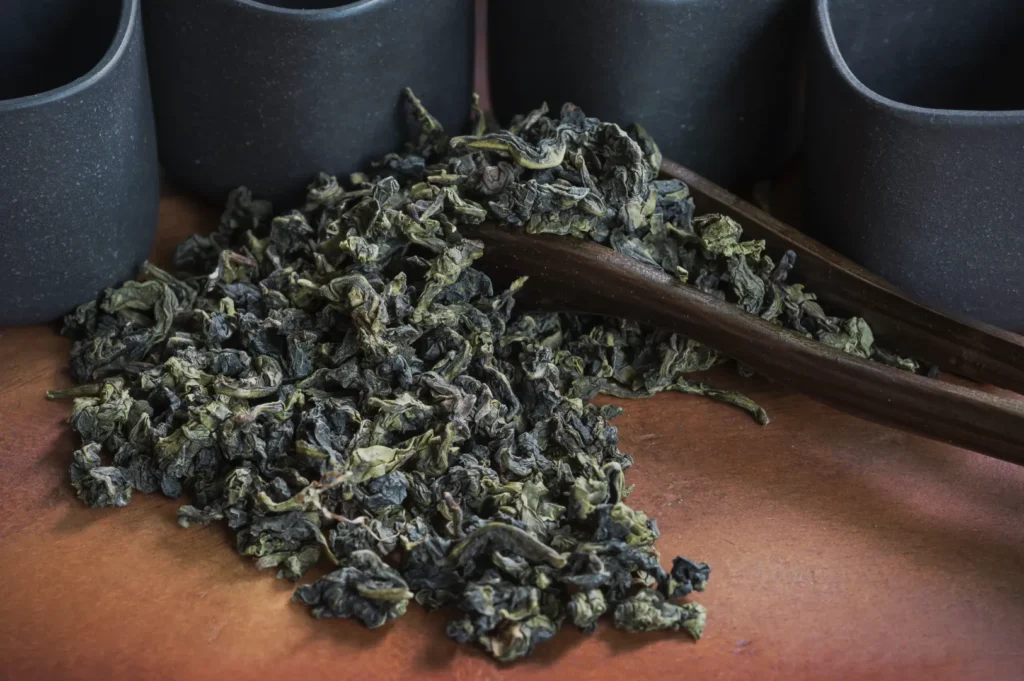
Tie Guan Yin is usually best in the morning, late morning, or afternoon.
A light Tie Guan Yin can feel graceful before work or during a quiet midday pause. A roasted Tie Guan Yin may suit after lunch, especially when the palate wants warmth without heaviness.
Evening is more personal.
If you are sensitive to caffeine, avoid Tie Guan Yin late at night. Even if the cup feels smooth, caffeine may still disturb sleep. A tea that feels calm at 8pm may not feel calm at midnight when the body refuses to rest.
If Tie Guan Yin affects your sleep once, listen to that information.
Who Should Drink Tie Guan Yin More Carefully?
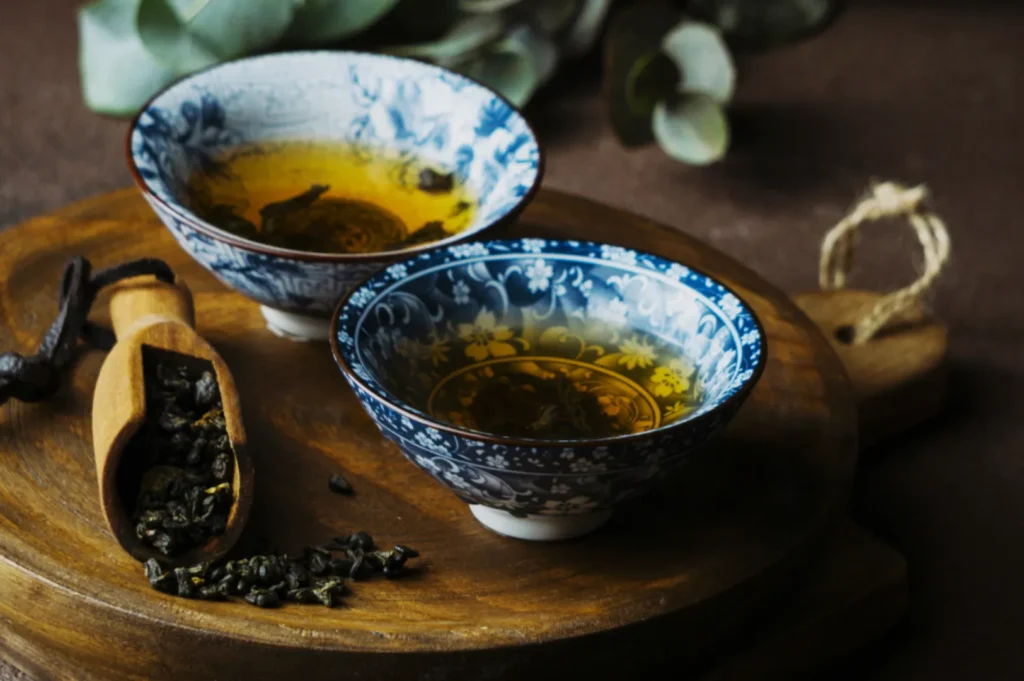
Some people should be more cautious.
This includes those who are caffeine-sensitive, prone to anxiety, managing sleep issues, pregnant or breastfeeding, or taking medication that may interact with caffeine.
The American College of Obstetricians and Gynecologists states in its guidance on moderate caffeine consumption during pregnancy that less than 200 mg per day does not appear to be a major contributing factor in miscarriage or preterm birth. Still, caffeine from tea should be counted as part of the daily total.
When health conditions are involved, personal medical advice matters more than general tea habits.
How to Make Tie Guan Yin Feel Gentler
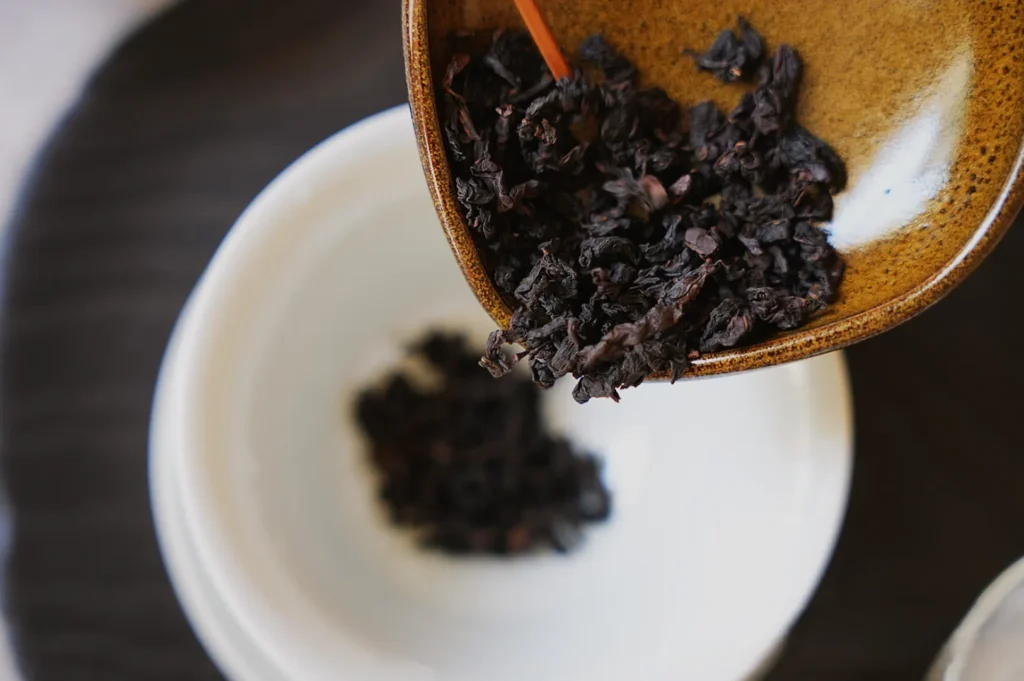
If Tie Guan Yin feels too stimulating, adjust the session.
Use less leaf. Keep the infusion shorter. Drink it earlier in the day. Avoid taking it on a completely empty stomach if that makes you uncomfortable. Choose lighter sessions rather than pushing the tea into intensity.
You can also stop before the leaves are fully exhausted. Not every tea session needs to be taken to its final infusion.
At Tea Room by Ki-setsu, we see restraint as part of appreciation. The best cup is not always the strongest one.
Final Thought
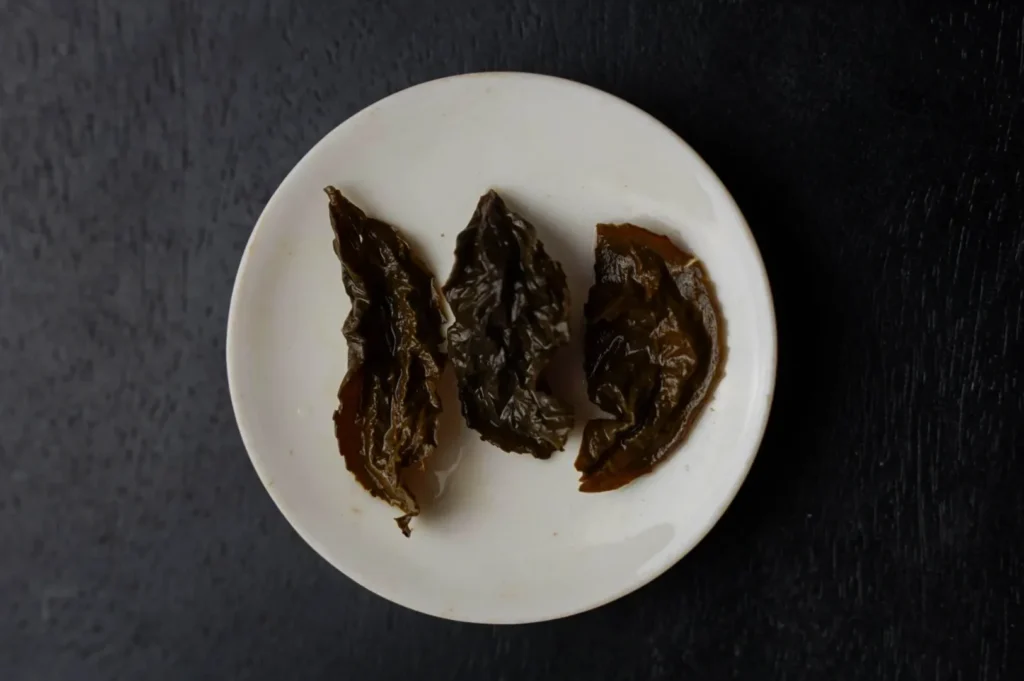
Tie Guan Yin tea contains caffeine, but caffeine does not define the tea.
Its energy can feel clear, gentle, warm, or steady depending on style and brewing. It can support attention, but it should not disturb the body. It can become part of a daily rhythm, but only when timing and sensitivity are respected.
To drink Tie Guan Yin well is to notice not only the aroma in the cup, but the feeling after the cup.
For those beginning with Iron Goddess oolong, the best approach is simple: brew lightly first, drink earlier, and let the body decide the pace.