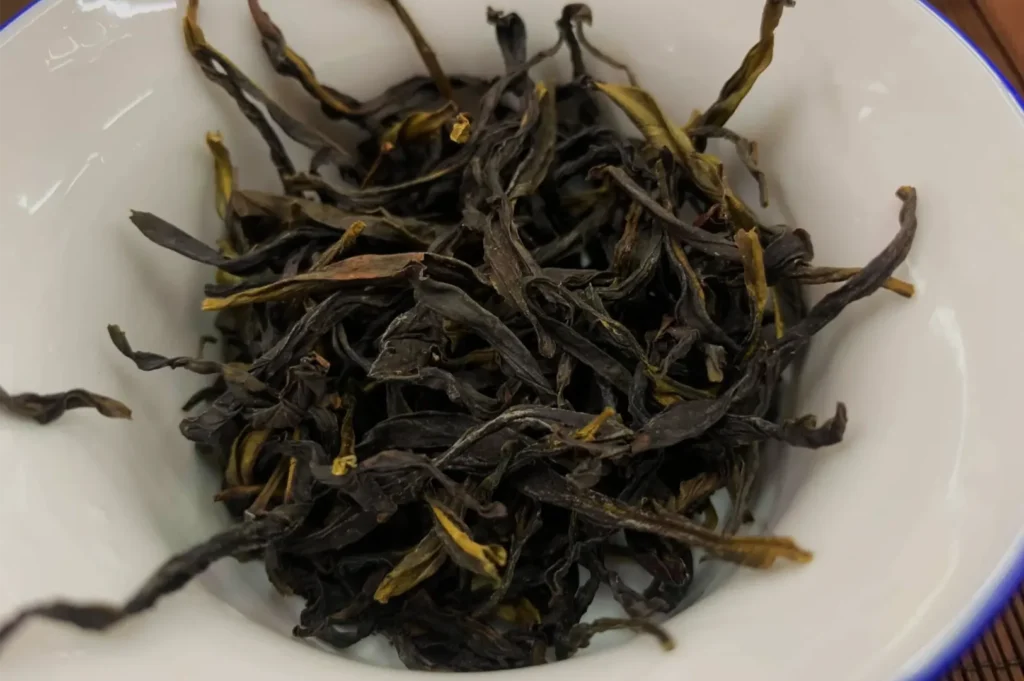
Phoenix Dan Cong tea is usually loved for aroma first.
Honey. Orchid. Fruit. Gardenia. Almond. A long fragrant finish. These are the qualities that bring many drinkers to the cup.
But as with many Chinese teas, people also ask about benefits.
It is a reasonable question, as long as we answer it with care. Phoenix Dan Cong is an oolong tea made from Camellia sinensis. It contains natural tea compounds, including polyphenols and caffeine. But it is still tea, not medicine.
Phoenix Dan Cong tea benefits should be understood through balance, not exaggeration.
For readers who want the wider foundation, we have written a balanced Phoenix Dan Cong tea guide. This article focuses on wellness with restraint: what the tea may offer, and what we should not overclaim.
Tea Polyphenols and Antioxidant Research
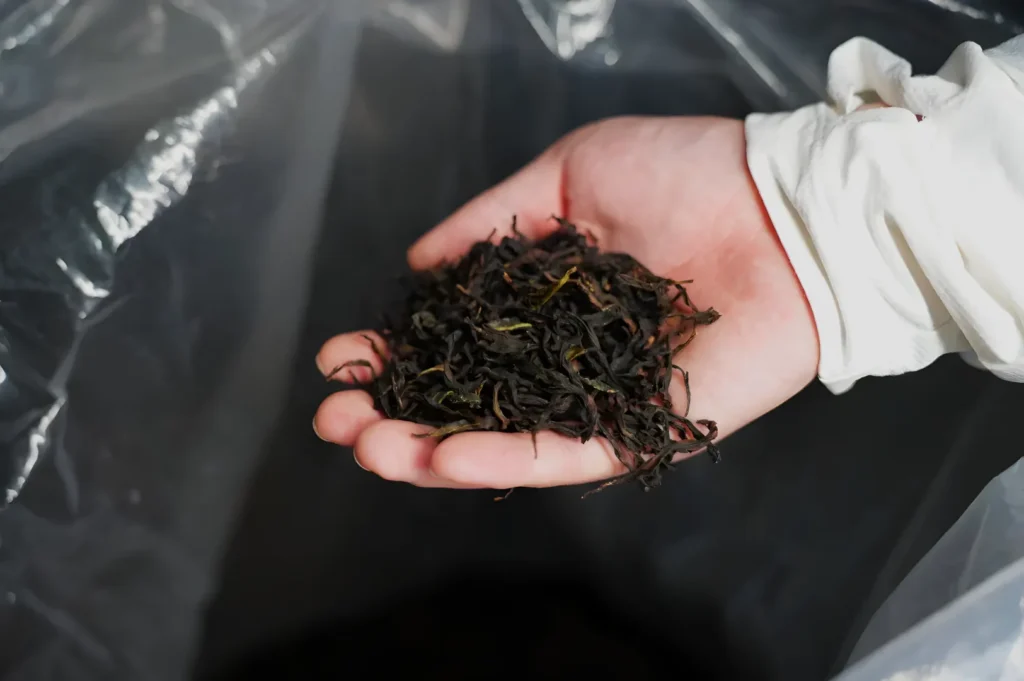
Phoenix Dan Cong has been studied for antioxidant activity.
A Food & Nutrition Research paper on Phoenix Dan Cong tea describes it as an oolong tea produced in Chaozhou, China, and evaluates its antioxidant activity in a research setting.
This is useful, but it should not be turned into a promise that one cup will transform health. Research studies often use extracts, specific methods, or controlled conditions that differ from daily drinking.
Tea research can inform appreciation. It should not replace honesty.
An Unsweetened Daily Drink
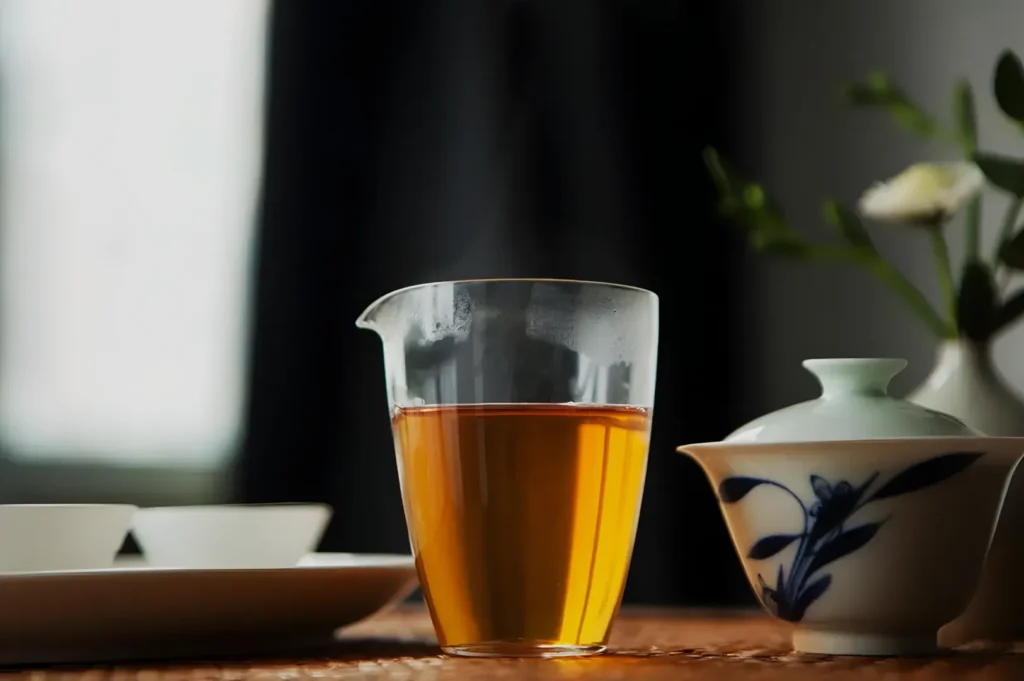
One practical benefit of Phoenix Dan Cong is simple: it gives flavour without sugar.
Its natural aroma can be vivid enough to hold attention on its own. A honeyed Dan Cong does not need honey added. A floral Dan Cong does not need perfume. A fruity Dan Cong does not need syrup.
This makes it a thoughtful alternative to sweet drinks for those who want something fragrant, complex, and lighter in the body.
Sometimes, tea supports wellness by offering enough flavour without asking for excess.
Gentle Energy, With Caution
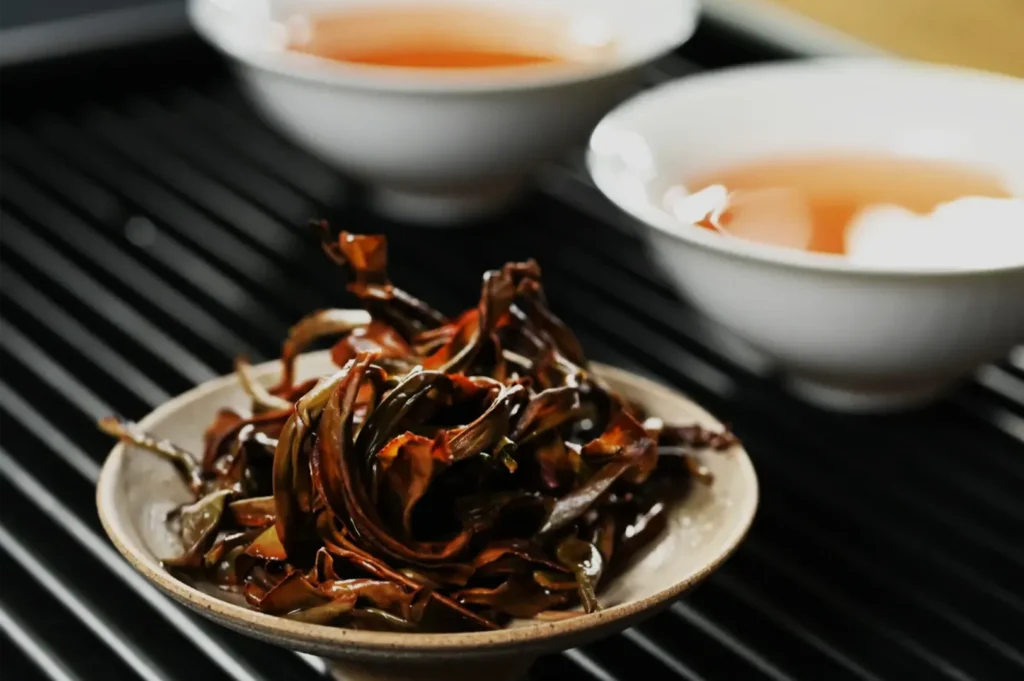
Phoenix Dan Cong contains caffeine.
For many drinkers, this brings clarity and alertness. But Dan Cong is often brewed gongfu-style with generous leaf and multiple infusions, so it may feel more active than expected.
The U.S. FDA explains in its guide on how much caffeine is too much that caffeine can be part of a healthy diet for most people, but too much can cause negative effects.
Drink Phoenix Dan Cong earlier in the day if you are caffeine-sensitive. Let the tea support attention, not disturb sleep.
Ritual as a Benefit
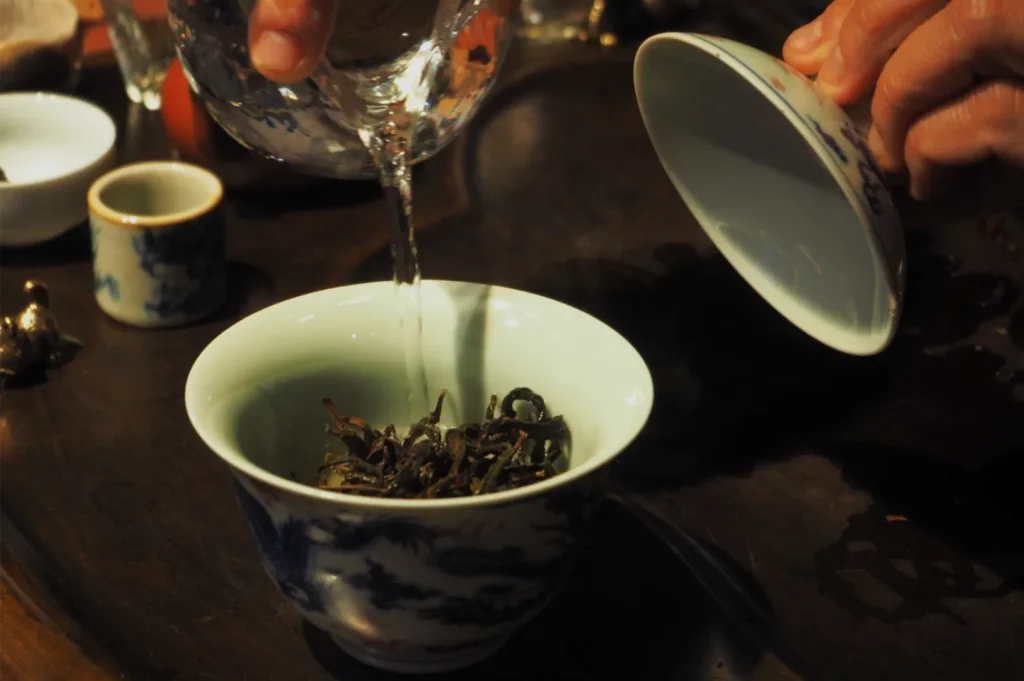
Not every benefit comes from a compound.
Phoenix Dan Cong asks for careful brewing. Short infusions. Close smelling. A pause after swallowing. A willingness to adjust before judging.
This rhythm can become a small act of steadiness in a noisy day.
At Tea Room by Ki-setsu, we see private Chinese tea appreciation as a way of giving attention back to the senses. Whether the tea is familiar or new, the ritual matters. It slows the drinker enough to notice what is actually in the cup.
After-Meal Comfort
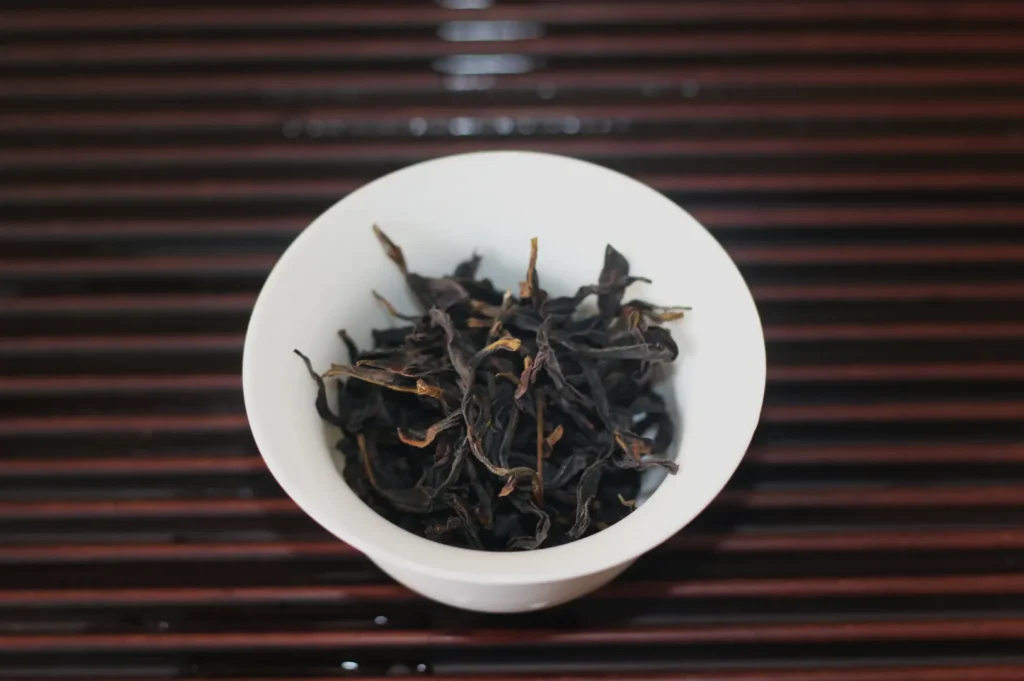
Phoenix Dan Cong can feel pleasant after food, especially when the tea has enough structure.
Its aromatic finish can refresh the palate. Its bitterness, when balanced, can clean the mouth. Its fragrance can close a meal without heaviness.
This should not be described as a digestive cure. It is better understood as comfort, pacing, and palate reset.
A broad overview from Harvard’s Nutrition Source on tea notes that traditional teas contain polyphenols and that tea has long been studied in relation to health. This gives useful context, but daily tea remains only one part of a wider lifestyle.
Who Should Drink Carefully?
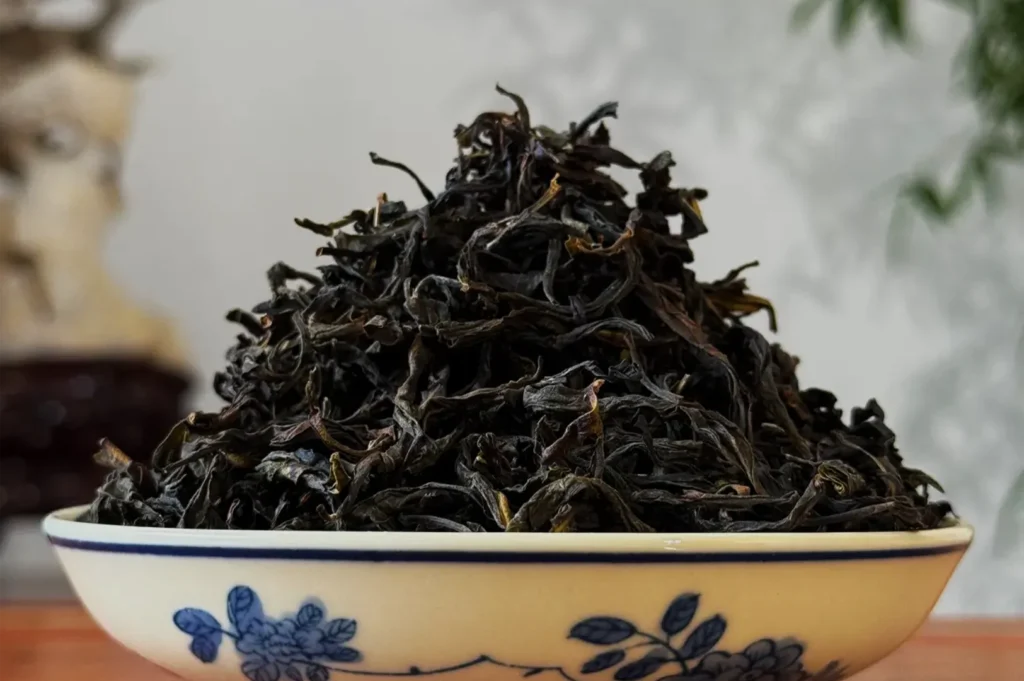
Phoenix Dan Cong may not suit everyone at every time.
Those sensitive to caffeine should start lightly. Those with sleep issues should avoid late sessions. Those with stomach sensitivity may prefer to drink it after food. Anyone pregnant, breastfeeding, managing medical concerns, or taking medication should follow professional guidance.
Good tea culture does not ask the body to be ignored.
Final Thought
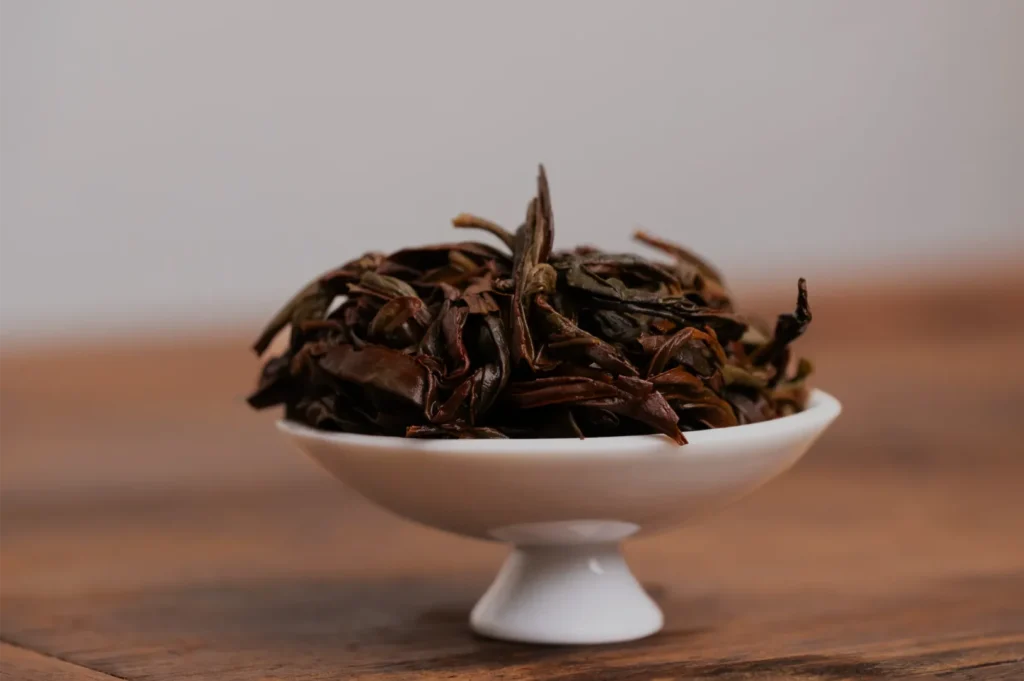
Phoenix Dan Cong tea may offer antioxidant compounds, gentle energy, unsweetened flavour, after-meal comfort, and a meaningful ritual.
But it is not a cure, shortcut, or wellness performance.
Its quiet benefit is that it asks the drinker to slow down while offering a cup with genuine character.
For those exploring Chinese tea in Singapore, Phoenix Dan Cong shows that wellness can be fragrant, structured, and careful, without needing to be overstated.