Tie Guan Yin tea is often described as floral.
That is true, but not enough.
A good Tie Guan Yin may suggest orchid, cream, green stems, soft fruit, toasted grain, honey, or a warm roasted finish. Some cups feel bright and lifted. Others feel deeper and more settled. The same name can carry several moods.
This is why the question “what does Tie Guan Yin taste like?” deserves a careful answer.
Tie Guan Yin tea taste depends on style, roast, oxidation, quality, and brewing.
For readers who want the wider foundation, we have written a guide to Tie Guan Yin tea flavour and origin. This article stays with the cup: aroma, texture, roast, finish, and how to read Tie Guan Yin without forcing the language.
The Floral Side of Tie Guan Yin
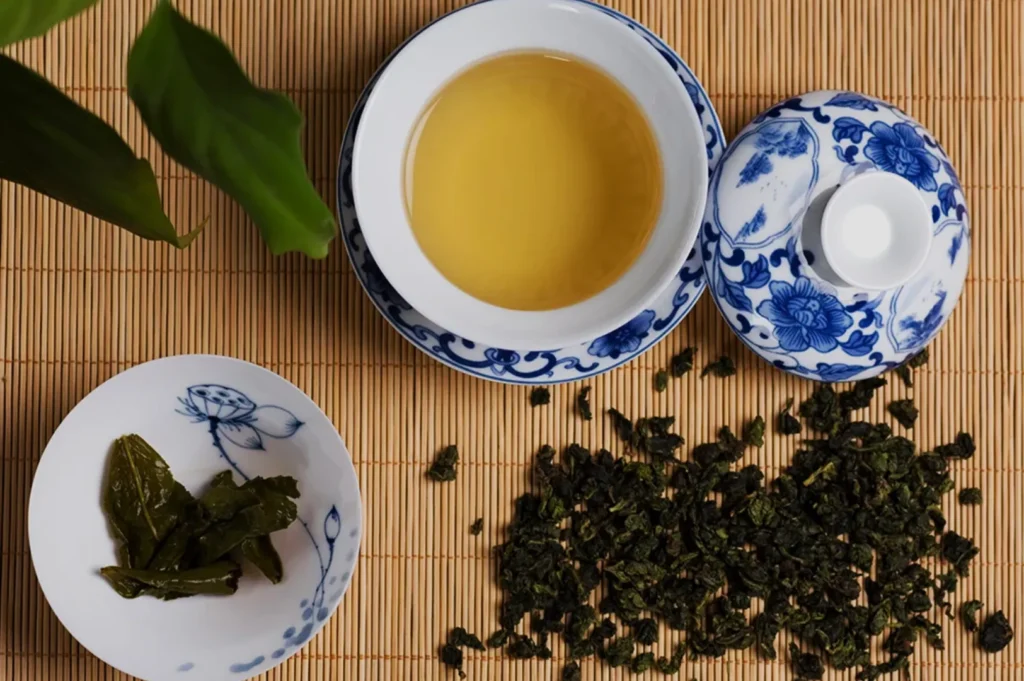
Modern light Tie Guan Yin is often known for floral aroma.
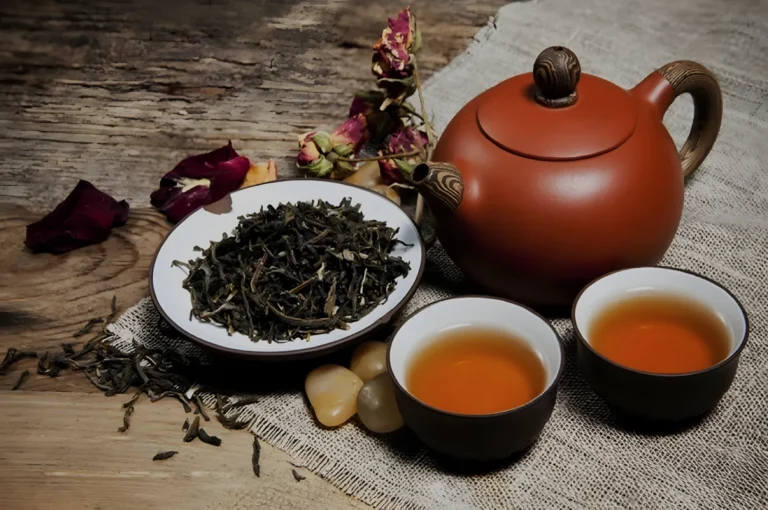
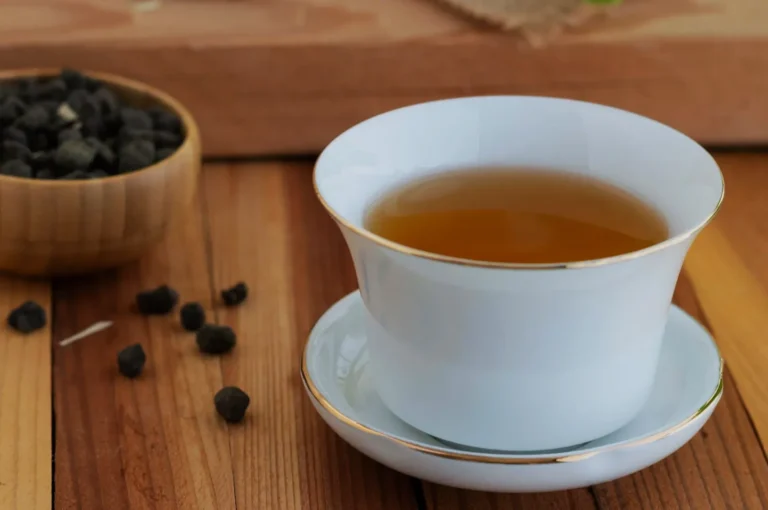
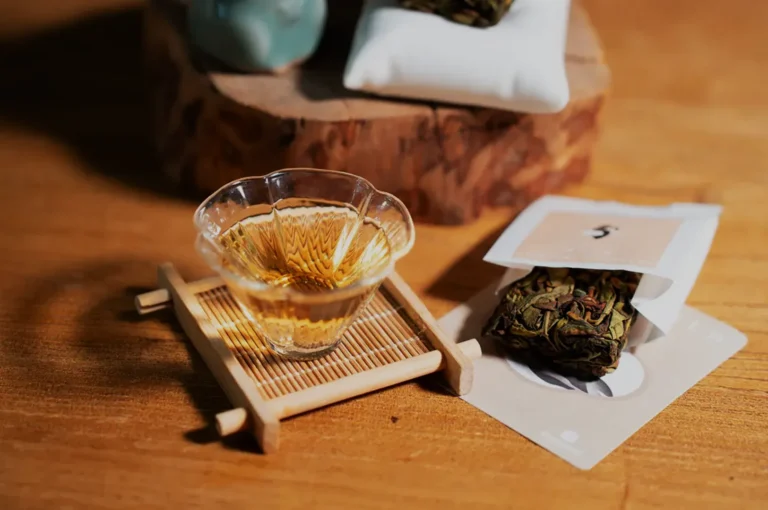
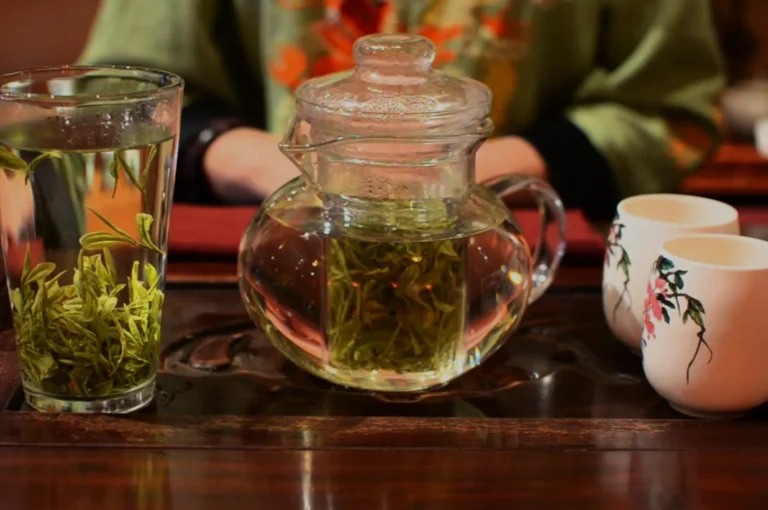
The fragrance may remind drinkers of orchid, gardenia, or spring flowers. It should feel clear and lifted, not perfumed. The liquor is often pale gold or light green-gold. The body can feel smooth, sometimes almost creamy.
A study on key aromatic compounds in Tieguanyin oolong tea shoots identified hundreds of volatile organic compounds and highlighted compounds such as linalool and indole as important to aroma development. For the drinker, this simply means floral fragrance is not random. It is shaped by leaf, processing, and craft.
A good floral Tie Guan Yin should rise from the cup naturally. It should not feel decorated.
The Creamy Side
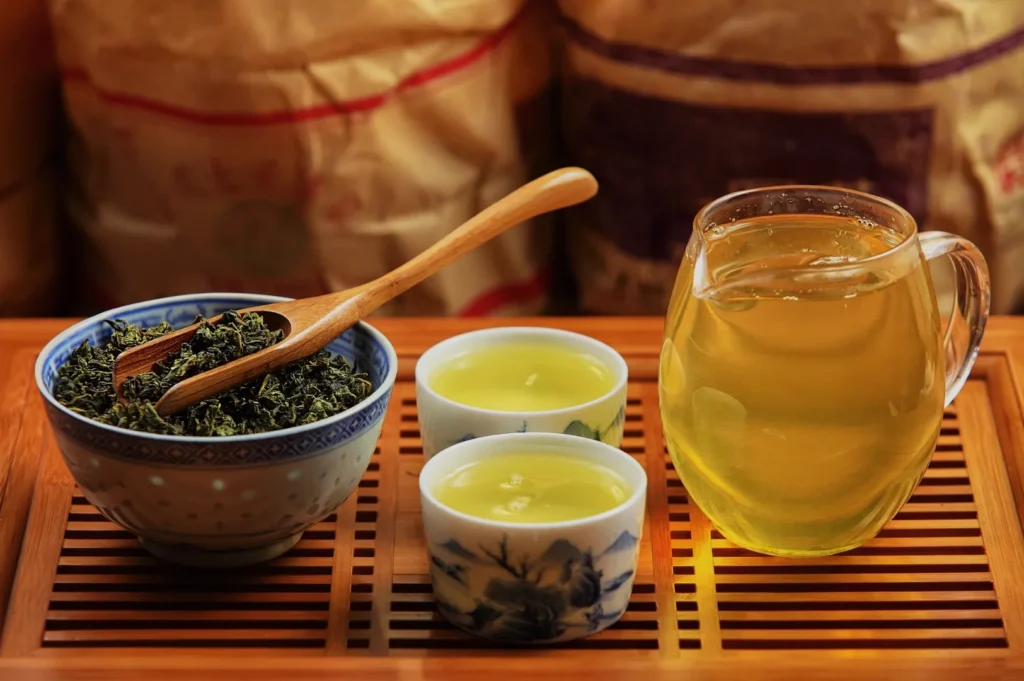
Creaminess in Tie Guan Yin does not always mean milk flavour.
Often, it is texture. The tea feels rounded. It moves smoothly across the tongue. It softens the edges of the cup.
Some drinkers may describe this as buttery or milky, but those words can be misleading. The better question is not whether the tea tastes like dairy. The better question is how the tea feels.
Does it coat the mouth gently? Does the sweetness arrive slowly? Does the body remain after swallowing?
Creamy Tie Guan Yin is quiet, but it can be very persuasive.
The Roasted Side
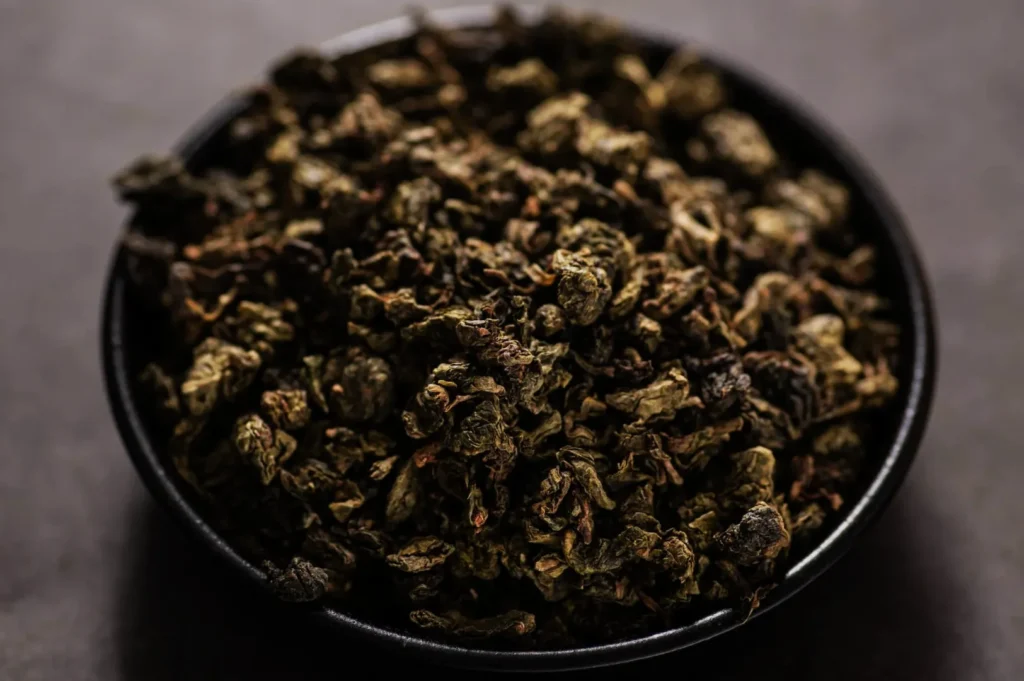
Traditional or roasted Tie Guan Yin feels warmer.
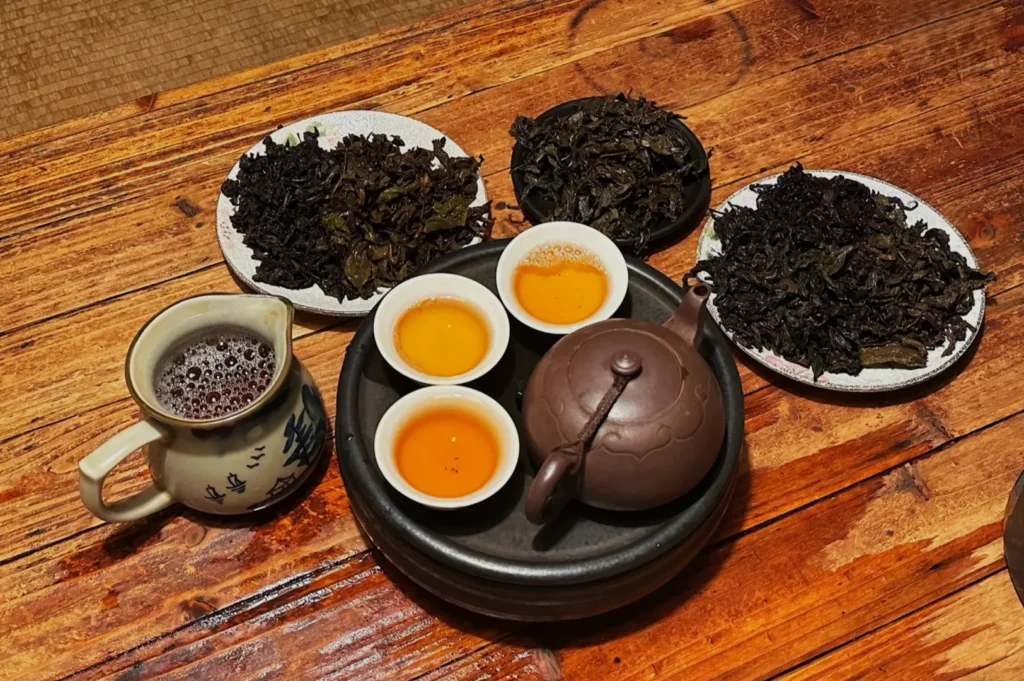
Instead of fresh orchid, the cup may suggest toasted grain, roasted nuts, honey, dried fruit, or a soft caramel-like finish. The liquor may be darker. The aroma may feel less bright at first, but more settled.
A paper comparing sensory and chemical characteristics of Tieguanyin after roasting notes that roasting can reduce bitterness and astringency while enhancing sweet aftertaste. This helps explain why roasted Tie Guan Yin can feel softer and rounder when the roast is well controlled.
Roast should not erase the tea. It should give the tea a warmer frame.
The Quiet Finish
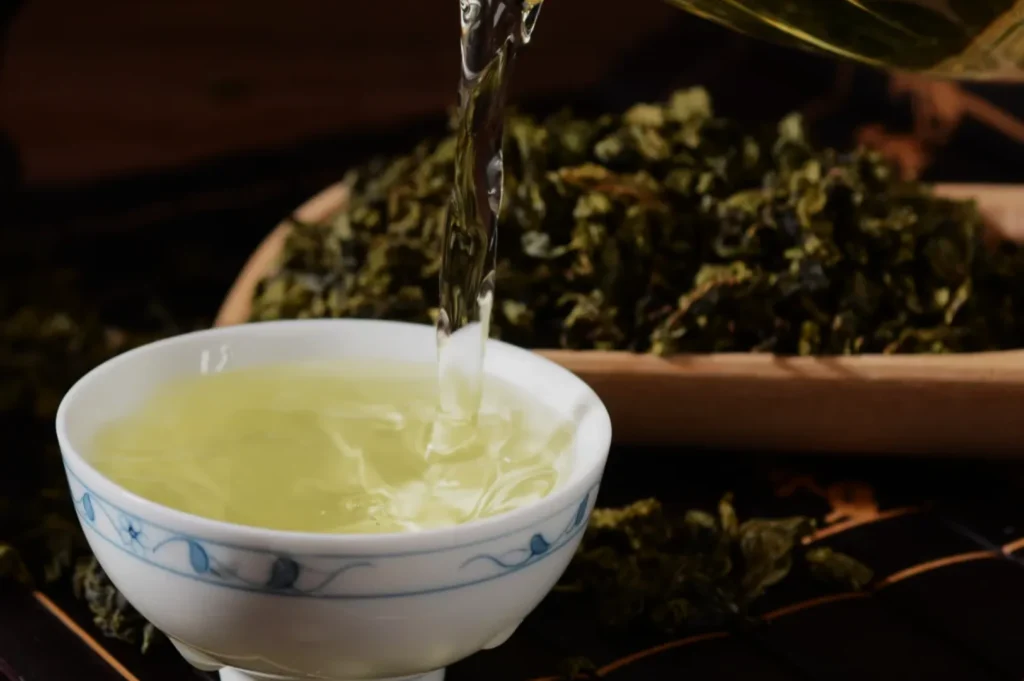
The finish is where Tie Guan Yin often becomes more interesting.
A quick sip may only show flowers or roast. But after swallowing, the tea may leave a gentle sweetness, a clean cooling sensation, or a soft dryness that makes the mouth want another cup.
This aftertaste matters.
A good Tie Guan Yin should not disappear instantly. It does not need to be heavy, but it should leave a trace.
At Tea Room by Ki-setsu, we often encourage guests to pause after drinking before reaching for the next cup. The finish teaches more when it is not rushed.
Tie Guan Yin is often understood in the space after the sip.
Light Tie Guan Yin vs Roasted Tie Guan Yin Taste
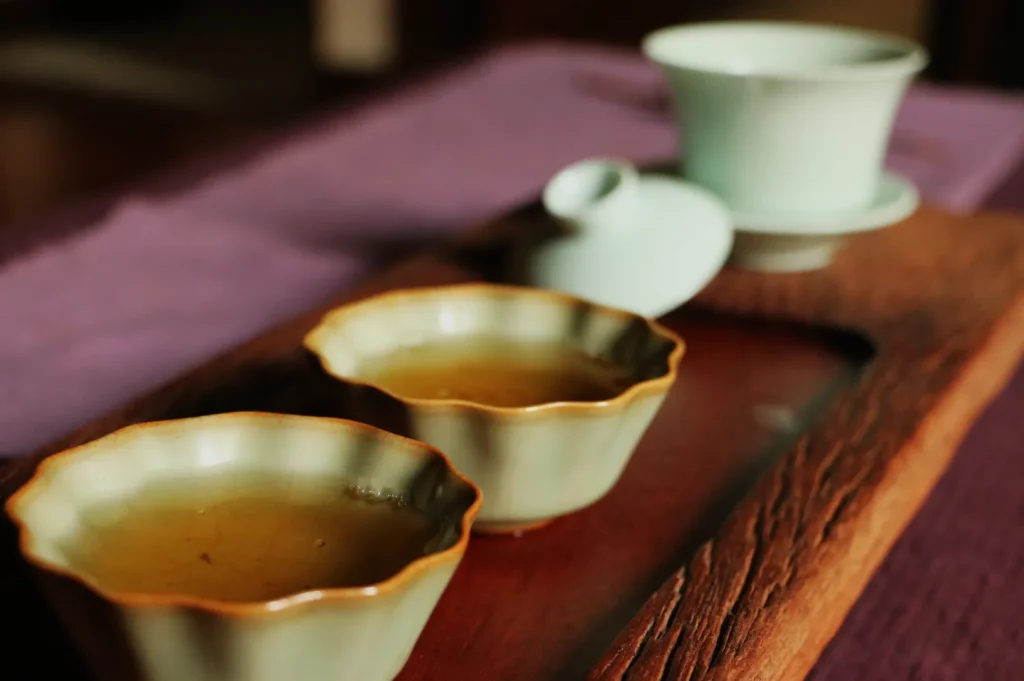
Light Tie Guan Yin usually feels floral, green, bright, and smooth. It may suit drinkers who enjoy lighter oolongs, floral teas, or a clean afternoon cup.
Roasted Tie Guan Yin feels warmer, deeper, and more grounded. It may suit drinkers who enjoy roasted grains, nuts, dried fruit, or tea after food.
A study on volatile compounds in different types of Tieguanyin looked at aroma differences among Tieguanyin types and other oolongs, reminding us that aroma is one of the key ways this tea expresses itself.
The useful point is simple: taste depends on style.
Do not judge all Tie Guan Yin from one version.
How to Taste Tie Guan Yin More Clearly
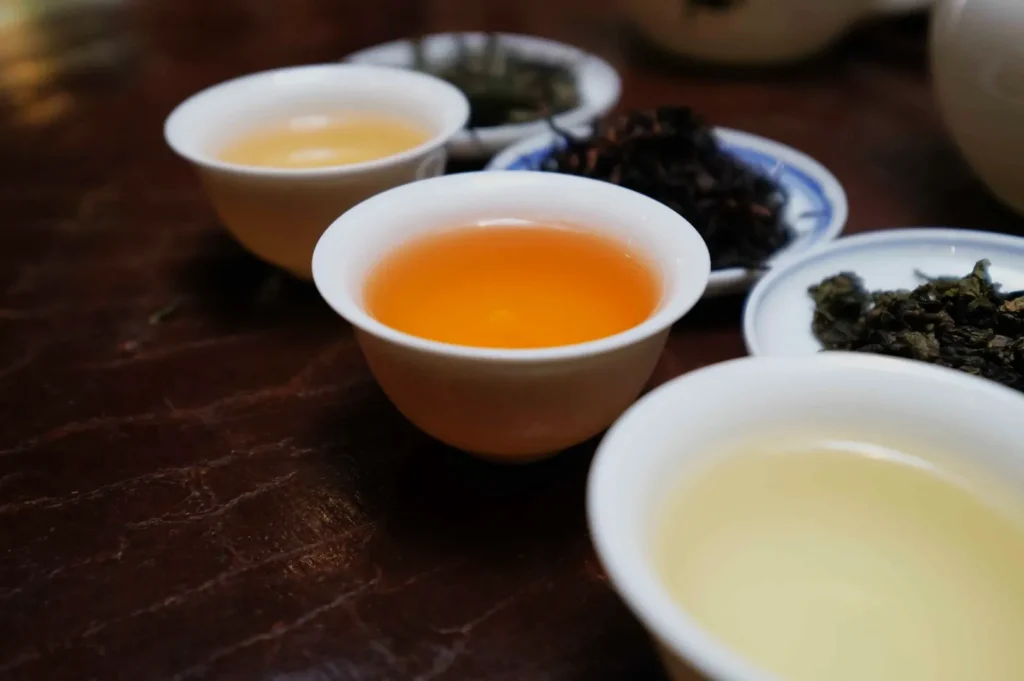
Begin with the dry leaf. Smell before water is added. Is it floral, roasted, fresh, sweet, or warm?
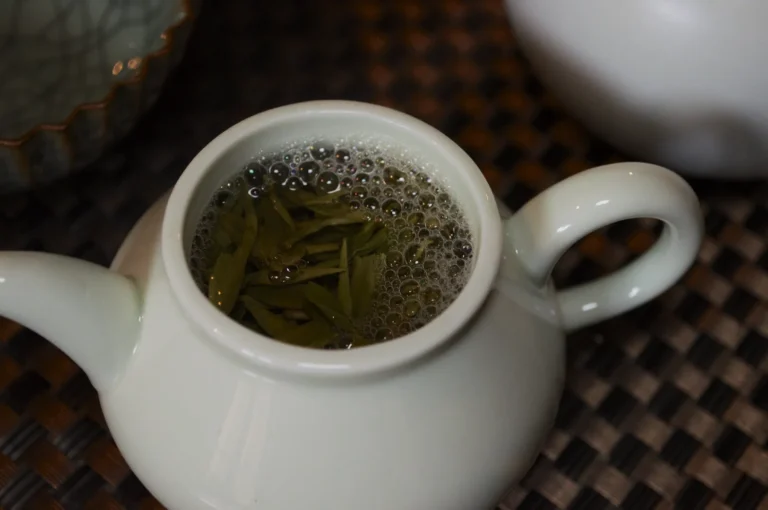
Then smell the wet leaf after the first infusion. The aroma often becomes more revealing here.
Taste slowly. Notice the first impression, the texture, and the finish. Do not rush to name every note. Start with simple words: bright, soft, warm, sweet, dry, smooth, fragrant.
Then taste the next infusion.
Tie Guan Yin often changes beautifully from cup to cup. A floral note may soften. A roasted note may become sweeter. A light bitterness may turn into a cleaner finish.
Final Thought
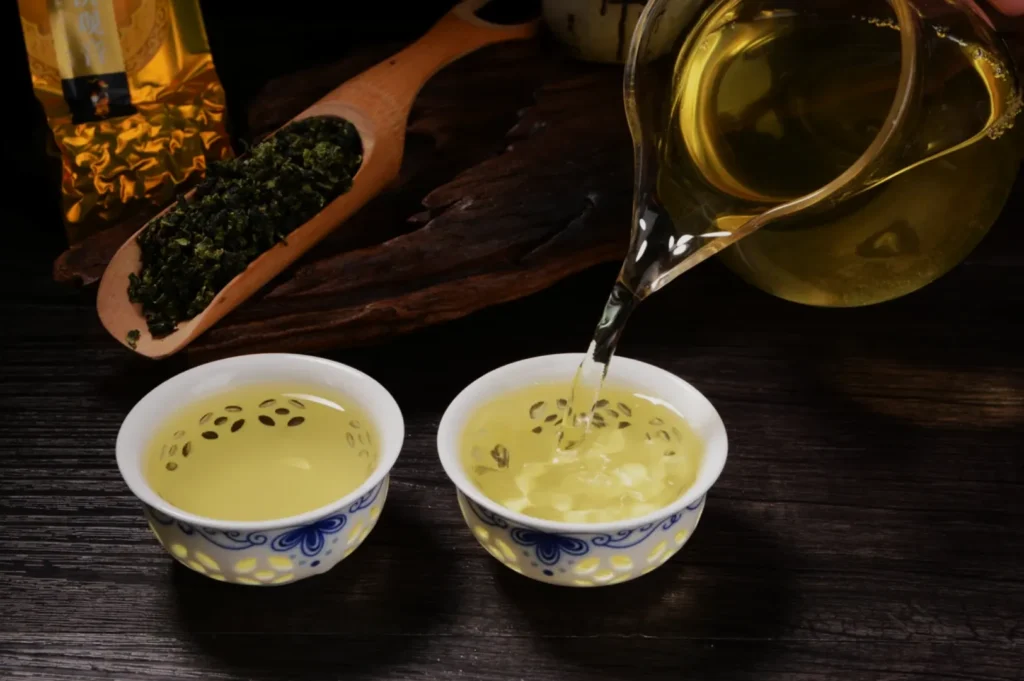
Tie Guan Yin tea taste cannot be reduced to one word.
It can be orchid-like, creamy, roasted, sweet, warm, clean, or gently lingering. The best examples feel composed, not exaggerated. They invite attention without demanding performance.
The pleasure of Tie Guan Yin is not only in what it tastes like, but in how gradually it reveals taste.
For those beginning with Iron Goddess oolong, the first lesson is simple: drink slowly, compare styles, and let the finish speak before deciding what the tea is.