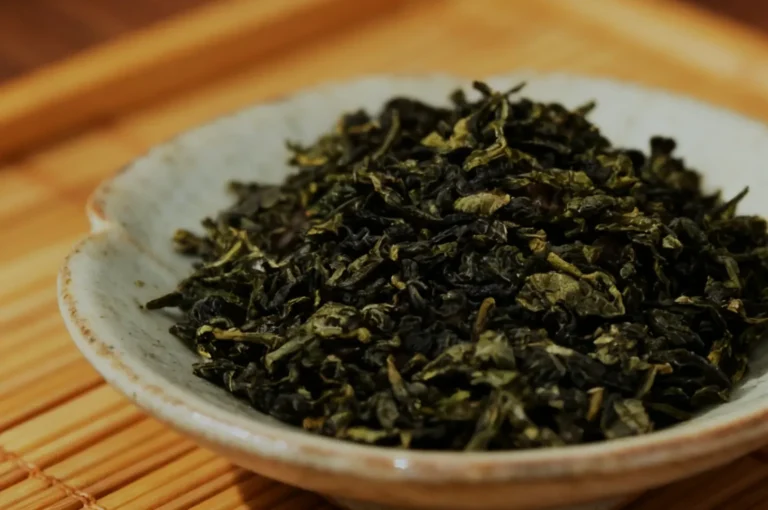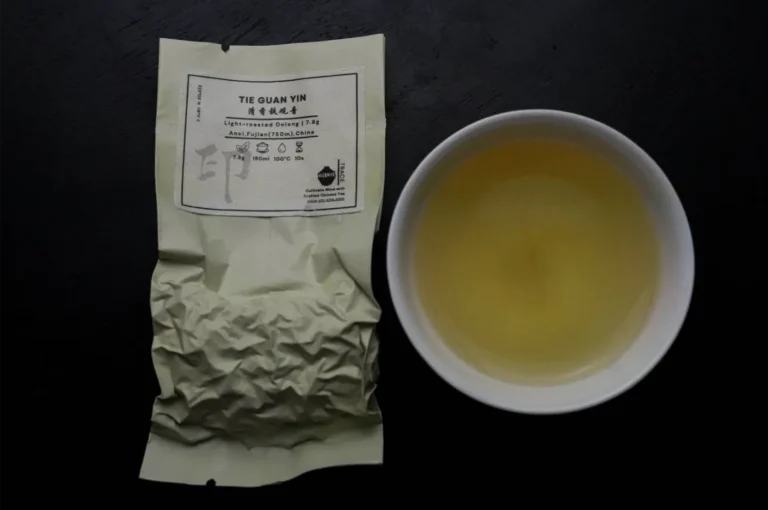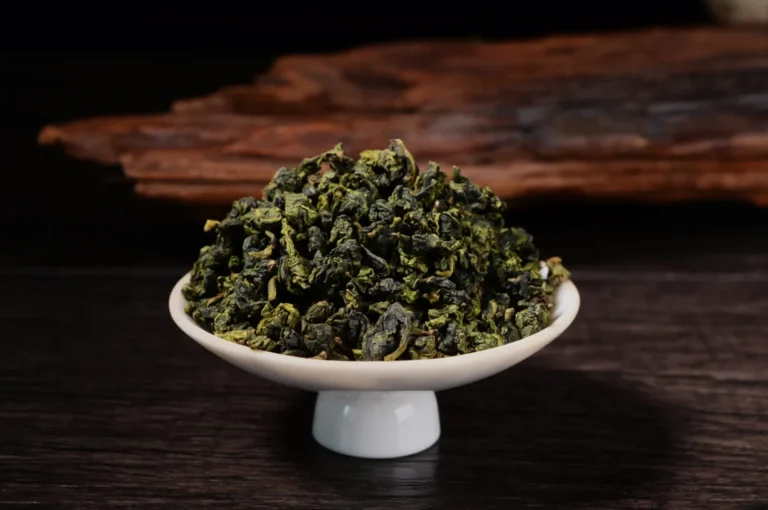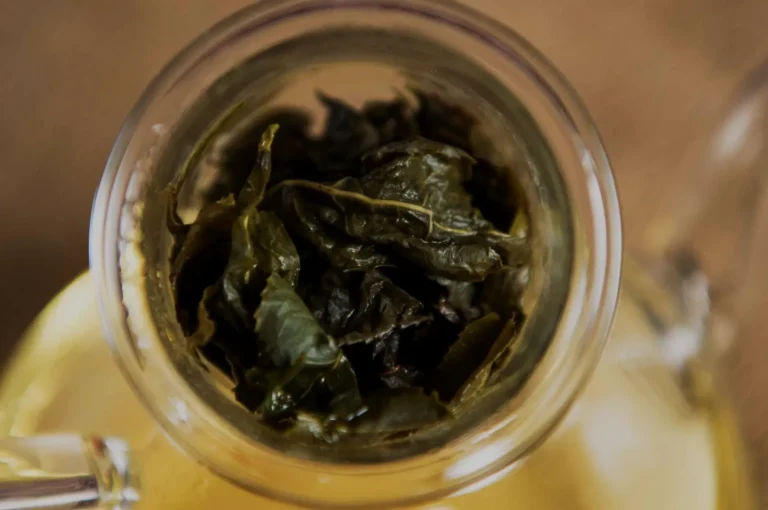
Tea storage sounds simple until Singapore enters the room.
Heat, humidity, light, air, and kitchen odours all work quietly against tea. Tie Guan Yin, especially lighter floral styles, can lose freshness faster than many drinkers expect. The aroma becomes dull. The sweetness fades. The cup begins to feel flat.
This does not mean Tie Guan Yin is fragile beyond use. It means it should be stored with attention.
To store Tie Guan Yin well in Singapore, protect it from moisture, heat, light, oxygen, and smell.
For readers who want the wider foundation, we have written a guide to Tie Guan Yin. This article focuses on storage: how to protect light and roasted styles in a humid climate.
Why Storage Matters
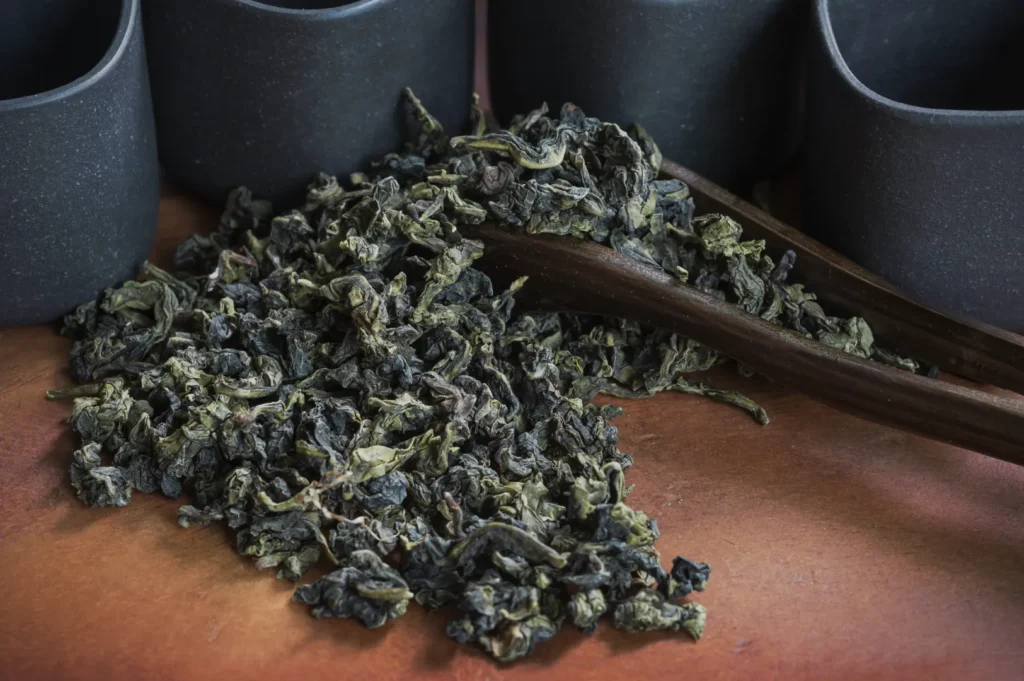
Tea changes during storage.
A ScienceDirect review on tea storage notes that tea compounds are influenced by environmental factors including heat, moisture, oxygen, and light, which can alter tea quality.
For Tie Guan Yin, this is especially clear in aroma.
Light Tie Guan Yin depends on fragrance. If it absorbs moisture or odours, the cup loses lift. Roasted Tie Guan Yin is often more stable, but it can still become stale or flat if stored poorly.
Light Tie Guan Yin Needs More Protection
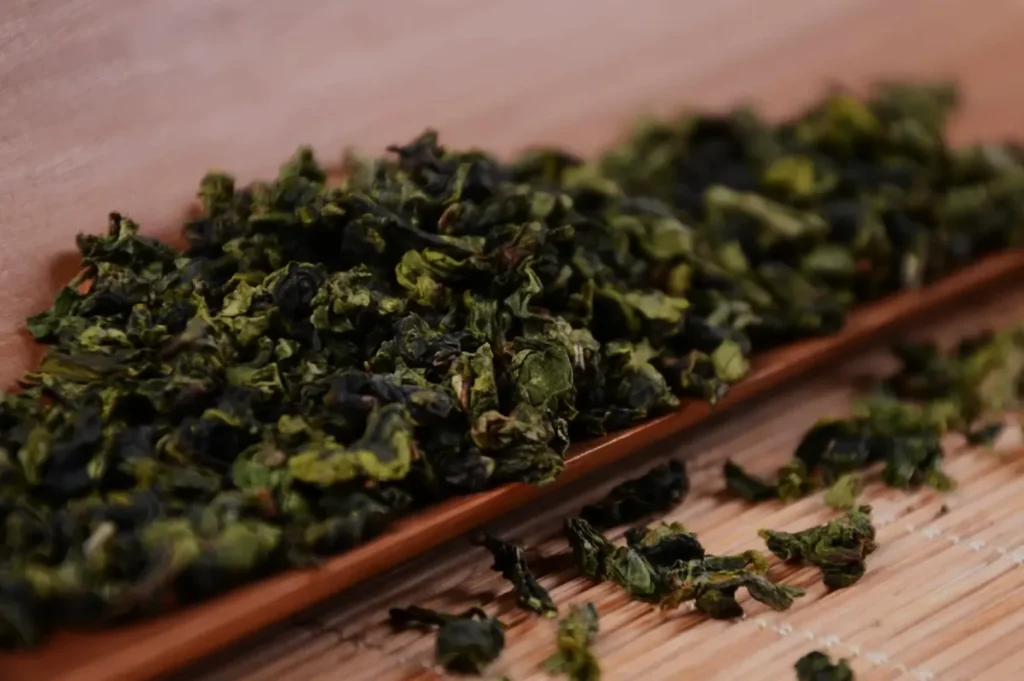
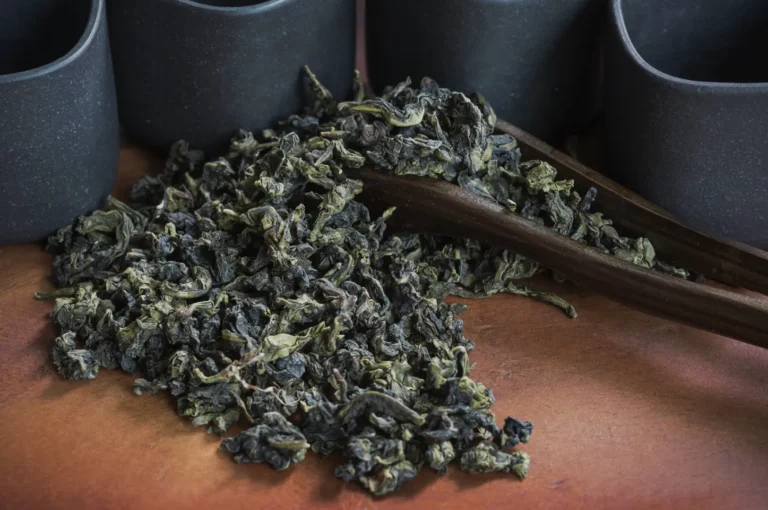
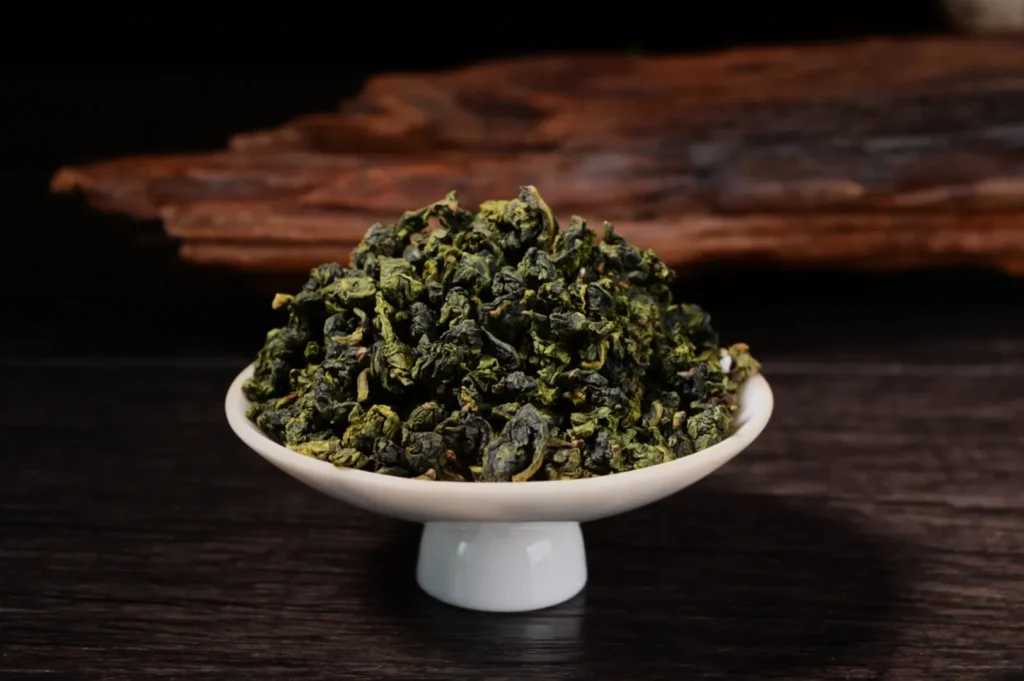
Light Tie Guan Yin is usually greener, more floral, and more aromatic.
This style should be kept sealed and cool. Once opened, it is best consumed within a reasonable period rather than kept casually for years.
Use airtight packaging. Keep it away from sunlight. Avoid leaving it near the stove, sink, fridge door, or spice cabinet.
Some drinkers refrigerate very fresh light oolong, but this requires care. The tea must be tightly sealed to prevent condensation and odour absorption. Once removed from the fridge, let the container return closer to room temperature before opening.
Moisture is often more dangerous than time.
Roasted Tie Guan Yin Is More Forgiving
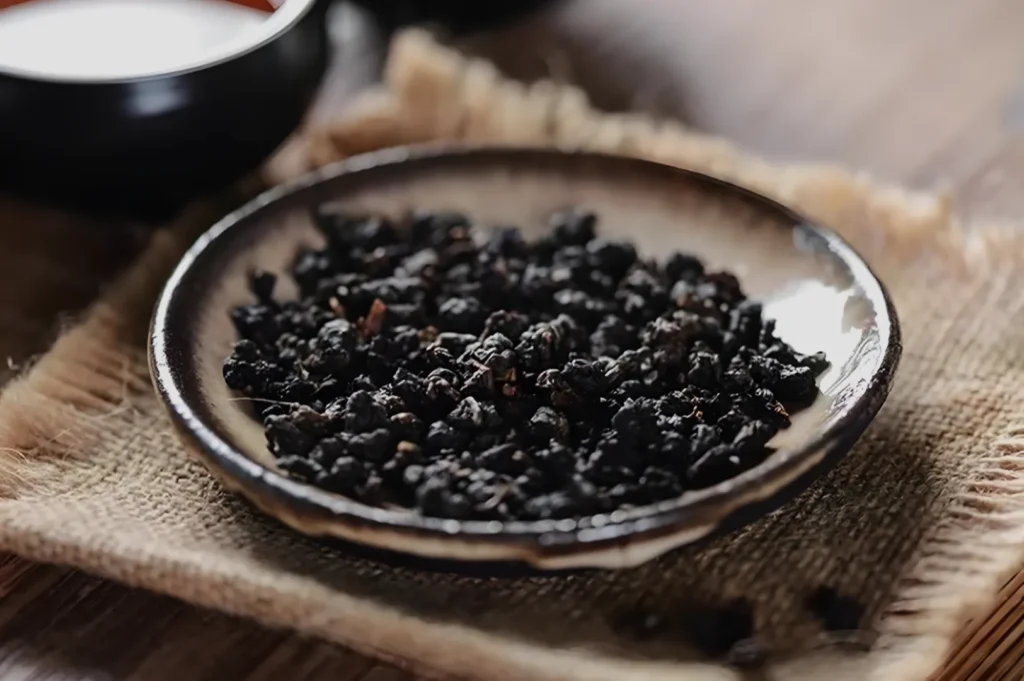
Roasted Tie Guan Yin is usually more stable.
The roast gives the tea warmth and structure, and it may hold better than very green styles. Still, it should not be neglected. Heat, oxygen, and smell can damage roasted tea too.
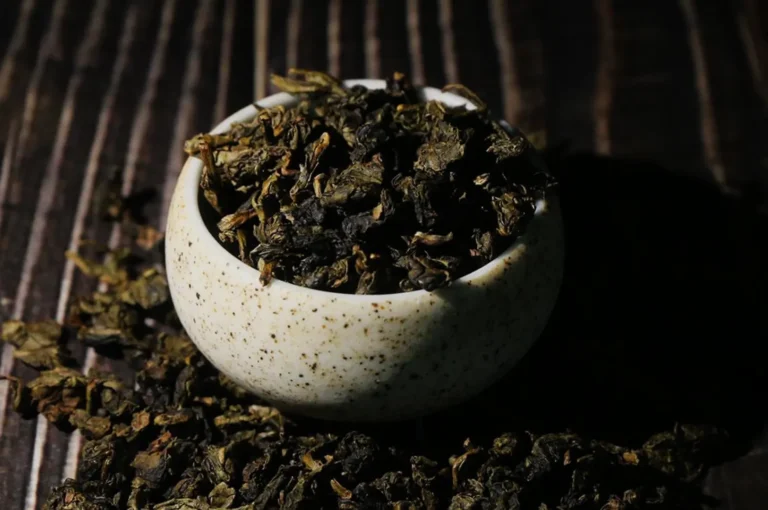
Keep it in an airtight tin or pouch. Store it in a cool, dark cabinet. Avoid clear jars unless they are kept inside a closed cupboard.
Roasted tea should smell warm and clean, not dusty, sour, or stale.
What Containers Work Best?
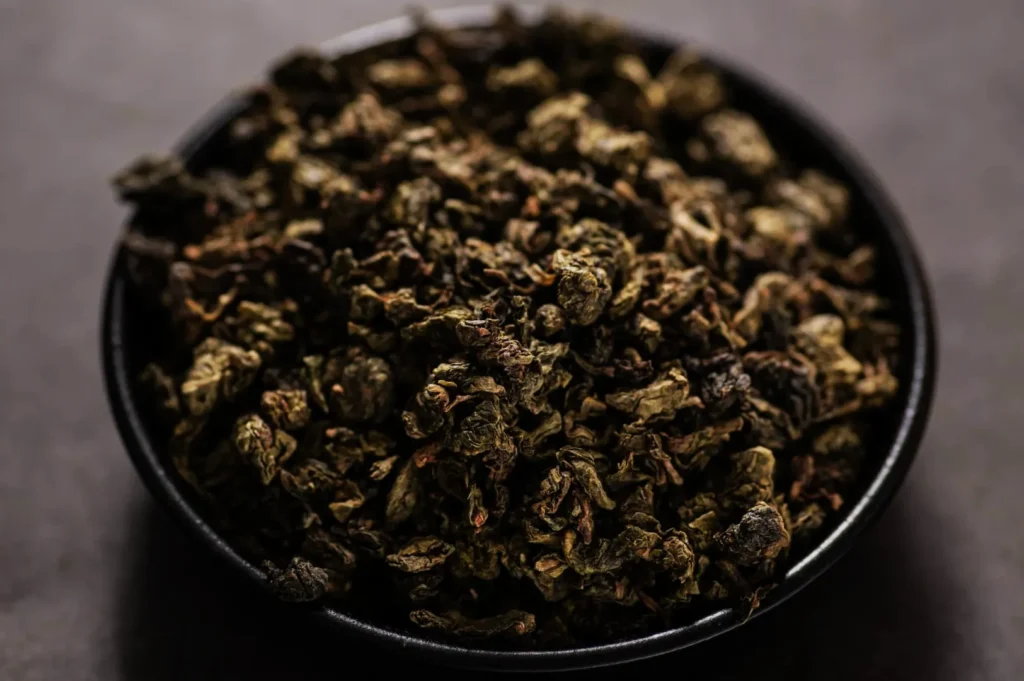
Good storage containers should be airtight, opaque, clean, and odour-free.
Metal tins can work well for daily use. Foil pouches with proper seals are useful. Ceramic jars can be beautiful, but they must close tightly. Glass jars are only acceptable if kept away from light.
Avoid plastic containers that smell strongly. Tea absorbs surrounding odours more easily than many people realise.
A study on humidity and storage stability of tea properties examined how storage at different humidity levels affected tea properties, reminding us that tea quality is tied closely to the storage environment.
Where Not to Store Tie Guan Yin
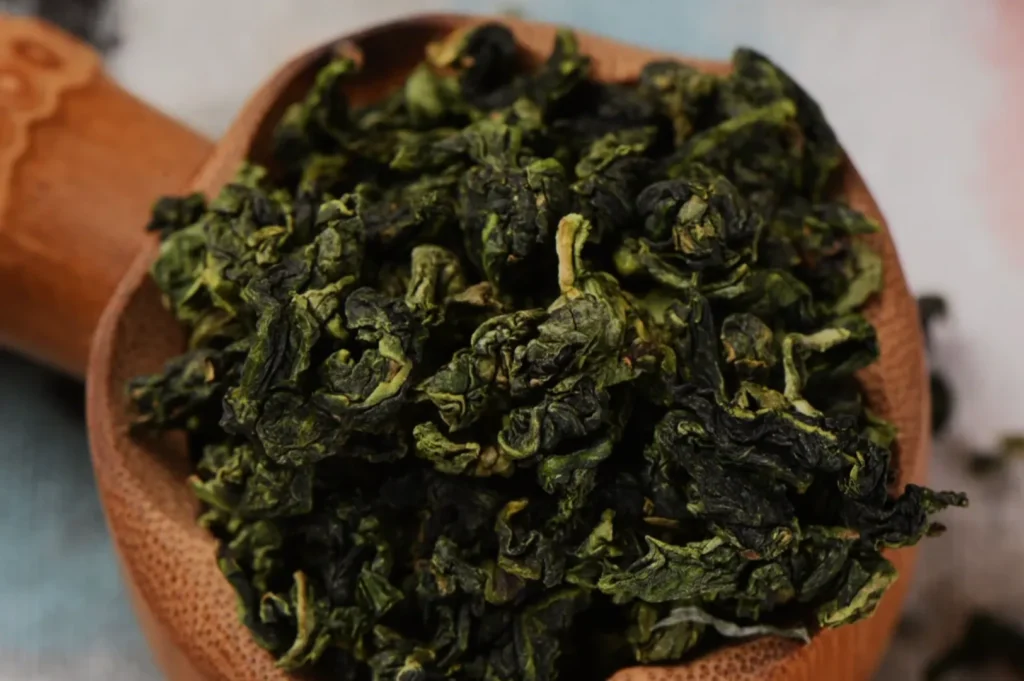
Do not store Tie Guan Yin beside coffee beans, spices, dried seafood, incense, cleaning products, or strong-smelling snacks.
Do not store it above the stove.
Do not leave opened pouches on the counter.
Do not keep it in a decorative jar near sunlight simply because it looks good.
Tea storage is not about display. It is about preserving what the leaf still has to say.
Final Thought
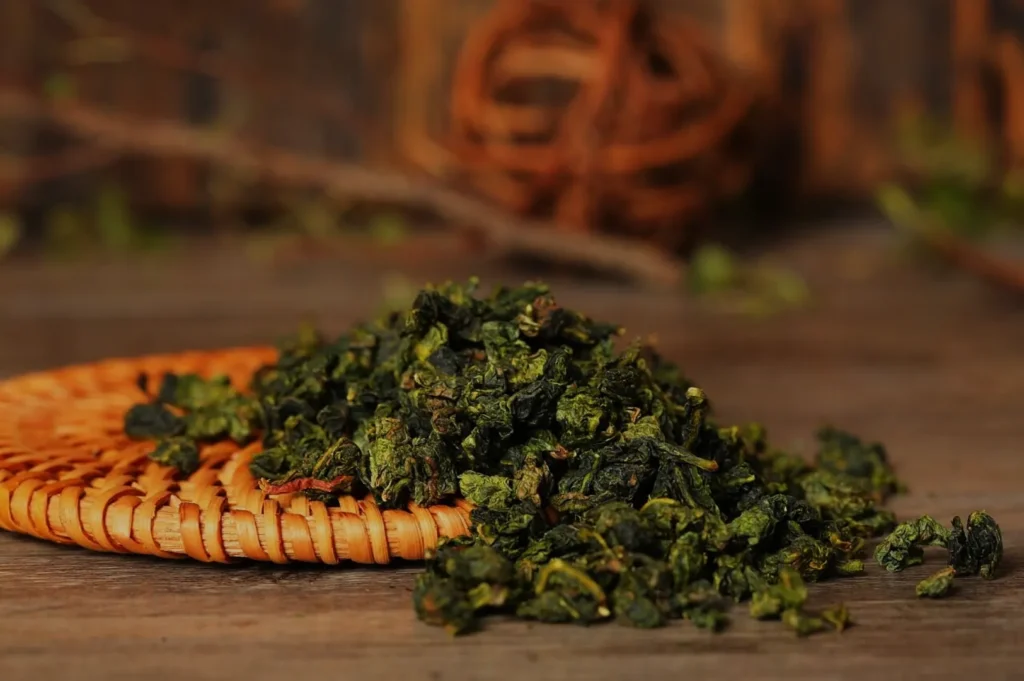
Tie Guan Yin storage is quiet work.
There is no drama in sealing a pouch properly or choosing a cooler cabinet. But these small decisions protect aroma, texture, and finish.
Light Tie Guan Yin asks for careful freshness. Roasted Tie Guan Yin gives more patience, but still deserves protection.
A good tea can only remain generous if we do not let the room drink it before we do.
For Singapore drinkers, the rule is simple: keep Tie Guan Yin sealed, dry, cool, dark, and away from strong smells.