Mengding Mountain carries more than one famous tea.
That makes Mengding Huangya easy to misunderstand.
Someone familiar with Sichuan green tea may assume “Huangya,” or Yellow Bud, simply refers to colour.
It does not.
Mengding Huangya belongs to yellow tea because of how those buds are processed.
For the wider category, our introduction to China’s rare sealed-yellowed teas explains menhuang and the other major yellow-tea styles.
Mengding Mountain Comes First
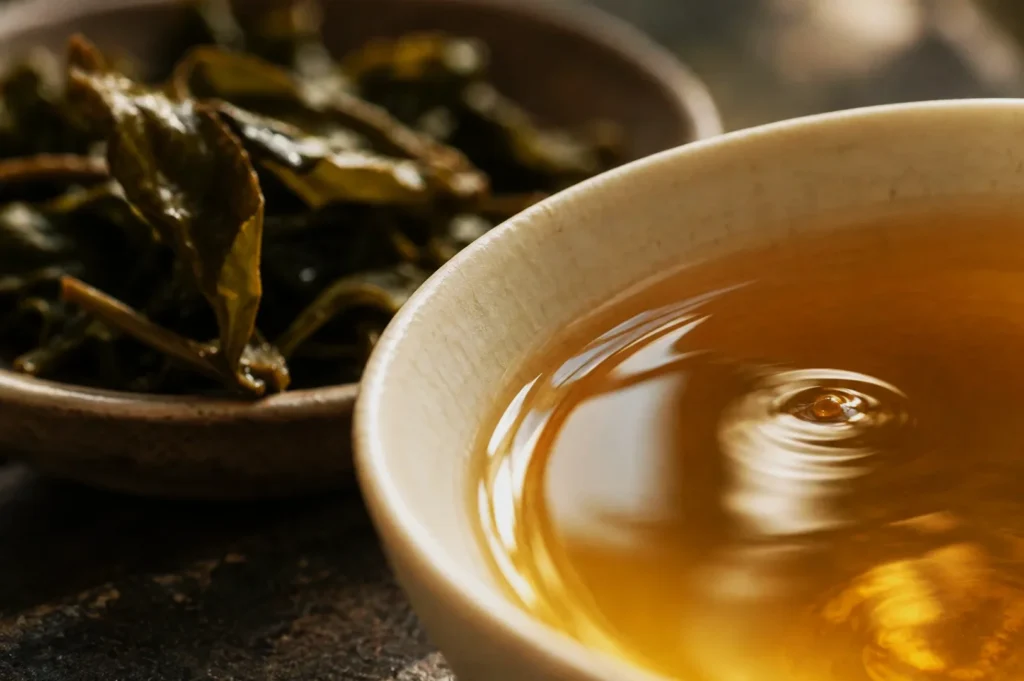
Mengding Mountain tea comes from Mingshan District in Ya’an, Sichuan.
China’s National Intellectual Property Administration describes the area’s humid subtropical climate, abundant rainfall, deep soils and strong forest coverage as favourable for tea cultivation.
That official geographical-indication material specifically identifies Mengding Mountain Huangya as a high-end regional tea brand.
What Does Huangya Mean?
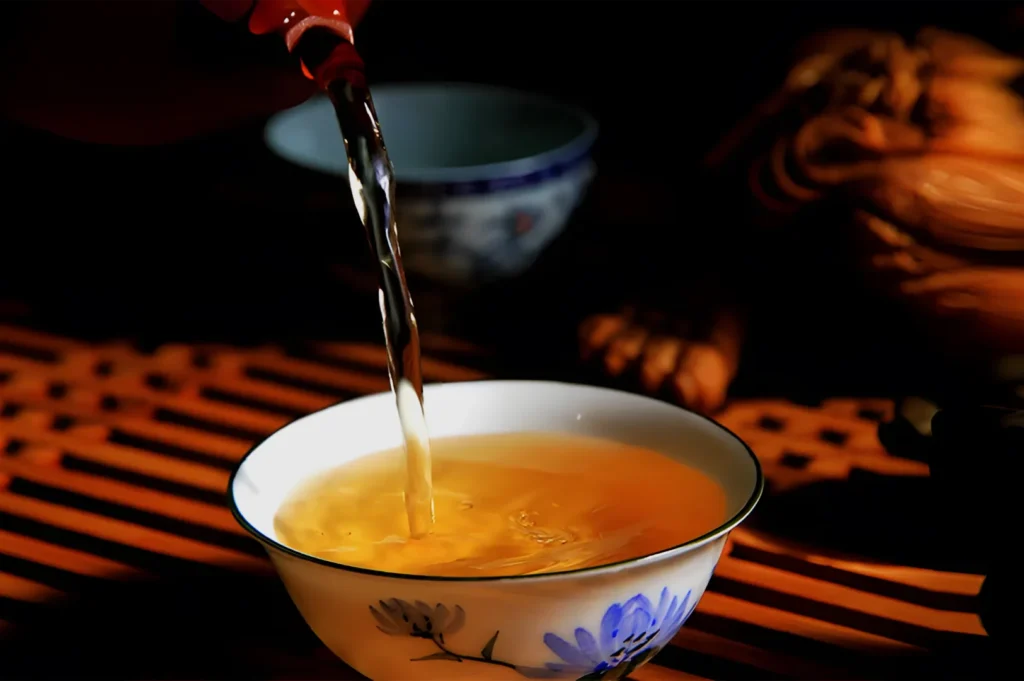
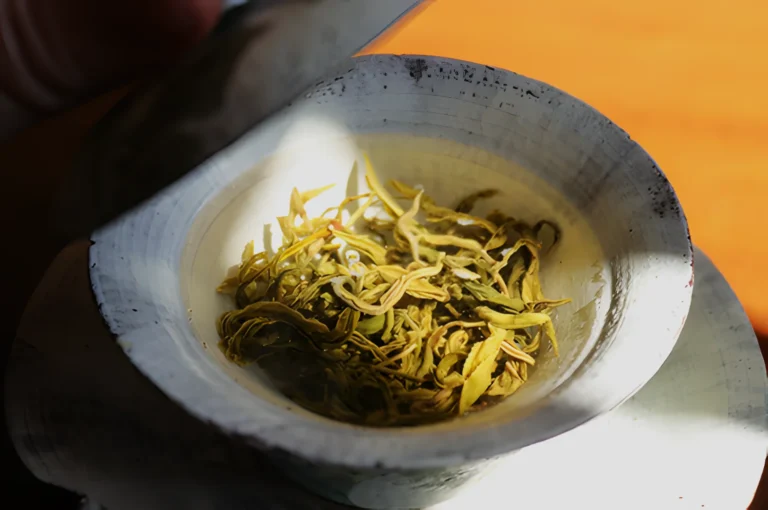
“Huangya” means yellow bud.
The name suits the material: tender buds processed into a yellow tea.
A Chinese science-communication reference describes Mengding Huangya as going through repeated fixing, wrapping, refrying and rewrapping stages before final drying.
Those wrapping stages are part of the yellowing logic that separates the tea from green tea.
What Does It Taste Like?
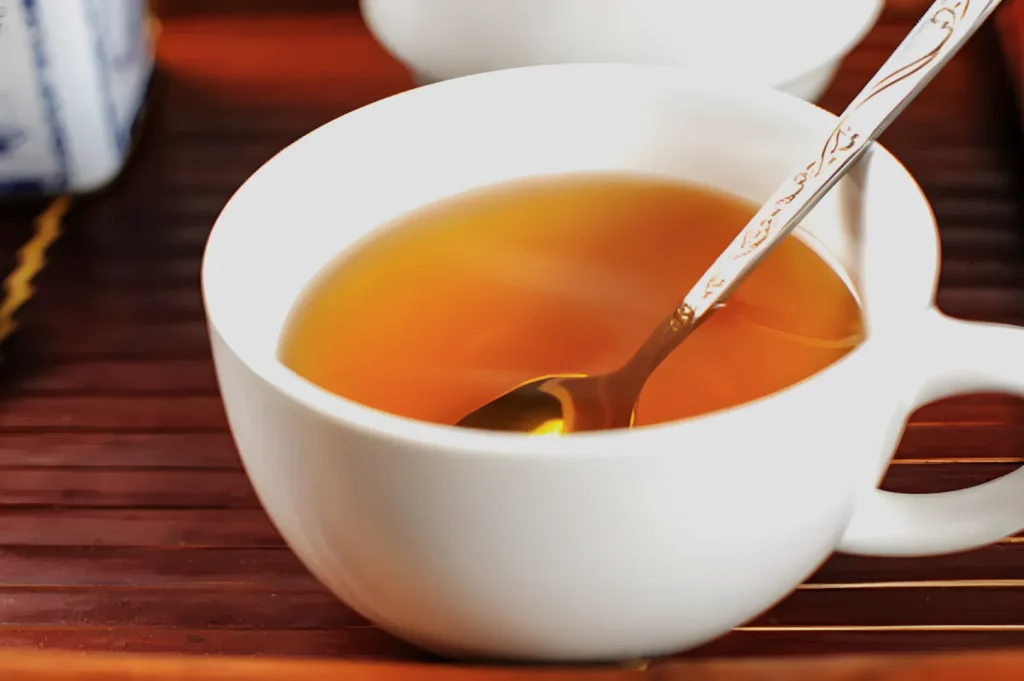
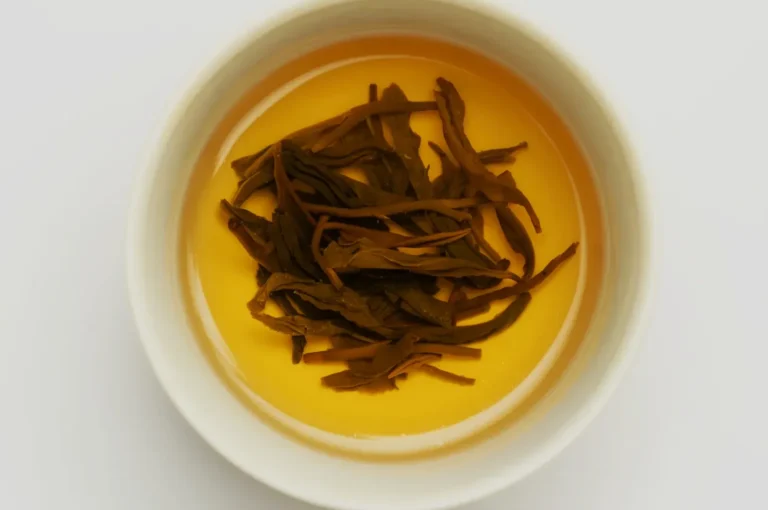
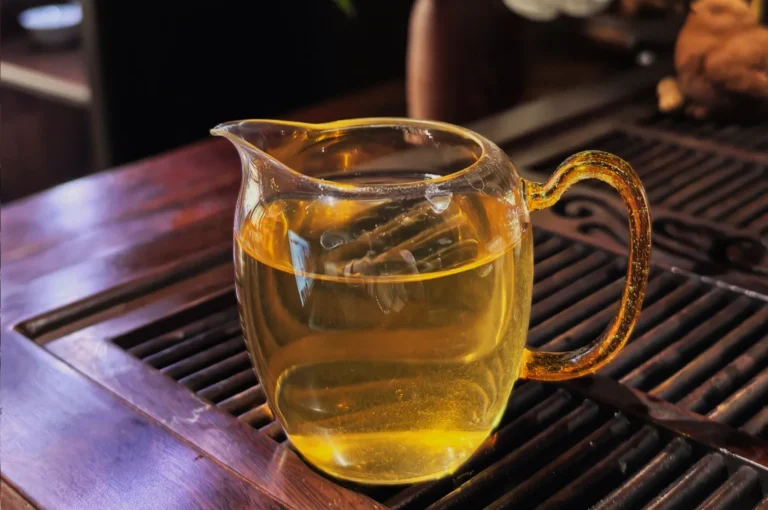
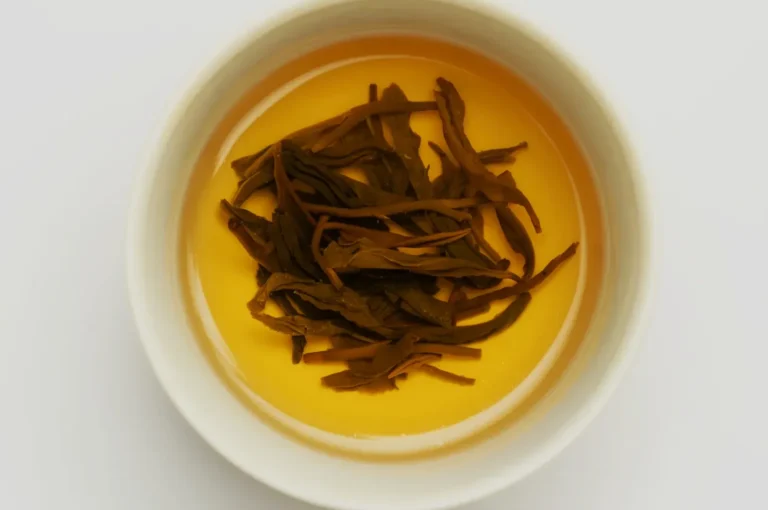
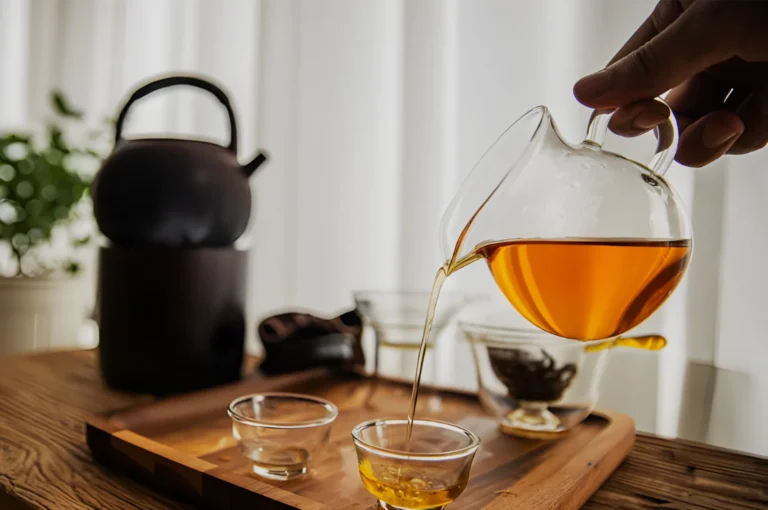
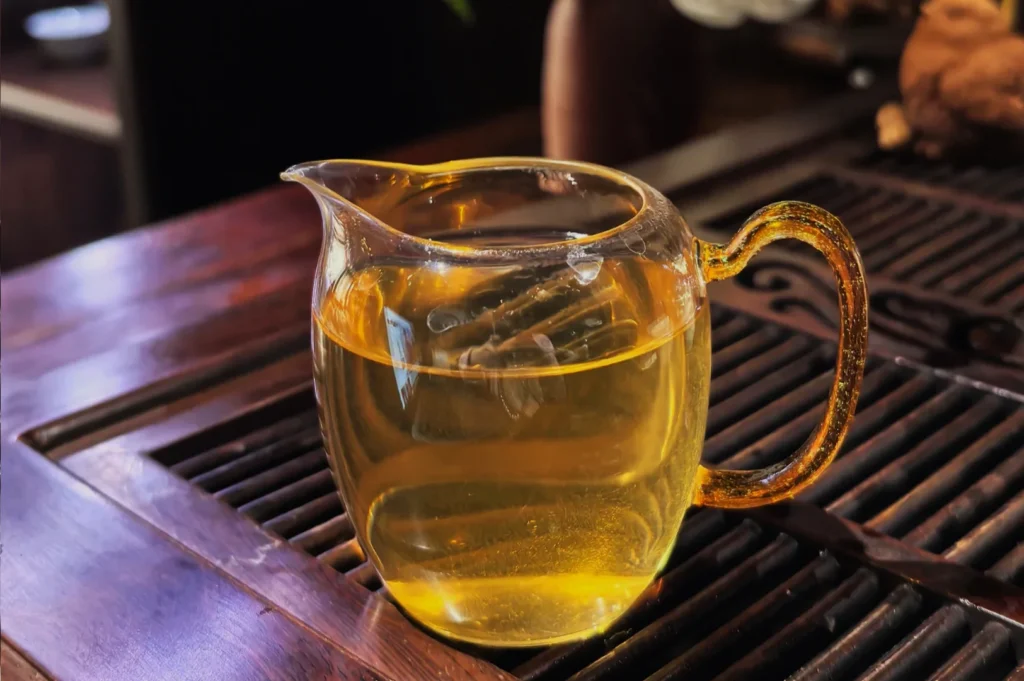
Mengding Huangya is typically described as fresh, mellow and sweet, with a bright yellow liquor.
Its appeal is not heavy fragrance.
The interest lies in texture and finish.
A scientific review of yellow tea identifies mellowness and reduced grassy character as key consequences of sealed yellowing.
That makes Mengding Huangya a useful example of what the category is trying to achieve.
Why Provenance Matters
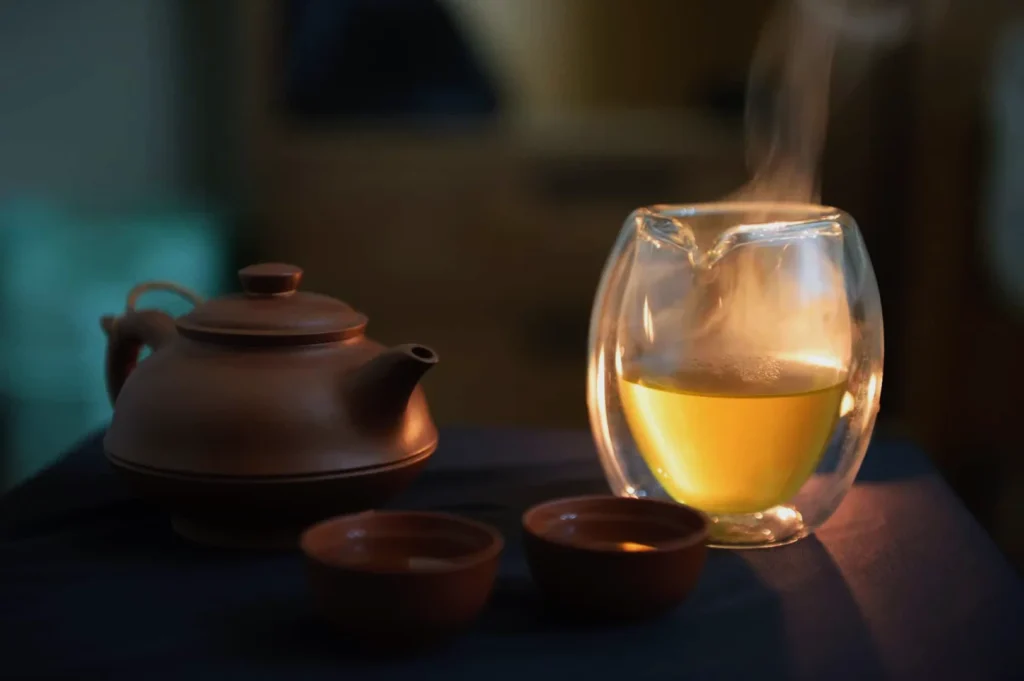
The name Mengding carries weight.
That makes origin information important.
At Tea Room by Ki-setsu, our current rare-tea collection comes from different regions and traditions, but we apply the same principle: provenance should tell us something real about the leaf.
Mountain names should not be decorative.
A respected origin should increase curiosity, not end the conversation.
Final Thought
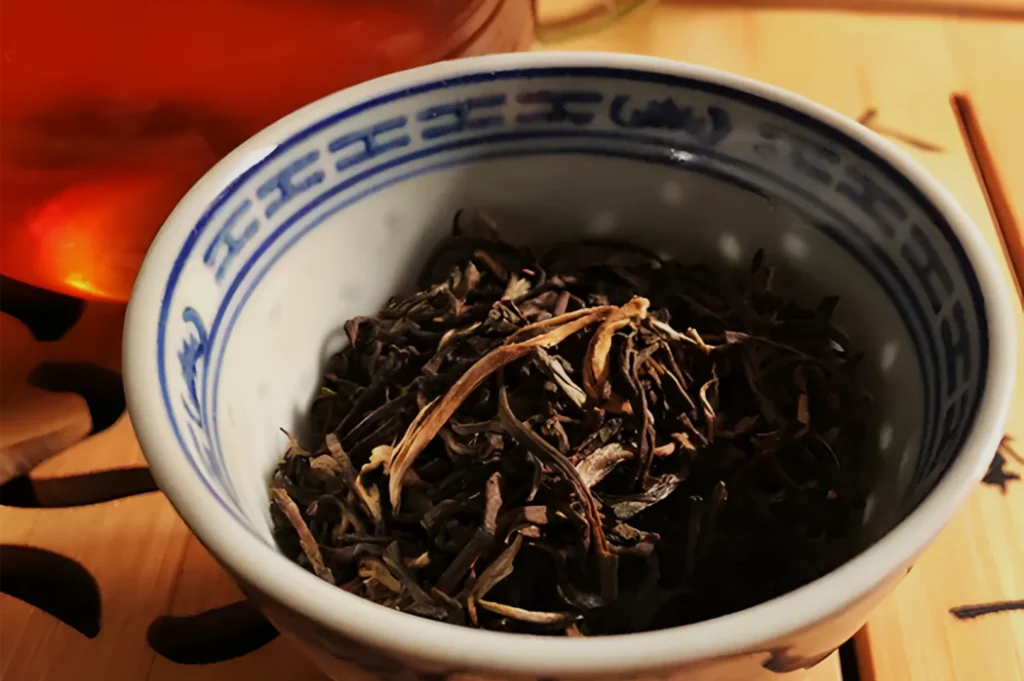
Mengding Huangya is a quiet tea from a place with a long tea memory.
Its value lies in the combination of tender bud material, Sichuan provenance and yellow-tea processing.
It does not need to compete with louder categories.
Its refinement is the point.