“Silver Needle” creates an understandable problem.
Many tea drinkers know Baihao Yinzhen, the famous white tea.
Then they meet Junshan Yinzhen.
The shape looks familiar. The English translation sounds familiar.
The processing is not.
Junshan Yinzhen is yellow tea, not white tea.
Our yellow tea guide to famous Chinese styles gives the wider category context.
Junshan Means Place
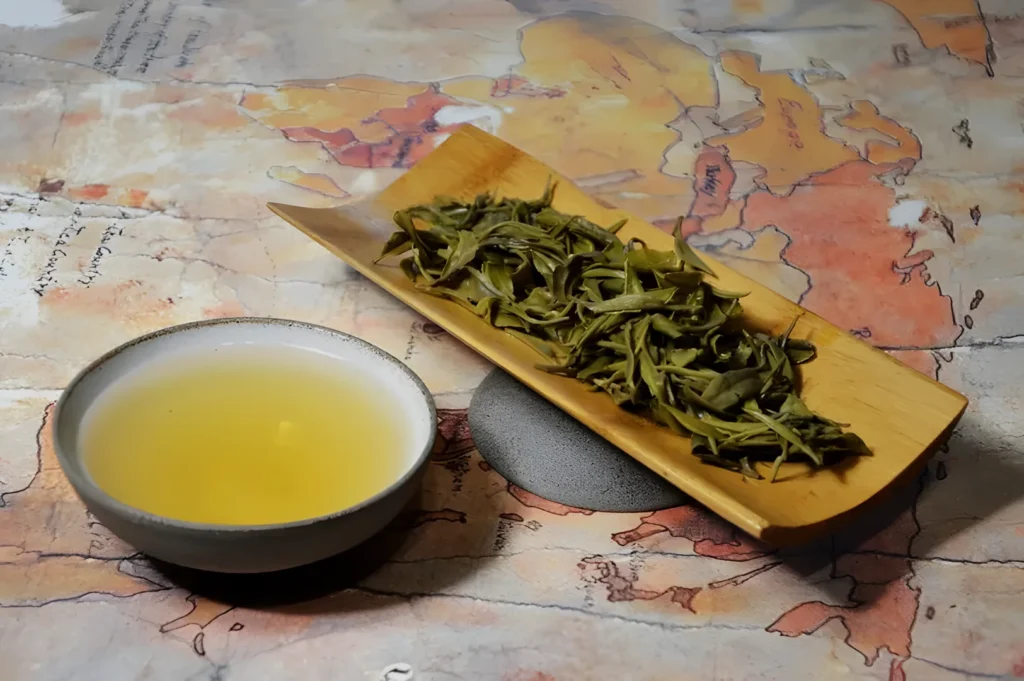
Junshan Yinzhen is associated with Junshan in Yueyang, Hunan, around Dongting Lake.
Hunan’s provincial government continues to present Junshan Yinzhen tea-making as one of the region’s significant traditional tea-processing techniques within the broader UNESCO-listed Chinese tea heritage.
Origin matters because “Junshan” is not simply a poetic prefix.
It points to a regional tea tradition.
Yinzhen Means Silver Needle
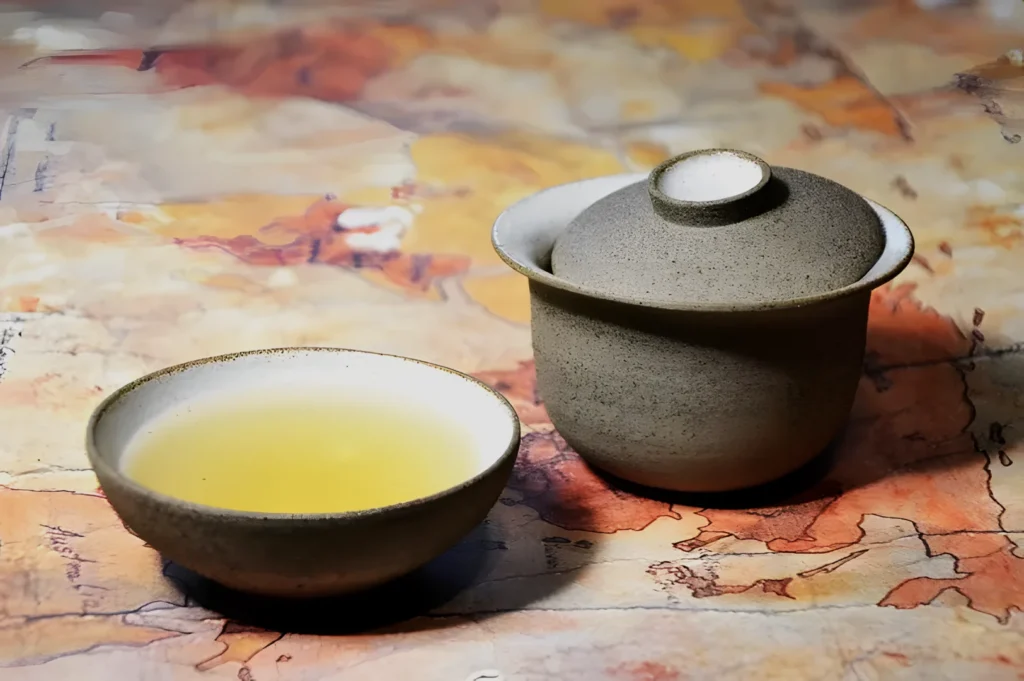
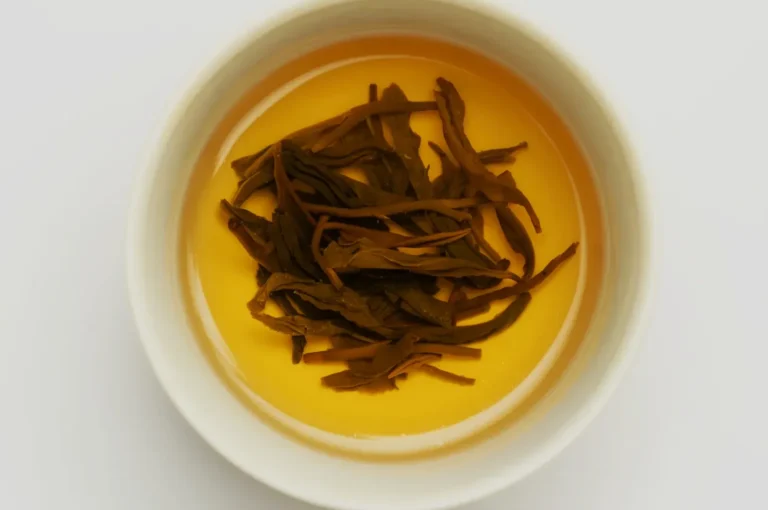
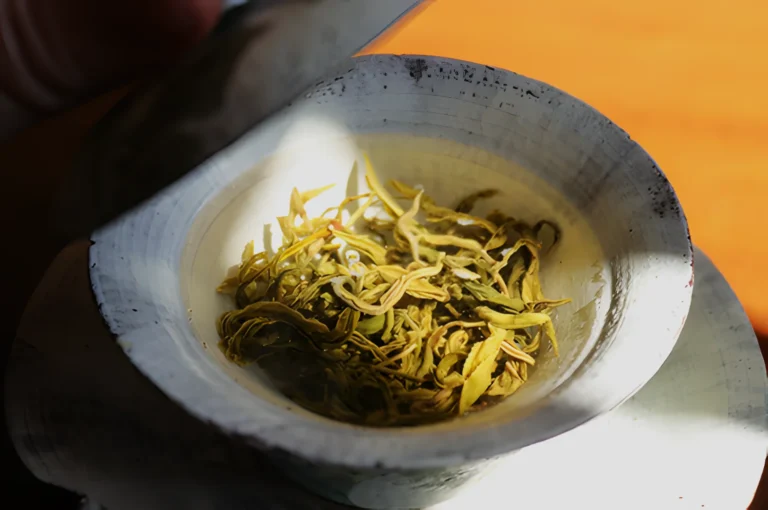
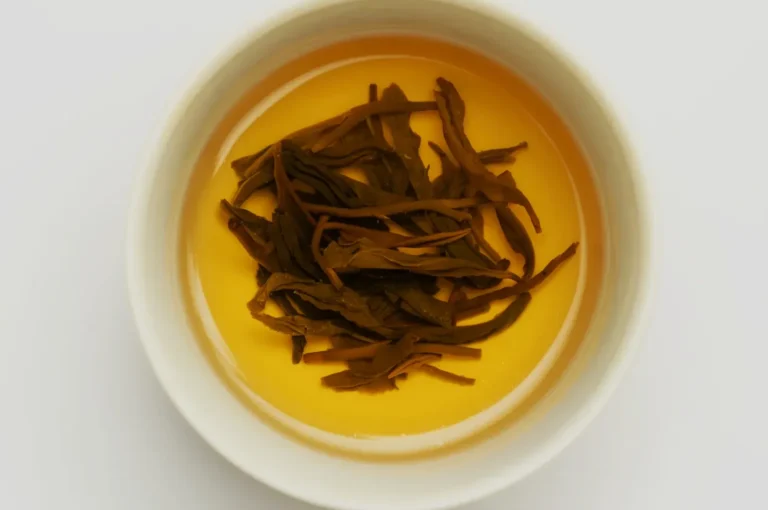
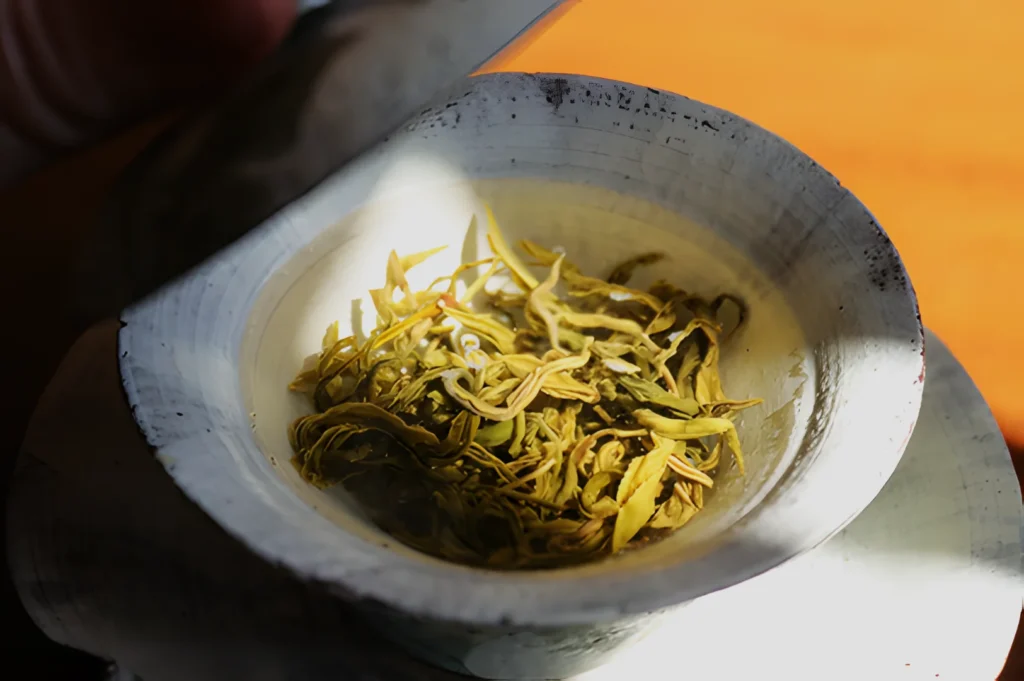
“Yinzhen” describes the needle-like bud appearance.
That creates the confusion with white Silver Needle.
But Chinese tea categories are defined by processing, not shape alone.
Junshan Yinzhen goes through yellow-tea processing, including menhuang.
Baihao Yinzhen follows white-tea processing.
Two teas can look related and belong to entirely different categories.
What Does Junshan Yinzhen Taste Like?
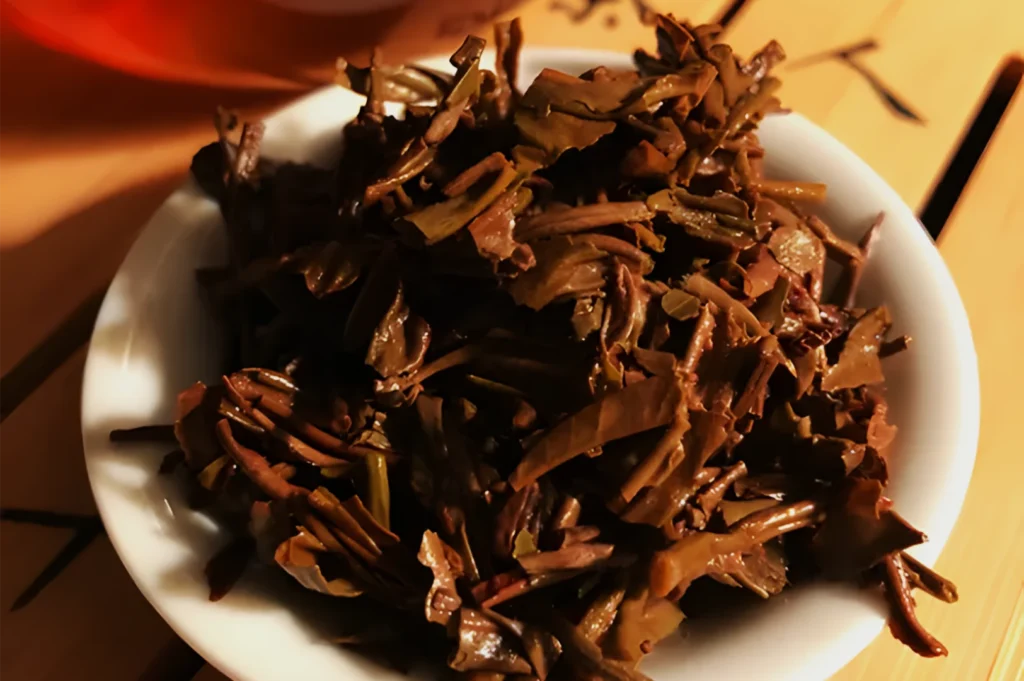
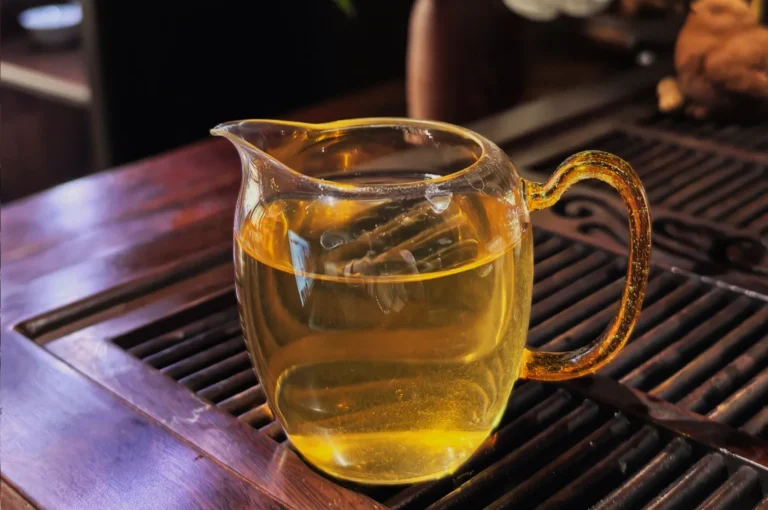
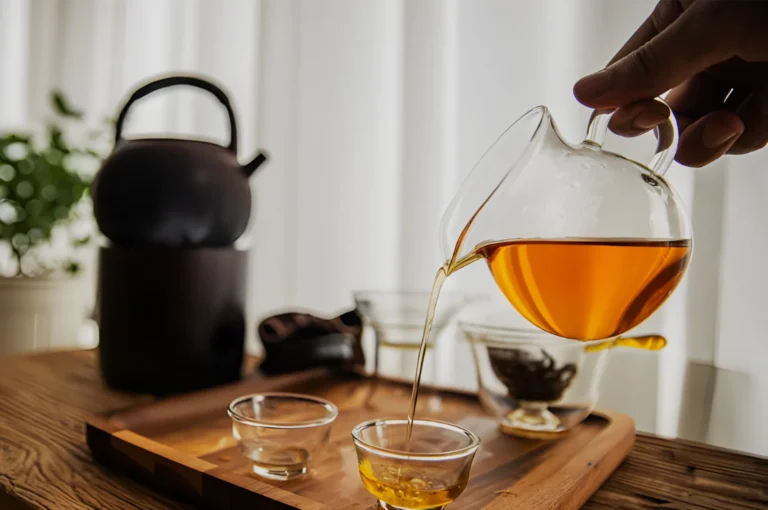
Traditional descriptions often emphasise a gentle, fresh and mellow cup rather than intense aroma.
Yellow-tea research helps explain this broader style: menhuang can increase sweetness and soften bitterness compared with green-tea-like processing.
The point is subtlety.
Junshan Yinzhen is not the tea to choose if you want heavy roast or dramatic fragrance.
Why It Matters to Yellow Tea
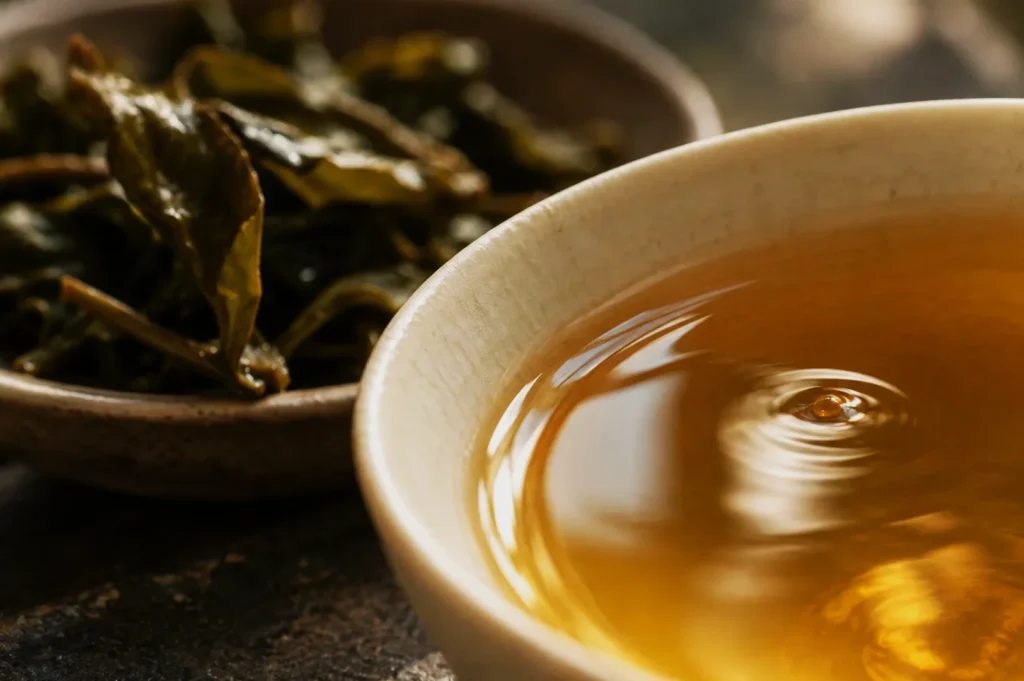
Junshan Yinzhen gives the category a recognisable face.
Its bud-only appearance makes it visually memorable. Its processing makes it useful for explaining why tea identity cannot be read from leaves alone.
At Chinese tea Singapore at Tea Room by Ki-setsu, this is part of why we place so much emphasis on provenance and process during guided tea appreciation.
Names and shapes invite curiosity.
Craft explains the tea.
Final Thought
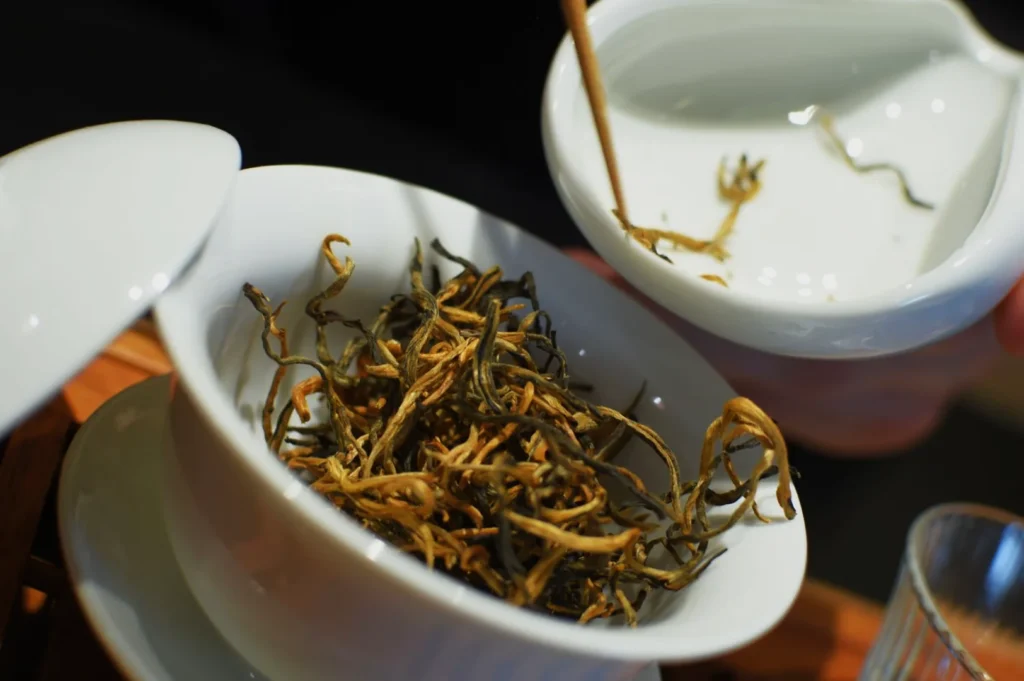
Junshan Yinzhen and Baihao Yinzhen share two words in English translation: Silver Needle.
That is where the shortcut should end.
One is shaped by yellowing. The other is shaped by white-tea minimalism.
The difference lives in the making.