Mi Lan Xiang is often one of the easiest Phoenix Dan Cong teas to love.
The name is usually translated as Honey Orchid fragrance. It sounds gentle, and in many cups, it is. A good Mi Lan Xiang can feel floral, sweet, fruity, and quietly rounded. It gives beginners a clear doorway into Dan Cong without asking them to begin with the most difficult expression of the tea.
But welcoming does not mean simple.
Mi Lan Xiang Dan Cong is approachable because its fragrance is clear, yet it still carries the structure of Phoenix oolong.
For readers who want the wider foundation, we have written a Phoenix Dan Cong guide for aromatic oolong drinkers. This article focuses on Mi Lan Xiang and why honey orchid aroma has become such a memorable entry point.
What Does Mi Lan Xiang Mean?
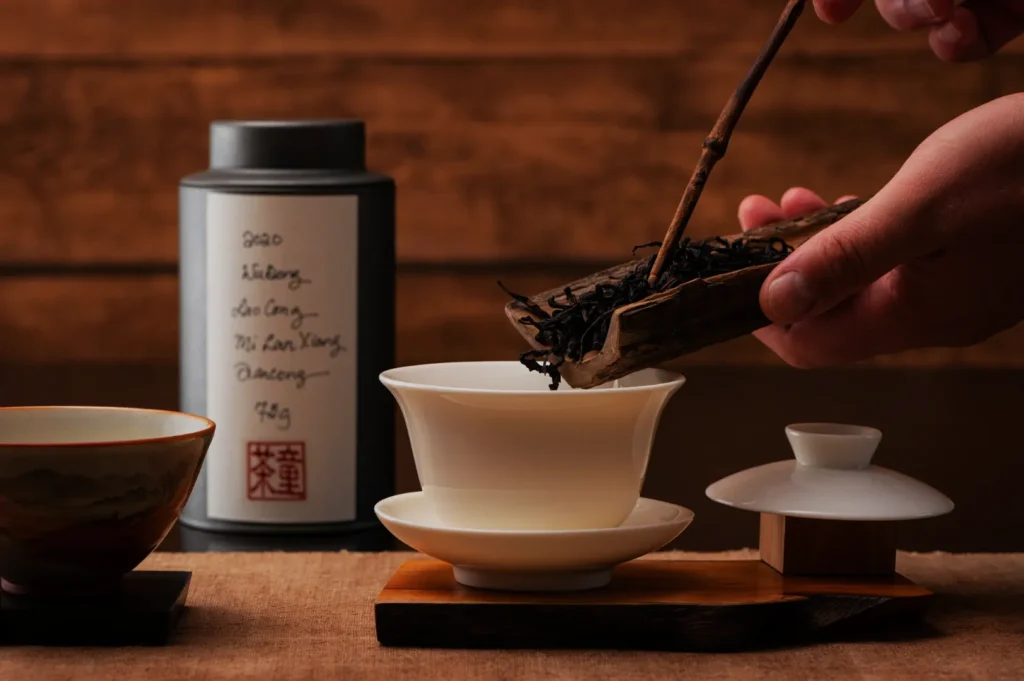
Mi Lan Xiang means Honey Orchid fragrance.
“Mi” refers to honey. “Lan” refers to orchid. “Xiang” means aroma or fragrance. The name does not mean honey or orchid has been added to the tea. It refers to the natural aromatic impression of the leaf.
This distinction is important.
A good Mi Lan Xiang should not taste flavoured. It should smell naturally honeyed and floral, with the aroma woven into the tea rather than sitting above it.
A ScienceDirect study on key aroma differences in Fenghuang Dancong teas included Milan aroma type among the studied Dan Cong samples, reinforcing how these aroma names correspond to distinct sensory profiles.
Why Beginners Often Like Mi Lan Xiang
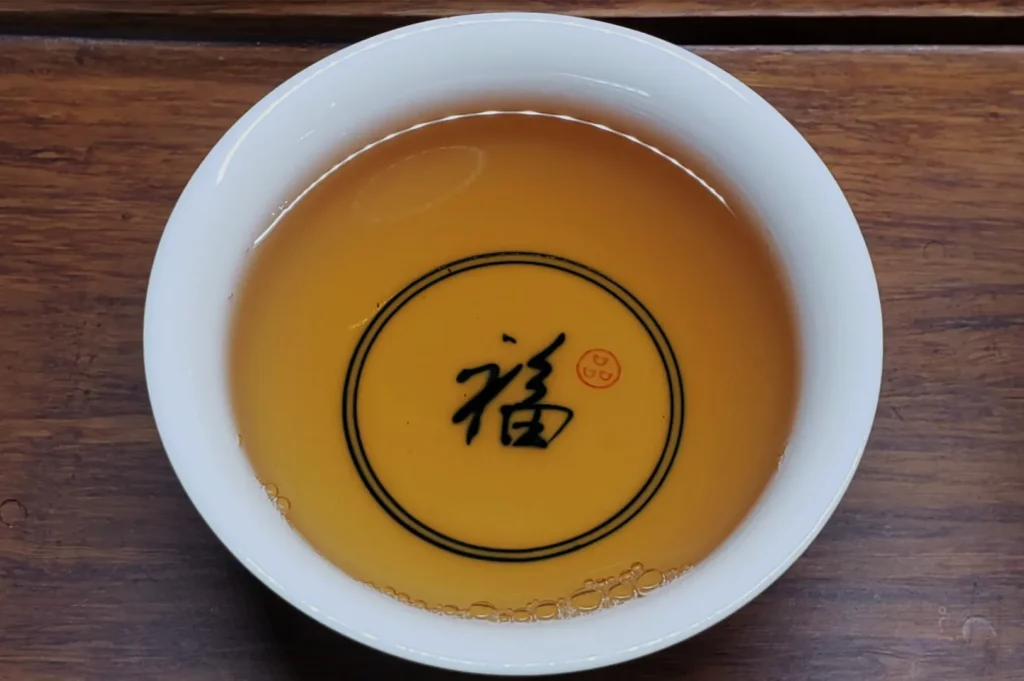
Mi Lan Xiang is often generous.
It gives the drinker something clear to notice: sweetness, flowers, fruit, a long finish. The aroma is expressive without always being as challenging as some sharper Dan Cong styles.
This makes it useful for beginners who are curious about aromatic oolong but unsure where to begin.
At Tea Room by Ki-setsu, we often see that a good introductory tea should not overwhelm. It should invite attention. Mi Lan Xiang does this well when brewed with care.
A welcoming tea is not a shallow tea. It simply knows how to open the conversation.
What Does Mi Lan Xiang Taste Like?
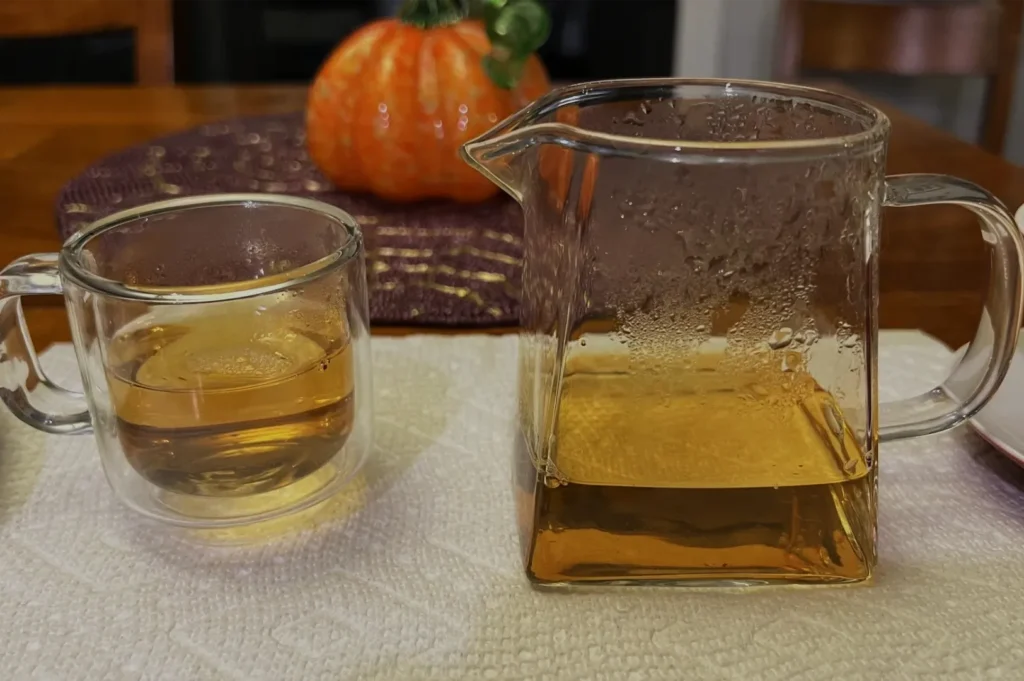
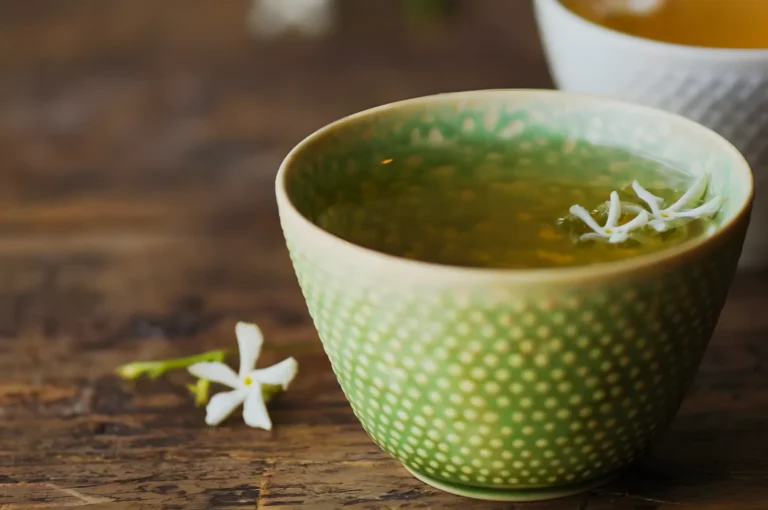
Mi Lan Xiang can suggest honey, orchid, lychee, peach, tropical fruit, or a soft nectar-like finish.
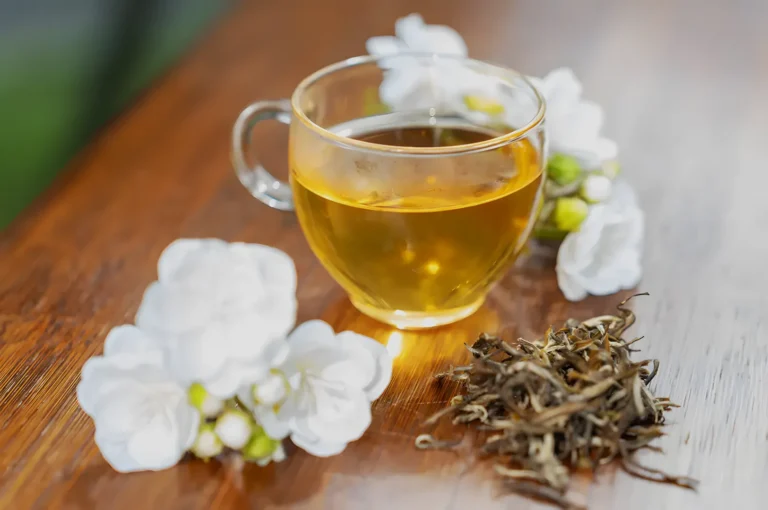
The liquor may be golden and fragrant. The body is often bright, though not necessarily heavy. The finish can be sweet, lingering, and aromatic.
A study on floral honey-like cup aroma in Fenghuang Dancong highlights nectar, ginger-like, floral, tropical fruit, sweet, and floral impressions in different aroma dimensions of Fenghuang Dancong tea. This helps explain why Mi Lan Xiang can feel layered even when the first impression is easy to enjoy.
Brewing Mi Lan Xiang Carefully
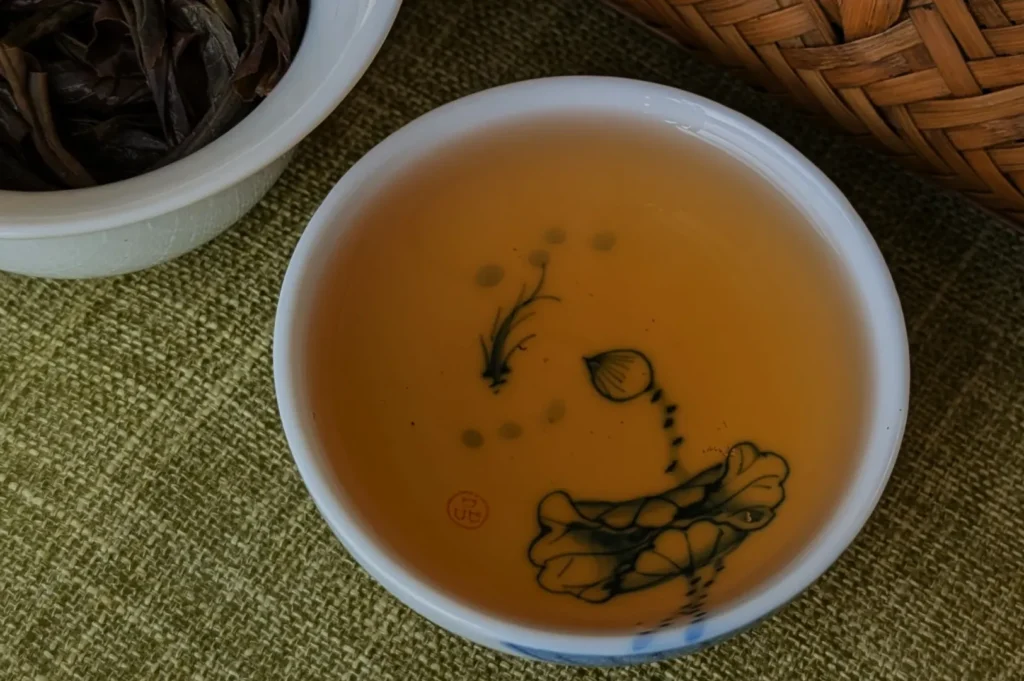
Mi Lan Xiang should not be oversteeped.
Its fragrance is beautiful, but the leaf can turn bitter if pushed too hard. Use short infusions, especially in a gaiwan. Let the first cup introduce the aroma, then allow later cups to show texture and finish.
If the tea tastes sharp, shorten the steep. If it feels thin, add slightly more leaf next time rather than simply extending time too much.
Phoenix Dan Cong rewards precision. Mi Lan Xiang is no exception.
When to Drink Mi Lan Xiang
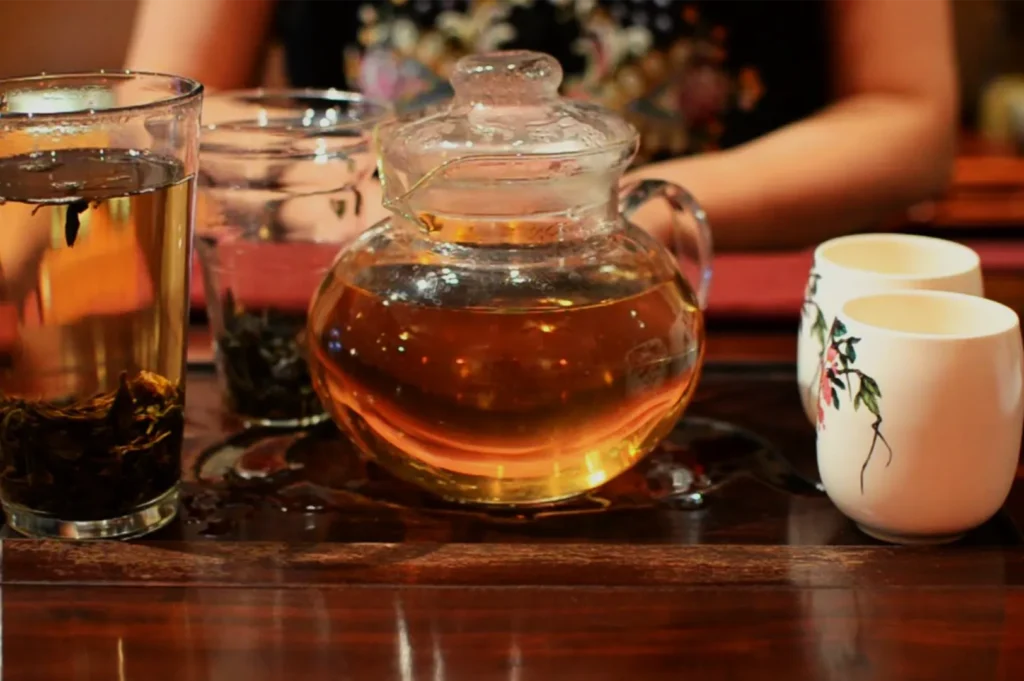
Mi Lan Xiang suits quiet afternoons, warm weather, and moments when the palate wants fragrance without heaviness.
It can also work after lighter food or fruit-based desserts, where its honeyed and floral notes can complement sweetness without needing sugar.
For those exploring a Chinese tea house in Singapore or a private tea room experience, Mi Lan Xiang is a useful reference point because it shows how aromatic oolong can feel vivid without being loud.
Final Thought
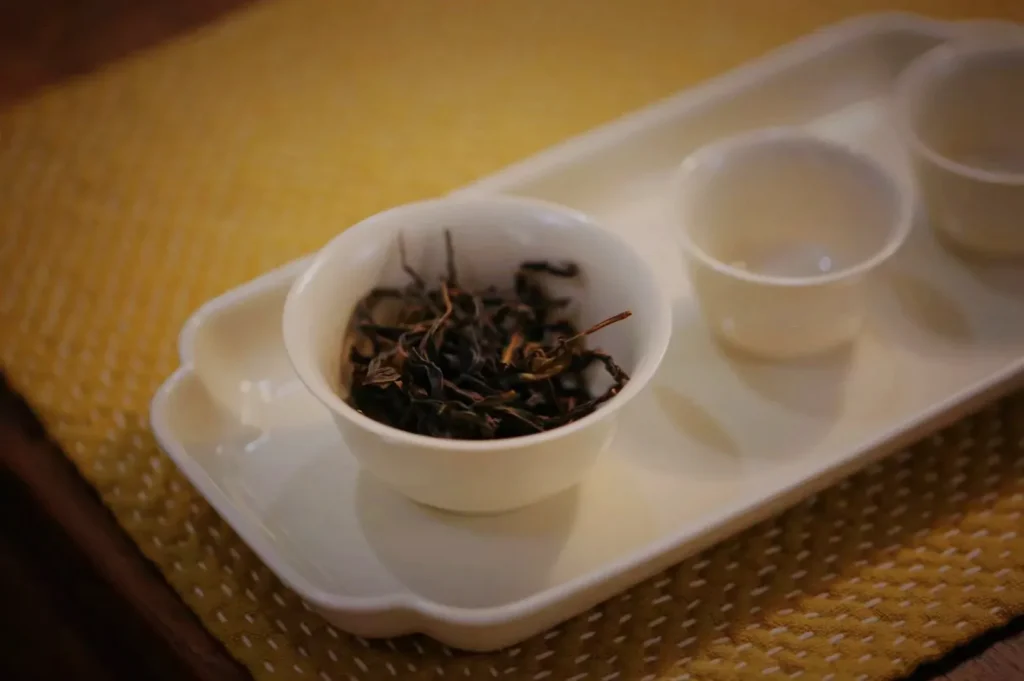
Mi Lan Xiang Dan Cong is loved because it welcomes the drinker.
It offers honey, orchid, fruit, and a fragrant finish. But beneath that openness is the structure of Phoenix oolong: careful processing, sensitive brewing, and a leaf that changes across infusions.
Mi Lan Xiang is not merely sweet. It is sweet with memory.
For those beginning with Phoenix Dan Cong, Honey Orchid aroma is a graceful first step into one of Chinese tea’s most aromatic worlds.
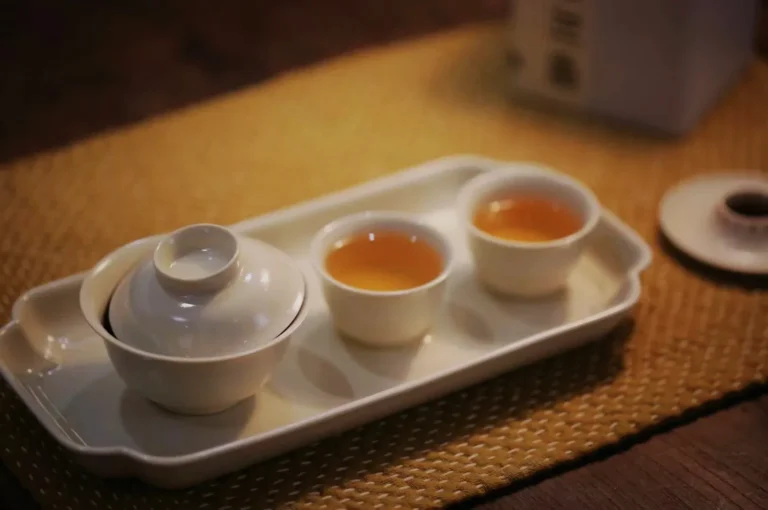
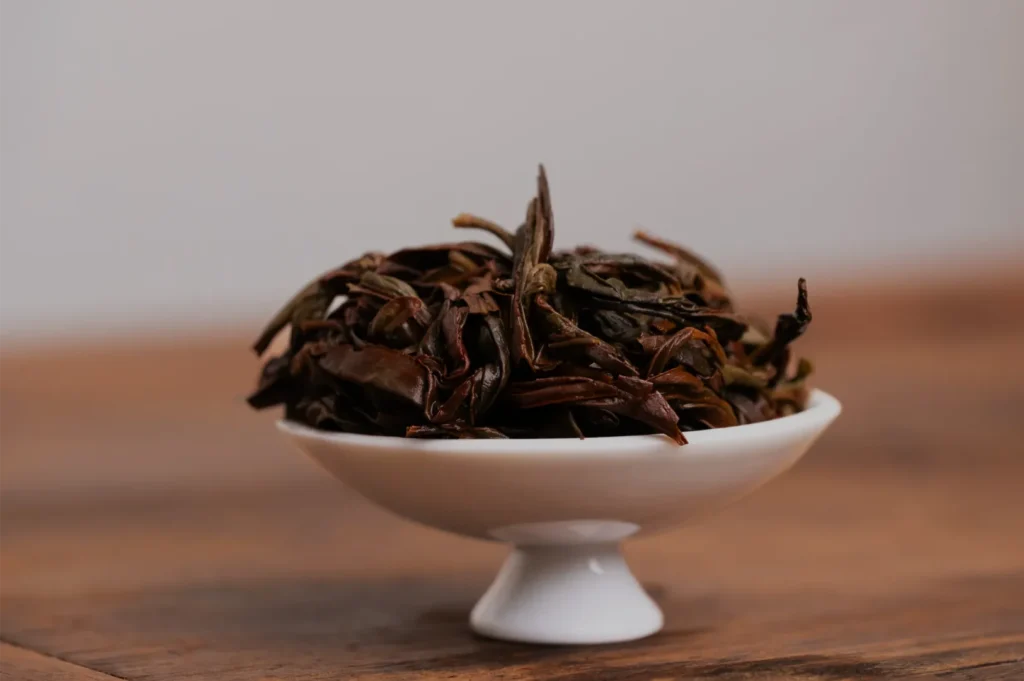
A white tea tray holds a bowl of loose dark tea leaves and small tasting cups on a golden woven mat, creating a warm, calm mood.