Phoenix Dan Cong can be a difficult tea to shop for before you know what you like.
Mi Lan Xiang. Ya Shi Xiang. Huang Zhi Xiang. Song Zhong. High mountain. Old bush. Heavy roast. Light roast.
The names begin arriving before the palate has had time to form an opinion.
A beginner does not need all of them.
The best Phoenix Dan Cong tea for beginners is the one that gives you a clear reference point, not the one with the longest description.
Our Phoenix Dan Cong tea guide for first-time drinkers gives the wider picture. If aroma names are the part that feels confusing, our guide to Phoenix Dan Cong aroma types is the better next step.
Here, we are keeping the decision practical.
Start With Aroma, Not Prestige
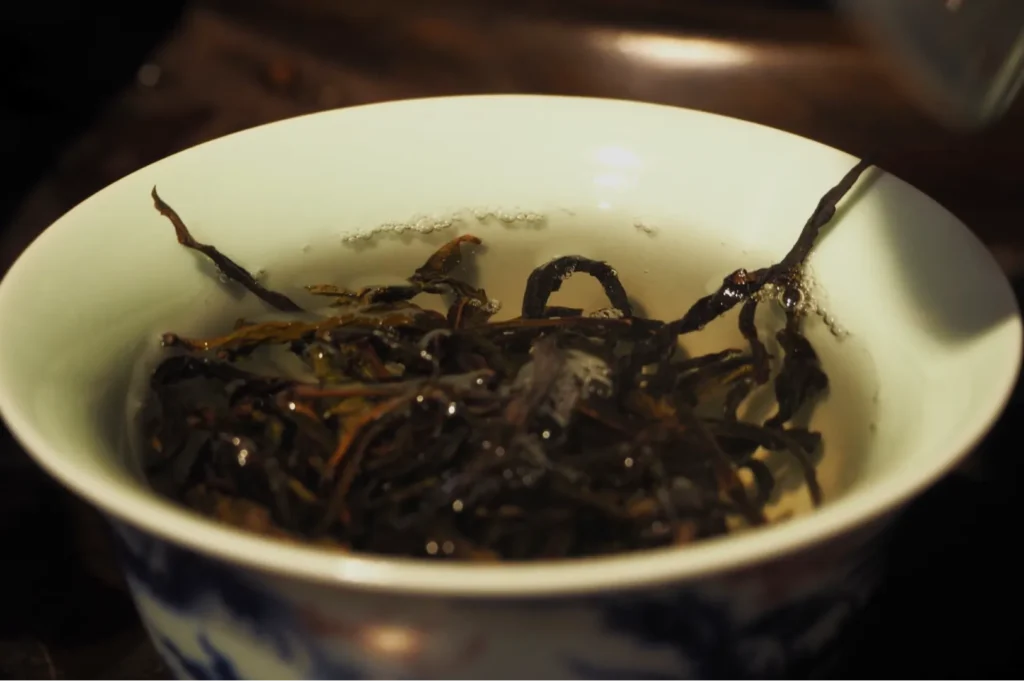
Phoenix Dan Cong is strongly associated with aroma.
Research on nine different Fenghuang Dancong aroma types identified more than a hundred volatile aroma compounds and showed meaningful differences among the tea types.
For a beginner, the science can stay in the background.
The practical question is simpler: what kind of fragrance do you already enjoy?
If you like honeyed sweetness and flowers, begin with Mi Lan Xiang.
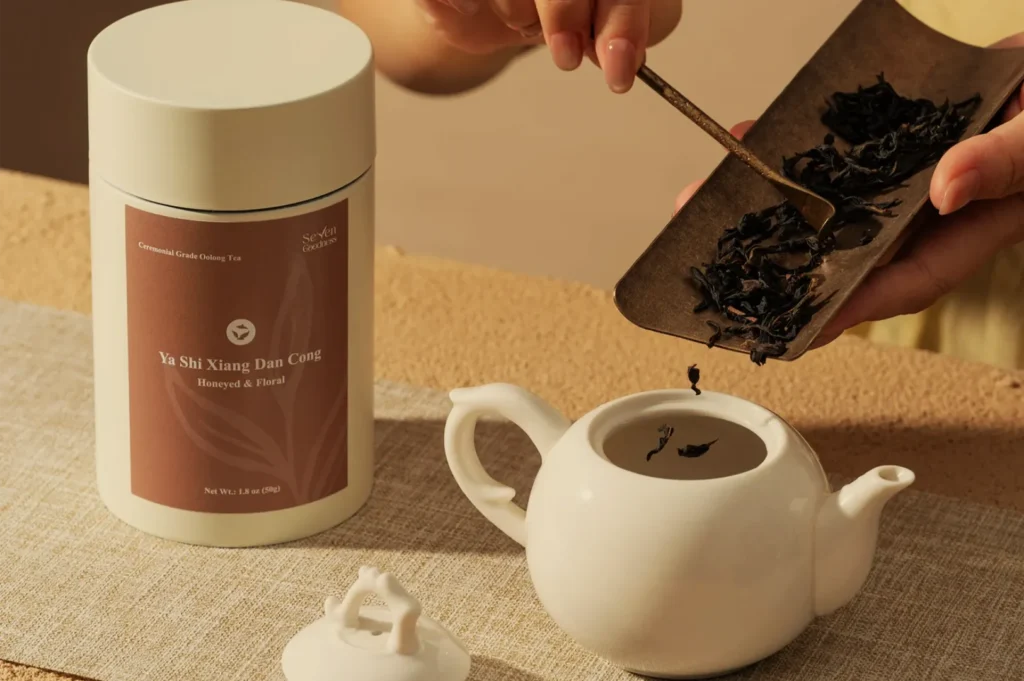
If you enjoy bright florals and want something distinctive, explore Ya Shi Xiang.
If you prefer gardenia-like lift, Huang Zhi Xiang may make sense.
You do not need to memorise the entire Dan Cong family before making tea.
Mi Lan Xiang Is Often the Easiest First Step
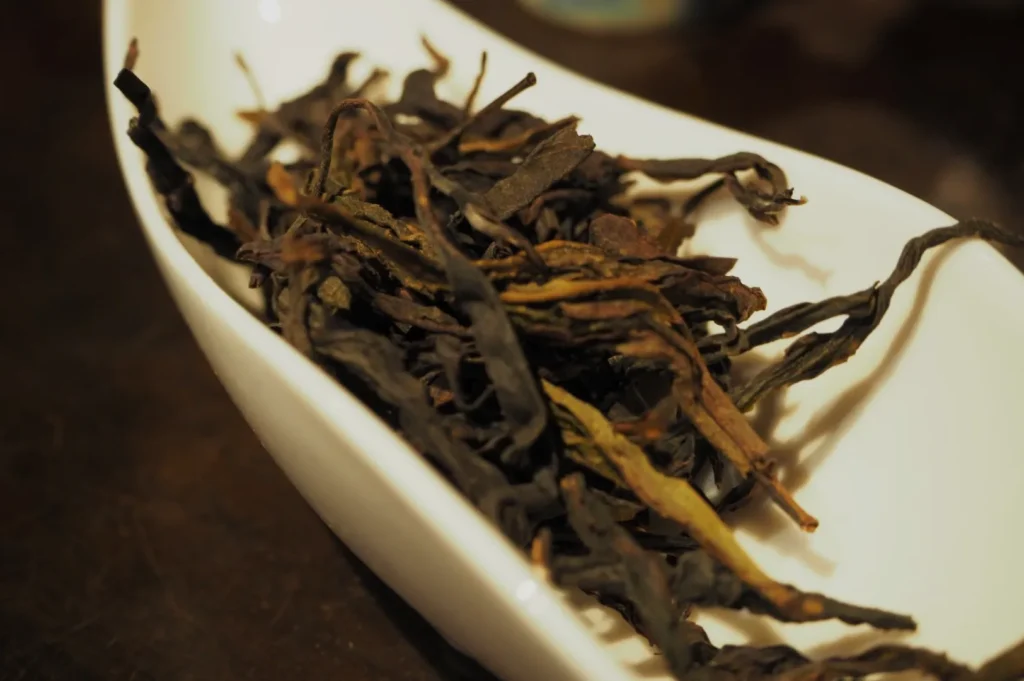
Mi Lan Xiang, or Honey Orchid aroma, is a useful reference tea for beginners.
It gives clear signals. Honey. Flowers. Fruit. Lingering sweetness.
That clarity matters.
A beginner should not have to wonder whether they are “missing” the tea entirely. Mi Lan Xiang often provides enough fragrance to make the first lesson obvious while still showing the structure and sensitivity that make Dan Cong different from softer oolongs.
This does not make it the best Dan Cong for everyone.
It makes it a useful place to begin.
Do Not Buy the Most Expensive Tea First
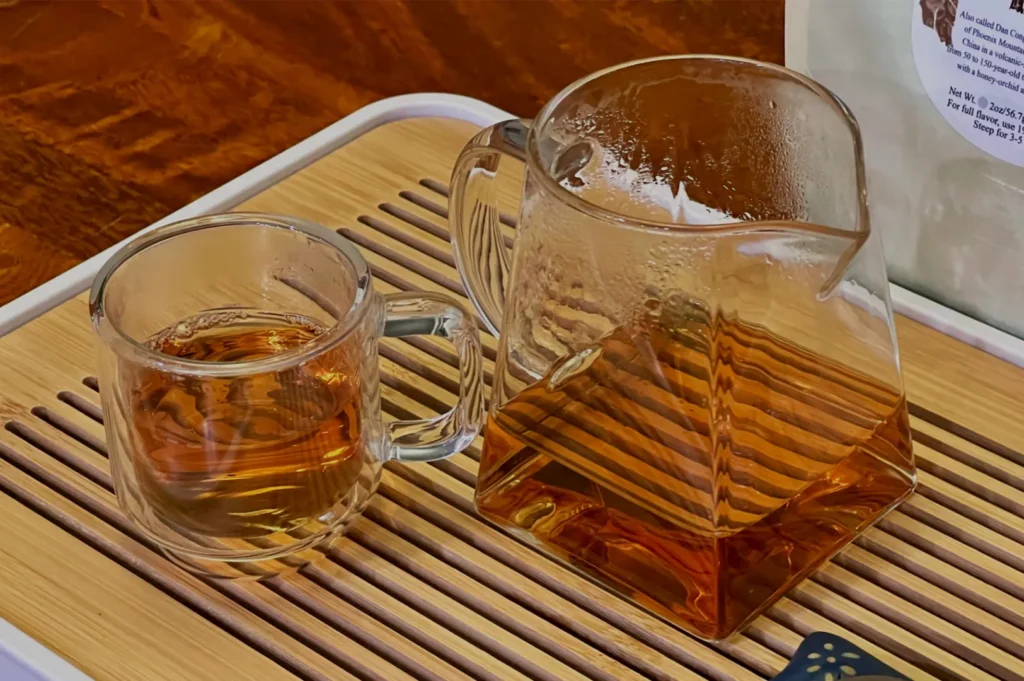
Phoenix Dan Cong has a deep tradition of old tea trees and individually selected plants.
Official Chinese geographical indication material explains that “Dancong” historically referred to selected individual plants whose leaves were picked, processed, and sold separately.
This heritage makes old-tree and rare-bush Dan Cong fascinating.
But a beginner does not need to start there.
Subtle provenance differences may be difficult to appreciate before you have a reference point. A clean, well-made, clearly identifiable aroma type is usually more educational than an expensive tea whose value you cannot yet read.
Buy enough quality to learn from the tea, not enough prestige to become afraid of brewing it.
Look for Clear Information
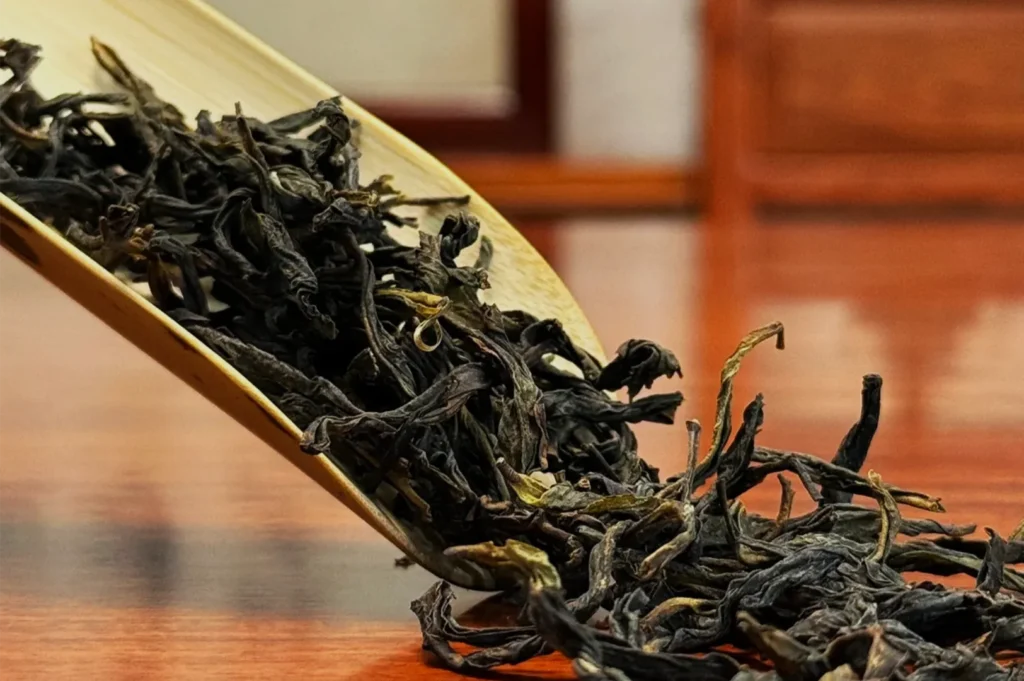
Good tea should come with useful information.
Look for the aroma type, origin, processing or roast style where available, and sensible brewing guidance.
Be cautious when every description sounds grand but tells you nothing practical.
Words like “ancient,” “rare,” “premium,” and “master” may be meaningful when supported by provenance. On their own, they do not tell you what the tea tastes like.
For someone comparing a Chinese tea shop in Singapore or buying online, clarity is more useful than theatrical packaging.
Learn the Tea Through More Than One Infusion
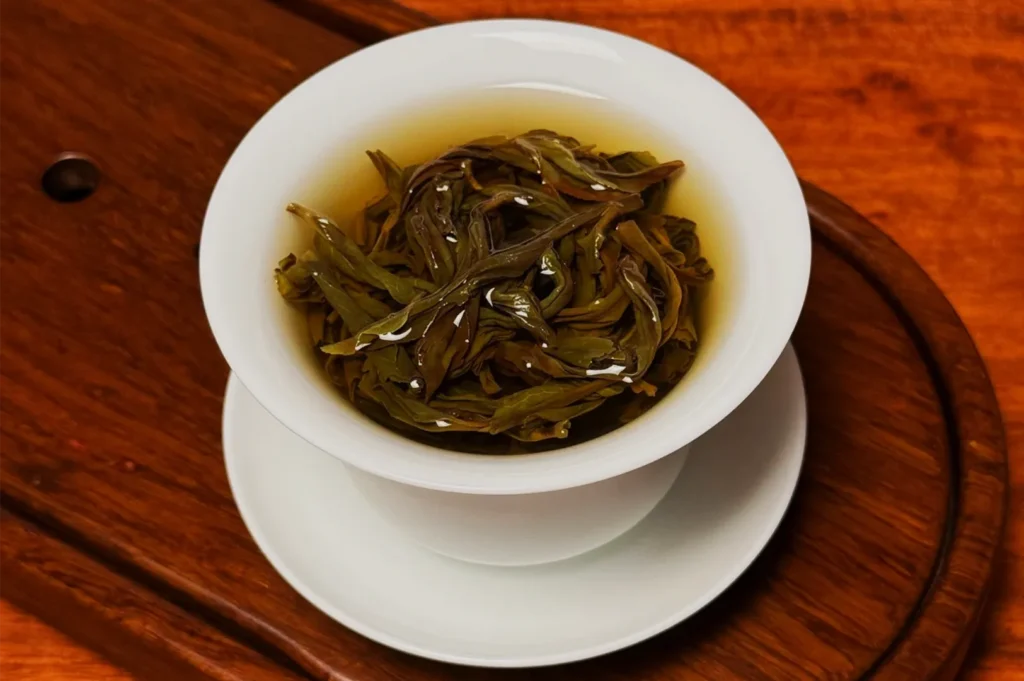
Phoenix Dan Cong should not be judged from one cup.
The first infusion may be mostly fragrance. The next may show more body. Later cups may reveal sweetness, minerals, or a softer aromatic finish.
This is why the tea belongs naturally to slower tasting.
Fenghuang Town remains closely associated with Dan Cong cultivation and Teochew gongfu tea culture, with regional heritage sources describing Dan Cong as central to that tradition.
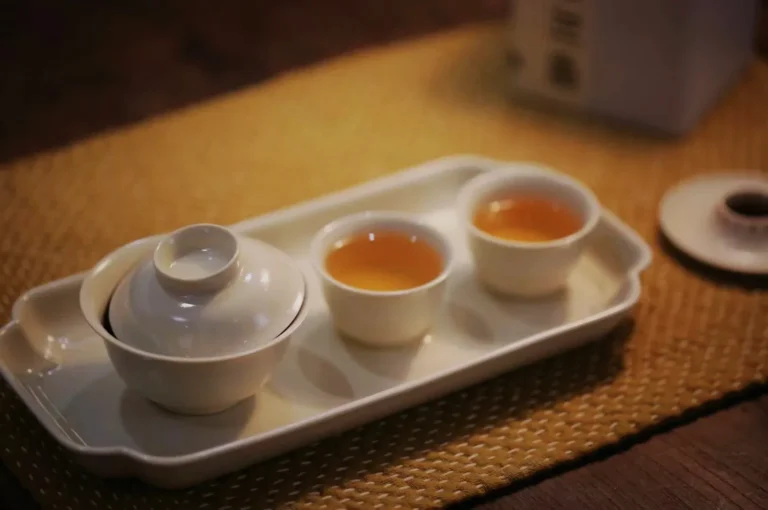
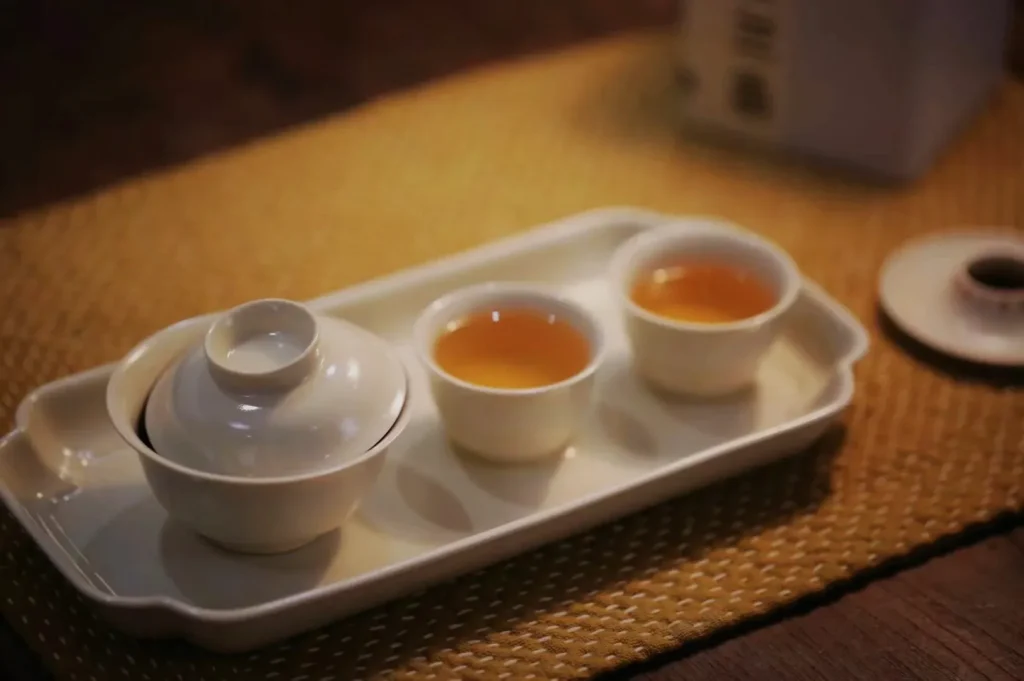
The small cups and repeated infusions are not unnecessary ceremony. They make it easier to see the tea change.
Guided Tasting Can Save a Lot of Guessing
Reading helps. Comparison helps more.
This is one reason we value guided private tea appreciation at Tea Room by Ki-setsu. The point is not to impress guests with obscure names. It is to give the palate reference points: floral versus roasted, soft versus structured, immediate fragrance versus lingering finish.
Not every tea discussed in our editorial journal needs to appear in every session. What matters is developing the ability to understand Chinese tea through provenance, craft, brewing, and comparison.
For anyone seeking a thoughtful Chinese tea house in Singapore, that kind of guidance can be more useful than a long menu.
Final Thought
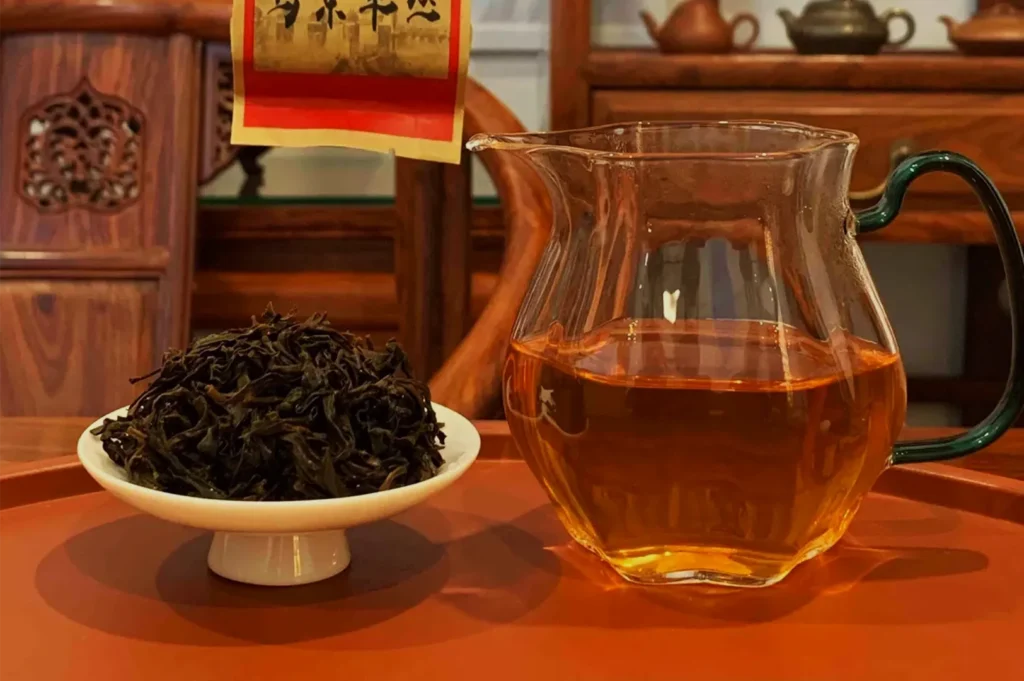
Phoenix Dan Cong tea for beginners does not need to begin with rare trees, complicated terminology, or expensive leaves.
Begin with one clear aroma type. Brew it carefully. Taste it across several infusions. Notice what remains after the fragrance settles.
The tea can become more complex later.
For now, the best Phoenix Dan Cong is the one that gives you a clear first conversation with this aromatic corner of Chinese oolong.