Yellow tea has already been softened once by the maker.
It would be unfortunate to make it harsh again at the table.
Many fine yellow teas are built around tenderness and mellow sweetness. Aggressive brewing can hide those qualities beneath bitterness.
Begin gently. You can always ask more from the leaf on the next infusion.
Our beginner’s guide to yellow tea explains the wider category. Here, we stay with water, leaf and time.
Start Around 80°C to 85°C for Delicate Bud Teas
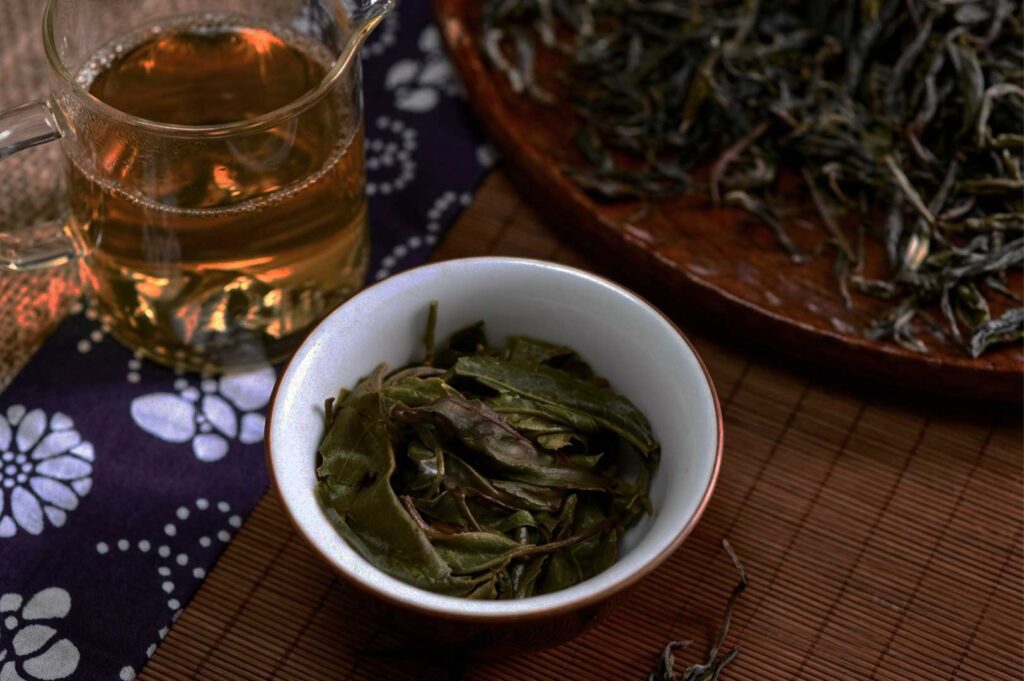
For fine bud styles such as Junshan Yinzhen or Mengding Huangya, water around 80°C to 85°C is a sensible starting point.
Yellow tea is not green tea, but the two categories can share tender material and similar early processing.
Research on delicate green-tea brewing found that temperature and time substantially affected catechin extraction and sensory acceptance, with excessive heat and long brewing increasing bitterness.
Treat that as guidance rather than a universal yellow-tea law.
Use More Heat for Sturdier Leaves
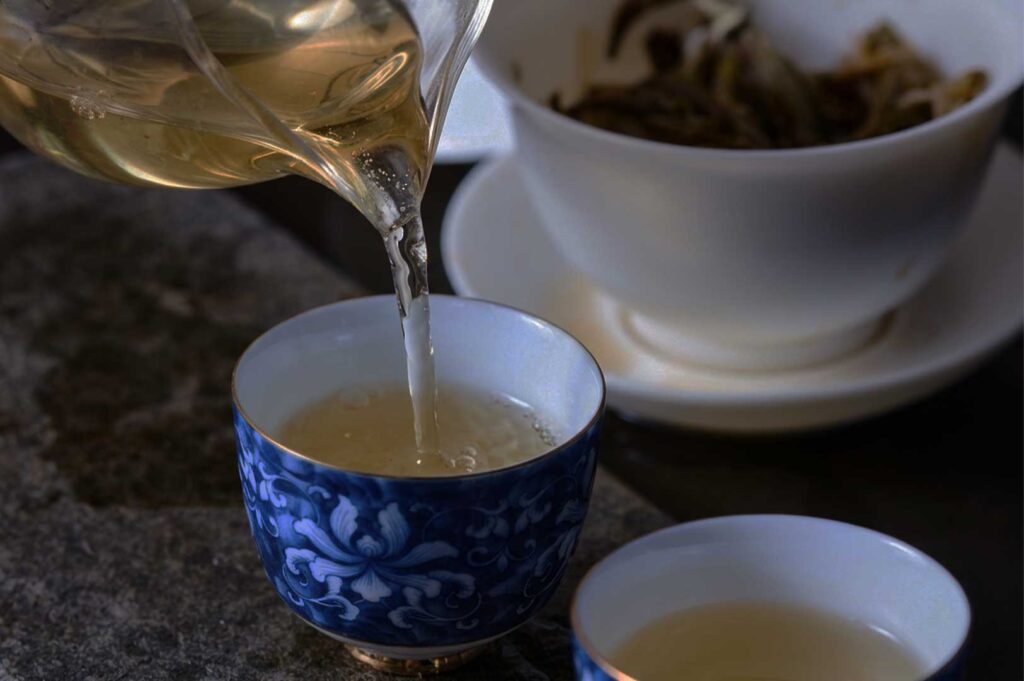
Not every yellow tea is bud tea.
Large-leaf yellow teas can be fuller and more roasted.
Those styles may handle water closer to 90°C or hotter.
The leaf should decide.
This is why “brew all yellow tea at 80°C” is too simple.
How Much Leaf?
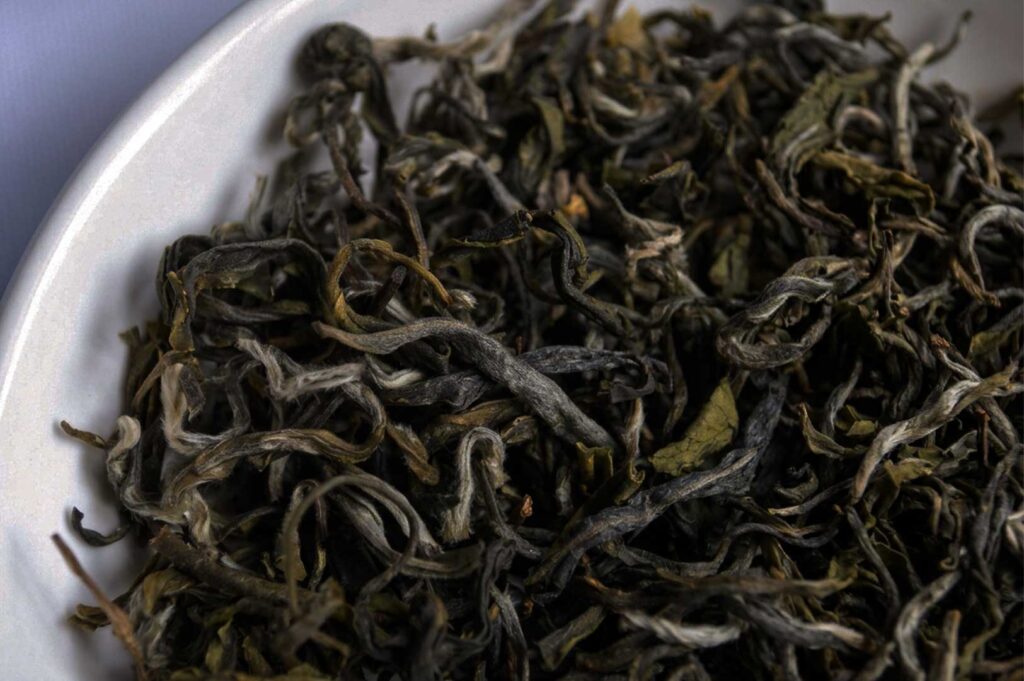
For easy Western-style brewing, begin with:
2 to 3 grams per 250 ml
Steep for around two minutes and taste.
For a gaiwan, use a higher leaf ratio with shorter infusions.
The goal is not maximum extraction.
It is clarity.
Why Time Matters
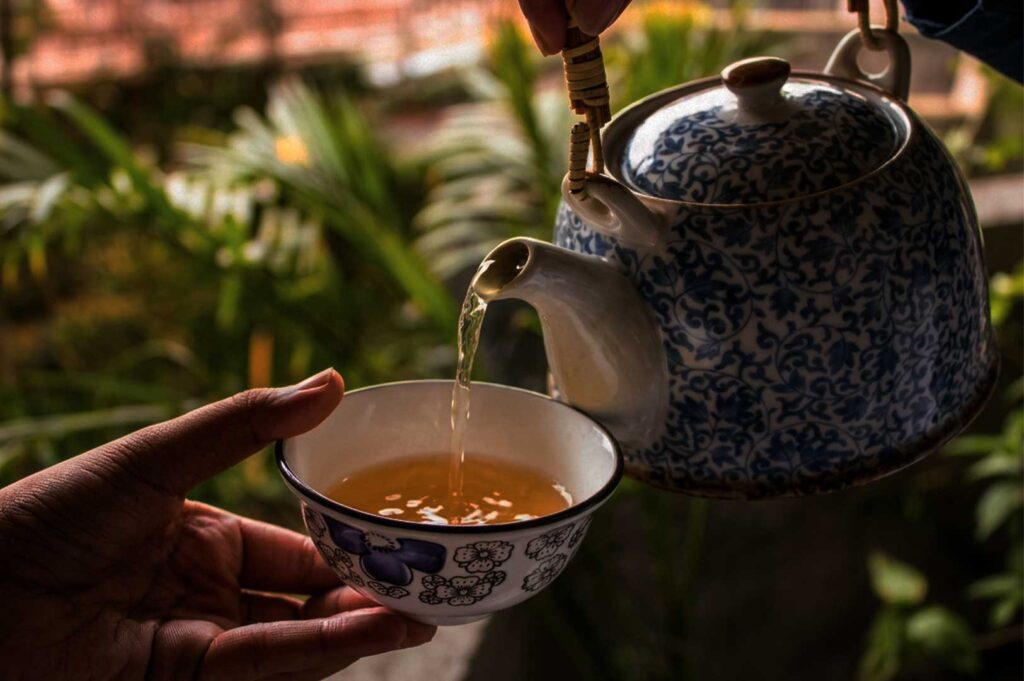
A study comparing six tea categories included yellow tea and found that caffeine extraction rose substantially as brewing time increased.
Other tea-infusion research similarly shows hotter water and longer steeping pulling more caffeine and catechins from the leaf.
Longer is not automatically richer. Sometimes longer simply means rougher.
Gaiwan or Glass?
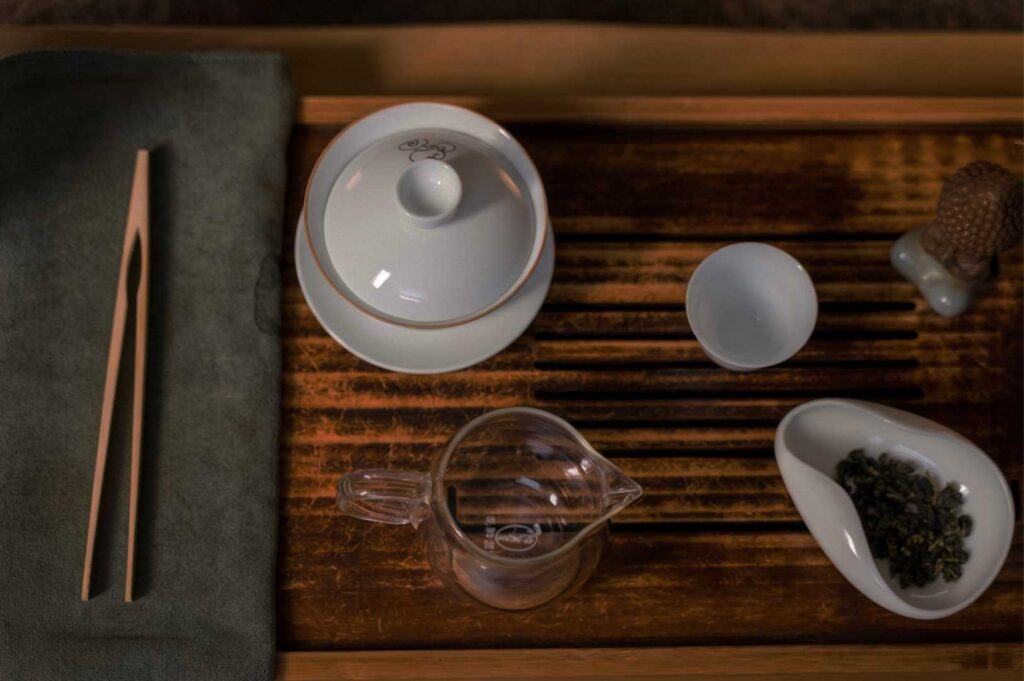
Both can work.
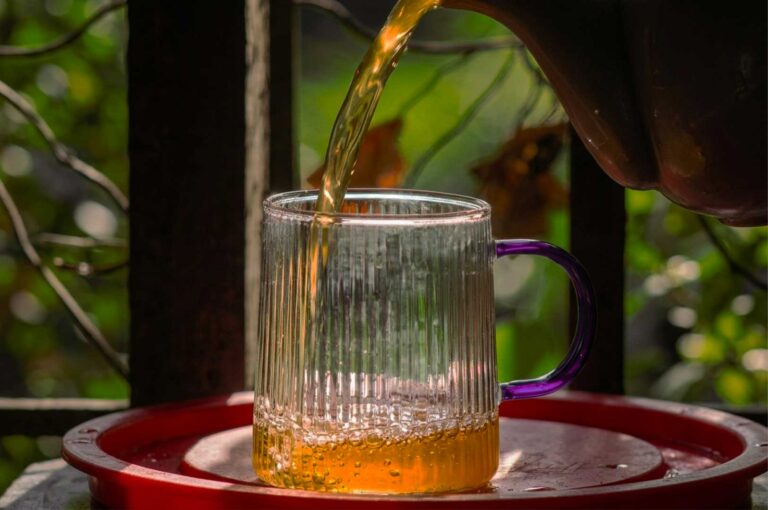
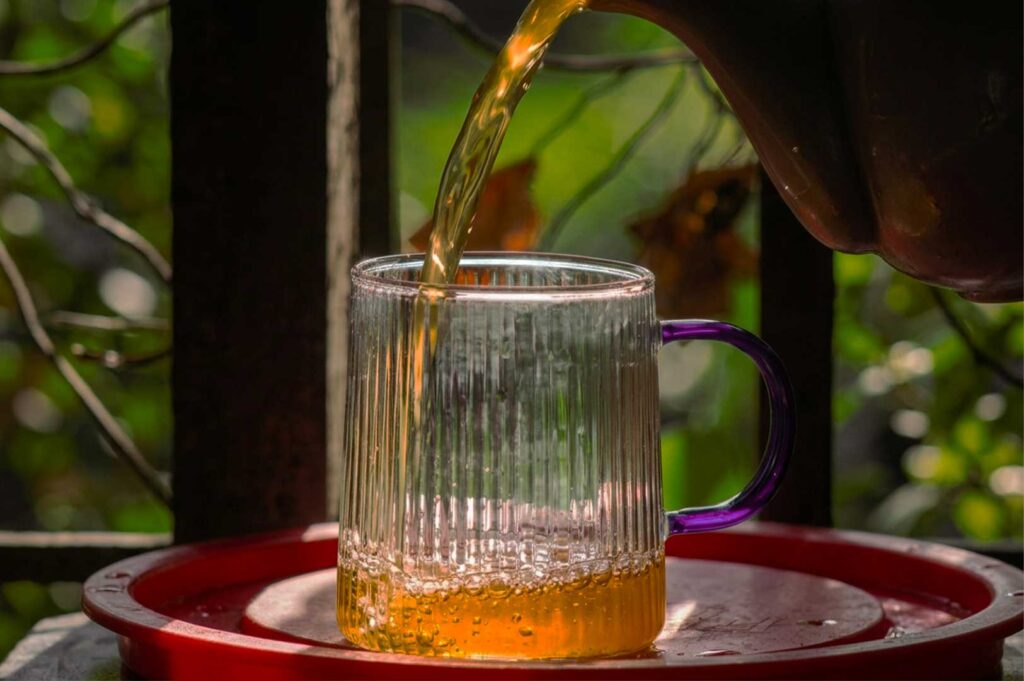
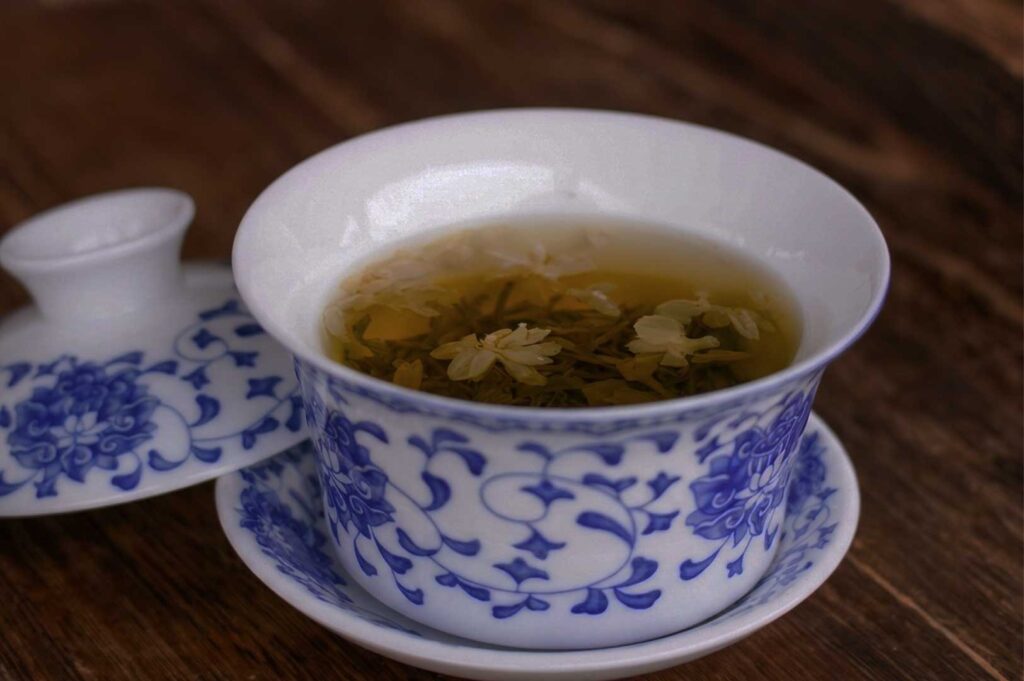
A glass is beautiful for bud-style yellow teas because you can watch the leaves suspend and settle.
A gaiwan gives more control over infusion time and makes successive steeps easier.
Choose the vessel that helps you pay attention.
Multiple Infusions
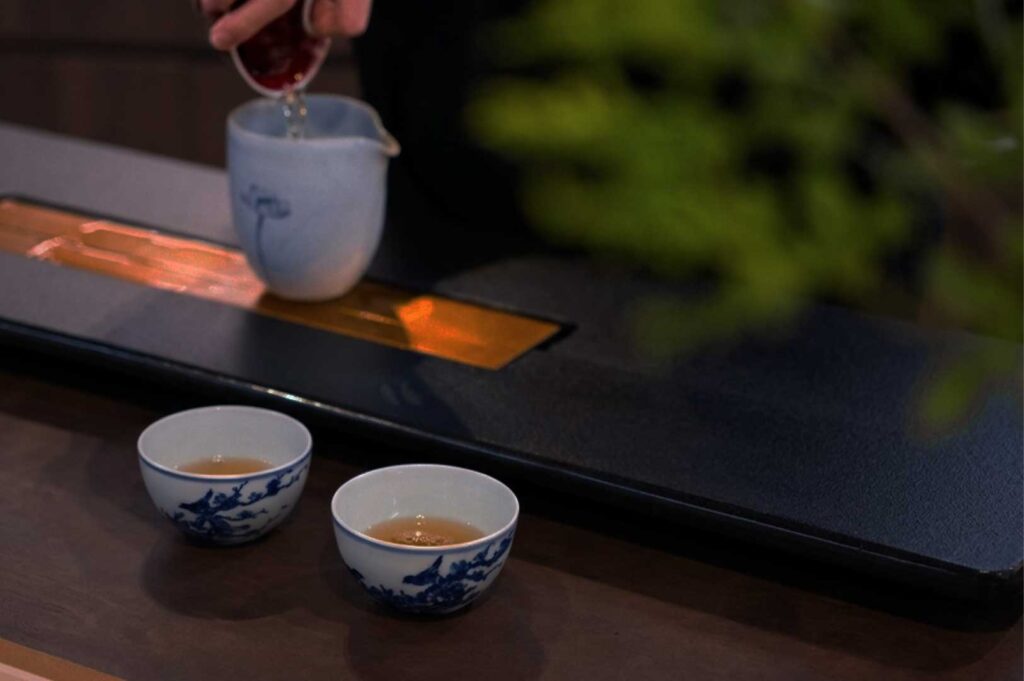
Good yellow tea can be reinfused.
Later cups may become softer and sweeter as the initial freshness recedes.
Increase steeping time gradually.
Do not force the final infusions simply because leaves remain in the vessel.
At Tea Room by Ki-setsu, this principle runs through our private tea sessions: brewing is a conversation rather than a fixed recipe.
The first infusion gives information.
The next one should respond to it.
Final Thought
How to brew yellow tea depends partly on the style in front of you.
Tender buds prefer a gentler beginning.
Larger leaves may welcome more heat.
Both reward attention.
Good brewing does not show how much flavour you can extract. It shows how much character you can preserve.
For yellow tea, that usually means leaving room for softness.