Black tea pricing can appear simple until you begin comparing it closely.
One tea is modest and everyday. Another carries a noticeably higher number, though both claim careful sourcing, premium leaf, and traditional craftsmanship. This is the point where many drinkers begin to wonder: why is black tea expensive in some cases, and what exactly am I paying for?
The answer is not one thing. It is a combination of leaf material, season, origin, craftsmanship, sorting, producer reputation and how truthfully the tea is being represented. Some black teas cost more because they genuinely offer more refinement in the cup. Others cost more because the story has become louder than the leaf.
At Tea Room by Ki-setsu, we think the most useful black tea price guide is one that brings the question back to value rather than prestige. If you want a wider overview first, our complete guide to black tea and its premium varieties offers that foundation. Here, the focus is practical: what drives cost, what is worth paying for, and what is not.
Leaf Material Comes First
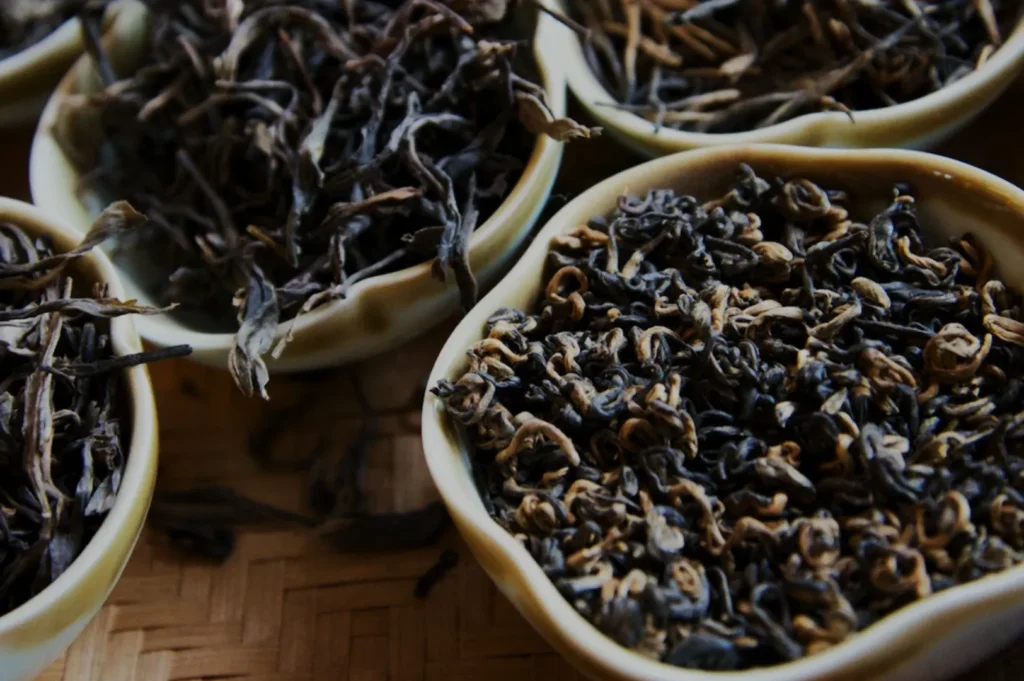
One of the biggest reasons premium black tea price varies is the leaf itself.
Teas with more tender material, more visible buds, better leaf integrity, and more careful plucking often cost more because they begin with finer raw material. This does not guarantee that the tea will suit your palate, but it does affect what the maker can achieve.
Bud-rich teas often produce:
- more sweetness
- softer texture
- greater aromatic delicacy
More mature leaf can still be excellent, but it usually gives a different cup.
Season and Picking Window Matter
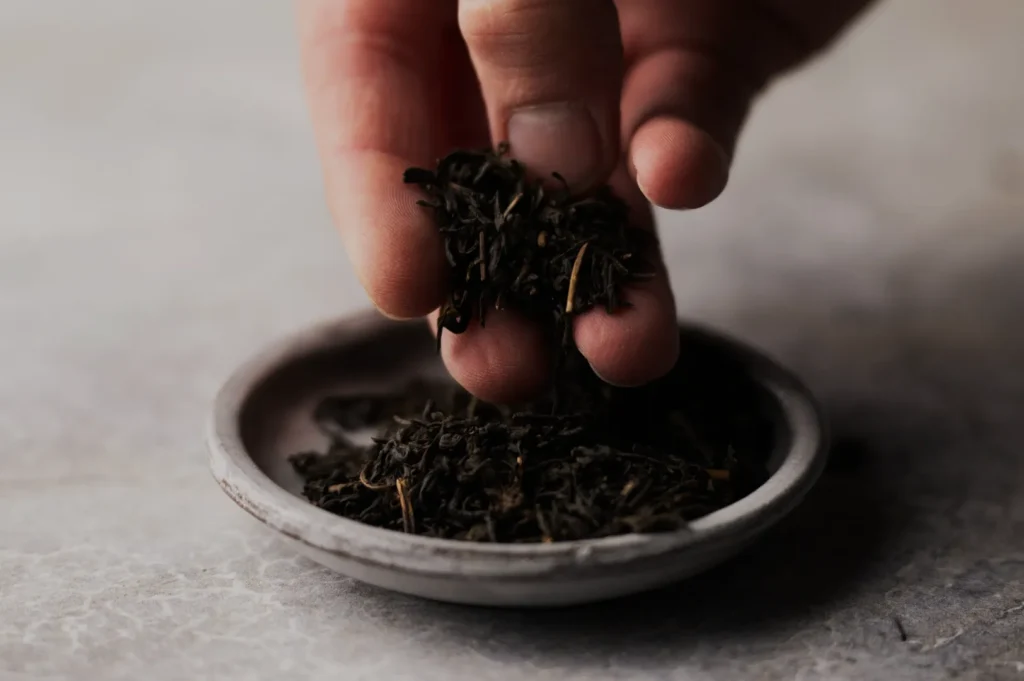
A spring tea picked in a narrow window may cost more than a broader later harvest. The reasons are straightforward:
- labour is tighter
- volume is lower
- tenderness is higher
- the market often values first flush character more highly
This does not mean later tea is automatically worse. Some later black teas are warmer, fuller and more suitable for daily drinking. But the price difference usually reflects real scarcity.
Craftsmanship Costs Time
Black tea is not only grown. It is made.
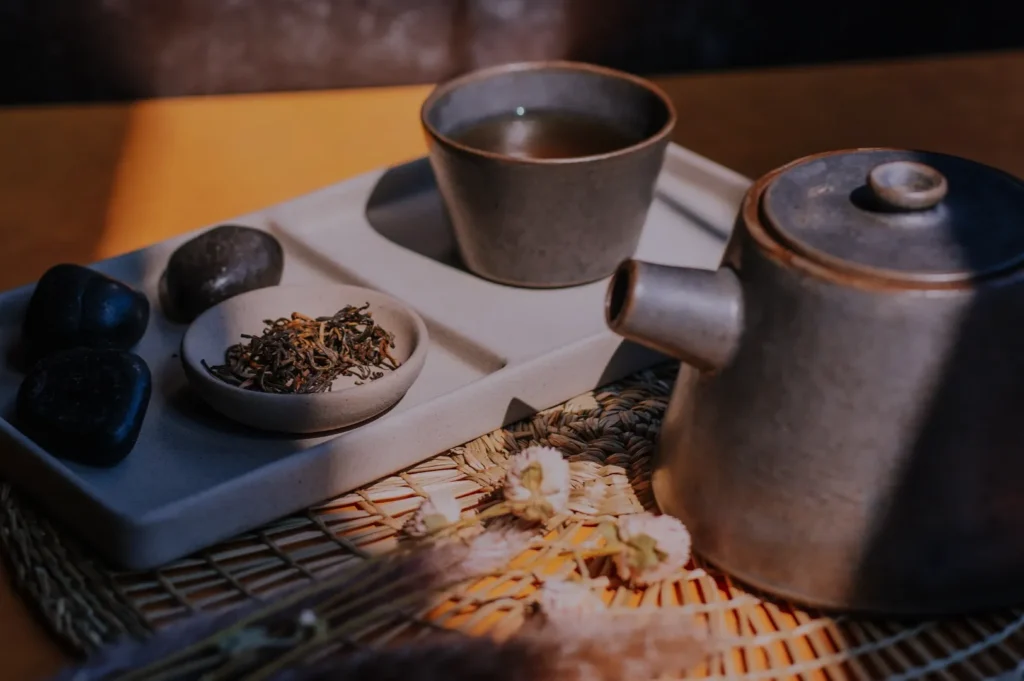
Withering, rolling, oxidation and drying all shape the final cup. A tea that has been made with care often tastes more coherent. Aroma is cleaner. Sweetness is better integrated. Rough edges are fewer. This is one reason black tea quality vs price should always include process, not just origin.
Well-made tea costs more because it takes more judgment to create.
Reputation and Seller Integrity
A producer or seller with consistency, transparency, and a history of handling tea well may charge more. Sometimes this premium is entirely justified. Other times, it drifts into branding. The useful question is whether the tea would still feel convincing if the story were removed.
At Tea Room by Ki-setsu, we think price is worth paying when it protects clarity, freshness and proper curation. It is less convincing when it exists mainly to create distance between the tea and the buyer.
A higher price can signal care. It does not prove it on its own.