Singapore is generous with brightness.
The city knows how to fill an evening, how to shape anticipation through light, sound, and movement. There are rooms designed to be seen before they are felt, places where the atmosphere arrives all at once and asks for attention immediately. Yet there is another kind of luxury, rarer and far quieter, that does not try to meet the city on its own terms.
It begins with subtraction.
Less noise. Less interruption. Less pressure to perform an evening before you have even entered it. In that space, tea has a chance to become more than a beverage. A private tea room Singapore experience offers something many people do not realise they have been missing until they encounter it: a room where stillness is part of the hospitality and where flavour is allowed to unfold without being hurried into explanation.
Quiet luxury is not emptiness. It is precision, warmth, and time protected well enough to be felt.
The Loud Kind of Luxury Is Easy to Find
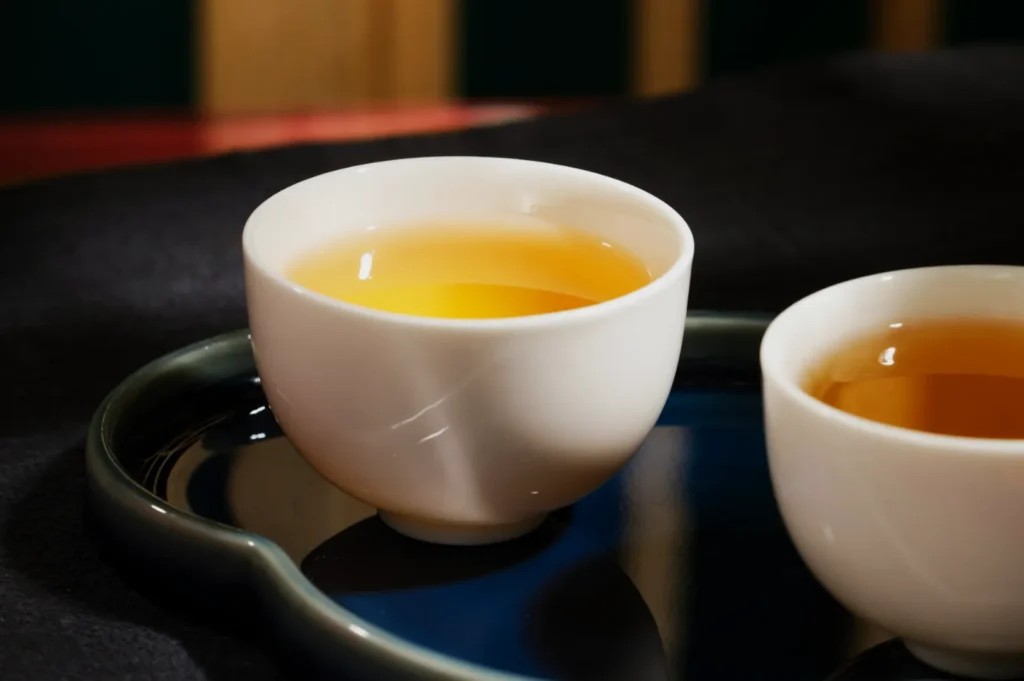
The more theatrical forms of luxury are never difficult to locate.
They are built around visibility. They favour spectacle, velocity, and the impression of abundance. They often ask the guest to participate in that performance, even subtly, by matching the pace of the room or becoming part of its noise. This can be enjoyable in the right mood. It can also become exhausting more quickly than expected.
Tea asks for another register.
When tea is approached with seriousness, loudness begins to work against it. Aroma diffuses into the room too quickly. Texture is noticed less clearly. Conversation fragments. Even the hand that lifts the cup does so with less attention. What is lost is not simply quiet, but detail.
This is why privacy can feel so refined. It protects what louder settings cannot. It lets the senses narrow without becoming confined. It allows the evening to gather itself slowly rather than announce itself in a single rush. For those who are seeking depth rather than display, privacy does not feel lesser. It feels more exact.
What “Private” Really Means (And What It Protects)
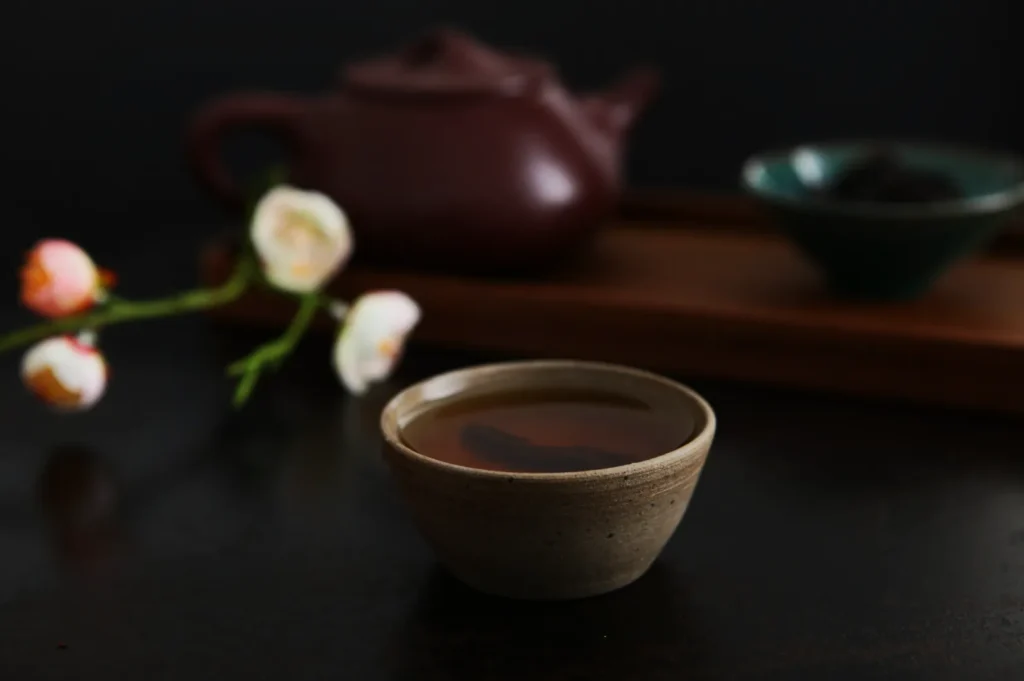
Privacy is often misunderstood as distance.
In tea, it means the opposite. It creates intimacy with the cup.
A private room protects pacing first. The host does not need to hurry because another table is waiting to turn over. The guest does not need to compete with nearby voices in order to hear a thought complete itself. The tea is not squeezed between noise and movement. It is given sequence.
Privacy also protects silence which is not an absence here, but a form of permission. Silence allows the first aroma to register before the mind names it too quickly. It allows aftertaste to linger long enough to be noticed. It lets conversation rise gently rather than be forced into performance.
It protects focus as well. There is no need to glance over shoulders, raise your voice, or guard your attention from the room. The evening becomes simpler. The cup becomes clearer.
And perhaps most importantly, privacy protects craft. Host-led service depends on reading the tea and the guest in real time. That work becomes much finer when the room is not fragmented by excess demand. A private session creates the conditions in which care can remain precise.
Exclusivity, in this sense, is not about keeping people out. It is about keeping the experience whole.
Why Exclusivity Changes the Taste of Tea
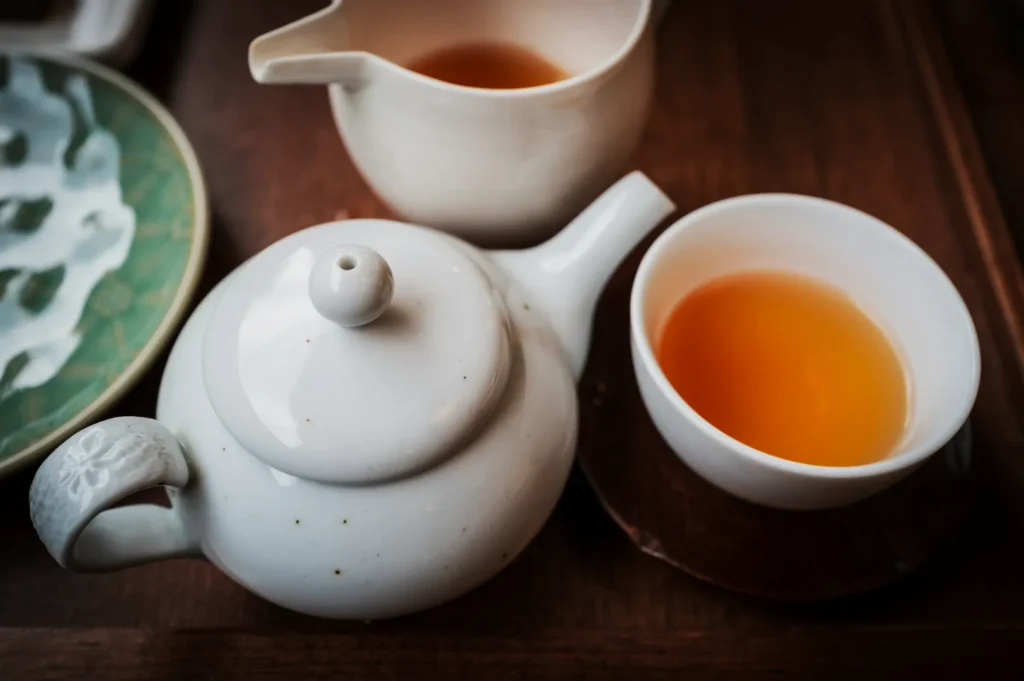
Tea is altered by conditions more than many people expect.
It is not only the leaf, the water, or the vessel that shape the cup. The room matters. Time matters. Attention matters. When those things are protected, tea begins to show more of itself.
Time: Unhurried Infusions
A tea poured quickly can still be pleasant. But pleasure is not the same as depth.
The finest leaves rarely explain themselves in a single infusion. They move gradually, releasing brightness in one round, texture in the next, and a more settled sweetness only after they have been given enough time to breathe. In a rushed setting, these transitions are flattened. The tea becomes a first impression instead of a sequence.
A private session restores the natural tempo. The cup is not pushed forward before it is ready. The guest is not asked to move on before the tea has changed. This is where the luxury begins to feel tangible. Not in ornament, but in duration properly kept.
Attention: Fewer Distractions, More Clarity
Flavour grows clearer when the senses are not divided.
In a calm room, aroma is easier to follow from dry leaf to warmed vessel to first pour. The temperature of the liquor becomes something you actually notice. The mouth recognises texture with more precision, whether the tea is silken, broad, mineral, or gently coating. Even the finish becomes more articulate.
Distraction narrows the cup. Attention opens it.
This is why a quieter room often makes the tea seem better, even when the leaf itself has not changed. What has changed is the guest’s capacity to receive it.
Guidance: Hosting That Adapts to You
A strong host does more than prepare the tea correctly.
They notice pace. They adjust water, steep length, and rhythm according to the leaf, the weather, and the guest in front of them. One table may need more space between infusions. Another may welcome more context. One tea may ask for shorter pours, another for a little more patience.
This is not loud expertise. It is adaptive care.
In a public room, much of that subtlety becomes harder to sustain. In a private session, it becomes the backbone of the experience. The guest does not need to manage the details. They are free to remain present because someone else is holding the structure with intelligence and ease.
Space: Quiet as Part of Flavour
Quiet changes flavour.
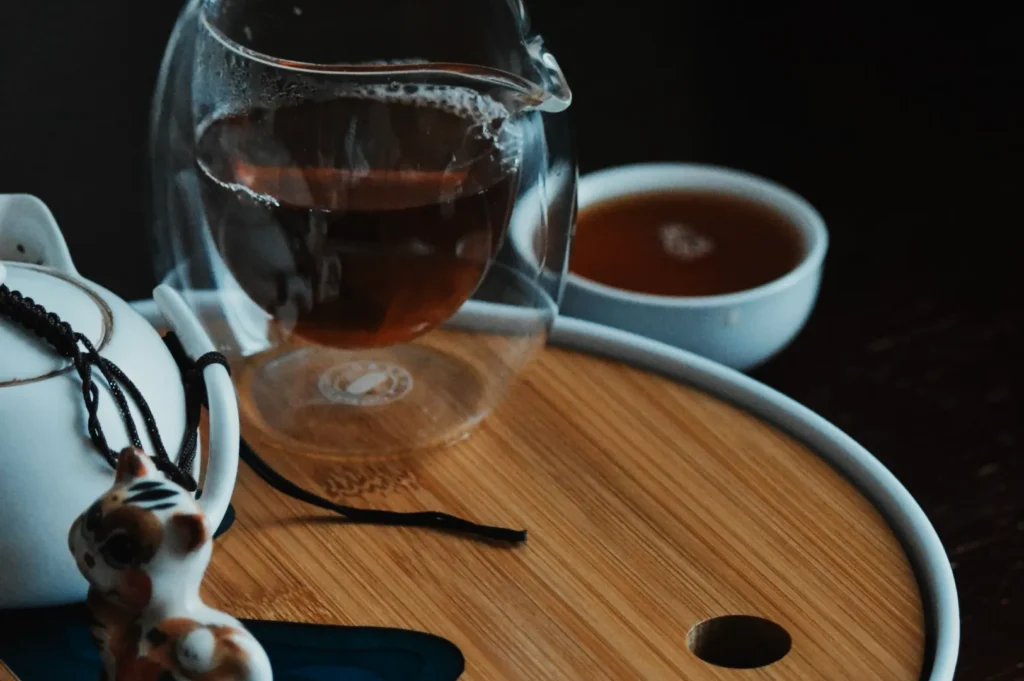
Not chemically, perhaps, but perceptually in ways that matter. A room without sharp noise, heavy scent, or visual excess makes the cup easier to read. The fragrance in the warmed cup stays intact. The heat of the vessel becomes part of the rhythm. The aftertaste remains in the body for a little longer because nothing arrives immediately to erase it.
This is why space is not merely background. In serious tea appreciation, it becomes an ingredient.
Exclusivity is not distance. It is care, made possible by limits.
The Anatomy of a Private Tea Session (What Happens, Gently)
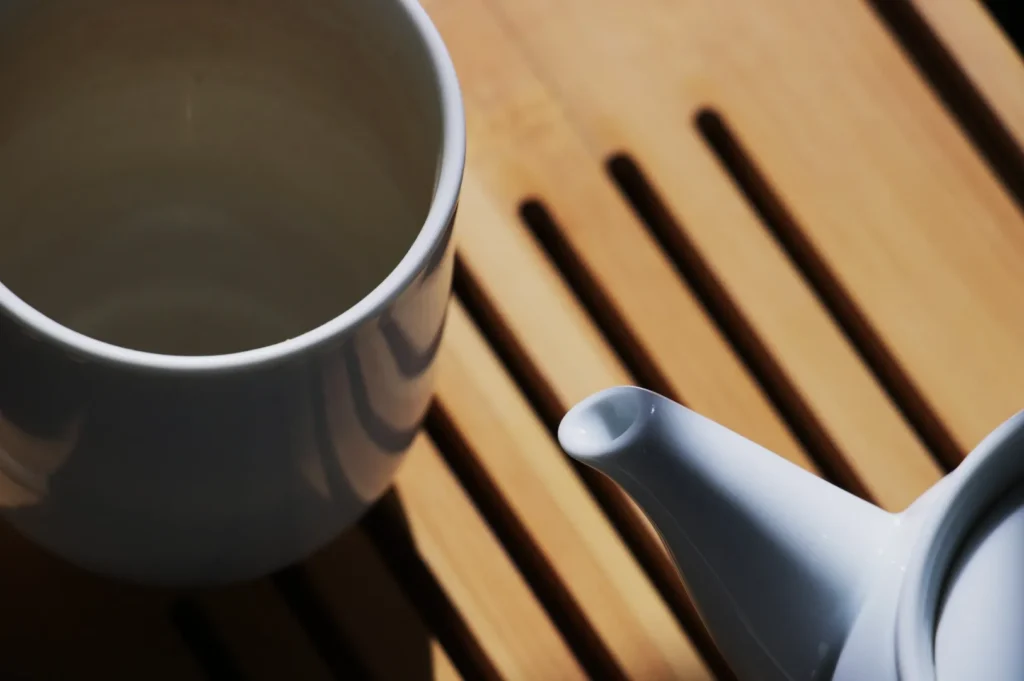
You arrive and the first thing you notice is not the tea but the room.
The light is softer than the city outside. The air feels held rather than filled. There is no need to orient yourself quickly because the setting does not ask anything abrupt of you. You sit. The pace lowers.
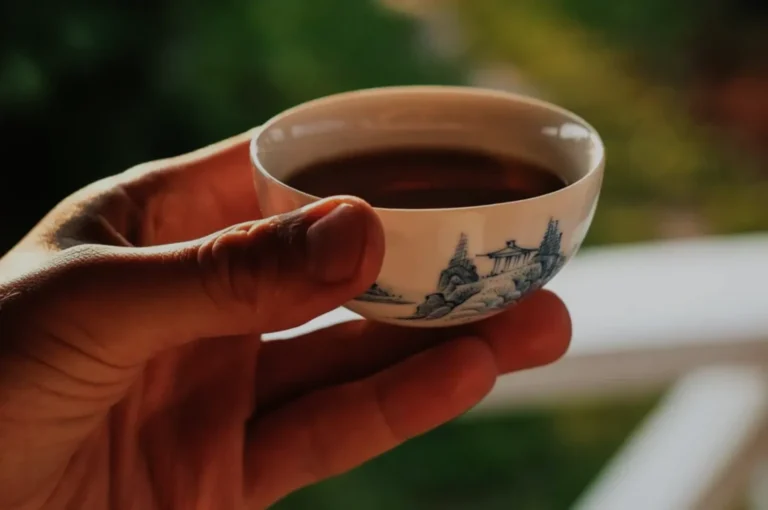
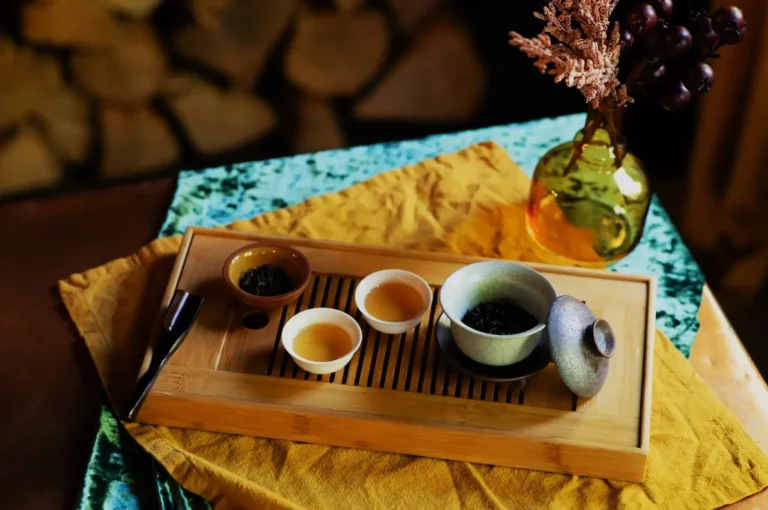
The host begins quietly. Water warms the vessel. The dry leaf is introduced without fuss. There may be a moment where aroma rises before the first infusion has begun, and that moment does more to settle the mind than any long explanation could. The first pour comes, then the second. Conversation may begin, or it may not. Silence is not a gap to fill. It is part of what is being offered.
As the tea opens, the room opens with it.
A note that was hidden in the first cup becomes clearer in the second. Texture changes. Warmth deepens. The host adjusts without drawing attention to the adjustment. You are not being directed through an event. You are being guided through a sequence subtle enough to remain personal.
This is why a private session can feel less like service and more like being carefully accompanied.
Small Group, Reservation Only: The Details That Create Depth
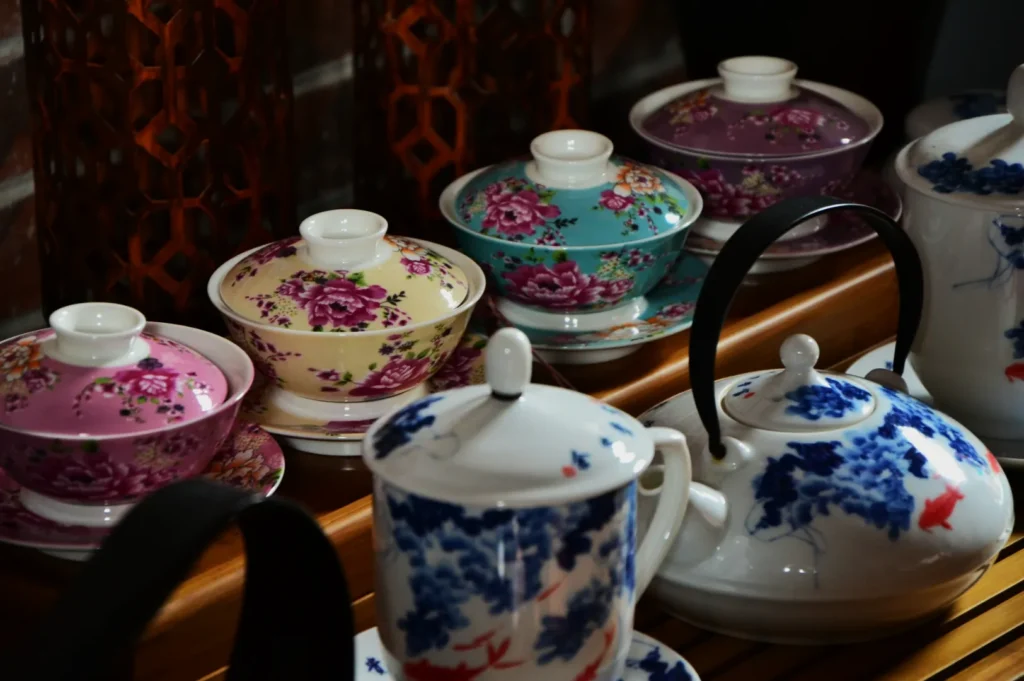
Small numbers change everything.
A session for two to five guests has a different sound from one built for larger traffic. The room remains softer. Voices do not rise as quickly. The tea can be prepared with more specificity because the host is not dividing their attention too thinly. The experience begins to feel less like attending somewhere and more like sharing something with intention.
Reservation-only pacing deepens that feeling. It means the room has been held in advance. The host knows who they are receiving. The tea can be selected and prepared with that scale in mind. There is less friction in the transition from arrival to first cup because the space has already been shaped around the session.
For couples, close friends or a very small team, this creates a particular kind of depth. Questions can be asked without self-consciousness. Pauses do not become awkward. The host can read the table more clearly and respond with precision.
Many guests describe the feeling simply: it seems as though there is only the host, the tea, and us.
That simplicity is not accidental. It is what limited seating makes possible.
A Quiet Benchmark for Tea Appreciation
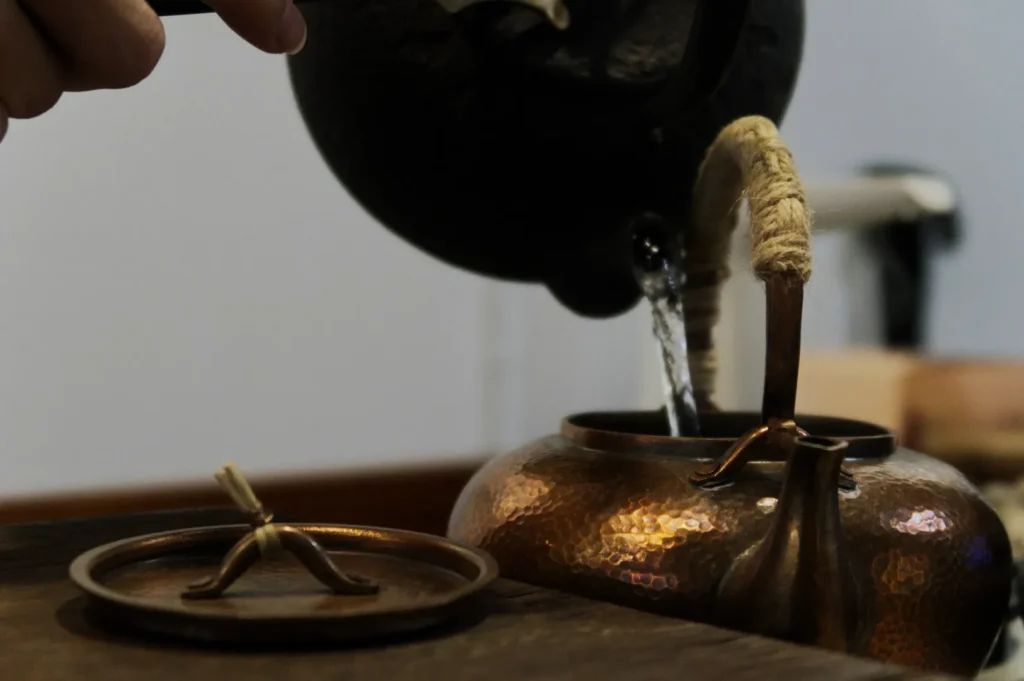
Tea appreciation begins with the senses, but it matures through conditions.
Aroma is the first threshold. Then texture. Then aftertaste. Then endurance across infusions. Each of these asks for the same thing: enough calm to be noticed accurately. If the room is rushed, the tea is reduced. If the service is hurried, the guest often mistakes the tea’s surface for its full character.
This is why benchmark matters.
A meaningful tea experience is not one in which the rarest leaf is presented with the most elaborate language. It is one in which the tea is given the conditions to reveal its actual shape. The guest should leave not only remembering that the tea was good, but understanding why it felt coherent, why the sweetness lingered, or why the third infusion mattered more than the first.
The setting is not separate from that understanding. It is part of the craft.
A Gentle Invitation: Tea Room by Ki-setsu
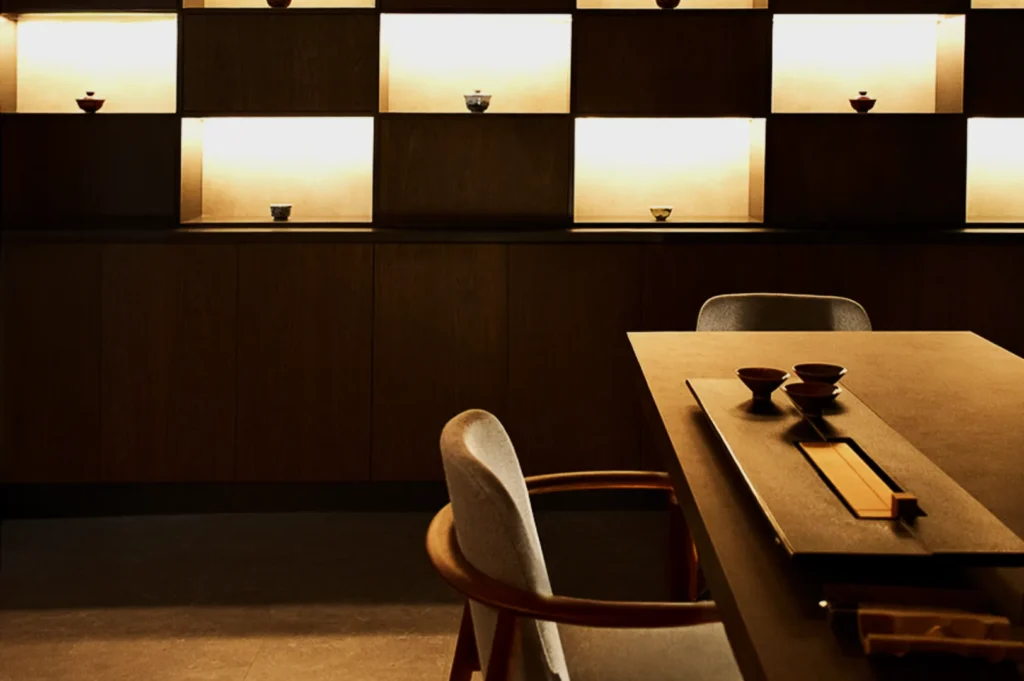
At Tea Room by Ki-setsu, we have shaped our approach around these quieter standards.
We are a private tea room in Singapore, reservation-only, with sessions held for two to five guests at a time. The leaves are curated in limited quantities. The atmosphere is intentionally calm. The hosting is paced, attentive, and designed to remove distraction rather than add performance. Nothing in the room is trying to become louder than the tea.
This is what makes a session feel private in the fullest sense. Not simply because access is limited, but because attention is protected once you are inside.
For some guests, this becomes the first time they understand what tea can be when it is not competing with the world around it. For others, it is a return to a form of hospitality they had been quietly missing. Either way, the invitation remains the same: to sit, to notice, and to let the leaf take its proper time.
A private tea room in Singapore does not need to promise more than that.
Let the Rare Thing Be Simple
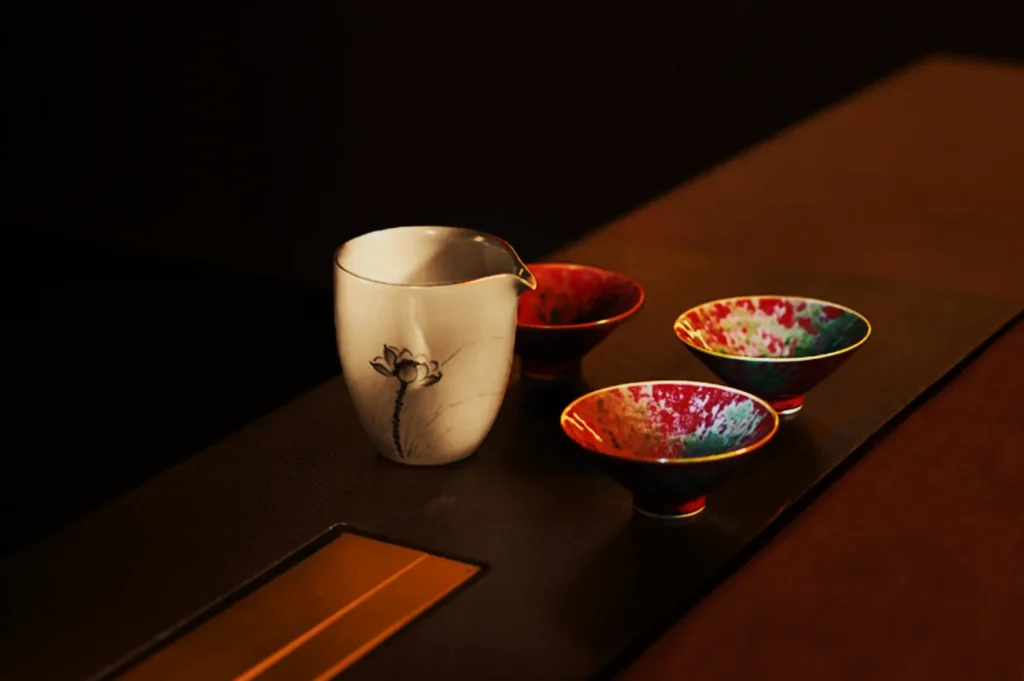
The rarest form of luxury is often the least theatrical.
It is the feeling of time held open long enough for flavour to speak clearly. It is the absence of interruption between the hand, the cup, and the quiet aftertaste that follows. It is the knowledge that privacy, when offered with care, is not distance at all. It is attention, undivided.
The most exclusive luxury is attention, undivided.
When you’re ready for tea without distraction, begin with a private session designed for stillness.
For a fuller view of ritual, etiquette, and the roots of quiet luxury, read The Traditional Tea House Guide: Ritual, Craft and Quiet Luxury in Singapore.