There are evenings in Singapore that seem to arrive already in motion.
Tables fill quickly. Music rises before conversation has the chance to settle. Glass meets glass, chairs shift, and by the time the night has properly begun, it can already feel full. For many people, this is part of the city’s rhythm. For others, especially after a long week of movement and demand, it can feel like more noise than pleasure.
There is another kind of evening.
Not empty. Not withdrawn. Simply quieter, more attentive, and more precise in what it offers. Mindful tea drinking can be that alternative. It does not ask you to retreat from the world so much as return to your senses within it. The warmth of the cup, the clarity of aroma, the pace of repeated infusions, and the grace of a room that does not rush you begin to feel like their own kind of luxury.
In a city that often rewards speed, this gentler rhythm can feel unexpectedly rare.
When The City Feels Too Loud
Some evenings do not need more intensity. They need less.
Singapore is generous with stimulation. The lights are bright, reservations are timed and many social spaces are built around momentum. This can be exhilarating when you want it. But there are also days when the body reaches evening carrying more than it should. Too many screens. Too many conversations half-finished. Too much pace held long after it stopped feeling useful.
That is often when quieter pleasures begin to matter.
We think of quiet luxury not as distance or display, but as protected time. It is the feeling of not being hurried toward the next thing. It is a room that lets your shoulders lower. It is service that feels attentive without becoming intrusive. It is the relief of no longer having to compete with the atmosphere in order to hear yourself think.
Among the more thoughtful quiet activities Singapore can offer, tea remains one of the most understated. It asks very little of the guest at first. Only that they sit, notice, and allow the evening to unfold more slowly than usual.
What “Mindful Tea Drinking” Really Means (No Rules, Just Attention)
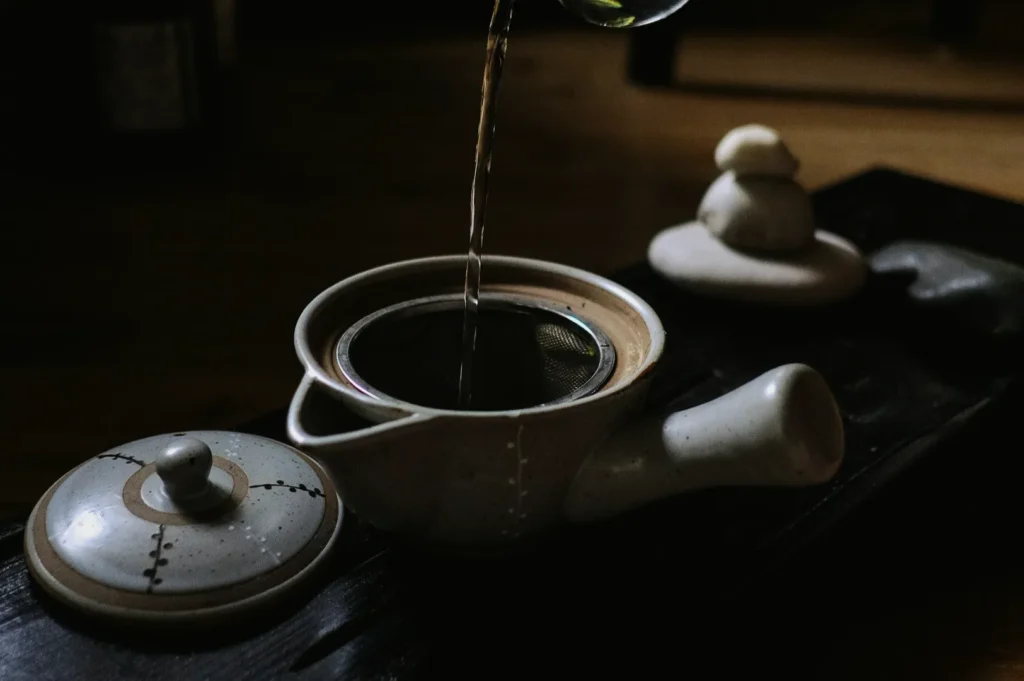
Mindful tea drinking does not require ceremony in the formal sense and it does not require a special temperament.
It begins with attention.
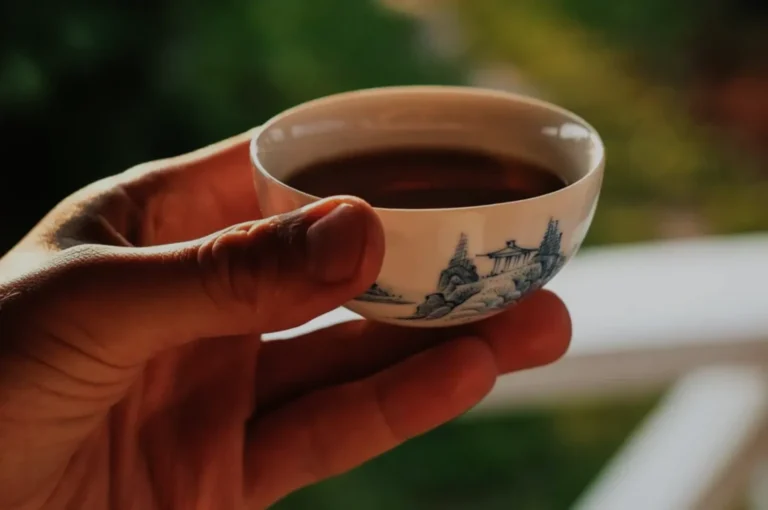
Attention to the steam that rises before the first sip. Attention to how the cup feels in the hand. Attention to the difference between what arrives on the tongue immediately and what returns a few breaths later. None of this needs to be solemn. It simply asks you not to rush past what is already present.
This is why tea can feel so grounding without needing to become a lesson in self-improvement. There are no strict rules for experiencing it well. You do not have to memorise tasting notes or know the name of every vessel on the tray. You only need enough quiet to notice what the tea is doing.
That may mean noticing the softness of the liquor, or the way a roasted note opens into sweetness. It may mean observing that one infusion feels clear and bright, while the next feels warmer and more settled. What matters is not expertise. It is the permission to slow down.
The Sensory Ritual: How Tea Teaches You To Slow Down
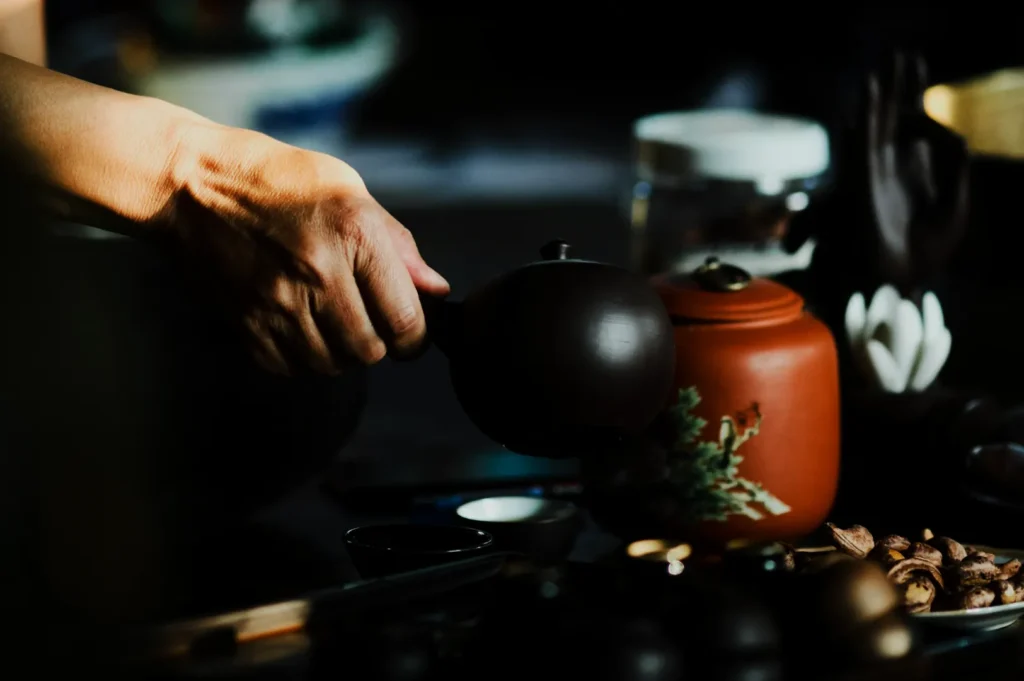
A thoughtful tea session does not hurry you toward flavour. It lets flavour arrive in sequence.
Tea is often called subtle, but that subtlety is not absence. It is layered presence. When the room is calm enough, tea begins to reveal itself in stages, and those stages teach the body another pace.
Aroma: The First Quiet Signal
Aroma often arrives before the mind has fully caught up.
The dry leaf may suggest one thing, the warmed vessel another. Then the water touches the tea and the room changes almost imperceptibly. A floral note may rise first, then soften. A roasted tea may release warmth that feels less like smell and more like atmosphere. Even before the first sip, the tea has already begun speaking.
This is one reason mindful tea drinking feels different from many other evening rituals. It begins not with consumption, but with anticipation. Fragrance invites slowness because it cannot be grasped all at once. You have to meet it where it is.
Texture: Silk, Warmth, Weight
Most people notice flavour first, but texture is often what gives tea its emotional shape.
Some cups feel light and almost weightless, disappearing quickly but leaving brightness behind. Others move across the palate with more softness, as though the liquor has gained a kind of roundness that sits gently in the mouth. Certain teas feel silken. Others feel warming and structured. Some have a faint mineral grip, while others seem almost creamy in the way they settle.
When the evening is unhurried, you begin to notice these differences more clearly. The cup is no longer just something you drink. It becomes something you feel.
Aftertaste: The Part That Lingers
Aftertaste is where many people first understand why tea can feel luxurious without being loud.
A tea may finish cleanly and vanish, or it may return in a softer register a few moments later. Sweetness can gather at the back of the throat. Warmth may remain in the chest. A mineral coolness may appear after the sip has technically ended. This lingering quality gives tea depth not through intensity, but through patience.
In louder settings, aftertaste is often lost because the senses are pulled away too quickly. In a quieter room, it becomes part of the conversation between tea and guest.
Pacing: The Gift Of Multiple Infusions
A single leaf rarely says everything at once.
This is one of the most beautiful parts of tea appreciation. The first infusion may introduce the tea in a gentle way, while the second becomes more articulate, and the third opens a texture or sweetness that was not obvious at the beginning. Multiple infusions teach patience because they reward it.
They also alter the shape of the evening. Instead of one fixed drink, you are given a progression. The same leaves continue to evolve, and you move with them. This is where tea begins to feel like a companion to the night rather than simply part of it.
Why The Setting Matters More Than The Tea (Sometimes)
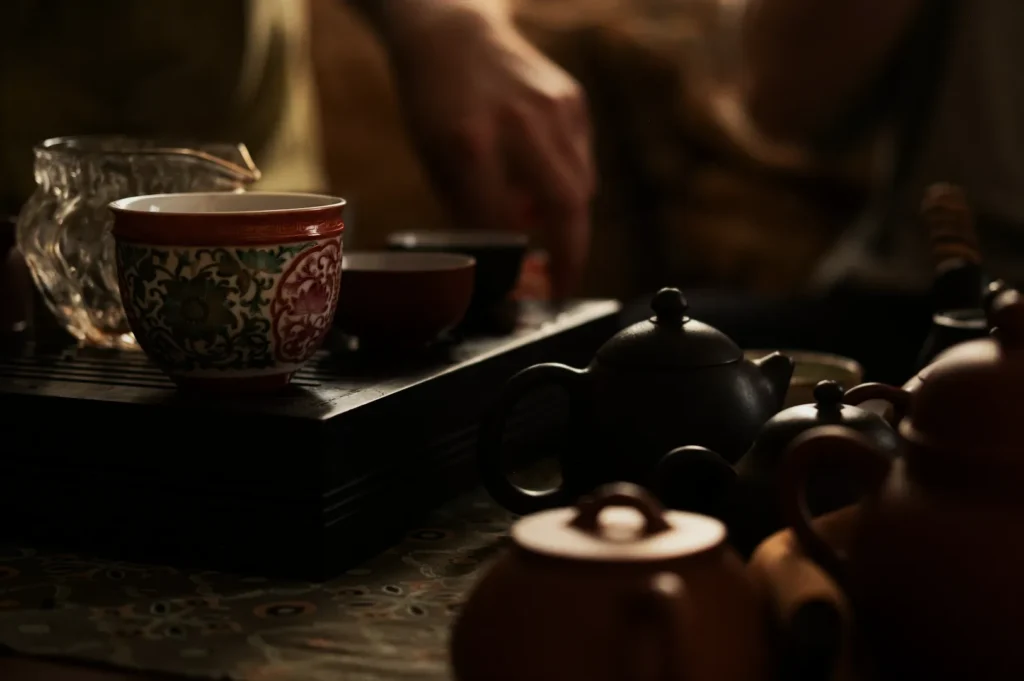
Even very good tea can be flattened by the wrong setting.
Noise pulls attention outward. Harsh light makes everything feel more exposed than it needs to be. Rushed service breaks the pacing that tea depends on. When this happens, the leaf loses much of its subtlety, not because it has changed, but because the room no longer allows you to receive it properly.
This is why atmosphere matters so deeply.
A calm room does not improve tea by magic. It simply removes obstacles. Fragrance becomes easier to detect. Texture becomes easier to feel. The aftertaste has room to linger. Guidance also becomes more meaningful here. A thoughtful host helps set the pace, adjust the infusions, and hold the structure of the experience so that the guest does not have to think about everything at once.
In that sense, luxury is not only in the tea itself. It is in the conditions that let the tea be experienced properly.
A Traditional Tea House Evening (The Experience, Not The Trend)
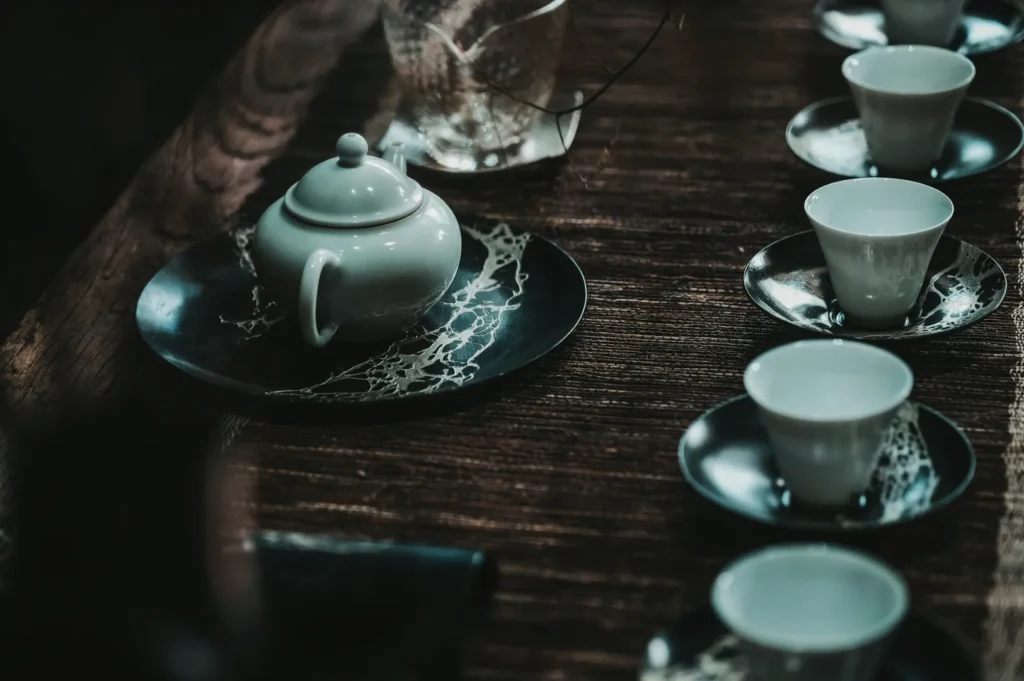
There is a difference between tea as a trend and tea as a practice.
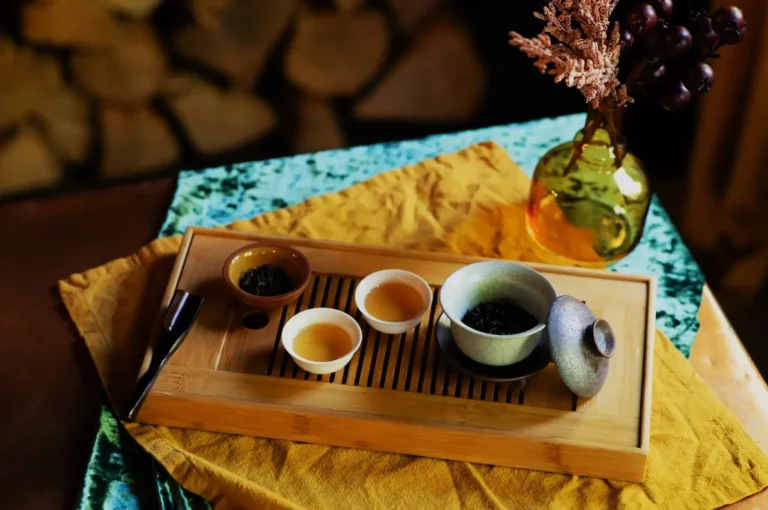
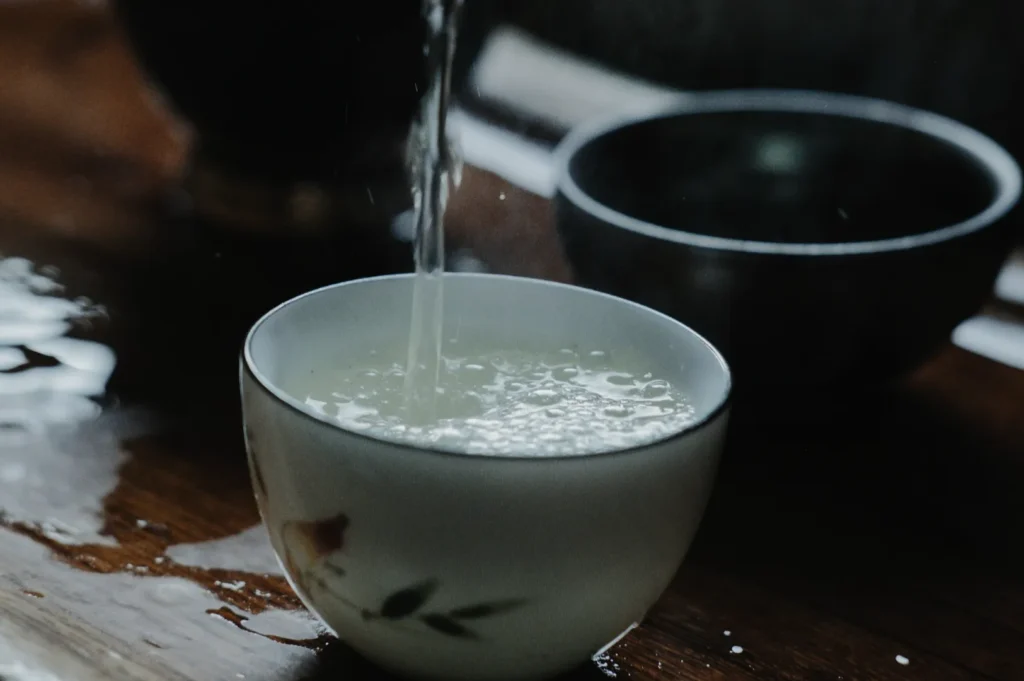
A proper traditional tea house does not treat the leaf as a novelty or a visual prop. It honours the sequence of the evening: warming the vessel, preparing the tea with precision, allowing the first infusion to speak lightly, and then letting the later cups deepen without interference.
This is where tea becomes more than a pleasant drink.
It becomes ritual in the most practical sense of the word. Not rigid, not theatrical, but structured enough to allow the guest to leave ordinary pace behind. The room protects the tea. The host protects the room. The guest, often without noticing exactly when it happened, begins to settle into both.
For those looking for more considered calm evening ideas, this kind of tea house experience offers something the city does not often prioritise: atmosphere built around depth rather than distraction.
A Gentle Place To Begin: Tea Room By Ki-setsu
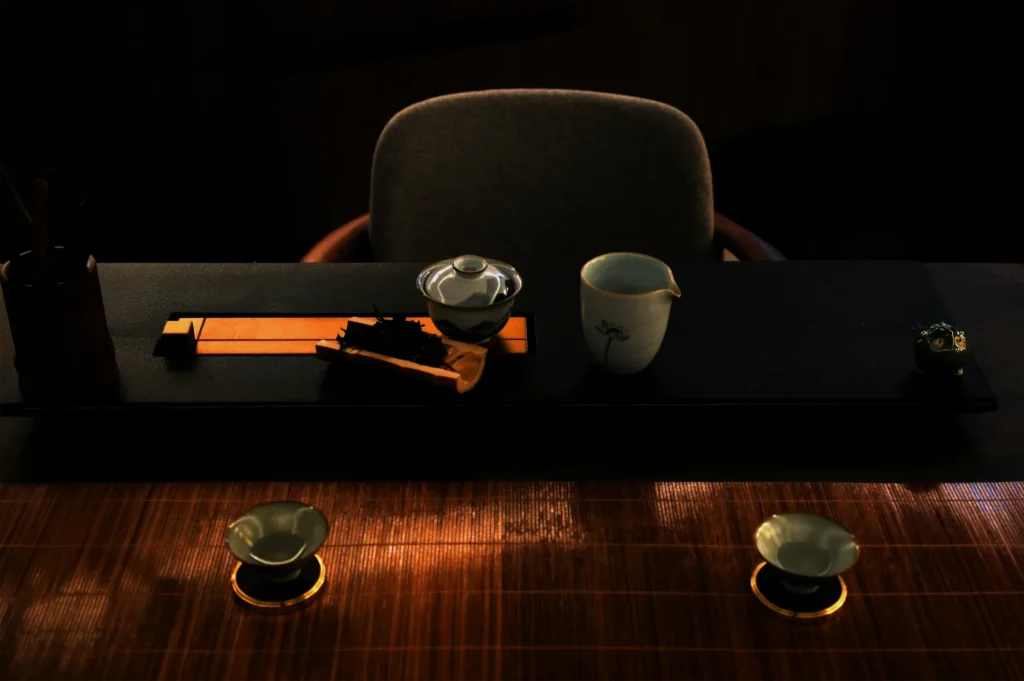
At Tea Room by Ki-setsu, we have shaped our work around this quieter understanding of tea.
As a private Chinese tea sanctuary in Singapore, our approach begins with the belief that appreciation requires conditions. Limited seats. Guided pacing. Curated leaves chosen for clarity and character. A room where fragrance does not compete with kitchen noise or crowded conversation. A host who understands when to explain and when to let the tea unfold on its own.
For guests who are seeking a more grounded form of evening hospitality, this can feel like an entirely different way to spend time in the city. Not because it is louder, richer, or more elaborate, but because it has been distilled. What remains is the part that matters: leaf, vessel, water, atmosphere, and attention.
A quiet evening does not need to feel lacking. In the right setting, it can feel more complete than a louder one ever could.
Make Space For One Quiet Cup
Not every evening needs to become a plan.
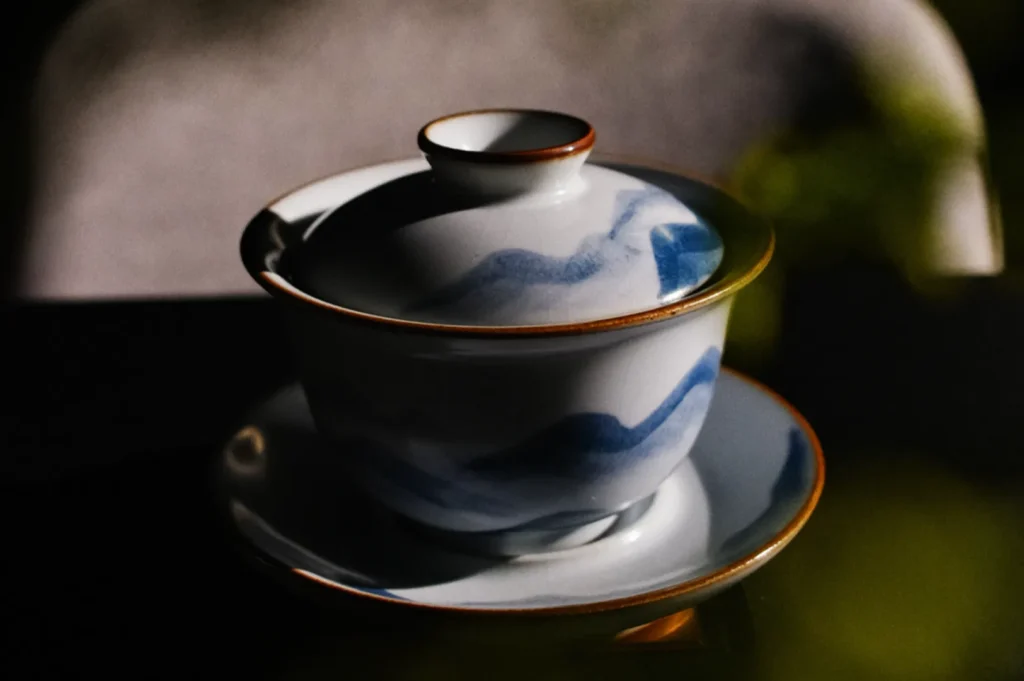
Some evenings ask for less: less noise, less urgency, less performance. They ask for one cup, carefully prepared, and a room that allows that cup to be noticed in full. Mindful tea drinking is not an escape from life. It is often a way of returning to it with greater clarity.
If the week has felt crowded, choose one evening that moves differently. Let aroma arrive before conversation. Let texture matter. Let the aftertaste stay a little longer than usual.
Choose one evening this week to be quieter than your plans.