Oolong tea has a calm reputation.
It can be floral, roasted, creamy, mineral, and quietly layered. It can sit beautifully after meals or in the afternoon. It can feel gentler than coffee and more textured than a simple stimulant.
Still, gentle does not mean suitable for everyone at every time.
Oolong tea comes from Camellia sinensis, which means it naturally contains caffeine and other tea compounds. For many people, this is part of its appeal. For others, it requires more attention.
Oolong tea side effects are usually linked to caffeine sensitivity, strong brewing, poor timing, or personal health considerations.
For readers who want the wider foundation, we have written a balanced guide to drinking oolong tea. This article focuses on caution: sleep, caffeine, stomach comfort, pregnancy, iron timing, and who should drink oolong more carefully.
Does Oolong Tea Have Side Effects?

For most healthy adults, moderate oolong tea drinking is usually comfortable.
But side effects can happen. They are more likely when oolong is brewed very strongly, consumed late in the day, taken on an empty stomach, or combined with other caffeine sources such as coffee, matcha, chocolate, or energy drinks.
Possible side effects may include restlessness, poor sleep, faster heartbeat, stomach discomfort, nausea, shakiness, headache, or anxiety-like sensations.
The issue is not that oolong is harsh. The issue is that tea is still active.
Caffeine Sensitivity
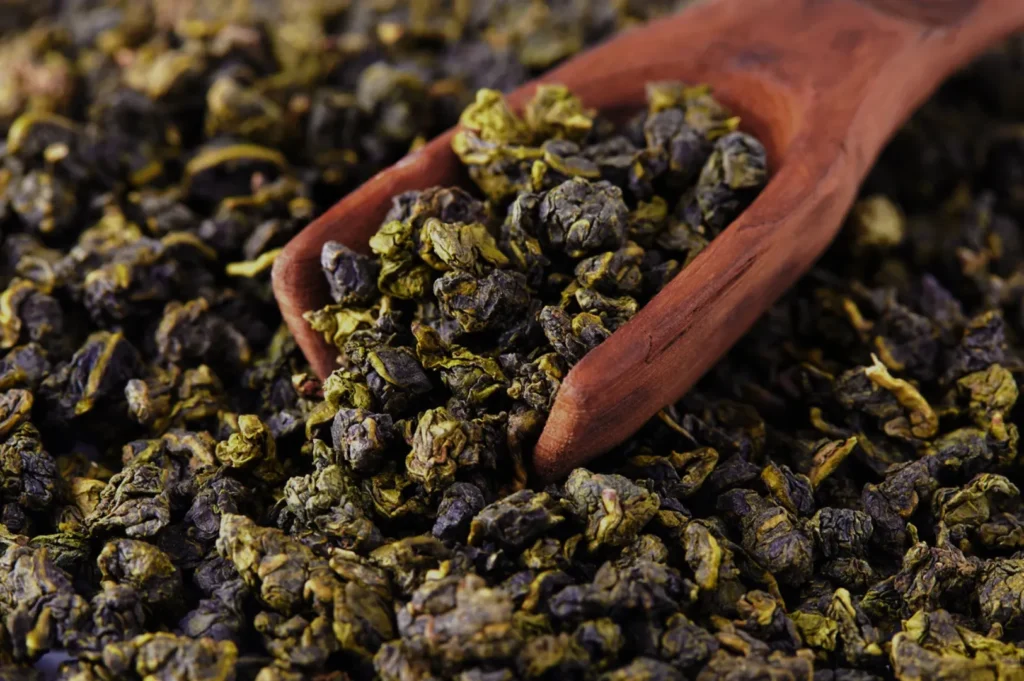
Oolong tea contains caffeine.
The amount varies by leaf, water temperature, steeping time, and brewing style. A light cup may feel soft. A concentrated gongfu session may feel much stronger than expected.
MedlinePlus explains that caffeine occurs naturally in tea leaves, coffee beans, kola nuts, and cacao pods. It is not only a coffee issue.
This matters because some people treat tea as if it does not count. It does.
A calm-tasting tea can still be stimulating in the body.
If you are sensitive to caffeine, begin with lighter infusions. Drink oolong earlier in the day. Notice how your body feels one or two hours later.
Sleep Disruption
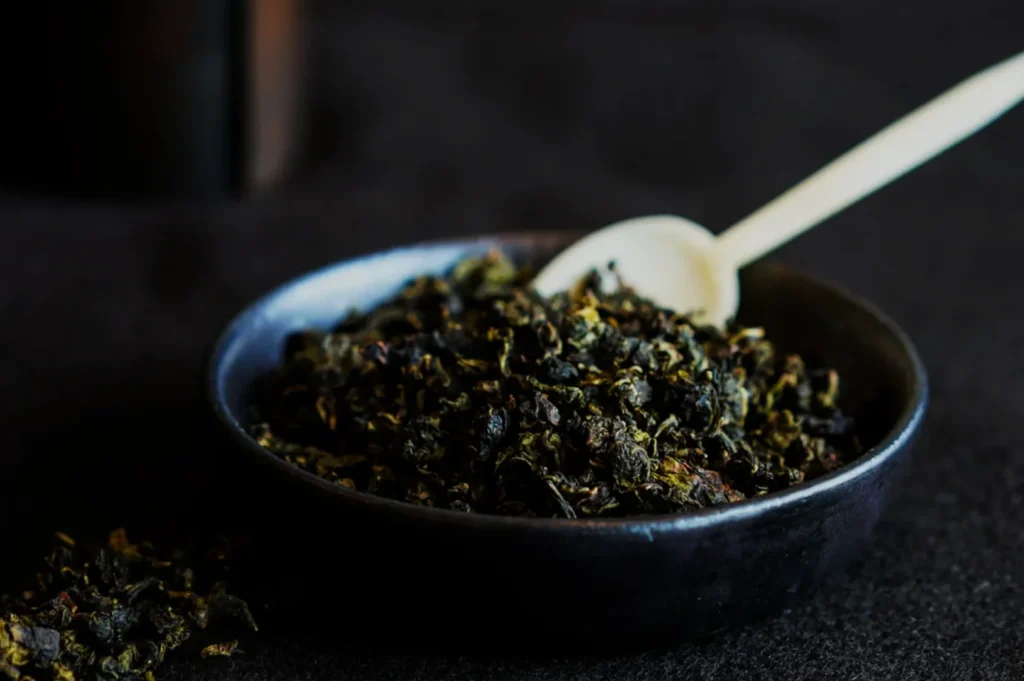
Oolong may disturb sleep if taken too late.
This is especially true for people who metabolise caffeine slowly or are already under stress. Even if the tea feels smooth, caffeine can still delay sleep or reduce sleep quality.
If you notice lighter sleep after oolong, do not argue with the body. Move the tea earlier. Keep stronger sessions to the morning or early afternoon.
At Tea Room by Ki-setsu, we often speak about tea as attention. That attention should include what happens after the cup is finished.
Empty-Stomach Discomfort
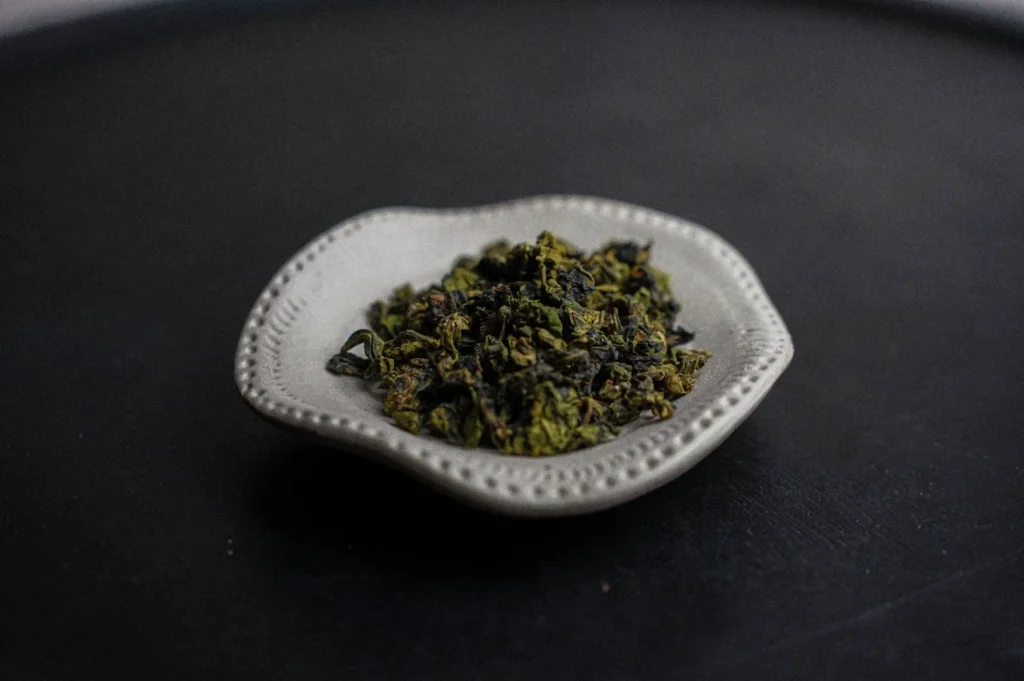
Some drinkers feel uneasy when drinking oolong before food.
This may happen because of caffeine, polyphenols, bitterness, or personal digestive sensitivity. Stronger roasted oolongs may feel comfortable for one person and too heavy for another. Light oolongs may feel refreshing for one drinker and acidic for another.
If oolong bothers your stomach, try drinking it after a small meal. Use less leaf. Shorten the steep. Avoid chasing intensity.
The right cup should leave the body settled, not strained.
Pregnancy and Breastfeeding
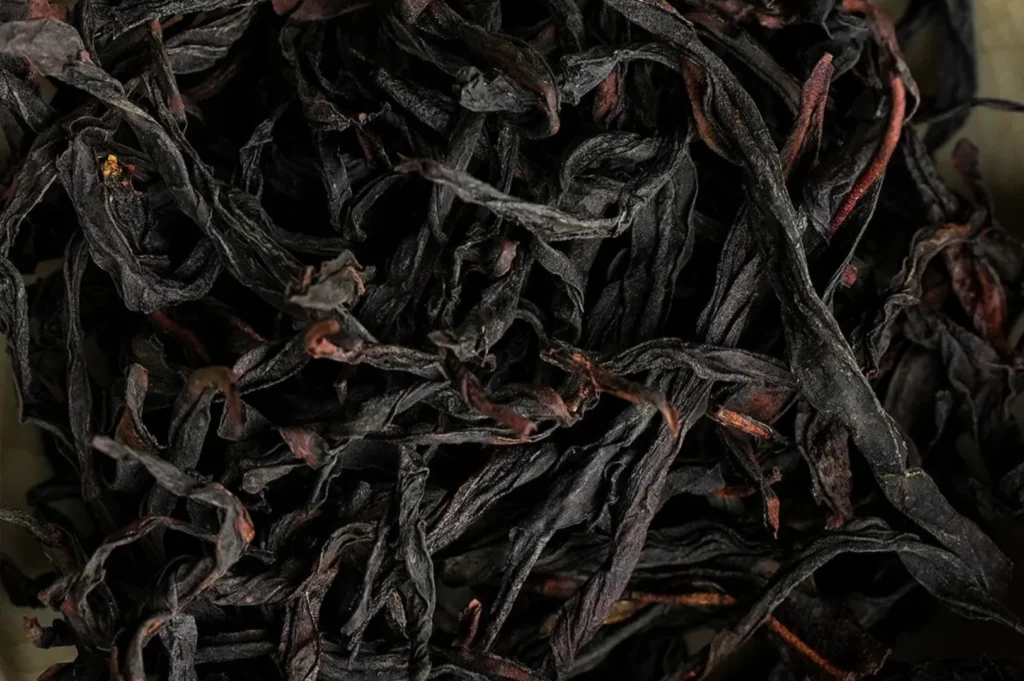
Pregnant and breastfeeding individuals should pay attention to total caffeine intake.
The American College of Obstetricians and Gynecologists states that moderate caffeine consumption during pregnancy, defined as less than 200 mg per day, does not appear to be a major contributing factor in miscarriage or preterm birth.
Oolong tea may fit within that limit, but it still needs to be counted. Coffee, tea, chocolate, soft drinks, and energy drinks all contribute to daily caffeine.
Anyone pregnant, breastfeeding, trying to conceive, or managing medical concerns should follow personalised medical advice.
Iron Absorption Timing
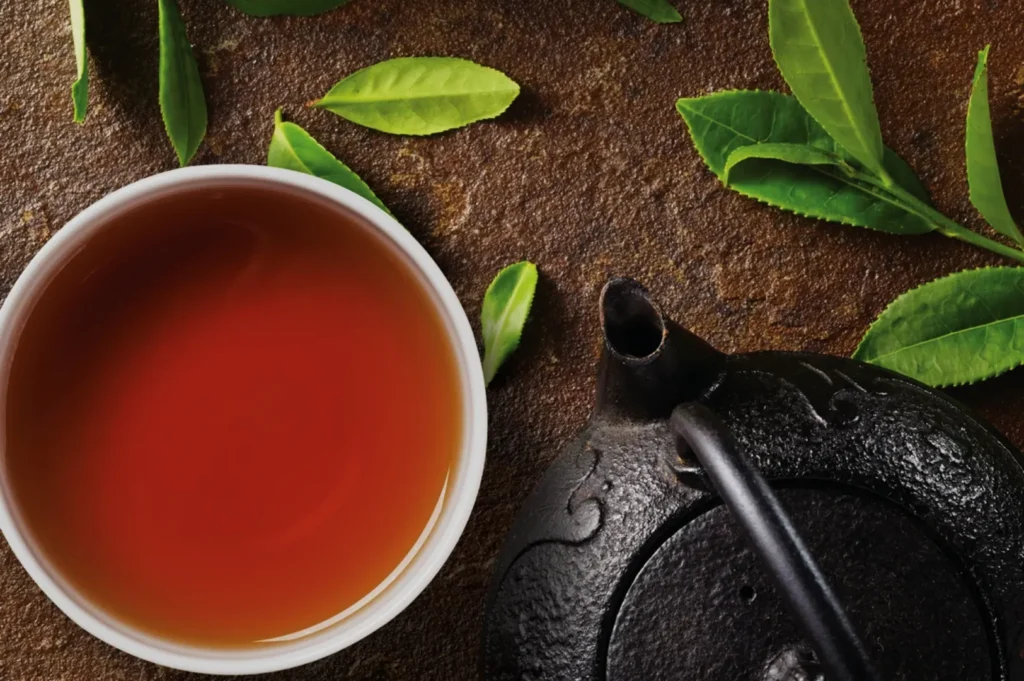
Tea contains polyphenols, which may affect iron absorption, especially non-heme iron from plant foods and fortified foods.
The NIH Office of Dietary Supplements explains in its iron fact sheet that iron exists in heme and non-heme forms, with non-heme iron found in plant foods and iron-fortified foods.
For most people, this may not be a major issue. But for those with low iron, anaemia, heavy menstrual bleeding, or iron supplementation, timing matters.
A practical habit is to drink oolong between meals rather than directly with iron-rich meals or iron supplements.
Anxiety, Restlessness and Strong Sessions
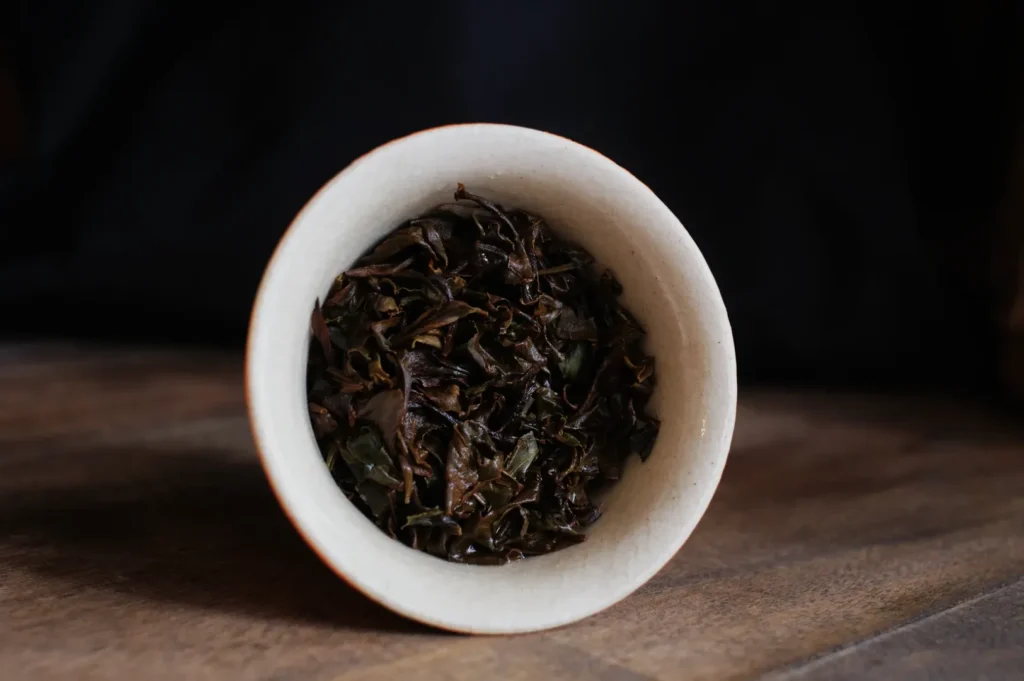
Some people feel restless after strong tea.
This can happen with oolong, especially when prepared with a high leaf-to-water ratio across many infusions. Gongfu brewing can be beautiful, but it can also concentrate the experience.
If you are prone to anxiety, palpitations, or caffeine discomfort, keep sessions lighter. Choose fewer infusions. Avoid drinking oolong when already overstimulated.
Tea should not become another pressure in the day.
Who Should Drink Oolong More Carefully?
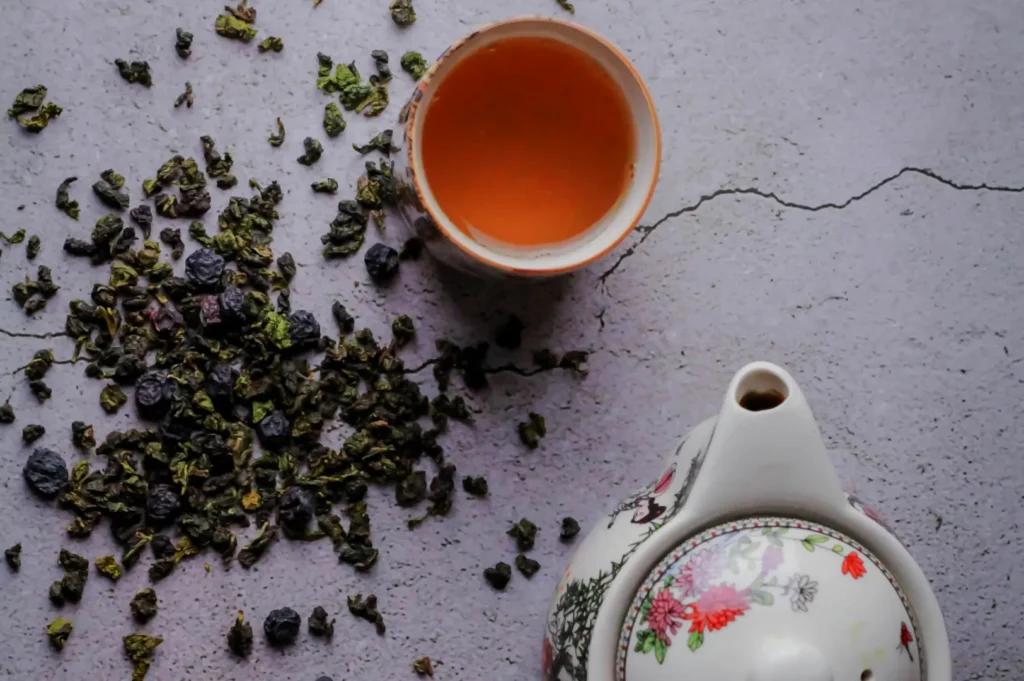
Drink oolong more carefully if you are very caffeine-sensitive, pregnant or breastfeeding, prone to sleep problems, managing anxiety, taking medication, monitoring iron, or dealing with stomach sensitivity.
This does not mean oolong must be avoided. It means the tea should be adjusted to the person.
Use less leaf. Brew lighter. Drink earlier. Avoid empty-stomach sessions. Separate tea from iron supplements if needed. Ask a healthcare professional if unsure.
Good tea culture is never careless.
Final Thought
Oolong tea side effects are usually not mysterious.
They often come from too much caffeine, too strong a brew, poor timing, or ignoring the body’s signals. The same tea that feels graceful in the afternoon may feel disruptive at night. The same roasted oolong that comforts one drinker may feel too strong for another.
To drink oolong well is to drink with attention before, during, and after the cup.
For most people, oolong can be a thoughtful daily tea. But the best cup is not the strongest one. It is the one that leaves you clear, comfortable, and able to return to the day with ease.