Oolong tea and black tea can look close from a distance.
Both can be darker than green tea. Both can carry warmth, body, sweetness, and depth. Both can sit beautifully after food. Both can feel more grounded than a very fresh green tea.
But they are not the same.
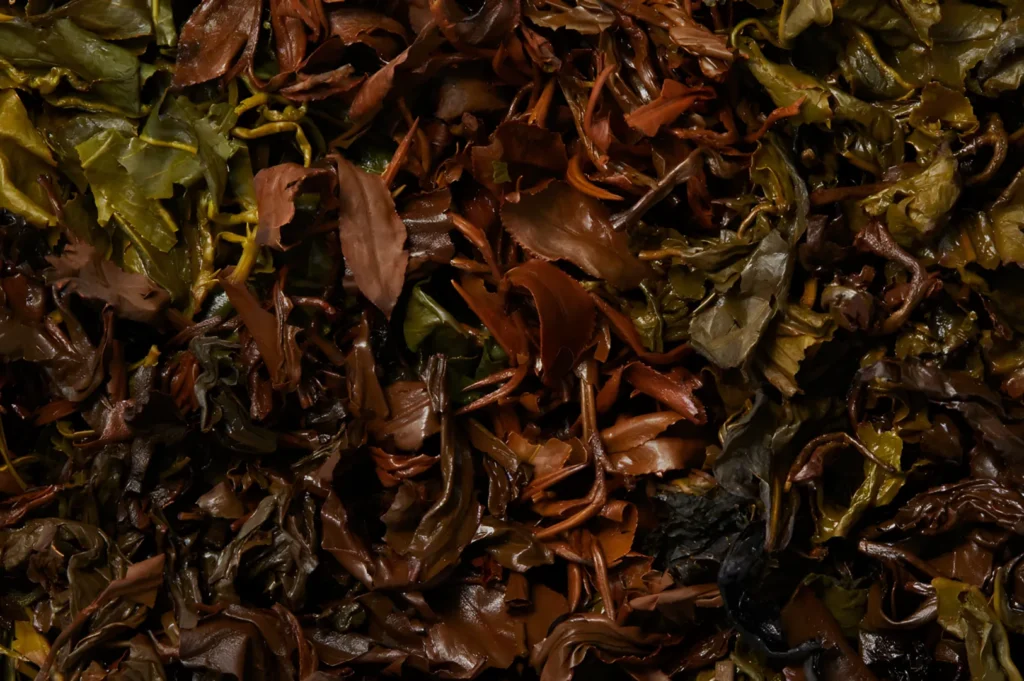
The difference begins with oxidation. Oolong tea is partially oxidised. Black tea is fully oxidised. That difference changes the colour of the leaf, the aroma in the cup, the texture on the palate, and the way the tea finishes.
Oolong vs black tea is really a question of how far the leaf is allowed to transform.
For readers who want the wider foundation, we have written an oolong tea guide for Chinese tea drinkers. This article stays with one comparison: what separates oolong from black tea, and why that distinction matters in the cup.
The Same Plant, Different Journey
Oolong and black tea both come from Camellia sinensis.
The difference is not the plant alone. It is what happens after the leaf is picked.
The UK Tea & Infusions Association explains that the length of the oxidation step, or its absence, is responsible for the distinctive flavours of black, green, oolong, and white tea. This is one of the simplest ways to understand tea categories.
Green tea is heated early to prevent much oxidation. Oolong is partially oxidised. Black tea is oxidised much further, until it develops a darker liquor, fuller body, and deeper flavour.
This is why black tea often feels more direct, while oolong can feel more layered.
What Partial Oxidation Does to Oolong
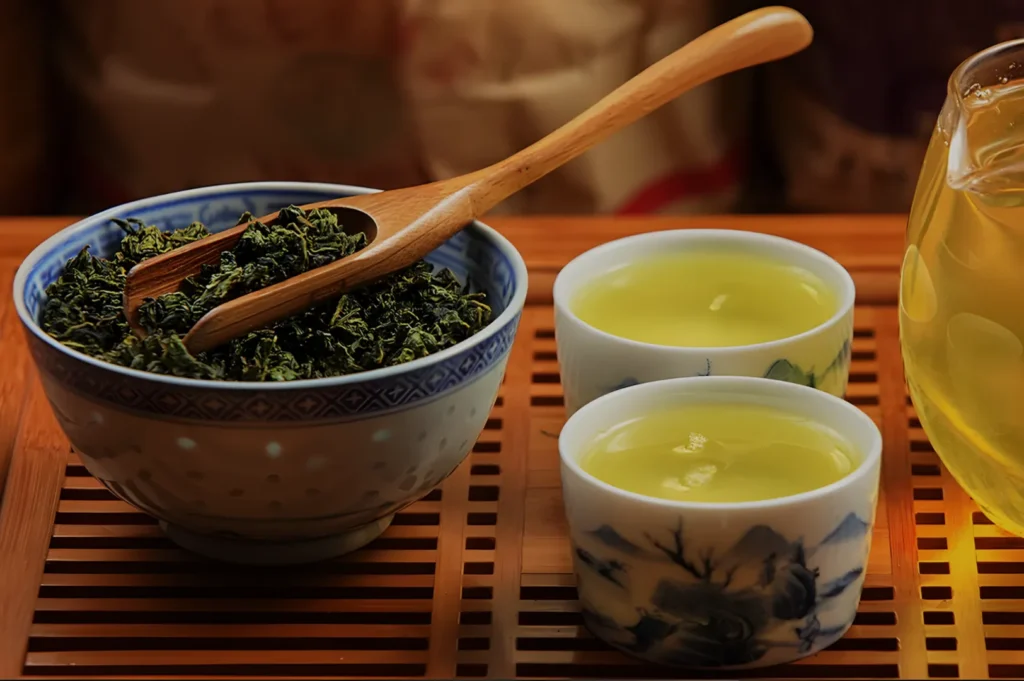
Oolong tea lives in a wide middle space.
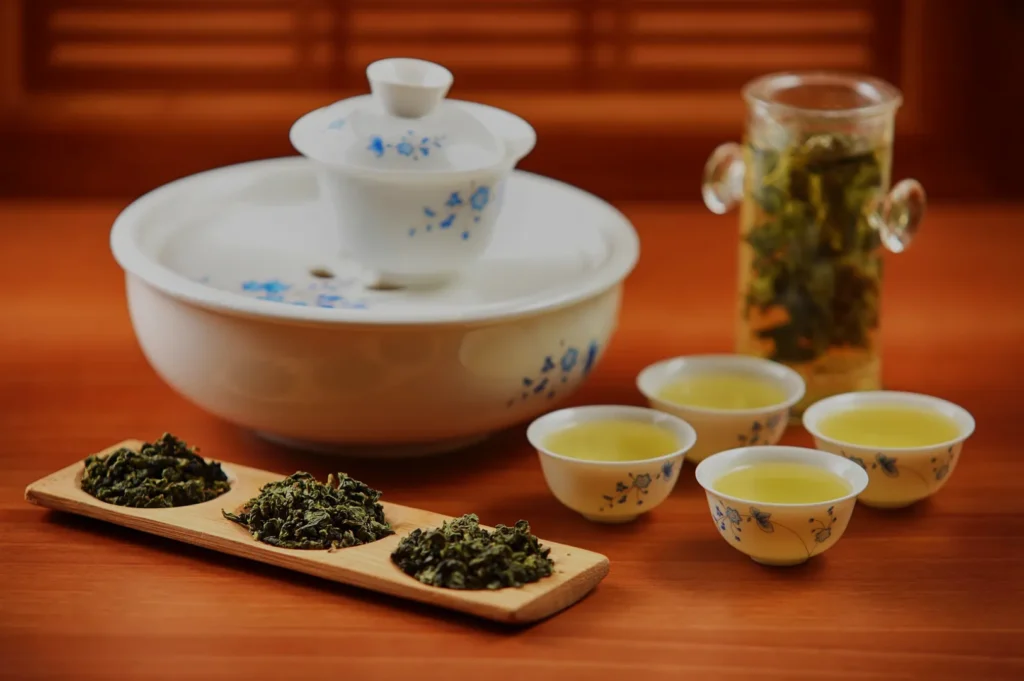
A lightly oxidised oolong may feel floral, fresh, creamy, and elegant. A more oxidised oolong may feel fruity, honeyed, roasted, or mineral. Some oolongs are then roasted, adding warmth, grain, charcoal, or dried fruit notes.
This makes oolong difficult to reduce.
One oolong may sit close to green tea in mood. Another may move closer to black tea in depth. Between those points, there is a whole field of style, craft, and regional expression.
Oolong is not one flavour. It is controlled transformation.
At Tea Room by Ki-setsu, we often see oolong as a category that teaches patience. The tea may not reveal everything in the first infusion. It changes, softens, deepens, and returns differently each time.
What Full Oxidation Does to Black Tea
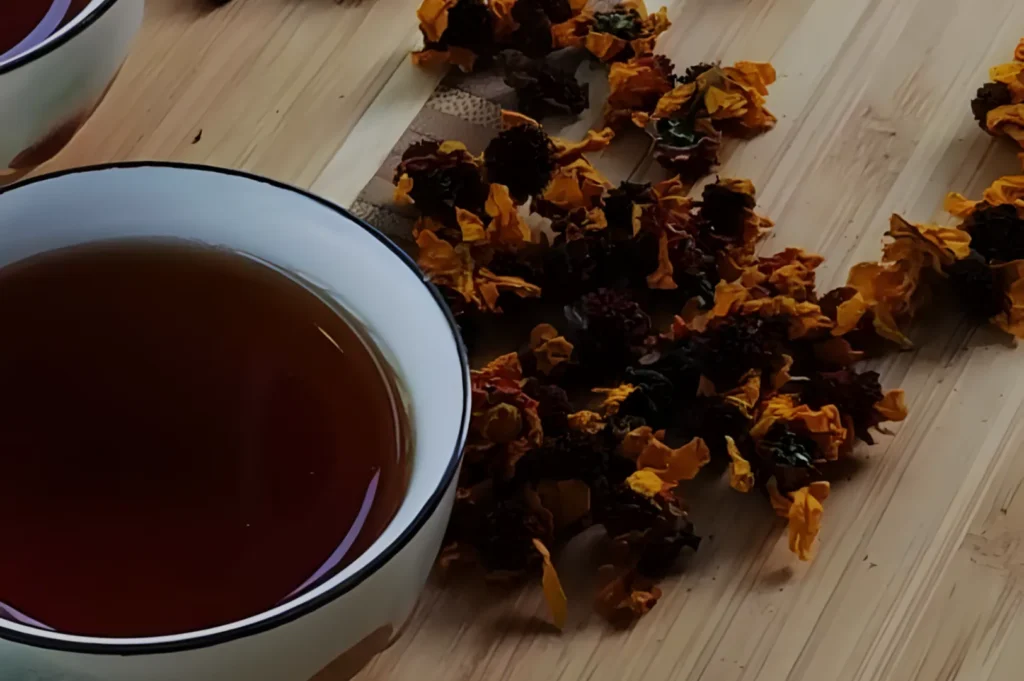
Black tea is allowed to oxidise much more fully.
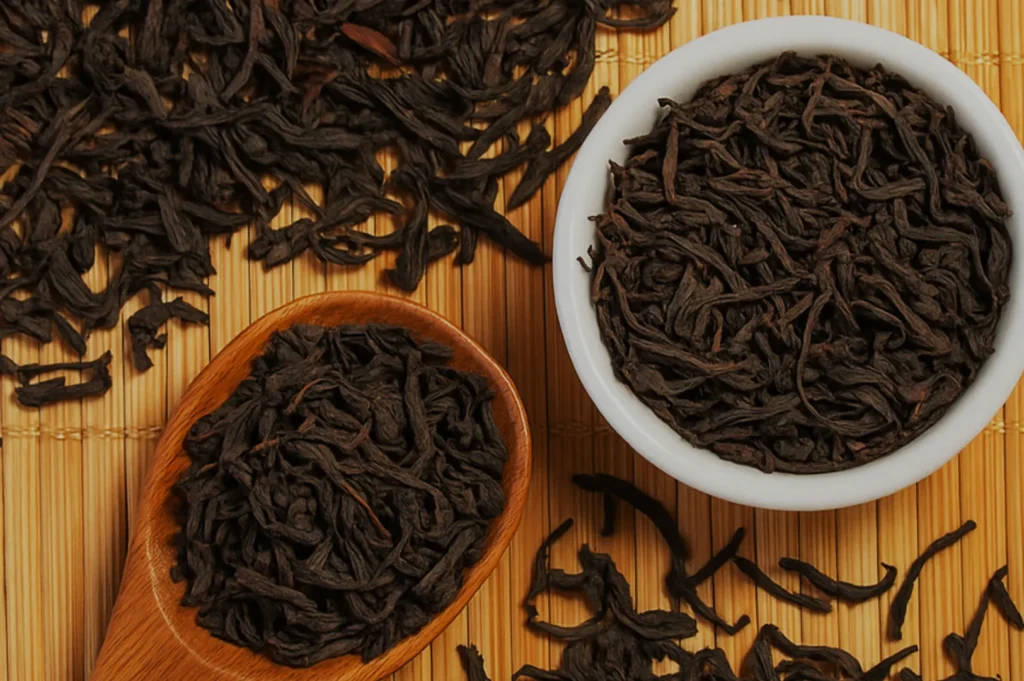
This gives it a darker leaf, richer liquor, and more robust taste. Black tea often carries notes of malt, dried fruit, honey, cocoa, spice, wood, or brisk tannin. It can feel strong and structured, especially in styles such as Assam, Yunnan black tea, or certain breakfast blends.
The chemistry changes too. An MDPI review on enzymatic oxidation of tea catechins notes that theaflavins and thearubigins, key compounds in black tea, are formed through the oxidation and polymerisation of catechins during tea manufacturing.
In the cup, this helps explain why black tea can feel darker, rounder, and more assertive.
Black tea does not usually ask to be chased through many delicate changes. It often arrives with confidence.
Flavour: Layered vs Robust
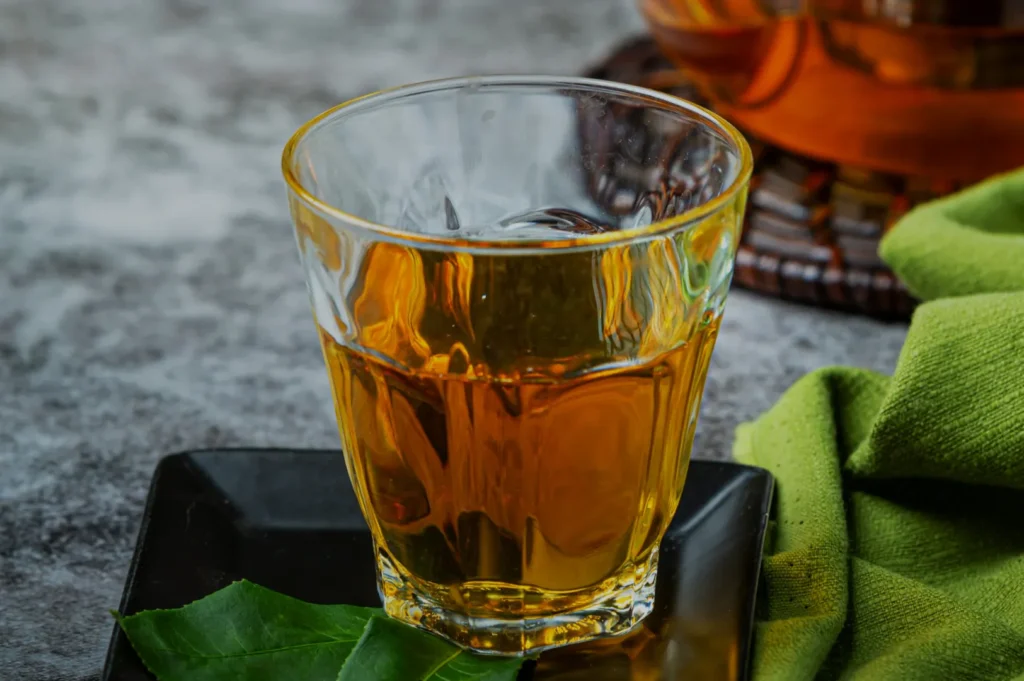
Oolong is often about movement.
A floral oolong may begin with fragrance, then settle into creaminess. A roasted oolong may begin warm, then reveal sweetness or minerals. A Wuyi-style oolong may feel structured and stony, with a finish that continues after swallowing.
Black tea is often more robust from the beginning.
It may give malt, briskness, fruit, or sweetness in a fuller way. The flavour can be easier to recognise immediately. This is one reason black tea works well with milk, spices, or stronger food pairings, though fine black teas can also be appreciated plain.
Oolong tends to unfold. Black tea tends to declare.
Neither is better. They simply speak differently.
Body and Texture
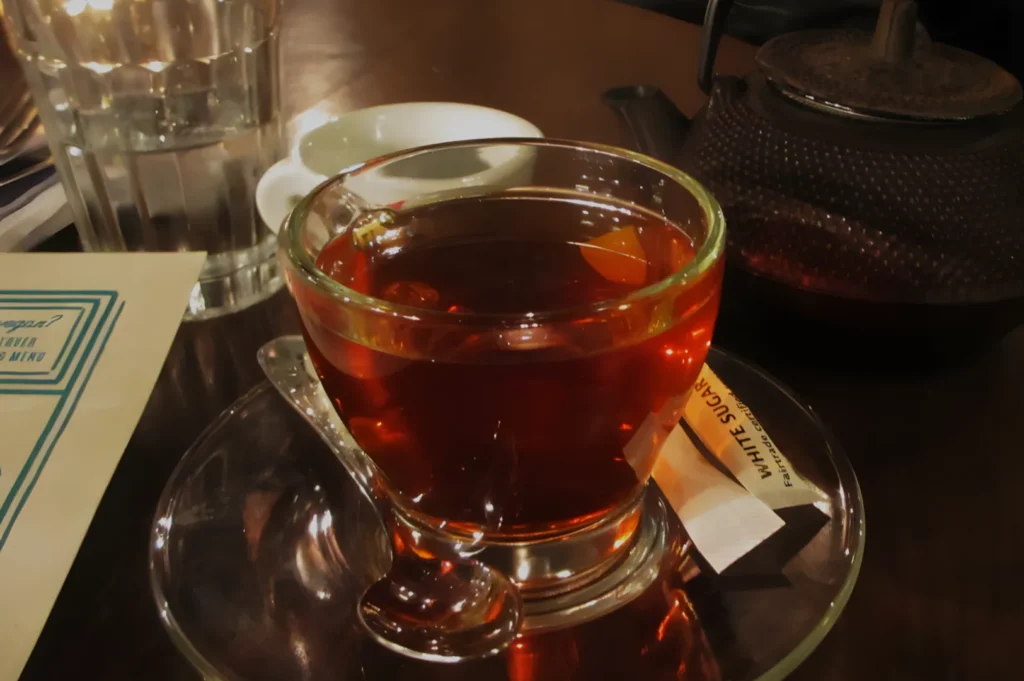
Texture is one of the clearest differences.
Oolong can feel silky, creamy, mineral, rounded, or gently drying. The body depends heavily on the style. A light oolong may feel almost airy. A roasted oolong may feel warmer and more grounded.
Black tea often has more weight. It may feel fuller, brisker, and more tannic. That firm dryness is part of black tea’s structure, especially when brewed strongly.
The Royal Society of Chemistry’s black tea chemical analysis notes that tea polyphenols include catechins and gallic acid in green and white teas, while black and oolong teas contain theaflavins, thearubigins, and other catechin polymers. This helps explain why oxidation does not only affect colour. It also changes the way tea feels in the mouth.
Caffeine Feel
Both oolong and black tea contain caffeine.
Black tea is often assumed to feel stronger, and sometimes it does. But caffeine experience depends on leaf amount, infusion time, water temperature, and the drinker’s sensitivity.
A lightly brewed black tea may feel gentle. A concentrated oolong session with many infusions may feel surprisingly active.
The difference is often not only caffeine. It is also mood.
Black tea can feel direct, warming, and brisk. Oolong can feel steady, aromatic, and unfolding. One pushes the morning open. The other may invite the afternoon to slow down.
Which Tea Should You Choose?
Choose oolong if you want range, aroma, and gradual change.
It suits drinkers who enjoy tasting across several infusions, noticing shifts in fragrance, roast, texture, and finish. It is especially rewarding for those who like complexity without always wanting heaviness.
Choose black tea if you want body, clarity, and a more immediate cup.
It suits drinkers who enjoy stronger structure, malt, dried fruit, briskness, or a tea that can stand confidently with breakfast, milk, or richer food.
If you are unsure, taste them plain first. Let the tea show itself before adding milk, sugar, or assumptions.
Final Thought
Oolong and black tea begin from the same plant, but oxidation leads them into different rooms.
Oolong is partial transformation. Black tea is fuller transformation.
One can be floral, roasted, creamy, mineral, or quietly deep. The other is often malty, brisk, rich, and direct.
The difference between oolong and black tea is not only how dark the leaf becomes. It is how the leaf chooses to speak.
For those exploring Chinese tea, tasting oolong beside black tea can be quietly revealing. It shows how much craft can change a single plant, and how much patience can change the way we listen.