Oolong tea and green tea come from the same plant.
That is the first thing to understand. Both are made from Camellia sinensis. Both can be delicate, fragrant, and refreshing. Both can sit beautifully in a daily tea ritual.
But they are not the same tea.
The difference begins after the leaf is picked. Green tea is usually heated early to prevent much oxidation. Oolong is allowed to oxidise partially before the process is stopped. That single difference changes the leaf’s colour, aroma, flavour, body, and the way it behaves in water.
Oolong vs green tea is not a question of which is better. It is a question of what kind of cup you want.
For readers who want the wider foundation, we have written a complete guide to oolong tea and its styles. This article focuses on the comparison: how oolong and green tea differ, and why oxidation matters so much.
The Same Plant, Different Handling
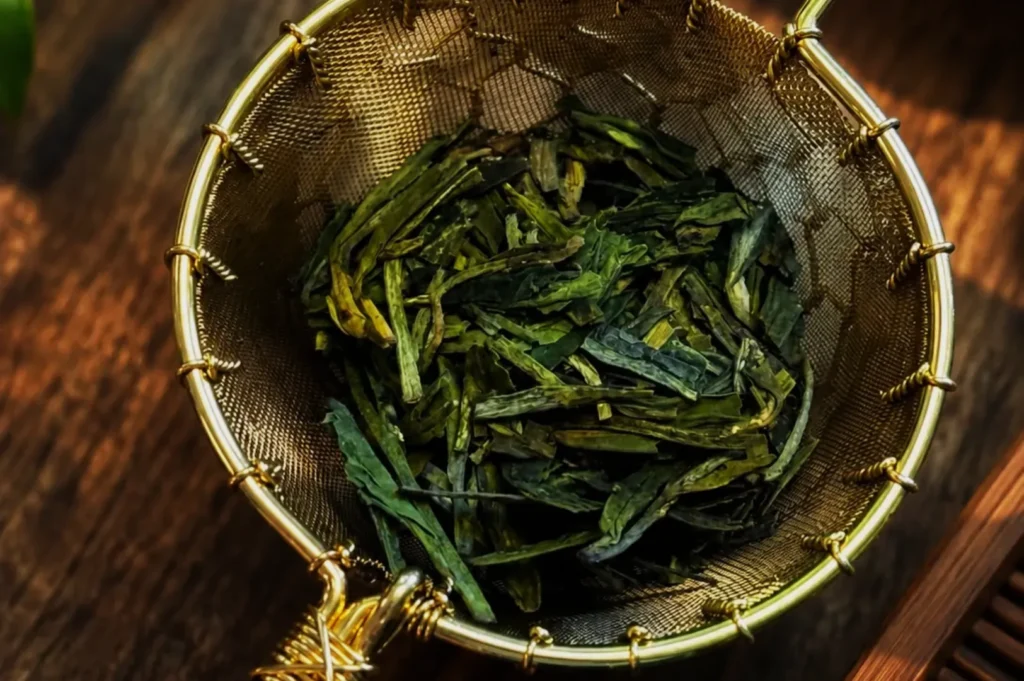
Green tea and oolong tea begin in the same botanical family. The difference is not that one leaf is “tea” and the other is something else. The difference is craft.
Green tea is heated soon after harvest, often through pan-firing or steaming, to stop oxidation early. This preserves the leaf’s greener character.
Oolong tea is handled differently. The leaves may be withered, shaken, bruised, partially oxidised, heated, rolled, dried, and sometimes roasted. This gives tea makers more room to shape aroma and texture.
A useful TeaTrade explanation of tea oxidation describes oxidation as a fundamental tea-making process that begins when leaf cells are broken and enzymes interact with oxygen. Green tea avoids much of this by heating the leaf early, while oolong develops through controlled partial oxidation.
That is where the two paths separate.
Green Tea Preserves Freshness
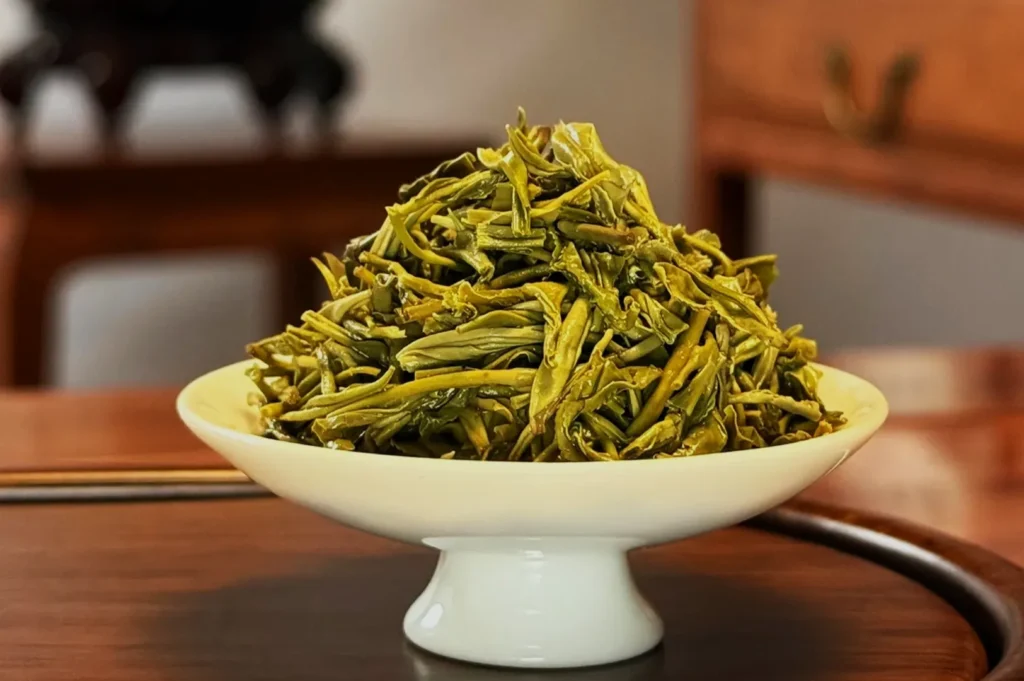
Green tea often tastes closer to the fresh leaf.
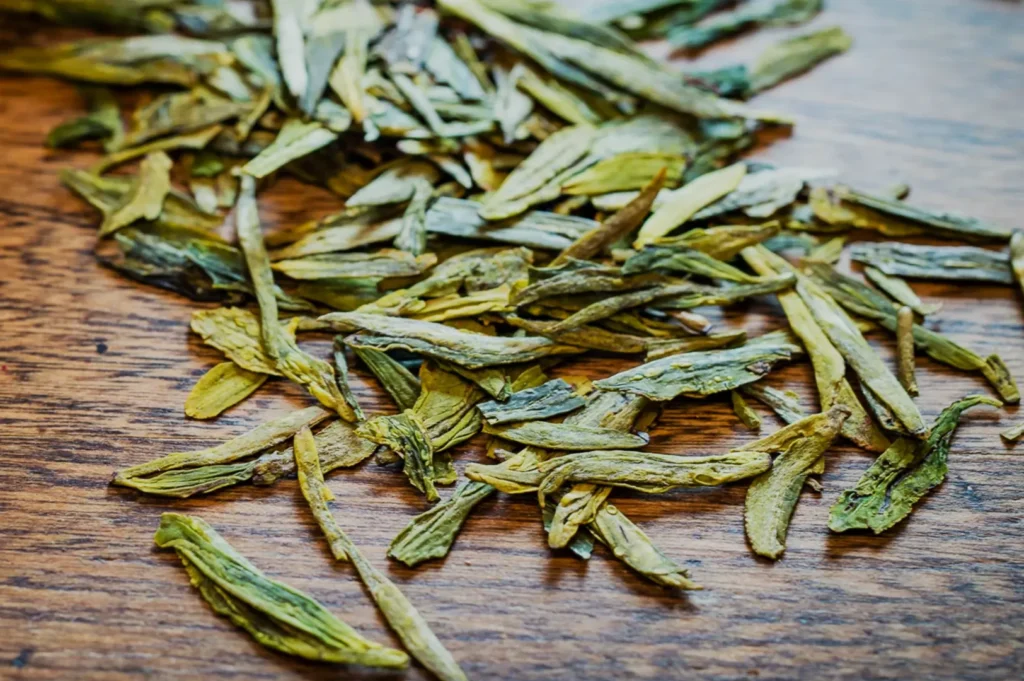
Its flavours can be grassy, vegetal, marine, nutty, sweet, or softly roasted, depending on origin and processing. Chinese green teas such as Longjing may feel smooth and chestnut-like. Japanese green teas may feel greener, umami-rich, or brisk.
The common thread is freshness.
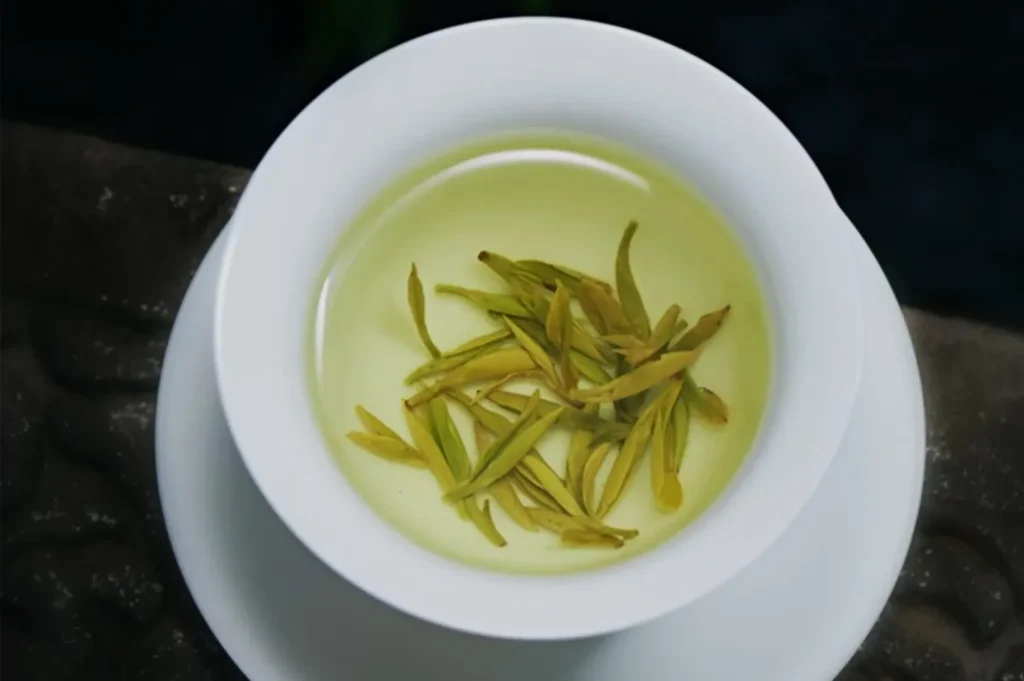
Green tea usually has a clearer, brighter character. The liquor is often pale green, yellow-green, or light gold. The body can be light, clean, and quick.
Green tea often speaks in brightness. Oolong often speaks in transformation.
This does not mean green tea is simple. A good green tea can be deeply refined. But its beauty often comes from preserving a fresh and immediate impression of the leaf.
Oolong Builds More Range
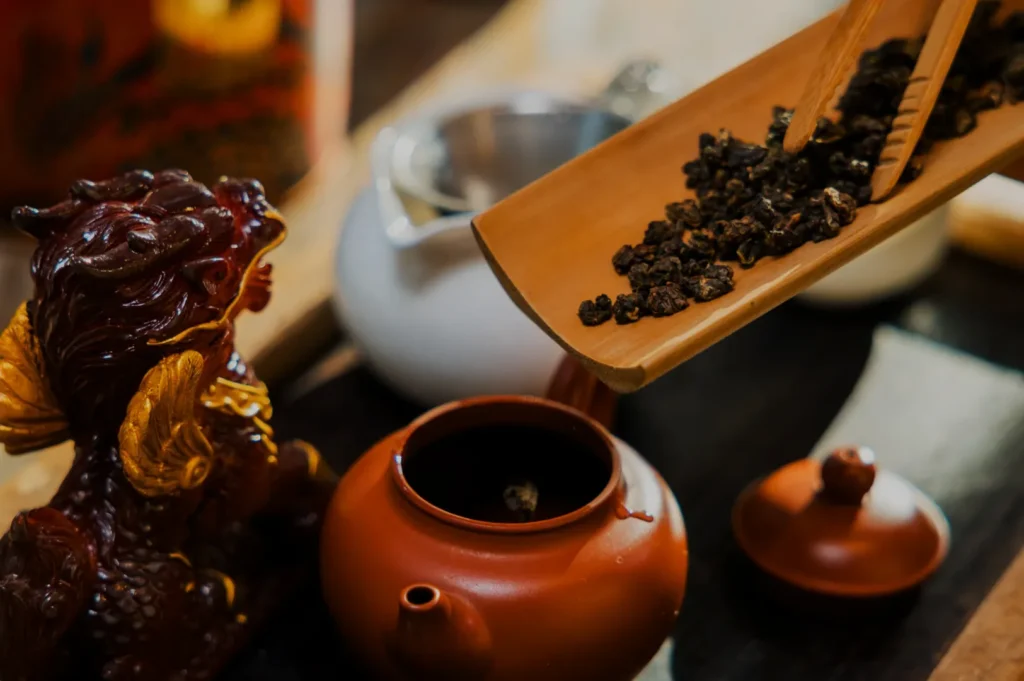
Oolong has a wider range because partial oxidation gives the leaf more room to change.
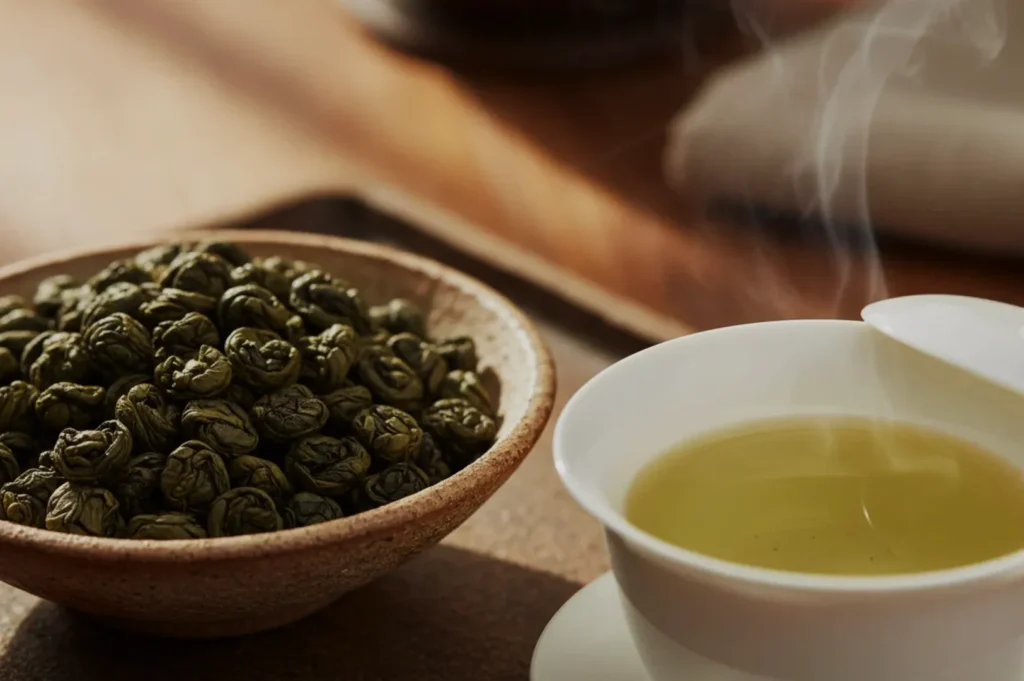
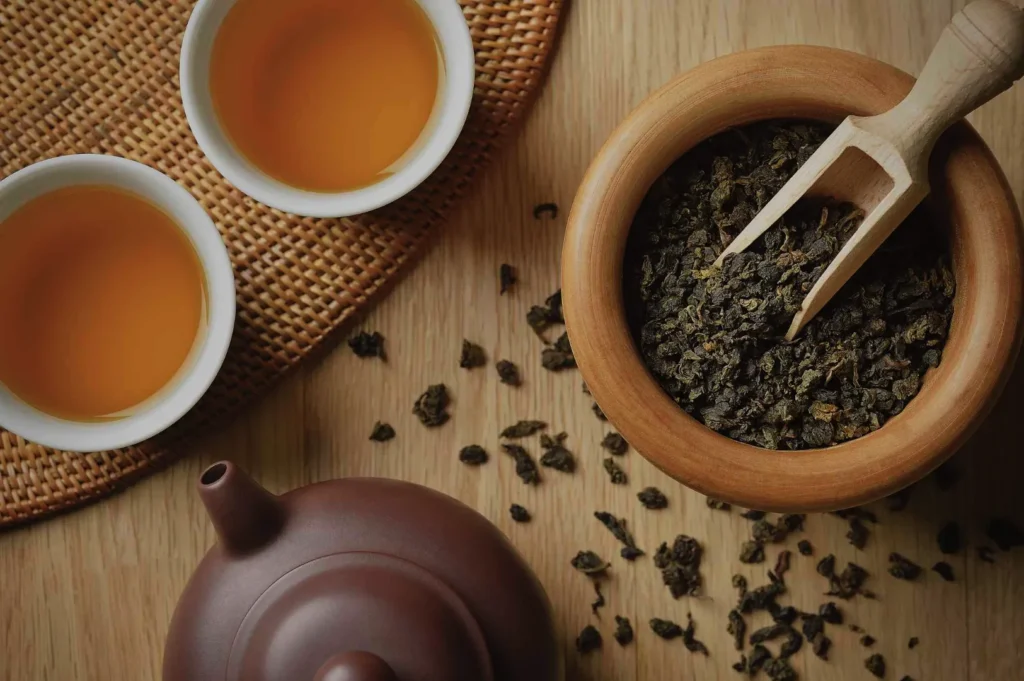
A light oolong may still feel fresh and floral, sitting close to green tea in mood. A roasted oolong may feel warm, woody, nutty, or mineral. Some oolongs are creamy. Some are fruity. Some are structured and deep.
This is why oolong can confuse beginners.
Two green teas may taste different, but they often share a recognisable freshness. Two oolongs can feel like they belong to completely different worlds.
The Teas.co.uk guide to tea oxidation describes oxidation as the “master switch” that helps explain how one plant becomes different tea categories. In oolong, that switch is not simply on or off. It is adjusted with care.
That middle ground gives oolong its personality.
Oxidation Changes Aroma
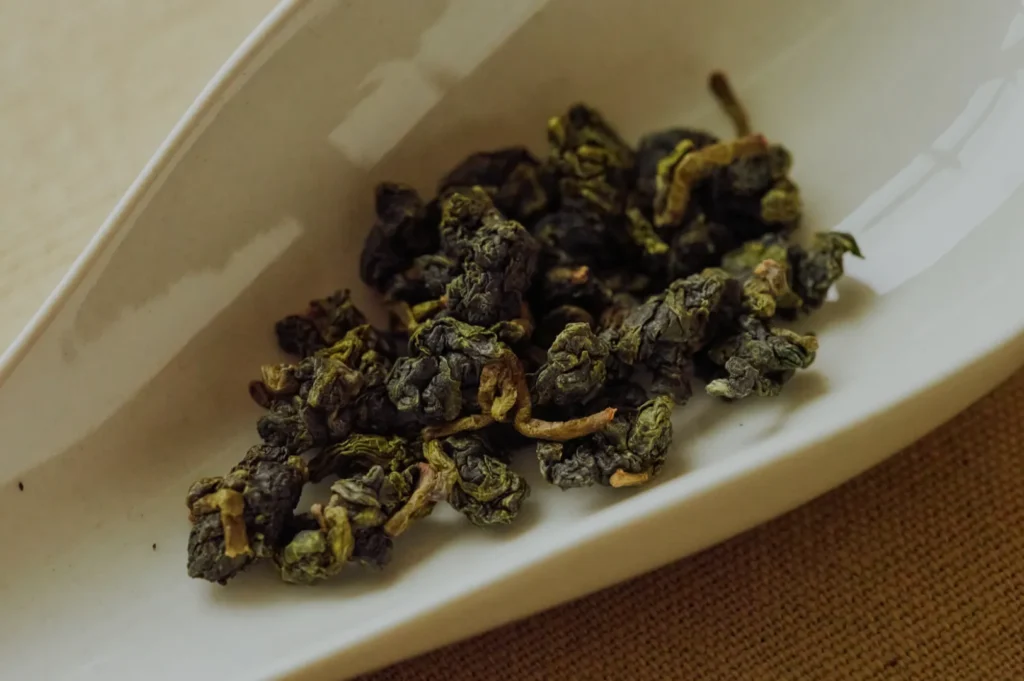
Aroma is one of the clearest differences between oolong and green tea.
Green tea often smells fresh, grassy, vegetal, nutty, or lightly sweet. The aroma can be elegant, but it is usually closer to the green life of the leaf.
Oolong may carry floral, roasted, fruity, honeyed, creamy, or mineral aromas. In some oolongs, the fragrance rises immediately. In others, the deeper notes appear only after the cup cools or the second infusion begins.
At Tea Room by Ki-setsu, we often find that aroma helps new drinkers understand the category quickly. Green tea tends to introduce freshness. Oolong introduces possibility.
If green tea is a clear morning, oolong can be morning, afternoon, and dusk in the same category.
Oxidation Changes Body
Body is not the same as flavour.
Body is how the tea feels in the mouth. Thin or rounded. Light or coating. Brisk or soft. Clean or lingering.
Green tea often has a lighter body. It can feel crisp, clear, or gently astringent. Some green teas are smooth, but many leave the mouth feeling refreshed rather than coated.
Oolong can have more body, especially when it is more oxidised or roasted. A good oolong may feel creamy, rounded, warm, or structured. It may stay longer after swallowing.
This is one reason oolong works well across repeated infusions. The aroma may shift first. Then the texture deepens. Later, the finish begins to speak.
What About Wellness Differences?
Both green tea and oolong tea contain tea polyphenols and other natural compounds.
A PubMed Central study comparing phenolic profiles and antioxidant activities looked at infusions from green, black, oolong, white, yellow, and dark teas. It is a useful reminder that different tea types contain different phenolic profiles, shaped by processing and preparation.
Still, we should not turn this into a simple contest.
Green tea is often discussed for catechins. Oolong contains its own mix of compounds shaped by partial oxidation. Both can be part of a balanced routine. Neither should be treated as a cure.
The more useful question is not which tea is “healthier.” It is which tea you will drink with consistency, pleasure, and attention.
Which Tea Should You Choose?
Choose green tea if you want freshness, clarity, and a lighter cup. It may suit mornings, warm afternoons, or moments when you want something clean and direct.
Choose oolong if you want more range, aroma, body, and gradual change. It may suit slower sessions, food pairing, or days when you want a tea that develops across several infusions.
If you are new to both, begin with your palate.
Do you enjoy grassy, vegetal, or lightly nutty flavours? Try green tea.
Do you enjoy floral, roasted, creamy, or mineral notes? Try oolong.
There is no need to choose one forever. Tea is not a loyalty test.
Final Thought
Oolong tea and green tea begin from the same plant, but oxidation sends them in different directions.
Green tea protects freshness. Oolong explores transformation.
One is not more refined than the other. One is not automatically healthier, better, or more serious. They simply ask for different kinds of attention.
The difference between oolong and green tea is the difference between preserving a moment and allowing it to change.
For those beginning their Chinese tea journey, tasting both side by side can be quietly revealing. The same plant can become two very different conversations.