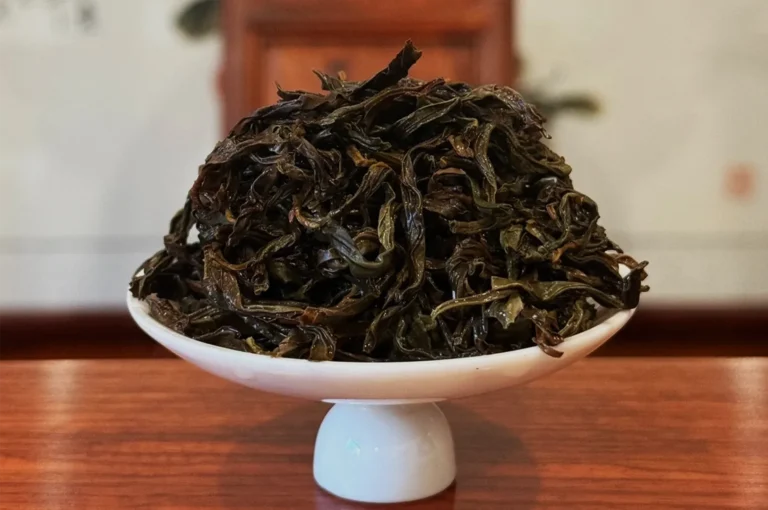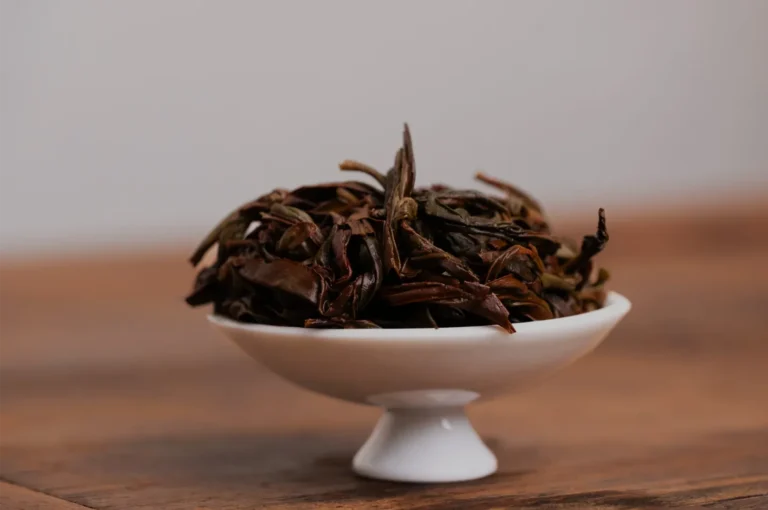
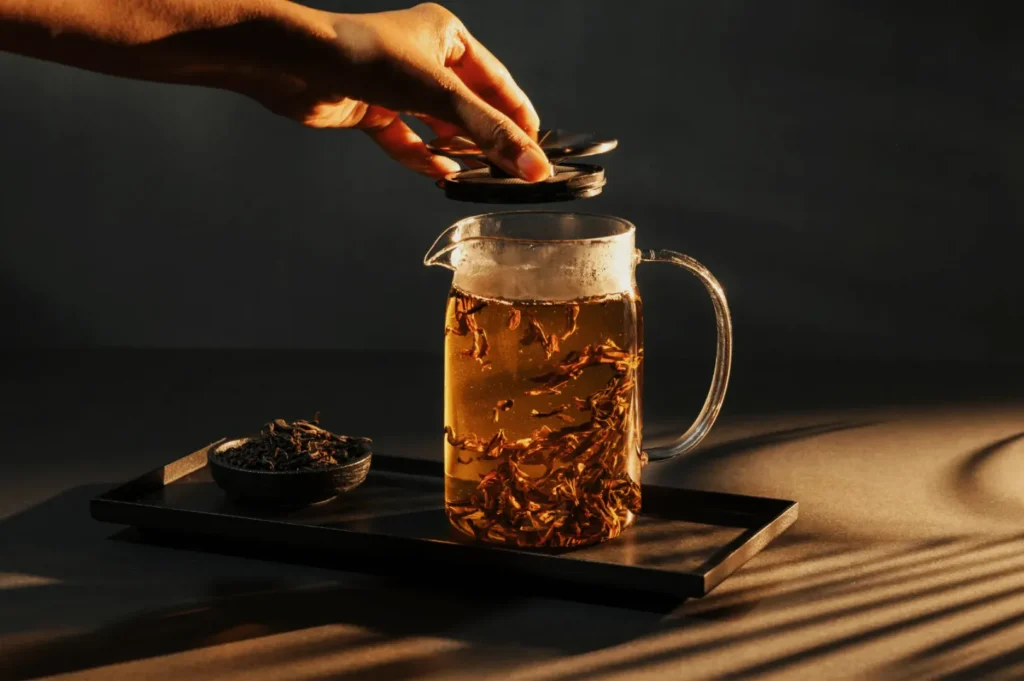
Phoenix Dan Cong tea is often remembered by fragrance first.
The cup may suggest honey, orchid, fruit, gardenia, almond, ginger flower, or something bright and tropical. This is why drinkers sometimes describe it as perfume-like. But that word needs care.
Good Phoenix Dan Cong should not taste like perfume. It should taste like tea whose fragrance has been allowed to become unusually expressive.
Phoenix Dan Cong tea taste is not only about aroma. It is also about texture, bitterness, sweetness, and finish.
For readers who want the wider foundation, we have written a complete Phoenix Dan Cong tea guide. This article stays with the cup: what Phoenix Dan Cong tastes like, and how to read it without rushing.
The First Impression: Aroma
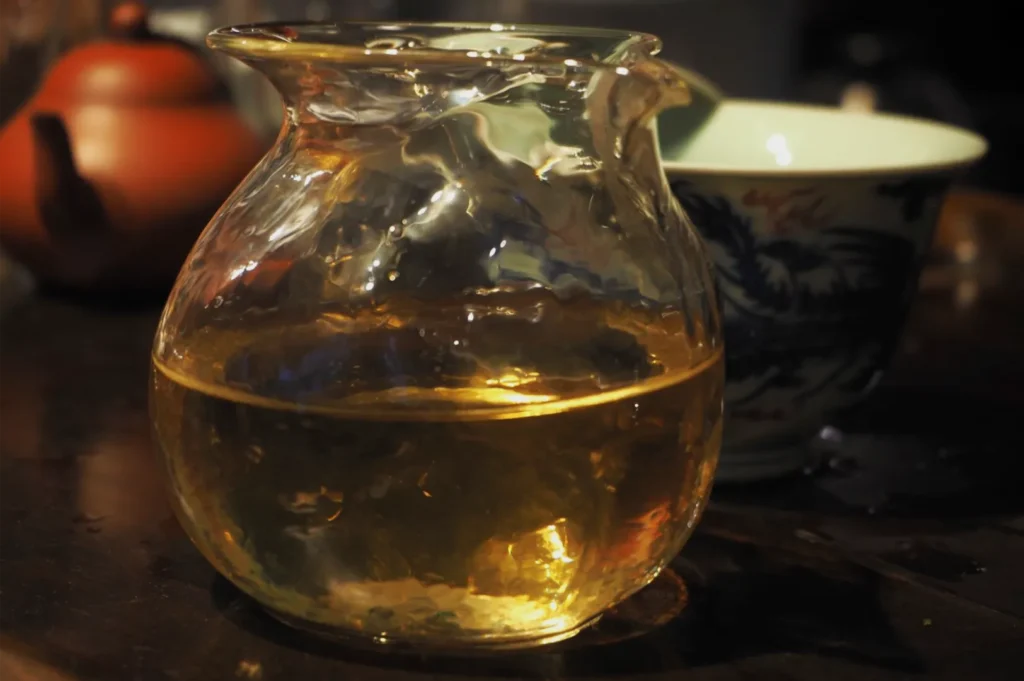
Phoenix Dan Cong often begins in the nose.
Before the first sip, the fragrance may rise from the cup clearly. Mi Lan Xiang can suggest honey and orchid. Huang Zhi Xiang can suggest gardenia. Ya Shi Xiang may feel floral, creamy, or surprising depending on the tea.
A Scientific Reports study on aromatic components in Phoenix Dan Cong tea explains that different aromatic components give different tea flavours, and that aroma types are central to Phoenix Dan Cong classification.
This helps explain why the tea can feel so specific.
The aroma is not decoration. It is part of the tea’s identity.
Honey and Fruit Notes
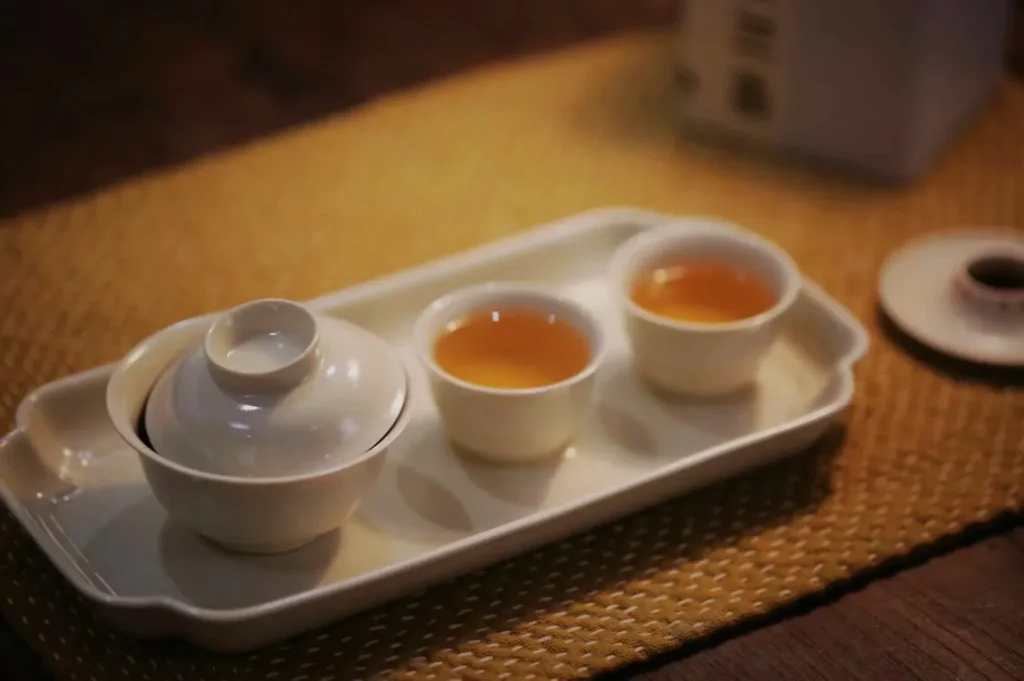
Many Phoenix Dan Cong teas carry honeyed or fruity notes.
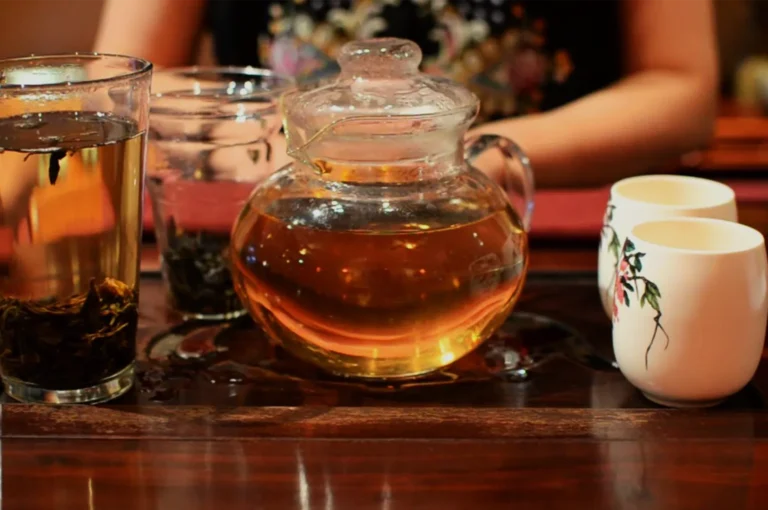
These may feel like lychee, peach, tropical fruit, citrus peel, or soft nectar. The sweetness is usually not sugary. It is more like a memory of sweetness after swallowing.
A ScienceDirect study on floral honey-like cup aroma in Fenghuang Dancong oolong tea found strong nectar, ginger-like, and floral impressions in the cup aroma, while the tea infusion showed tropical fruit, sweet, and floral notes.
That distinction matters. The empty cup can smell different from the tea liquor itself.
Phoenix Dan Cong often continues speaking after the sip is gone.
Orchid and Floral Notes
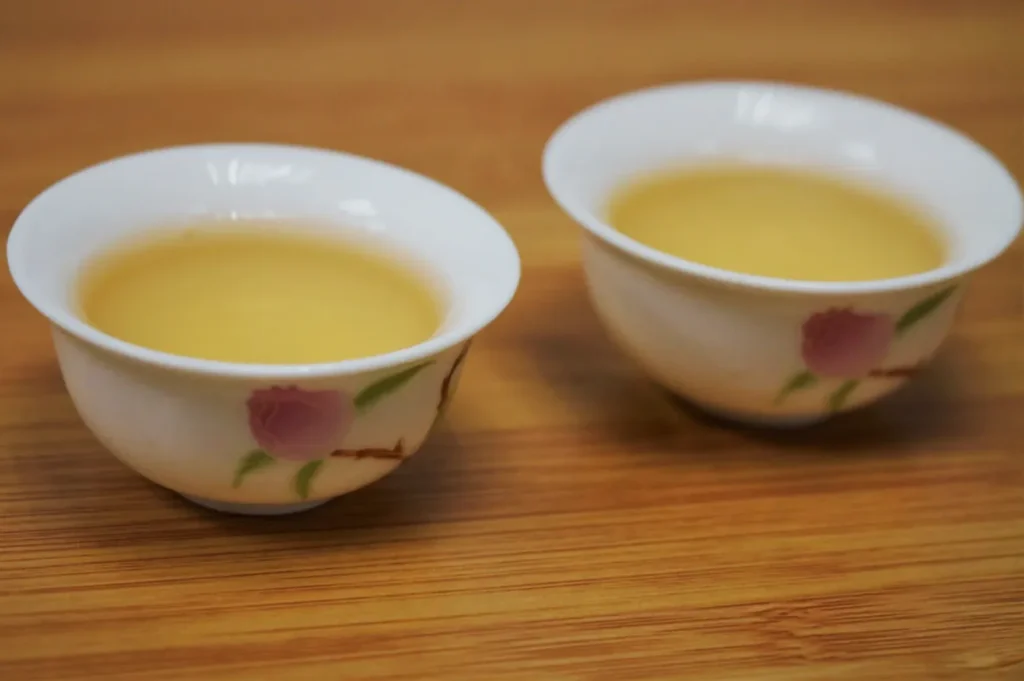
Floral notes are another major part of Phoenix Dan Cong.
Some cups feel like orchid. Others suggest gardenia, magnolia, jasmine-like sweetness, or ginger flower. These notes should feel natural and integrated.
If the aroma feels artificial, it loses the elegance that makes Dan Cong compelling.
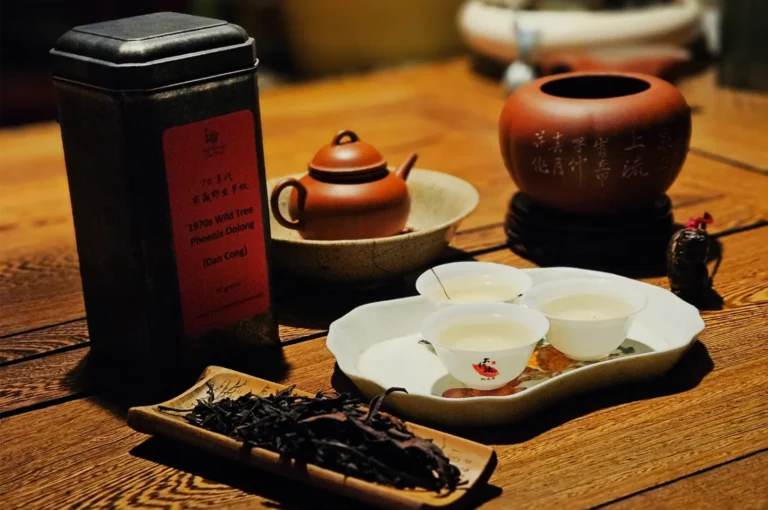
At Tea Room by Ki-setsu, we see aroma as something to approach patiently. A tea does not become better just because its fragrance is loud. It becomes better when aroma, body, and finish move together.
Bitterness and Structure
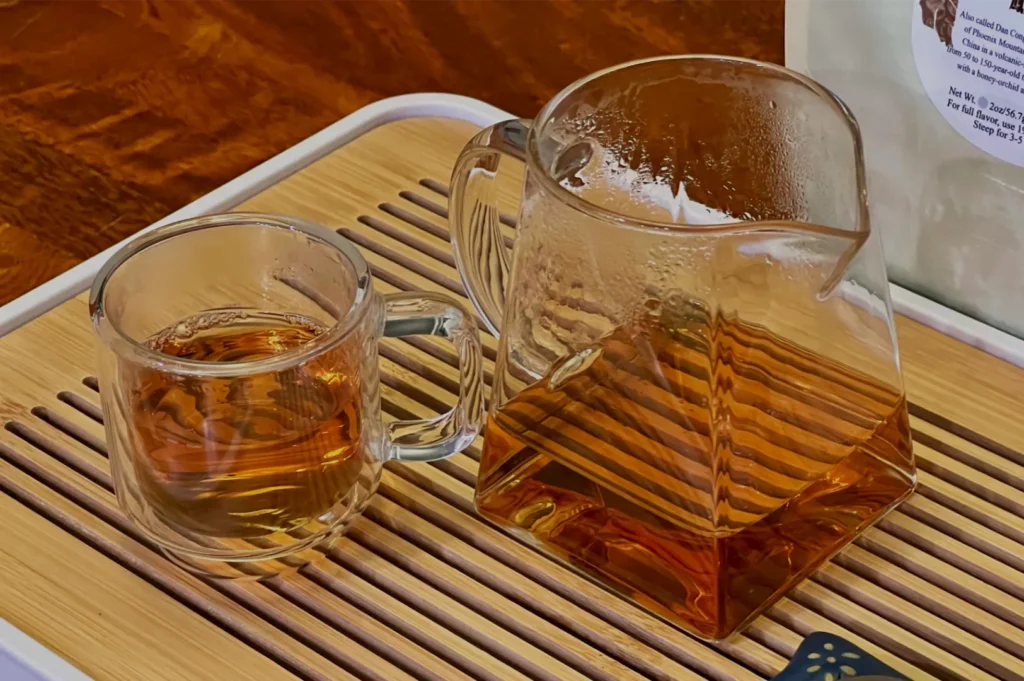
Phoenix Dan Cong can become bitter.
This is not always a flaw. A slight bitterness can give structure and make the returning sweetness more satisfying. But harsh bitterness usually means the tea was oversteeped, brewed with too much leaf, or handled with water that was too aggressive for the moment.
Unlike softer oolongs, Dan Cong may punish careless brewing quickly.
This is why short infusions are useful. They let the aroma appear without pulling too much sharpness from the leaf.
Texture and Finish
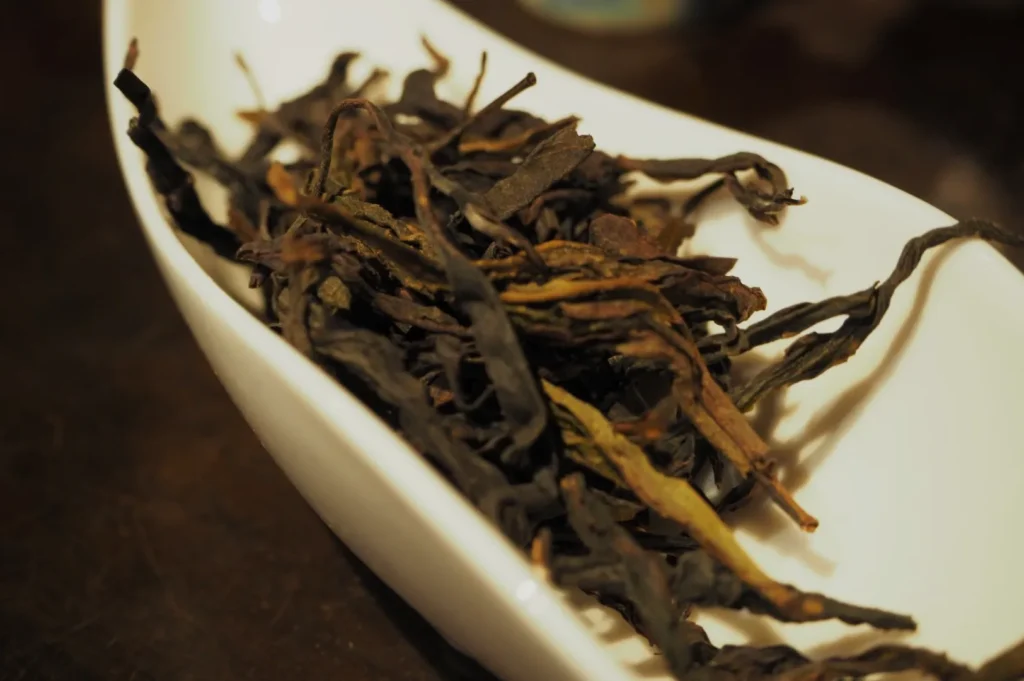
The texture of Phoenix Dan Cong can range from light and bright to firm and mineral.
Some versions feel thin if brewed too lightly. Others feel structured and gripping. The finish may be long, aromatic, and slightly cooling. A good cup should leave something behind: sweetness, fragrance, or a clean sense of lift.
A comparative study of Fenghuang Dancong, Tieguanyin, and Dahongpao notes that these famous oolongs have unique aroma profiles and can be differentiated by volatile components. In the cup, that means Phoenix Dan Cong should not taste like generic oolong.
It should have its own direction.
How to Taste Phoenix Dan Cong Clearly
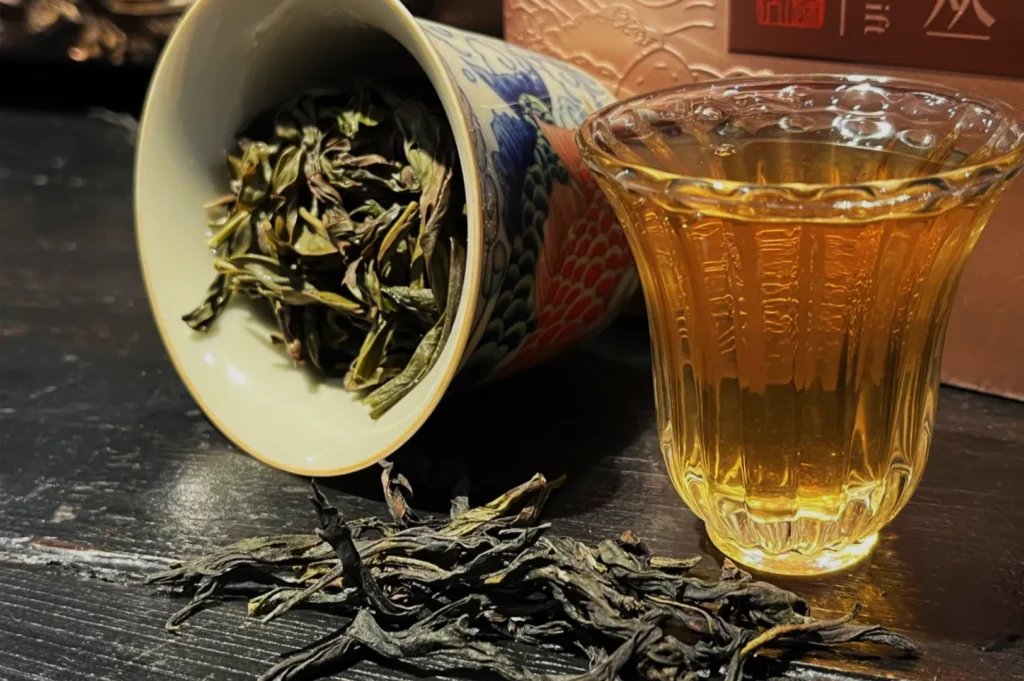
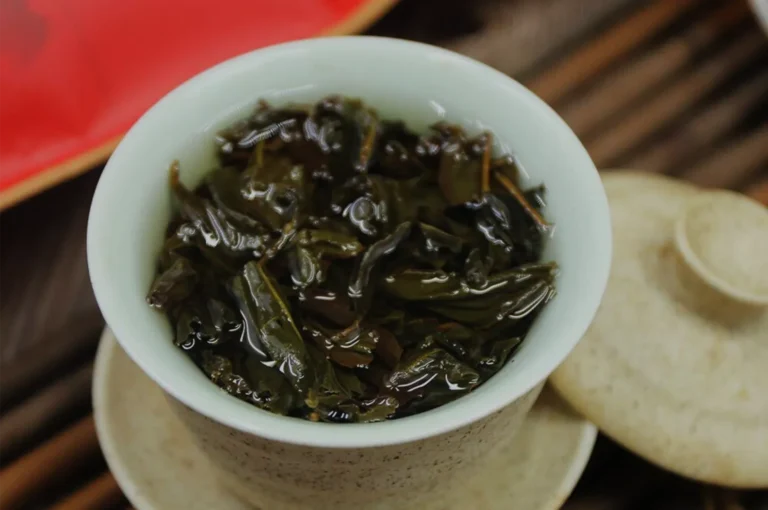
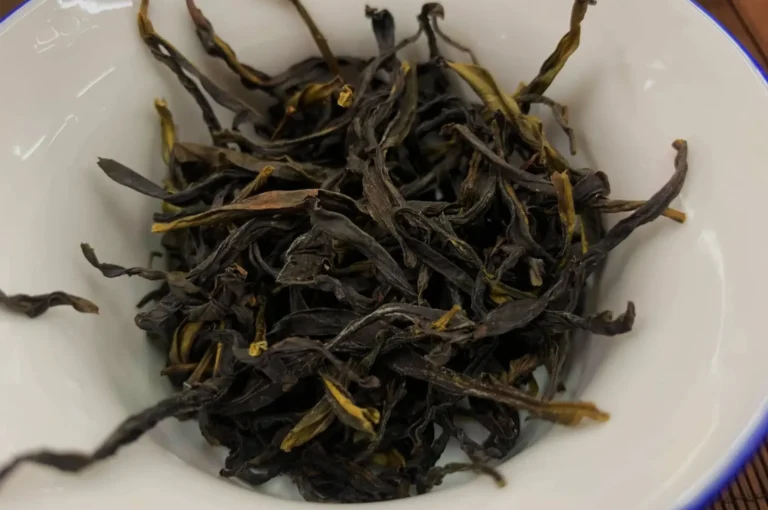
Begin with the dry leaf. Smell it before brewing.
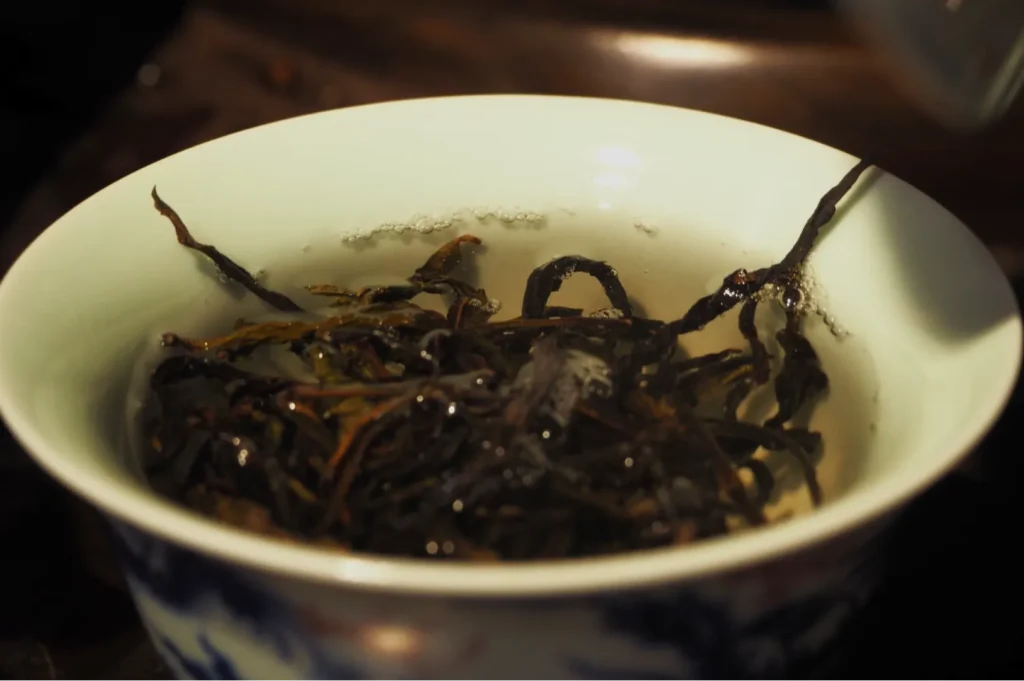
Then smell the wet leaf after the first infusion. This is often where the aroma becomes more honest.
Sip slowly. Notice whether the cup is honeyed, floral, fruity, mineral, sharp, smooth, or lingering. Then wait before the next cup. The finish may tell you more than the first sip.
The best way to taste Phoenix Dan Cong is to give the aftertaste enough time to arrive.
Final Thought
Phoenix Dan Cong tea taste can be honeyed, floral, fruity, mineral, bright, or gently bitter.
But its beauty is not only in the notes. It is in the movement between them: aroma first, structure next, finish after.
For those who enjoy aromatic Chinese tea, Phoenix Dan Cong can feel vivid and memorable. It asks for care, but it gives a great deal back when brewed with attention.