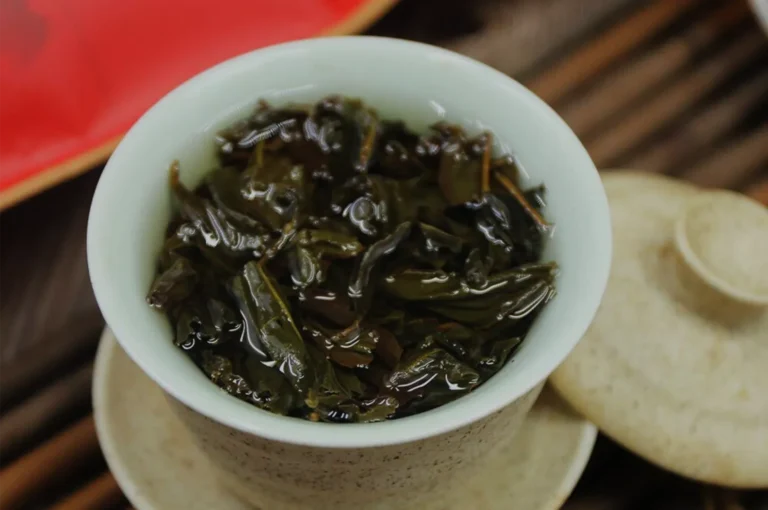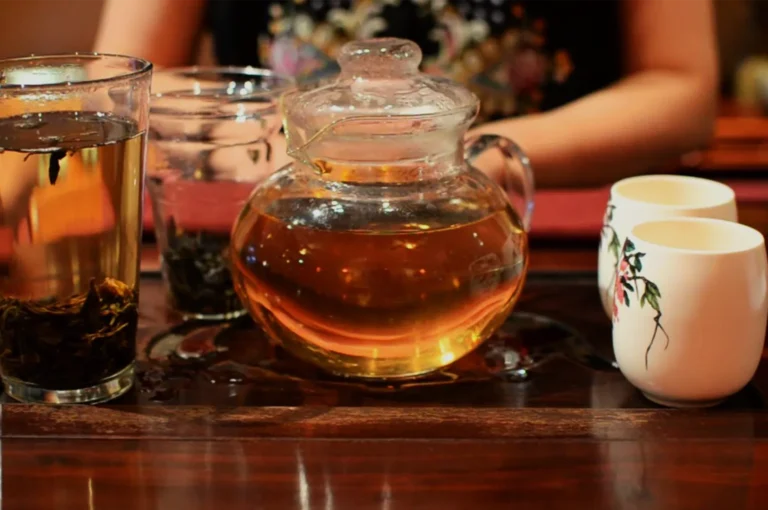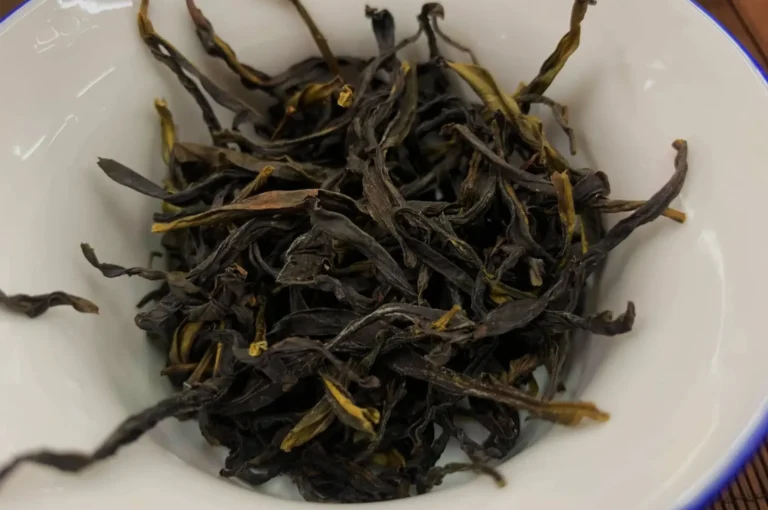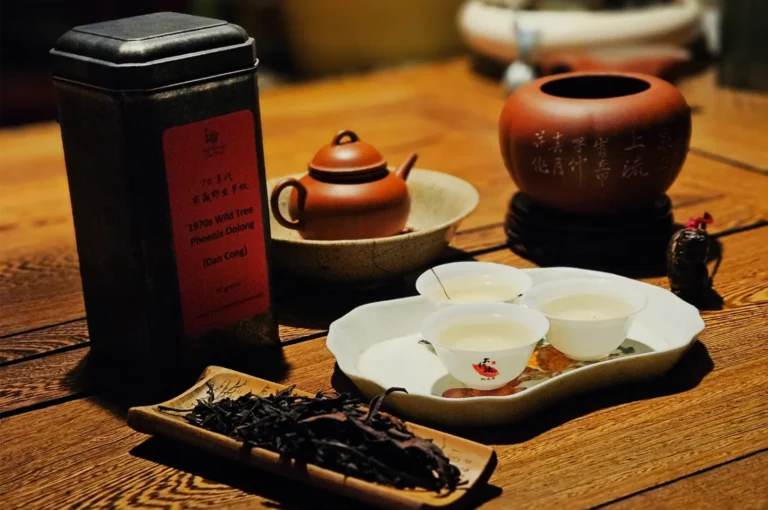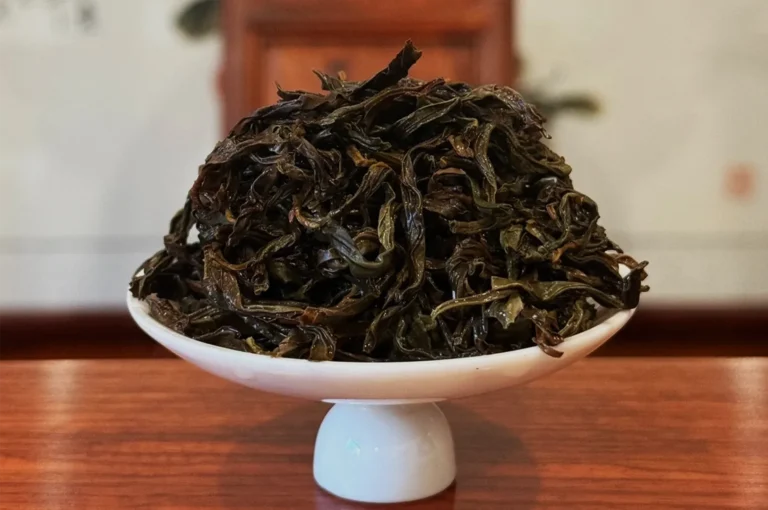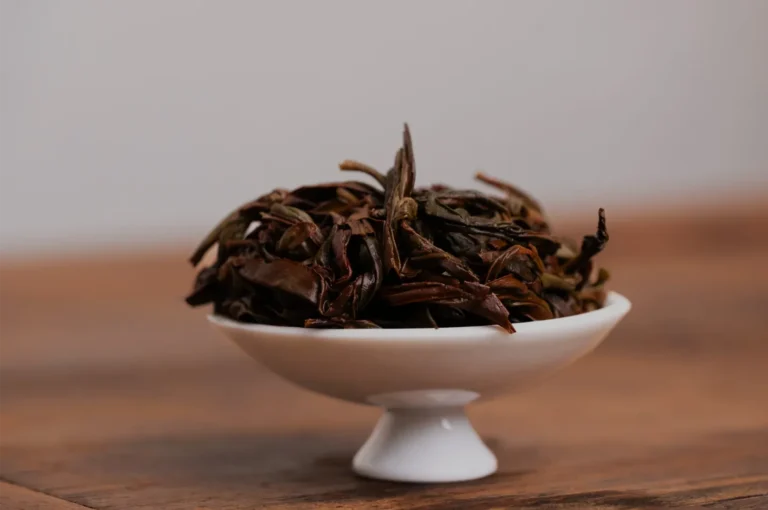
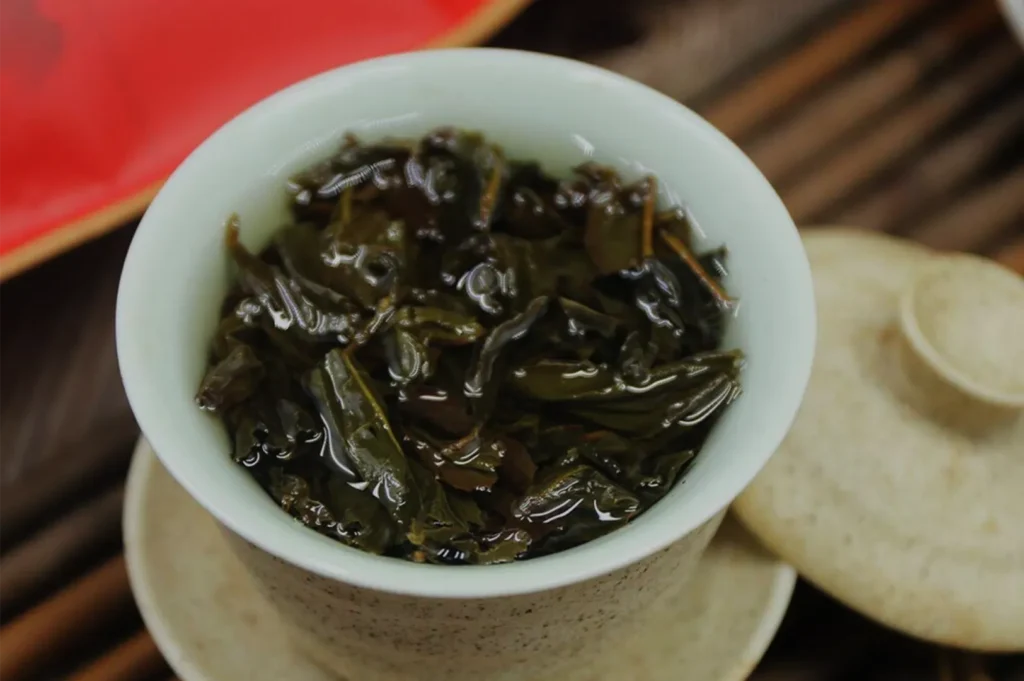
Phoenix Dan Cong and Tie Guan Yin are both famous Chinese oolongs.
That is almost where the similarity stops being useful.
Tie Guan Yin can feel soft, floral, creamy, and composed. Phoenix Dan Cong can feel honeyed, vivid, fruity, sharply aromatic, and sometimes more demanding in the cup.
Both can be fragrant. But they carry fragrance differently.
Tie Guan Yin often welcomes. Phoenix Dan Cong often announces itself.
For the broader Dan Cong foundation, see our main Phoenix Dan Cong tea guide for oolong drinkers. Readers who want to go deeper into Iron Goddess oolong can also visit our Tie Guan Yin tea guide.
They Come From Different Tea Traditions
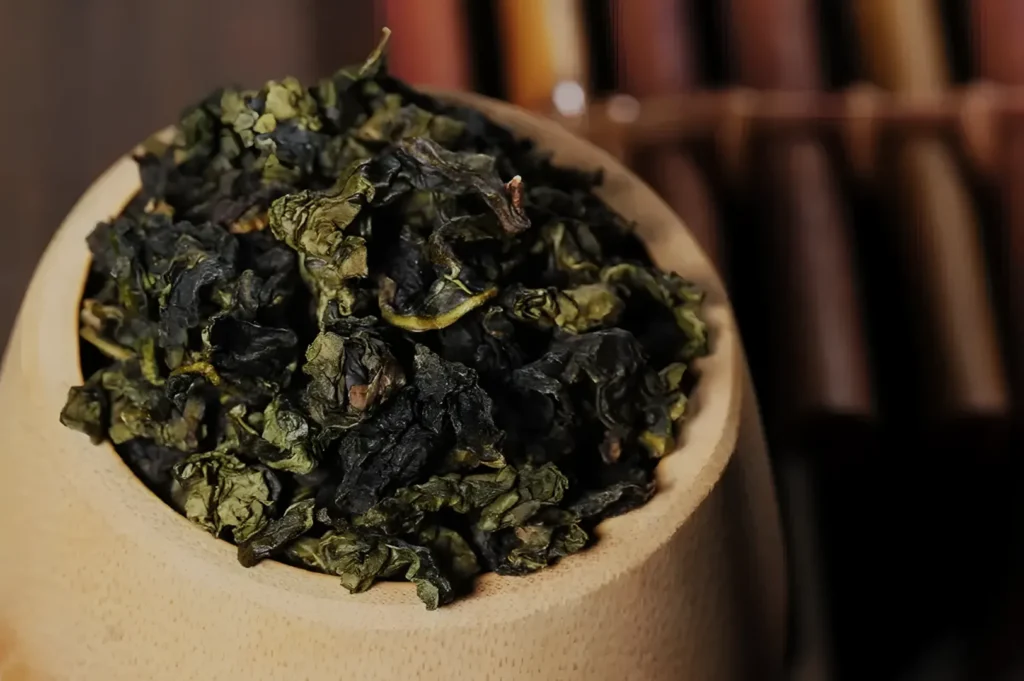
Phoenix Dan Cong is associated with Fenghuang Mountain in Chaozhou, Guangdong.
China’s National Intellectual Property Administration describes Fenghuang Dancong as an oolong originating in the Fenghuang Mountains of Chaozhou, with a natural floral aroma, golden-brown liquor, and a sweet, refreshing finish.
Tie Guan Yin is traditionally associated with Anxi in Fujian.
The Fujian Provincial People’s Government notes that the traditional processing technique for Tieguanyin is centred in Anxi County and recognised as national-level intangible cultural heritage.
Place is not decoration here. It is part of the tea’s character.
Aroma: Expressive vs Composed
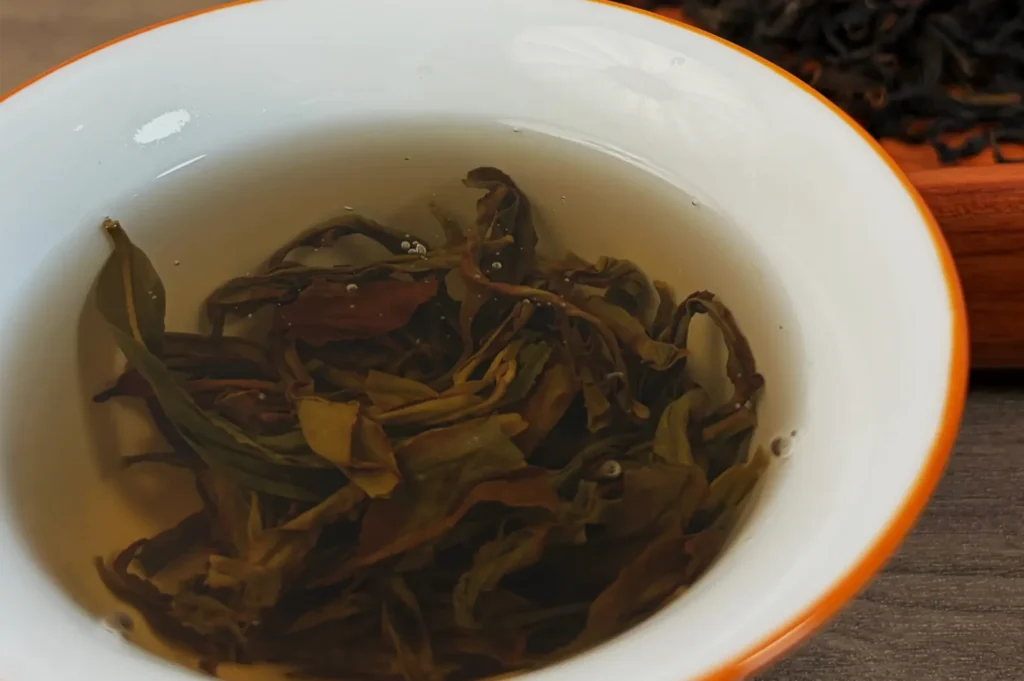
Phoenix Dan Cong is famous for fragrance categories.
Mi Lan Xiang may suggest honey and orchid. Huang Zhi Xiang can feel gardenia-like. Other expressions move toward fruit, flowers, spice, or nuts.
Tie Guan Yin also has a strong floral identity, especially in lighter modern styles. But it often feels more contained. Orchid, cream, fresh leaves, and gentle sweetness may sit together without the same aromatic intensity.
A comparative study analysing Fenghuang Dancong and Tieguanyin found clear differences in their volatile aroma profiles, even though both belong to the oolong family.
Both teas can be floral, but Phoenix Dan Cong tends to make fragrance the headline.
Texture: Grip vs Softness
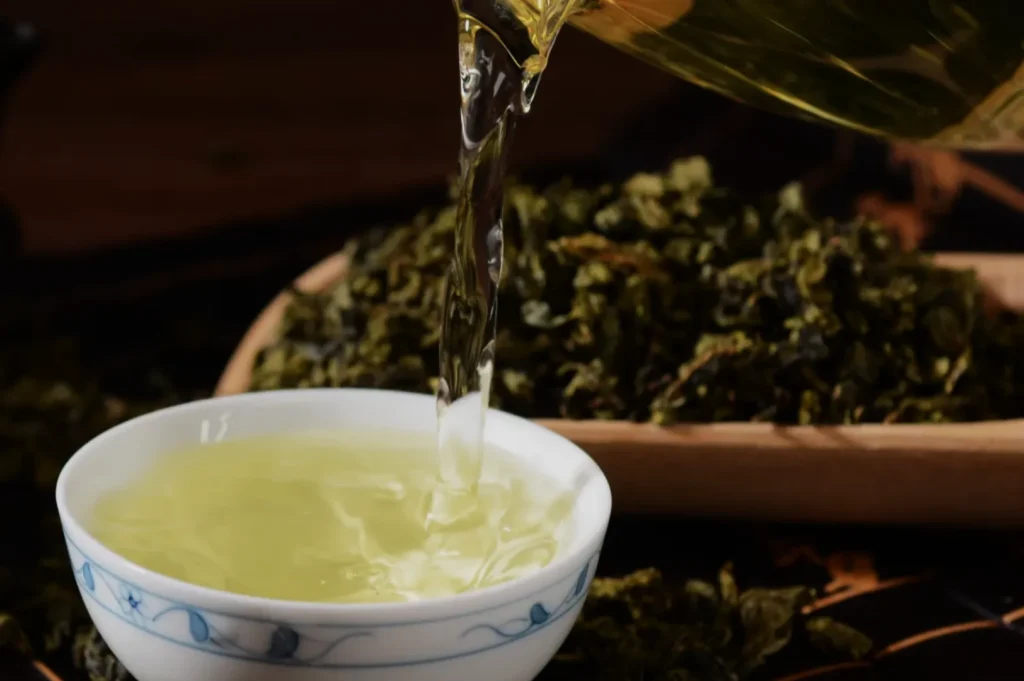
Phoenix Dan Cong often has more grip.
A little bitterness or astringency can give the cup structure. When brewed well, this tension is balanced by returning sweetness and a long aromatic finish.
Tie Guan Yin, particularly lighter styles, often feels smoother and rounder. Creaminess is a common impression. Traditional roasted Tie Guan Yin may become warmer and more grounded, but it usually remains less sharp than an assertive Dan Cong.
This difference is useful for beginners.
If you want fragrance with softness, Tie Guan Yin may be easier.
If you want fragrance with more tension and movement, Phoenix Dan Cong may be more exciting.
Brewing: One Is Usually More Forgiving
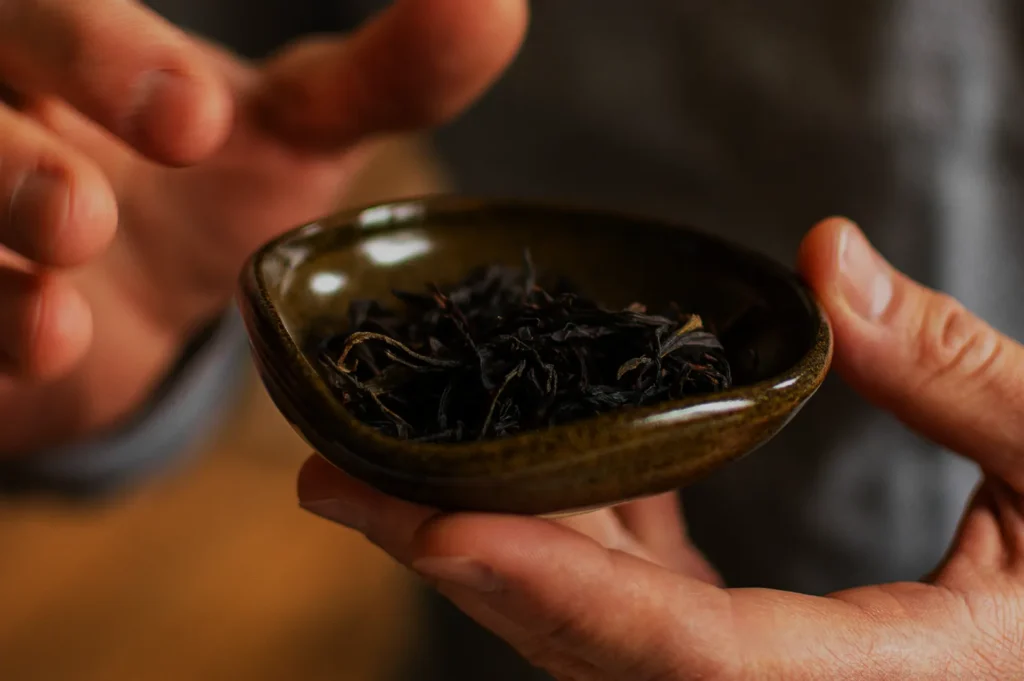
Tie Guan Yin is often easier to brew.
This does not mean it cannot be oversteeped. It can. But Phoenix Dan Cong tends to reveal brewing mistakes more quickly.
Leave Dan Cong too long and bitterness can take over. Use too much leaf without controlling time and the fragrance may become buried beneath intensity.
Tie Guan Yin generally gives the beginner a little more space.
At Tea Room by Ki-setsu, we think comparison is one of the most useful ways to understand Chinese tea. A private tasting does not need to prove which tea is superior. It helps the drinker understand why two teas from the same broad family can feel so different.
Which One Is Better for Beginners?
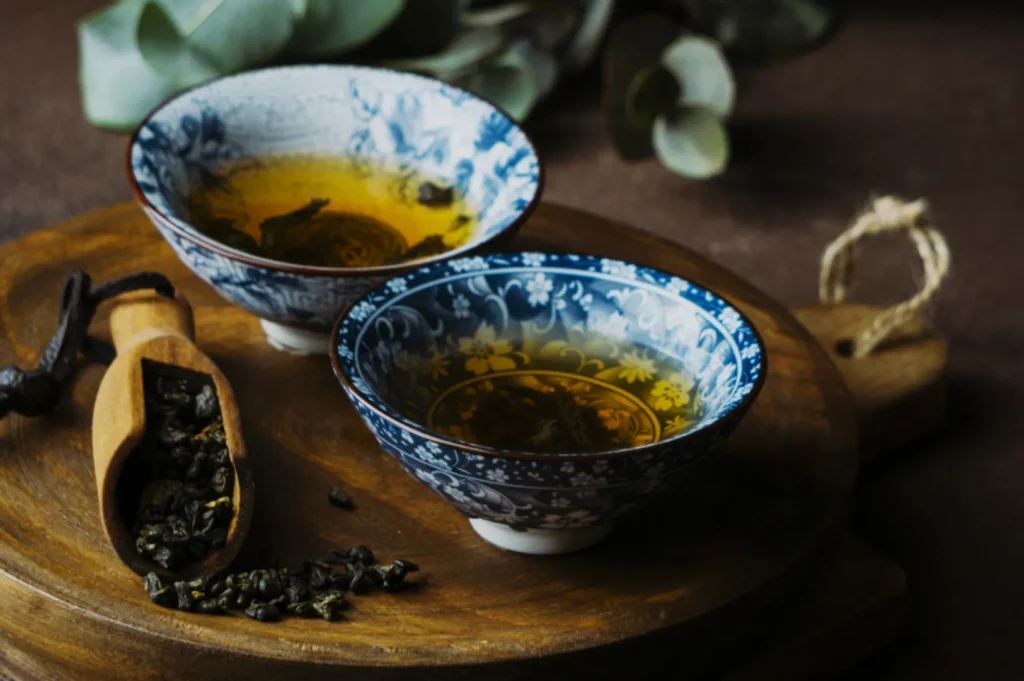
Tie Guan Yin is often the gentler starting point.
Its floral aroma is clear, its texture can be smooth, and lighter versions are easy to read without too much experience.
Phoenix Dan Cong suits beginners who enjoy fragrance strongly enough to accept a little more challenge. Mi Lan Xiang can be a welcoming place to start because its honeyed floral profile is relatively easy to recognise.
The right choice depends on the palate.
Choose Tie Guan Yin if you enjoy orchid, creaminess, softness, or gentle roast.
Choose Phoenix Dan Cong if you enjoy honey, flowers, fruit, aromatic intensity, and a longer, more structured finish.
The better tea is not the more famous one. It is the one that gives your palate something useful to notice.
Final Thought
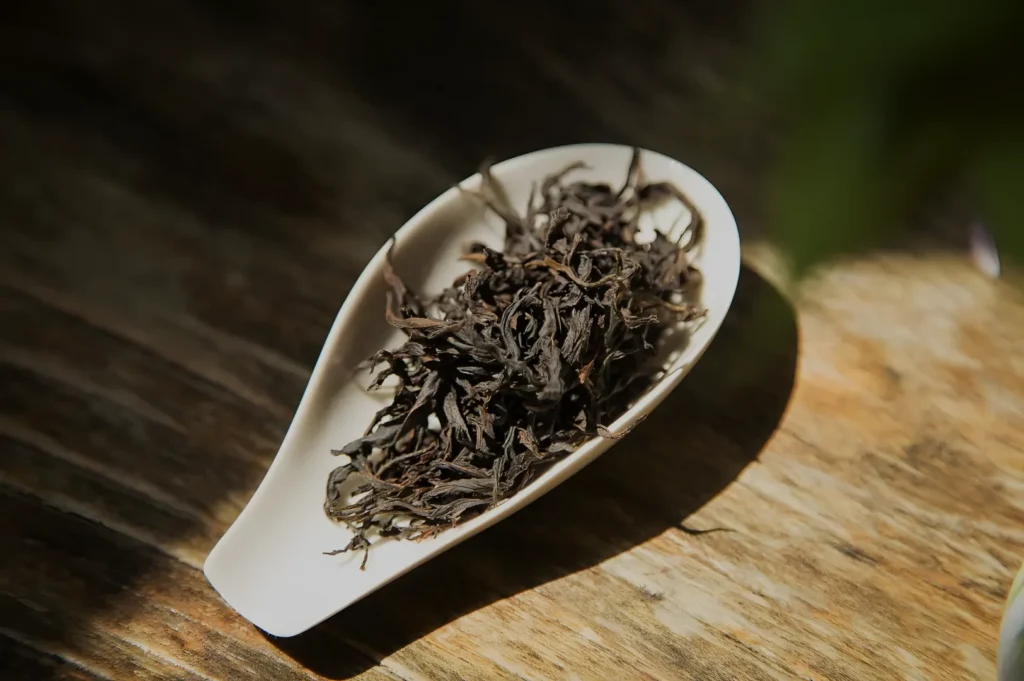
Phoenix Dan Cong vs Tie Guan Yin is not a question of which oolong wins.
Tie Guan Yin tends toward composure. Phoenix Dan Cong tends toward expression. One can feel soft and inviting. The other can feel vivid and demanding.
Both show why oolong tea resists simple definitions.
For anyone looking to understand premium Chinese tea in Singapore, tasting contrasting styles is often more valuable than memorising categories. The difference becomes clearer when aroma, texture, and finish are experienced rather than merely described.