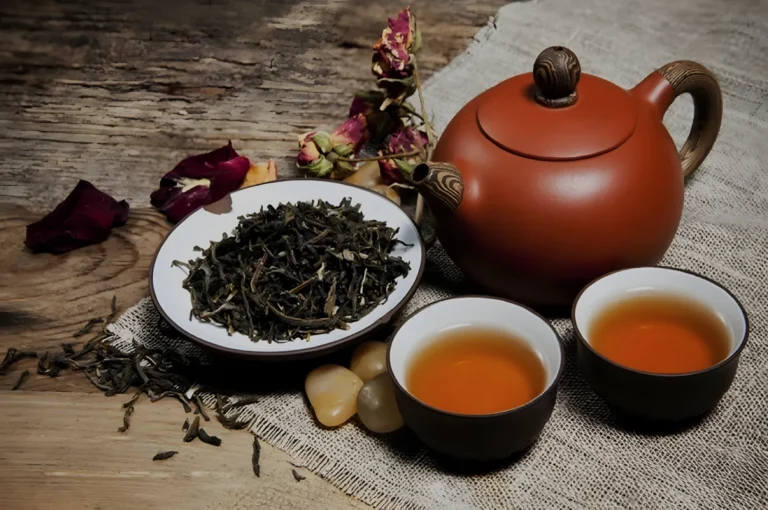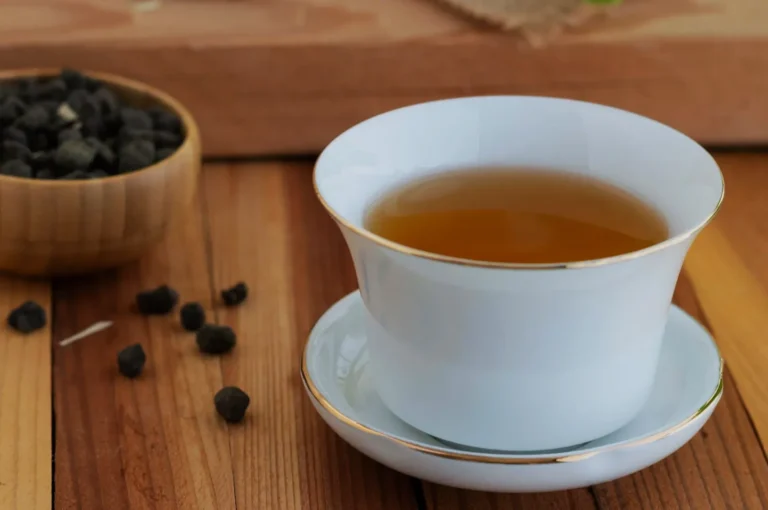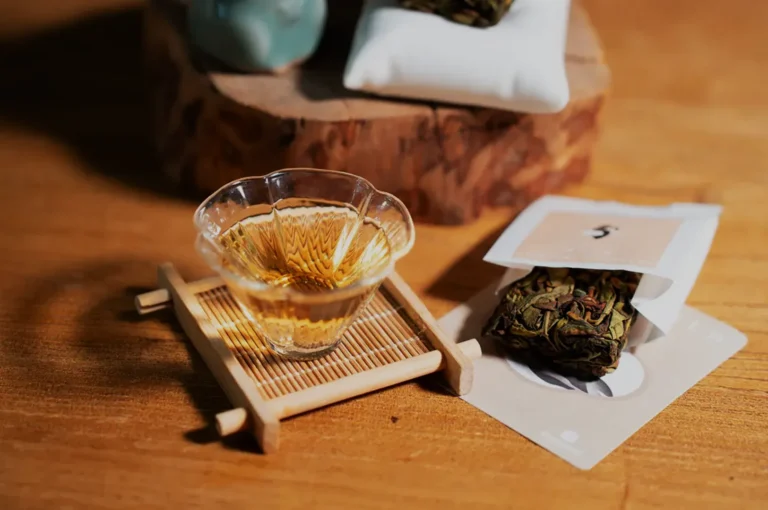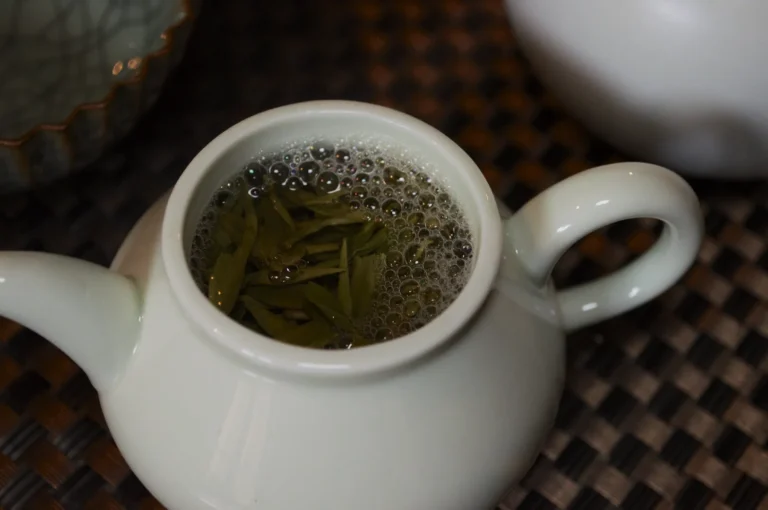
Temperature is often treated as a technical detail.
We speak about leaves, vessels, sweetness, texture, finish. We talk about what to serve with tea, and sometimes how to brew it. Yet the temperature of the tea itself can change a pairing before flavour has fully entered the conversation. The same tea, poured warm, slightly cooled, or chilled, can seem softer, brighter, quieter, or more severe. A fruit that felt elegant beside one version may flatten another. A pastry that seemed perfectly matched may suddenly feel too heavy once the cup has cooled.
At Tea Room by Ki-setsu, we think temperature is one of the most overlooked dimensions of tea pairing. It is not a background condition. It is part of the experience.
For a wider foundation on balance, flavour and structure, begin with our guide. Here, we stay with something subtler: how the temperature of the tea itself reshapes the table around it.
Why Temperature Alters Tea More Than Most People Realise
Warm tea carries itself differently from cool tea.
Aroma rises more easily with heat. Sweetness often feels rounder. Roasted notes may seem deeper and more comforting. As the tea cools, certain edges become clearer. Acidity in the food may appear sharper. Bitterness in the tea may seem more exposed. The finish can either lengthen into quiet precision or collapse into something flatter, depending on the leaf and what is being served beside it.
This is why the best tea temperature for food pairing is never simply a brewing matter. It is also a serving matter. A tea that works beautifully with a pastry while warm may feel too lean once it cools. A fruit pairing that seemed slightly muted at first may become more articulate a few minutes later. Temperature does not only affect the tea. It affects the relationship between the tea and everything around it.
Five Temperature Principles and What They Do at the Table
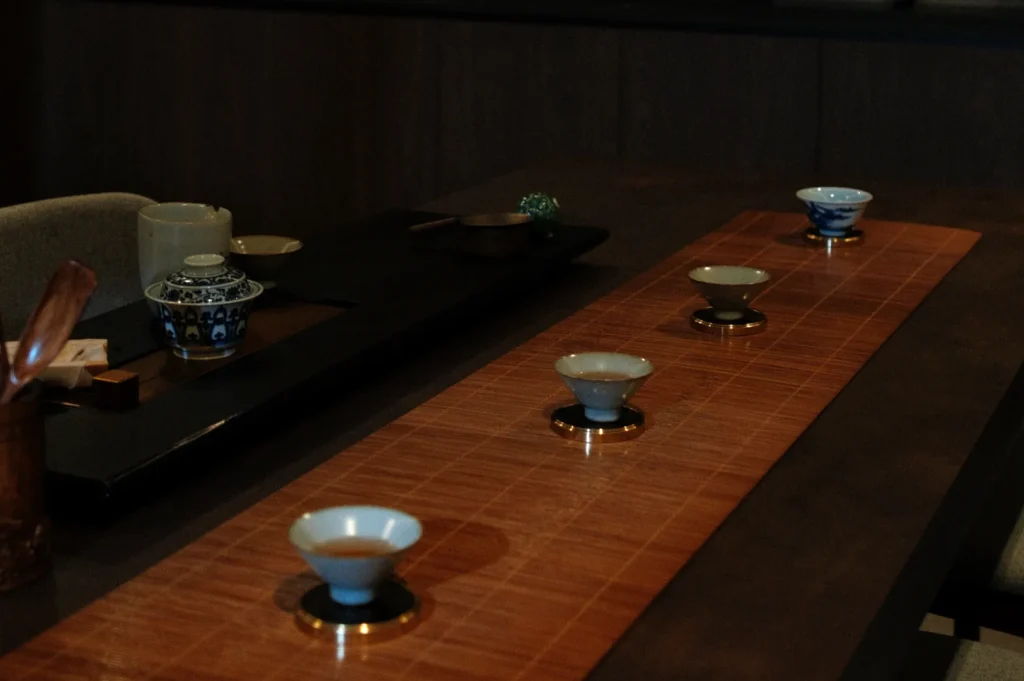
Warm Tea: Best for Richer Pastries and Gentle Savouries
Warm tea is often the most forgiving.
It tends to carry aroma generously and gives the cup a rounded, more embracing feel. This is one reason warm tea suits buttery pastries, soft buns, and gentler savouries so well. The warmth helps the tea meet richness without becoming severe. It moves through starch and mild fat with enough body to keep the palate from feeling dulled.
This does not mean all warm tea pairings succeed automatically. A tea can still be too delicate for a heavy pastry, or too forceful for a soft savoury bite. But warmth often creates a little more space for harmony. The cup feels fuller, and the table can tolerate slightly more richness before the tea begins to disappear.
At Tea Room by Ki-setsu, we often find that warm tea works best when the food asks for softness rather than contrast. A steamed bun, a quiet savoury pastry, or a lightly sweet bean confection often becomes more coherent beside a tea that is still carrying its heat.
Slightly Cooled Tea: Where Fruit Pairings Become Clearer
There is a brief and beautiful moment when tea is no longer hot, but not yet cold.
This stage is often overlooked because many drinkers think of tea only in two states: freshly poured or no longer ideal. In practice, slightly cooled tea can reveal a different kind of precision. Floral notes may appear more clearly. A greener tea may feel less veiled by warmth. The outline of the cup becomes more visible, and with that clarity, certain fruit pairings begin to make more sense.
This is why pear, melon, or other softer fruits often work better when the tea has cooled a little. The fruit no longer has to compete with rising steam. The tea no longer relies on warmth alone. Instead, both can meet in a more transparent register. Slight cooling can turn a pairing from merely pleasant into genuinely articulate.
Not every tea benefits in the same way. Some teas need warmth to remain generous. But with fresher, lighter teas, this middle temperature can be especially revealing.
Chilled Tea: Refreshing, But Not Universally Helpful
Chilled tea promises clarity, but often at a cost.
Cooling a tea fully can make it feel refreshing, especially with very light fruit or in warmer weather. It may suit a clean summer table and certain simpler foods where freshness matters more than aromatic depth. Yet chilled tea also loses something. Aroma becomes quieter. Body can seem narrower. A tea that felt textured and expressive while warm may become more one-dimensional once cold.
This is why chilled tea pairing is situational rather than universally elegant. It can work beautifully with restrained fruit, a quiet afternoon setting, or a palate that wants lightness above all else. But it often struggles with richer pastries, creamy foods, or nuanced teas that depend on warmth to show their full character.
At Tea Room by Ki-setsu, we think chilled tea is most convincing when the setting itself calls for coolness and ease. It is less compelling when used automatically, as though refreshment alone were enough. A chilled tea may feel bright, but brightness is not always the same as depth.
Room-Temperature Tea: Quiet, Revealing, and Often Overlooked
Room-temperature tea is perhaps the most honest.
Without heat to soften the cup or chill to sharpen it, the tea stands more plainly in its own structure. Sweetness, bitterness, texture, and finish become easier to judge. This is why room-temperature tasting can be so useful in careful tea appreciation. It does not flatter the tea. It reveals it.
Paired well, room-temperature tea can be unexpectedly beautiful. It often suits simpler foods that do not crowd the palate with strong aroma or heavy texture. A plain biscuit, a gentle nut, a calm fruit slice, these may allow the tea to speak with a kind of quiet directness that is hard to find when the cup is hotter.
This is also where some pairings fail most clearly. A tea that needed warmth to remain generous may now feel too lean. A food that seemed modest may suddenly prove too salty or aromatic. But that honesty is part of the value. Room-temperature tea is not always the most comforting, but it is often the most revealing.
The Same Tea, Different Temperatures, Different Pairings
One tea can behave like several different companions depending on temperature.
Warm, it may feel rounded enough for pastry. Slightly cooled, it may become more precise beside fruit. Chilled, it may refresh the palate but lose some of its body. Near room temperature, it may reveal structure that was hidden before. This is what makes tea pairing by temperature such a useful lens. It reminds us that pairing is not fixed by ingredient alone. The condition of the tea changes the entire conversation.
A greener oolong may feel tender and fragrant when warm, then almost crystalline beside melon once slightly cooled. A black tea may hold a pastry beautifully while hot, then seem too direct after the cup has sat too long. Even the same bite can feel different as the tea changes. This is why time matters at the table. The pairing is not static. It moves.
A Simple Way to Test Tea Pairing by Temperature at Home
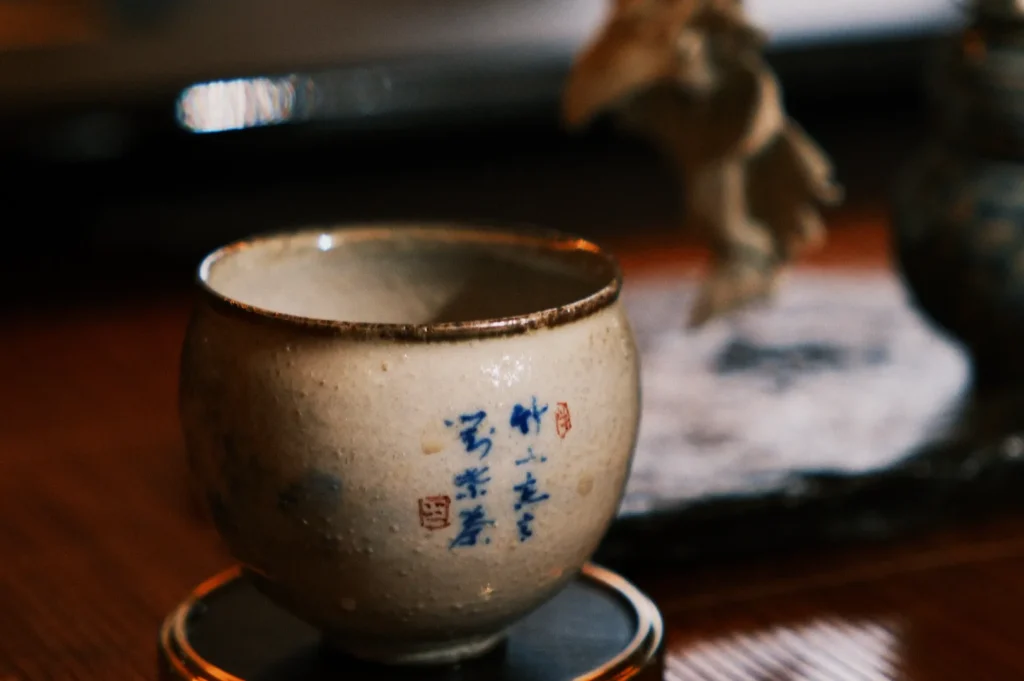
A useful way to explore this is to reduce the variables.
Choose one tea and one simple food. It might be a floral oolong and pear, or a warmer black tea and a plain butter biscuit. Taste the tea warm first. Notice the aroma, the softness, and how the food feels beside it. Then let the tea cool slightly and try again. Finally, if the tea still holds together, taste it nearer room temperature.
Ask yourself what changed.
Did the tea become clearer? Did the food become too loud? Did sweetness rise or did bitterness become more visible? The goal is not to prove that one temperature is always best. It is to see how the pairing shifts. Temperature does not only change the tea. It changes what the food allows the tea to become.
Common Temperature Mistakes
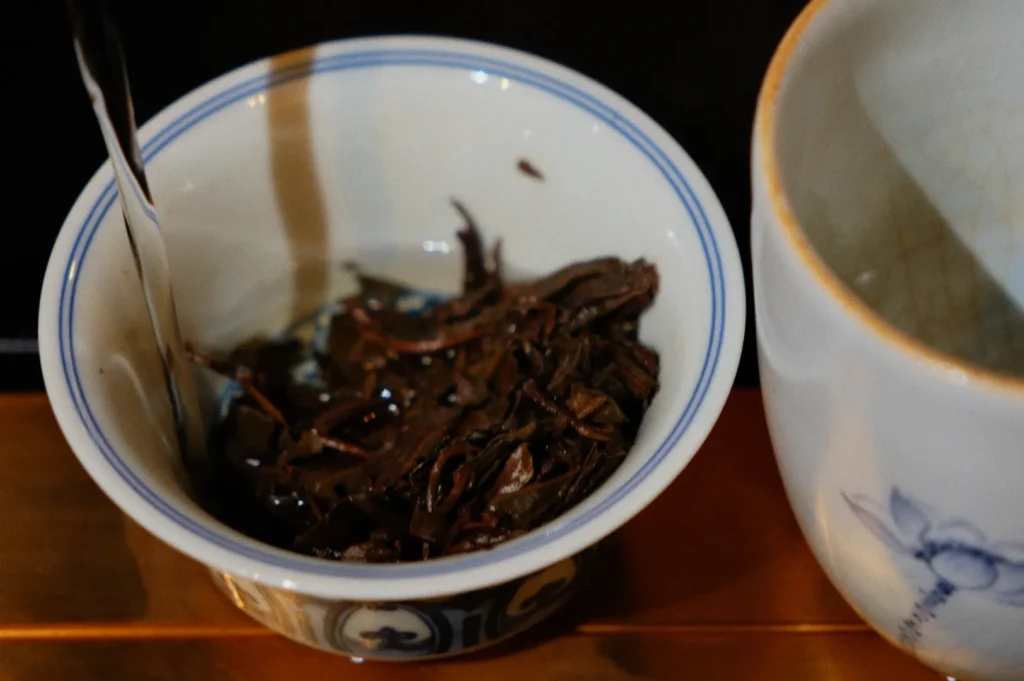
One common mistake is serving a delicate tea too cold and then wondering why its aroma has disappeared.
Another is pairing a rich pastry with tea that has cooled too far, leaving the food to dominate the mouth. Some people also assume chilled tea is always better with fruit because it feels more refreshing. In practice, the cold may simplify both the fruit and the tea too much. Others ignore what happens after five or ten minutes on the table, as if the pairing were fixed from the moment of the first pour.
Tea is changing constantly as it cools. A pairing should be judged with that movement in mind, not against a frozen expectation of how the tea “should” behave.
Temperature Is Part of the Pairing, Not Just the Service
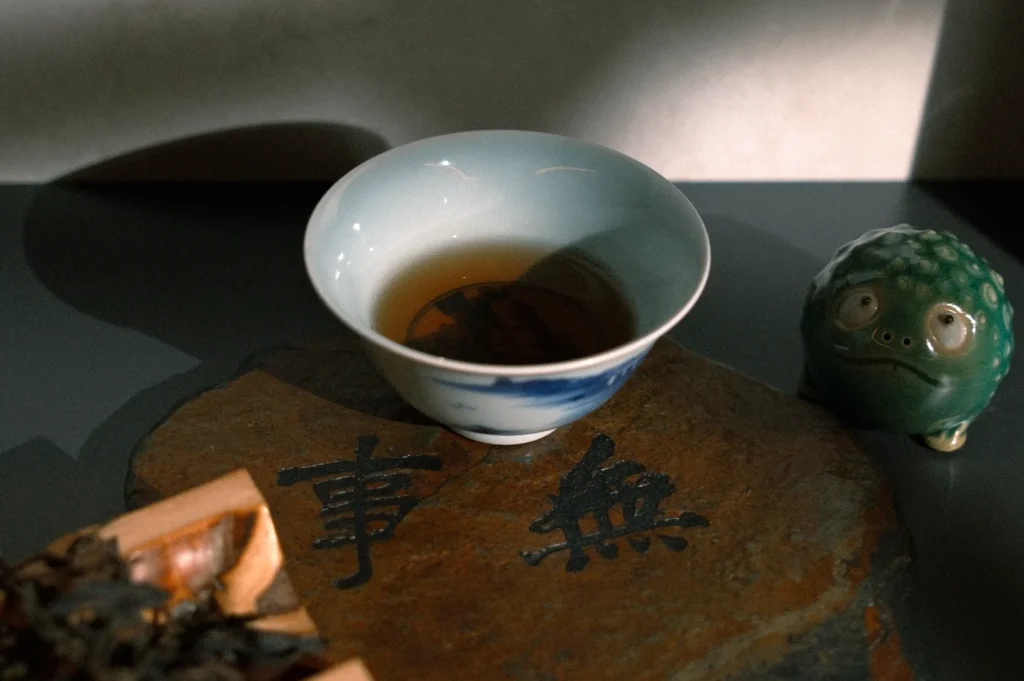
Tea does not pair through flavour alone.
It pairs through warmth, through cooling, through the way time reshapes sweetness, aroma, and finish. At Tea Room by Ki-setsu, we believe some of the most refined pairings emerge when you notice how the same tea behaves differently as it changes temperature. The table becomes more interesting when temperature is treated as part of the pairing itself, not merely the method of delivery.