Da Hong Pao is often described too quickly.
People call it roasted, mineral, floral, deep, or famous, and then stop there. Yet this tea is rarely memorable because it fits neatly into one adjective. It is memorable because it keeps moving. The first sip may feel warm and structured. The next may reveal orchid lift, darker wood, dry spice, or a mineral steadiness that settles low in the palate rather than rising brightly at once. Da Hong Pao is not a tea that gives itself away in a hurry.
At Tea Room by Ki-setsu, we think it becomes easier to understand once it is tasted with slower language. Not grander language, only more accurate language. For readers who want the wider foundation first, our full Da Hong Pao tea guide offers the broader cultural and historical frame. Here, the focus is narrower: what the tea actually tastes like in the cup, and why those sensations stay with you.
Roast Is Often the First Note, but It Should Not Be the Last
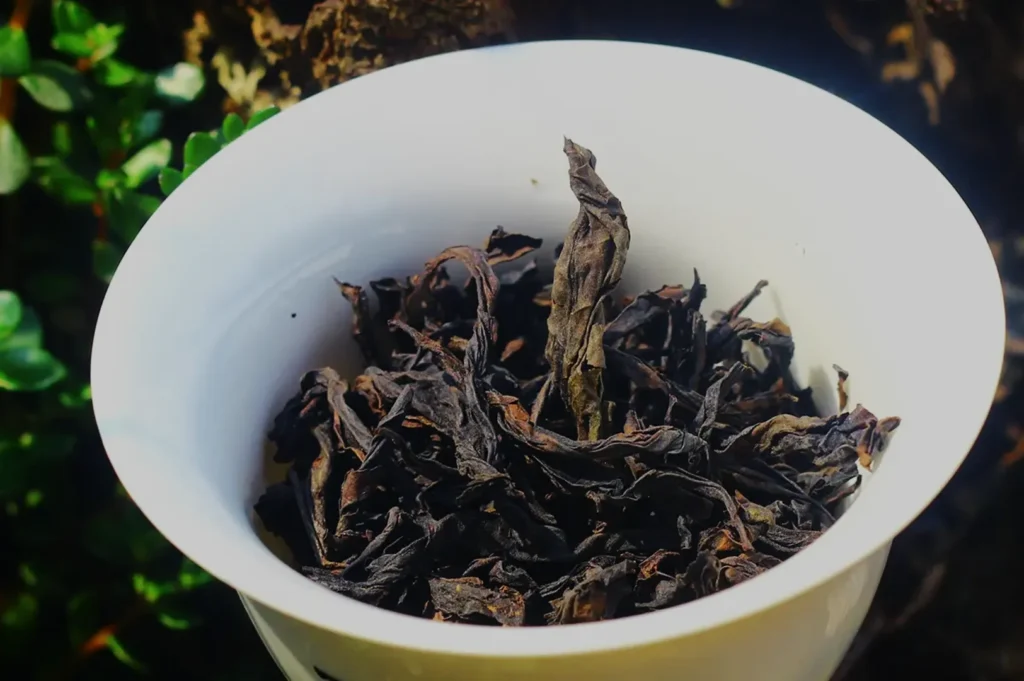
A good Da Hong Pao often announces itself through roast.
This is not the blunt smoke of something burnt. It is more settled than that. Think toasted wood, warm grain, dry spice, or the memory of charcoal rather than the force of fire itself. The roast gives the tea shape. It creates structure before the subtler notes begin to appear.
But if roast is all you can taste, the tea may be too simple, too aggressively handled, or too dependent on firing alone. A refined Da Hong Pao lets the roast settle into the leaf. It should feel integrated, not laid over the tea like a mask.
A convincing Da Hong Pao should feel roasted, but never reduced to roast.
Orchid Lift and Floral Restraint
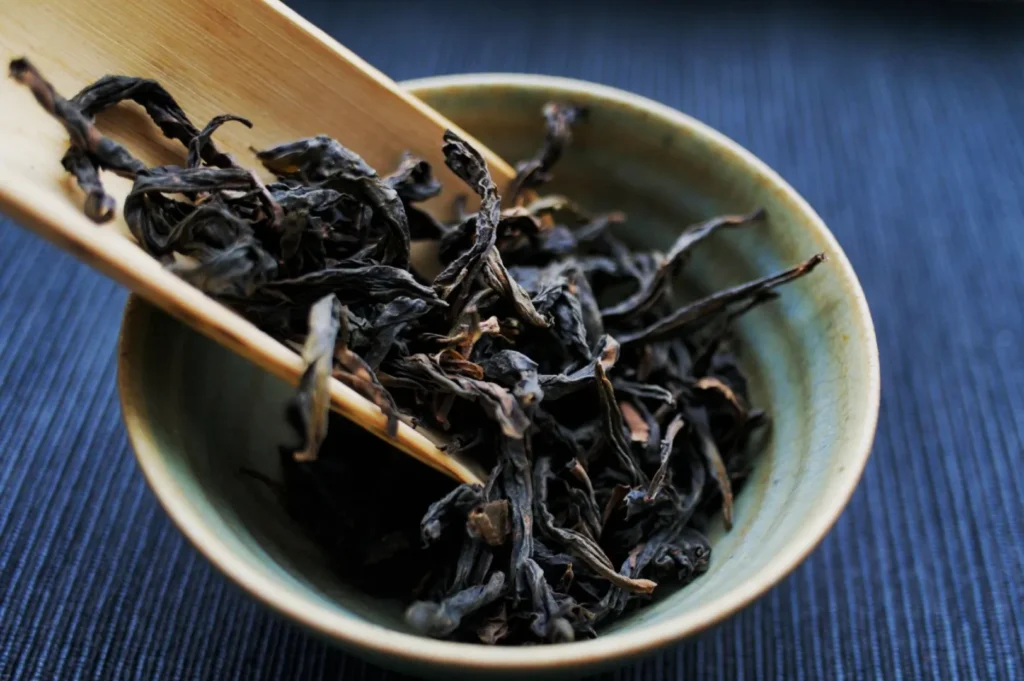
One of the quiet surprises of Da Hong Pao is that a tea so closely associated with rock, roast, and depth can still carry floral lift.
This floral quality is rarely loud. It is more restrained than in greener, more overtly perfumed oolongs. Orchid is often the closest comparison because the fragrance feels elegant, cool, and slightly rising against the tea’s warmer base. It does not make the tea light. It gives the tea air.
At Tea Room by Ki-setsu, we often find that this floral register is one of the clearest signs that the tea still has breath. Without it, the cup may feel too closed, too dark, or too one-directional. With it, the tea gains lift without losing its gravity.
The finest Da Hong Pao does not force the floral note forward. It lets it appear almost as relief. After warmth, after toast, after depth, something finer rises through. That contrast is part of the tea’s elegance.
Mineral Depth and the Meaning of Rock Rhyme
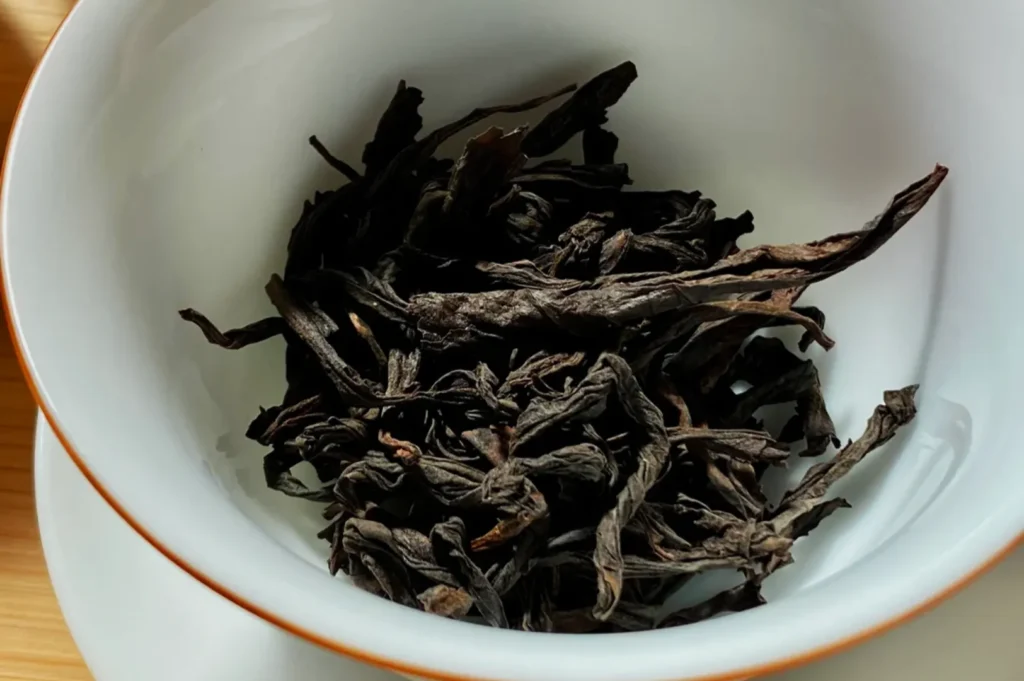
Da Hong Pao is often spoken of through the language of rock for good reason.
The tea frequently carries a mineral steadiness that feels distinct from roast, sweetness, or floral lift. It may seem cooling, stony, grounding, or quietly saline without ever becoming savoury in an obvious way. This quality contributes to what drinkers often call yan yun, or rock rhyme.
Rock rhyme is difficult to reduce to a single flavour note. It is less a taste than an after-impression of terrain. The tea feels anchored. It lingers with a structural calm that stays beyond the sip. This is part of what gives Da Hong Pao its gravity. It is not a theatrical tea, but it often has a very strong sense of place.
At Tea Room by Ki-setsu, we think this mineral quality is one of the reasons Da Hong Pao feels so different from more floral or greener oolongs. It does not simply perfume the palate. It settles into it.
This is often where Da Hong Pao becomes more than roasted oolong. It begins to feel unmistakably like yancha.
Texture Matters as Much as Flavour
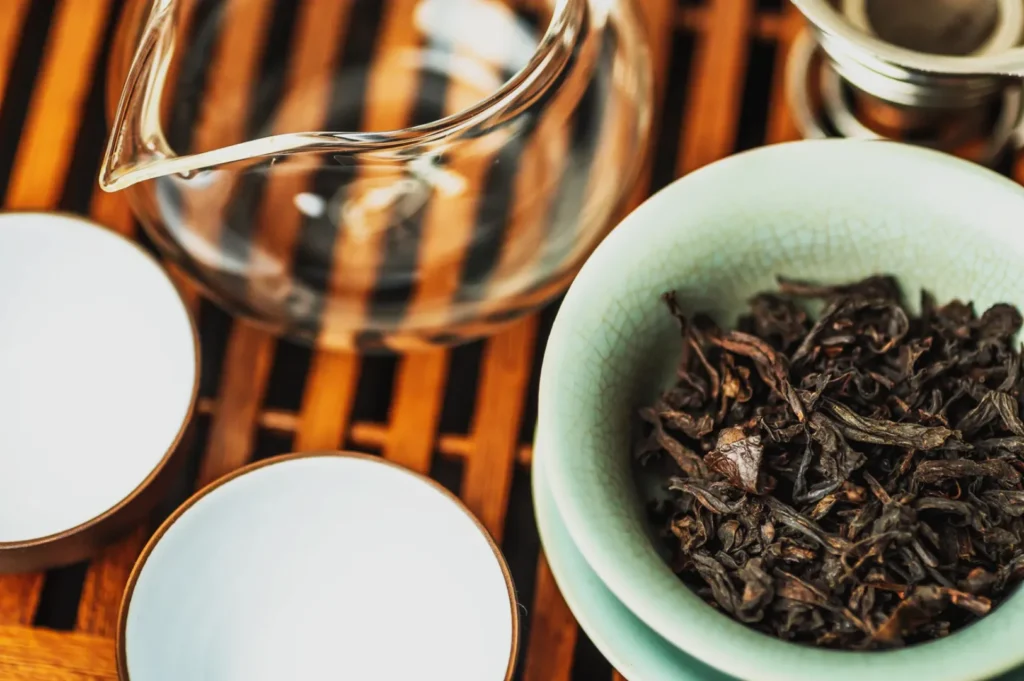
A tasting note without texture is only half a note.
Da Hong Pao is often admired for how it moves as much as for what it tastes like. A thinner tea may show roast and floral notes clearly and still feel incomplete. A stronger tea may feel satisfying at first and then become coarse. The most persuasive cups tend to carry enough body to coat the palate lightly without becoming heavy.
Texture determines whether the tea’s deeper notes feel connected or scattered. The liquor should feel composed. It should carry the tea into the finish rather than dropping the flavour abruptly after the swallow. When the texture is right, even quieter notes seem more believable.
At Tea Room by Ki-setsu, we pay close attention here because texture is one of the clearest distinctions between a merely interesting Da Hong Pao and one that feels truly complete. The tea should not feel hollow beneath its roast. It should have a centre of gravity.
The Finish Is Where the Tea Decides Itself
Many teas can impress at the opening. Fewer remain persuasive in the finish.
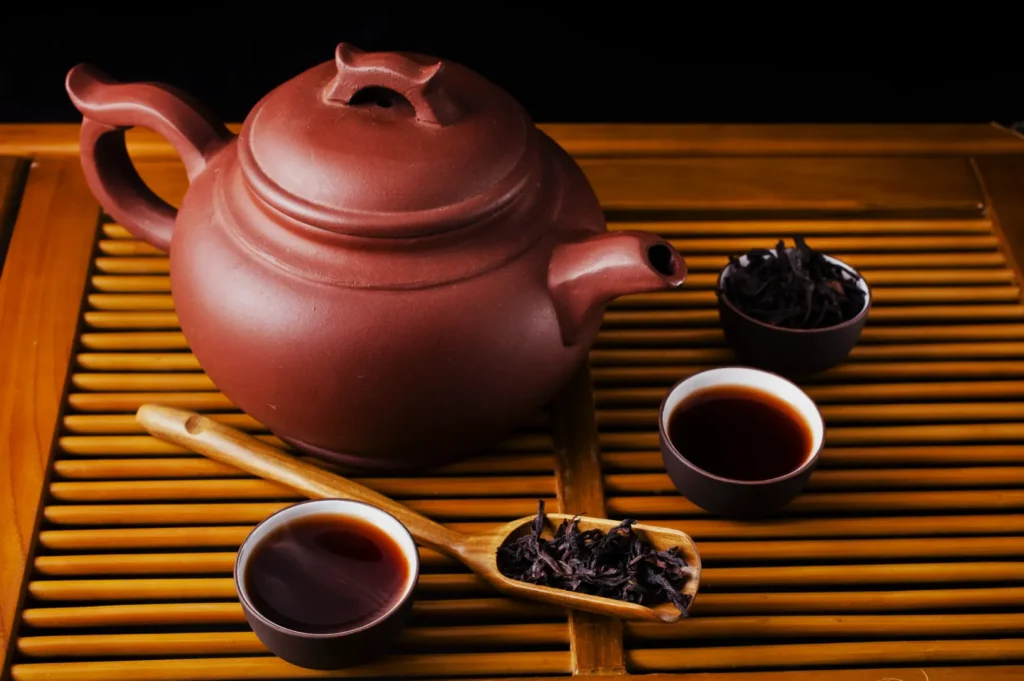
With Da Hong Pao, the aftertaste matters enormously. A good cup should not vanish after swallowing. It may return with mineral clarity, a slight cooling sensation, soft sweetness, or a renewed floral note. What matters is that the tea continues to speak.
This is often where quality becomes easier to recognise. A weaker tea may begin dramatically and then end with very little. A better tea may seem more restrained at first and then grow stronger in memory. The finish is where the cup becomes fully itself.
At Tea Room by Ki-setsu, we often find that the most moving Da Hong Pao is not the one that shouts loudest in the beginning. It is the one that keeps unfolding after the sip should already have ended.
The finish is often where Da Hong Pao stops being impressive and becomes memorable.
How To Taste It More Clearly
If you want to understand Da Hong Pao more accurately, slow down the sequence.
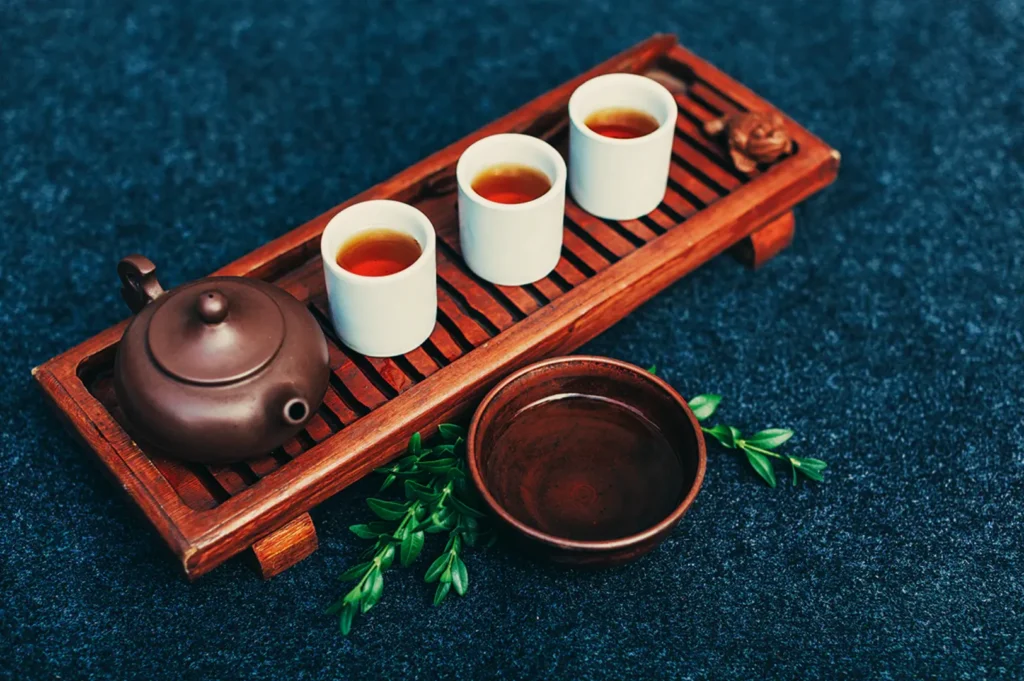
Smell the dry leaf before water touches it. Then notice what changes once the vessel is warmed. Taste the first infusion for structure rather than beauty. Let later pours reveal more detail. Ask where the tea sits. High in the nose, low in the throat, across the tongue, or behind the palate. Watch whether the roast softens, whether the floral lift rises, and whether the mineral finish becomes clearer with time.
This matters because Da Hong Pao is rarely a one-note tea. It often reveals itself in layers. Roast first. Then orchid. Then mineral depth. Then return.
At Tea Room by Ki-setsu, we think it remains so admired because it asks to be followed rather than decoded. It does not present itself as one dramatic impression. It unfolds through warmth, restraint, and persistence.
Why Da Hong Pao Stays With You
Da Hong Pao is often described as a prestigious tea, but prestige is not what makes it persuasive in the cup.
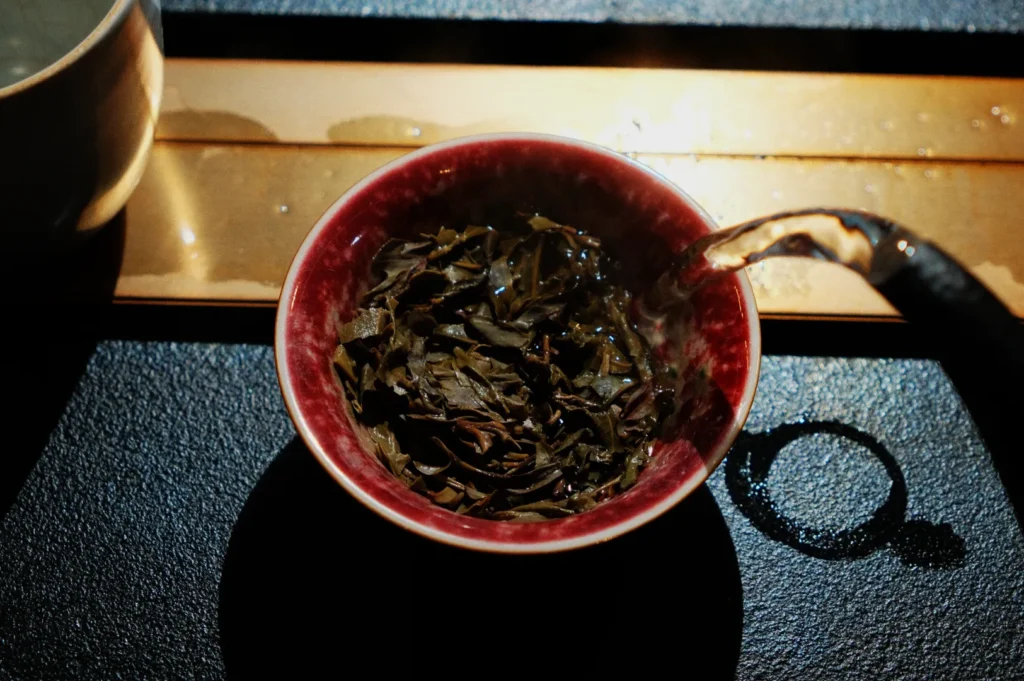
What stays with people is usually more intimate than that. The warmth that never turns crude. The orchid note that arrives quietly. The mineral depth that gives the tea its spine. The finish that keeps speaking after the swallow.
At Tea Room by Ki-setsu, we think Da Hong Pao remains so compelling because it carries both strength and restraint. It can feel grounded without becoming dull, floral without becoming perfumed, roasted without becoming harsh. Few teas hold those tensions so well.
Its drama is not loud. Its drama lies in how much it continues to reveal once the cup should already have been finished.