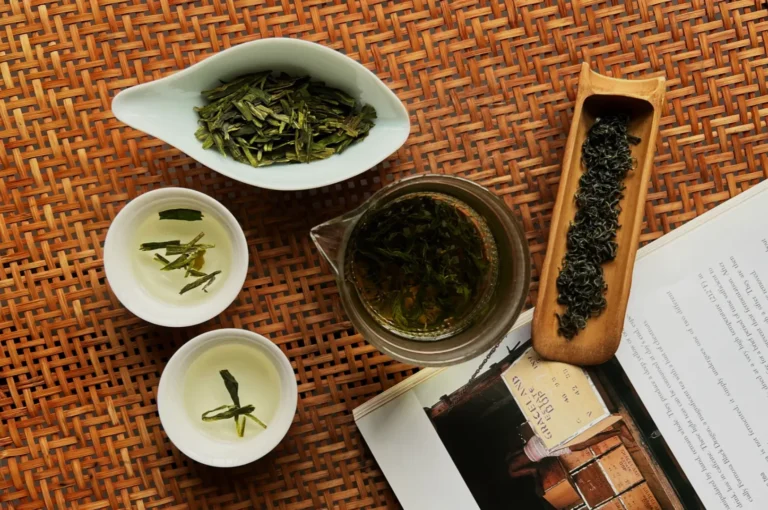
Longjing is not a tea of excess.
It does not win people through intensity. It does not lean on fragrance alone, nor on rarity alone, nor on the kind of force that makes a cup seem memorable before it has properly settled. It teaches something quieter than that. It teaches that delicacy can still carry structure, and that restraint is not the absence of character but one of its most demanding forms.
For readers who want the broader foundation first, our complete guide to Long Jing tea offers the larger context. This piece is more personal in spirit. It asks why Longjing, a tea so often praised for freshness and grace, still matters as a lesson in restraint.
Restraint Is Not the Same as Simplicity
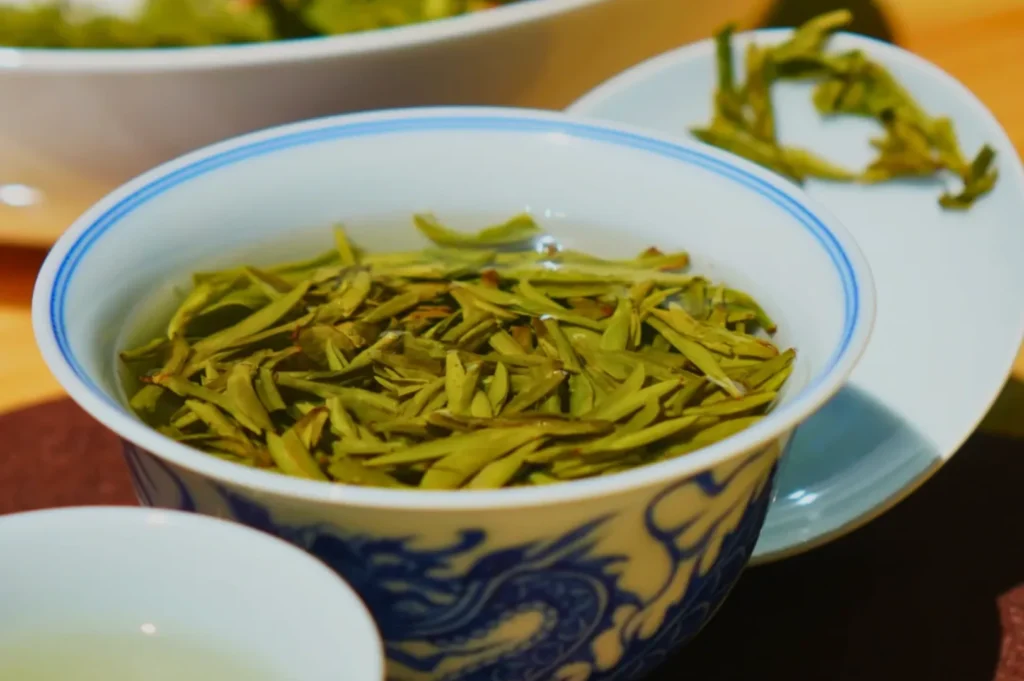
Longjing can seem simple when it is described carelessly.
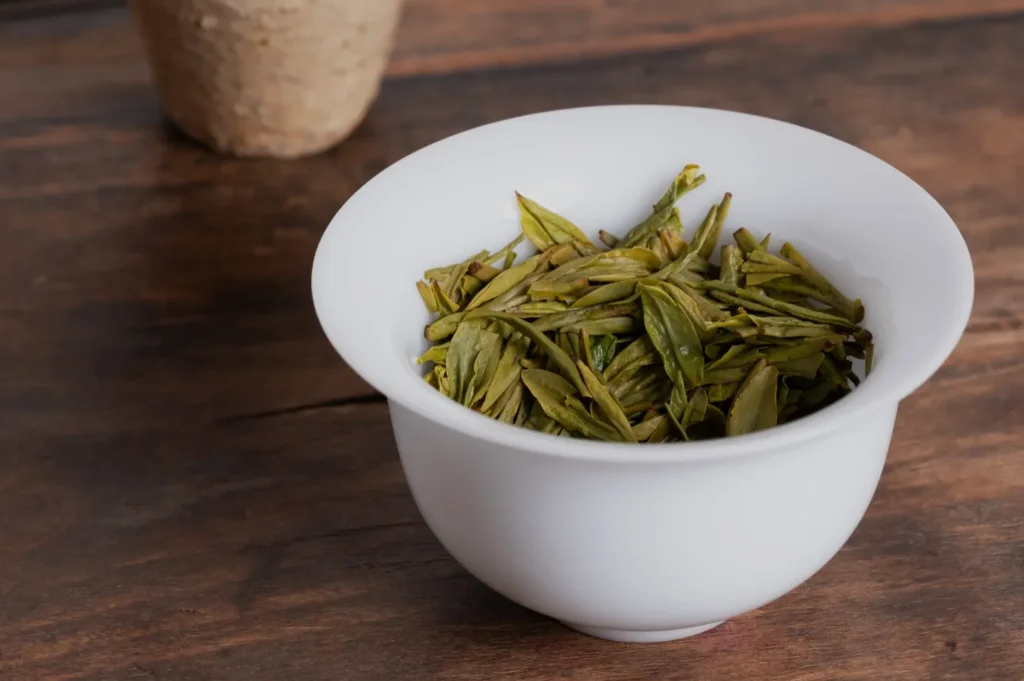
Chestnut. Bean. Sweetness. Spring freshness. These are useful words, but they can also make the tea sound more straightforward than it really is. A good Longjing does not merely taste mild. It holds itself together with unusual discipline. The warmth never becomes coarse. The freshness never turns shrill. The finish stays clean without feeling empty.
This is what makes the tea so instructive. It is not asking how much can be extracted from the leaf. It is asking how much can remain precise without spilling over into excess.
Longjing is a reminder that a tea can be gentle and still be exacting.
The Tea Teaches by Refusing to Overstate Itself
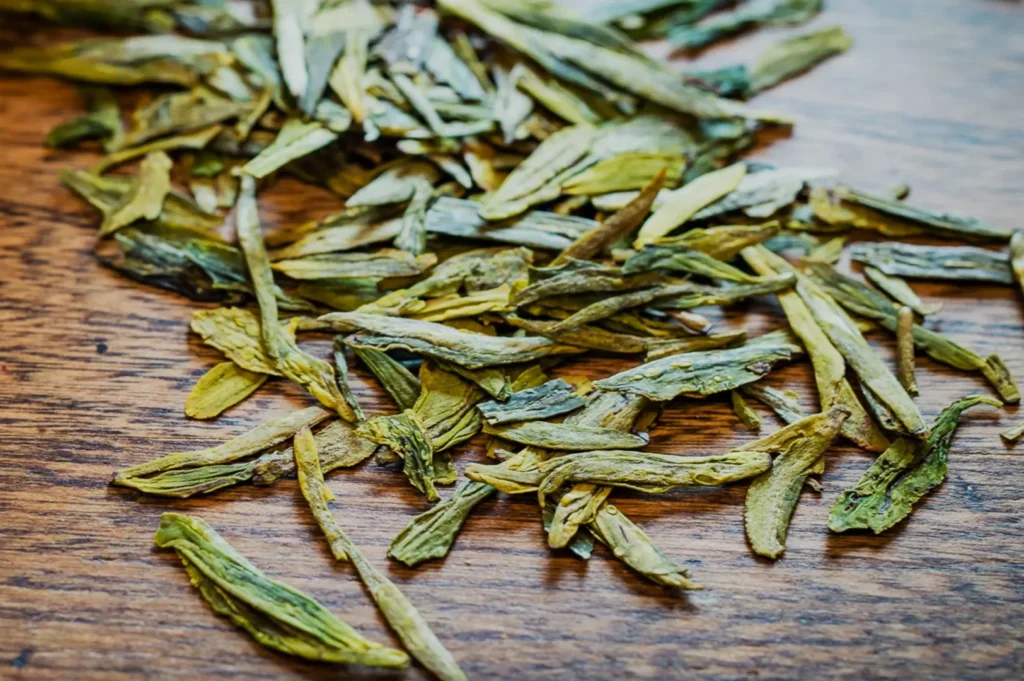
Some teas arrive like declarations. Longjing usually arrives like a measured sentence.
It offers enough to hold your attention, but rarely in a way that pushes too hard. The aroma rises, but does not flood the room. The flavor settles, but does not become heavy. The cup leaves an impression, but not by exhausting the palate. In a culture that often rewards immediacy and overstatement, that feels quietly unusual.
At Tea Room by Ki-setsu, this is one reason Longjing continues to matter. It offers a form of confidence that does not depend on force. The tea does not need to prove itself loudly. Its authority is already in the balance.
Why This Matters Beyond the Tea Table
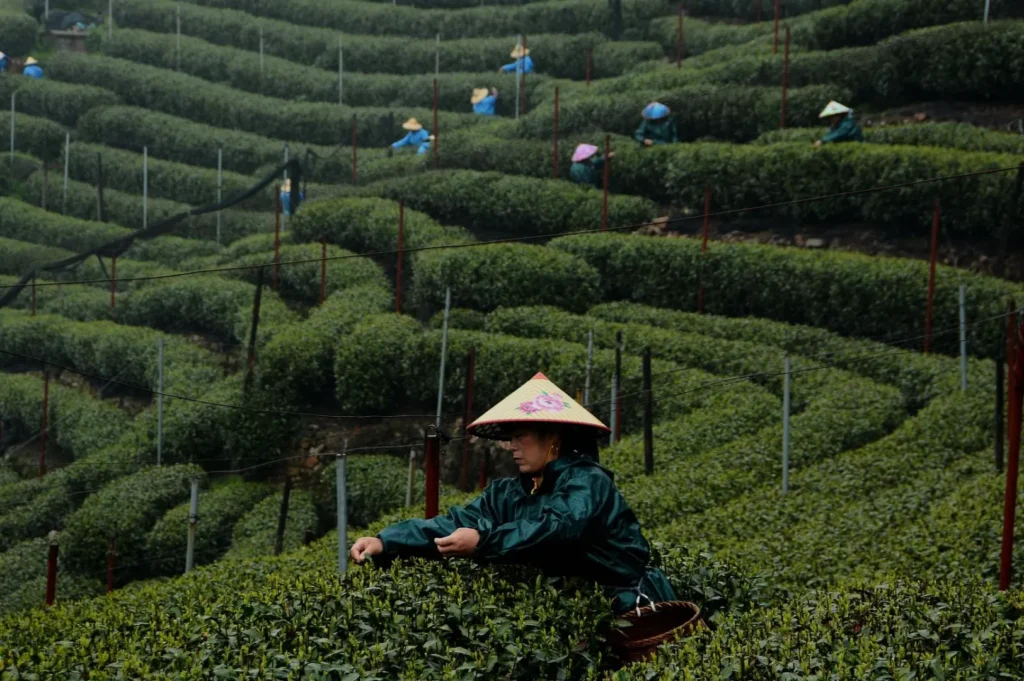
Restraint is not only a tasting principle. It is a way of moving through the world.
Modern life encourages compression. More speed, more stimulation, more reaction, more visible effect. A tea like Longjing offers a different model. It asks for notice rather than chase. It teaches that clarity often appears more fully when pressure is reduced.
This is part of why Longjing feels culturally important beyond its reputation as a famous green tea. It is not just an agricultural product or a luxury item. It is an example of what happens when delicacy is protected instead of overshadowed. The leaf is shaped carefully. The firing is controlled. The flavor is guided toward precision rather than spectacle.
What Longjing preserves is not only freshness. It preserves measure.
Pan-Firing Is Also a Lesson in Restraint
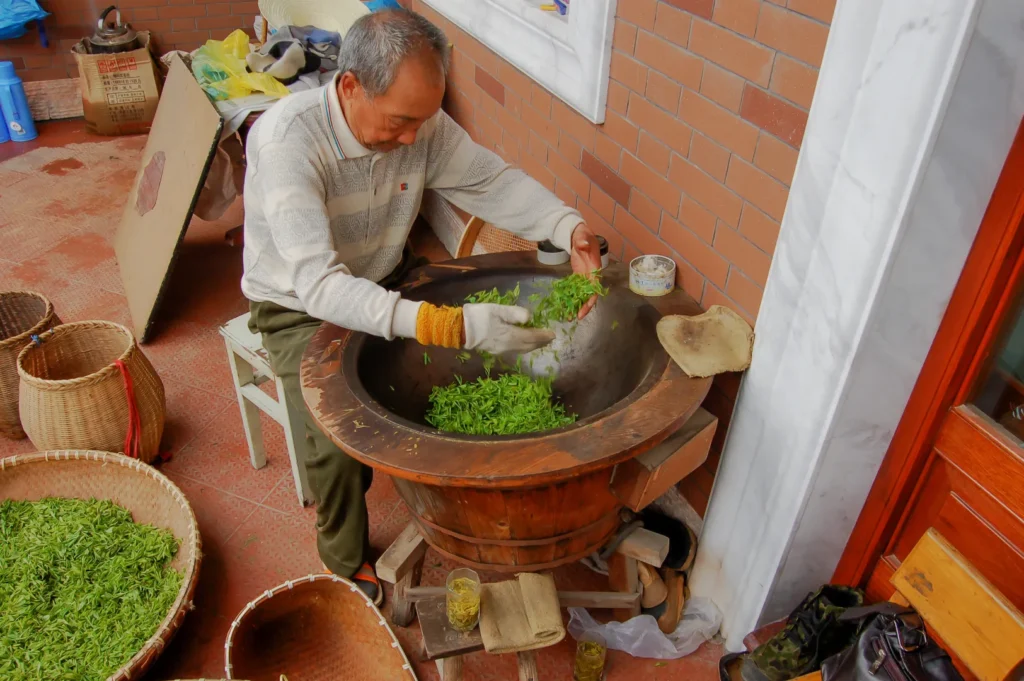
The way Longjing is made carries the same message as the way it tastes.
Pan-firing could easily become too much. Too much heat and the tea grows dull or harsh. Too little and it remains green in the wrong way. The shaping could become decorative. Instead, it becomes disciplined. The whole craft behind Dragon Well depends on knowing when to continue, when to stop, and how to let the leaf hold its own line.
That is why the process matters so much to the tea’s character. Longjing is not merely a tea with attractive notes. It is the result of repeated acts of restraint. The maker does not force the leaf toward grandeur. The maker protects what is already refined in it.
Why Longjing Still Feels Necessary
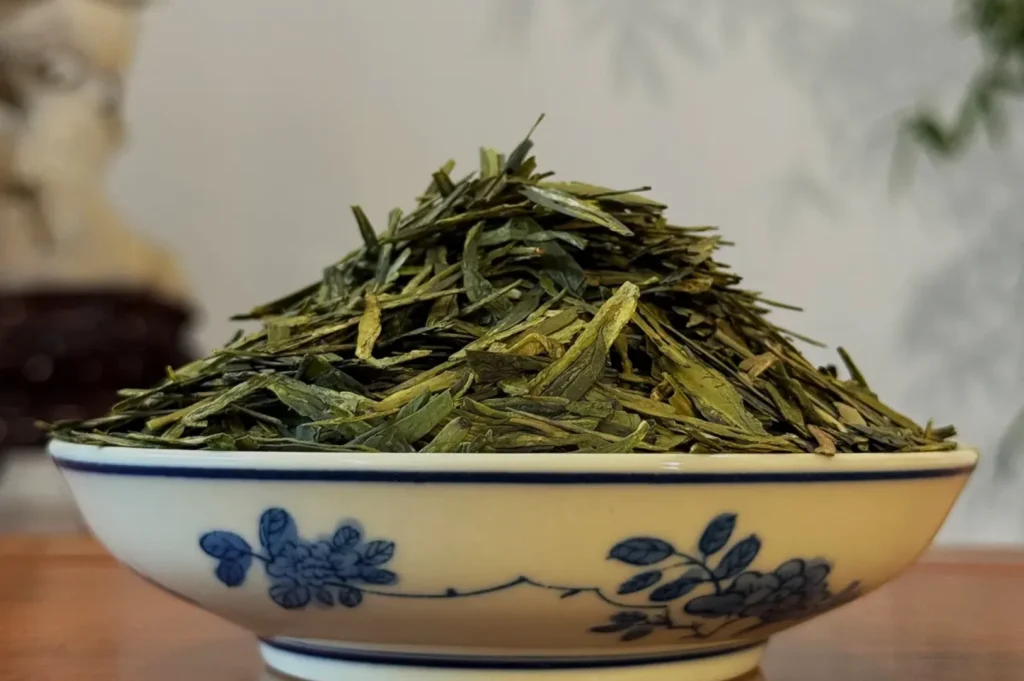
There are teas that impress quickly and leave little behind. Longjing often does the opposite.
Its effect deepens after the sip. The chestnut warmth settles more clearly. The finish remains clean. The mind recognises, slightly later, that the tea was more complete than it first appeared. This delayed persuasion feels especially relevant now. Not because the world has become less beautiful, but because it has become less patient.
At Tea Room by Ki-setsu, Longjing still feels necessary for exactly this reason. It rewards the kind of attention that modern life makes easier to neglect. It shows that not every meaningful experience announces itself at full volume.
Longjing still teaches us restraint because it continues to prove that restraint can carry real depth.
The Quiet Standard It Leaves Behind
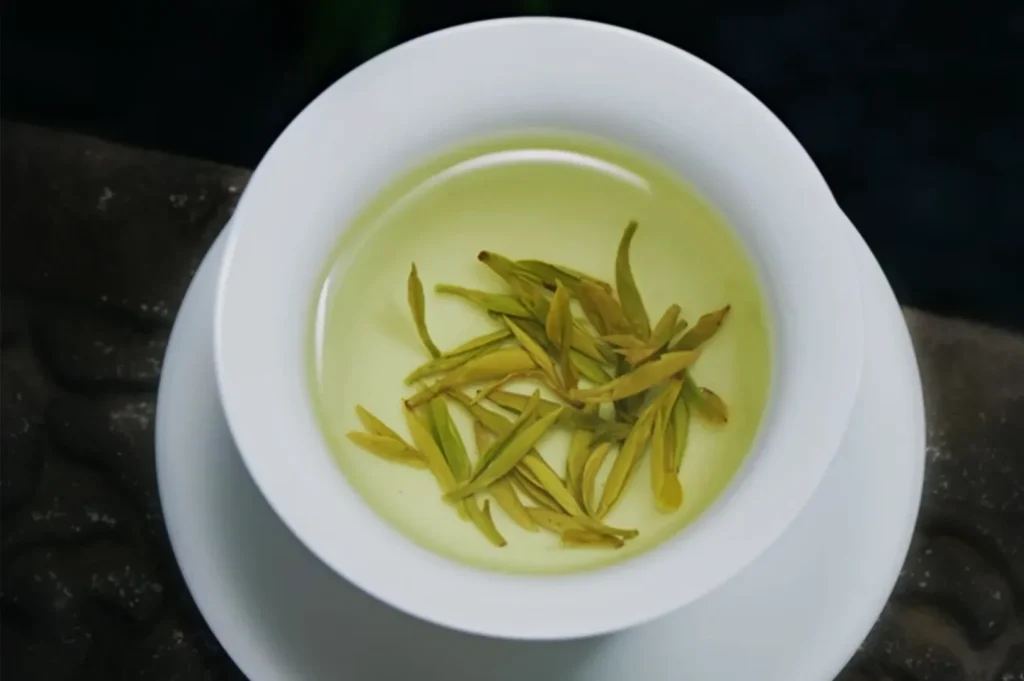
A great deal of tea appreciation begins with learning what the leaf tastes like. It deepens when the leaf begins to teach something larger.
Longjing teaches proportion. It teaches that freshness does not need sharpness. That sweetness does not need excess. That beauty can arrive through control rather than expansion. These are not abstract virtues. They are felt directly in the cup.
That may be why Longjing remains so enduring. Not simply because it is famous, not simply because it is culturally important, but because it continues to model a form of refinement that is difficult to imitate and harder still to improve upon.
It leaves behind a quiet standard. One that asks not how much more can be added, but how much less is needed once balance has truly been achieved.