When you type “english tea set singapore” into a search bar, you’re rarely looking for “just cups.” You’re usually looking for a mood: a certain elegance, a certain kind of table, a certain kind of time.
In Singapore, that search often leads to an interesting split. We live with two tea traditions side by side. One arrives through the colonial legacy of the afternoon tea party: tiered stands, flowers, strong tea, and a social rhythm. The other comes from Chinese tea culture: leaf, water, vessel, and a quieter attention to detail.
Both belong here. Both can be beautiful. But they are built for different experiences. This guide lays out the practical differences so when you choose a set for your home, your style, and your daily life, you’re choosing with clarity, not just aesthetics.
A Tale of Two Tea Traditions in Singapore
The English tea tradition took a recognisable social form in the 19th century, when afternoon tea became a fashionable ritual. The tea set evolved alongside it: matching items, coordinated pieces, and a complete “table story” designed to host and impress.
Chinese tea sets carry a longer lineage, shaped by the needs of the leaf rather than the demands of social display. The vessel exists to support aroma, temperature, and expression, more tool than ornament even when it is deeply artistic.
In modern Singapore, these traditions often sit on the same shelf. One set might come out for birthdays and guests; another might be used quietly on a weekday morning. The difference is not which is “better.” It’s what each set is designed to do.
Fine Bone China and Why It Matters in an English Tea Set Singapore Buyers Look For
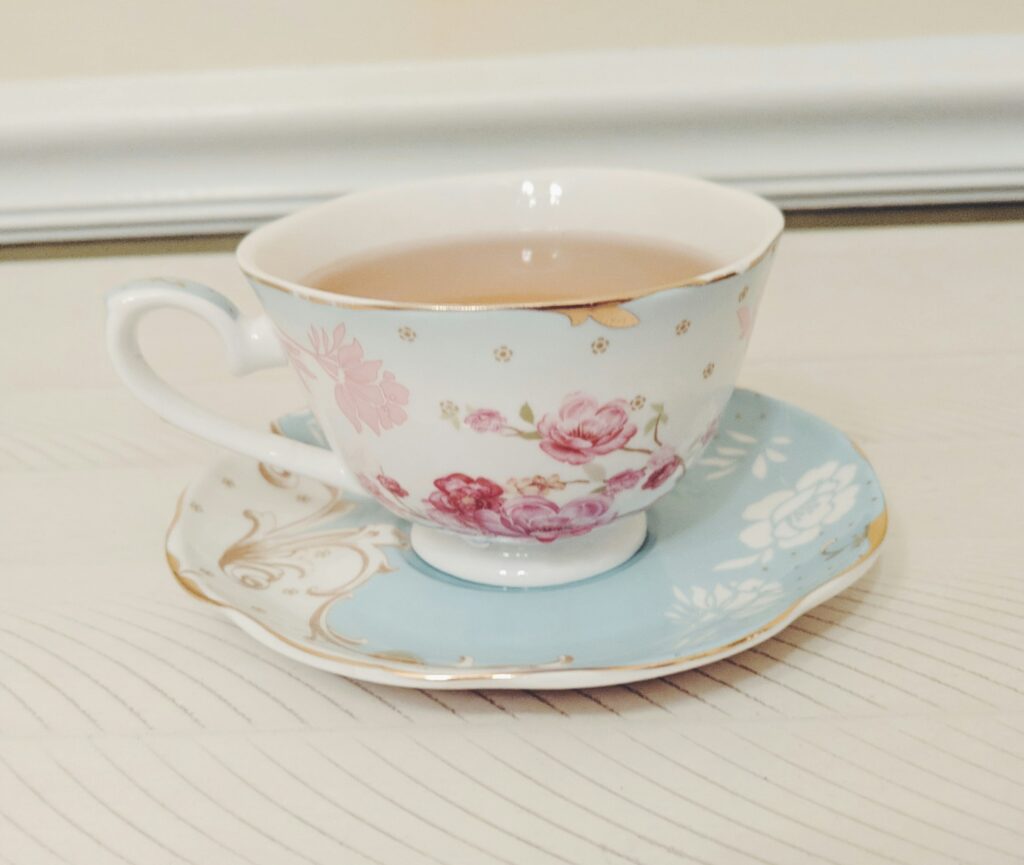
For many people searching english tea set singapore, fine bone china is the phrase that signals quality.
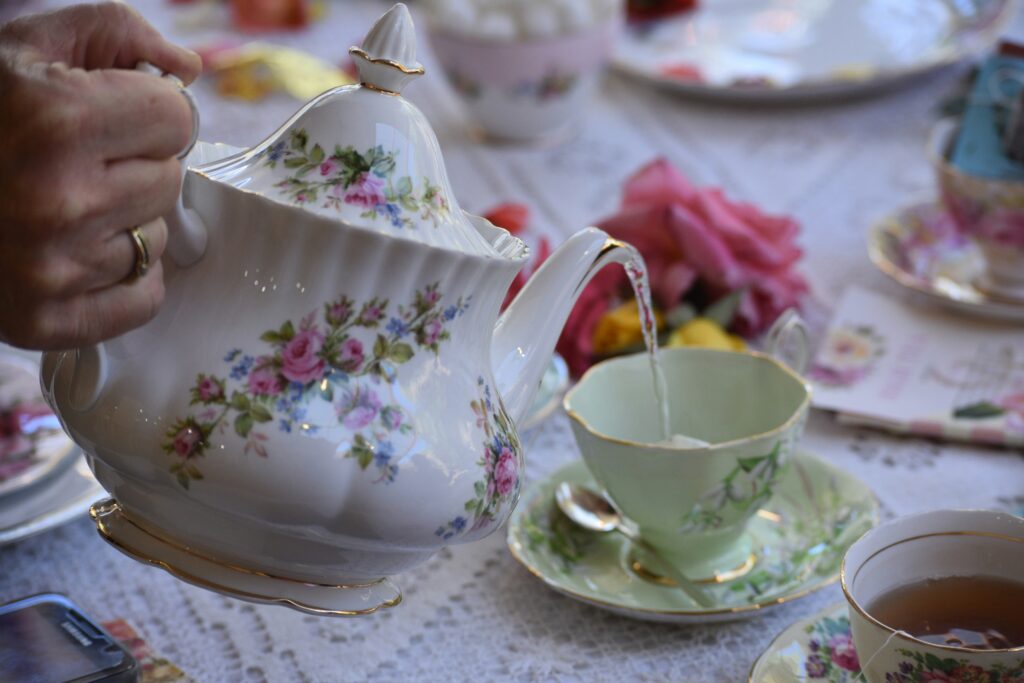
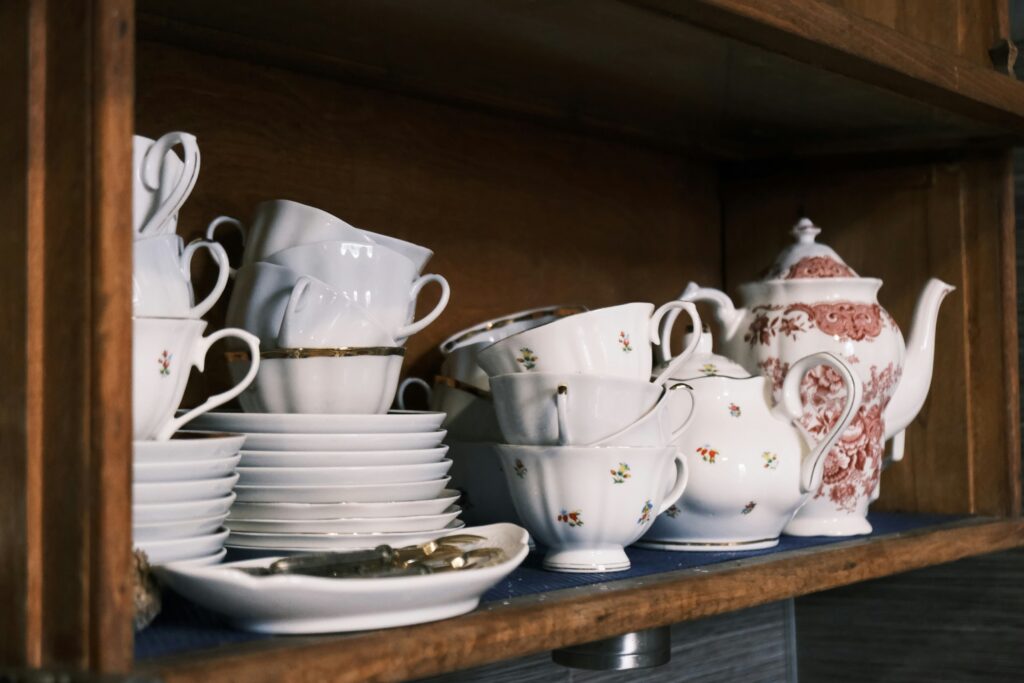
Bone china is known for being light in the hand, strong for its thinness, and slightly translucent when held to the light. That soft “milky” base is part of the charm. It makes floral motifs and gold edging feel warm rather than harsh.
English sets are typically built as complete collections:
cups and saucers
a teapot
milk jug and sugar bowl
sometimes extra serving items
The point is visual harmony. The set looks cohesive on the table, complemented by linen, pastries, and flowers. It supports a leisurely pace: tea poured, conversation flowing, refills easy.
Tea Sets as Design Philosophy: Volume, Shape, and the “Purpose” of Each Tradition
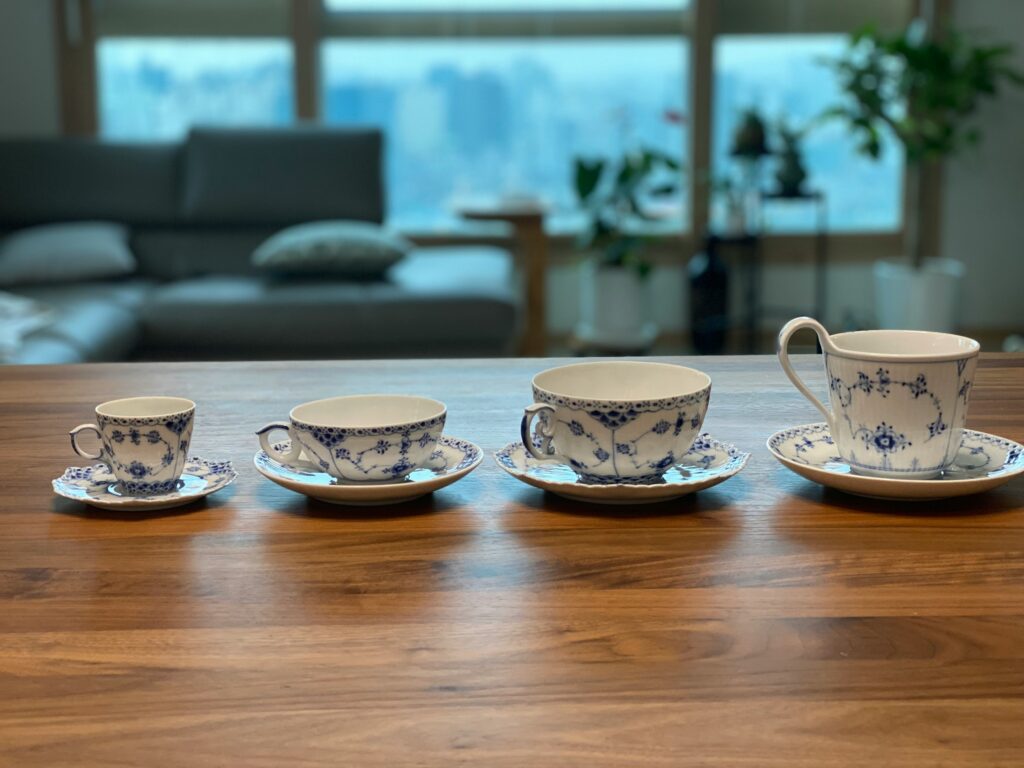
Here’s a simple way to understand the design difference:
English tea sets are built for serving.
Chinese tea sets are built for tasting.
English cups are generally larger. They hold a generous pour, often intended for black tea, sometimes with milk and sugar. The handle keeps fingers away from heat. The cup shape supports comfort and slow sipping across time.
Chinese cups are usually smaller sometimes just a few sips. That isn’t about being “precious.” It’s practical. Small cups keep tea at its best temperature and aroma. They make the session dynamic: pour, sip, refill, notice how the tea changes.
Even the “extras” reflect the philosophy:
English sets: teaspoons, strainers, serving ware
Chinese sets: brewing tools, trays, and tea accessories that support the process
Both traditions have their own kind of elegance. One is abundance. One is restraint.
Afternoon Tea Party Culture: Social Elegance, Ritual, and Table Beauty
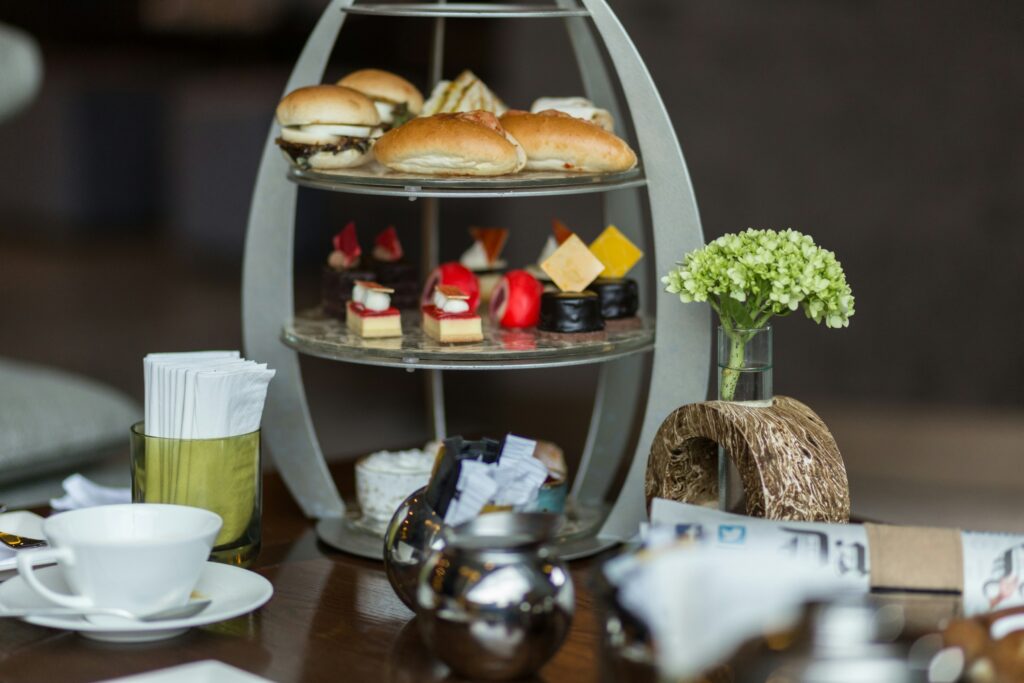
The afternoon tea party is outward-facing by nature. It’s a social pause. Friends catching up, a table dressed, small treats and shared conversation.
A larger teapot supports that format. Tea stays warm while people talk. The ritual is gentle and familiar: pour, add, stir, enjoy. The set becomes part of the table’s beauty: colour, pattern, and symmetry working together.
In Singapore, this style often appears at hotels and celebration venues, and it also translates well at home for hosting. If you regularly entertain, an English set fits the rhythm: it’s easy, presentable, and complete.
Chinese Tea Culture: Quiet Precision, Evolving Flavour, and Purposeful Teaware
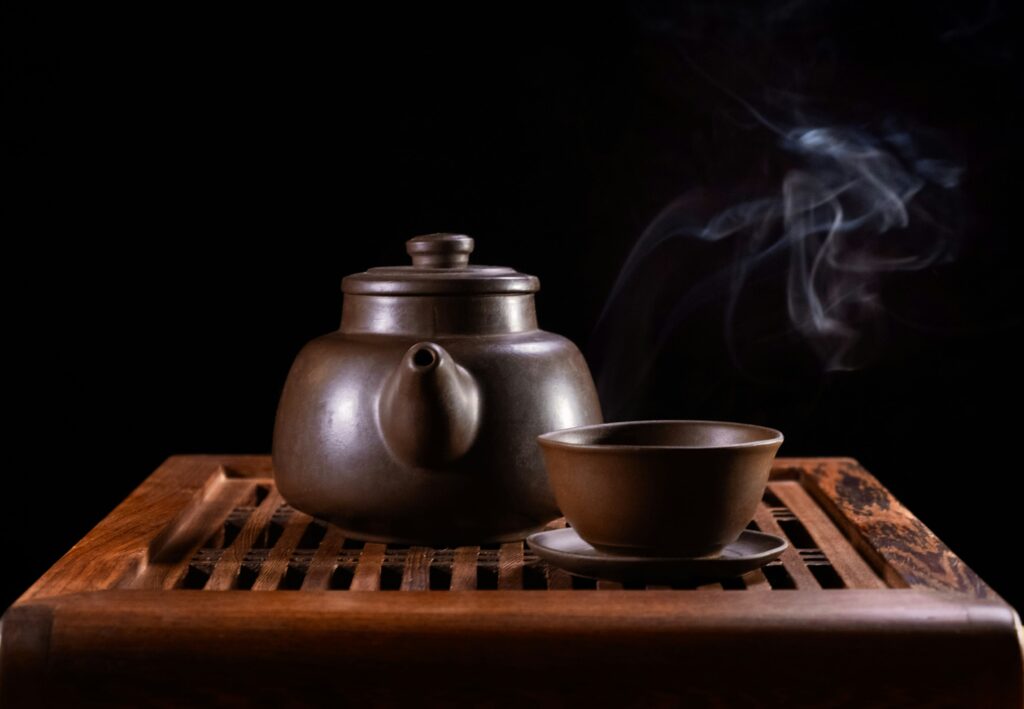
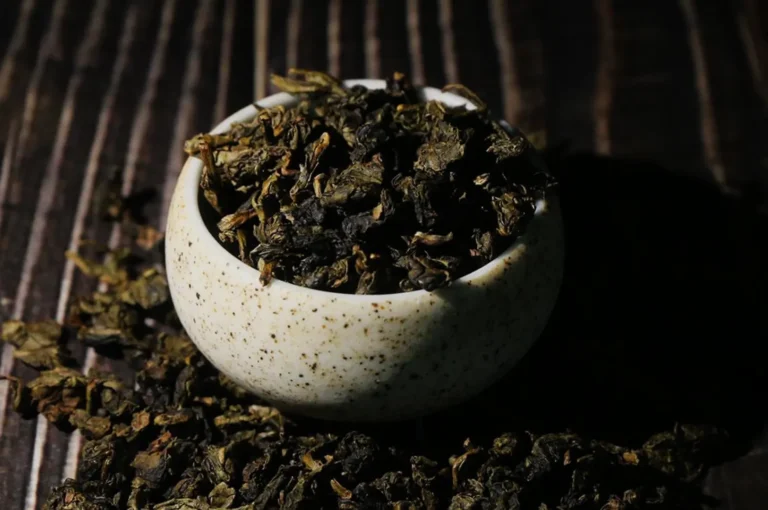
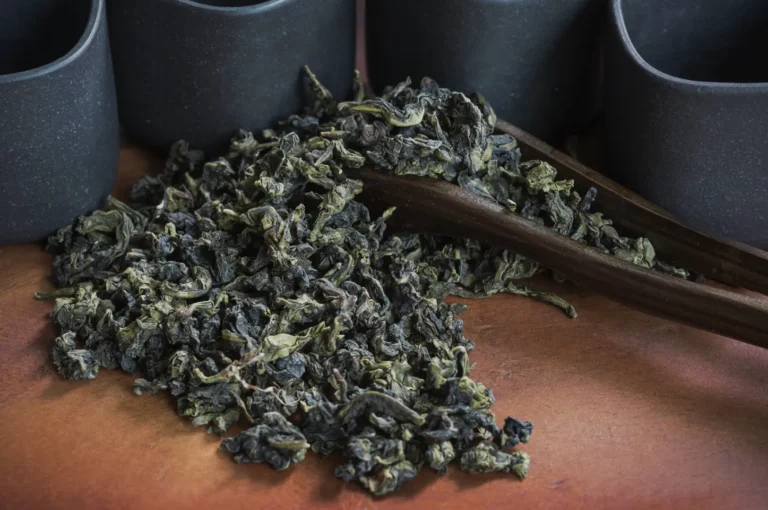
Chinese tea culture turns inward. The focus is less on the table and more on the tea itself.
Sessions often involve smaller brews and multiple infusions. The leaf isn’t “finished” in one pour, it unfolds over time. Teaware supports that unfolding: you brew, decant, taste, notice, then brew again.
This is why Chinese tea sets often include:
smaller cups
brewing vessels sized for short infusions
tea accessories for handling leaves and water
sometimes a tray to keep the surface clean and intentional
It can still be shared, of course. But even with guests, the rhythm encourages attention. The set doesn’t just serve tea. It shapes how tea is experienced.
Temperature, Additives, and How Tea Sets Influence Flavour
A quiet truth: the set you choose changes how your tea tastes.
English tea service often assumes tea that can hold up to:
longer steep times
being kept warm in a pot
milk or sugar added later
That’s why larger pots and cups make sense. The system supports comfort and consistency across a longer window of time.
Chinese-style brewing is usually about precision:
shorter steeps
smaller pours
clearer control over temperature and timing
This matters when you’re drinking teas that are easily over-steeped or easily muted. If you enjoy tea “as leaf and water,” a Chinese set tends to reveal more nuance.
Building Your Collection: Price, Shopping, and What to Look For
If you’re building an english tea set collection, you’ll find complete sets more easily. Department stores, vintage shops, and curated retailers often carry ready-to-host sets. It’s straightforward: see the set, check the pattern, compare price, decide.
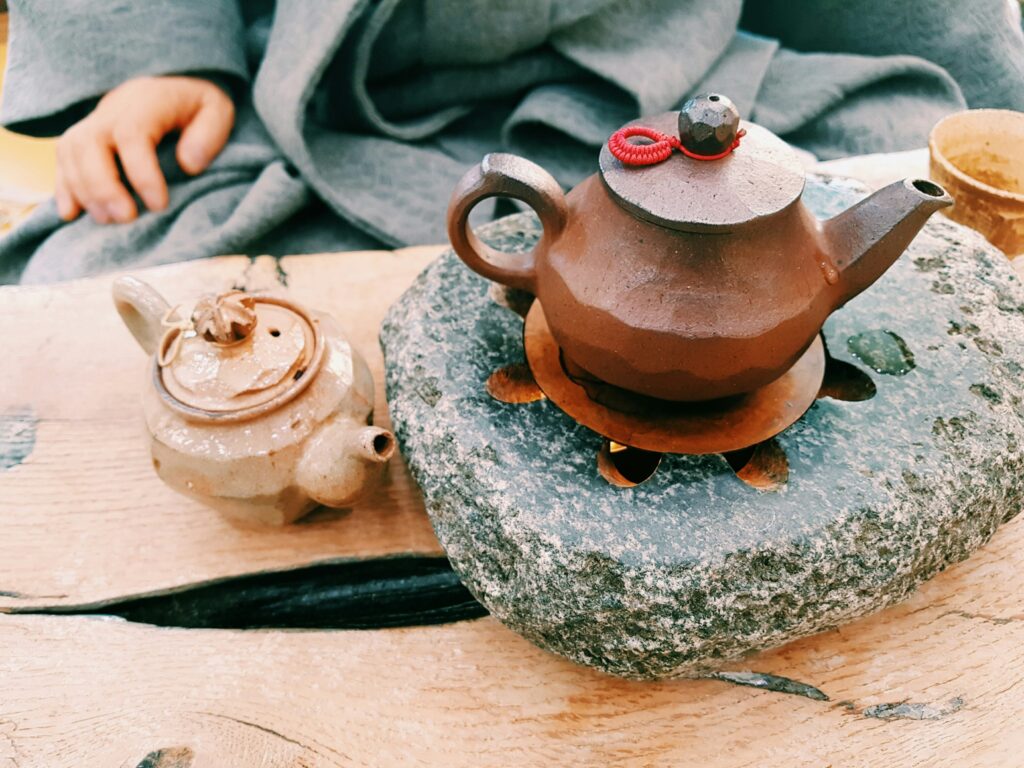
For Chinese tea sets, collecting can be more personal. People often start small and expand over time. It becomes a curated collection rather than a single matched purchase.
A few practical tips, whichever path you choose:
Hold the cup: does it feel balanced in the hand?
Look at glazing and finish: does it feel clean and well-made?
Check the teapot pour (if possible): smooth flow matters
Don’t rush to fill a cart: let pieces earn their place
Some shops encourage creating a customer account for updates on new stock, releases, or member pricing. That can be helpful but the best buying decision is still a slow one.
Coffee, Tea, and Singapore’s Changing Rituals
Singapore’s coffee culture is strong with kopitiam habits, café habits, the fast morning cup. Tea can be a different kind of time: less fuel, more pause.
That’s part of why tea sets are seeing renewed interest. They aren’t only decorative items now. They’re tools for a daily ritual. Some homes keep both: coffee for speed, tea for stillness, depending on the day.
And that’s the real beauty of Singapore’s tea culture: you don’t have to choose one identity. You can enjoy both traditions each for what it offers.
Bringing It Home: Which Tradition Fits Your Home and Style?
If you love hosting larger gatherings and you enjoy a table that feels dressed (flowers, matching pieces, a complete look) an English set makes sense. It’s built for that kind of hospitality, and the aesthetic is instantly recognisable.
If you want a daily ritual that is compact, flexible, and deeply sensory, Chinese tea sets are often a better fit. They take up less space, they work beautifully for one or two people, and they invite a calm kind of attention.
In Singapore, both paths are available. The better question is not “which is more elegant?” It’s: how do you want tea to feel in your day?
Discover Chinese Tea Culture at Tea Room by Ki-Setsu
The charm behind an english tea set singapore search is real. But if you’re curious about a quieter, more precise relationship with tea, Chinese tea culture offers another doorway: one inspired by leaf, water, and craft.
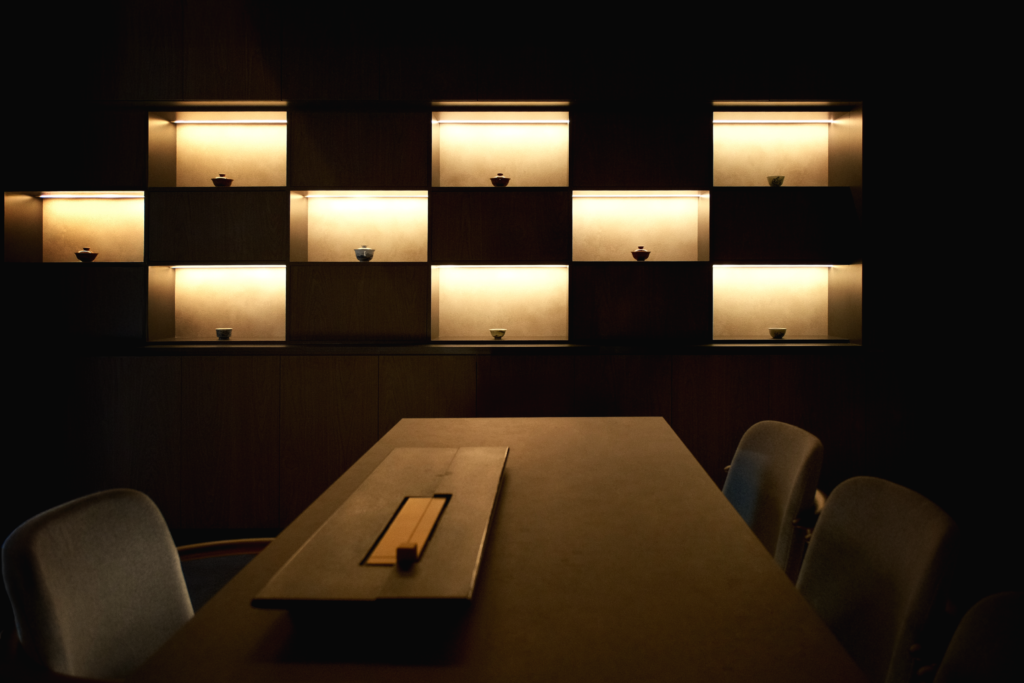
At Tea Room by Ki-Setsu, we host tea in a private sanctuary setting. Our approach is restrained and guided: a space to discover what different vessels, temperatures, and techniques reveal in the cup, reflecting the evolving trends in Singapore’s tea scene. If you’d like to explore this side of Singapore’s tea culture, we welcome you by reservation only.
Tea doesn’t need noise. It needs attention.